By Nanaho Asano | Project Coordinator
Dear GlobalGiving donors,
Thank you very much for supporting the Coastal Forest Restoration project.
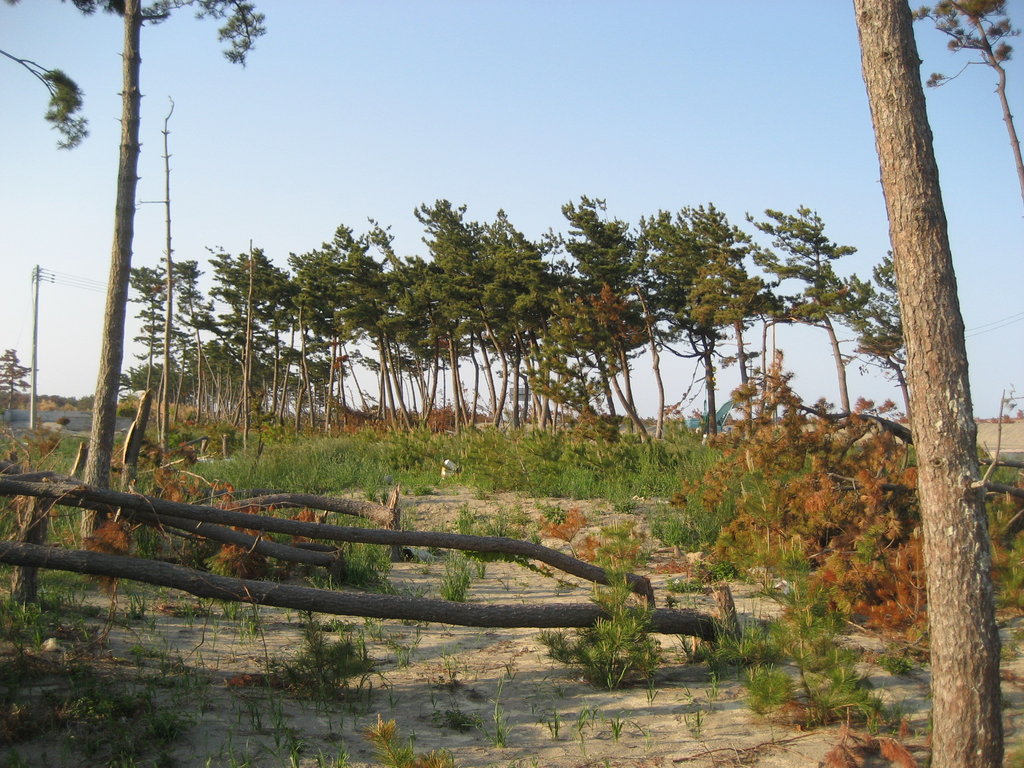
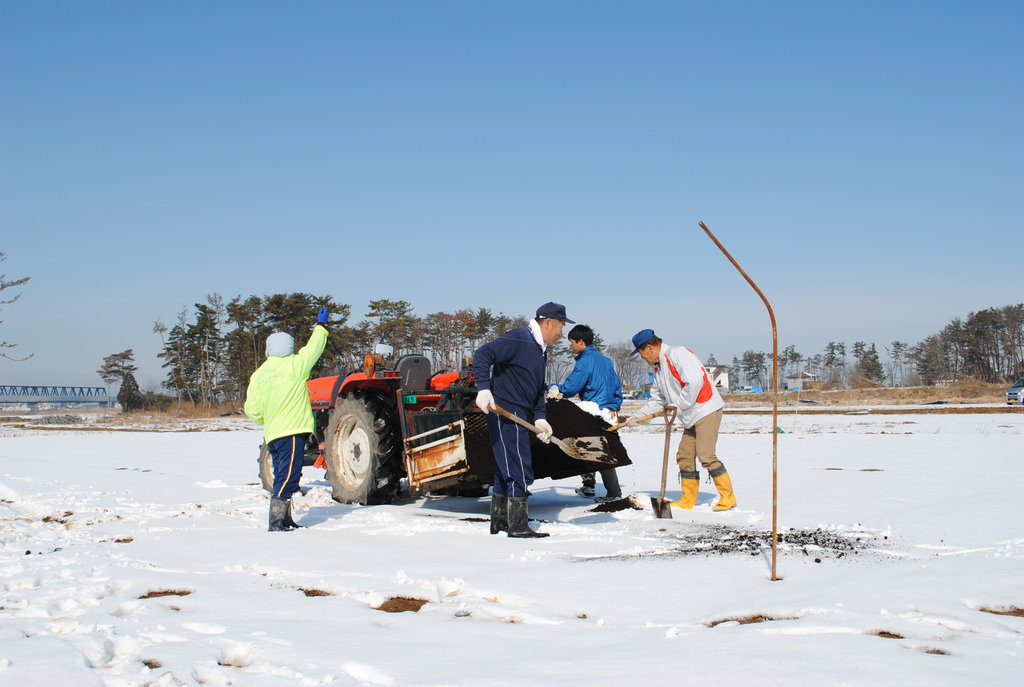
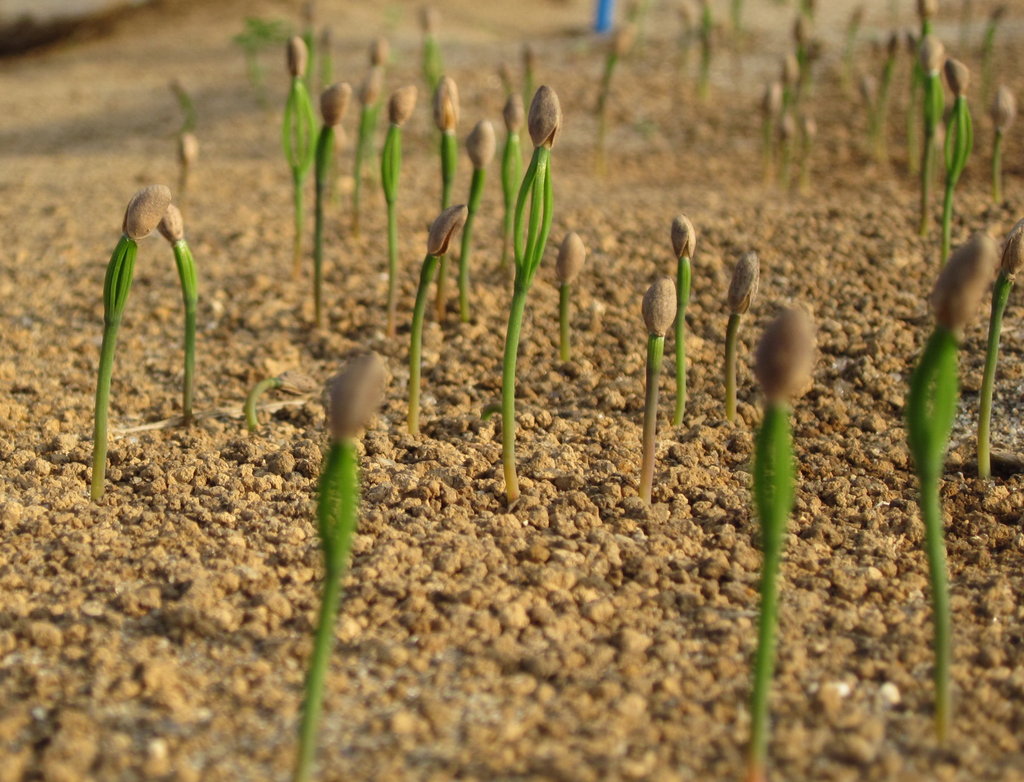
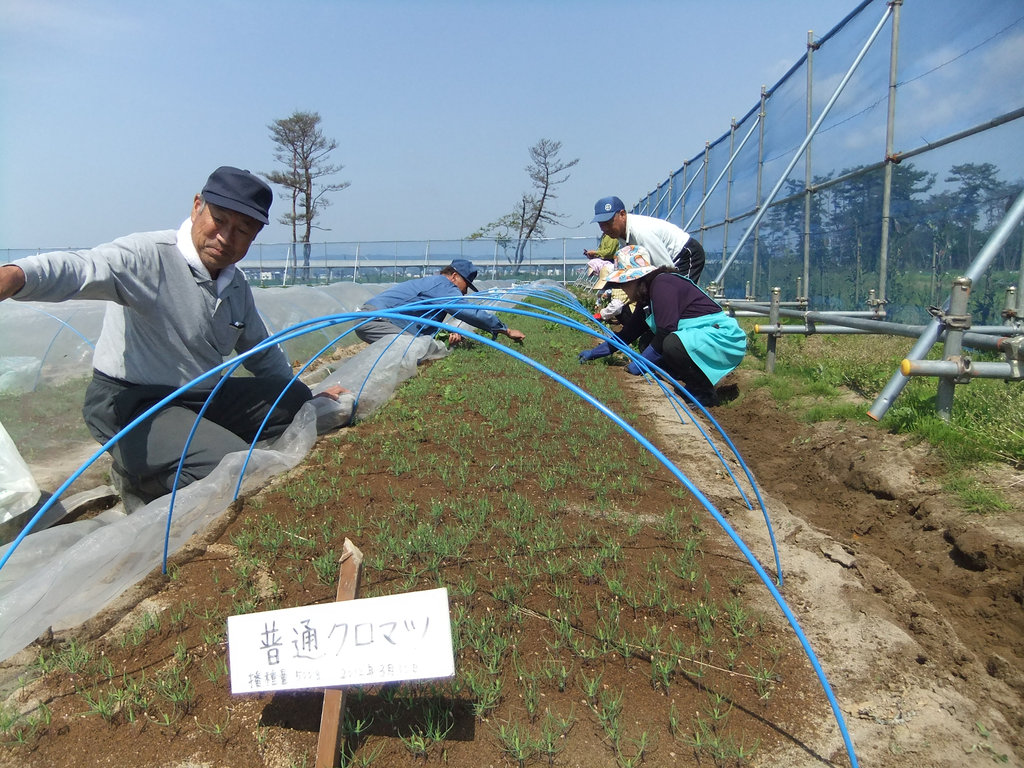
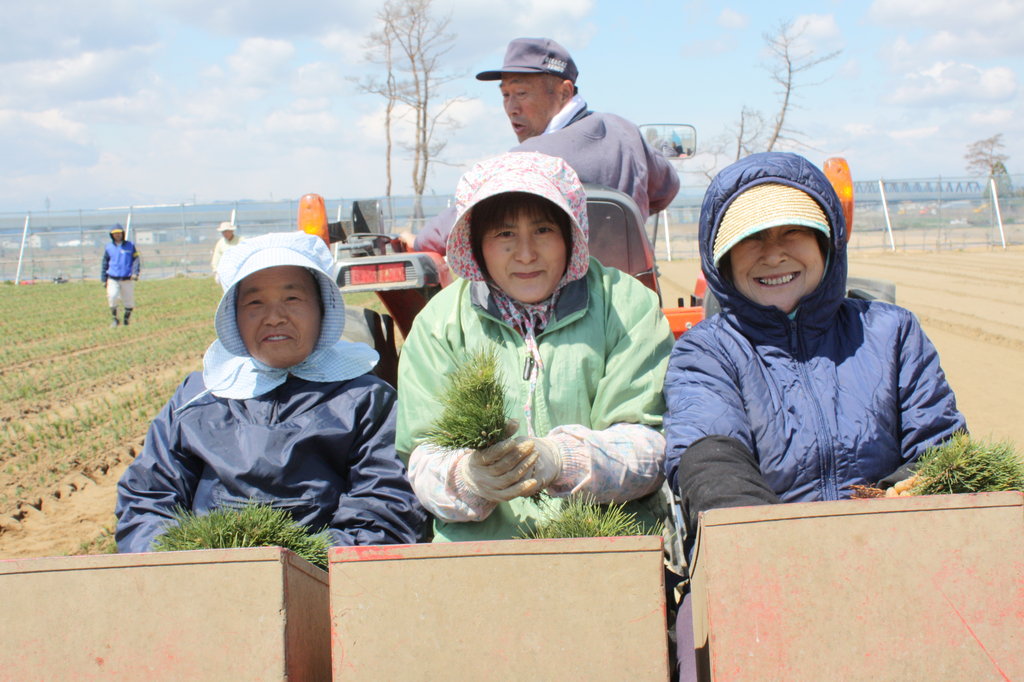
With your support, we have been conducting maintenance works as planned, and the pines are growing healthily. To support their growth, local forestry workers and volunteers from across the country are helping us remove the parasitic kudzu vines and fight against pine wilt disease. To fully eradicate the disease, volunteers patrol the forest to detect dead trees, while forestry workers dispose them by shredding and fumigation.
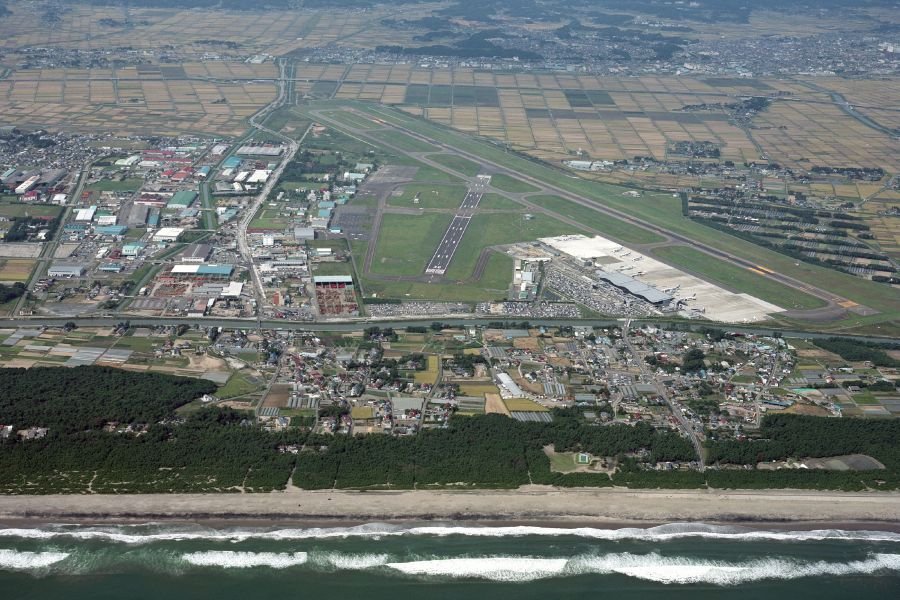
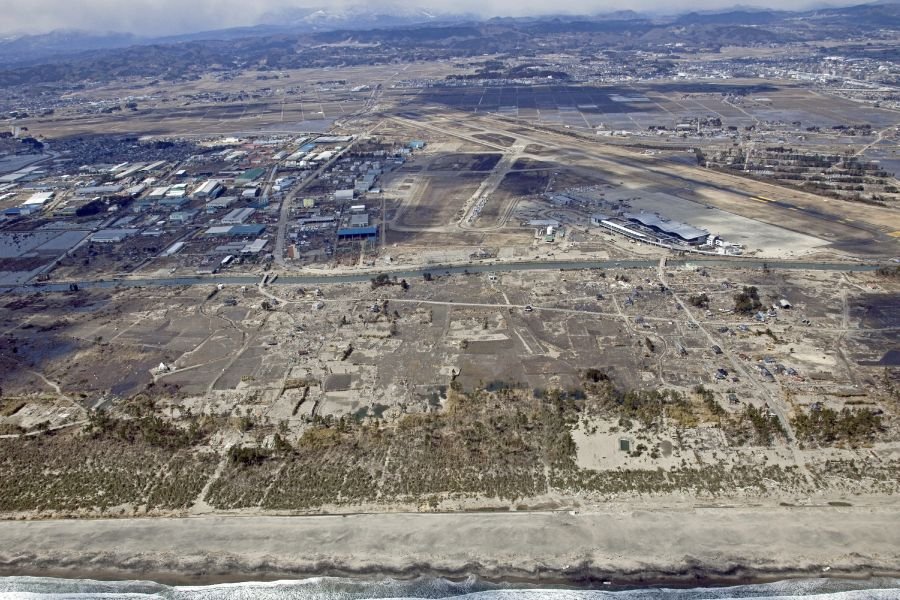
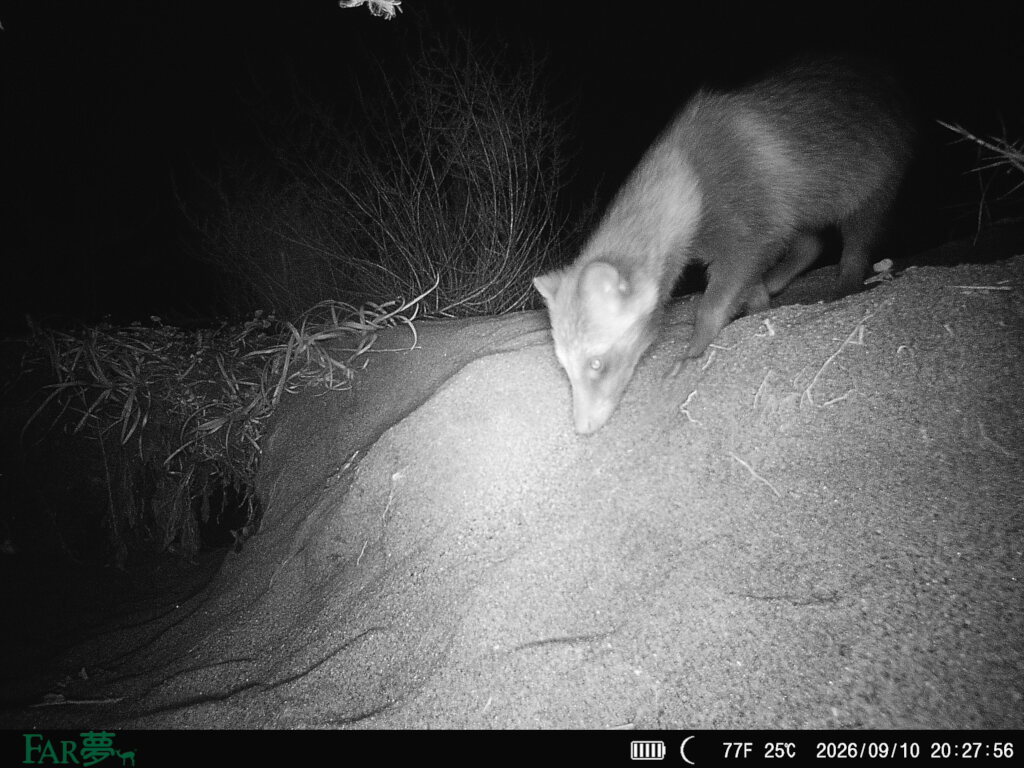
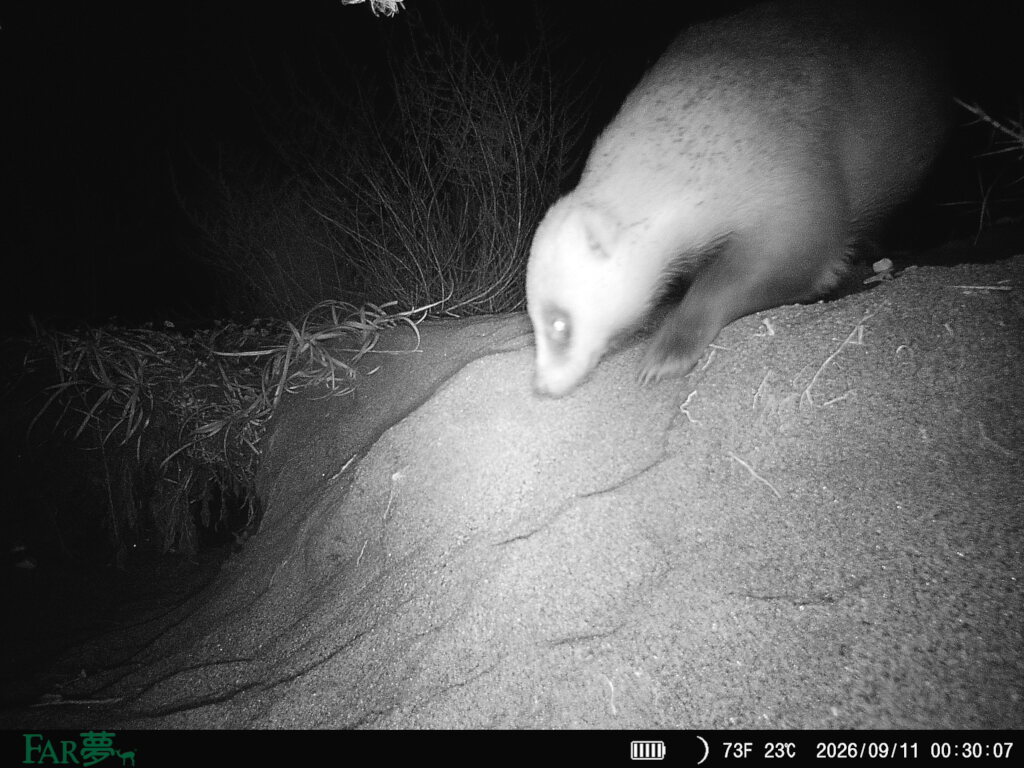
Fifteen years ago, tsunami washed away not only the black pine forest, but everything that existed there: from people’s lives to animal habitats. As the coastal forest comes back to life, so do the plants, birds, insects, and small animals. In September, sensor cameras installed in the forest captured footage of animals such as Japanese badgers and raccoon dogs. Creatures that we rarely encounter during our daytime work are making forest their new home.
However, people have not returned. Since the disaster, residing in this area has been prohibited. With humans pushed away from the sea, their connection to the forest has faded-and so have the opportunities to experience and appreciate its critical role. Under such circumstances, we take advantage of any opportunity to raise awareness about the significance of the coastal forest, especially among younger generation.
One example of this is the upcoming picture book created in collaboration with Ms. ico., an illustrator and native of Natori City. Having experienced the earthquake and tsunami herself, Ms. ico. has been supporting our project since the early stages. To convey the important role of the coastal forest to younger generation, Ms. ico. kindly proposed creating a picture book. She is passionate about showing young people that a strong disaster-prevention forest protects their own future, encouraging their sense of responsibility in taking care of it.
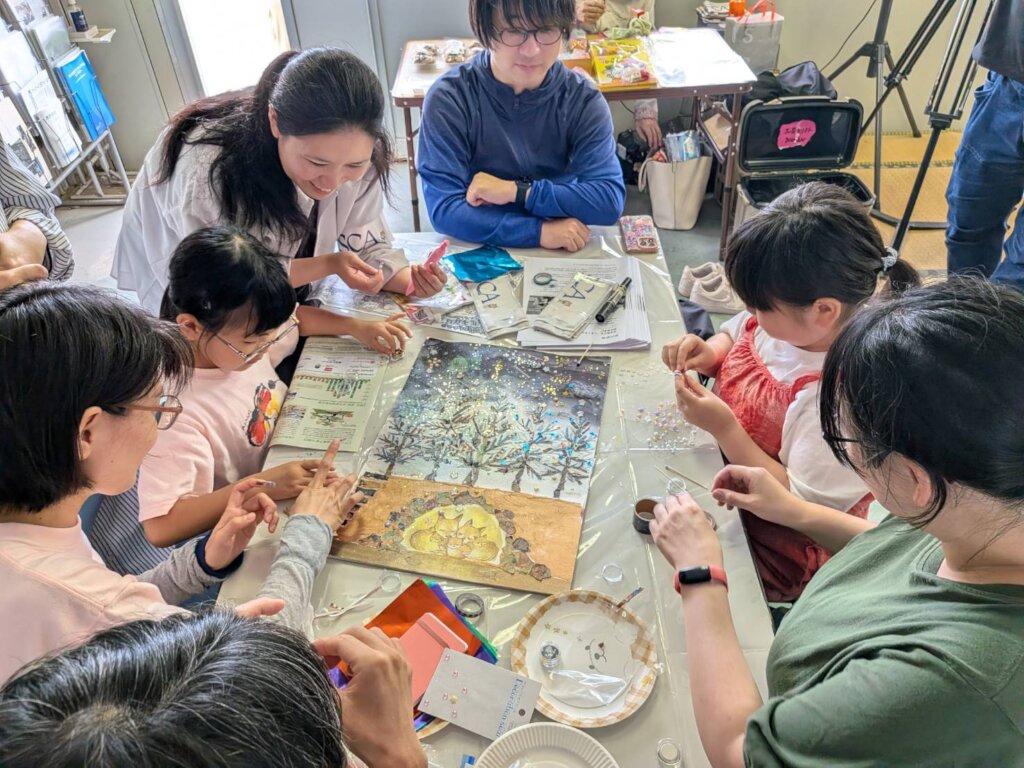
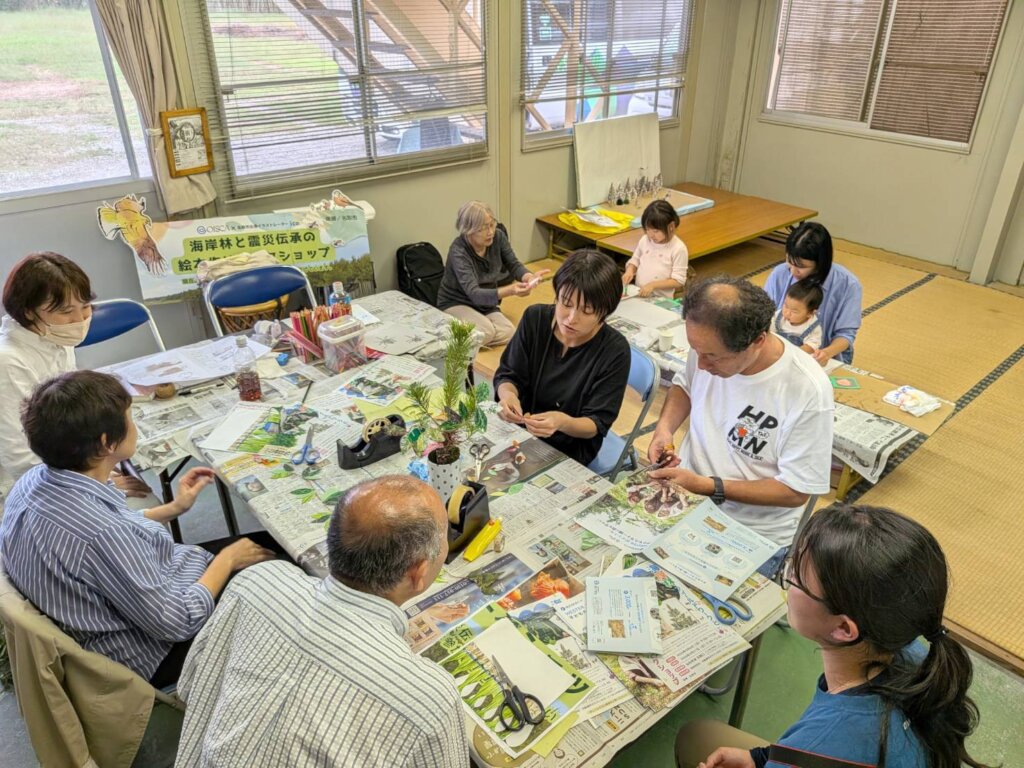
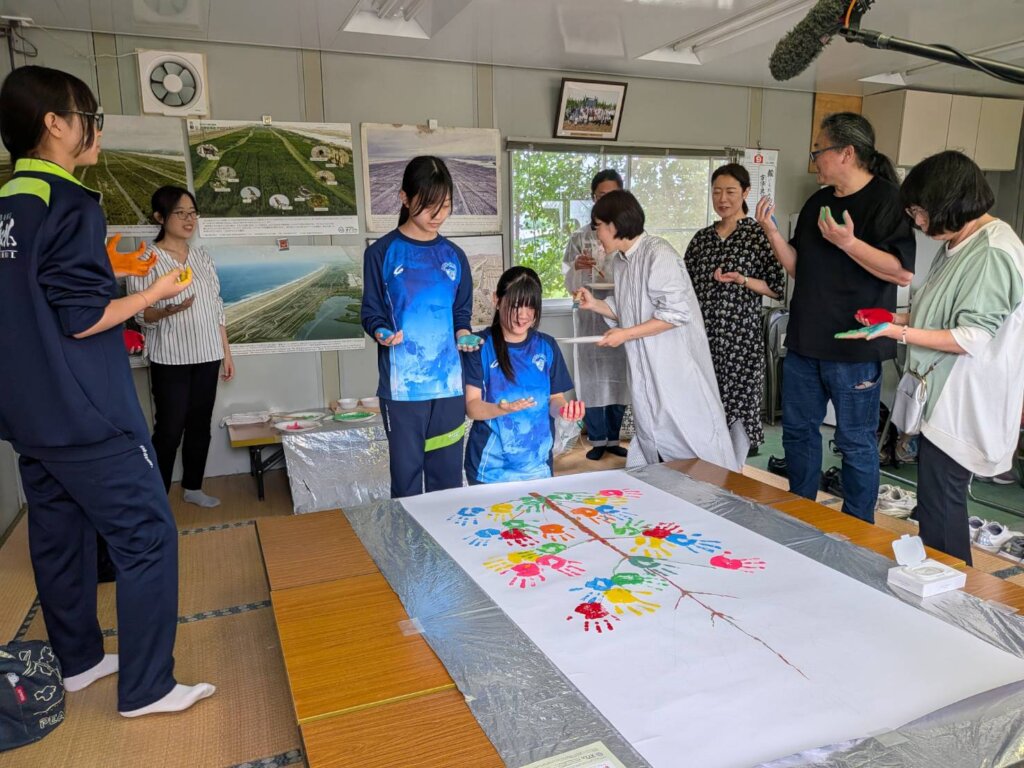
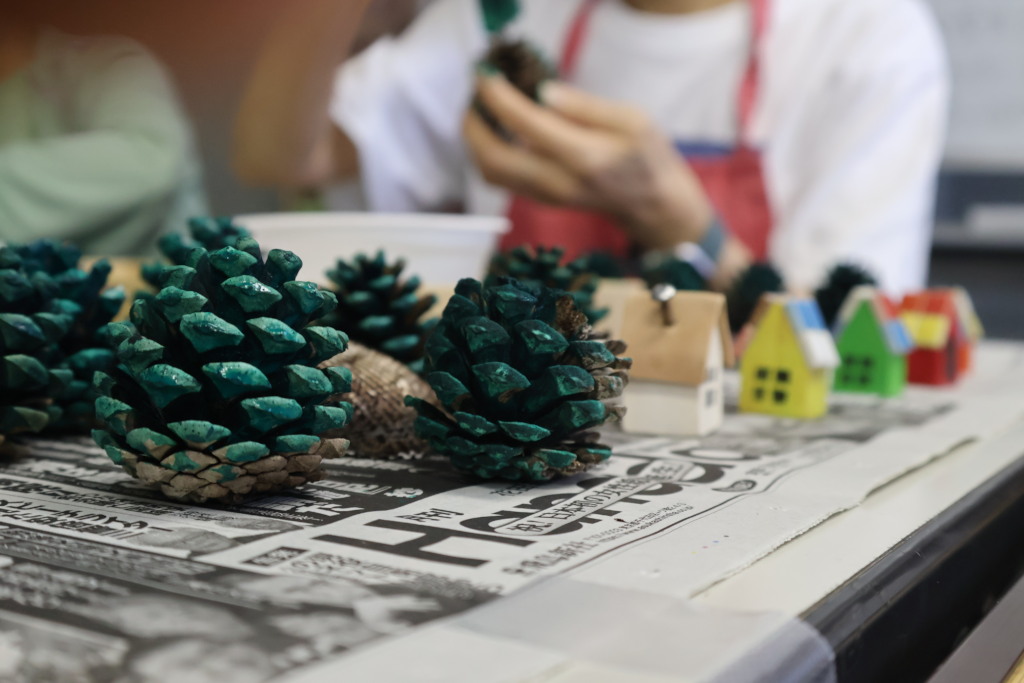
To communicate that idea, Ms. ico. wants to involve many people in the book creating process—for example, through an interactive workshop we held recently. The workshop hosted many participants, such as local high school students and families with small children. Having actually walked through our forest, they shared their impressions and discussed how to draw greater attention to the area. They also helped create scenes for the book using pinecones and handprints (see attached photos).
The book will emphasize not only the lessons from the 2011 Disaster and role of coastal forest, but also the importance of maintenance required long after the trees are planted. We hope that this picture book will inspire more people to learn about and visit the forest. The production of this book was funded by a separate crowdfunding campaign.
As we mentioned above, continuous care and maintenance remain crucial for the trees to grow strong enough to protect Natori City from disasters. We will continue to nurture this forest together with professional forestry workers, volunteers from all over the country, and you, our GlobalGiving supporters. We sincerely appreciate your generosity, and kindly ask for your continued cooperation as we pass this coastal forest on to the next generation.
Project reports on GlobalGiving are posted directly to globalgiving.org by Project Leaders as they are completed, generally every 3-4 months. To protect the integrity of these documents, GlobalGiving does not alter them; therefore you may find some language or formatting issues.
If you donate to this project or have donated to this project, you can receive an email when this project posts a report. You can also subscribe for reports without donating.


Support this important cause by creating a personalized fundraising page.
Start a Fundraiser