By Dr.Mukete Tahle Itoe,PhD | Project Supervisor
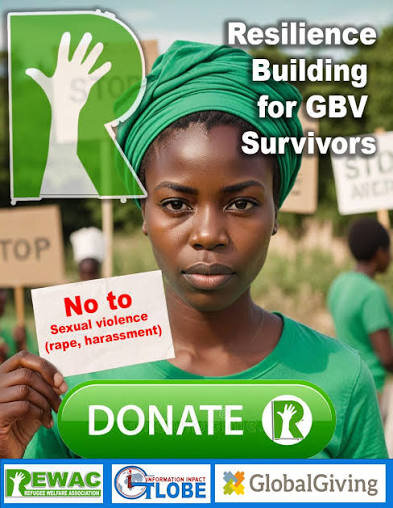
Surviving Sexual and Gender-Based Violence (SGBV) is only the beginning of a long journey towards healing, recovery and rebuilding one's life. For many survivors in the conflict-affected North-West Region of Cameroon, the consequences of violence extend beyond the immediate incident, affecting their emotional well-being, confidence, relationships and economic independence. Through its Resilience Building for GBV Survivors project, the Refugee Welfare Association of Cameroon (REWAC) promotes a holistic approach that recognises survivors not simply as victims of violence, but as individuals with strengths, rights and the potential to rebuild their futures.
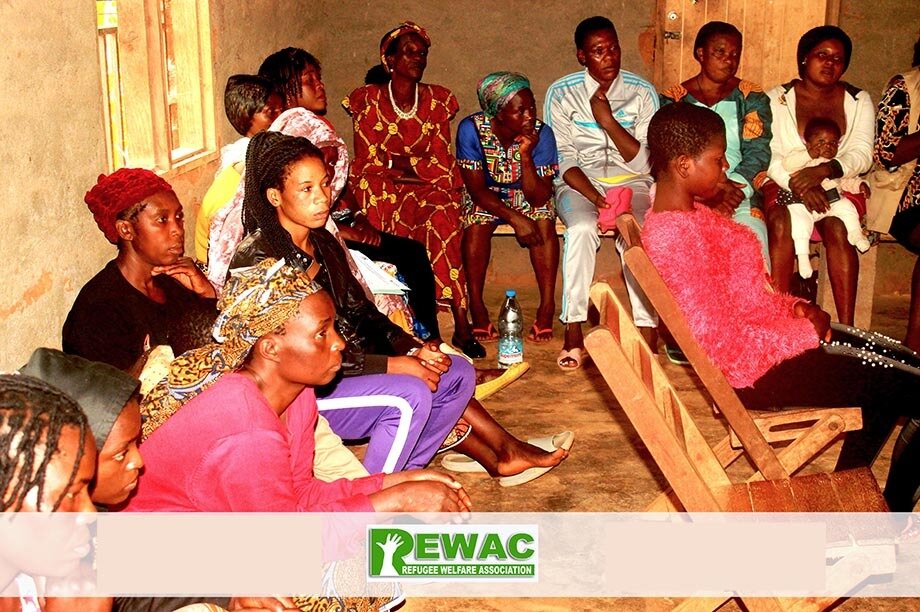
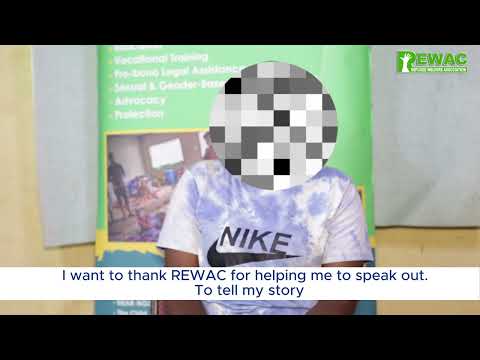
Emotional healing is an essential foundation for recovery. Survivors may experience fear, anxiety, isolation and loss of confidence, particularly when they lack safe spaces in which to seek support. Access to appropriate counselling, peer support and community-based psychosocial services can help survivors process their experiences and regain a sense of control over their lives as evidenced by the project.
By promoting survivor-centred support, REWAC encourages an environment in which women and girls can seek assistance without shame, discrimination or blame. Compassionate listening, confidentiality and respect for individual choices are essential to making this support meaningful.
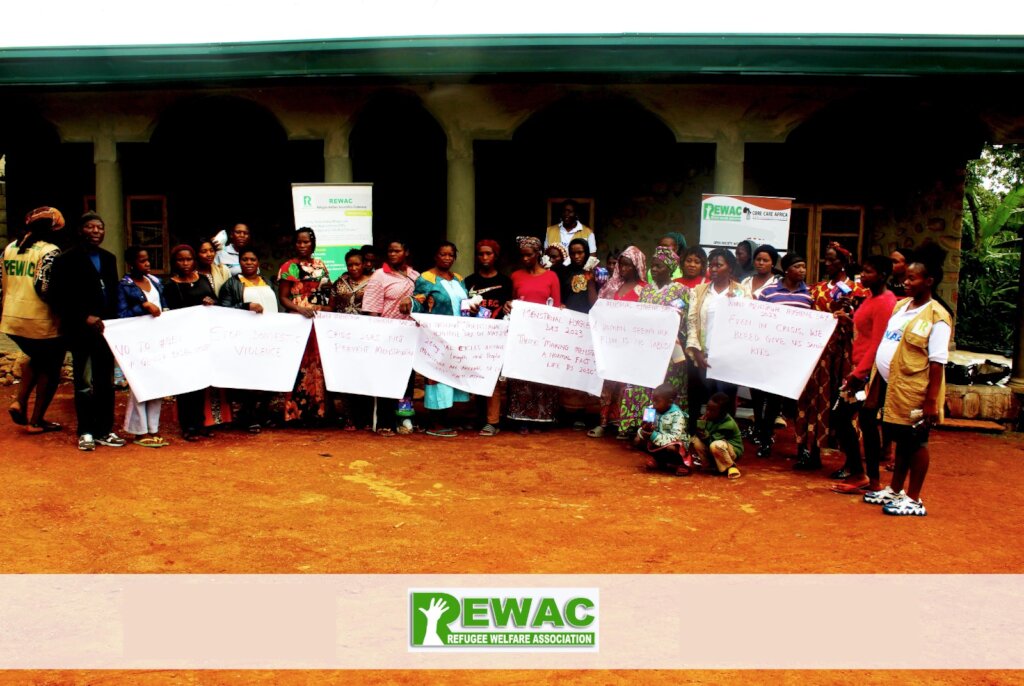
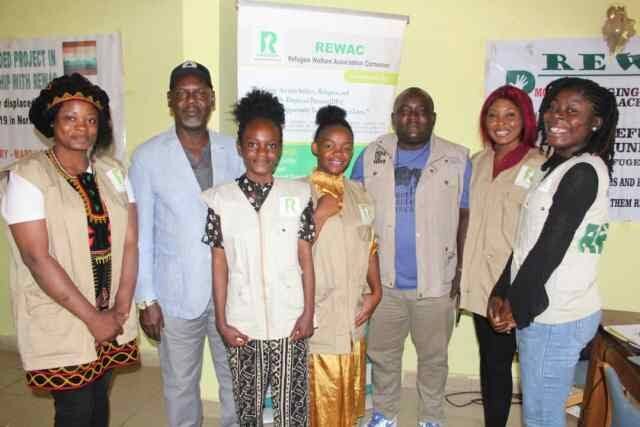
Rebuilding Dignity Through Economic EmpowermentFor many survivors, financial insecurity can make recovery more difficult and limit their ability to make independent decisions. Skills development, vocational training, entrepreneurship and access to appropriate livelihood opportunities can help survivors strengthen their economic resilience and work towards self-reliance.This is work in progress as demonstrated by the beneficiaries, so far, of the project.
The project's economic empowerment approach recognises that sustainable recovery involves more than meeting immediate needs. It also means creating opportunities for survivors to develop practical skills, explore income-generating activities and participate more confidently in their communities.
With appropriate mentorship, market-relevant training and livelihood support, survivors are working towards a future in which their choices are not dictated by economic vulnerability.
Reconnecting Survivors with Their CommunitiesStigma and social exclusion can deepen the suffering experienced by survivors of SGBV. Harmful attitudes may discourage them from speaking out, seeking help or participating in community life. Building resilience therefore requires communities to become more understanding, inclusive and supportive.
Community sensitisation, peer support networks and constructive engagement with local leaders can help challenge victim-blaming attitudes and promote respect for survivors' rights. Families and community members also have an important role to play by offering encouragement, protecting confidentiality and helping survivors access appropriate services.
A supportive community makes the difference between a survivor feeling isolated and feeling accepted, valued and empowered to move forward.
Strengthening Protection and Access to JusticeHealing and empowerment must go hand in hand with protection. Survivors need access to reliable information about their rights, appropriate legal assistance and safe referral pathways when they experience violence or require further support.
REWAC's integrated project approach highlights the importance of linking psychosocial care and economic empowerment with legal protection. These complementary forms of assistance help address the different barriers survivors may encounter as they seek safety, justice and long-term recovery.
Equally important is ensuring that survivors are treated with dignity throughout the process and are able to make informed decisions about the support they receive.
The Power of ResilienceResilience does not mean that survivors must forget their experiences or recover without assistance. It means having access to the support, opportunities and protection needed to move forward at their own pace.
Every opportunity to learn a new skill, receive compassionate support, access justice or reconnect with a supportive community can contribute to rebuilding confidence and restoring hope. By addressing the social, psychological, economic and legal dimensions of recovery, the Resilience Building for GBV Survivors project seeks to support a future in which survivors can live with greater dignity, security and independence.
As REWAC continues its work in the North-West Region of Cameroon, sustained collaboration and donor support remain important in extending access to these essential services. Together, we can help create communities where survivors are believed, supported and empowered to rebuild their lives.
Links:
Project reports on GlobalGiving are posted directly to globalgiving.org by Project Leaders as they are completed, generally every 3-4 months. To protect the integrity of these documents, GlobalGiving does not alter them; therefore you may find some language or formatting issues.
If you donate to this project or have donated to this project, you can receive an email when this project posts a report. You can also subscribe for reports without donating.


Support this important cause by creating a personalized fundraising page.
Start a Fundraiser