By Philip Holmes | Founder/CEO ChoraChori UK
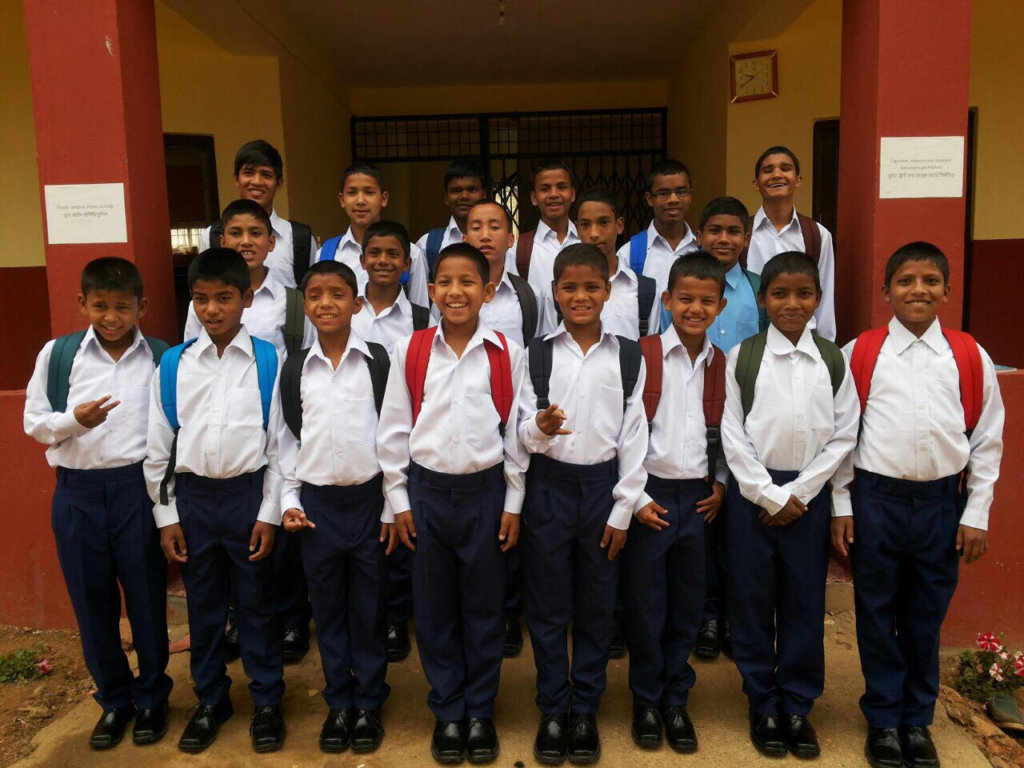
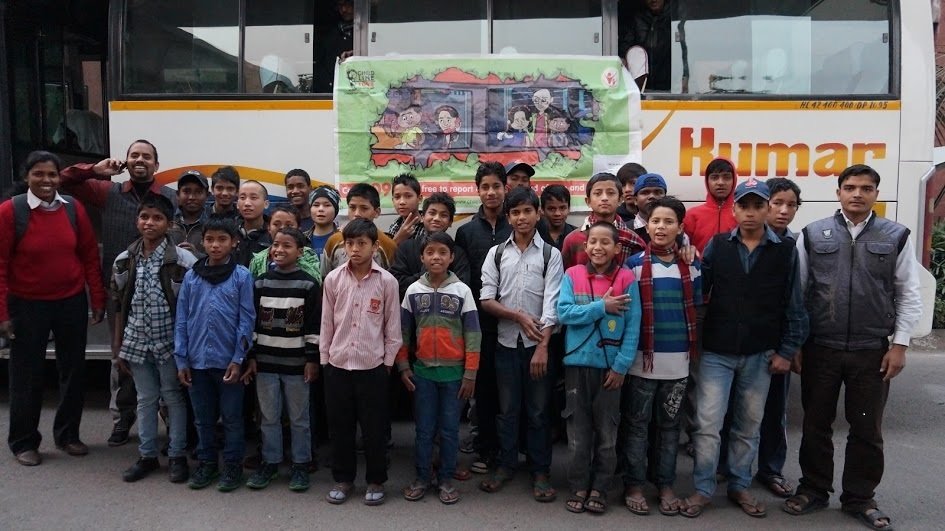
In an operation in March 2017 ChoraChori rescued 33 displaced and trafficked Nepali kids from two "children's shelters" at Muzaffarpur and Dharbanga in Bihar, north India. The conditions inside these facilities were dreadful and the children were de facto prisoners.
The Indian authorities had admitted the children after they had been picked up by the police. Most of the children had gone to India desperate to find work. One group had been travelling in the company of an agent - a trafficker - unaware that they were on their way to enslavement. Two of the boys were runaways from a Tibetan Buddhist monastery in south India where the monks had been beating the children severely. One of the rescued girls was an escapee from a brothel where she had been held as a sex slave for over a year. She's only 13 years old.
Violence seems to be endemic inside Indian children's homes and the Muzaffarpur shelter was no exception. The girl who had been inside the brothel told us "One day my bedsheet got lost. It blew away while it was drying. They beat me very much after that using their hands and sticks. I cried but no one heard me because no outsiders are allowed into the home".
The children's homes were very reluctant to release the children, presumably because they didn't want the truth to come out. Not only did the children experience physical and psychological violence, but they also were in very poor health. Most were suffering from scabies. However we went "top down" going through the State Social Welfare Department to ensure compliance with the rescue process. To that end we were able to solicit the support of Nepal's Central Child Welfare Board (CCWB) which both wrote to their Indian counterpart and sent two senior representatives on the rescue. We also took along a journalist from the Nepali Times as we were determined to expose the awful circumstances of Nepal's lost children.
A couple of days after the visit a Board member from another UK children's charity passed through our refuge to see for herself how ChoraChori was managing the releasees. The following day she wrote to her fellow Board members back in the UK:
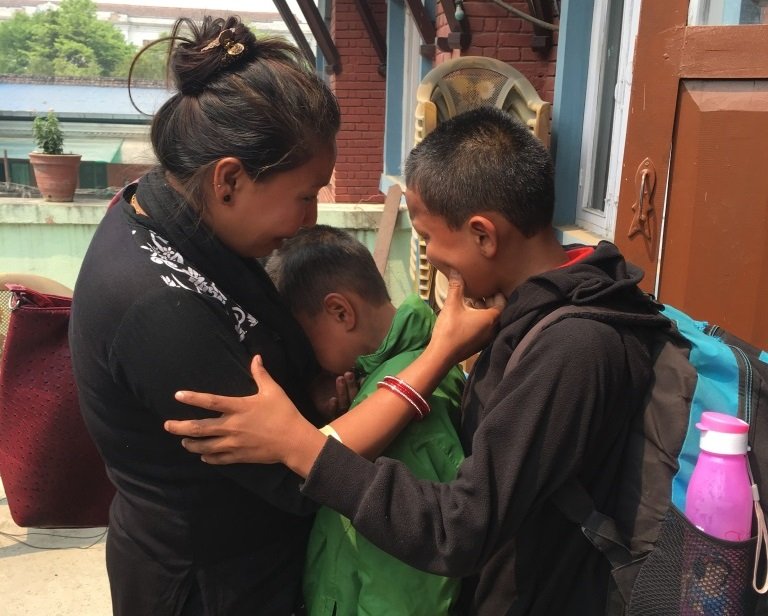
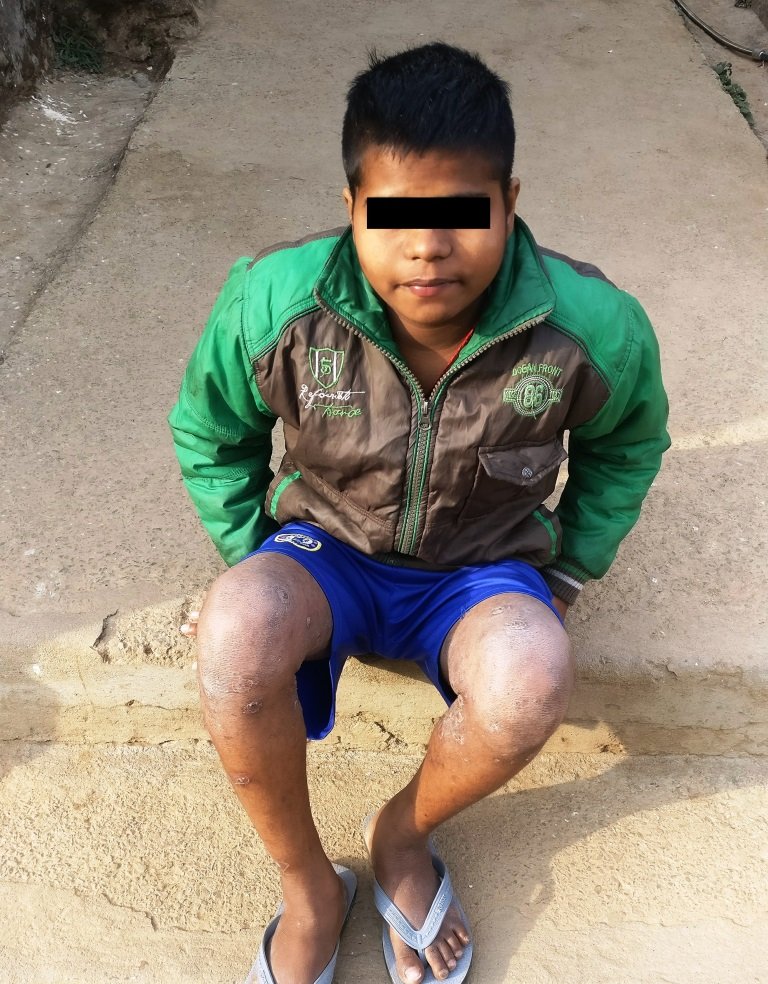
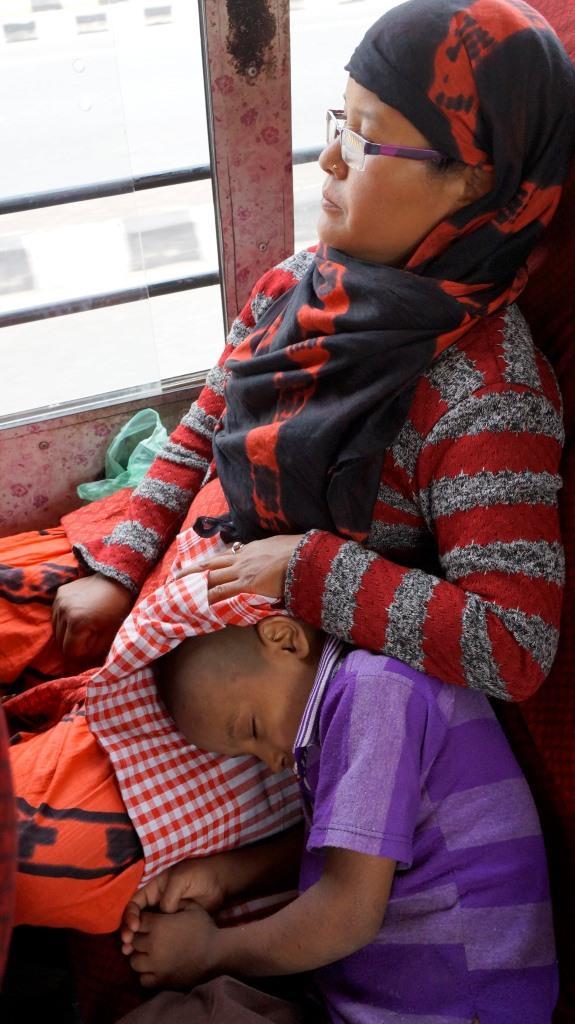
“Yesterday was an honour and a humbling experience visiting ChoraChori. A young girl I met recently here in Nepal came with me and we were overwhelmed by the dedication of the people who run it and meeting the kids who have just arrived. Some played outside and couldn't believe they could go in and out onto the grass at will and not be locked in a room. Others just stayed in a room, sitting or lying on their mattresses saying very little with blank expressions because they are traumatised. One boy’s whole lower body was covered in large boil-type sores that had been running in pus but are now clearing up. His family has been to see him and want to take him home but he needs to stay until his skin is cleared up and he has had counselling. It is only now writing this that I am feeling the emotion our visit has provoked.”
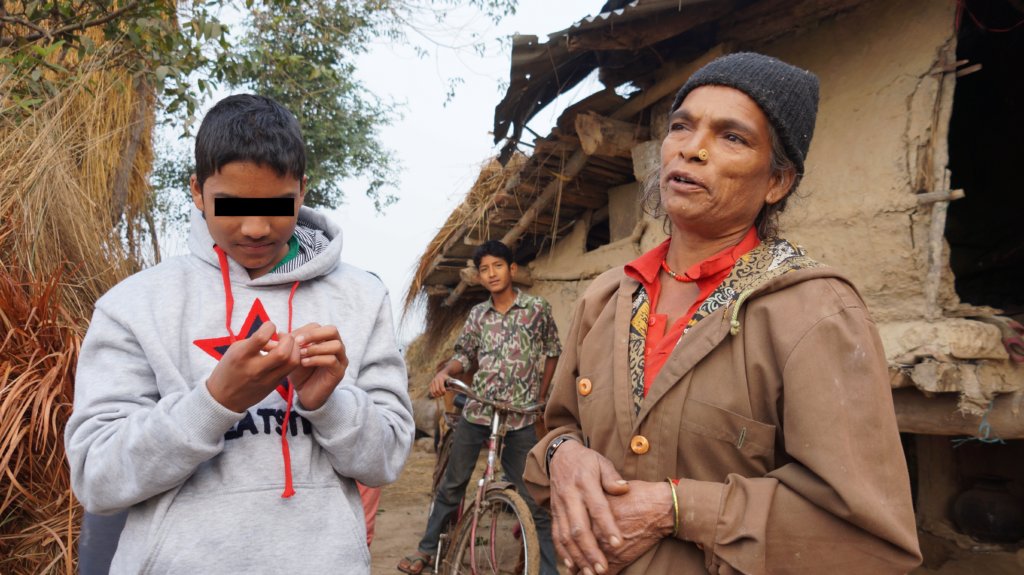
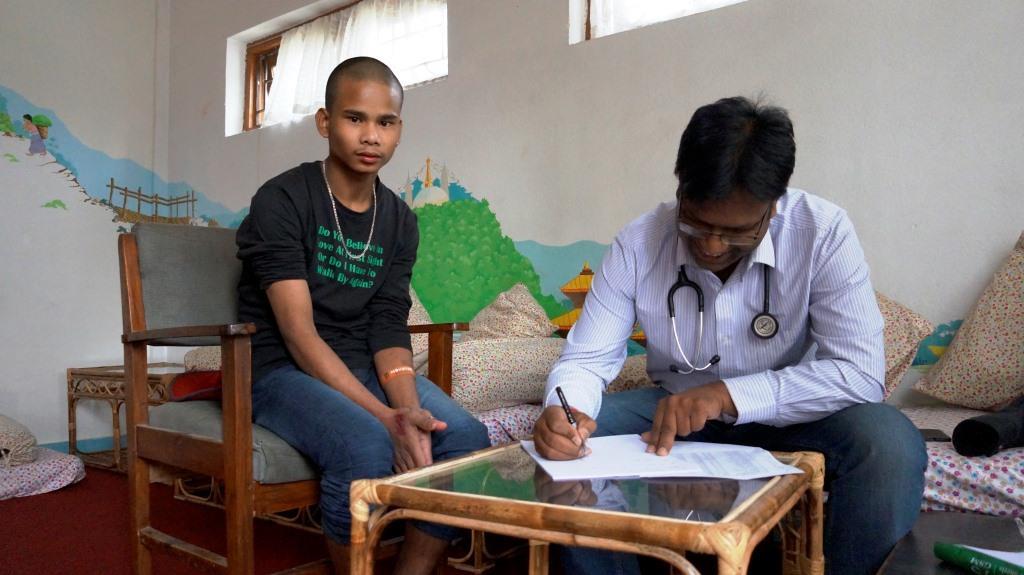
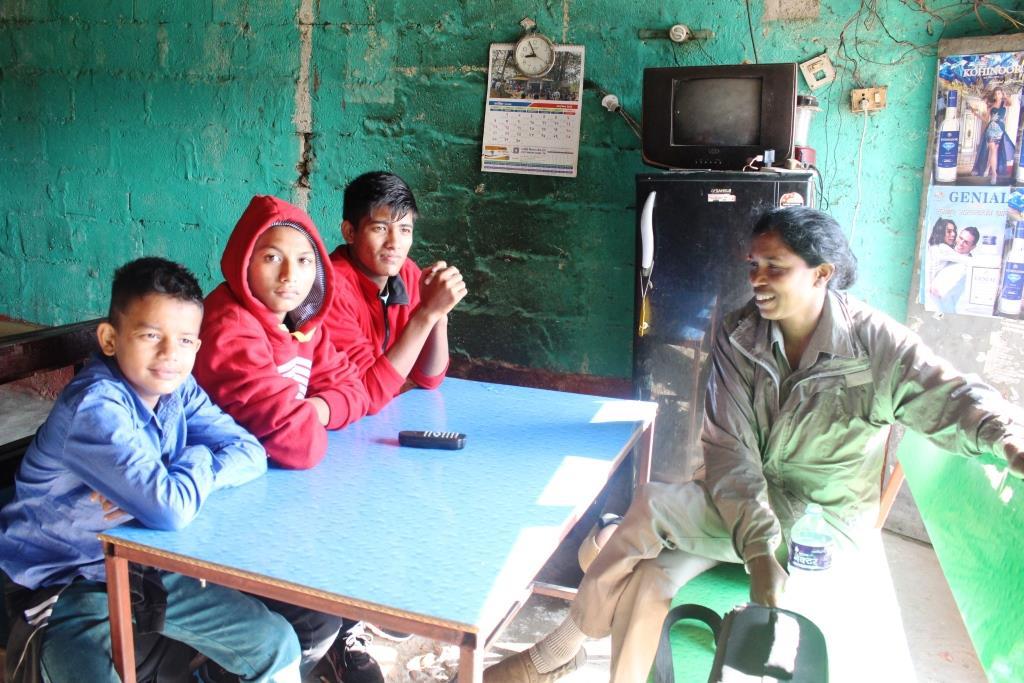
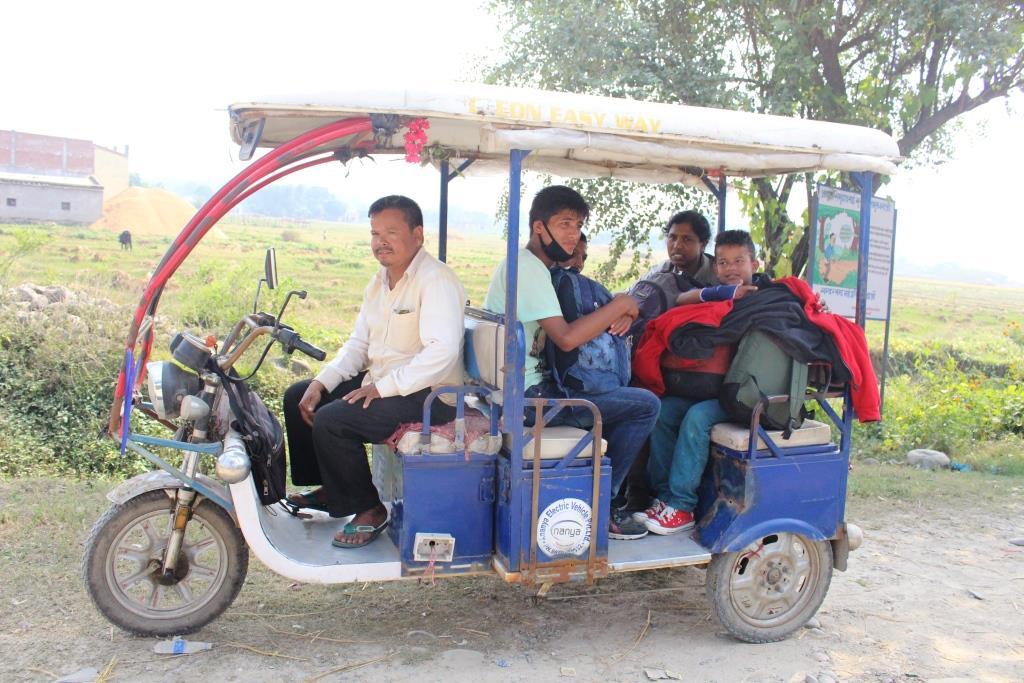
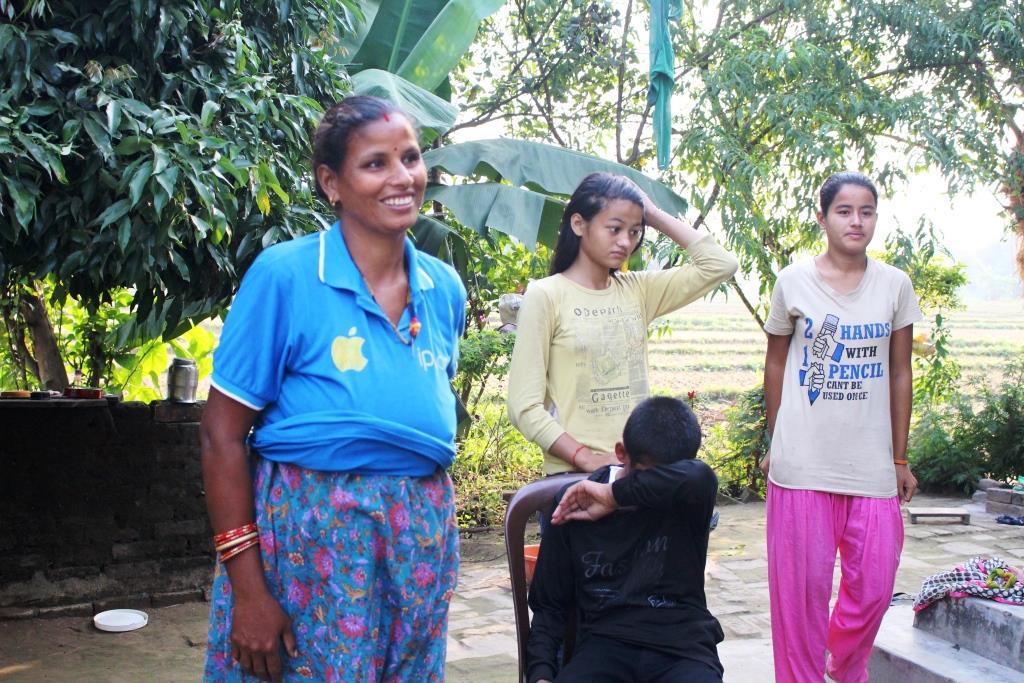
Happily we have already been able to return most of the rescued children to their families. We continue to care for the remainder at our transit refuge, looking after not only physical problems but also managing mental health issues. We also need to follow up the trafficking and violence aspects so that abusers are brought to justice.
It's very encouraging to have gained the admiration of the CCWB which saw our passion and commitment first-hand. CCWB is now enthusiastic to work with us in establishing protocols and better repatriation mechanisms. This is our main aim. We realise that the problem of runaway, trafficked and displaced children will not go away as long as there is an open border between Nepal and India combined with desperate rural poverty in Nepal that makes for vulnerable children. However, there is no good reason why a Nepali child who is found in India should spend months or even years in Dickensian children's shelters when he or she could be returned promptly to family and community.
We have two immediate fundraising objectives. One is to cover the annual cost of a liaison officer who can reach out to the child welfare authorities in Indian States, map the children's shelters and trace lost children. This amounts to £11,100 including annual salary, travel and subsistence expenses. The second objective is to raise the funds to complete the care of the rescued children, while building a fund towards our next operation. As guidance, the medical costs for the rescued children are estimated at £1,500, toiletries at £300.
Many thanks for your support!
Links:
By Philip Holmes | Project leader
Project reports on GlobalGiving are posted directly to globalgiving.org by Project Leaders as they are completed, generally every 3-4 months. To protect the integrity of these documents, GlobalGiving does not alter them; therefore you may find some language or formatting issues.
If you donate to this project or have donated to this project, you can receive an email when this project posts a report. You can also subscribe for reports without donating.