By PAUL KERRIGAN | Trustee
MAY - 'The Last Rescuers on Lesvos'
The German radio journalist Lindig visited us. He has created a comprehensive reportage outlining our work, the challenges involved, and the situation on Lesvos at large.
"Gradually, everyone left the island because their work became more and more difficult - until only Refugee Rescue remained. This was helped by good connections to the local community and the authorities - and last but not least by their perseverance." Vincent Lindig.
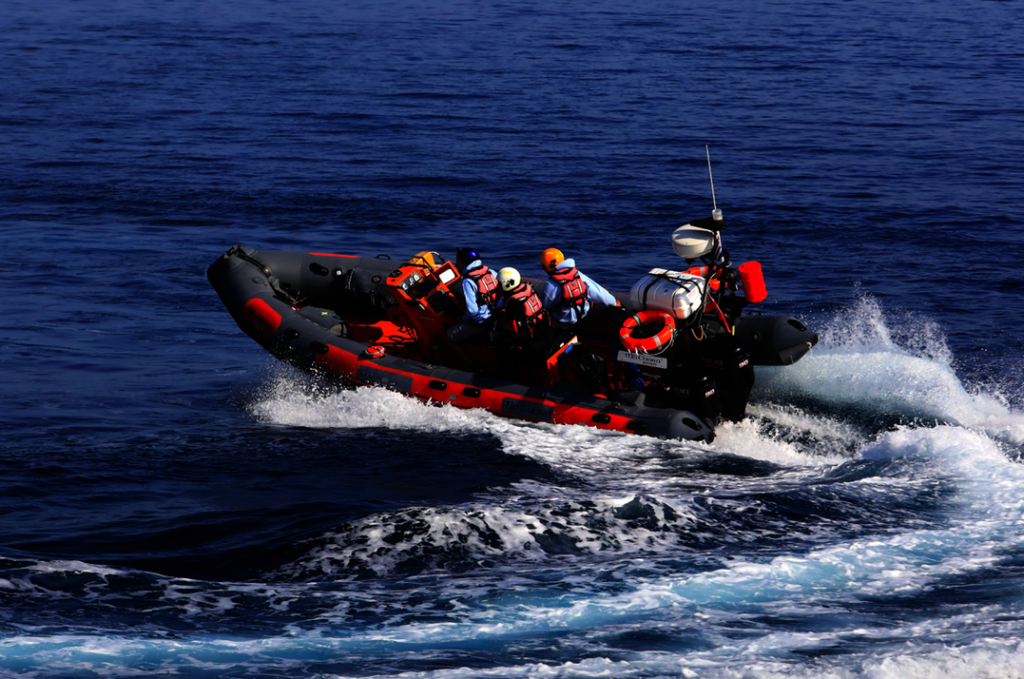
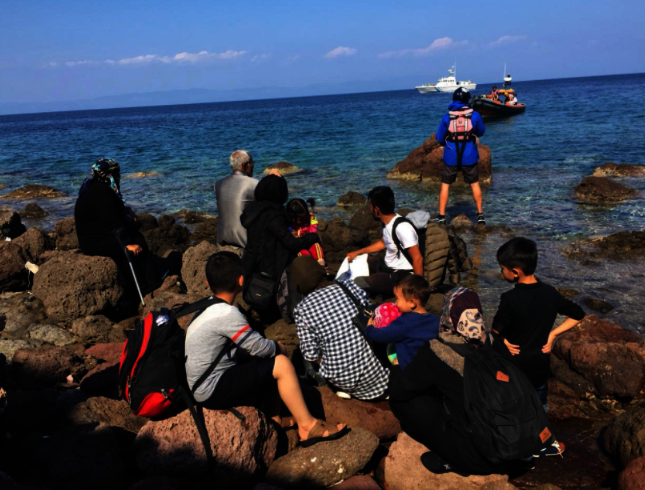
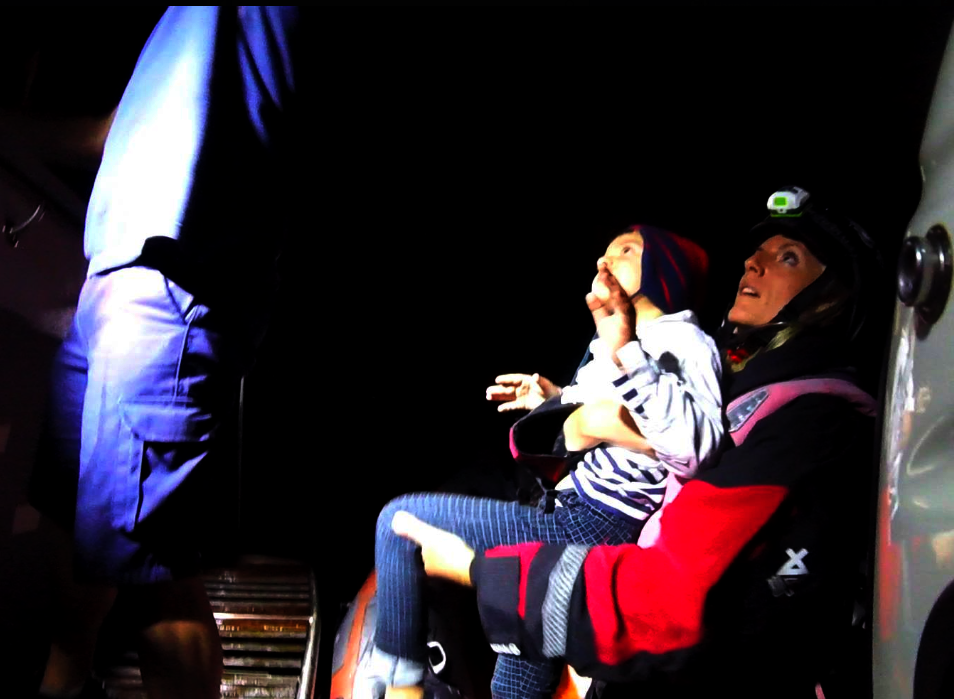
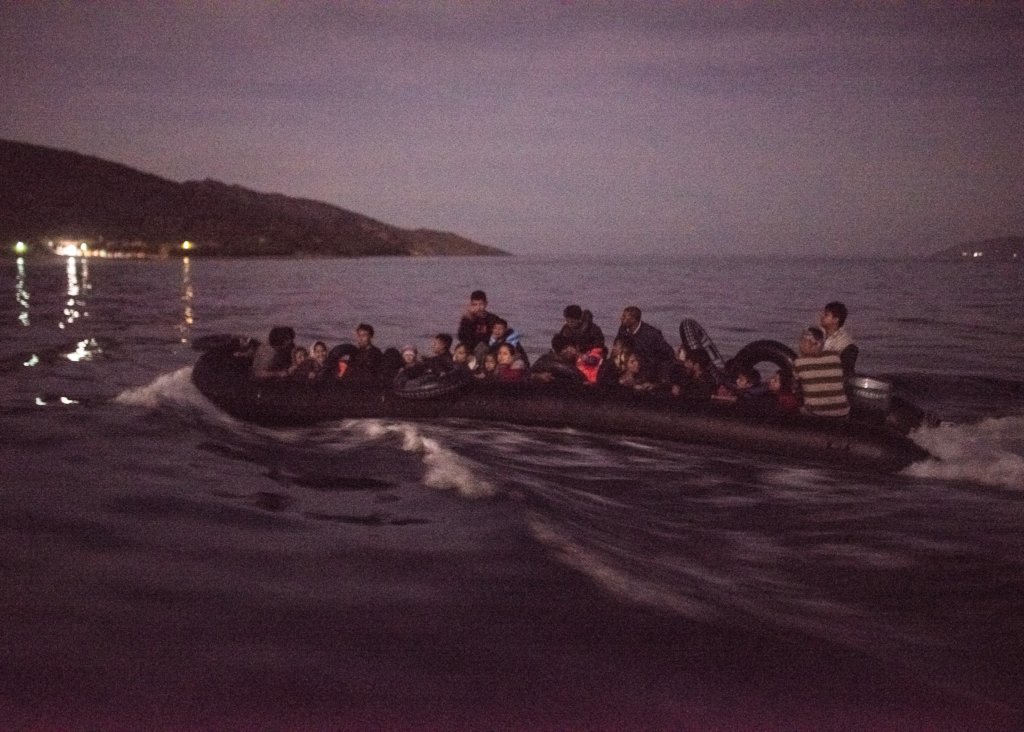
Rock Rescue at cape Korakas - MoChara was out on exercise, a suspected Dinghy was reported in the vicinity. After the spotting team at Korakas confirmed it was a dinghy, we rushed to the rocky outcrop and located it within minutes. The vessel was stationary, about 20 meters from shore. It would have been too dangerous for us to approach as our propeller could easily get damaged, possibly rendering us immobile. Two crew members took to the water and swam toward the dinghy, equipped with a tow line. Swimming towards a rocky outcrop at night in the waves is a treacherous endeavour, that only highly specialized life-saving swimmers can master.
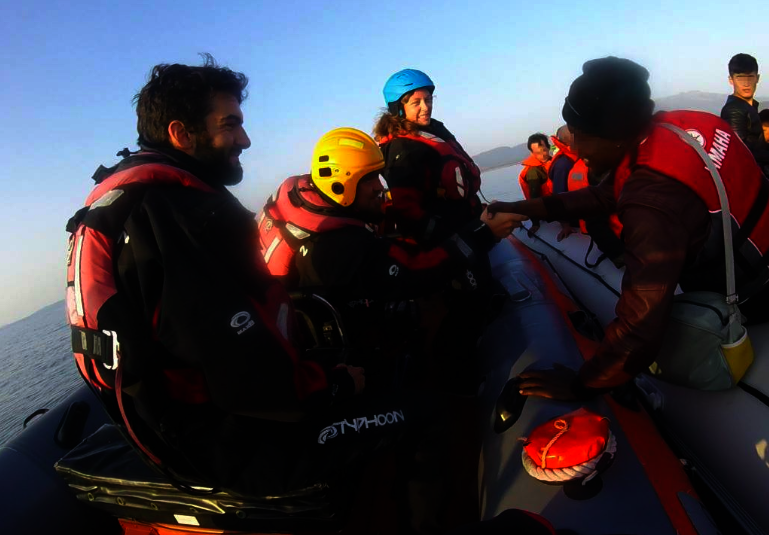
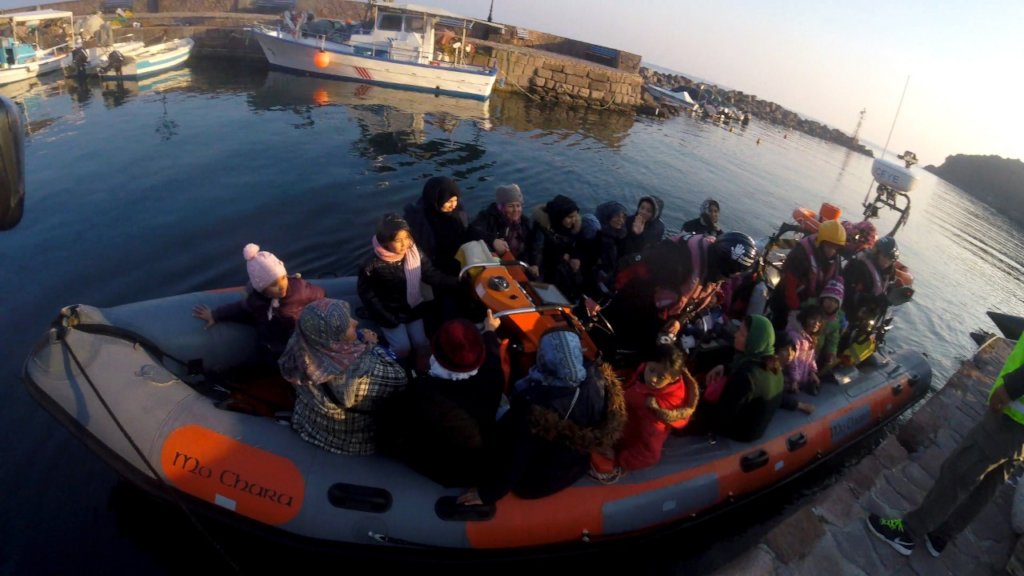
Our crew slowly approached the dinghy, which had been floating in position for a while. Arriving at the side of the dinghy, the group was calm, yet it was apparent that they were scared, some were shivering, and most looked young - really young. Our swimmers proceeded to attach the tow line, and to swim towards MoChara; finally towing the dinghy out of danger. The group were transfered onto MoChara and to our home port Skala Sikamneas. The 14 people (3 men, 4 women, 7 children) from Afghanistan were brought to the transit camp, where they received blankets, clothes, and tea as well as food.
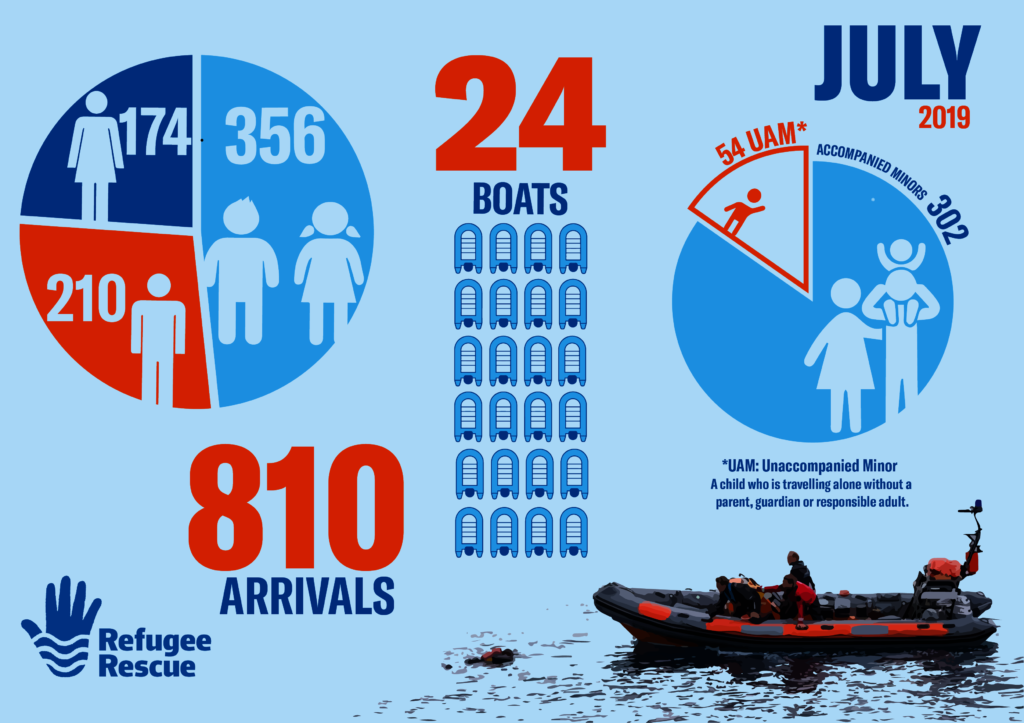
JUNE was another very busy month with several worrying incidents. The trend continues – Almost half of the people we helped were children and many of them unaccompanied.
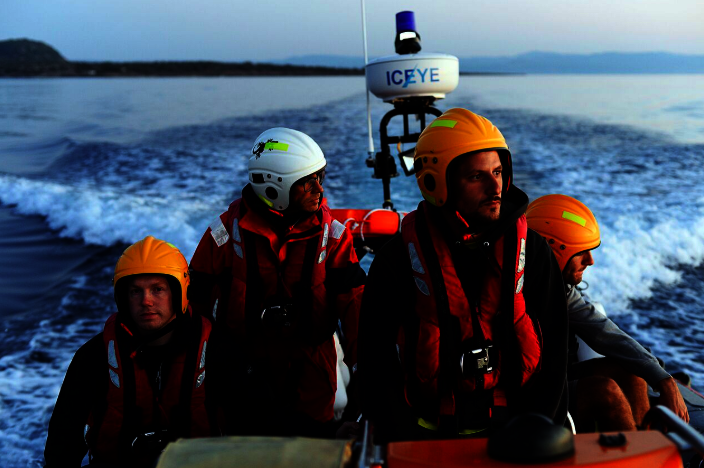
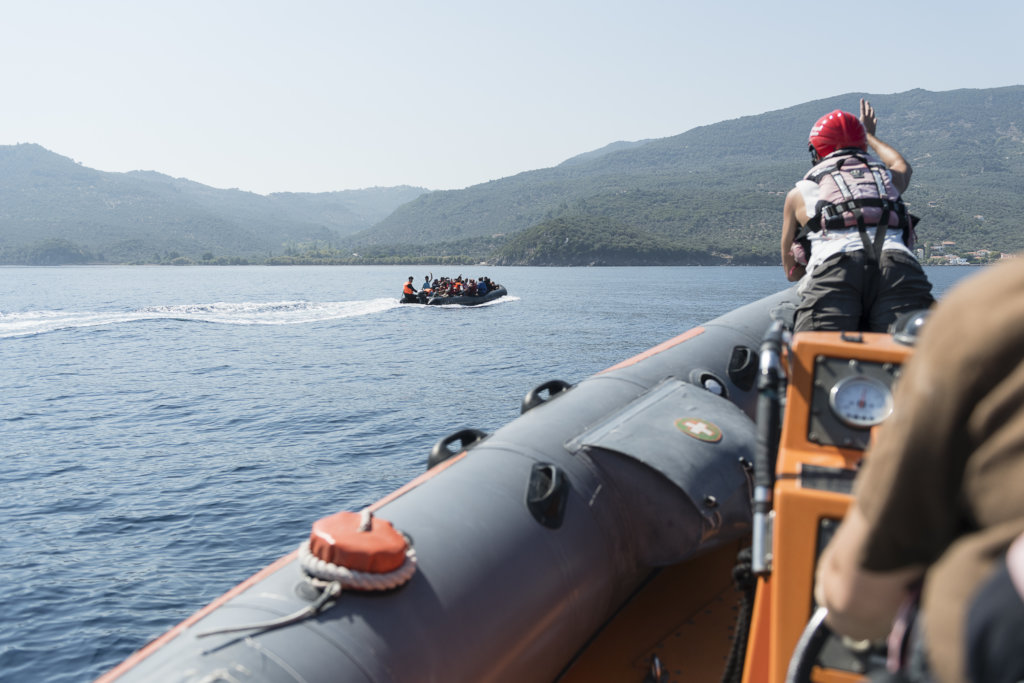
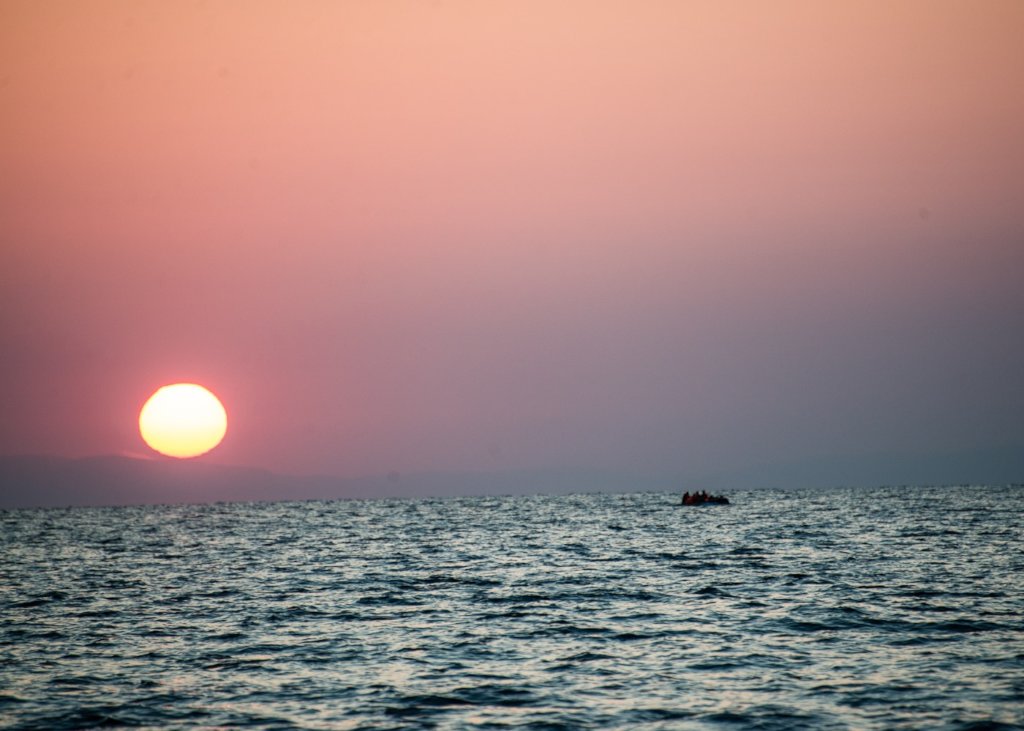
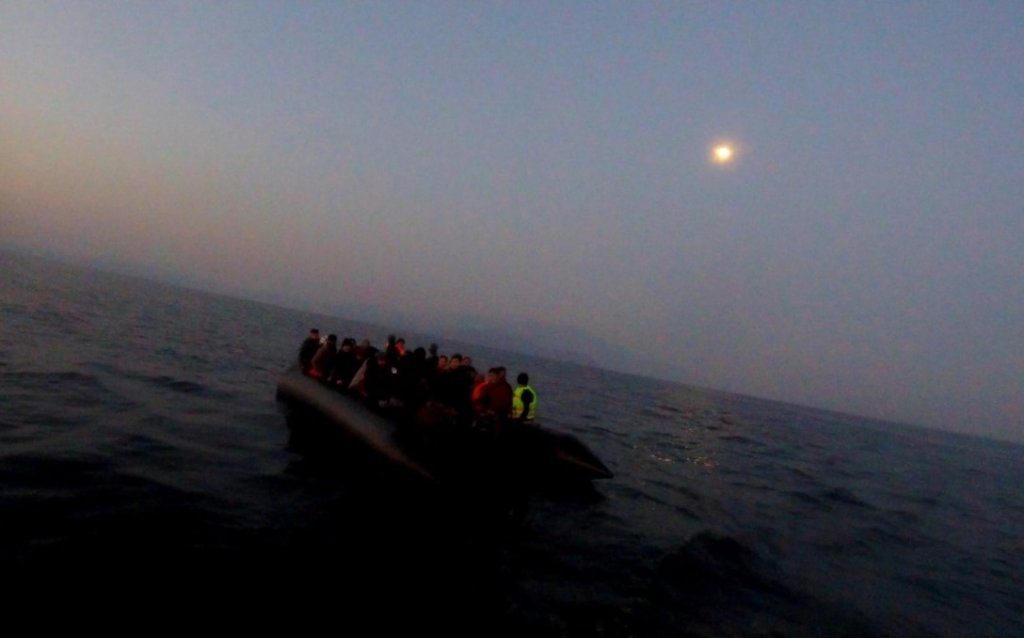
On the 9th of June at break of day, 5:30 am as we left home port to engage in our daily exercise routine, we saw a black spot on the horizon. Quickly realizing this could be a vessel crossing from Turkey we raced north. And yes indeed, it was a dinghy and an unusual one at that. It was at 5:43 that we approached the vessel, Jim our Helmsman explains:
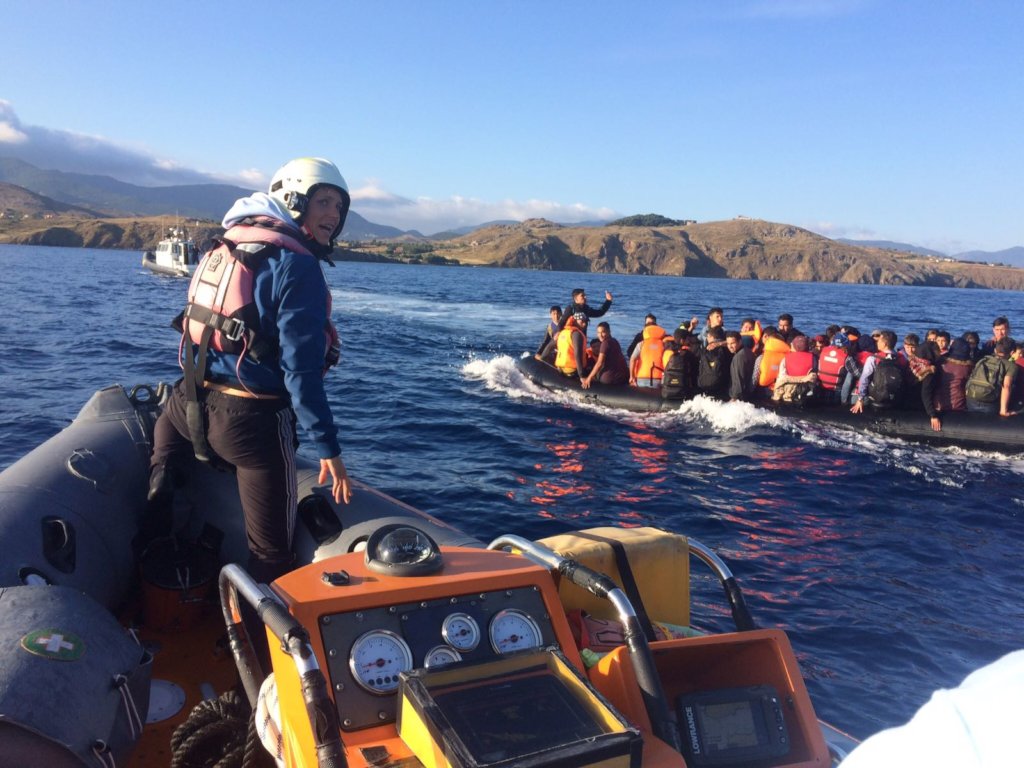
“Once again MoChara was first on scene to assist. We made contact with the Dinghy - it was extremely overpacked, it wasn't the usual type of dinghy, it was very shallow and narrow. There were a lot of children on board who were quite happy to see us. The group was relatively calm - a courageous lot. We circled around the dinghy to asses that everyone is fine, we continuously watched the children, some of whom were standing, we were worried one could fall into the water. They had no lifejackets at all, just flimsy tire tubings...”
We later researched the rubber boat and found it to be a Ukrainian built rubber catamaran built for a maximum of 8 people. There were 38 people (11 men, 8 women, 19 children) on board. The group was safely transferred to Skala Sikamneas harbor, where Lighthouse Relief volunteers were ready to welcome them to Europe.
Once more, life is unnecessarily lost in the stretch of water between Turkey and Greece. Seven people have drowned trying to reach Europe - their boat capsized close to Mytilene outside Pamfila this morning. The dinghy used has a length of six meters and was overpacked with 64 people on board. Most likely it capsized due to overcrowding - a dinghy of six meters length is only safe to use for around four people. The bodies of the drowned have been recovered.
Today, our thoughts are with the survivors and the families of the deceased.
30 June at 06:31am as we were training, we received news from Lighthouse Relief that a Dinghy was spotted West of Skala Sikamneas. We started heading west and at 06:38 am, the Hellenic Coast guard liaison officer called us requesting our assistance. Arriving on scene, we could make out a very small and unstable dinghy with a group of 13 people – 5 men, 3 women, 5 children.
Our crew member Lucrezia recalls, still shaken:
“It was the smallest Dinghy I had ever seen and completely overpacked at that. We approached, making eye contact and trying to calm the group. But in an instant, panic broke out, causing the vessel to capsize. It's unbelievable how quickly a situation can change from being a controlled one, to extremely life-threatening. Within split seconds, we had to asses a messy and urgent scene – and act. We heaved one person on board, he was losing consciousness. By the time we had him in MoChara, he was out, the shock caused his body to shut down. At the same time, we held the dinghy in place; otherwise, it would have surely crushed them. As we left the scene, having one survivor on board, I turned my head and tried to identify the position where the dinghy was. Shockingly, it had completely sunk within three minutes. Three minutes in which more lives could have been lost. Surely, without our being there, we would have had another tragedy...”
Despite the shock, all 13 people are safe and physically unharmed.
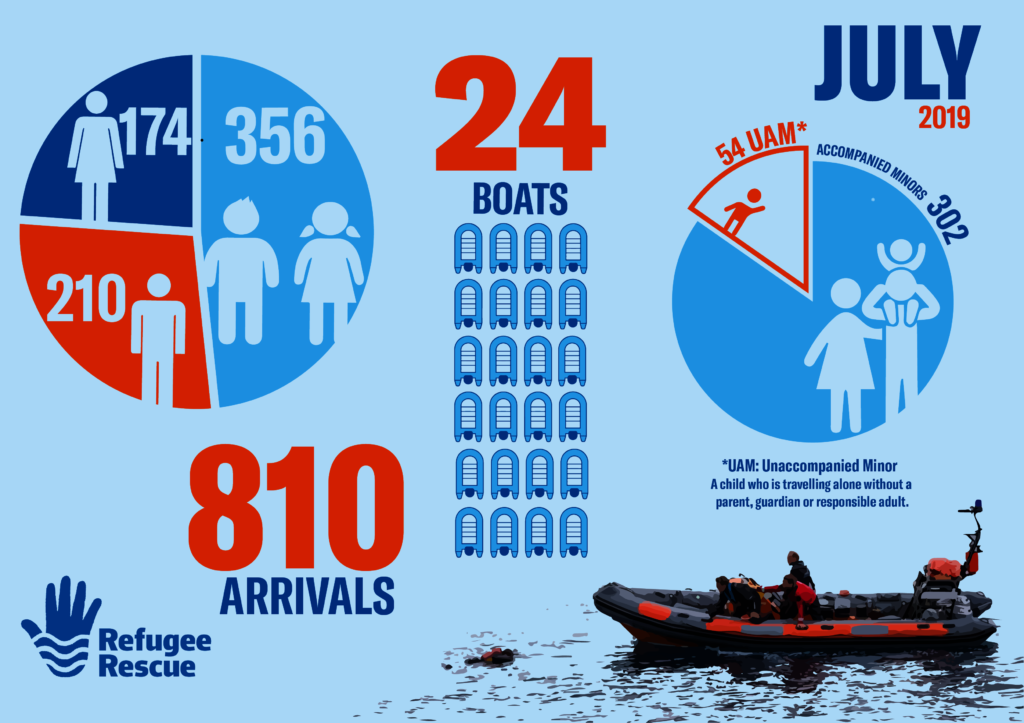
09 July at 05:40 am, whilst our boat crew was out on exercise, our crew member Lucrezia spotted something on the horizon. It was around 1.5 Nautical Miles away, North of Cape Korakas.
The Lighthouse Relief spotting team confirmed the sighting shortly after. Our driver, Russel remembers:
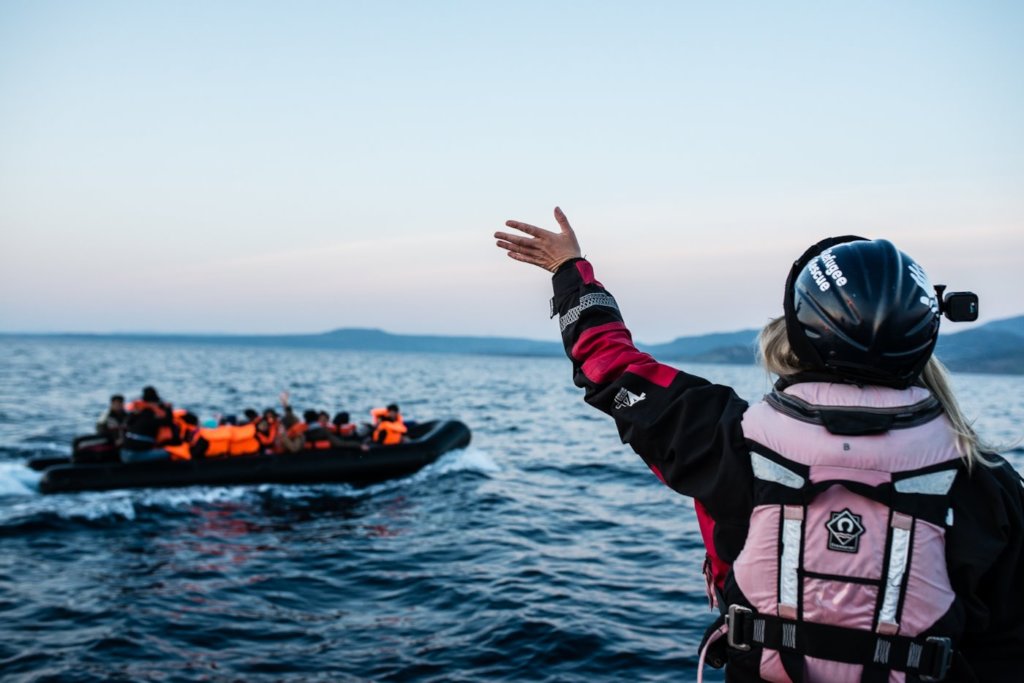
“I lean on the throttle and Mo Chara jumps forward, hungry for the horizon. When we arrive, we slowly circle the dinghy from around the stern and slowly come up alongside staying 20-30m away. You never want to create a situation where a panicked refugee thinks they have a chance to jump into the water and swim to us. That creates even more panic and the situation can fall apart very quickly. So we stand off an appropriate distance and I adjust the throttles to keep pace with the boat. Lucrezia starts talking with the refugees. They are very scared, confused, and defiantly want to carry on.“
The situation started to shift and our attempts at making contact and establishing trust found fertile ground. Our crew member Isabelle recounts:
"The children started waving back and smiling, and some of the parents started to smile back when they saw us, the driver realized that the passengers we not stressed by us and he started listening to us. We explained to him that the area he was heading to is hazardous. He was heading east of Cape Korakas, where a dangerous rocky outcrop looms from under the water surface. He finally realized that it was not an instruction but a well-meaning warning. We convinced him to slow down, and to stay close to us, he started to communicate about his feelings, he was very stressed, he was so afraid to go back to Turkey. He was terrified of what could happen to him there. 'I am not going back to Turkey anyway, I am not going back!!'
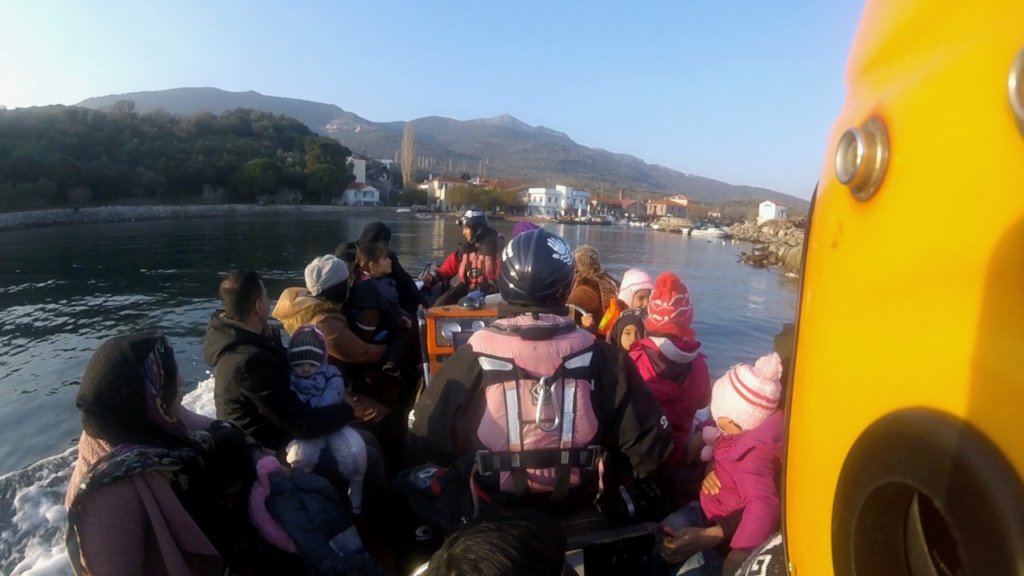
After a successful operation, all 47 people – 10 Men, 11 Women, 26 Children were transferred to land and the transit camp.
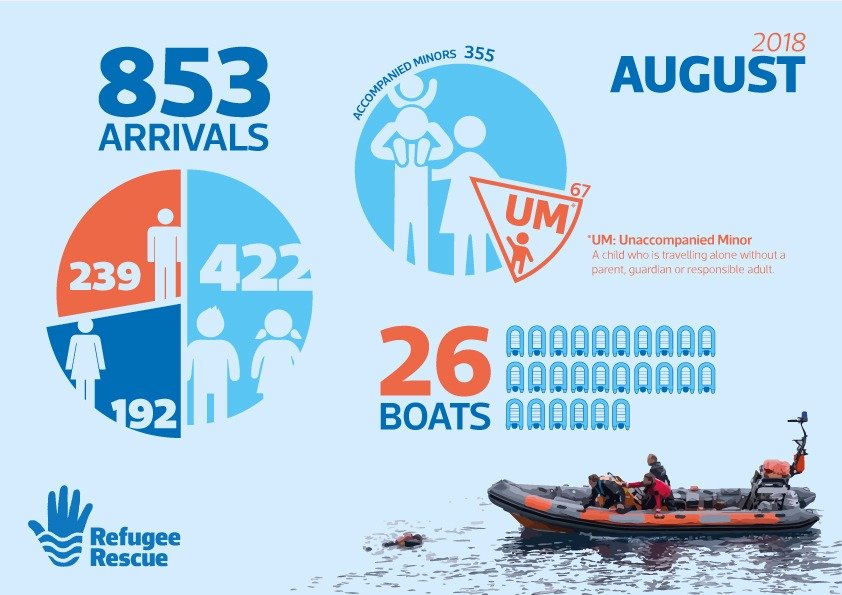
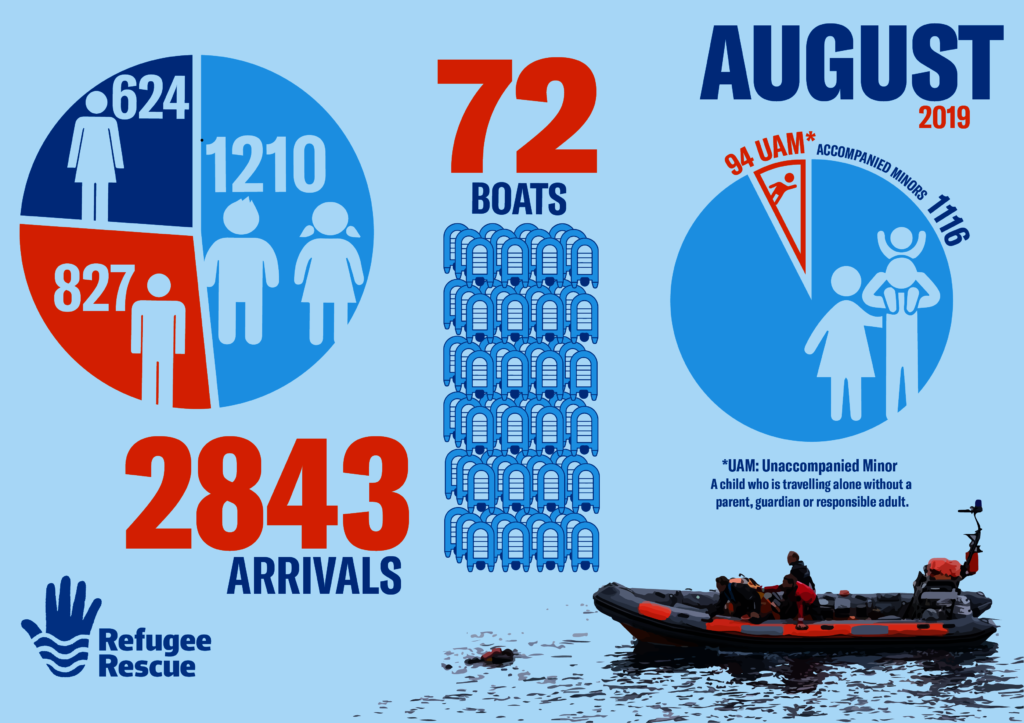
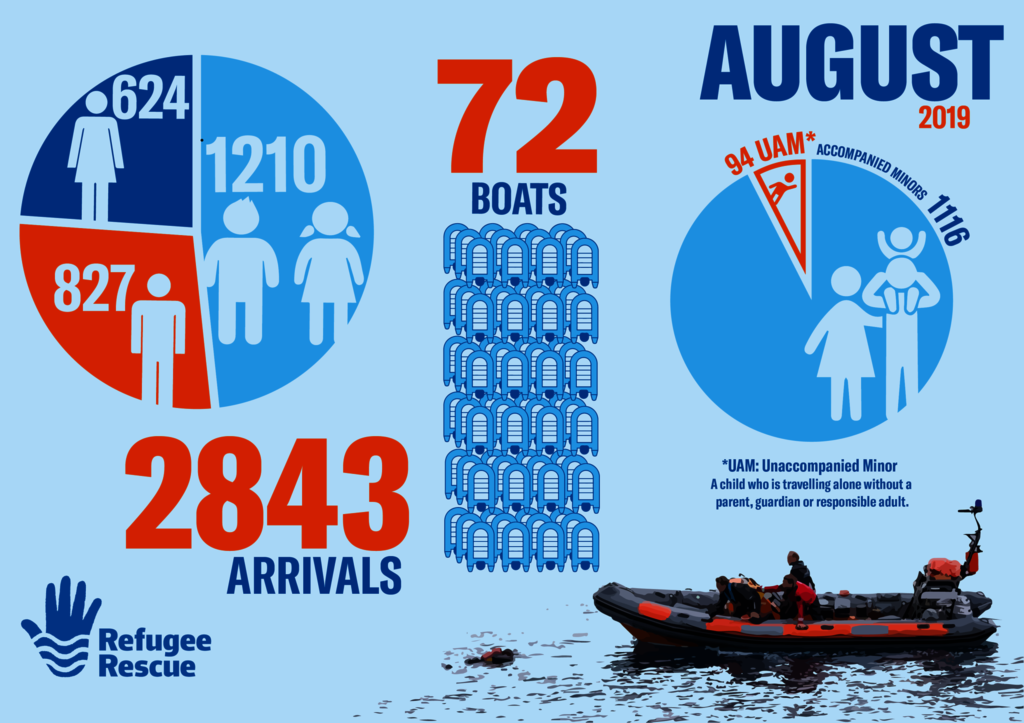
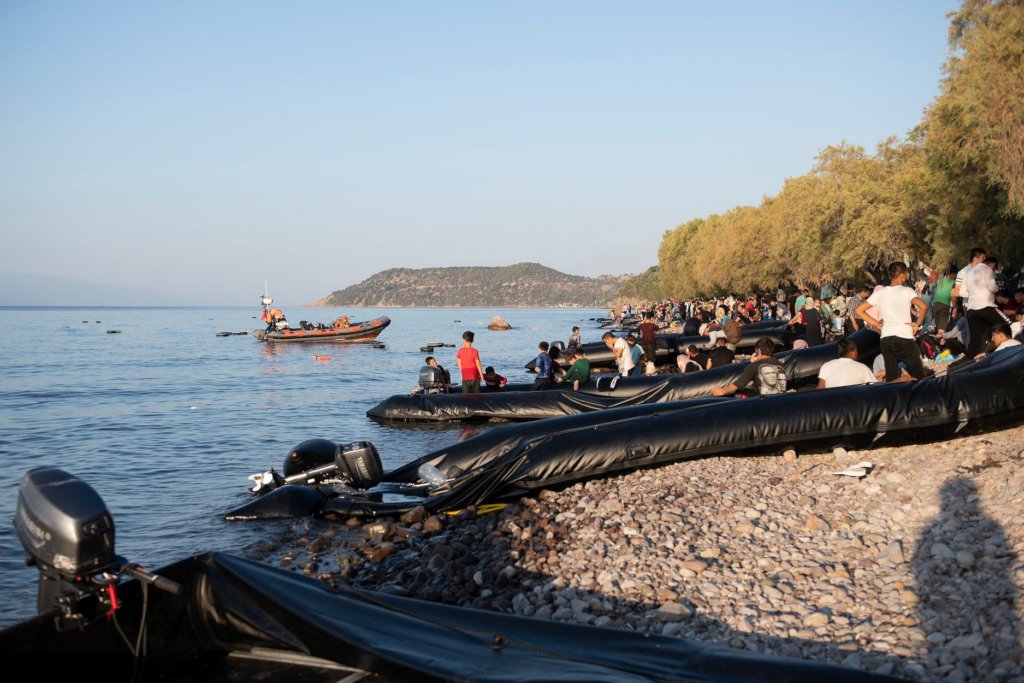
August - The last weeks have seen a steep increase in arrivals on the north shore of Lesvos. The statistics show that we have not witnessed this many people arriving since late 2015. So far we have assisted 1604 people in their attempts to seek safety and refuge. Our land crew has run 37 operations and our boat crew has had a startling 21 operations this month so far.
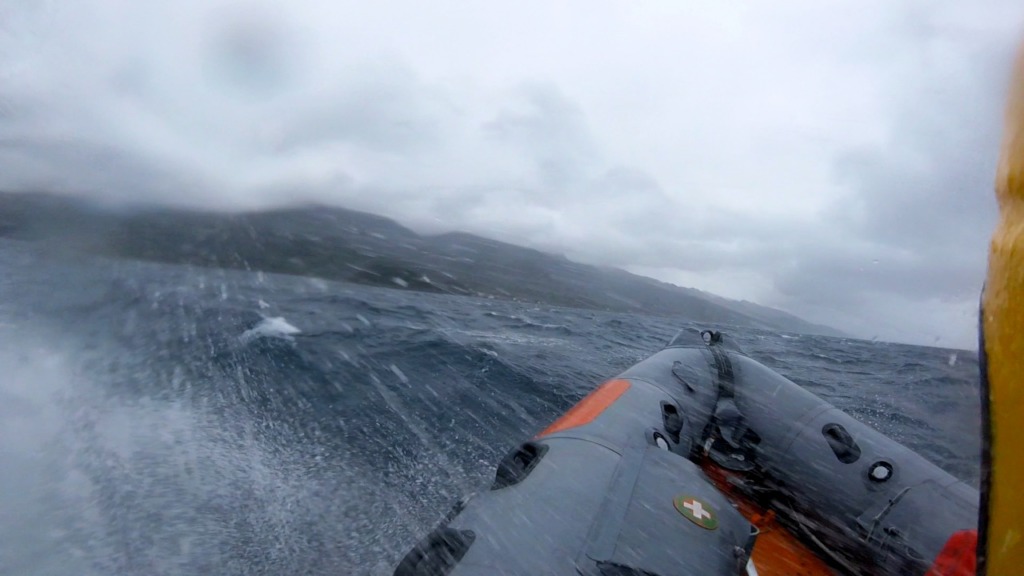
Weather conditions are making this already deadly crossing, increasingly physically challenging.
“The high temperatures and exposure to the sun are causing heat exhaustion and we are seeing extreme cases of dehydration. Especially the children are vulnerable, we have even seen severely dehydrated newborn babies. Many are fainting as they disembark from Mo Chara. Once people manage to cross to Greece, after hiding from Turkish authorities in the forest for days without food and water, they are depleted and dehydrated. The psychological toll is also quite apparent as we are seeing numerous panic attacks.” Explains our Boat Crew Coordinator Giannis.
Finn, our Land Crew coordinator adds “This influx in arrivals has meant that our team has had to step up massively, our spotters at Lepetimos are having to deal with multiple boats crossing at the same time, on several occasions in the last weeks. This brings many challenges, from having to communicate about multiple dinghies to keeping a visual on them ensuring that they all make it to shore safely. Our team on the ground has had to work non-stop, last night we were in the transit camp from 12:00 am until 8:00 am this morning. Thankfully, we have an incredibly dedicated team of volunteers that have persisted throughout these past weeks. Their professionalism and durability have been tested vigorously, and every single volunteer has risen to the occasion. ”
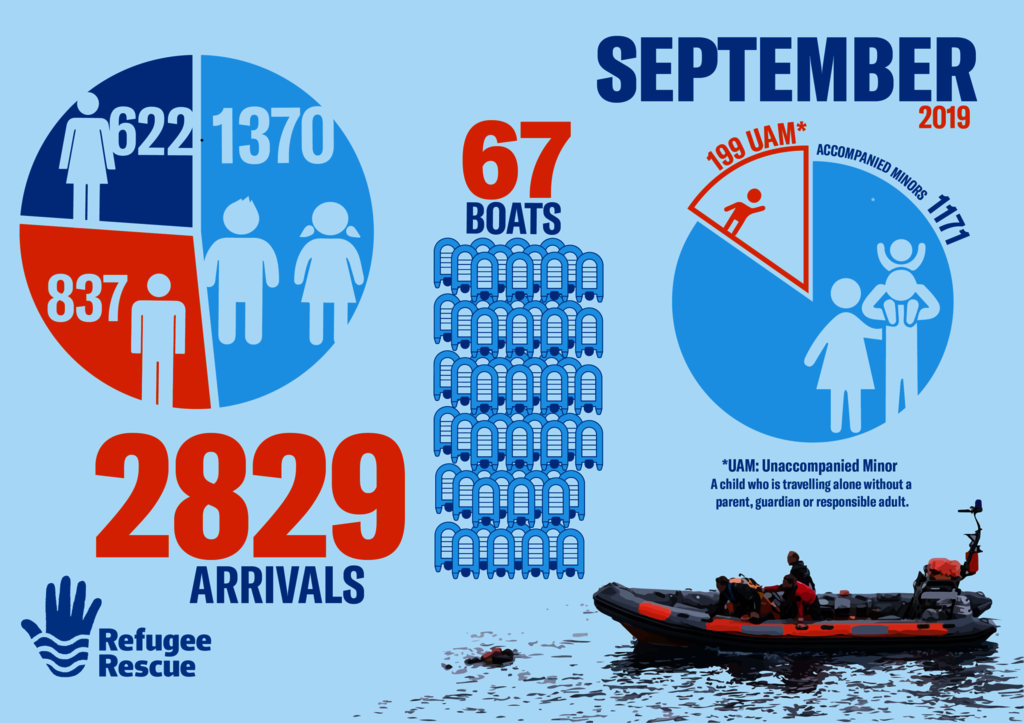
06 September our team completed three operations over the course of nine and a half hours.
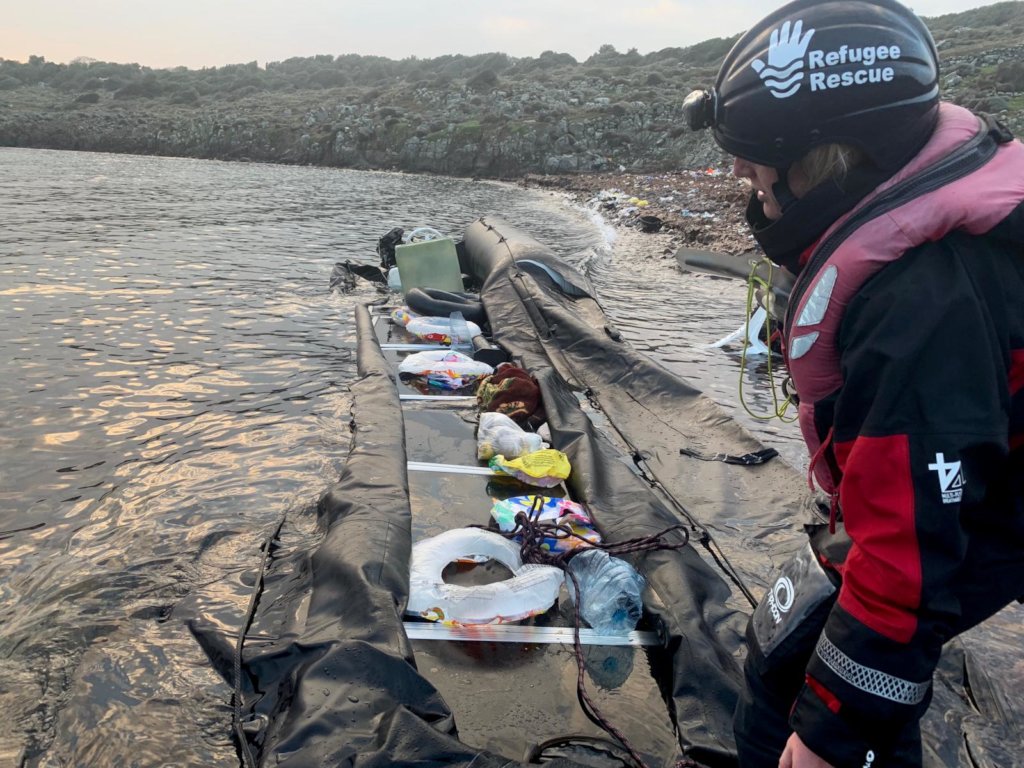
We were called by the Hellenic Coast Guard to retrieve an almost fully submerged wooden vessel. On scene, we performed an expanding square search pattern. Later, as the vessel was moved, several objects appeared on the water's surface. We started to collect the items, with increasing unease. First, we retrieved a baby carrier; then a children's life vest, followed by a Turkish water bottle, a donut with a pump still attached, a men's moccasins, and lastly, a bullet, which had been fired.
The weather turned quickly, with strong winds making a continuation of the operation impossible. We had to abandon the scene, but as soon as we got back to port, we received notice of an interception by authorities about 7 miles west of Molyvos. We towed the dinghy back to homeport and began the transfer of 46 people from Afghanistan.
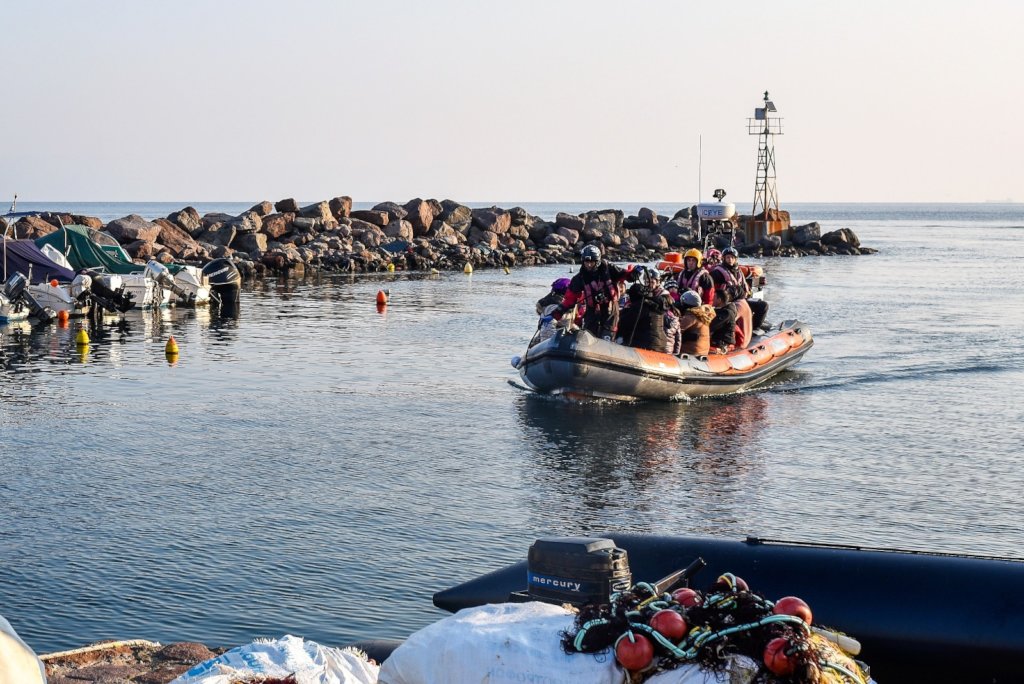
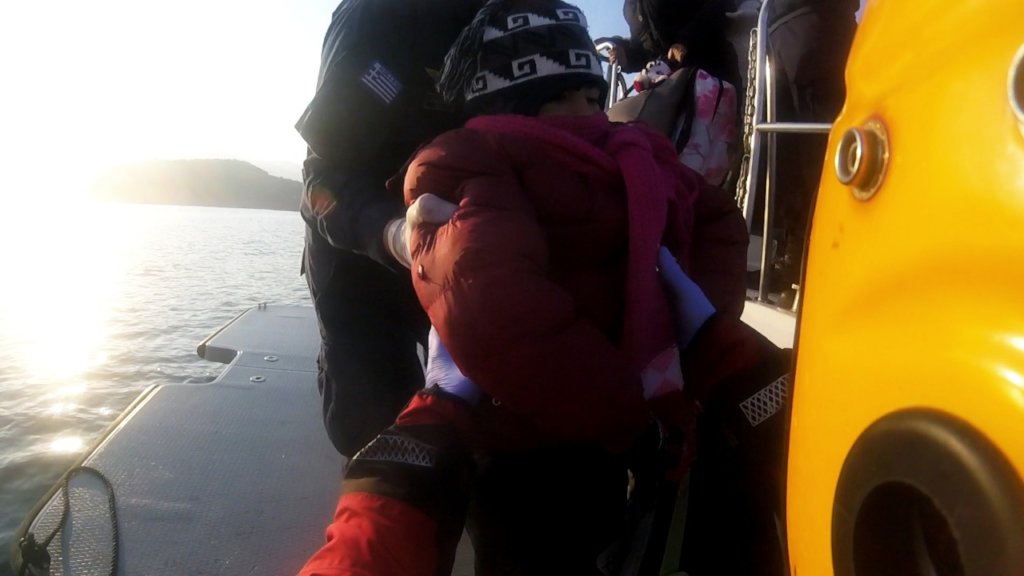
We took the women and children on board first, who was visibly shaken. One woman fainted as soon as she stepped on board MoChara. But once we started to speak to her, and squeeze her hands, she slowly regained consciousness. We disembarked the first group in Skala port, where our friends from Lighthouse Relief were ready to receive them.
The second and third transfer went smoothly despite the difficult conditions, and everyone was so calm and courageous. One young man asked, with a puzzled and fearful expression "Yunaan?? Yunaan?" We answered, "Yes you're in Europe my friend" – and relief flooded his face, bringing forth a huge smile.
Catarina, our current Boat Crew member remembers:
'By the time we got the call to launch we already knew the arrivals had been intercepted by the authorities. We knew the arrivals would be "safe", but nonetheless traumatized and vulnerable, so we wanted to reach them as fast as we could.
The wind was strong, and the waves were big, and due to the size of the coastguard guard vessel, it was hard to make a safe and smooth transfer. We did so nevertheless, making four, long trips back and forward to bring everyone to port safely.
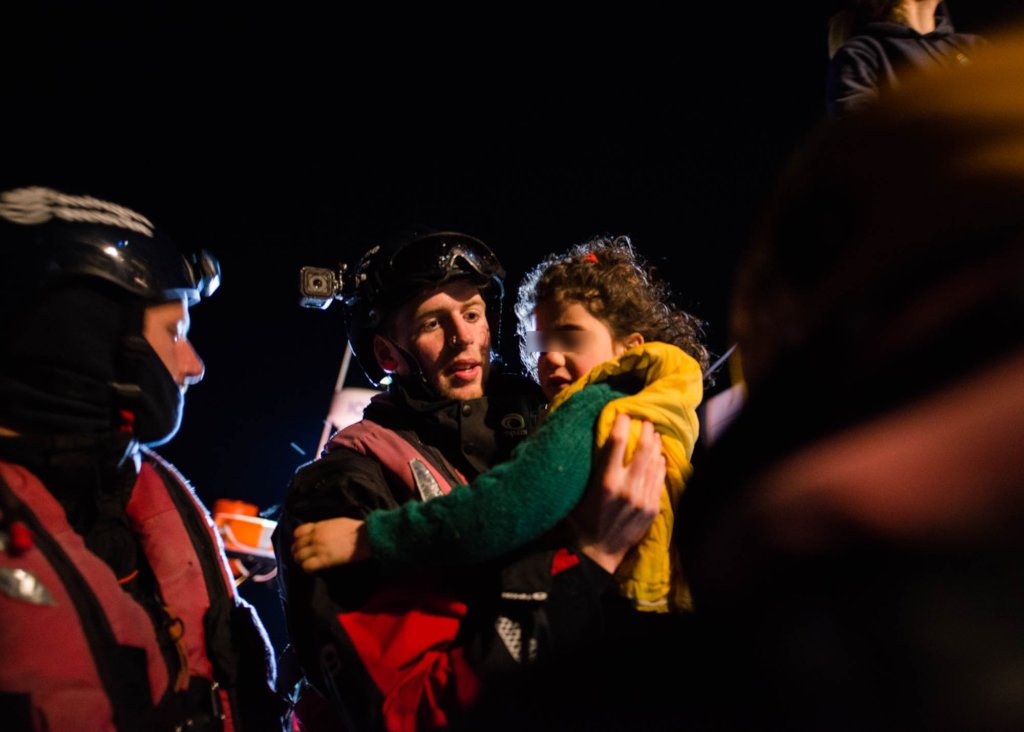
There were 27 children on this rescue, 6 of them unaccompanied. Any child I held in my arms, held on tight against me, shaking. It's always so hard to see and feel their vulnerability, but the operation was so big, emotion had to be put to one side. The main priority when caring for children is to make sure they're safe; distract them by playing with them, and finally, get them smiling again.'
Despite the length of the mission and challenging weather conditions, everyone was successfully on land by 4.10am. It was a hard task, especially working through the night - but as always, worth the effort. When people make this treacherous crossing, you can see how unprepared they are for the risk. We're proud to bring those who make it, through that final stretch with as much skill- and compassion - as possible.
By Hannah Wallace Bowman | Programme Director
By Hannah Wallace Bowman | Programme Director
Project reports on GlobalGiving are posted directly to globalgiving.org by Project Leaders as they are completed, generally every 3-4 months. To protect the integrity of these documents, GlobalGiving does not alter them; therefore you may find some language or formatting issues.
If you donate to this project or have donated to this project, you can receive an email when this project posts a report. You can also subscribe for reports without donating.