By Hannah Wallace Bowman | Programme Director
As politicians in Brussels were declaring an end to the “Refugee Crisis”, bodies of drowned children were washing up on the shores of the Greek island of Lesvos.
The day of 10th of March will be a day that our crew will never forget. It was a day where we were all tested on many levels; from our professionalism, to our resiliency, to our ability to support one another as a team.
The Hellenic Coast Guard contacted us mid-morning, delivering the type of news we dread: the body of a deceased person had washed up near the bay of Agios Theodoros, just east of Korakas. An urgent meeting was called, outlining the nature of operation, gauging each crew members readiness for the task ahead.
A body retrieval brings with it an entirely different set of challenges to a rock rescue or guiding a dinghy toward a safe landing site. In these situations - where saving a life is no longer an option - we need to do our utmost to protect the crew and the integrity of the person that has passed. All those to be directly involved were given the option to stay back. When faced with challenges like this, it is important be honest with ourselves, and others, about what we feel able to cope with.
It has since been confirmed that the body we recovered was that of Roya, the 9-year old girl lost to the sea on February 13th. From the long and dangerous search on that bitter day of the shipwreck, to the recovery of her body, this news closes a chapter on an individual chapter; however, our hearts break for the family struggling to come to term with her horrific and unjust loss -- and, unless the root cause of her death is addressed, it is a story far from over: until safe passage is an option for people in need of refuge, we fear it is a tale destined to repeat.
In other news, Refugee Rescue has been busy across all areas of activity, with excellent teamwork demonstrated between partners across the North Shore, with NGO actors working together to provide comprehensive emergency response for those making the treacherous sea crossing. The efficacy of this collaboration was perfectly demonstrated on April 22nd, during an operation which stays in our mind for two reasons: first of all, because it ran like clockwork -- and, secondly, because the group we assisted had an amazing story to tell.
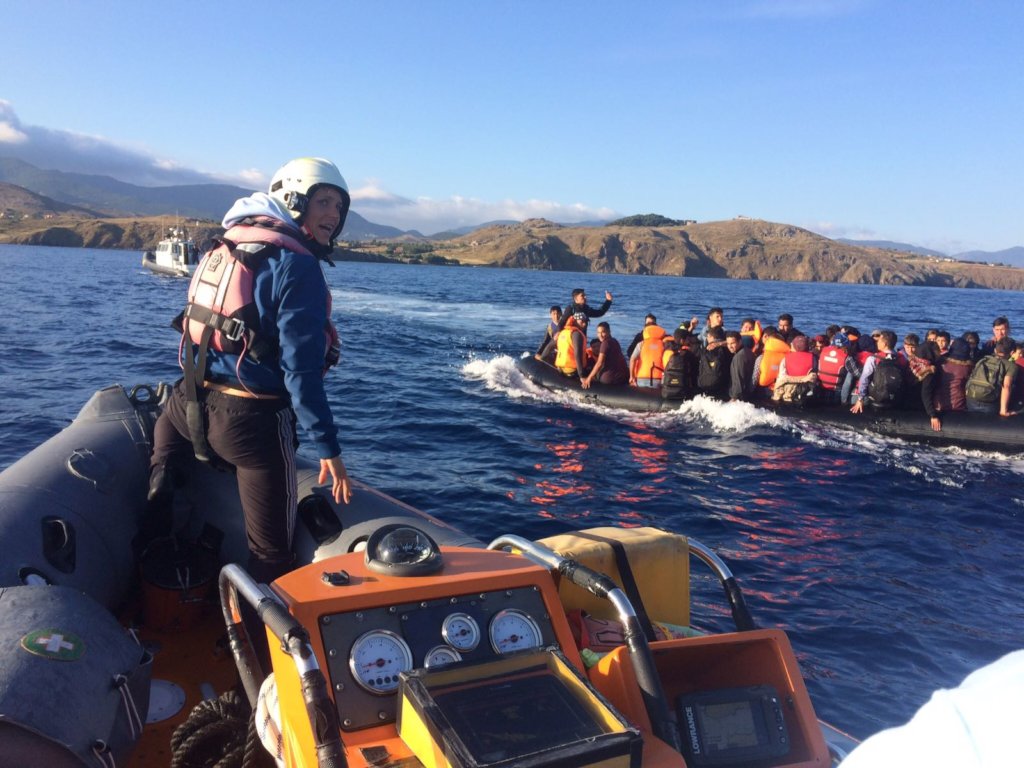
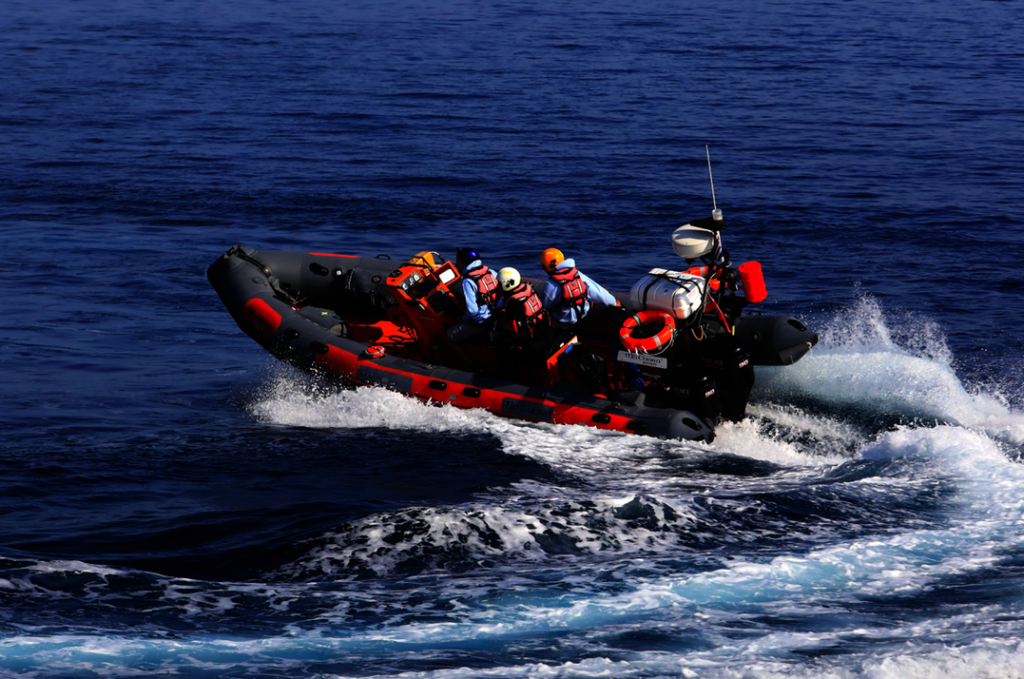
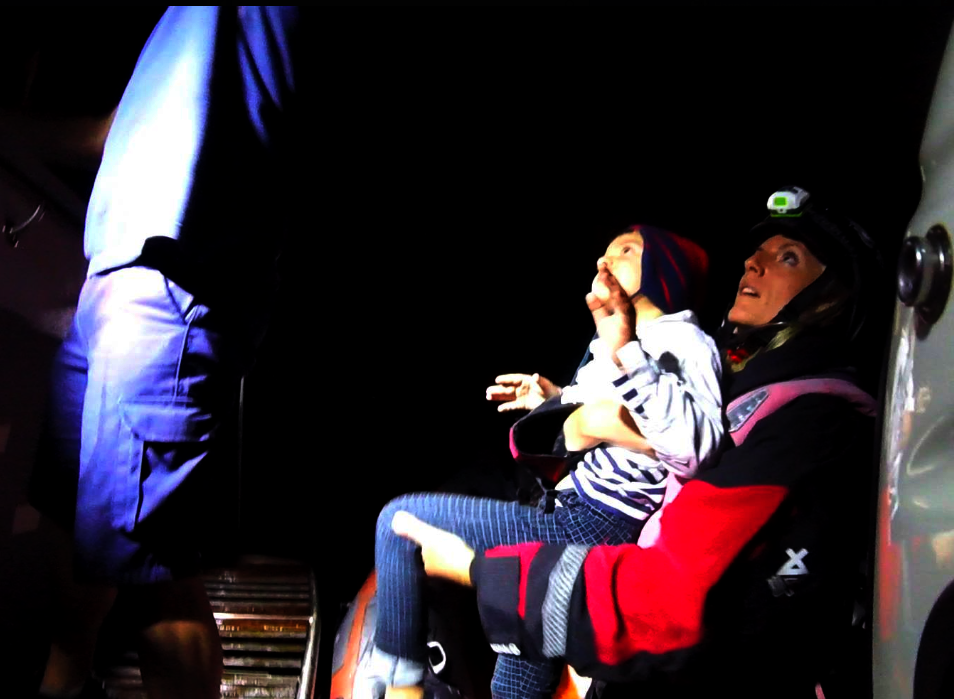
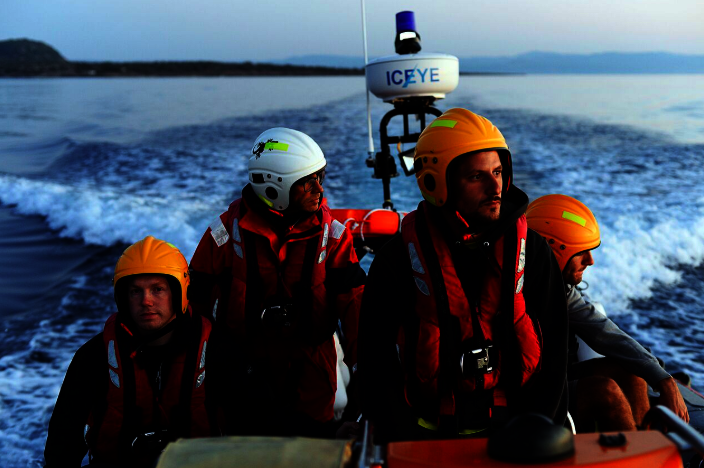
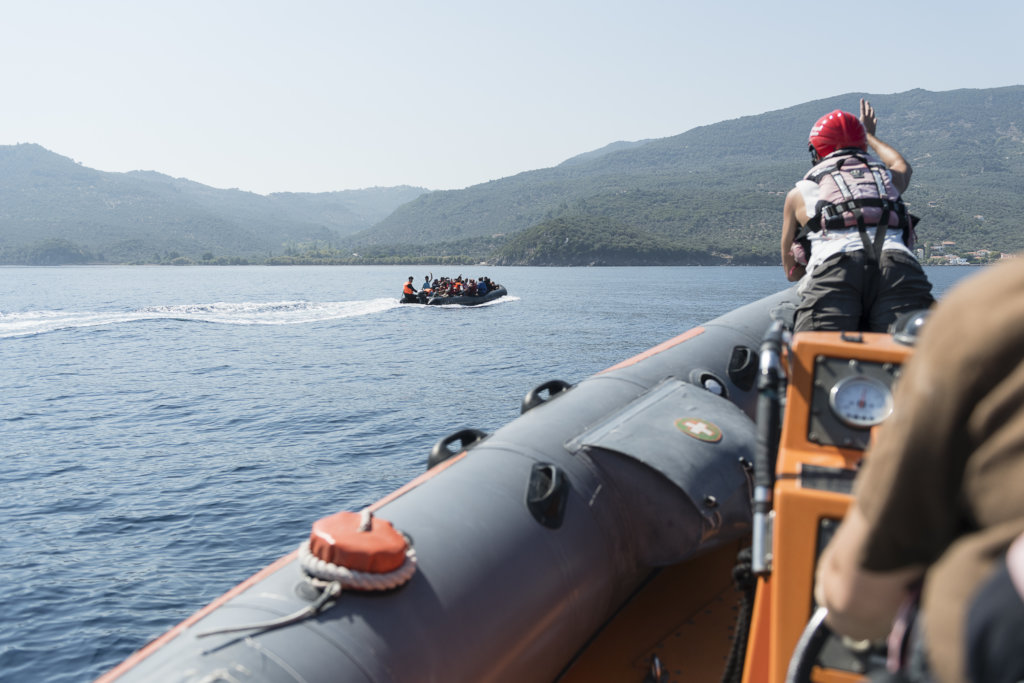
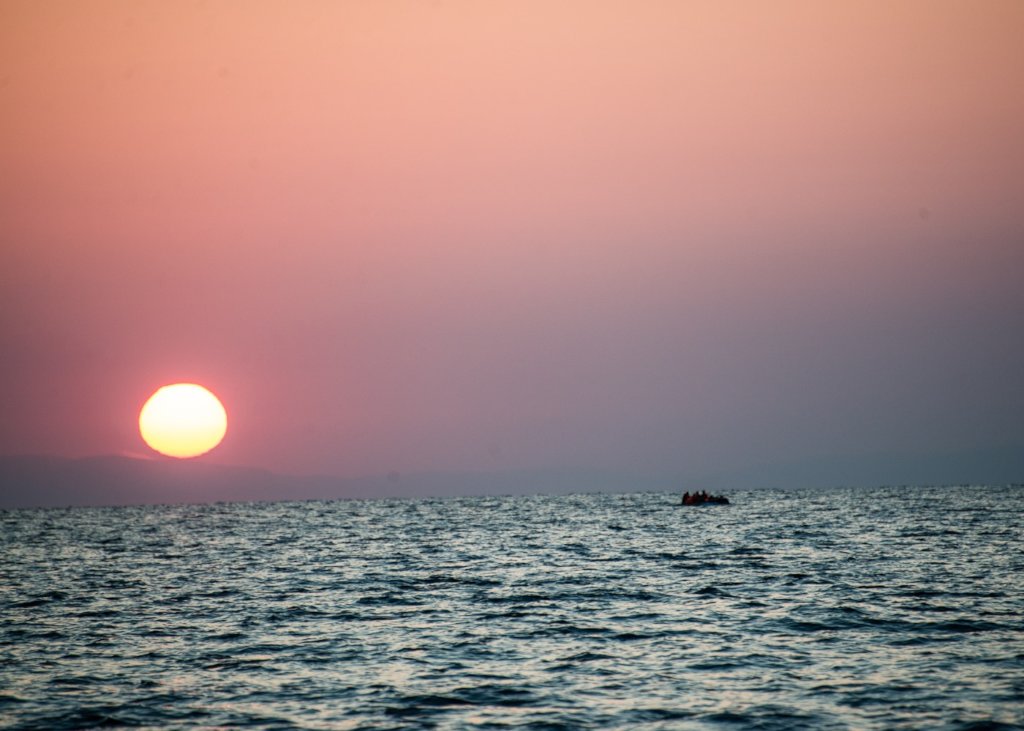
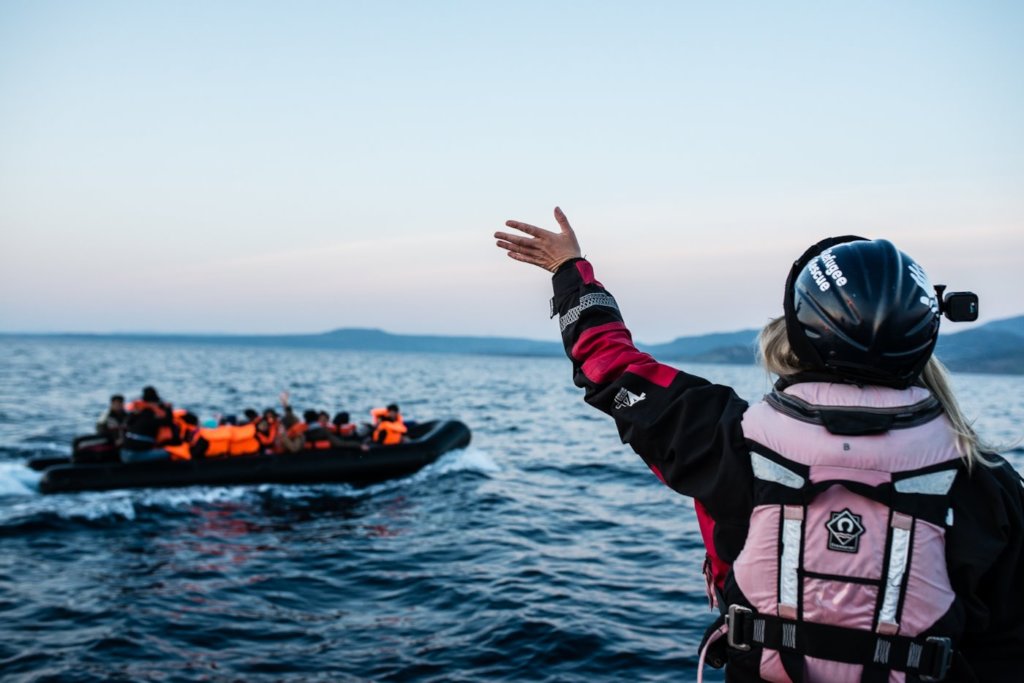
As dawn broke, MoChara launched. Almost immediately, Lighthouse Relief spotters at Korakas radioed news of a possible dinghy several nautical miles north. By 06:22, we could confirm the spot and had the dinghy in our sights. From afar, we assessed the integrity of the vessel and the immediate state of the people: Is the boat deflating? Is the boat taking on water? Do we have any urgent medical cases? It was evident there were numerous children and elderly people crouched inside the fragile rubber craft, clearly very scared, and wearing fake life jackets.
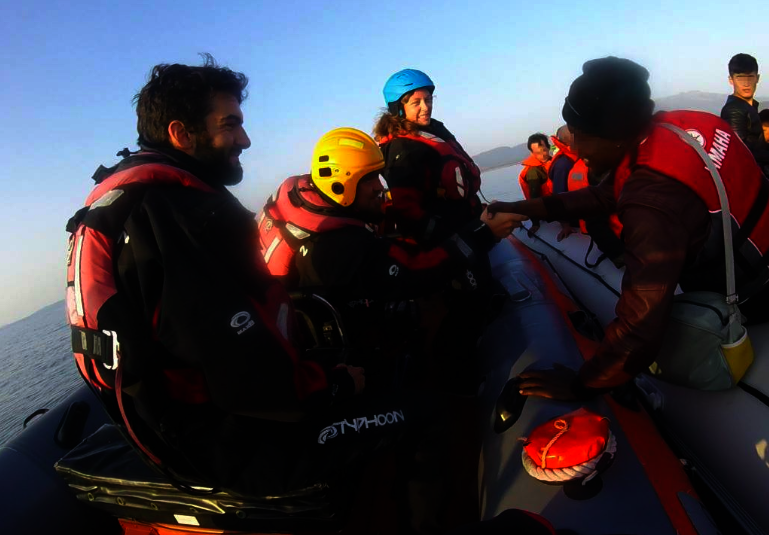
We persuaded the driver to stop the engine as we approached: "YOU ARE SAFE!", we reassured them, in English and Farsi.
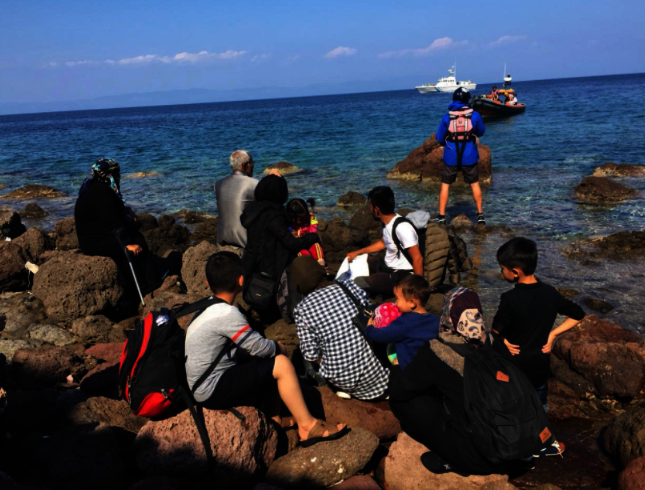
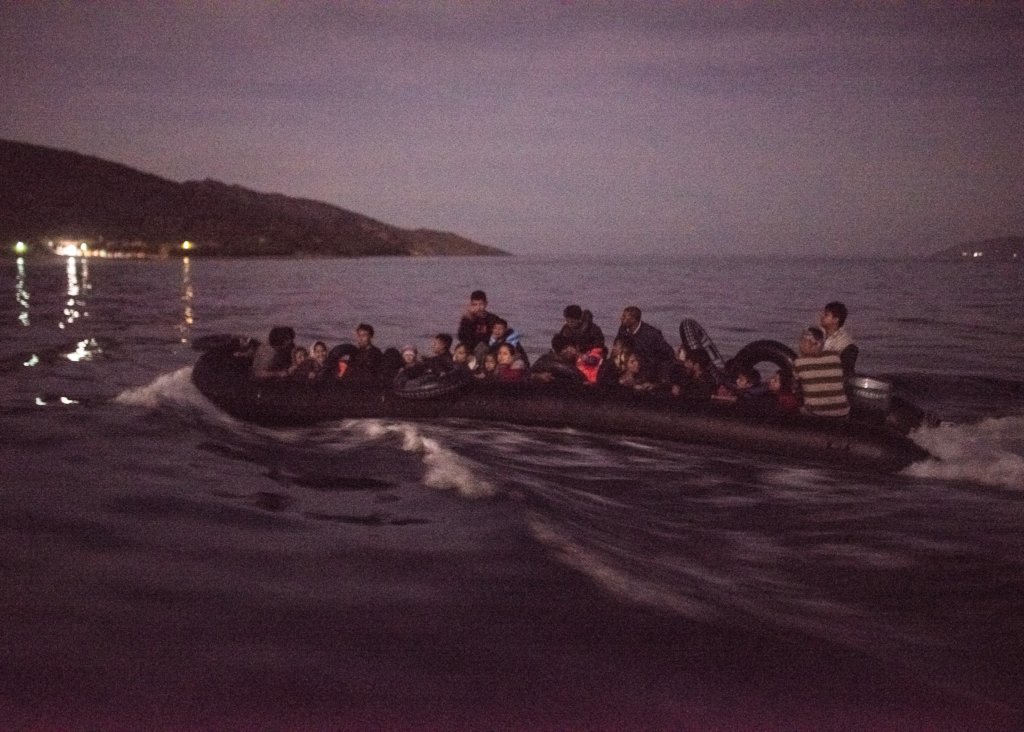
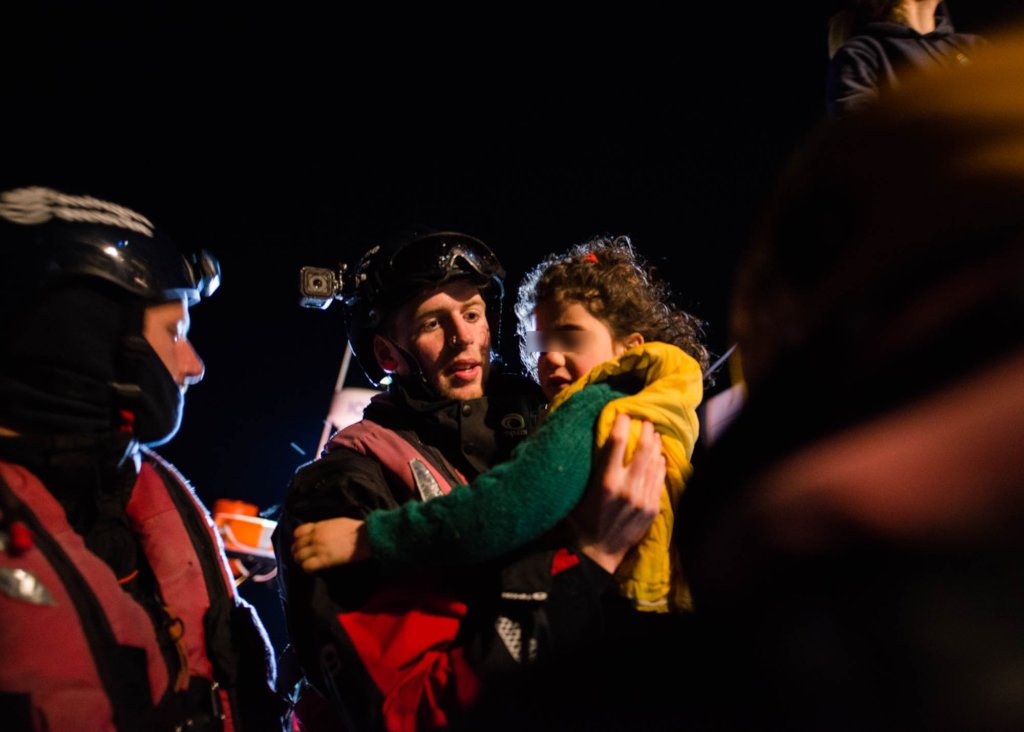
Upon learning they had finally made it to Greece, and that we posed no danger to them, the relief amongst the 25 people on board was palpable. Between the hugs, tears and high-fives, we moved quickly, working alongside the Coast Guard to deliver everyone safely into the port of Skala Sikamineas. 15 of those rescued were babies and minors.
Our land crew subsequently learned that this group actually comprised of just three families, all from the same small village in Afghanistan. They had been travelling together for over six months, supporting one other throughout their arduous journey. By the time they had reached the Turkish Coast, they were exhausted, but their toughest challenge still lay ahead: together, they had tried to cross the Aegean ten times, without success. Only after the eleventh attempt did they manage to cross into Greek waters and step onto European soil.
It is thanks to your continued support that we are able to be there for people, at crucial moments like this.
Project reports on GlobalGiving are posted directly to globalgiving.org by Project Leaders as they are completed, generally every 3-4 months. To protect the integrity of these documents, GlobalGiving does not alter them; therefore you may find some language or formatting issues.
If you donate to this project or have donated to this project, you can receive an email when this project posts a report. You can also subscribe for reports without donating.