By Claudia Macias | Project Leader
This time we want to tell you about new adventures, challenges, and achievements.
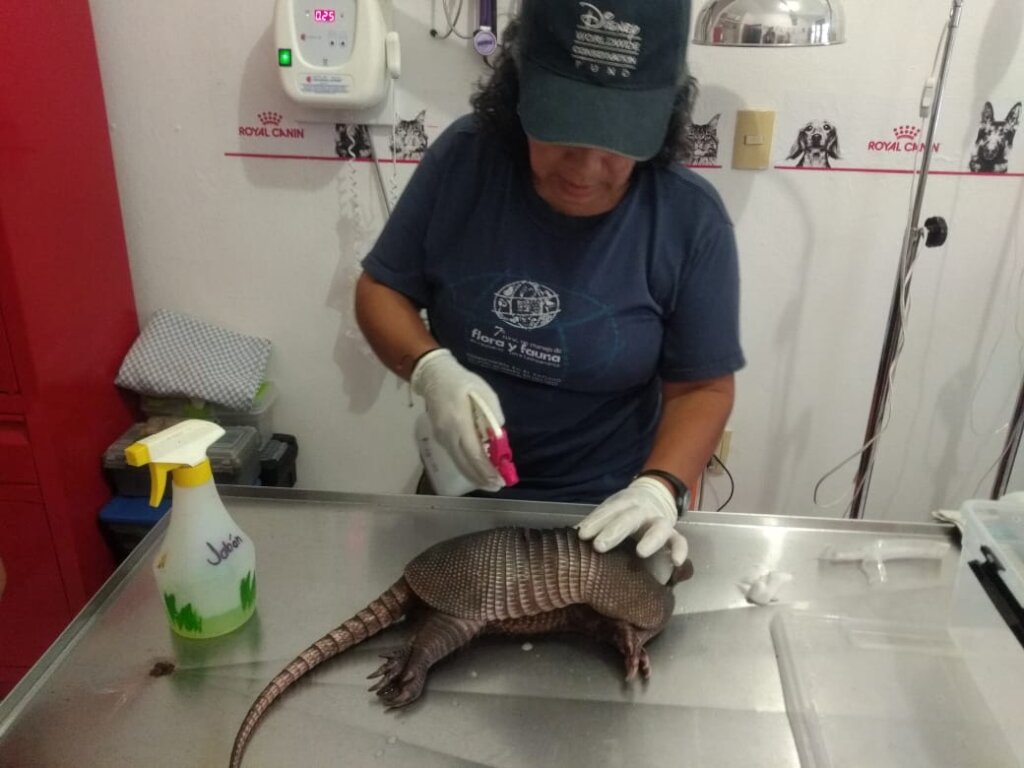
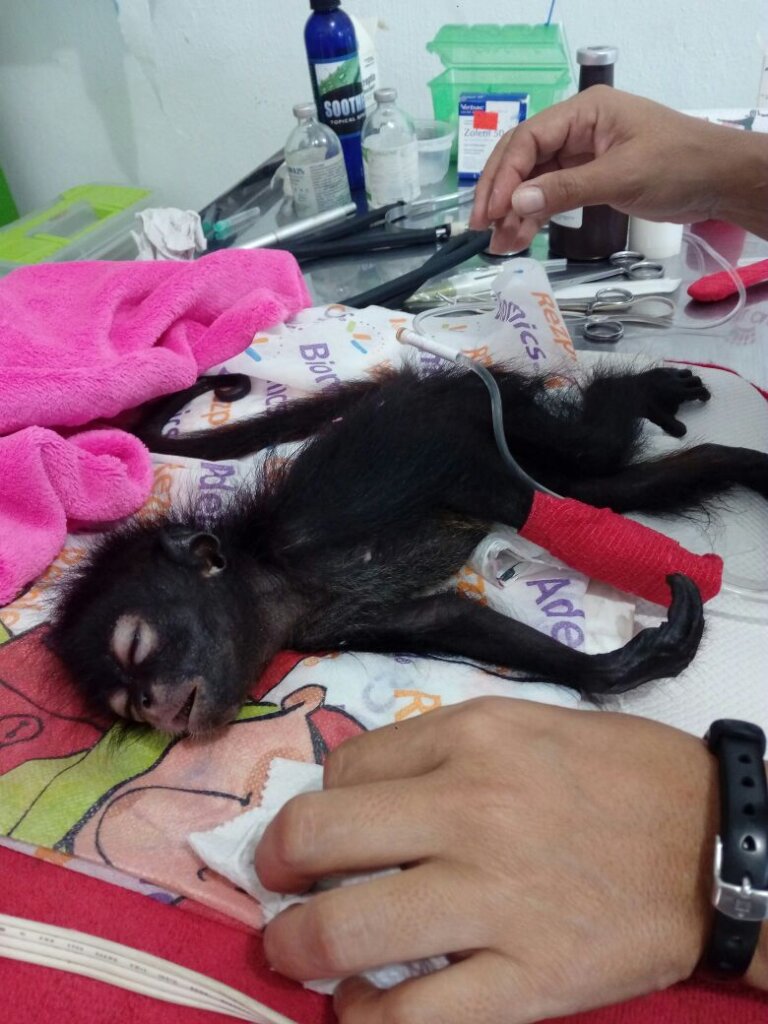
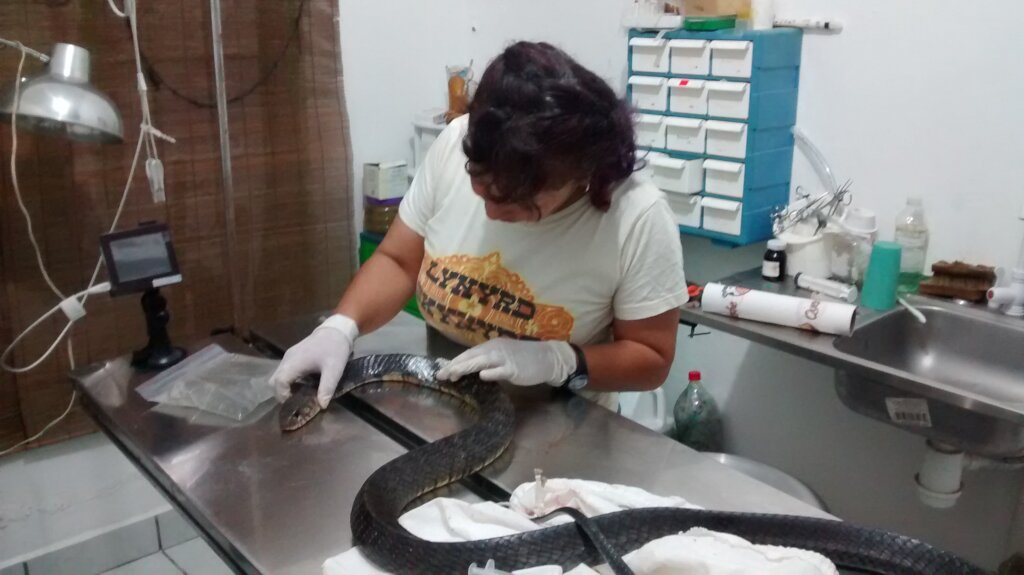
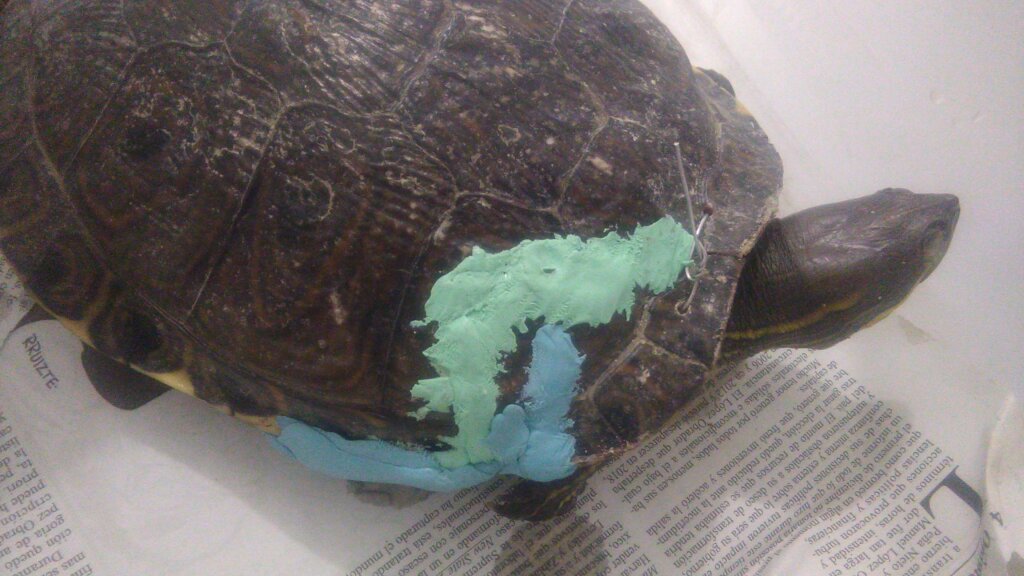
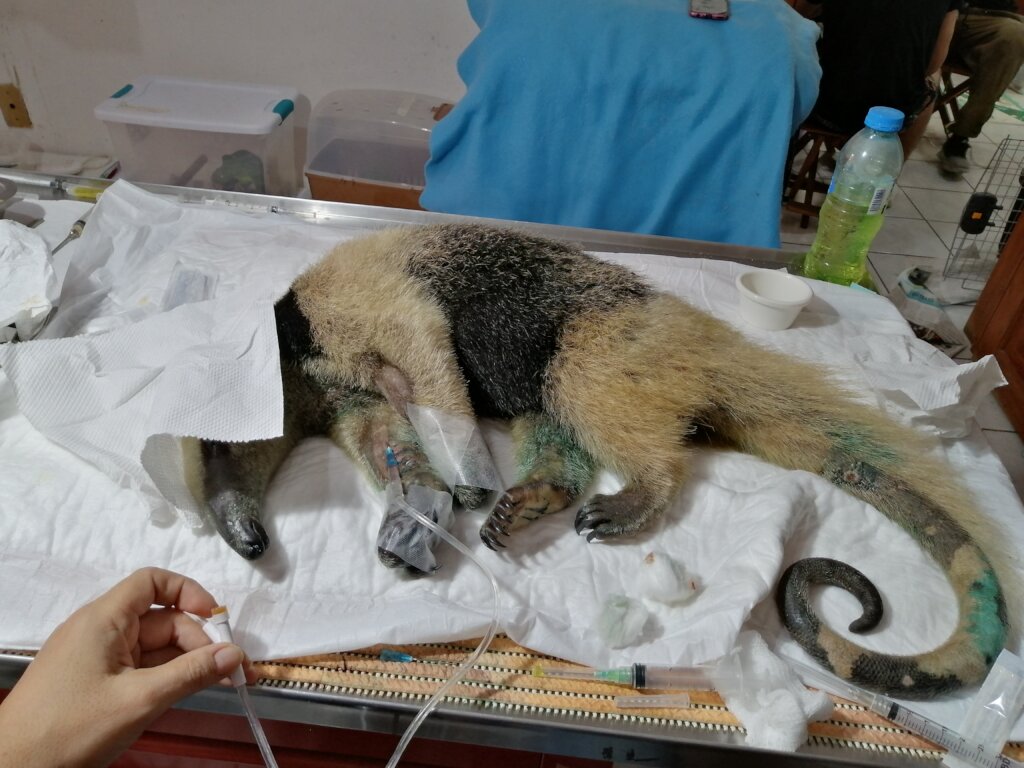
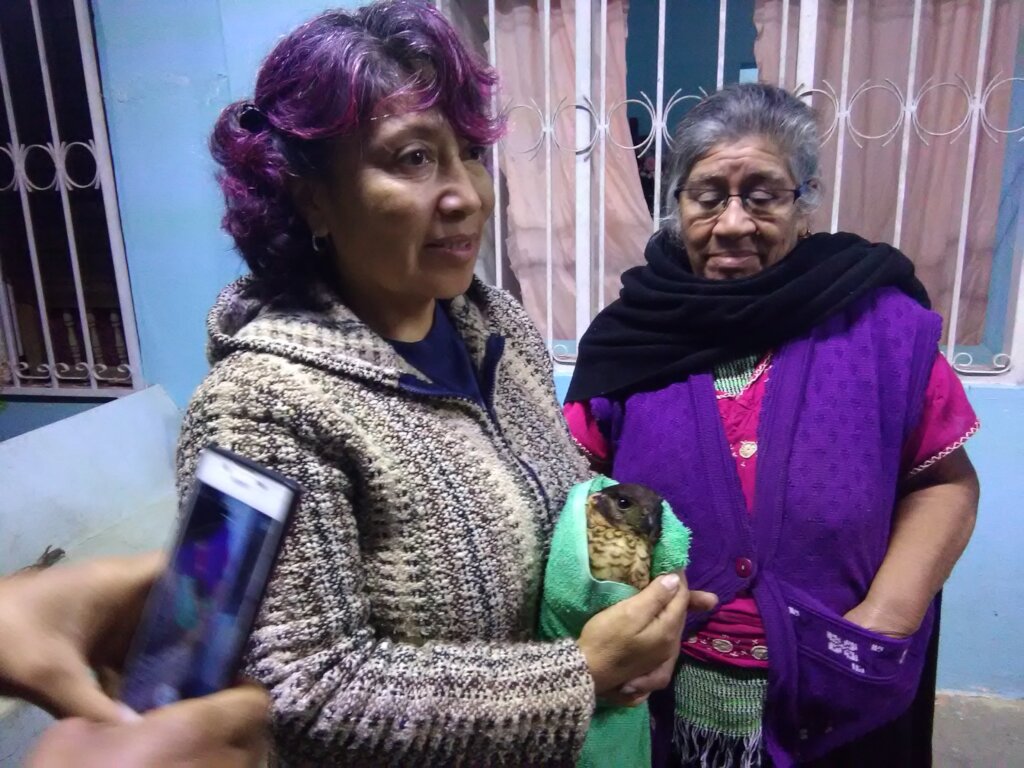
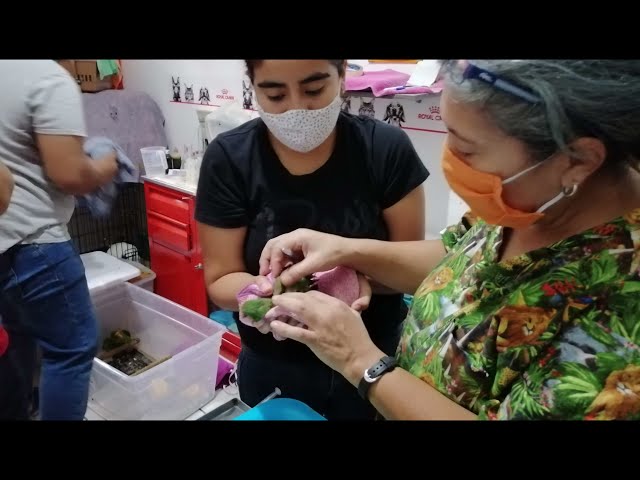
It is wonderful to see that more and more people from the cities and the countryside know us and trust us to rescue wildlife. People rescue animals and bring them to us to rehabilitate and reintegrate them to their natural environment. But most of the time people have not had experience rescuing and can make mistakes that could be fatal for the rescued animals. With this in mind, we have been working to sensitize, inform and train people in first aid for the rescue and transportation of animals. It has been wonderful to see how people care about them and bring them to our rescue center, investing resources, time, and paying attention to wildlife.
It is also important to mention that our work team faces great challenges when receiving species that we have never attended before, species that are rare or difficult to find in nature, and rescue.
Here we describe some cases and stories:
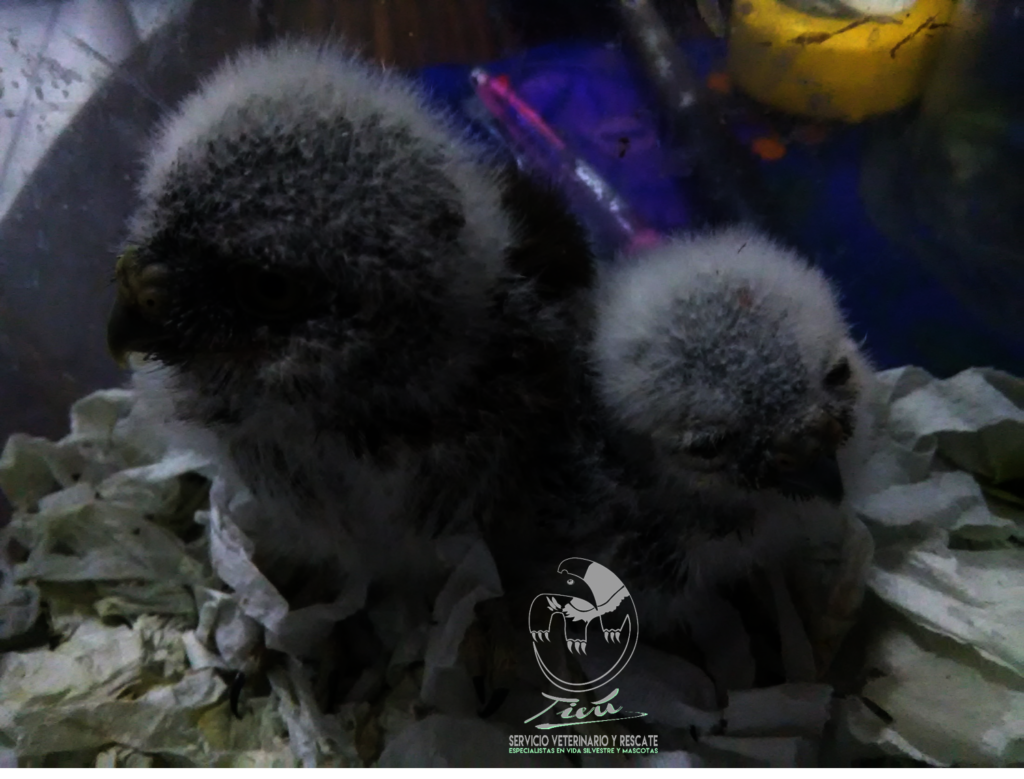
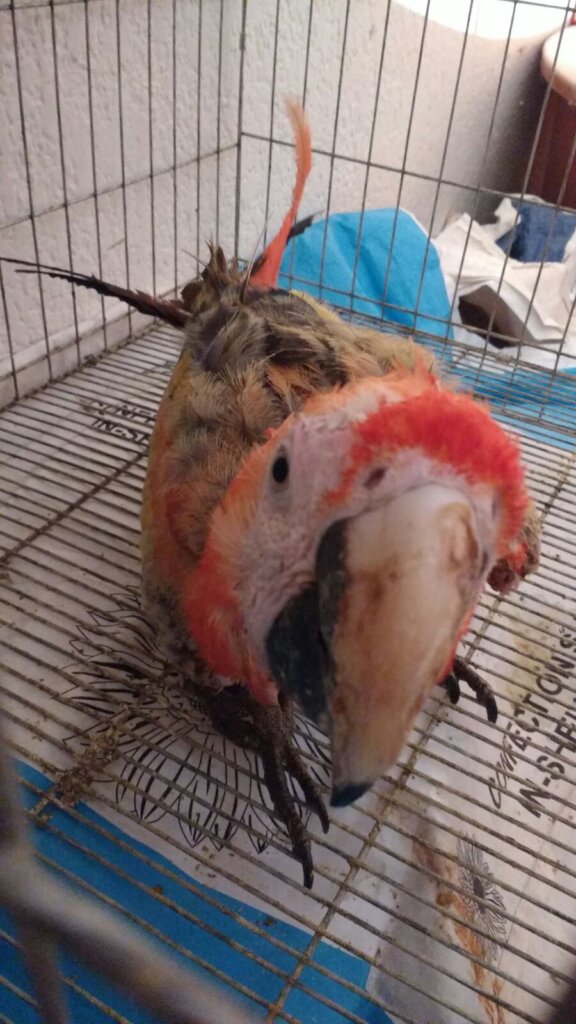
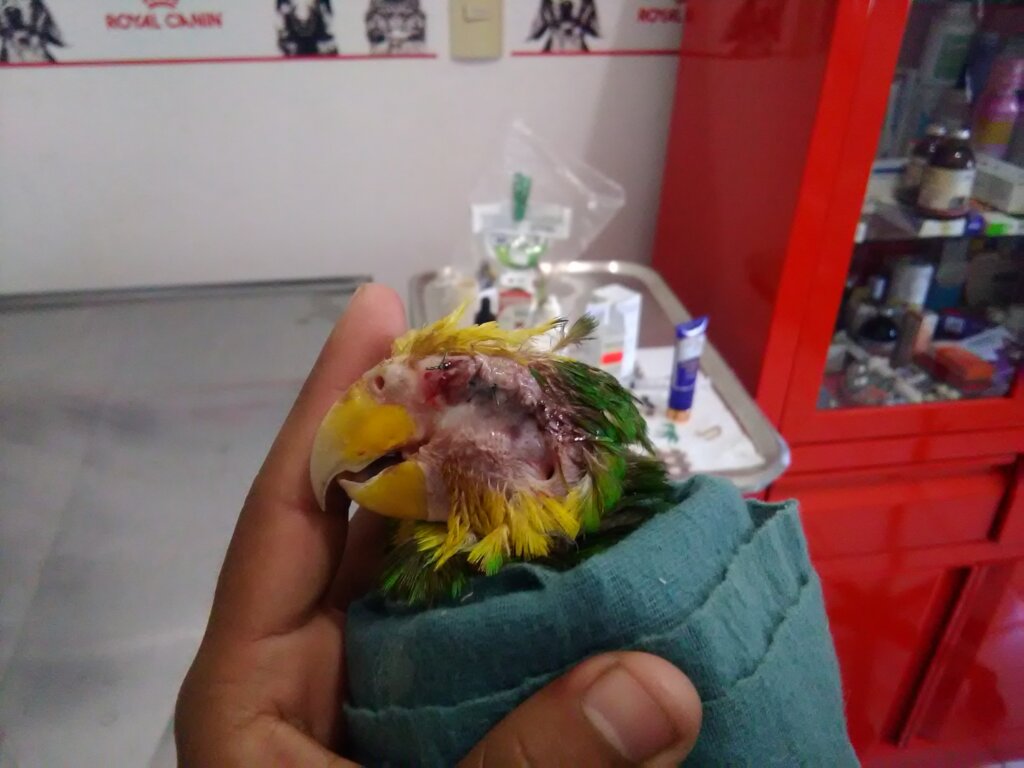
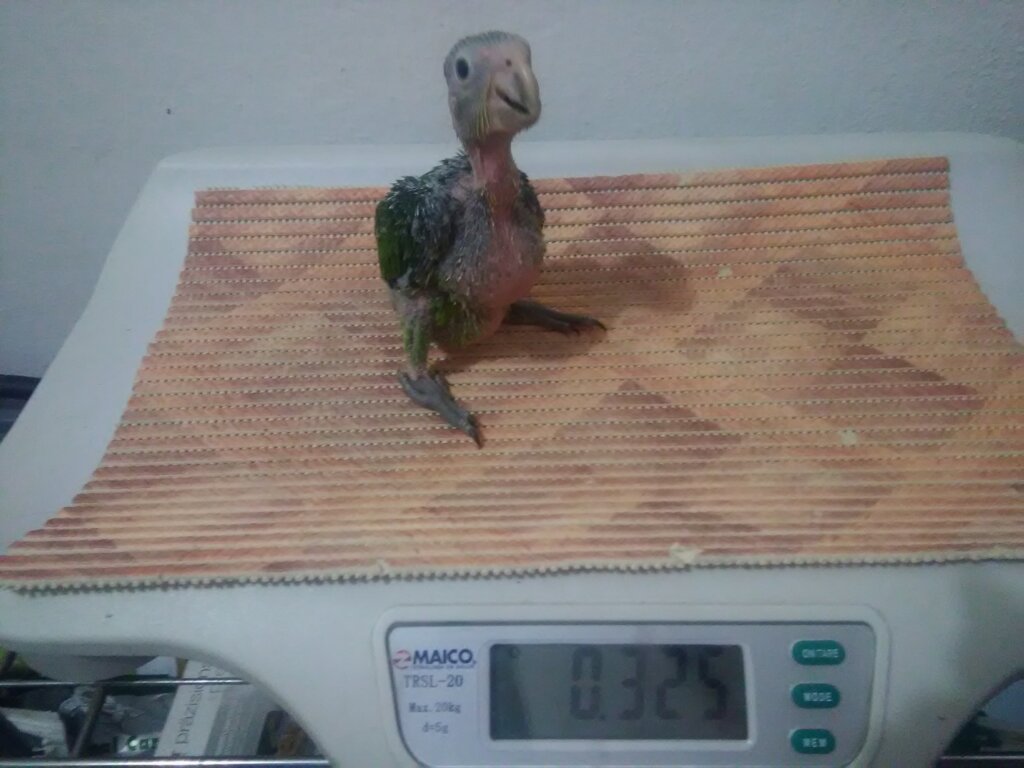
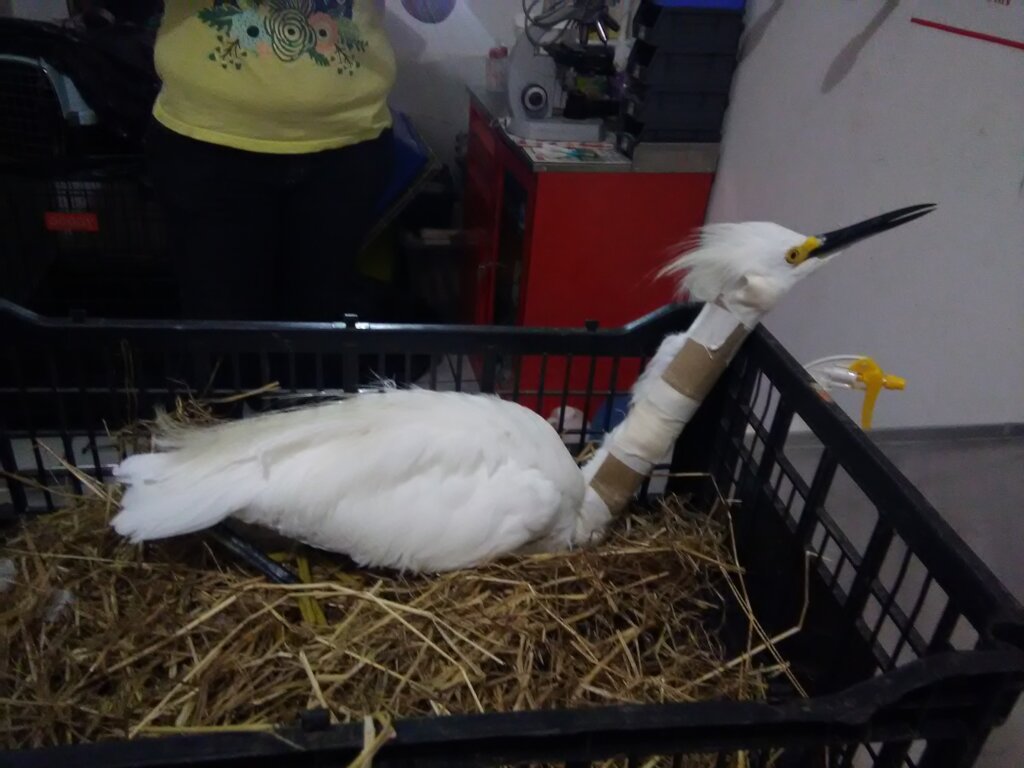
The nesting season for birds is a complex stage due to the number of chicks that people find and rescue from the ground, roofs, roads, etc. Chicks that fell from the nests. Since our space is very small and we have saturation of animals in recovery, in the case of common birds, which are not in risk category, and that do not have serious damage, we give express training to those who rescued them so that they can rehabilitate them in their homes. For birds that are threatened, endangered, rare species, or have a condition that requires specialized care, we make an effort to provide them with attention, clinical inspection and intensive care. When they can be cared for by their rescuers, we work with them to complete their rehabilitation, and together they and we, reintegrate them into the wild.
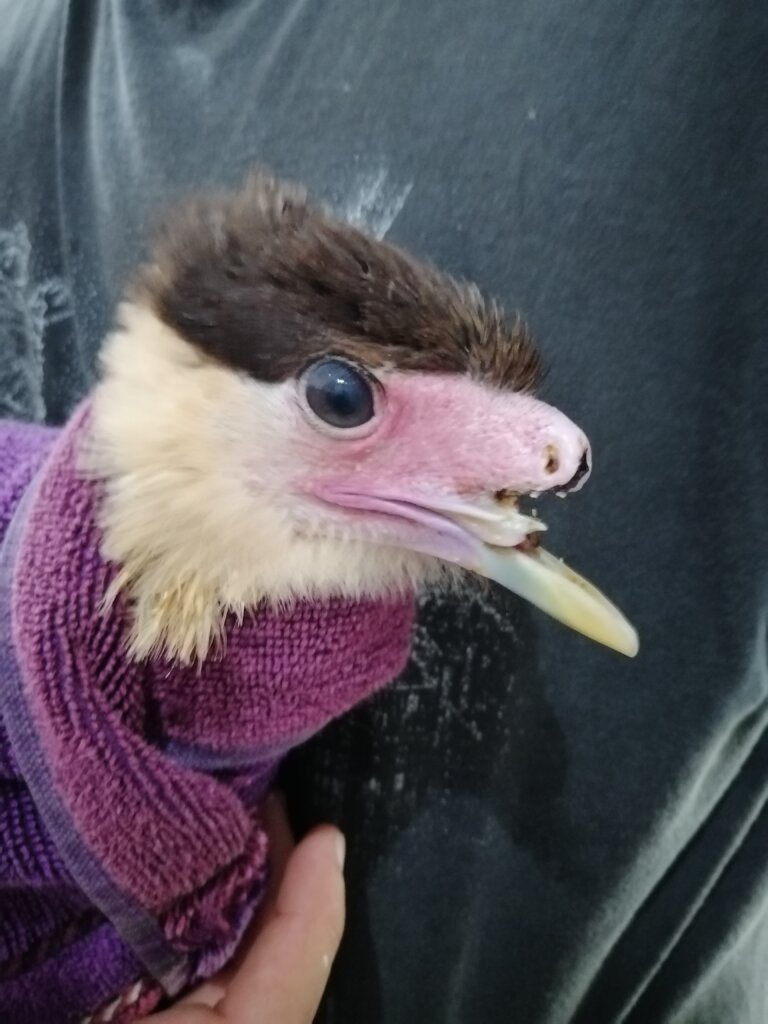
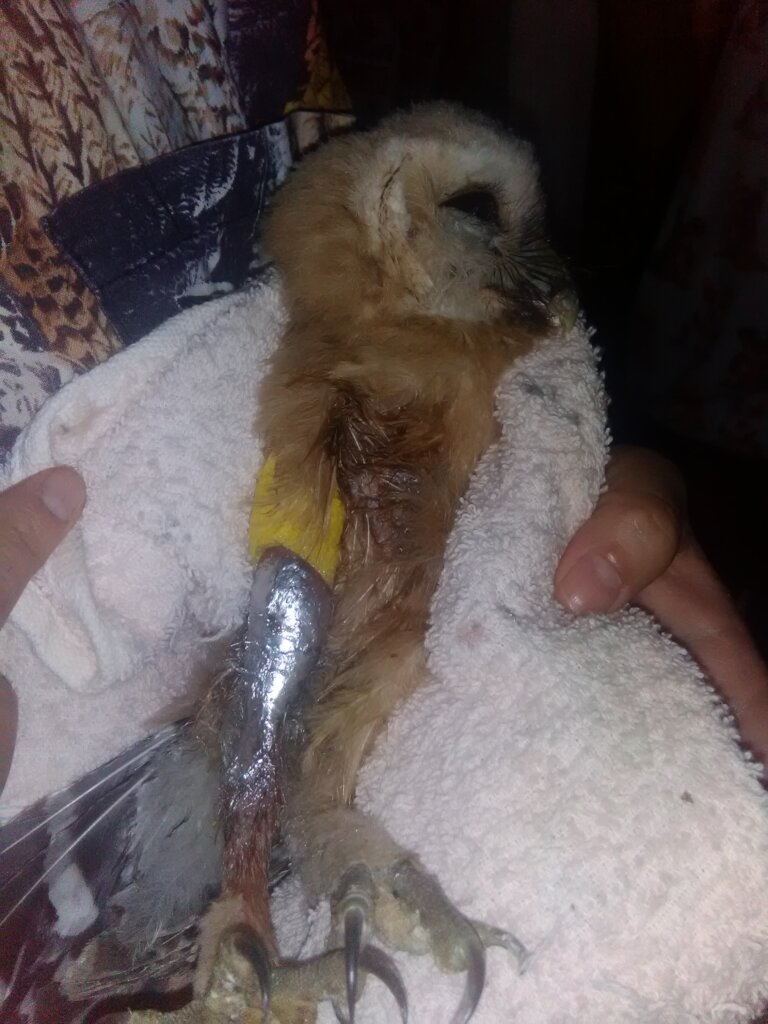
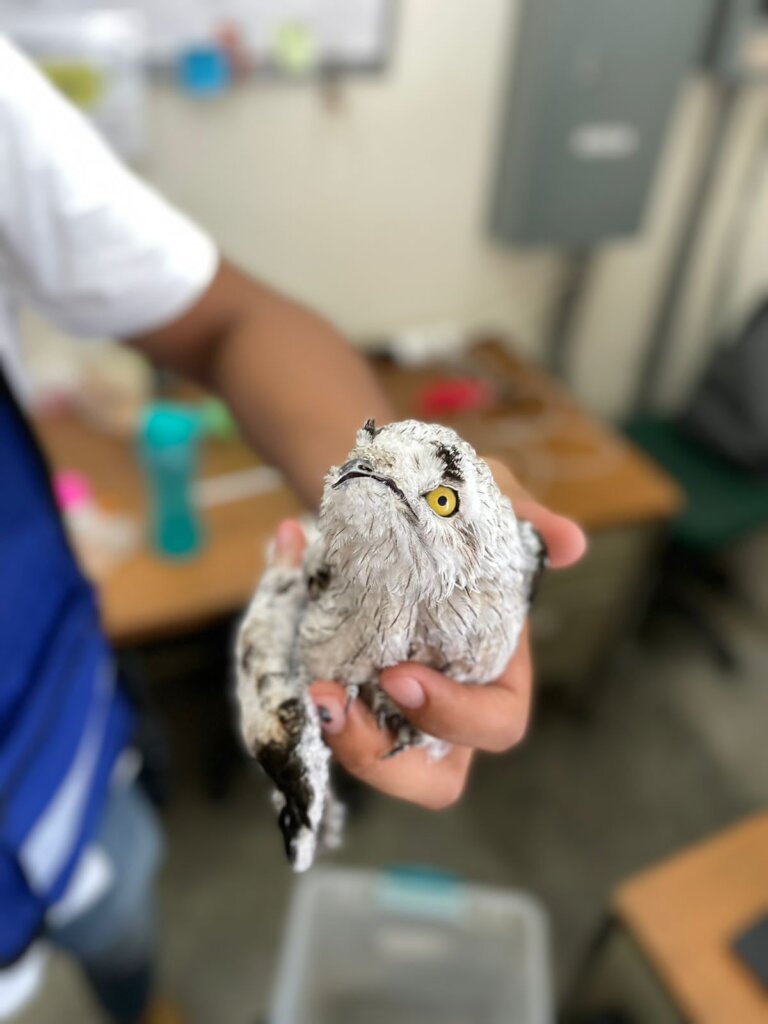
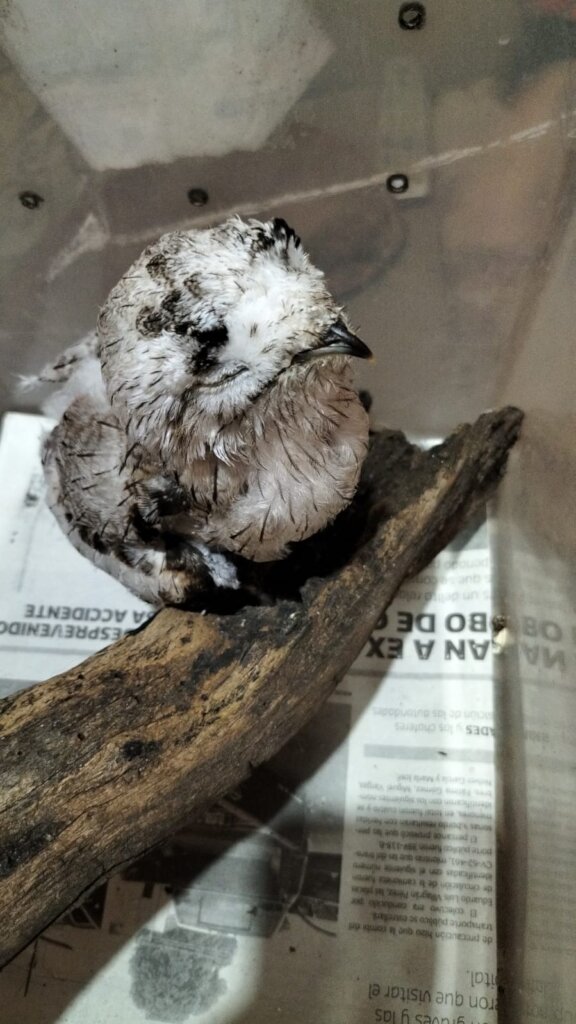
There are species that, because of their importance and rarity, are worth any effort. This is the case of a Northern Potto (Nyctibius jamaicensis). Very secretive, nocturnal birds that camouflage very well in the environment and have a highly specialized diet based on nocturnal insects. We don’t know any guidelines on how to rehabilitate these species, so the challenge for us is to do it carefully and cautiously. This chick fell out of the nest and the parents were not found, so a person took it with us. It is a bird that is recovering slowly but is doing well.
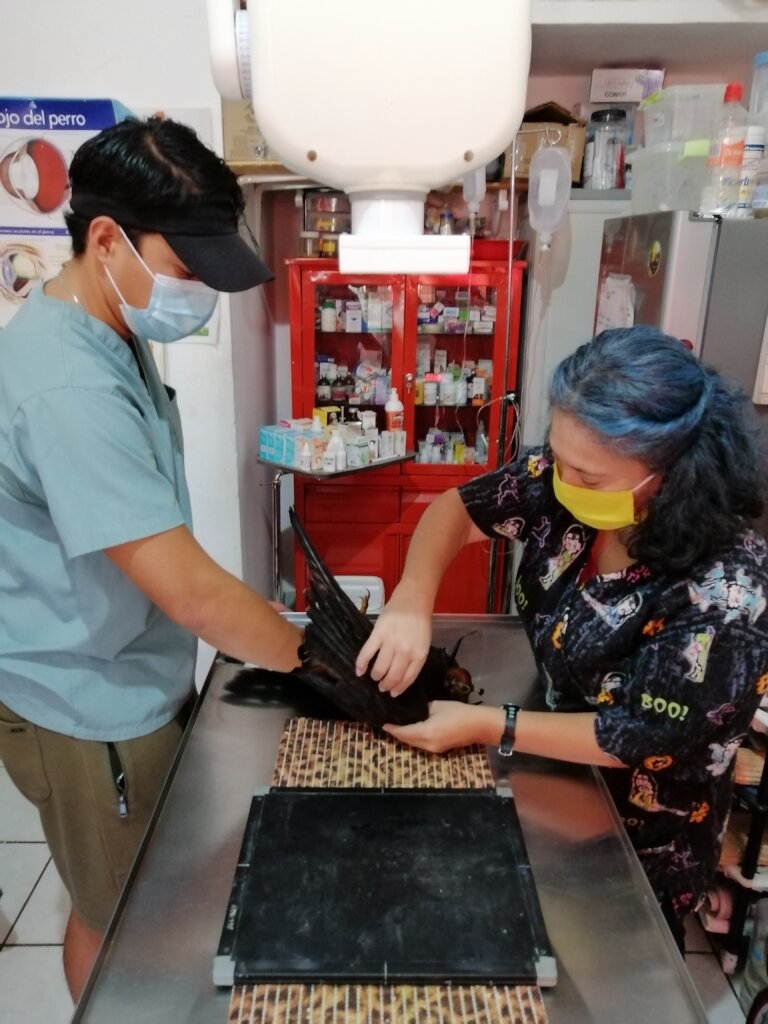
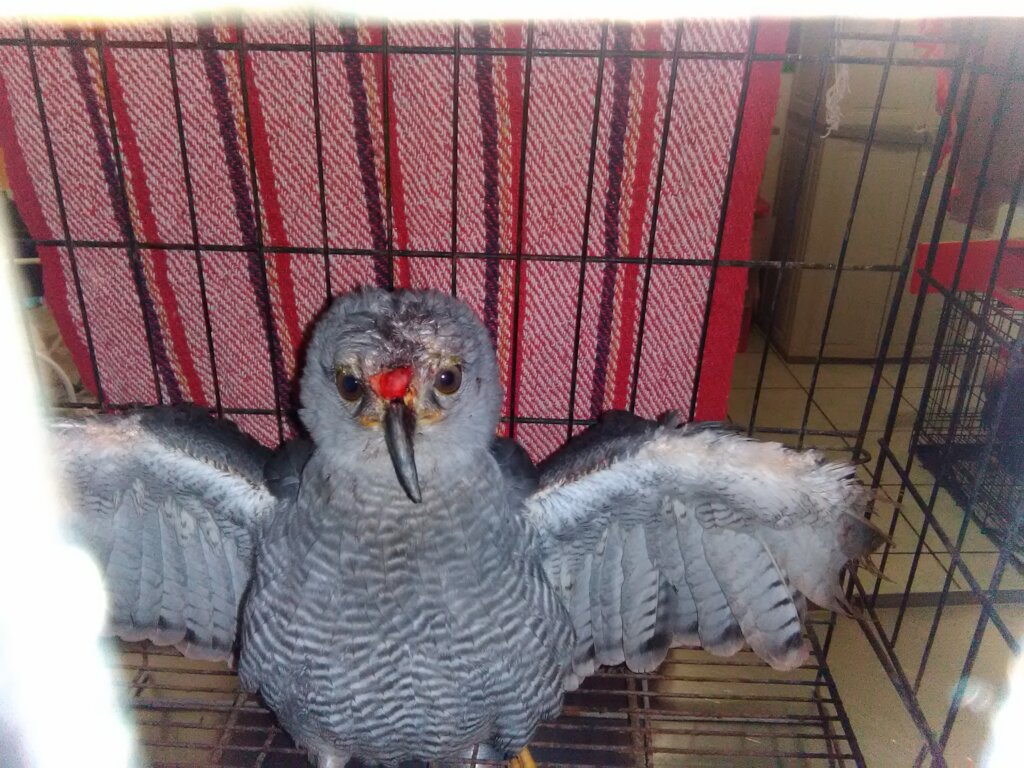
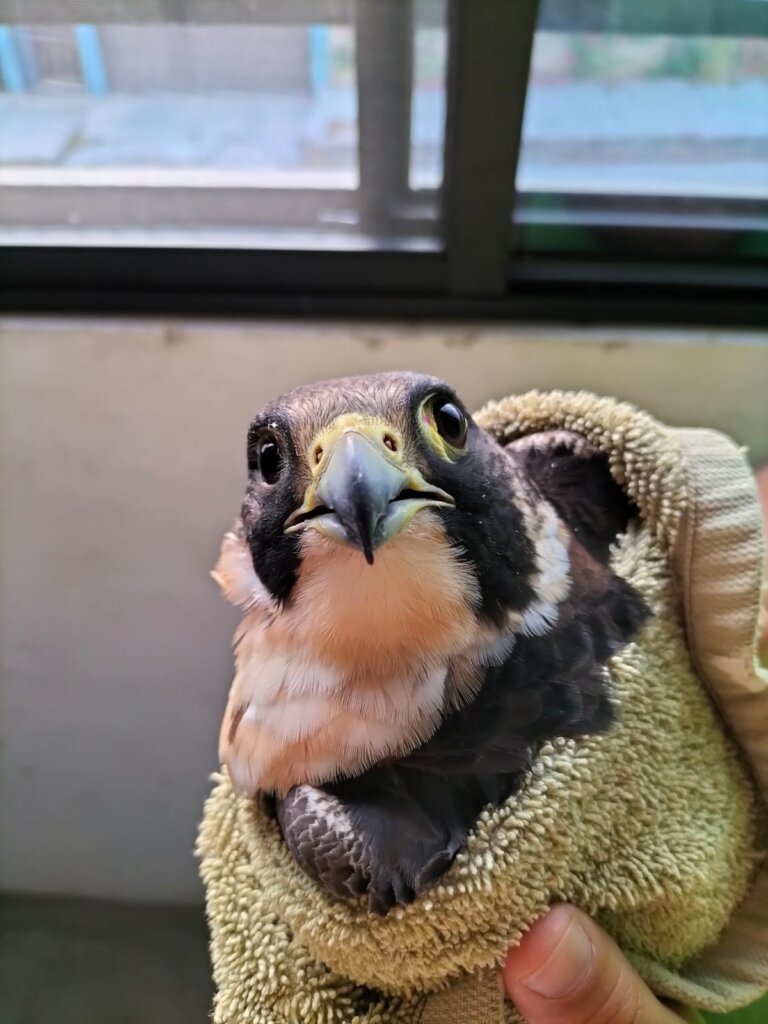
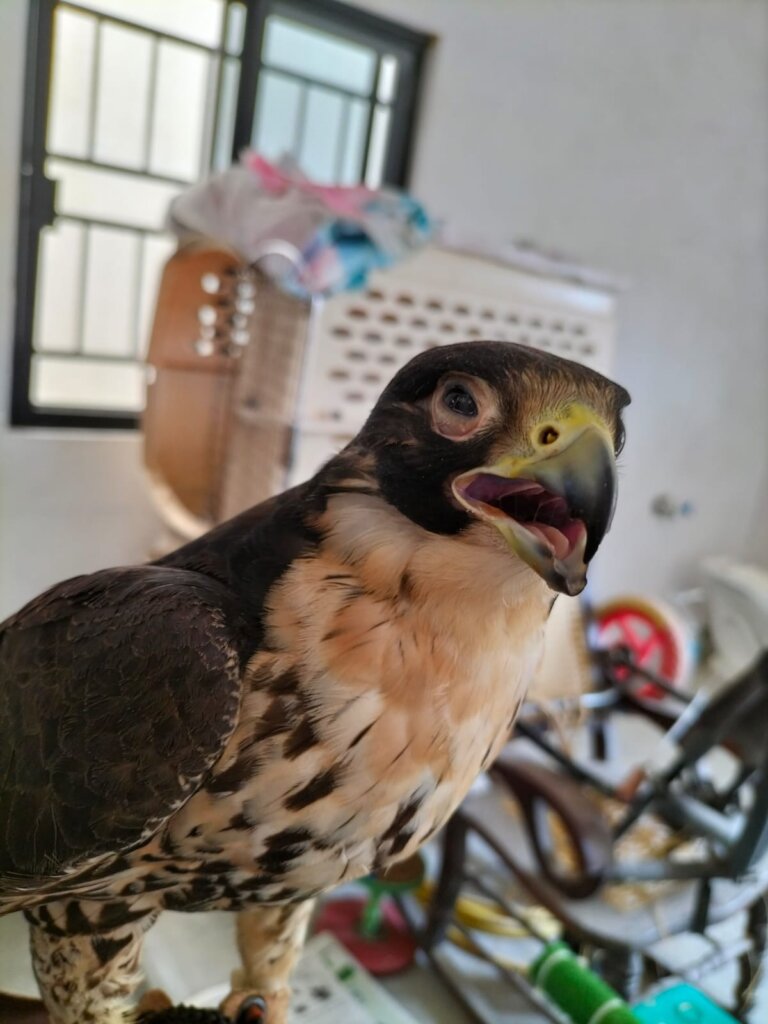
Other extremely interesting cases were two raptors. The first, a female Bat Falcon (Falco rufigularis). A juvenile bird that was found perched in a bush making short and erratic flights. It was rescued and brought to our rescue center. Upon inspection we observed that it is a bird that was held captive by someone, its wing feathers were cut. She most likely escaped from her captor. It is in good health; we will only have to wait about a year for it to molt its feathers naturally. Once he has renewed feathers, he will require some exercise to regain muscle strength, and he will be able to fly free again.
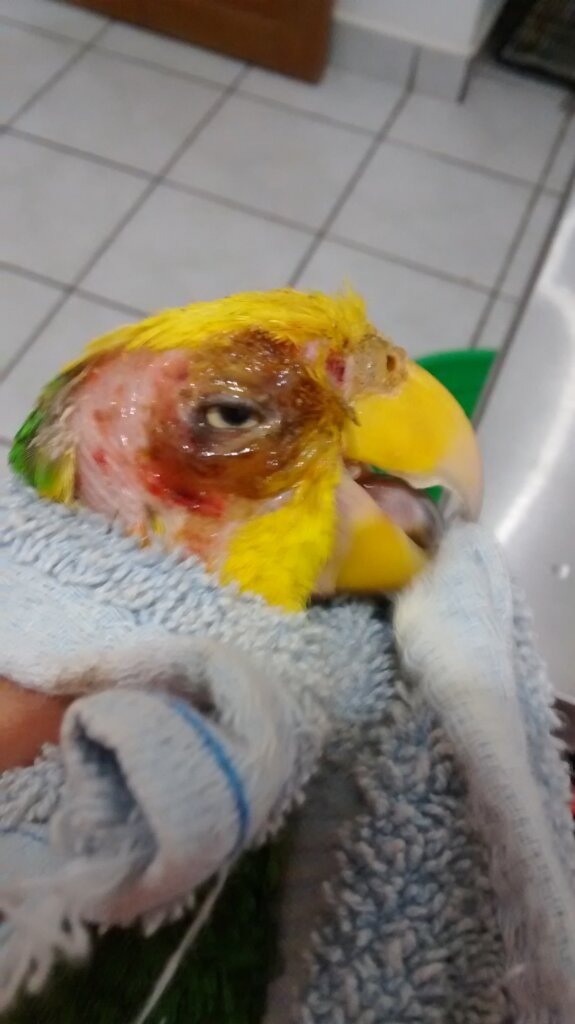
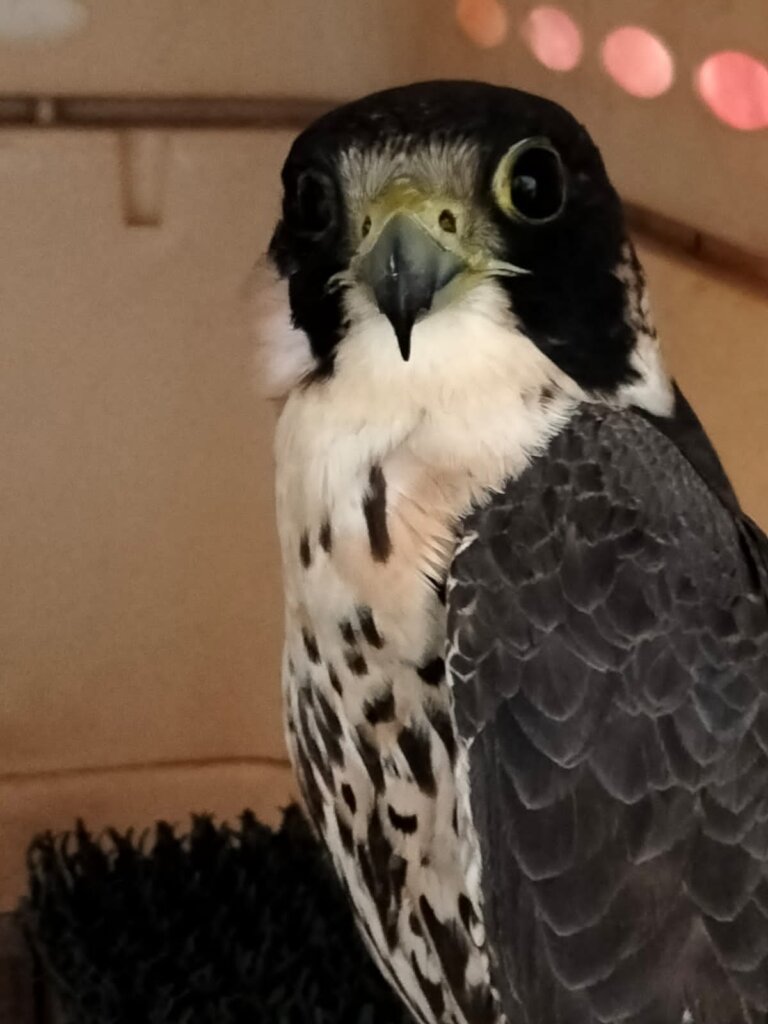
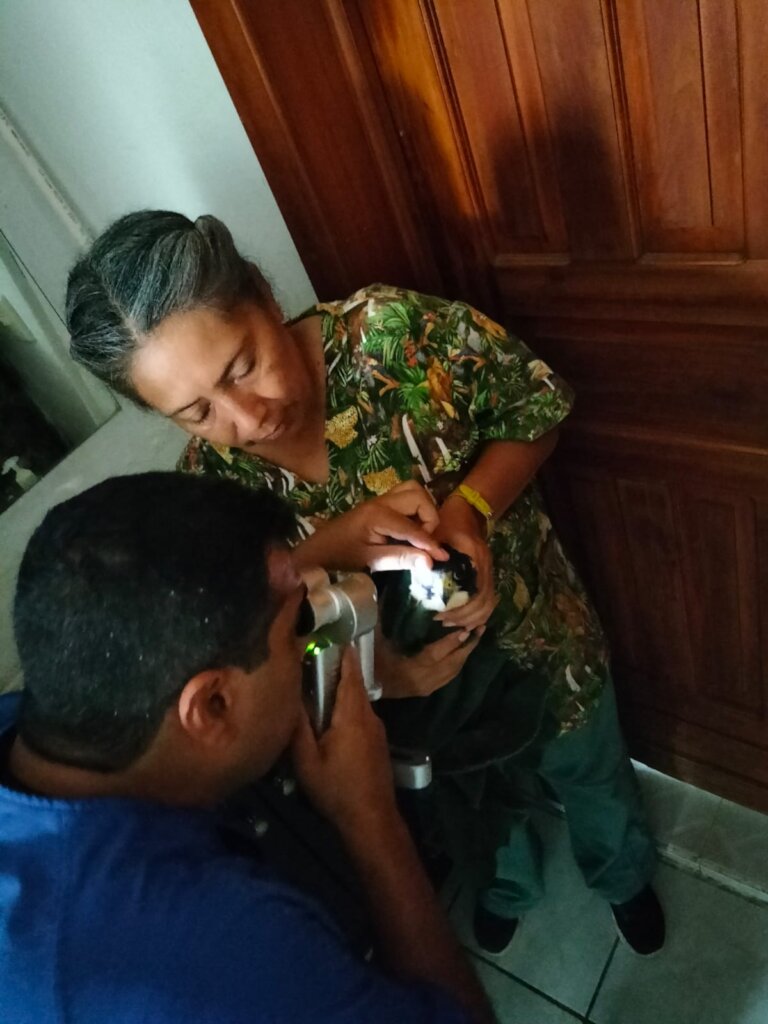
The second raptor, a juvenile male Peregrine Falcon (Falco peregrinus). This bird was on its migratory journey and was rescued in the city when it hit a structure and fell to the ground. It was about to be run over by a vehicle, but people saw it and rescued it. When he came to us, we observed that he had an injured eye. A veterinary ophthalmologist treated it, but despite our efforts, we were unable to recover the eye. This bird cannot be released to its natural environment, as it has probabilities of not surviving. We are working on giving him a quality of life in a safe and healthy environment. A veterinarian colleague is training him to be part of his team, along with 2 other raptors and 3 dogs, who perform bird control at airports, a highly specialized work to reduce the risk of collision of birds and airplanes, where the protagonists are the animals!
It is because of the importance of these stories that your donation is VERY ESSENTIAL in this work to rescue the wildlife that brings so many benefits to our lives and our Planet, THANK YOU FOR YOUR GENEROUS CONTRIBUTION!!!
Project reports on GlobalGiving are posted directly to globalgiving.org by Project Leaders as they are completed, generally every 3-4 months. To protect the integrity of these documents, GlobalGiving does not alter them; therefore you may find some language or formatting issues.
If you donate to this project or have donated to this project, you can receive an email when this project posts a report. You can also subscribe for reports without donating.



Support this important cause by creating a personalized fundraising page.
Start a Fundraiser