By Elsy Cabrera | Project Leader
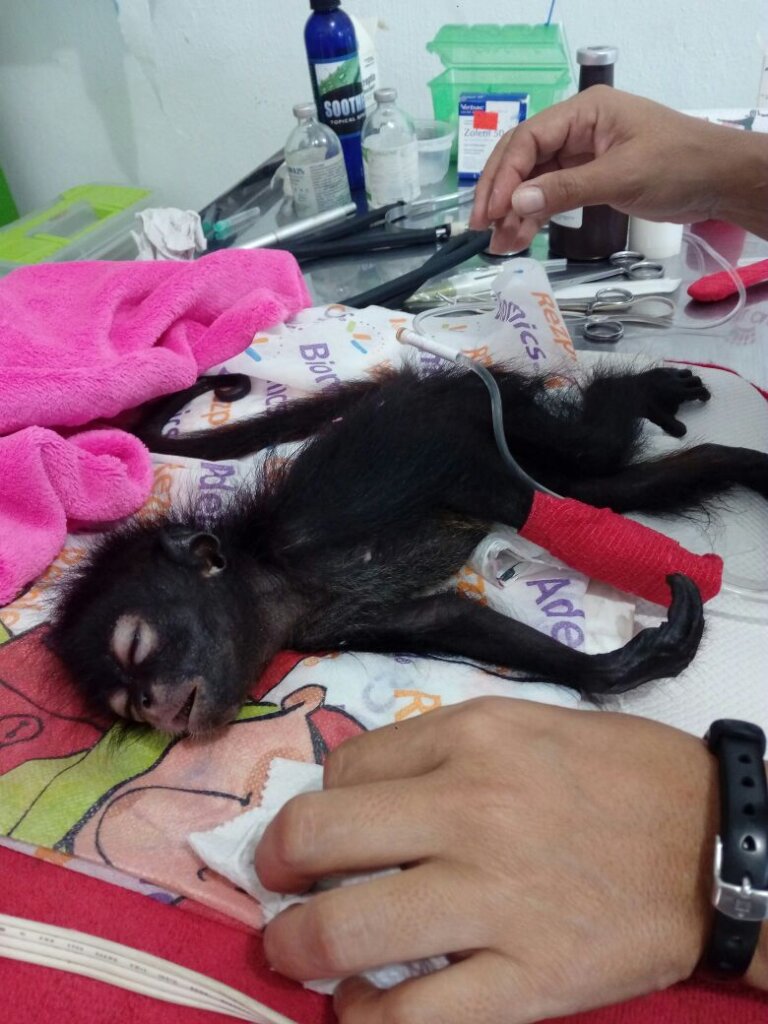
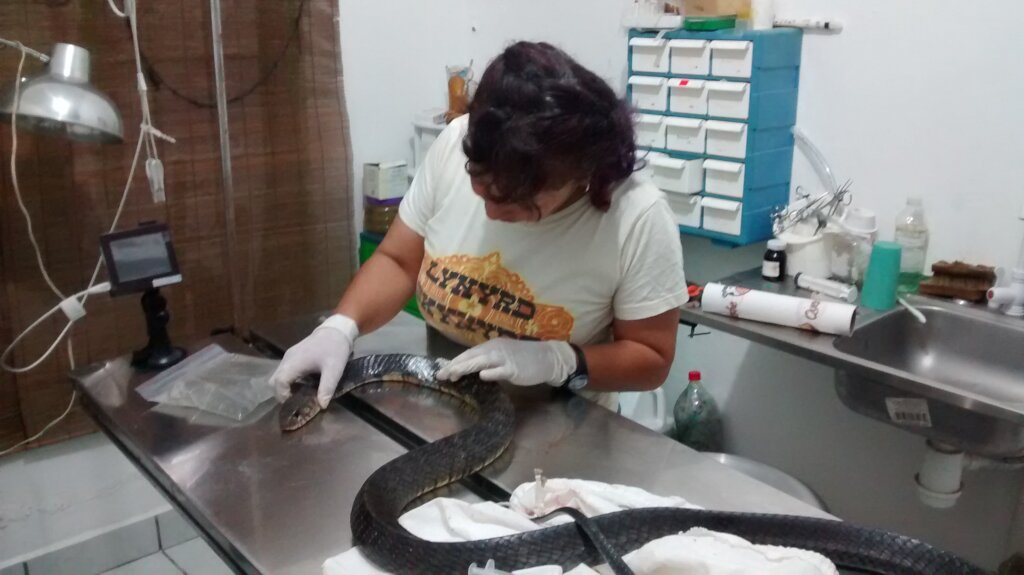
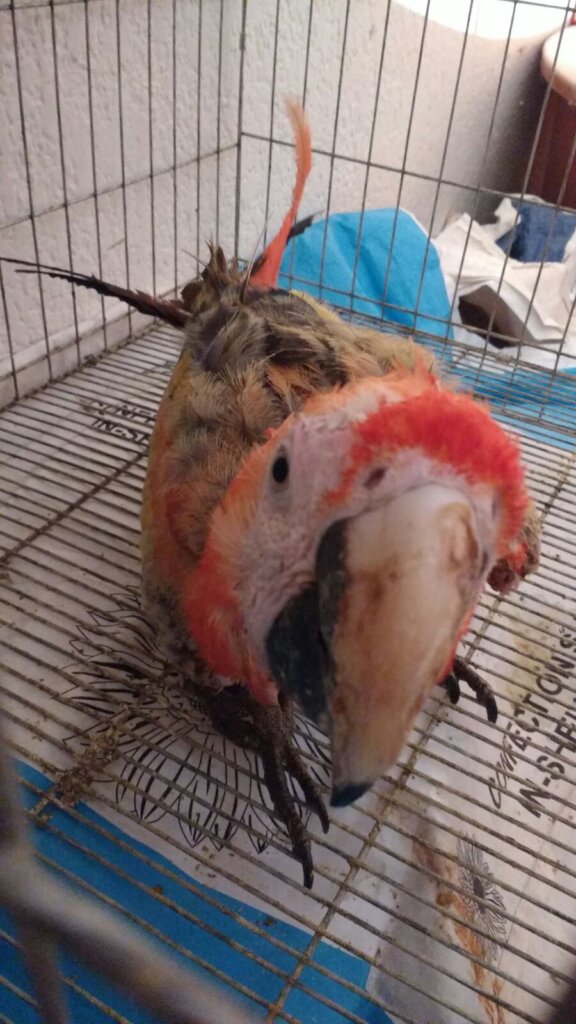
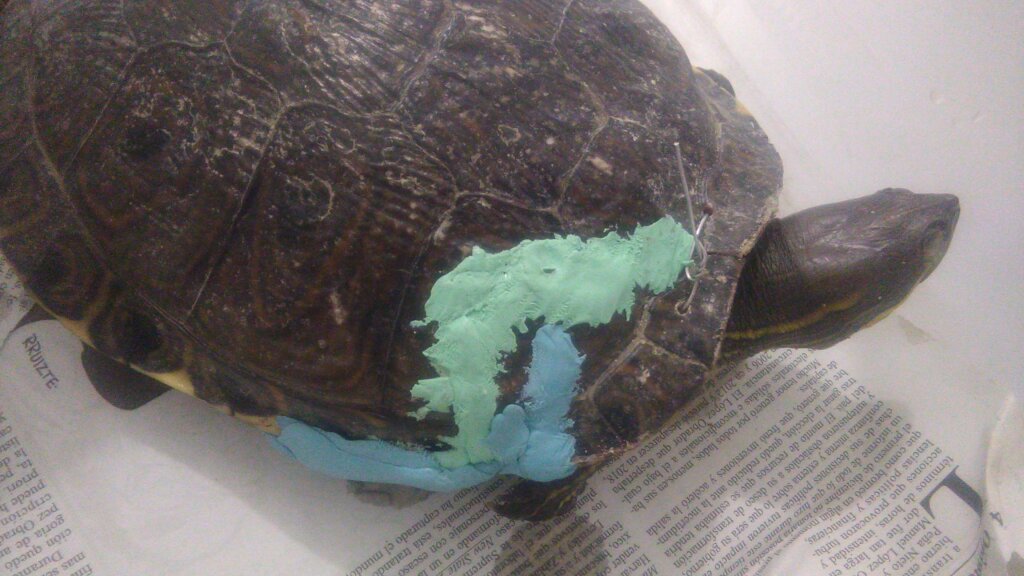
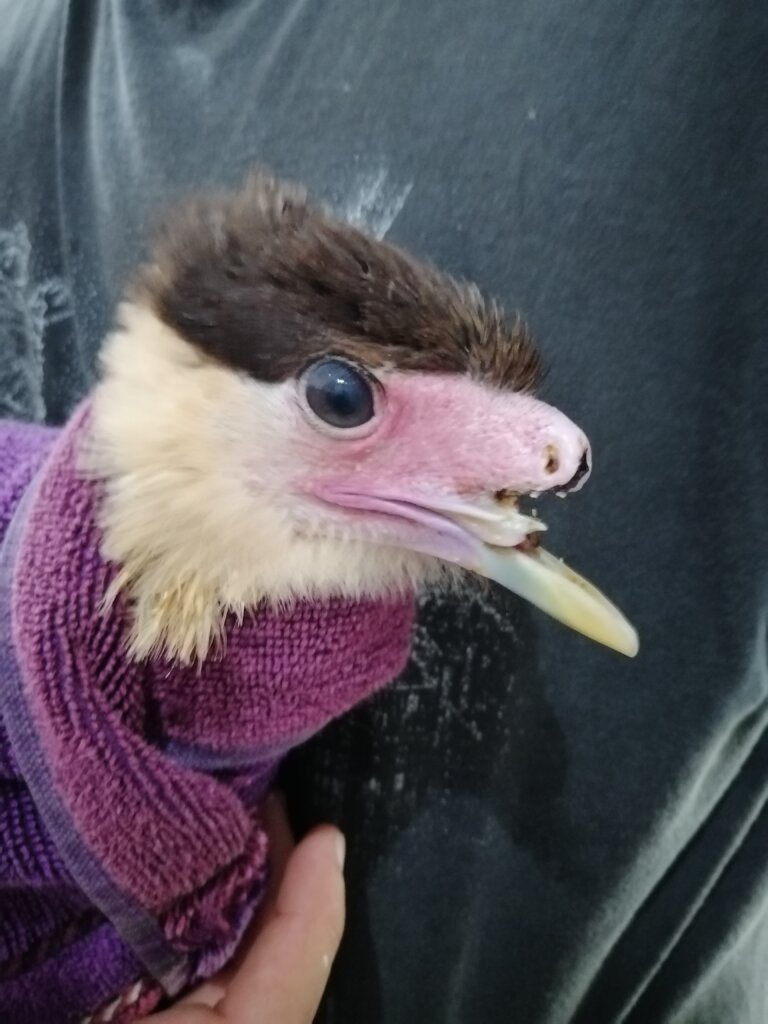
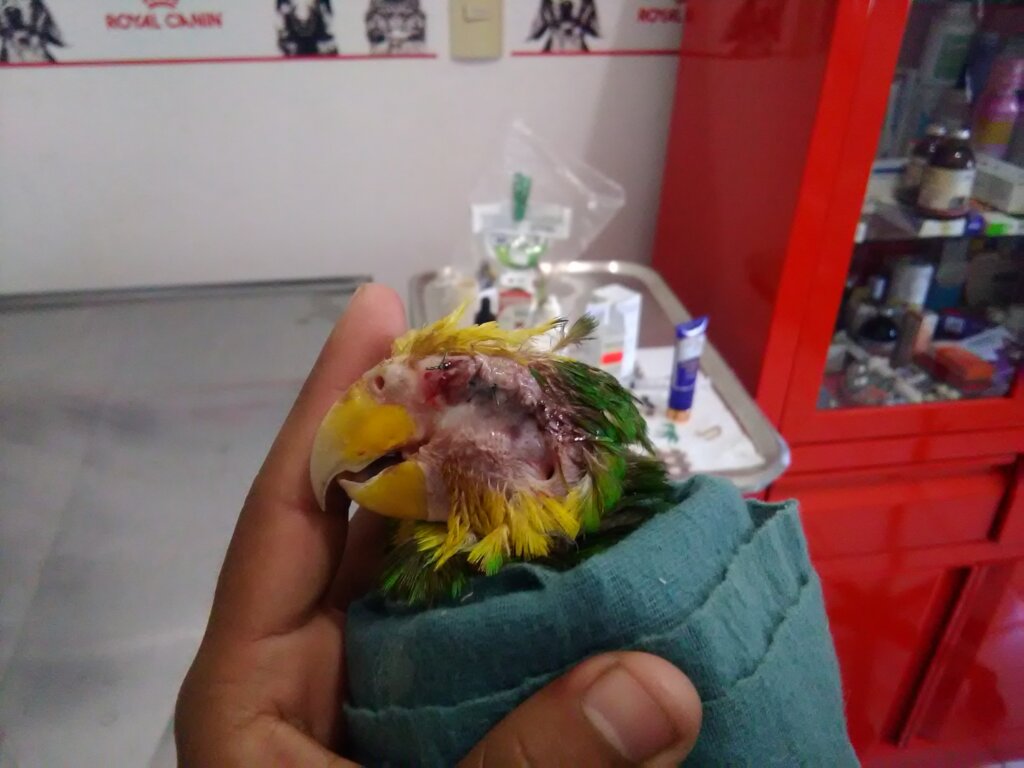
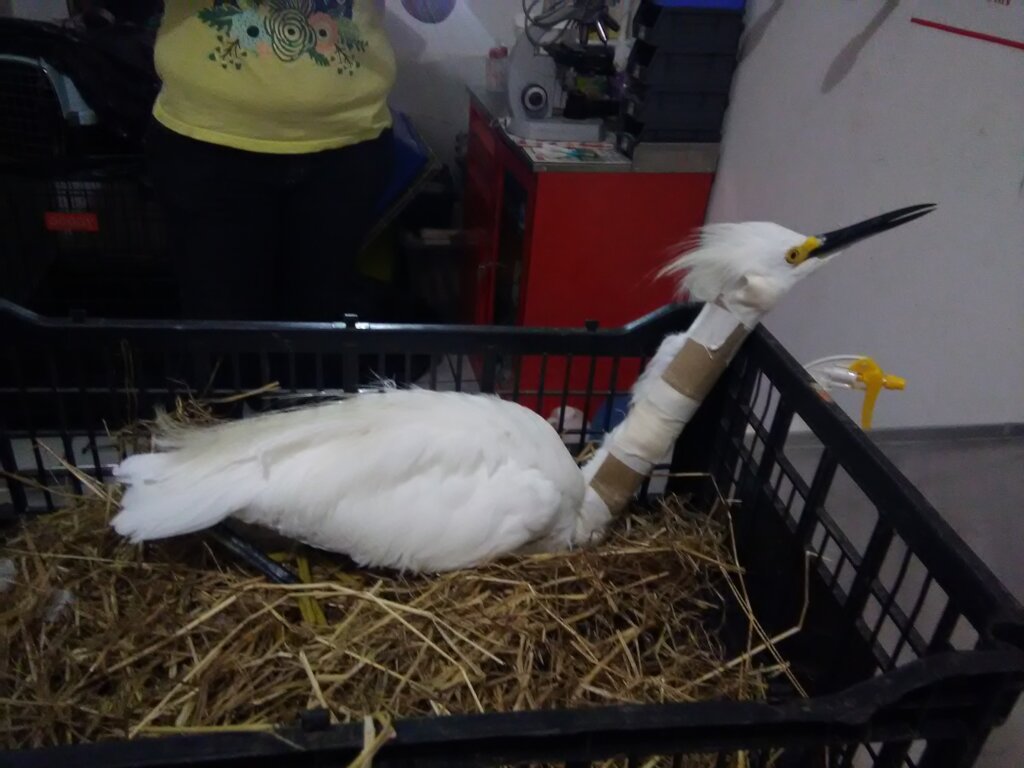
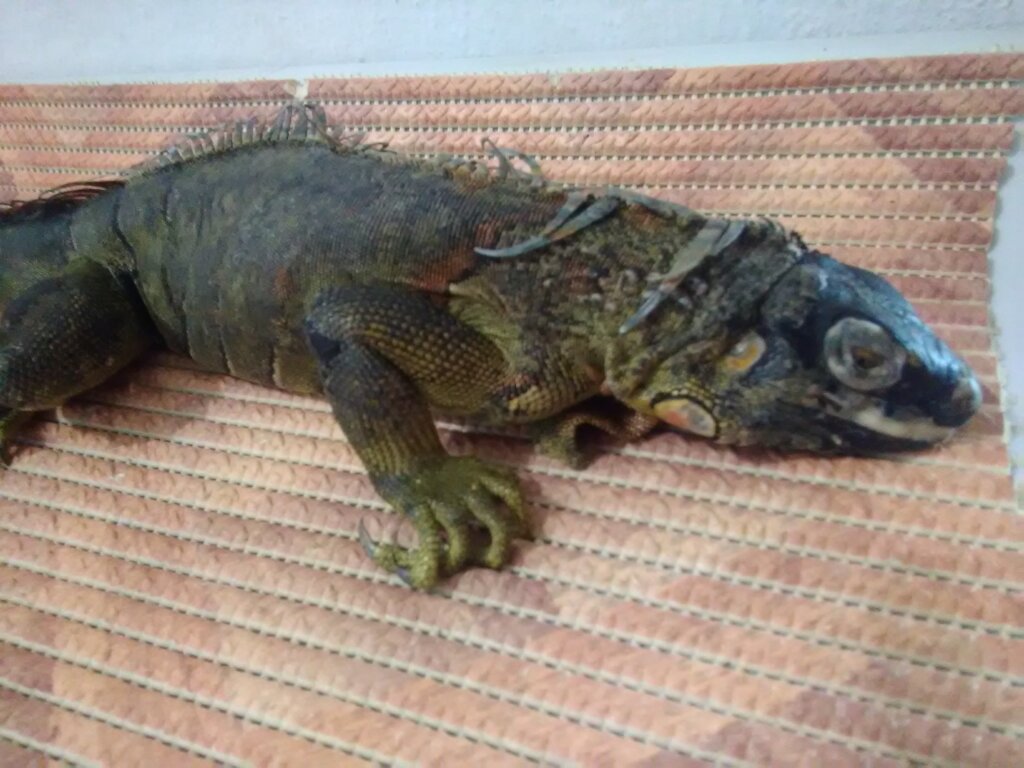
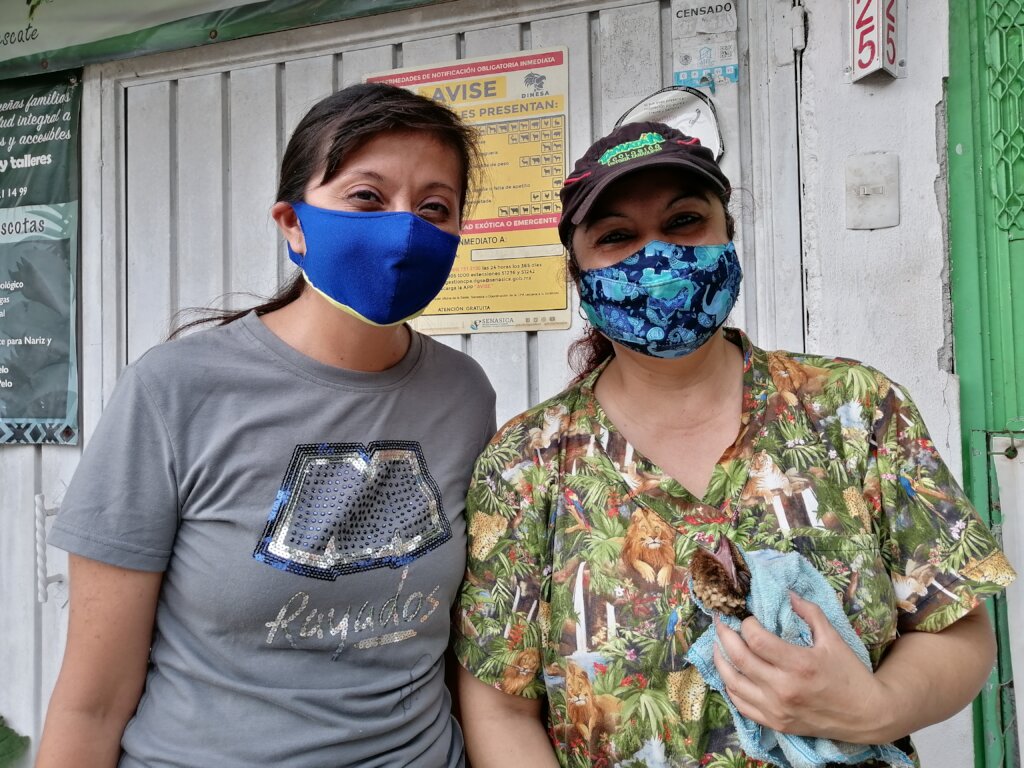
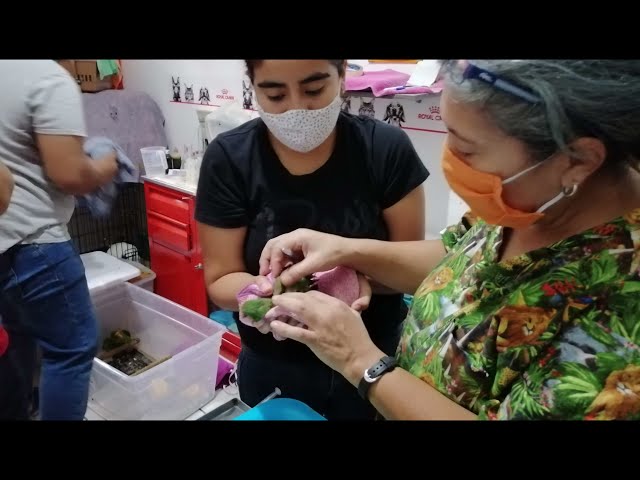
This time we want to tell you about new adventures, challenges and achievements. We have had the opportunity to rescue animals that are very rare to find and have peculiar, little studied needs. It has been wonderful to see how people care about them and bring them to our rescue center. For our team there have been many challenges and difficulties, as well as many learnings and satisfactions of having these animals under our care. Here is a brief history of each case:
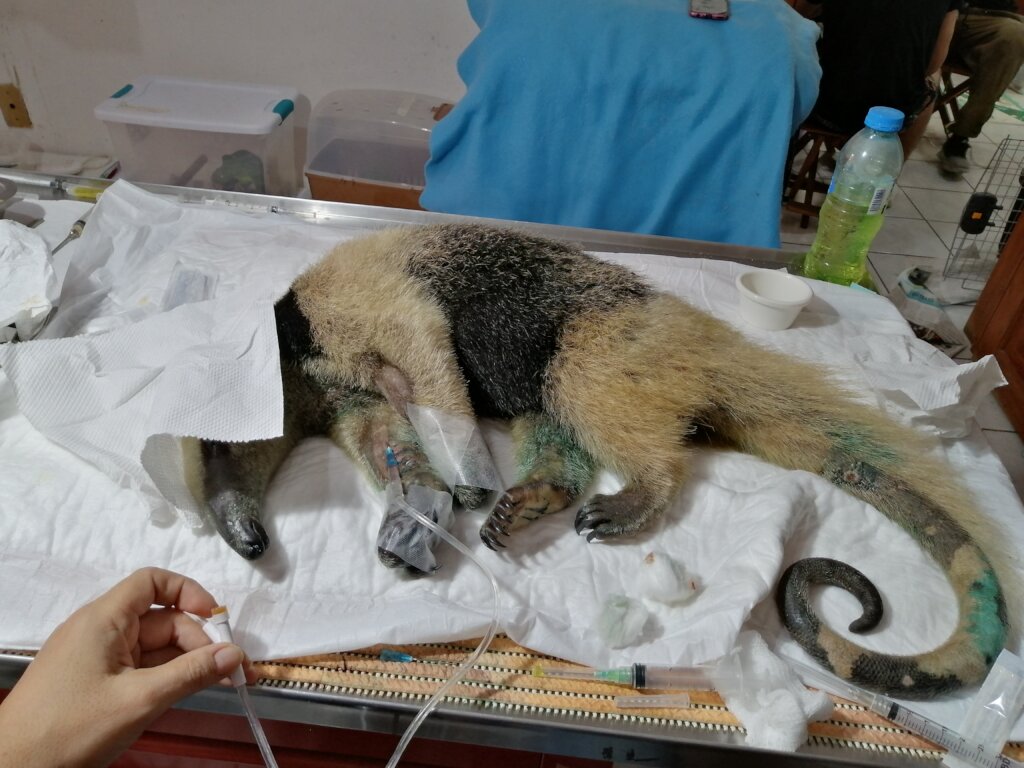
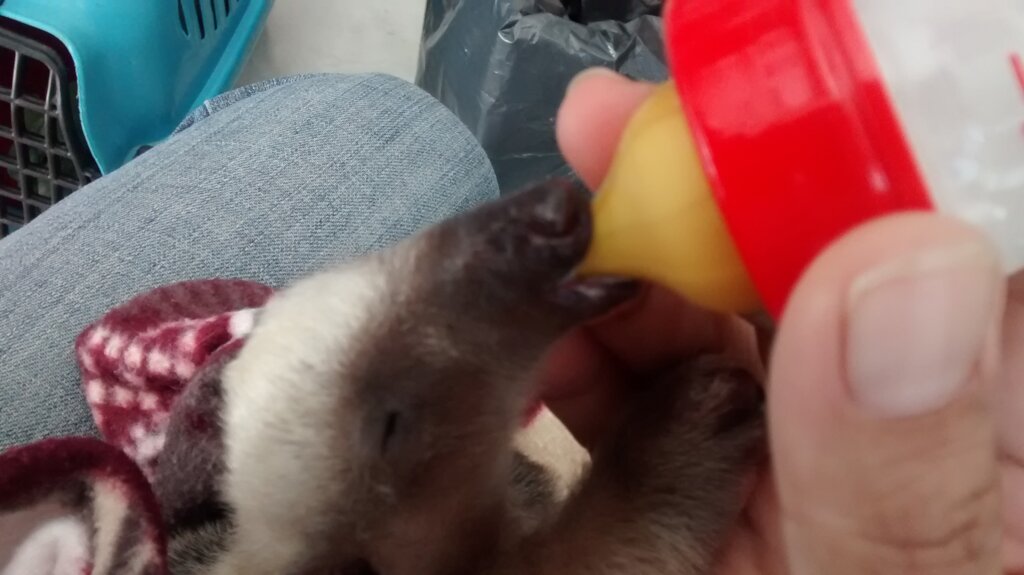
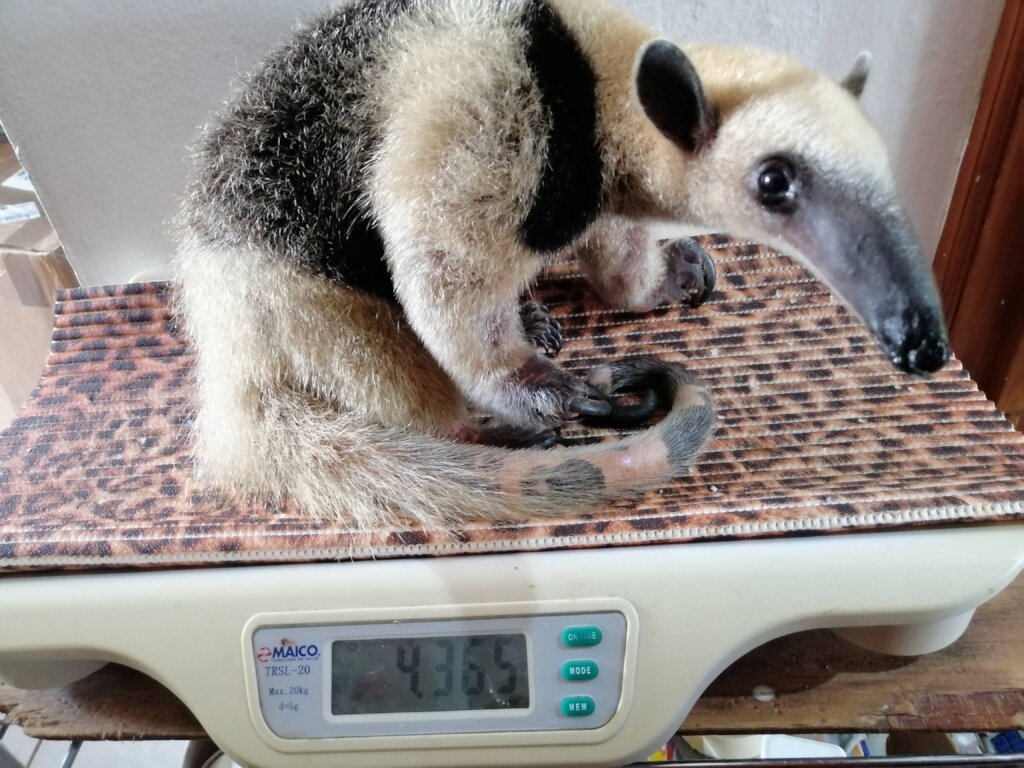
LIANA: A juvenile female anteater (Tamandua mexicana) that arrived with severe injuries. It took 60 hours from the time she was reported to us until she arrived at our center. To get her there required an important network of support from institutions and citizens. After a journey of more than 5 hours of transportation, we received her in shock due to infection and malnutrition. We provided emergency care, managing to stabilize her. After a slow recovery process (months), she is finally ready to be released. We are currently coordinating pre-release studies. This specimen will be part of a research program on her species.
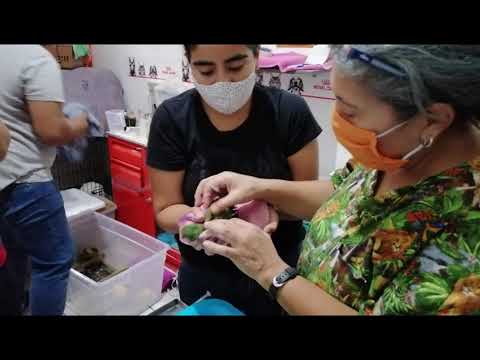
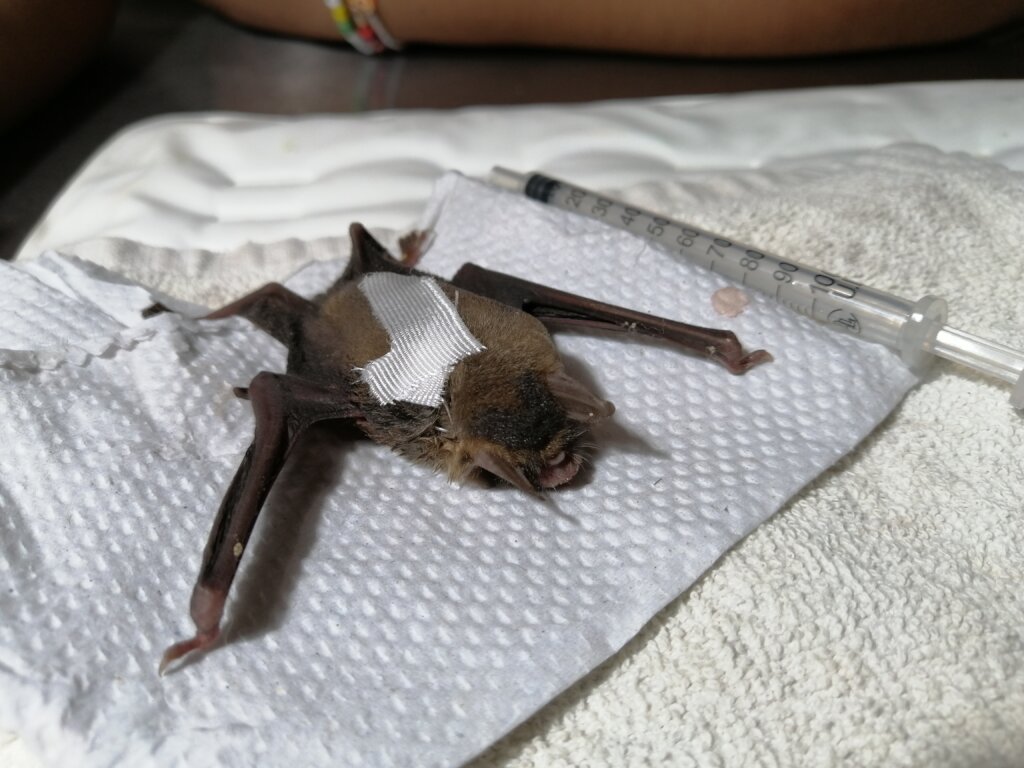
MURCY: A fruit bat (Pteronotus psilotis). It was brought by a biology student who is currently studying the populations of this bat species. She found him lying there with a broken wing. Despite its small size, we were able to correct the fracture and with a lot of care we succeeded in feeding it.
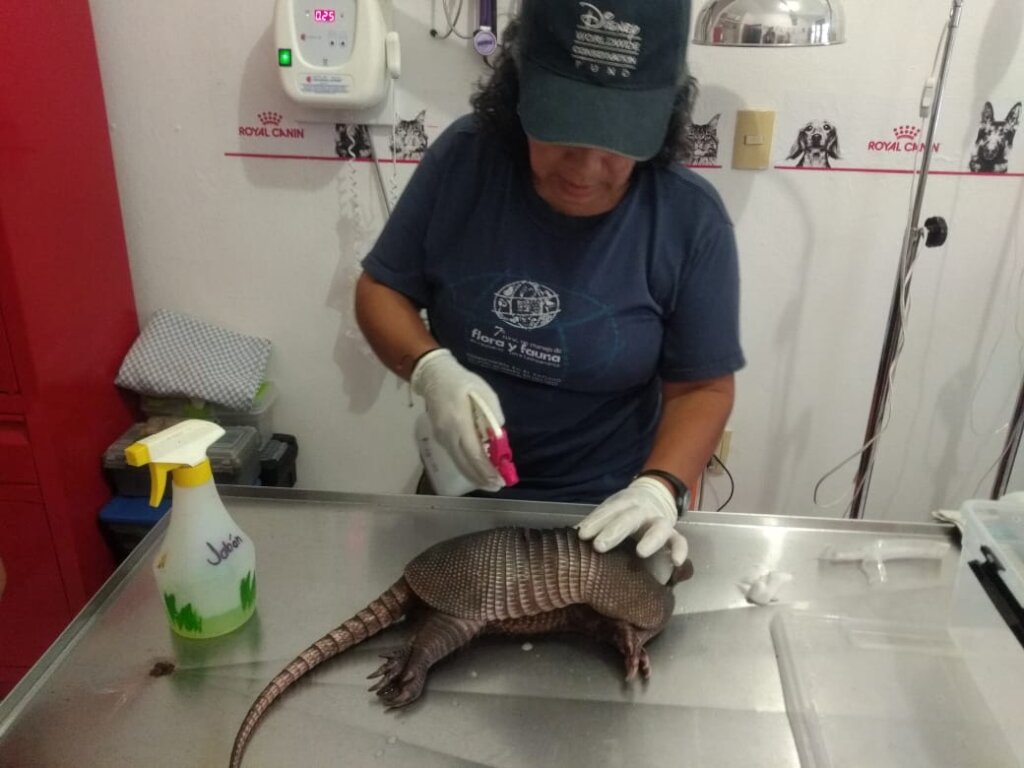
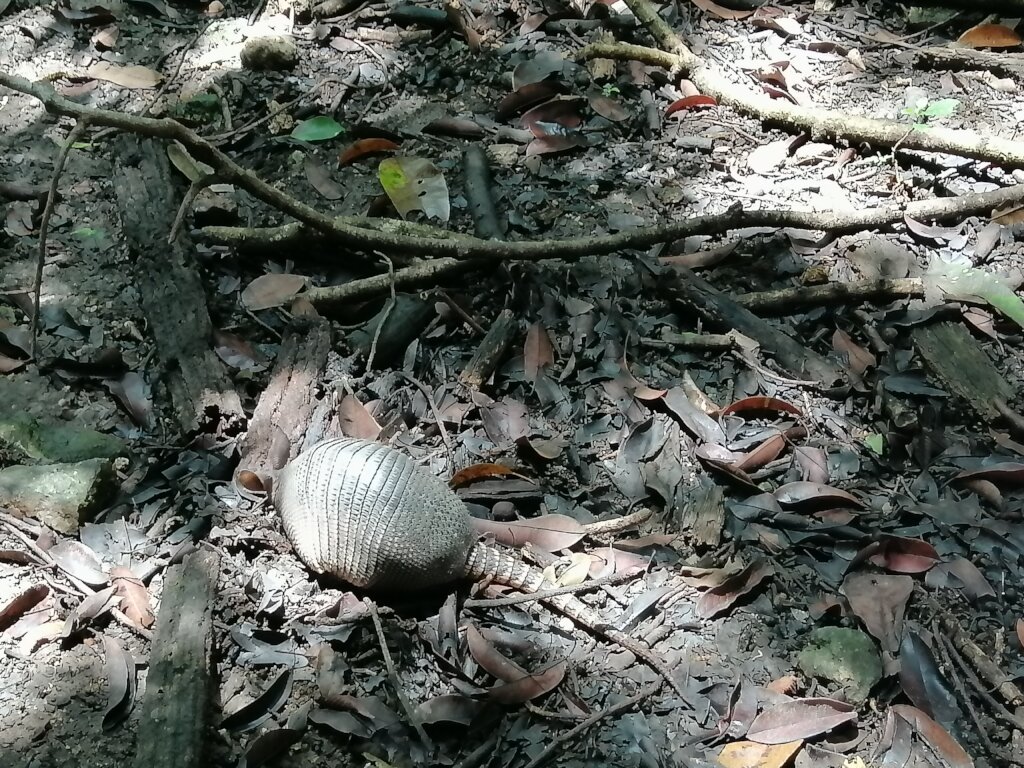
NINE-BANDED ARMADILLO: This armadillo (Dasypus novemcinctus) was hit by a vehicle on the road. Another driver witnessed the accident and immediately rescued him and brought him to our center. He presented contusions and inflammation, fortunately with no fractures. We recovered him and he was released after a week of recovery.
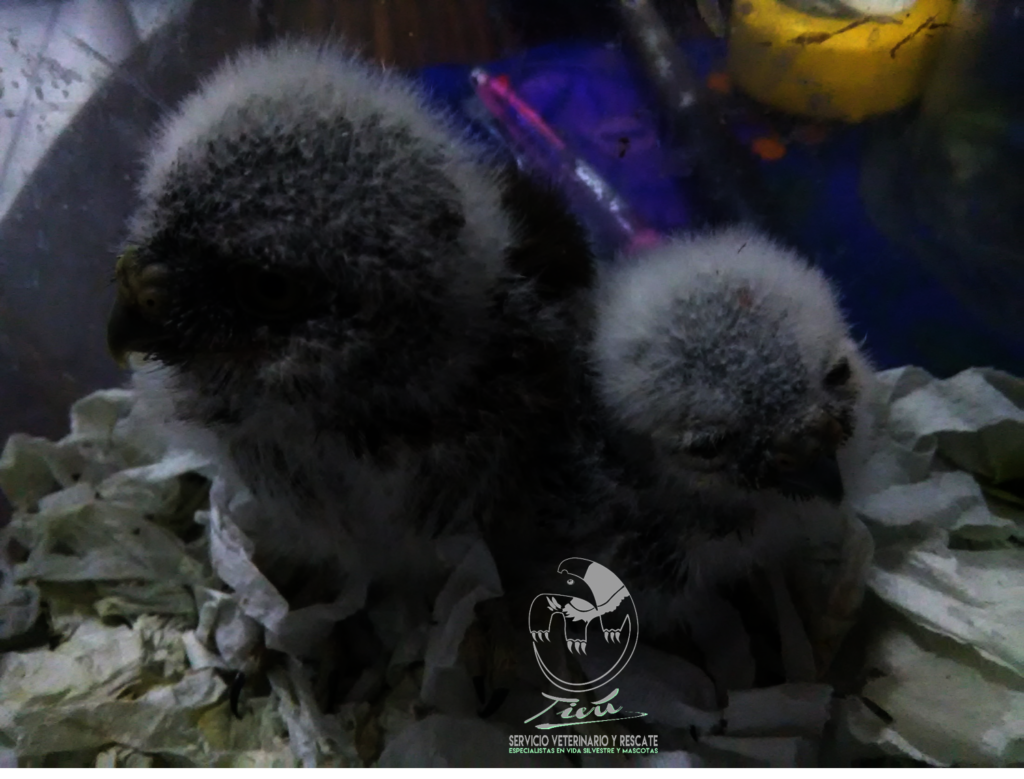
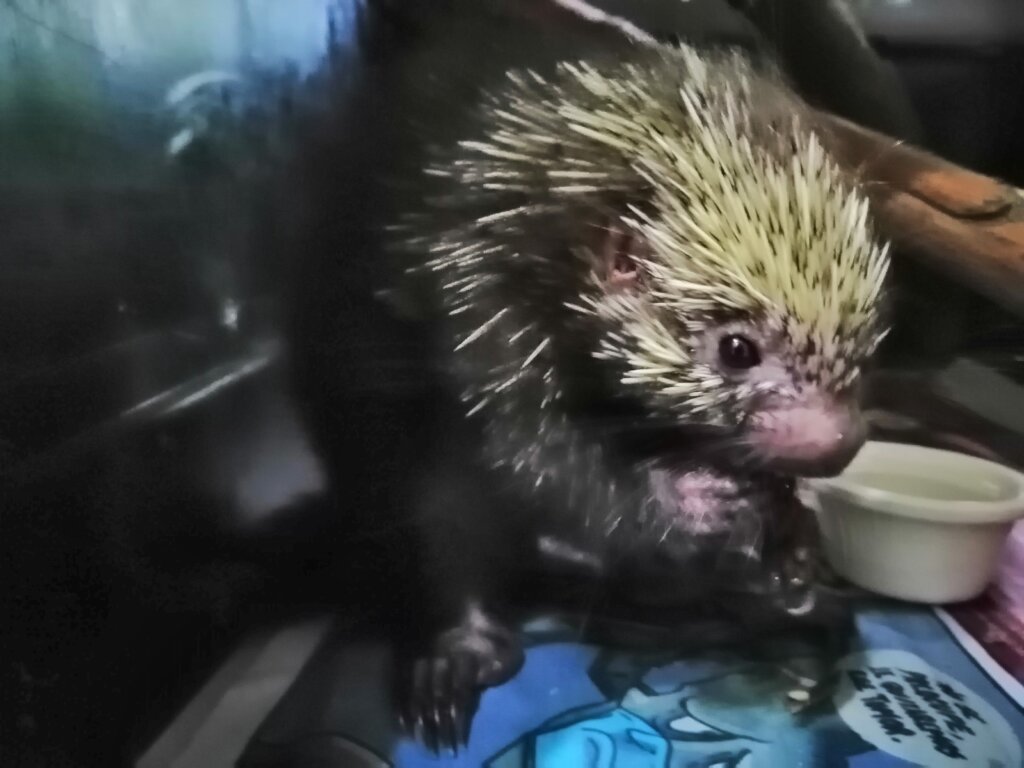
PINCHITOS: A Tree Porcupine (Sphiggurus mexicanus). A baby that was rescued after its mother was attacked by a group of people. The mother escaped to save her baby. This baby when was left abandoned and exposed to dogs, was captured and transported for care and attention. Although slow, it has recovered favorably. We are currently searching for a suitable area to release him. Unfortunately there is very little information on its natural biology.
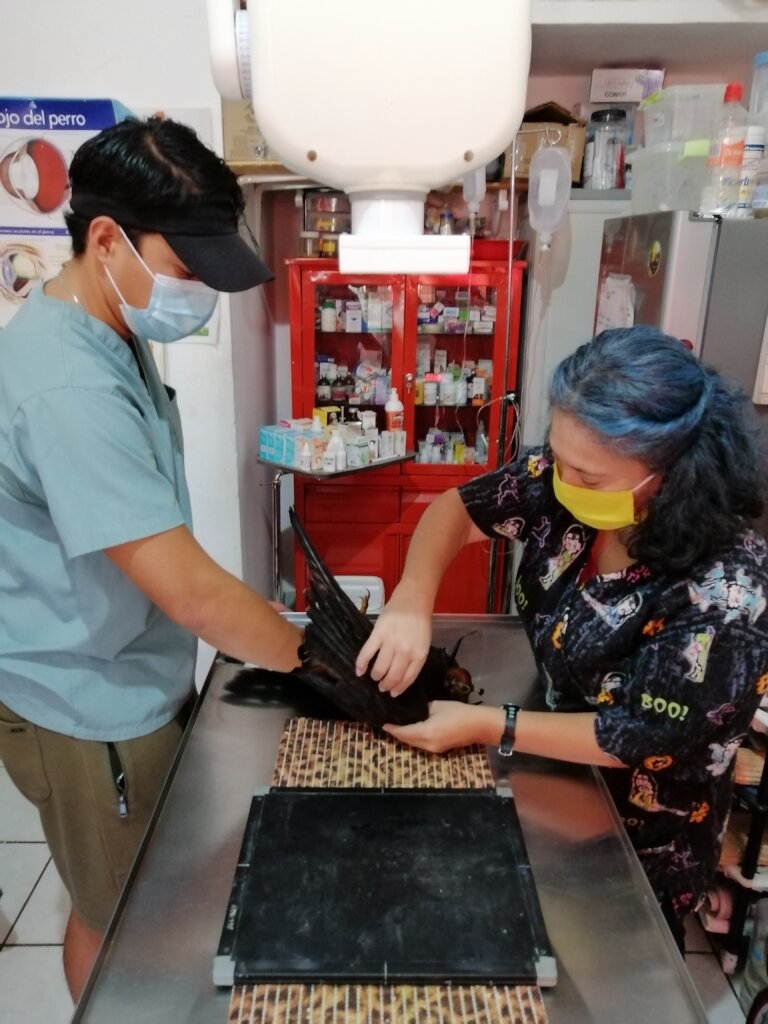
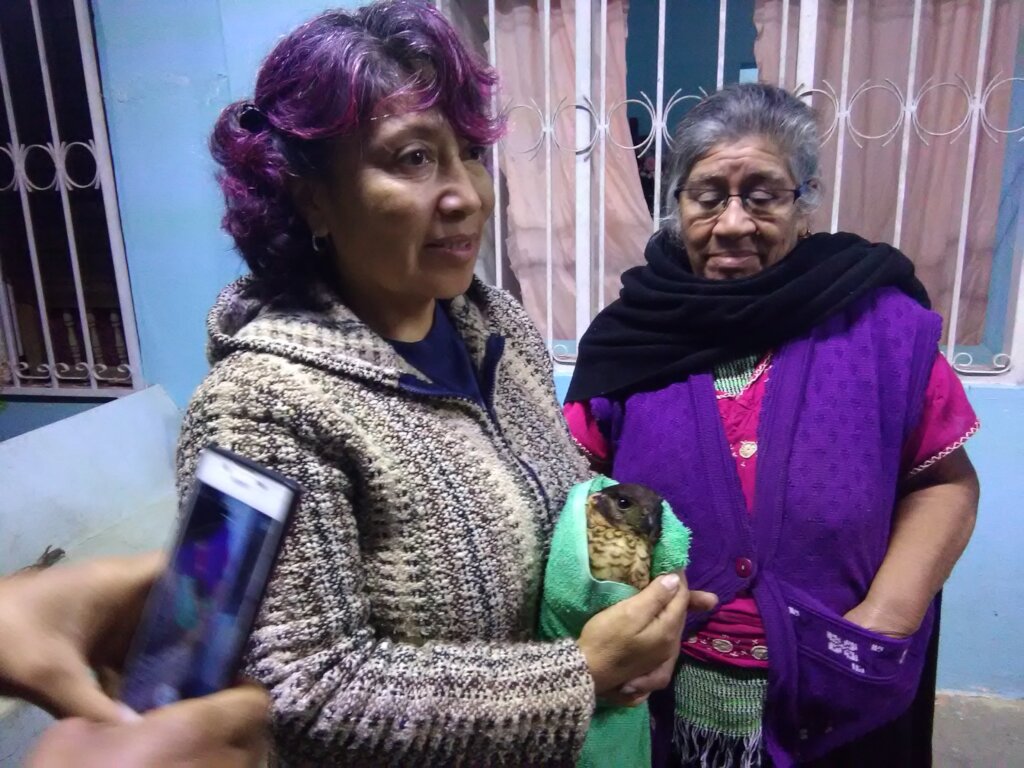
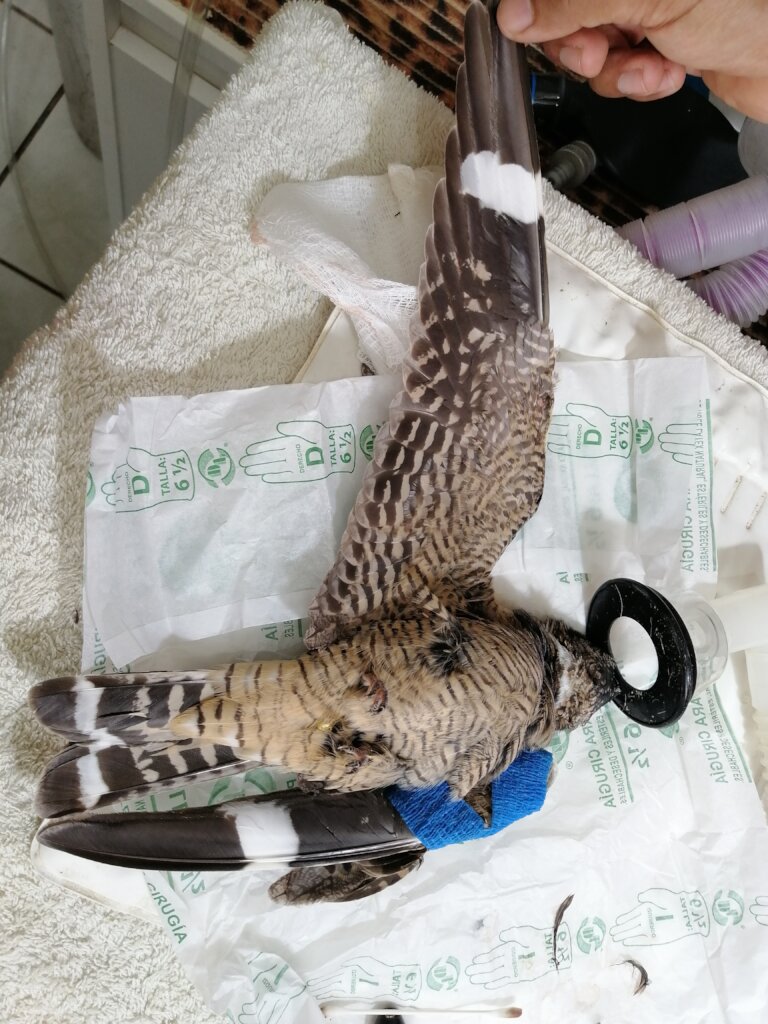
LESSER NIGHTJAR: A migratory bird (Chordeiles acutipennis) found in the suburbs of a city, with a fractured wing. We were able to perform surgery and correct the fracture. The biggest challenge has been feeding it, but with the help of scientists from Mexico and the United States, we have been able to find a formula to recover it.
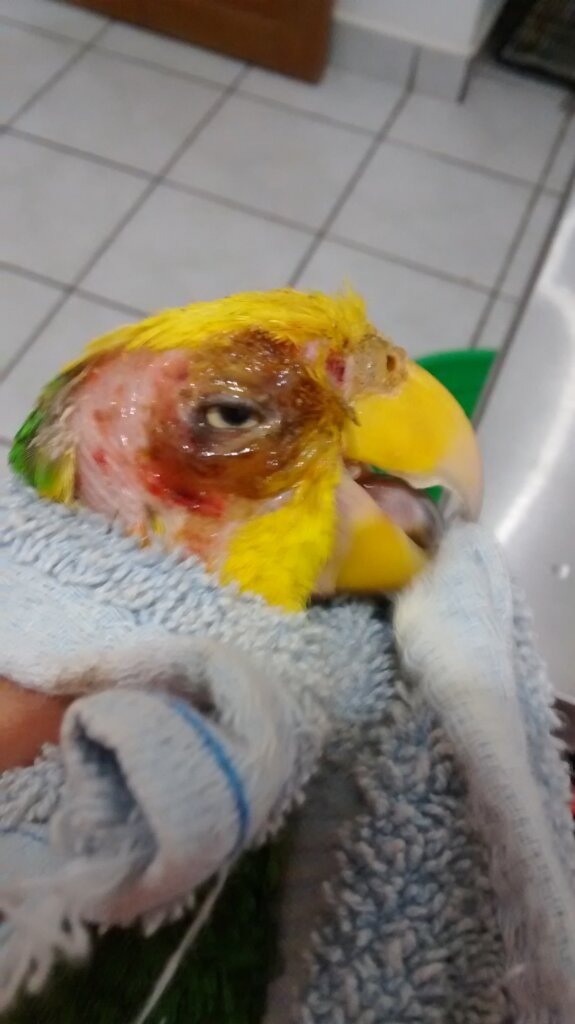
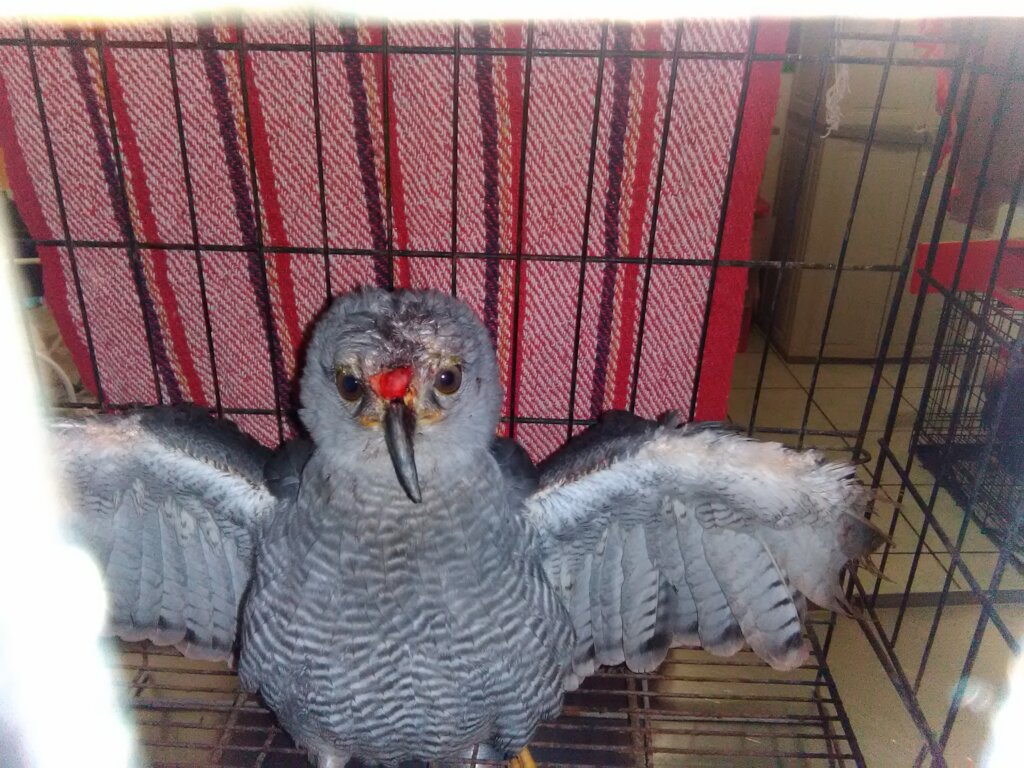
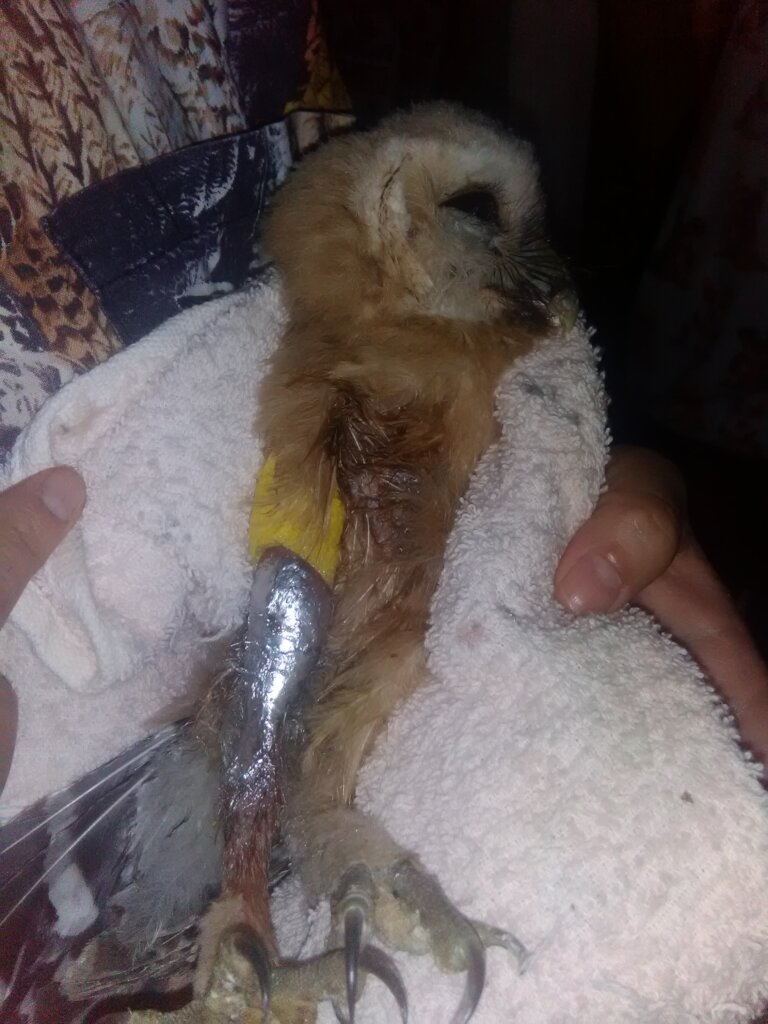
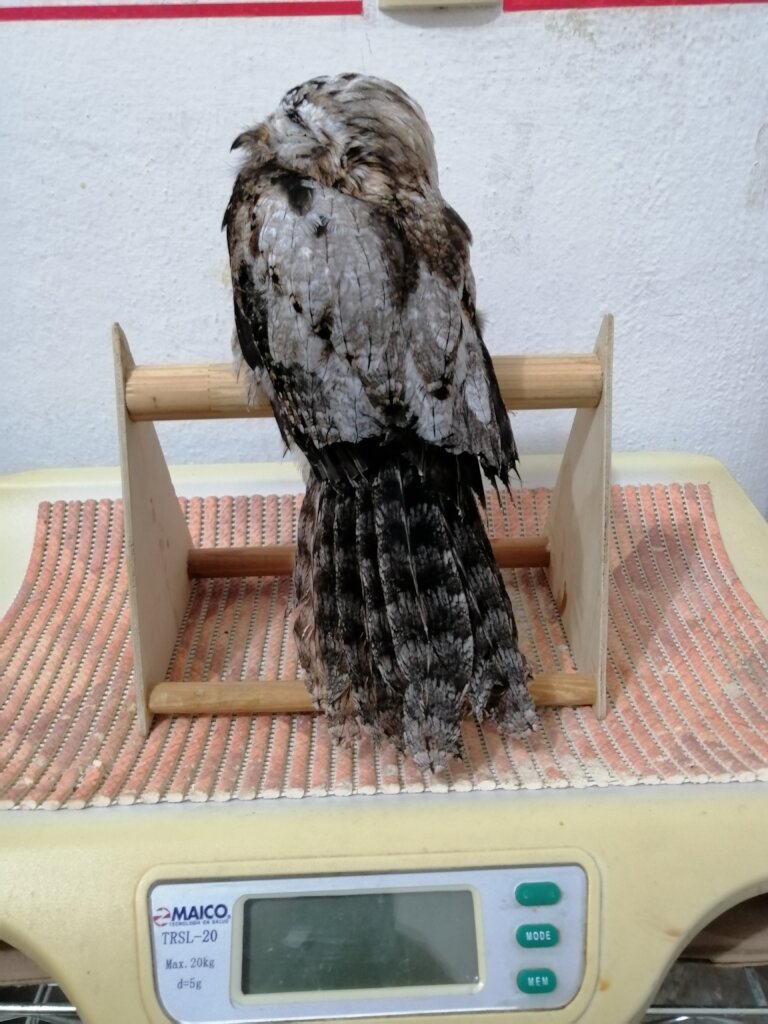
POTOO: A very rare resident bird (Nyctibius genus), nocturnal, rescued in the jungles of Chiapas. It was attacked by a group of children and suffered severe injuries. It had a badly injured eye. Coordinating his transfer and specialized attention (veterinary ophthalmologist) was not easy. Feeding him was not easy either. But with the help of a variety of people, from authorities, biologists, researchers, we learned about his habits and needs.
All these challenges make us grow but also make us realize that we need to reinforce our space, technologies, have more modern equipment and several other supplies that are not easy to acquire or maintain. That is why your donation IS VERY IMPORTANT, in this important endeavor to rescue the wildlife that brings so many benefits to our lives and to our Planet, THANK YOU FOR YOUR GENEROUS CONTRIBUTION!!!
Project reports on GlobalGiving are posted directly to globalgiving.org by Project Leaders as they are completed, generally every 3-4 months. To protect the integrity of these documents, GlobalGiving does not alter them; therefore you may find some language or formatting issues.
If you donate to this project or have donated to this project, you can receive an email when this project posts a report. You can also subscribe for reports without donating.



Support this important cause by creating a personalized fundraising page.
Start a Fundraiser