By Roumpini Terzaki | Project Leader
Dear friends,
it is a fact!
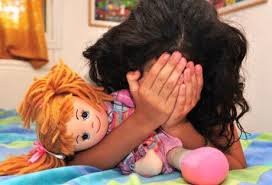
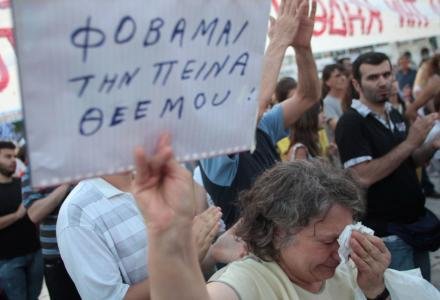
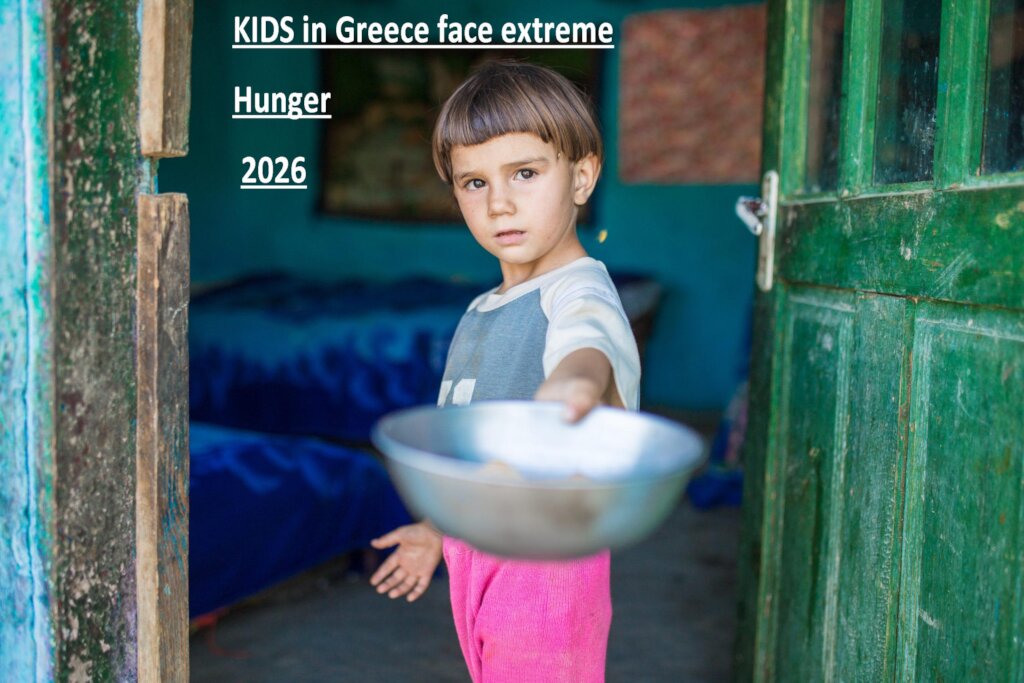
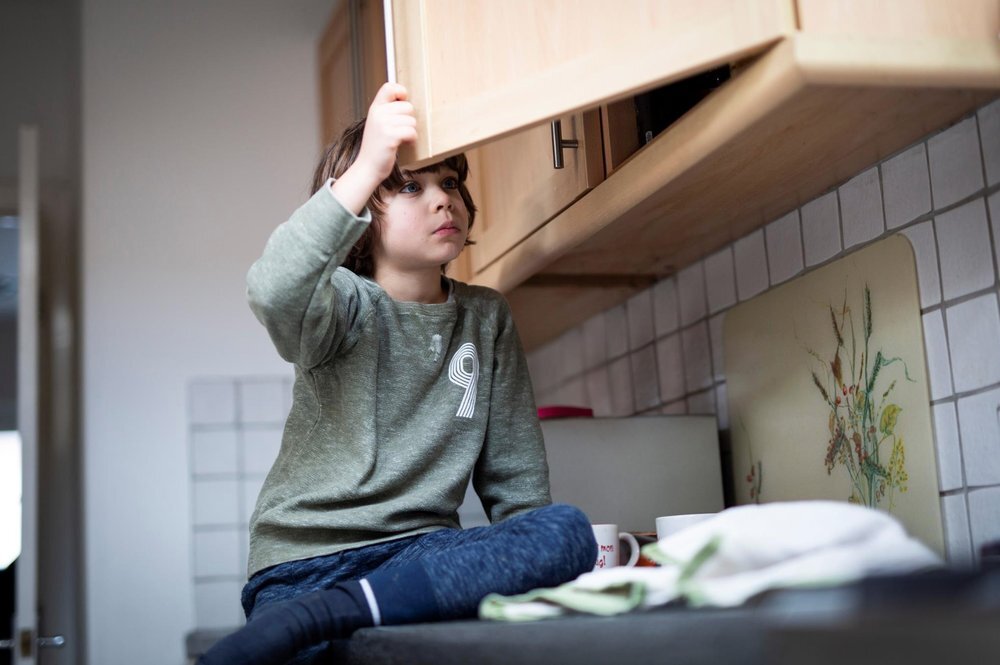
Greece is one of the worst countries in the European Union for a child to live in, as it appears that the youngest citizens pay the highest price for the chronic inadequacies of the state, the low quality of the education system and the health system, as well as the inability of the social protection system to really and effectively support them.
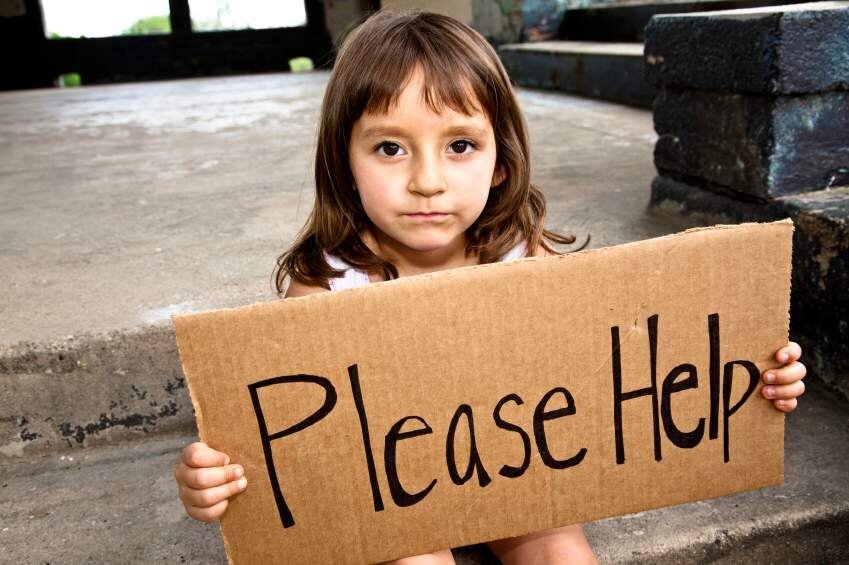
While pensioners and other social groups receive retroactive benefits and emergency aid, children are absolutely unprotected from poverty. 750 schools shut down on 2026 when NO school offer school meals!
The state’s silence on the fact that every day one in five children living in Greece is at risk from the specter of social exclusion is deafening.
Last Tuesday the National Center for Social Solidarity (EKKA) presented the problem in depth, highlighting children as the biggest victims of ineffective policies without targeting.
They came to the conclusion that children have a voice and we must listen to those who live next door to them, as child poverty is an unacceptable and socially pressing problem. Almost one in three children (27.1%) is at risk of poverty. That rate is 8.5 percentage points higher than the corresponding percentage of the total population (18.6%)
2.74 million people over 10 milion of population are at hight risk of poverty or social exclusion in Greece in 2025
___________________
HOW WE HELP
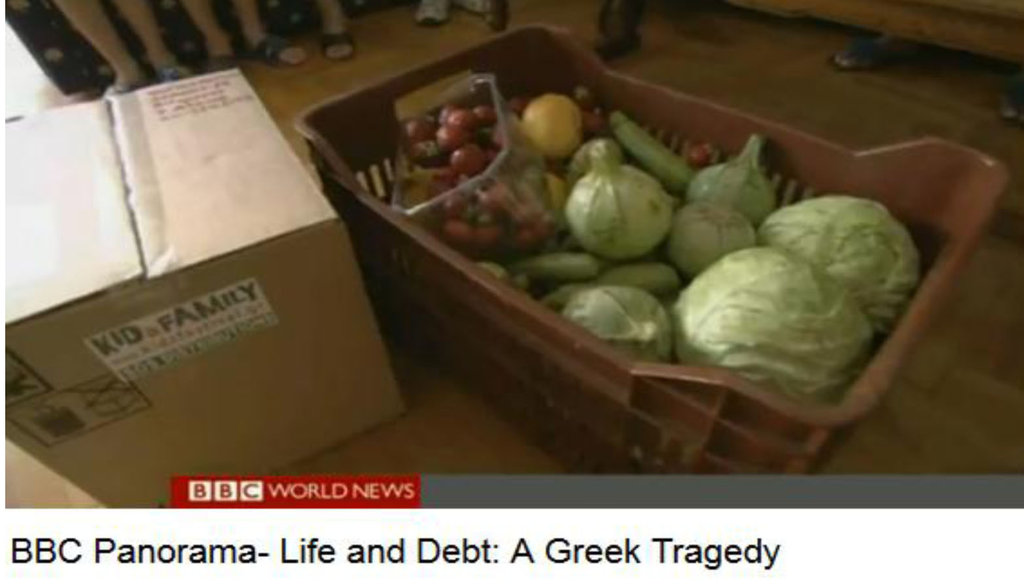
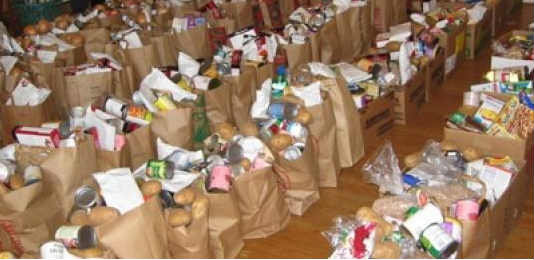
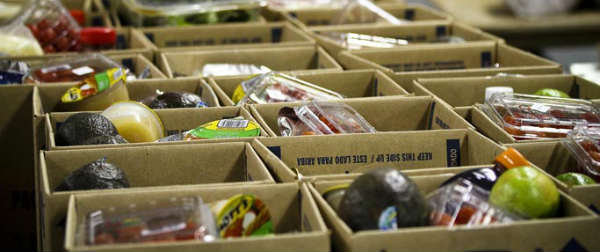
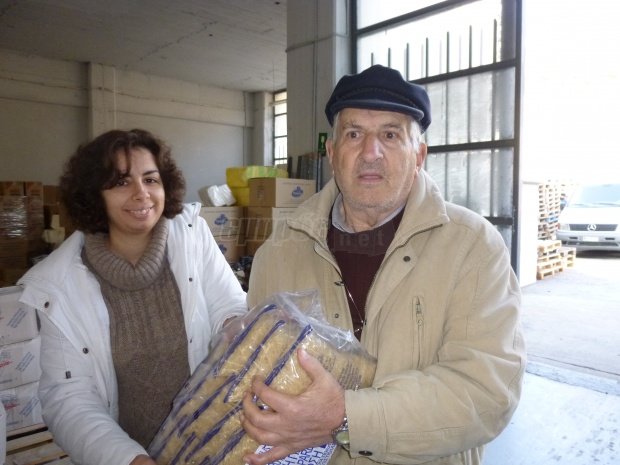
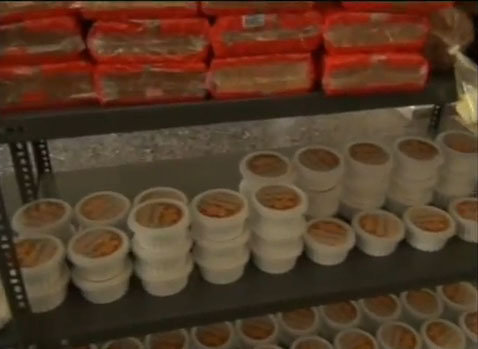
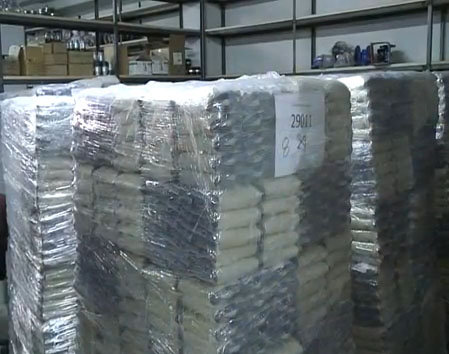
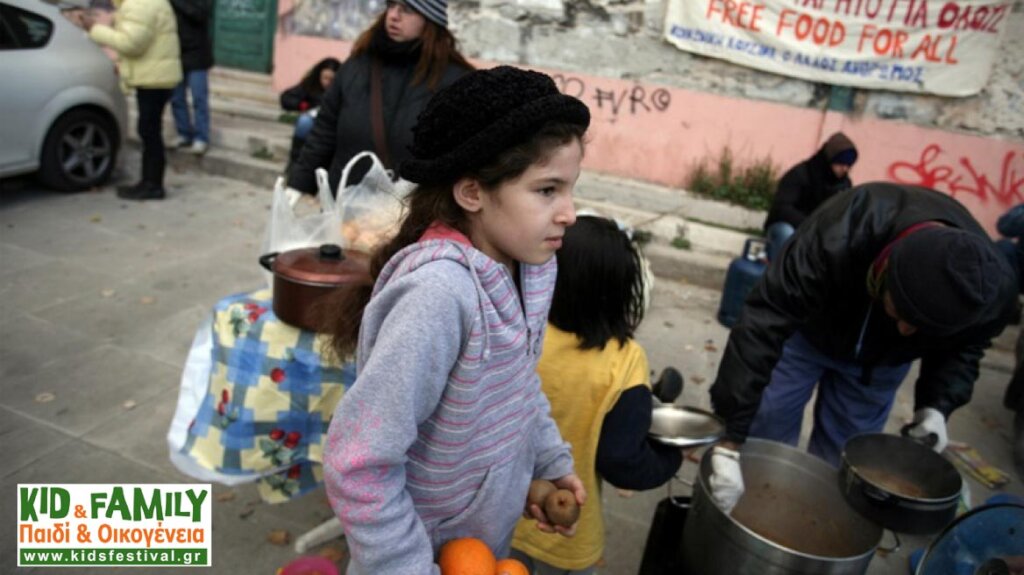
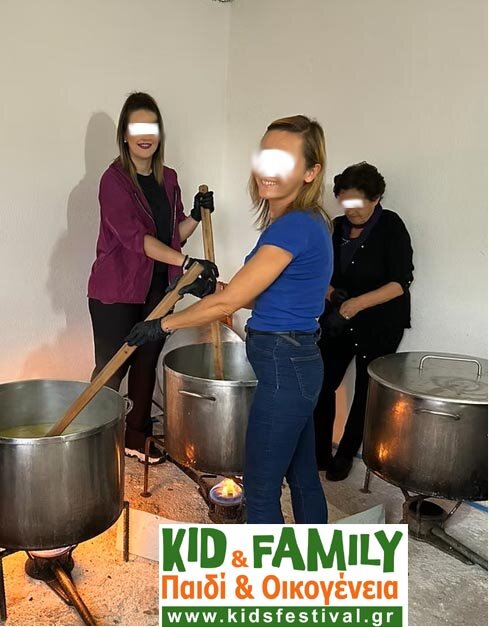
Our Community food support and emergency feeding programs H.U.G. meals (Humans United Globally MEALS we need you to support. 7€ / family is a valuable donation for us , as you help us keep
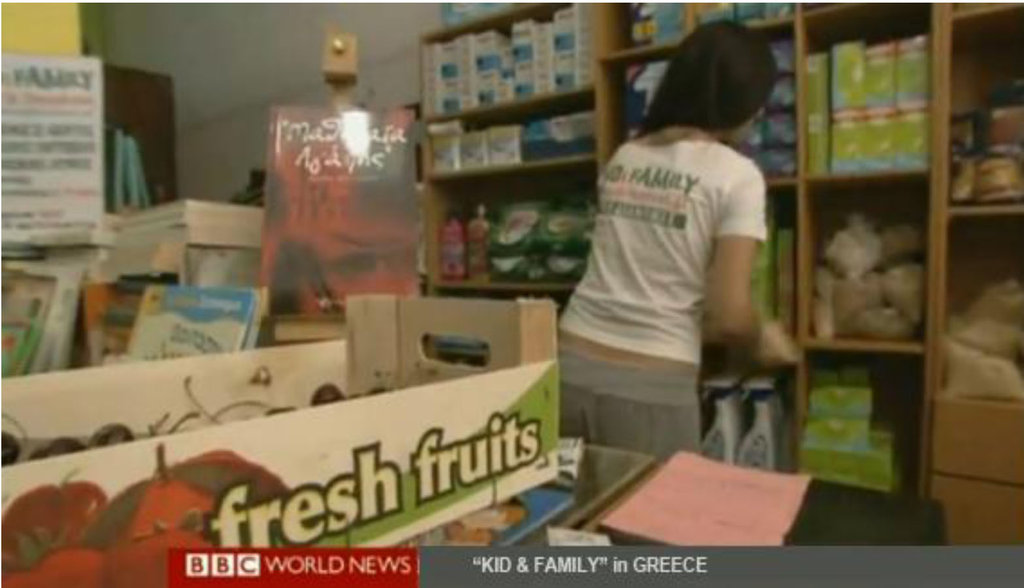
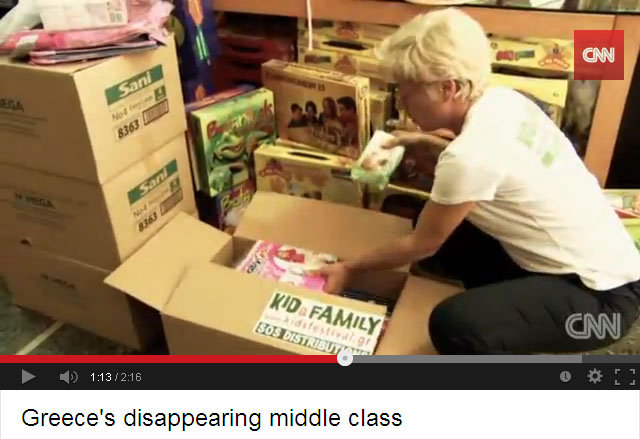
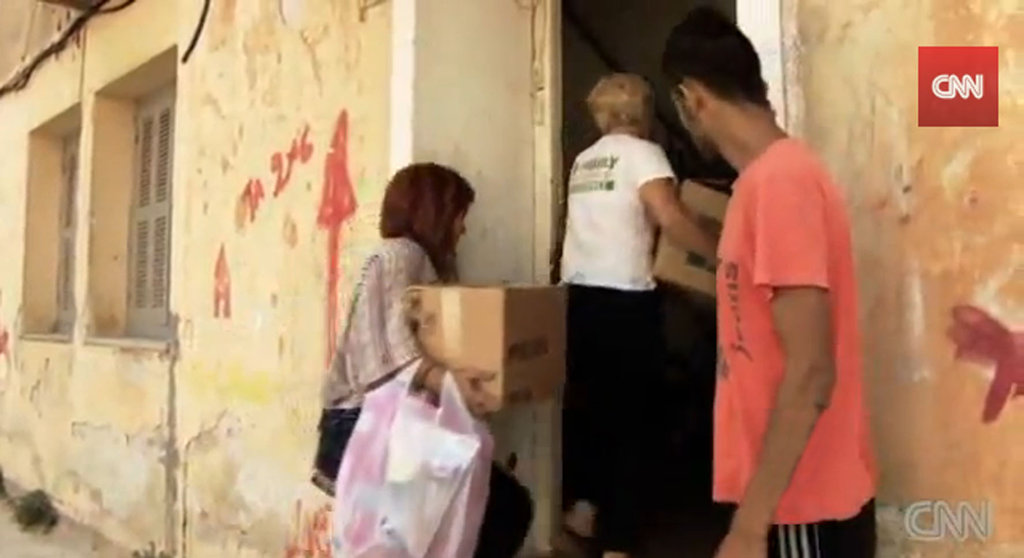
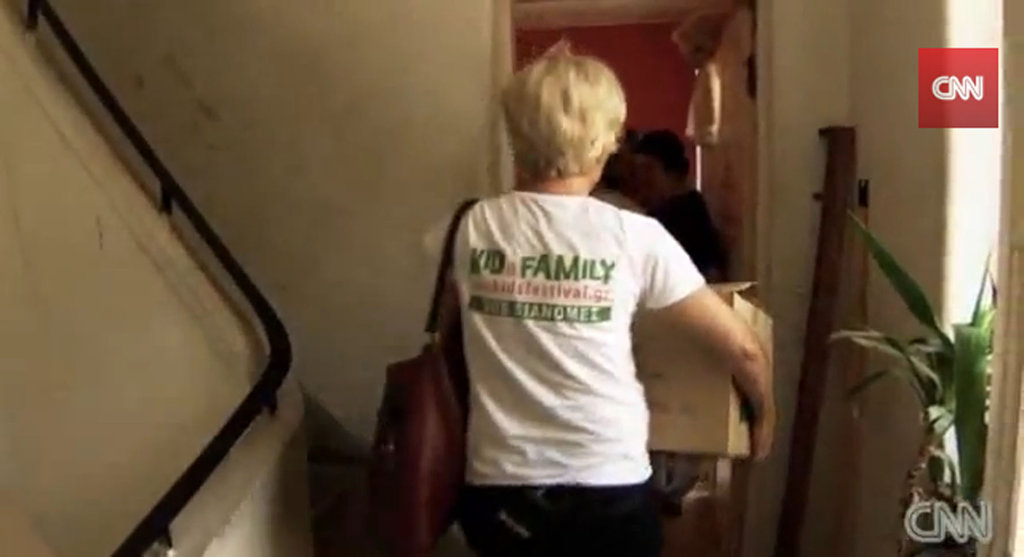
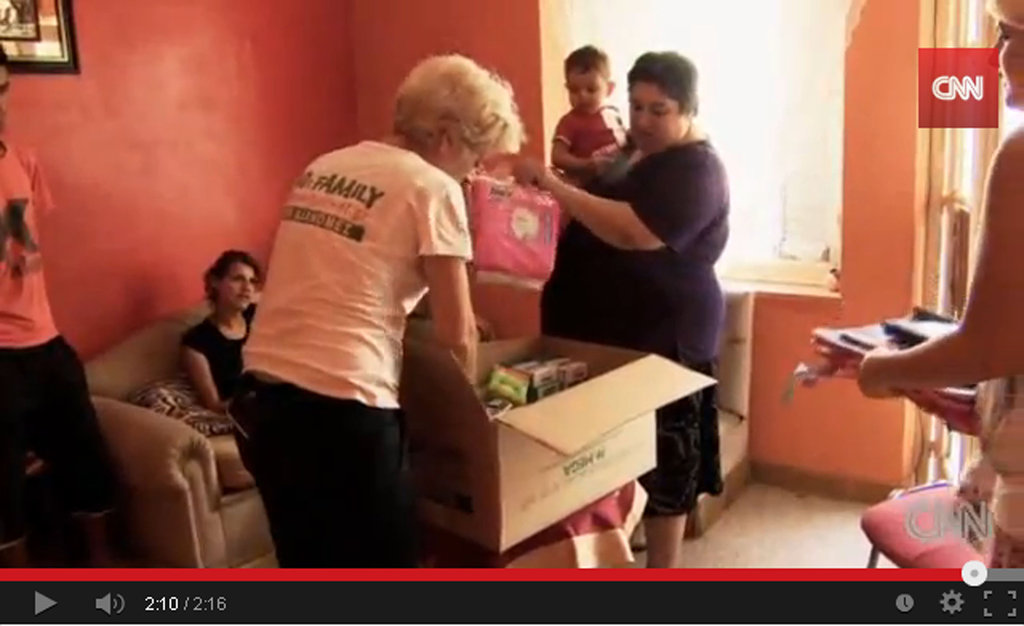
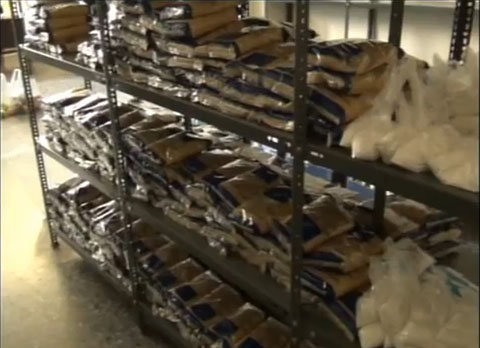
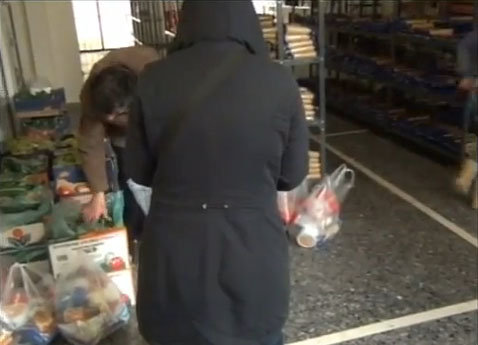
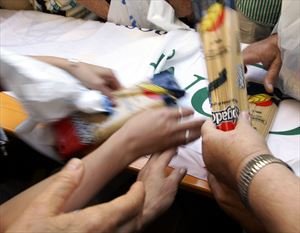
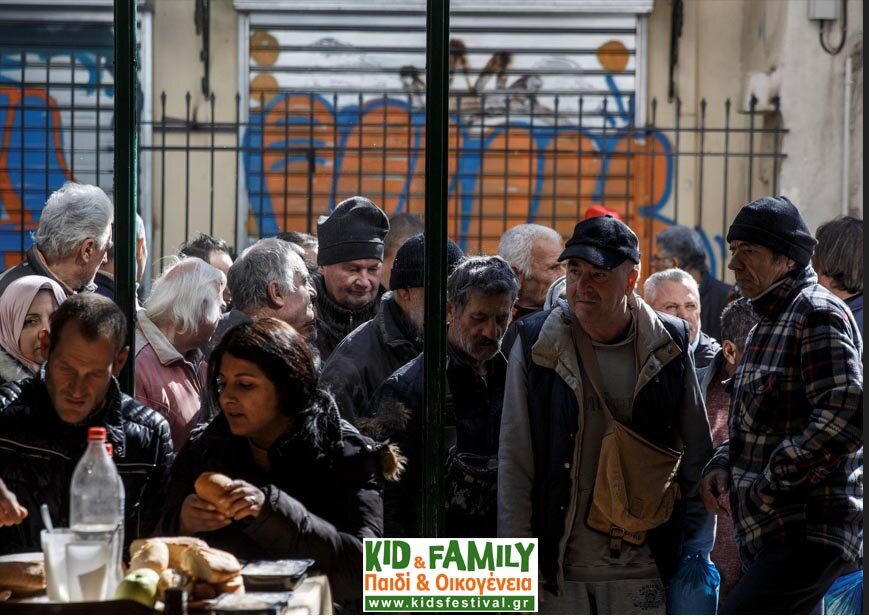
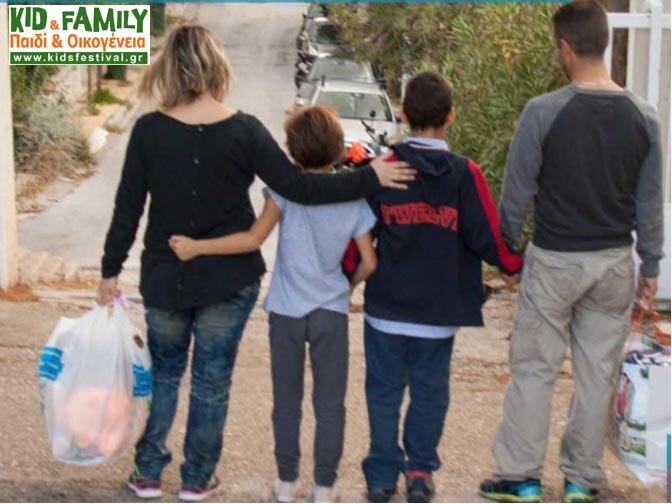
Free food distribution programs in Athens
* Community kitchens serving struggling families
* Volunteers helping people affected by poverty and unemployment
* Solidarity grocery programs running 7 days a week
* Emergency humanitarian support for children and parents
More than ever
we need your support to keep children alive
the value of every peny is huge,
when we face an every day call for help even for basic nutricion.
Please stay by our site !
Together we can achieve to save lives
warm regards,
Ruby
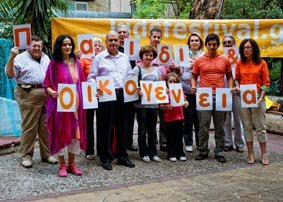
& the volunteers teams
of Kid & Family Hunger support Network
Household inequalities related to energy during the 2024–2025 period appear more severe in households in rural, insular, and mountainous areas with dependent children (15.0%; χ2[1, N=3,037] = 4.633, p = 0.019) in single-father families with dependent children (19.0%; χ2[2, N=2,922] = 29.793, p < 0.001), in large families (24.6%; χ2[4, N=2,910] = 17.929, p = 0.001), and in families with a migrant or refugee background with dependent children (19.3%; χ2[1, N=2,713] = 47.937, p < 0.001).
Links:
Project reports on GlobalGiving are posted directly to globalgiving.org by Project Leaders as they are completed, generally every 3-4 months. To protect the integrity of these documents, GlobalGiving does not alter them; therefore you may find some language or formatting issues.
If you donate to this project or have donated to this project, you can receive an email when this project posts a report. You can also subscribe for reports without donating.