By Andres Gomez | Fidelia Mares
We know that mathematics has always been part of the development of the human being, of his thinking and feeling. We regularly consider that mathematics is only learned at school, and the daily and cultural knowledge of this science has been devalued before reaching educational institutions.
In fact, the fact of learning mathematics in the daily life of the individual is impossible. Regularly, the learning of mathematics is related to people who develop a superior intelligence, generating the erroneous idea that there are few who can learn it.
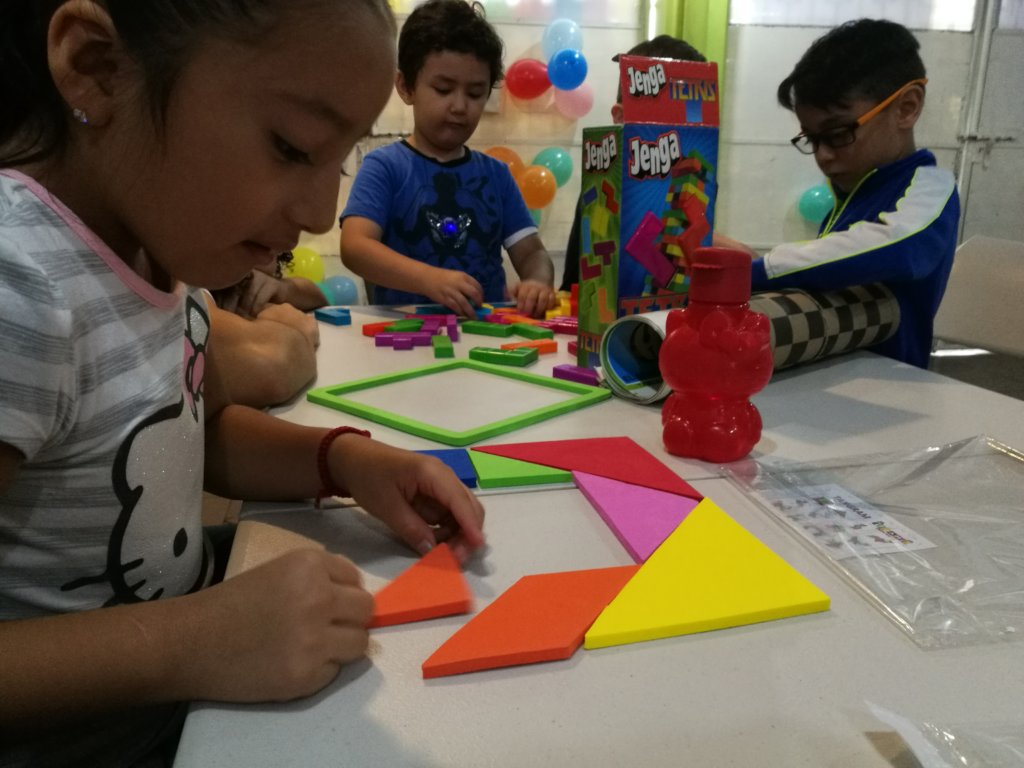
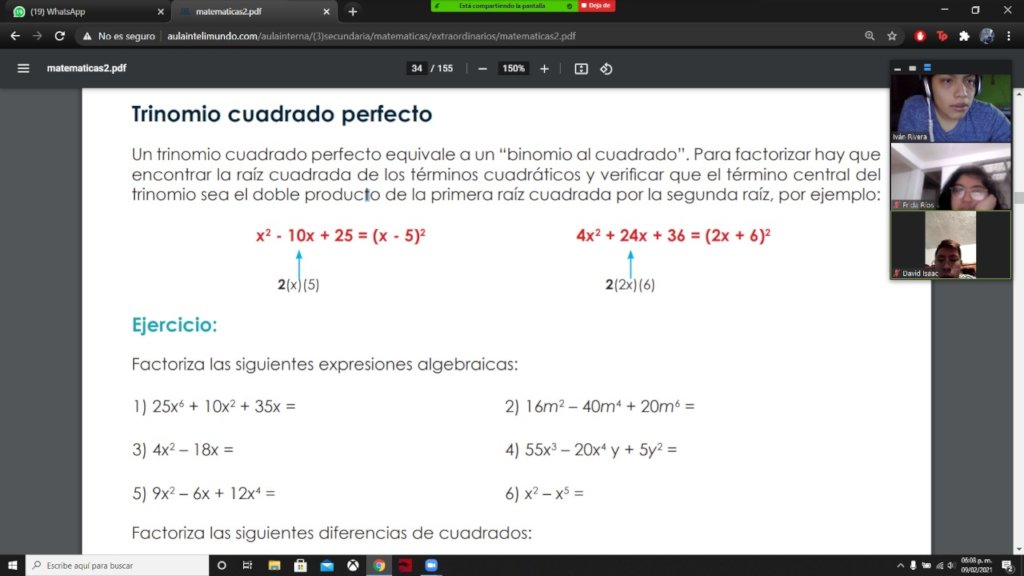
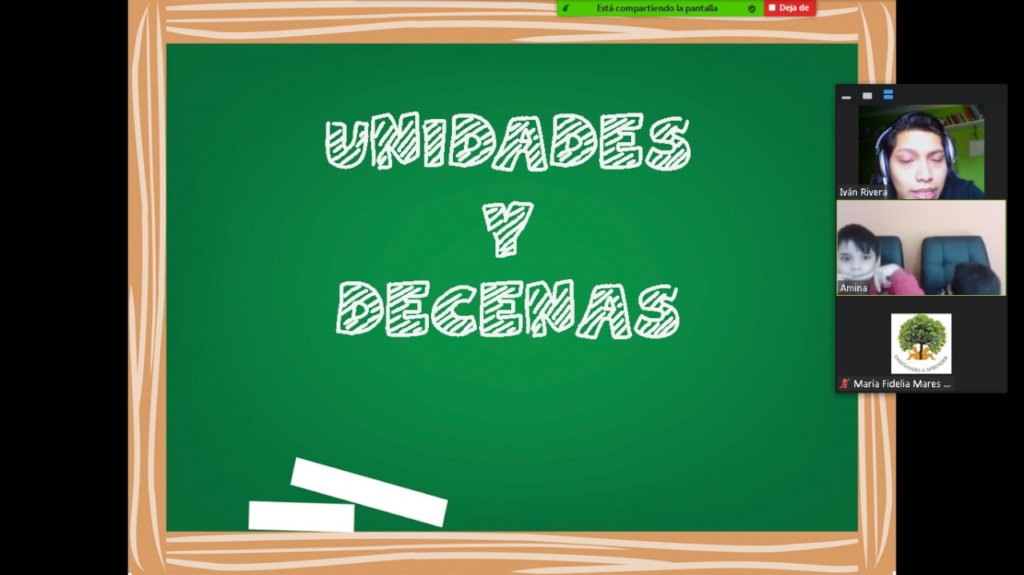
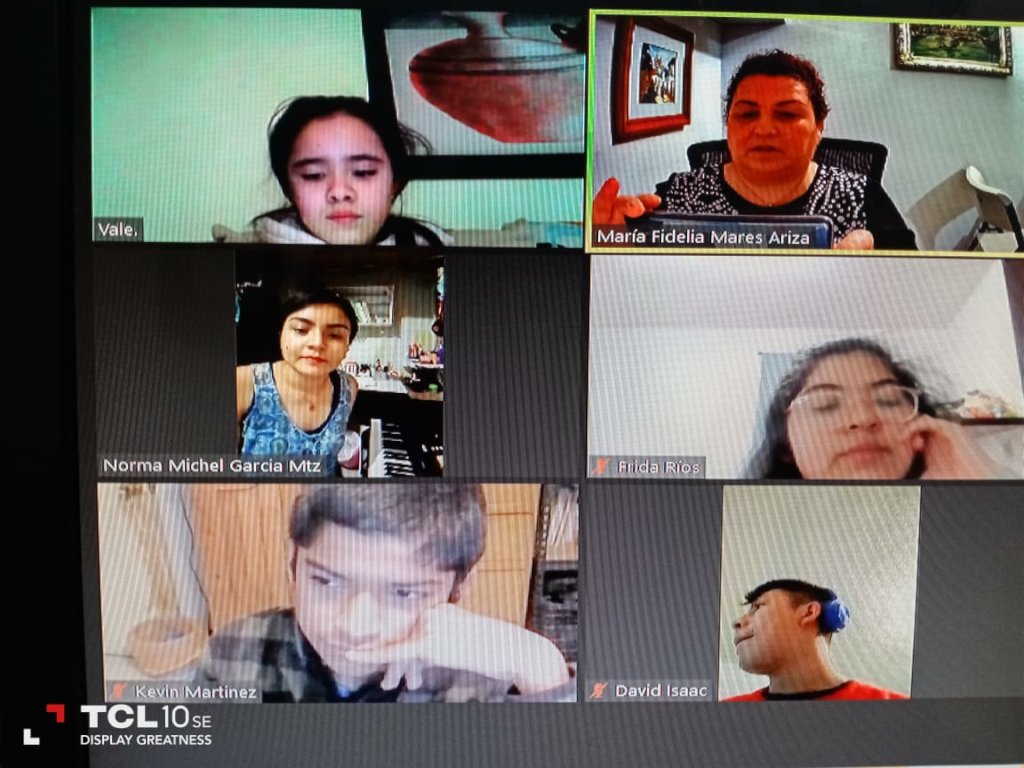
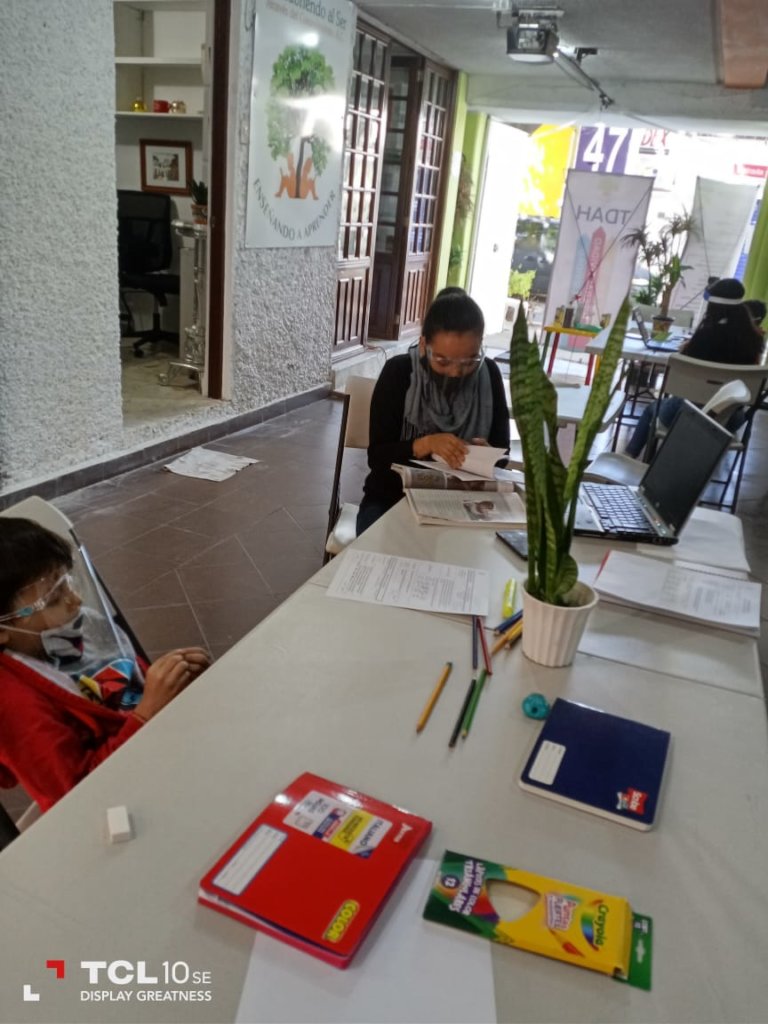
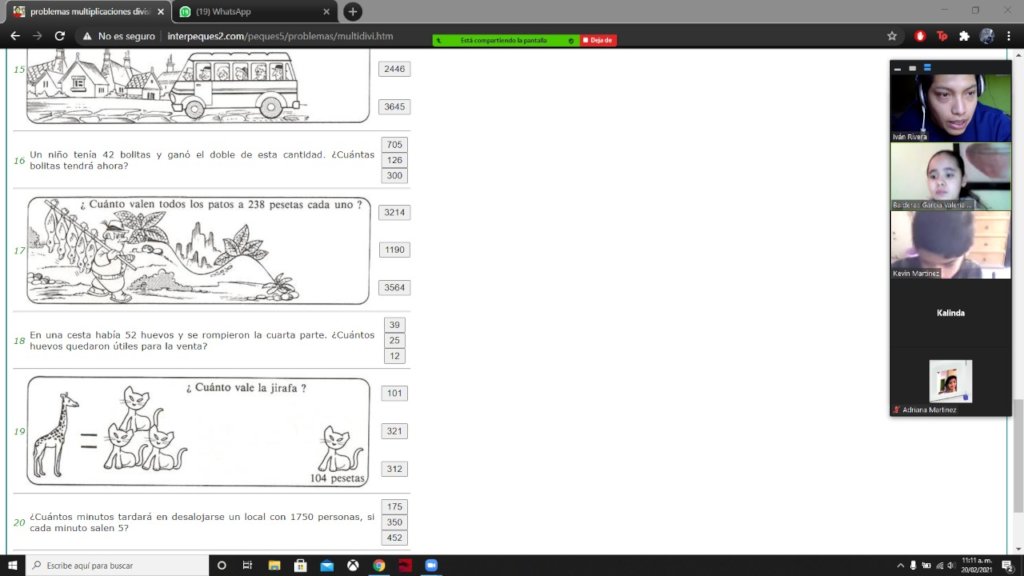
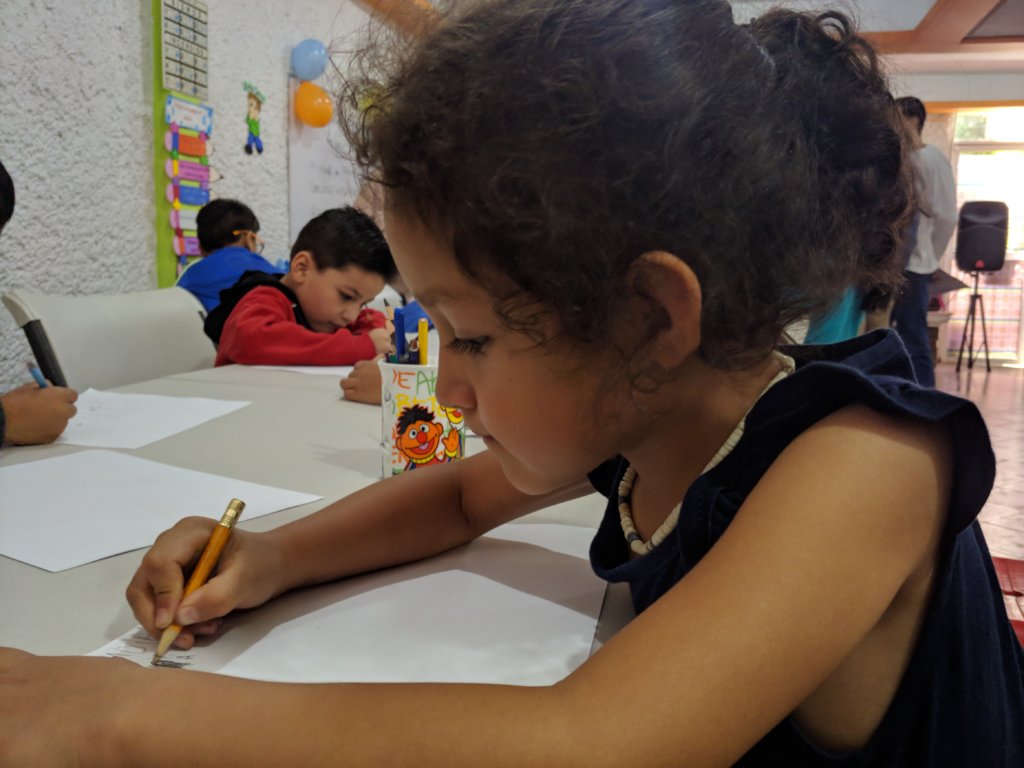
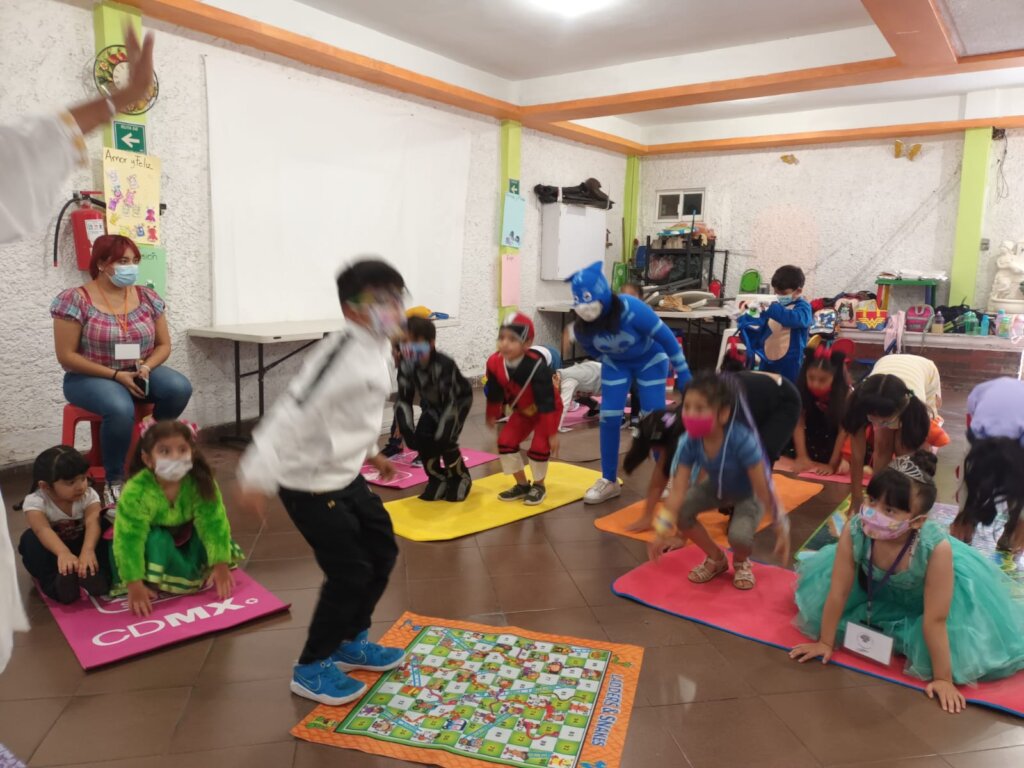
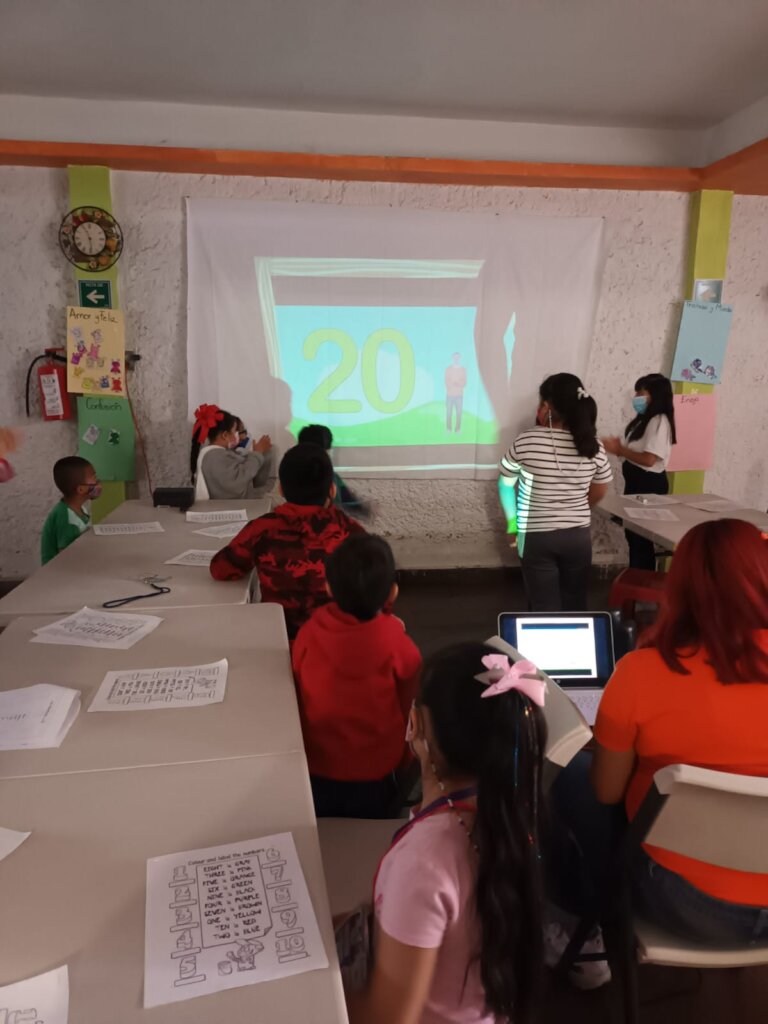
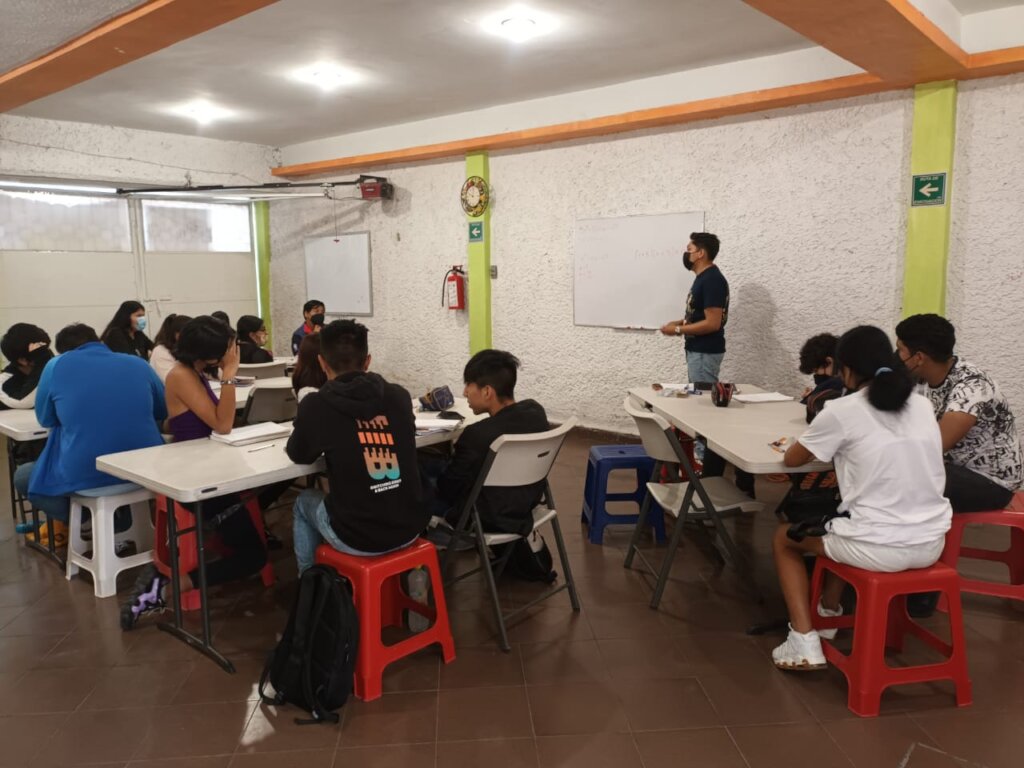
To break with previous paradigms, we teach mathematics, involving the imagination and sensitivity of each girl with life and mathematics. This type of mathematics teaching allows: to develop the social, psychological, sensory, motor and cognitive personality; developing their potentialities: psychic, emotional, cognitive and training girls and young people in values and with love for mathematics
Sometimes we find situations that hinder the learning of mathematics, such as:
- Abstract capacity, not yet developed.
- Weak mathematical foundations
- Mathematics decontextualized from reality
- Learning with rigid pedagogical methods
- Failing to consider the learning pace of each girl
- Personal situations that affect the learning of mathematics
° Acalculia
° Dyscalculia
° Relevant cognitive maturation
° Misunderstanding of previous mathematical concepts
It is our job to identify and eliminate the barriers that hinder the learning of mathematics in each case.
Project reports on GlobalGiving are posted directly to globalgiving.org by Project Leaders as they are completed, generally every 3-4 months. To protect the integrity of these documents, GlobalGiving does not alter them; therefore you may find some language or formatting issues.
If you donate to this project or have donated to this project, you can receive an email when this project posts a report. You can also subscribe for reports without donating.