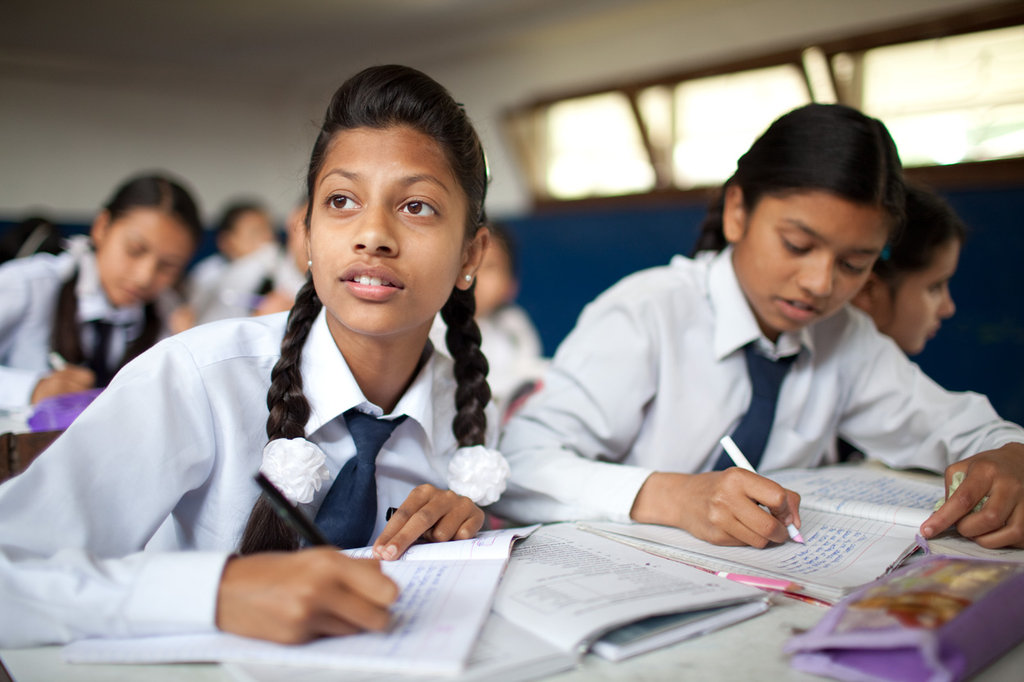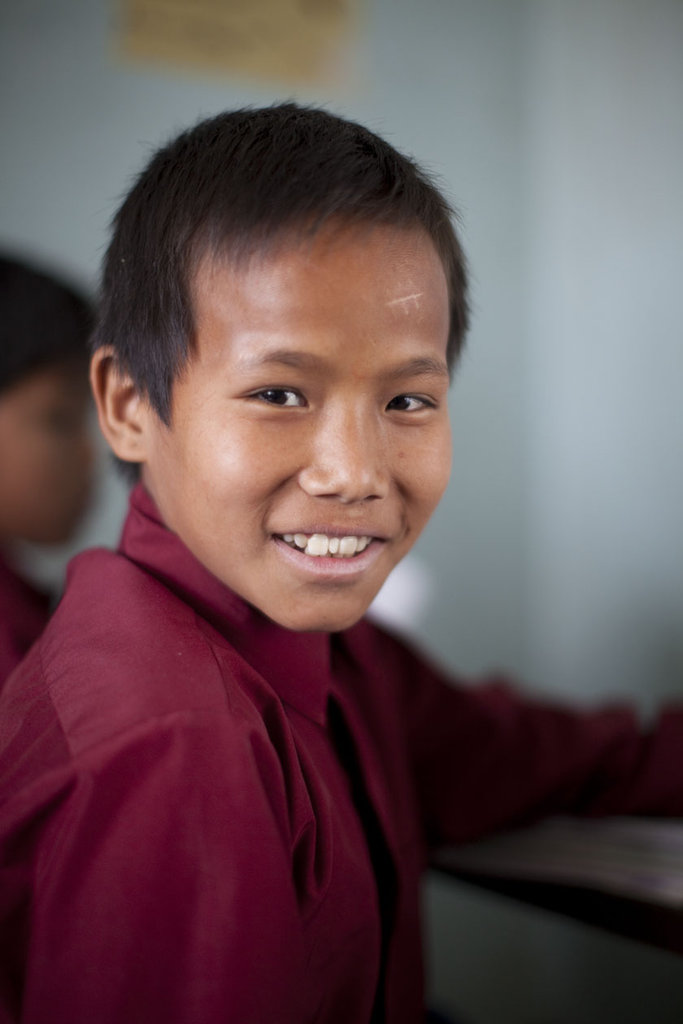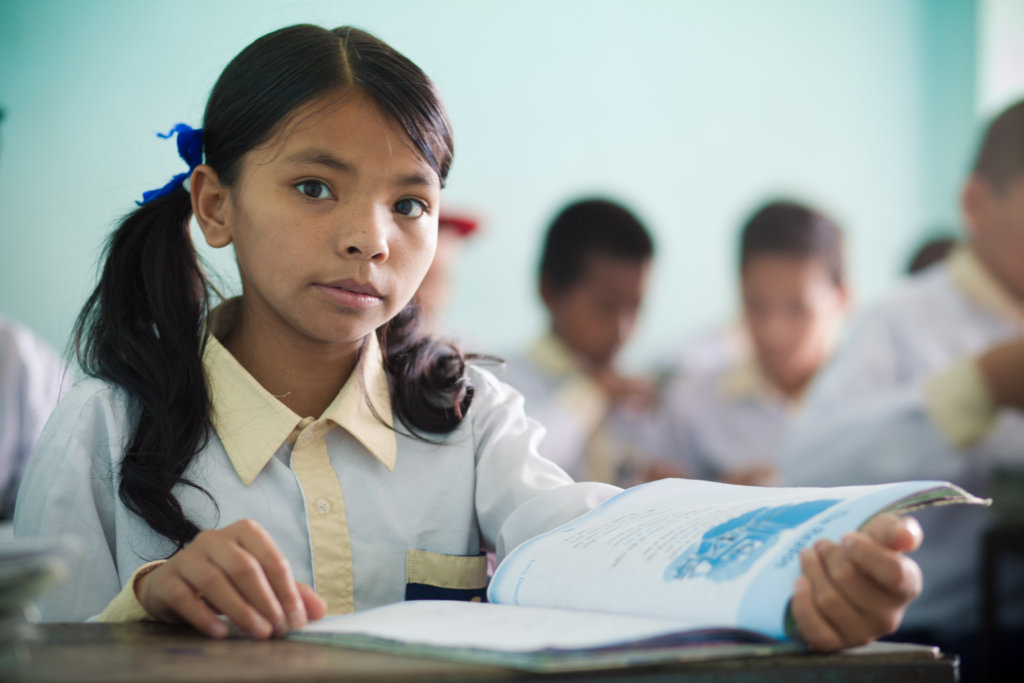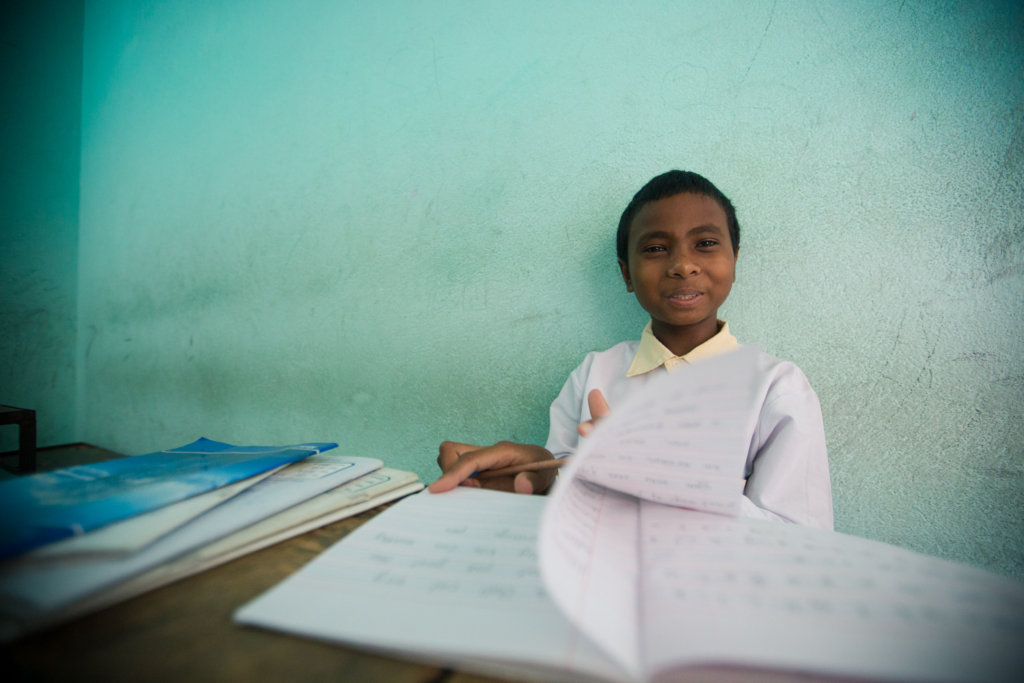
A quarter million children are put to work on carpet looms in India and Nepal. This project is devoted to replacing the tools in their hands with books. Hamro Ghar ("Our Home") is a center for children with no family to return to or for whom there is a likelihood of being sold or sent to work again. With your support, GoodWeave can provide these children with rehabilitation, education, and a safe home.
Though child labor is illegal in Nepal, an estimated 1.6 million children between the ages of five and 17 are in the workforce. Thousands work on Kathmandu's carpet looms, considered one of the worst and most hazardous forms of child labor. These children earn little or no money and work up to 18 hour days. They suffer malnutrition, wounds from using sharp tools, respiratory diseases from breathing wool fibers, and deformities from sitting long hours, some chained to their looms.
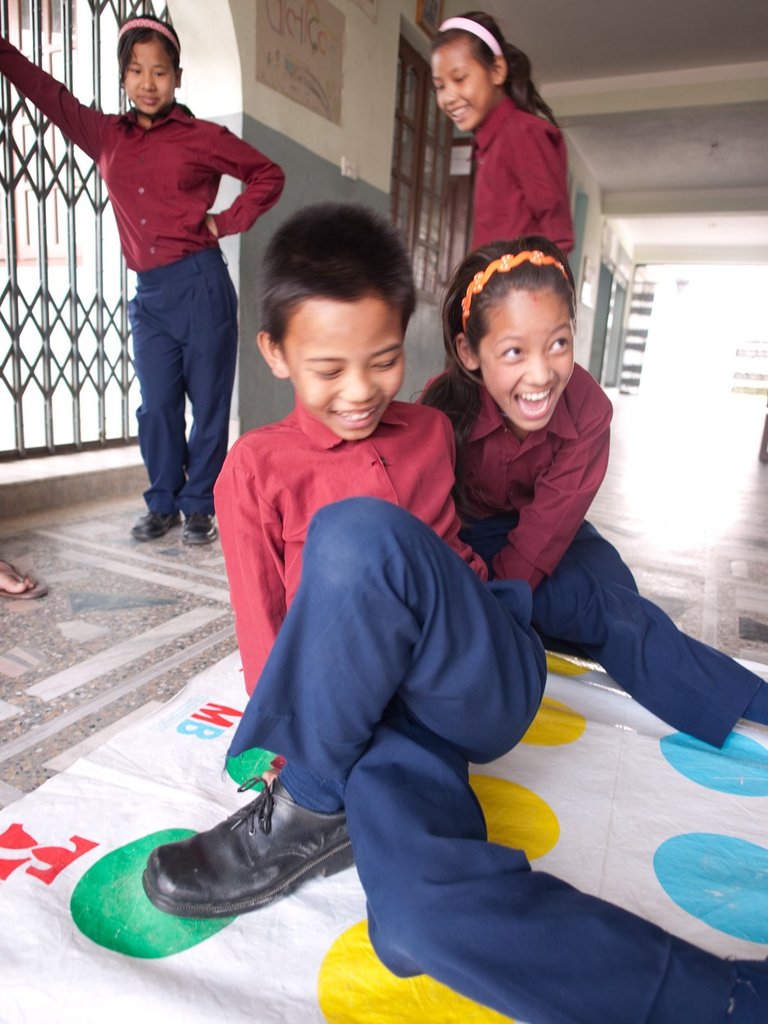
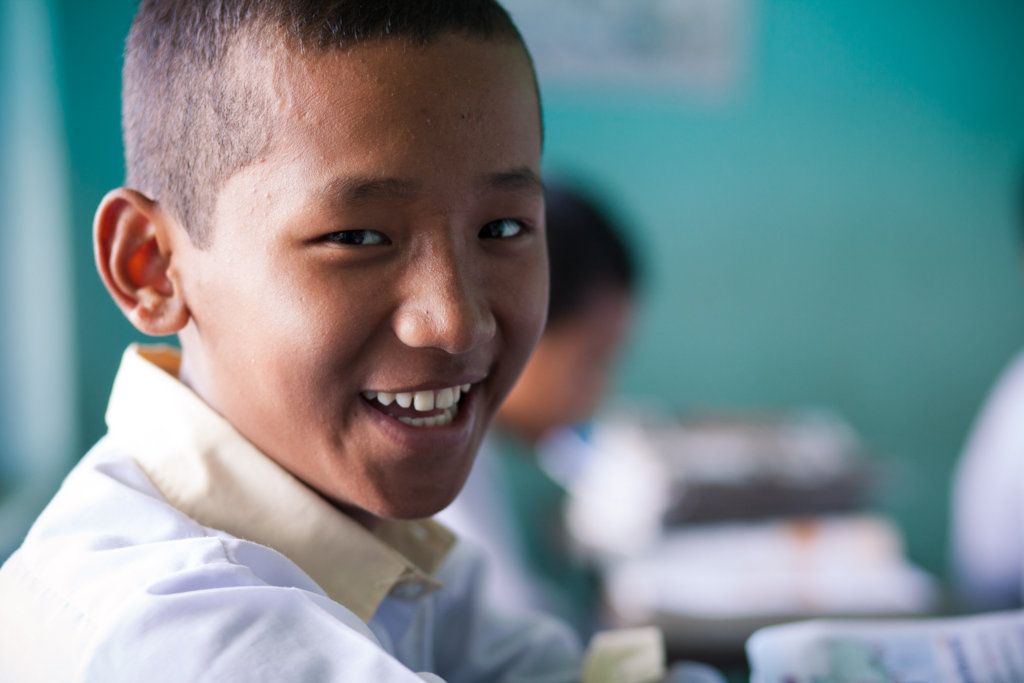
In best-case scenarios, children found by GoodWeave inspectors are eventually reunited with their families. In the meantime, and for those for whom this is not possible, Hamro Ghar provides safety and chance to learn. At Hamro Ghar, rescued children - most of whom have never seen the inside of a classroom - are offered real childhoods. They are provided with rehabilitation, fully sponsored education, recreational activities and extracurricular pursuits.
To date, GoodWeave has rescued 3,551 children from labor on the looms and deterred tens of thousands more from ever being recruited to the weaving workforce. Reports from UNICEF and the U.S. Department of Labor show that since GoodWeave was founded by recent Nobel Prize winner Kailash Satyarthi, the number of children exploited on South Asian looms has dropped from 1 million to 250,000. GoodWeave's goal is to end child labor in the carpet industry by 2020.