By Mara Fesan | Project Leader
Lakota’s Journey: Rescue Saves a Life, Rehabilitation Builds a Future
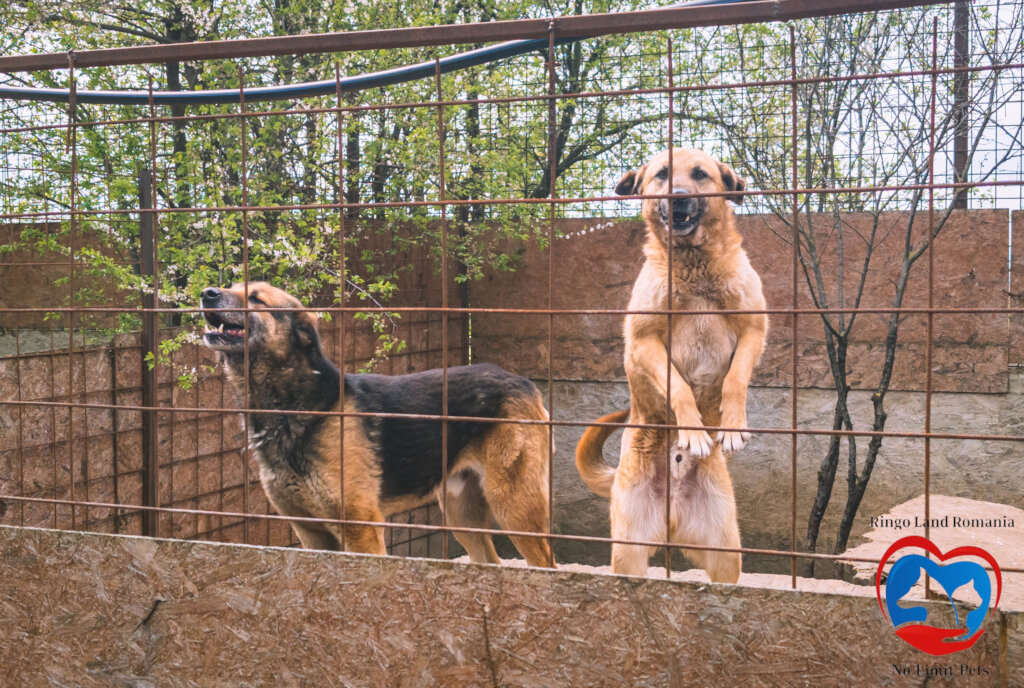
For many dogs in Romania, being rescued is a race against time. Some are struggling to survive on the streets, while others are waiting in public shelters, placed on euthanasia lists and dependent on rescue organizations to save them before it is too late.
Getting these dogs out of danger is an essential first step. But for dogs who have experienced abandonment, fear, neglect, or trauma, rescue alone is often not enough.
Lakota’s story shows why rehabilitation is such a vital part of giving a rescued dog a true second chance.
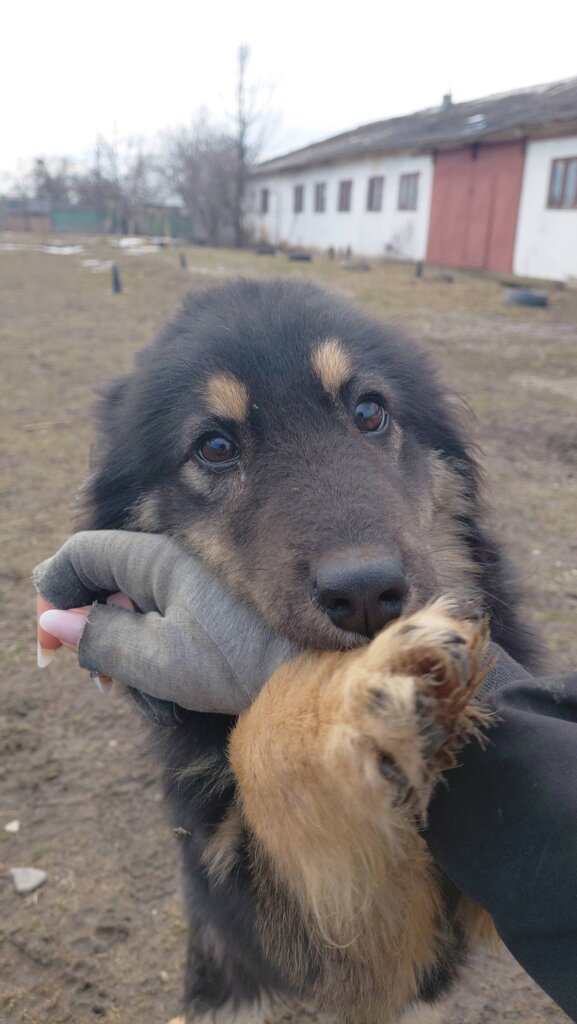
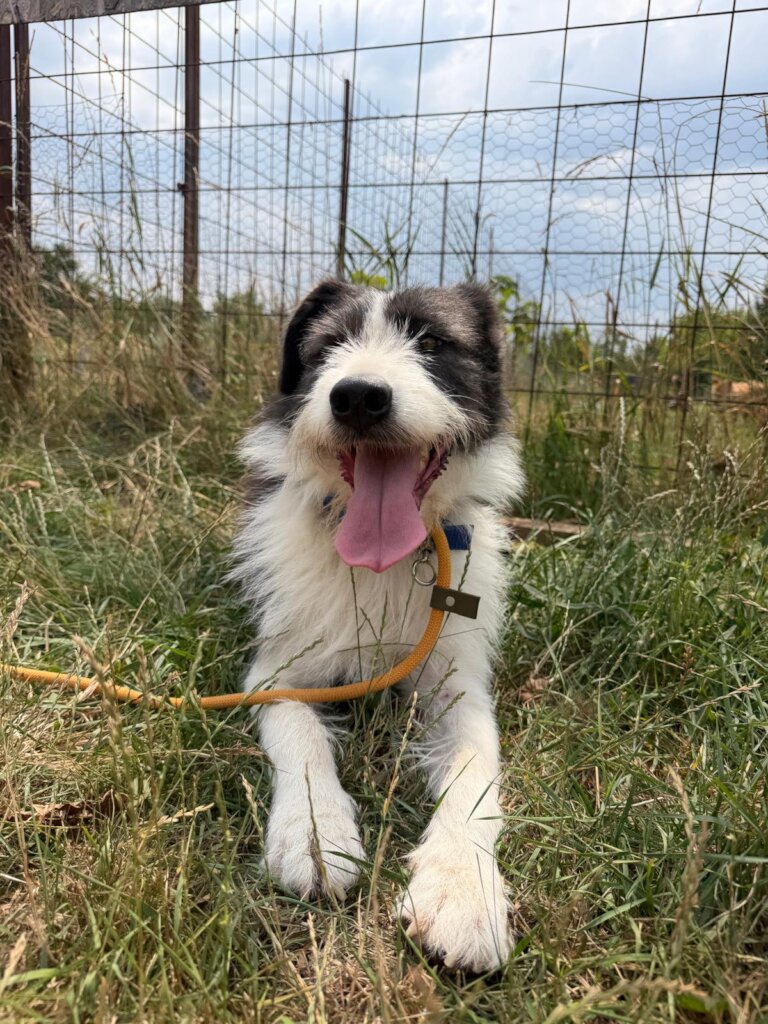
Lakota was rescued on February 7, 2025, from Ilfov County and brought to Ringo Land Romania. He was finally safe, but emotionally, he was still living with the consequences of everything he had experienced before his rescue.
He was terrified of people. Every attempt to approach him caused fear and uncertainty. He did not know how to trust a human being or understand that the person walking toward him might be there to offer food, affection, or protection.
For a dog like Lakota, simply providing a safe place to stay would not have been enough to prepare him for adoption.
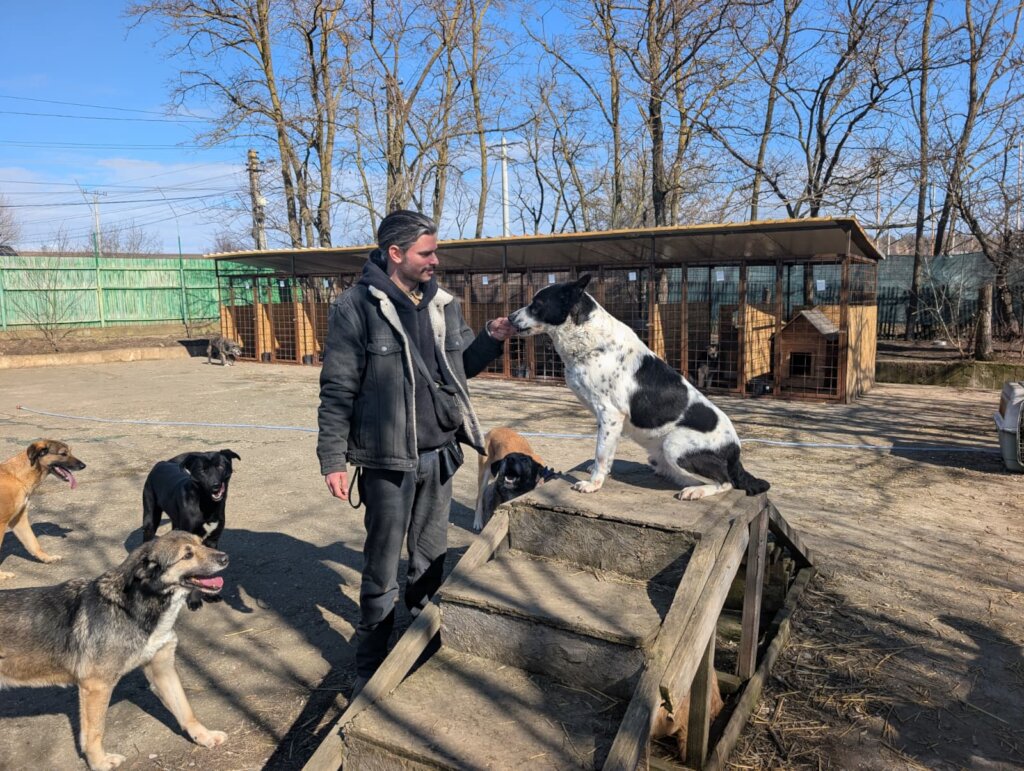
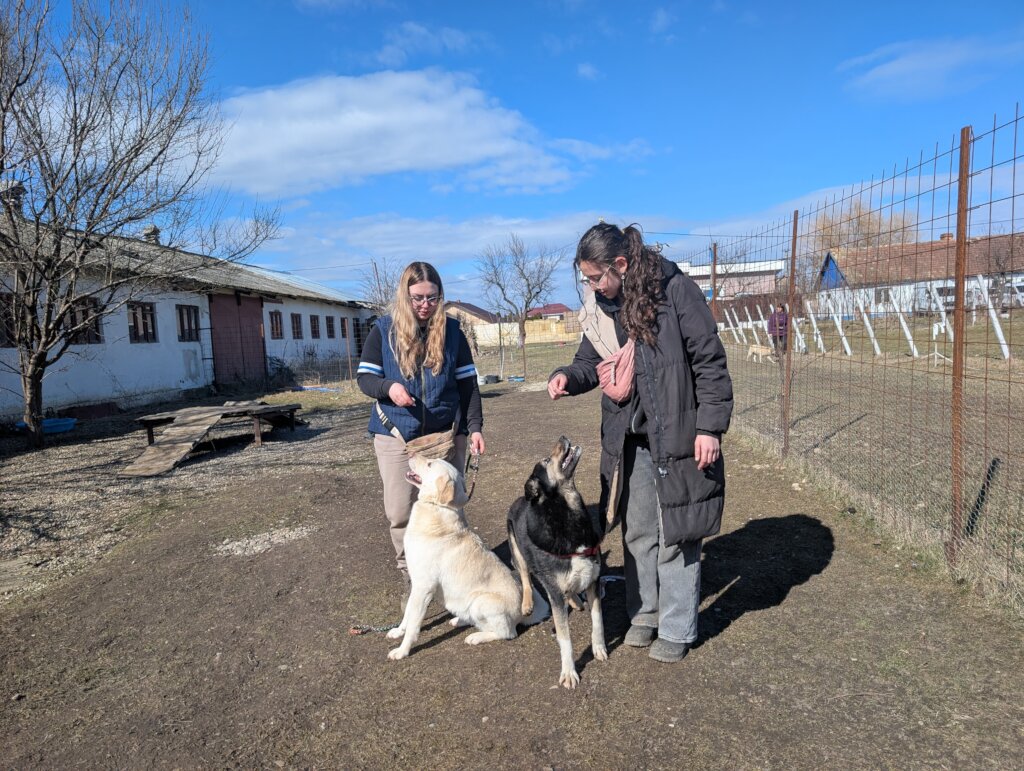
This is why he entered the emotional and behavioral rehabilitation and training program at the Dog Rehabilitation Centre, under the guidance of No Limit Pets Association.
From Fear to Trust
Lakota needed time, patience, consistency, and people who understood that his fear could not disappear overnight.
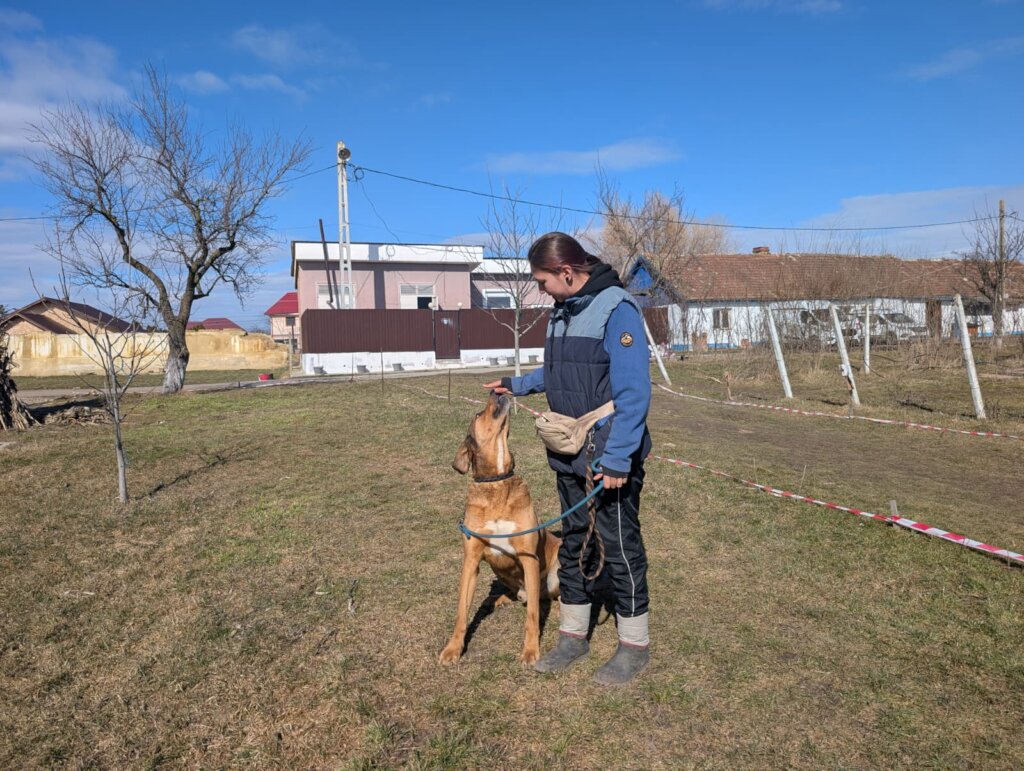
At the rehabilitation center, he was given the opportunity to progress at his own pace. Through daily work and positive experiences, he slowly began to discover a different relationship with people.
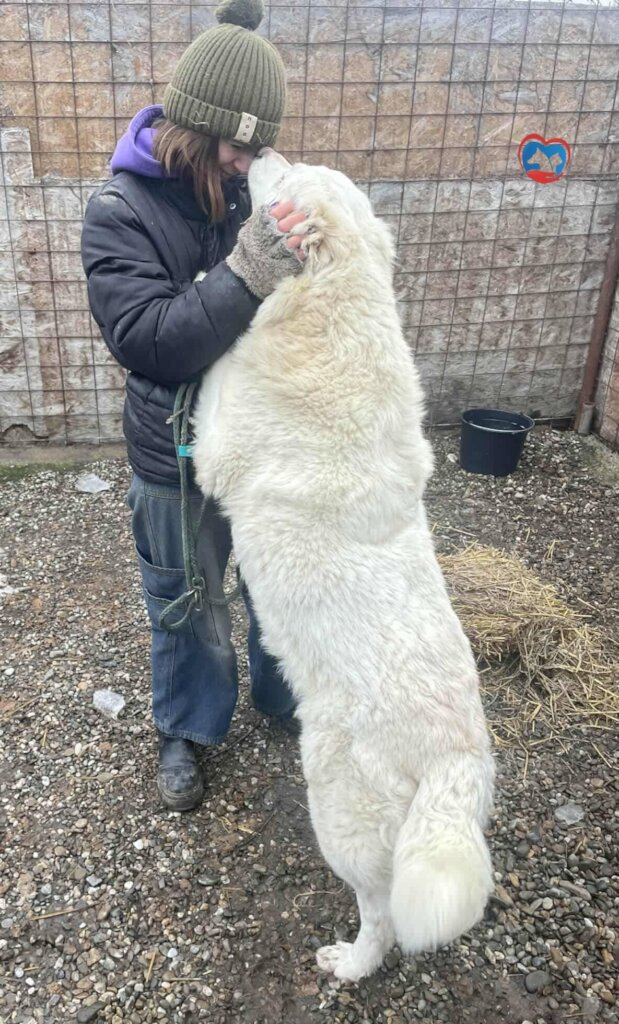
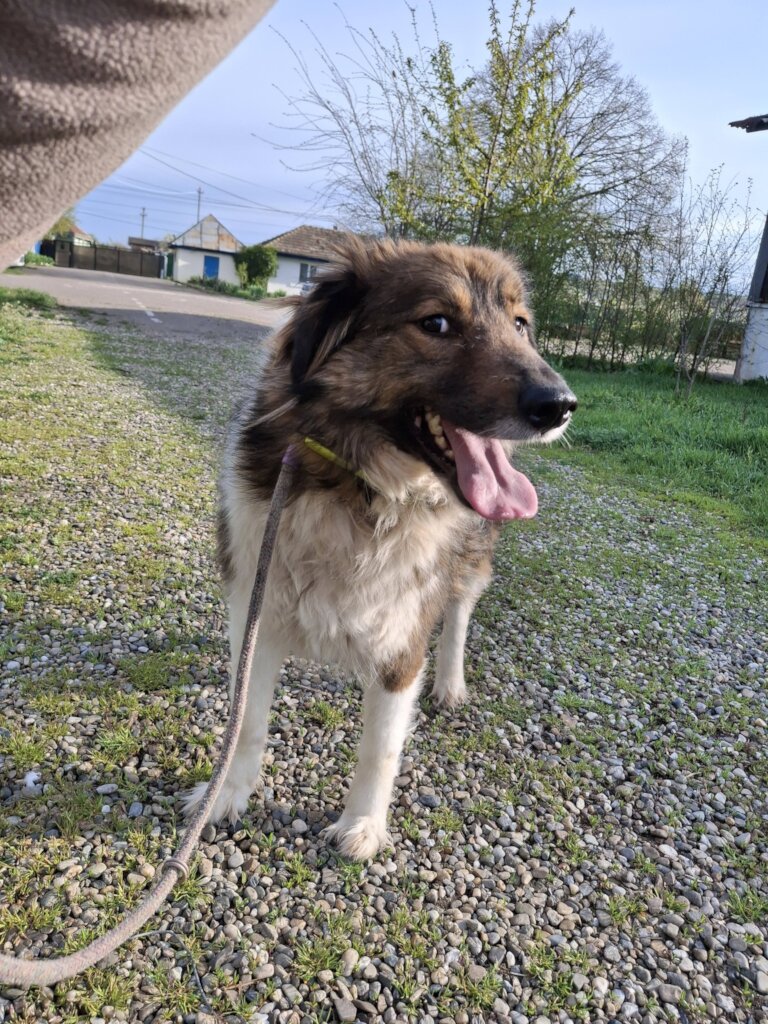
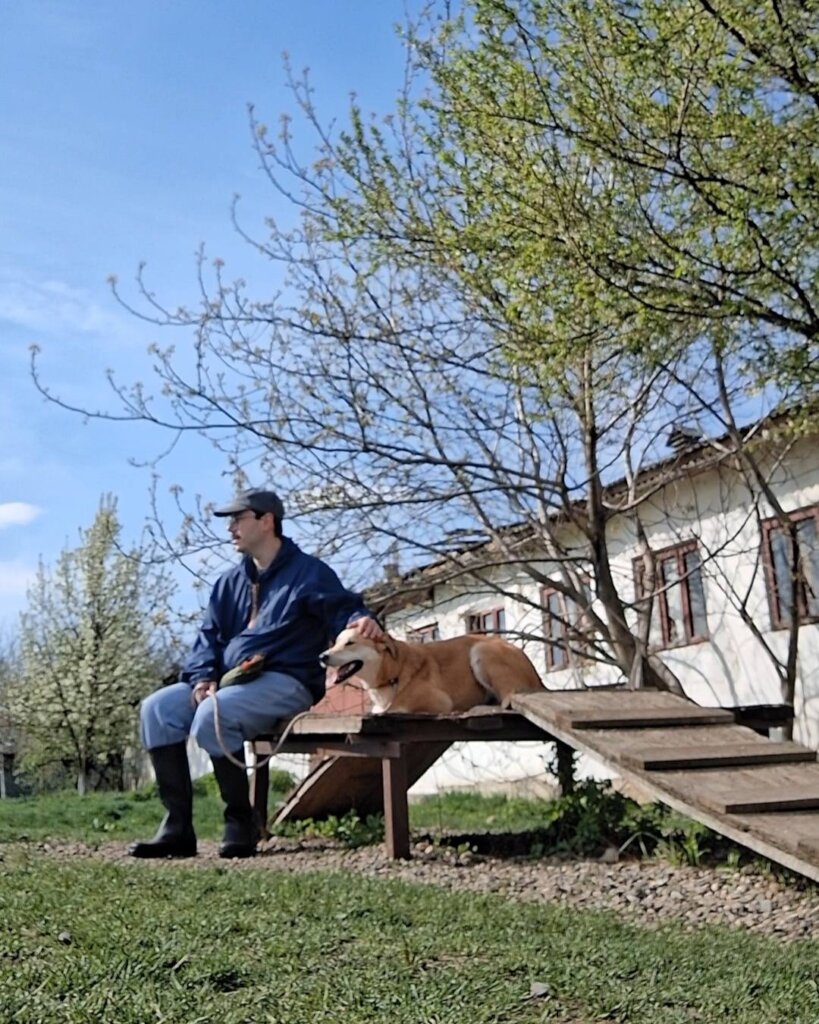
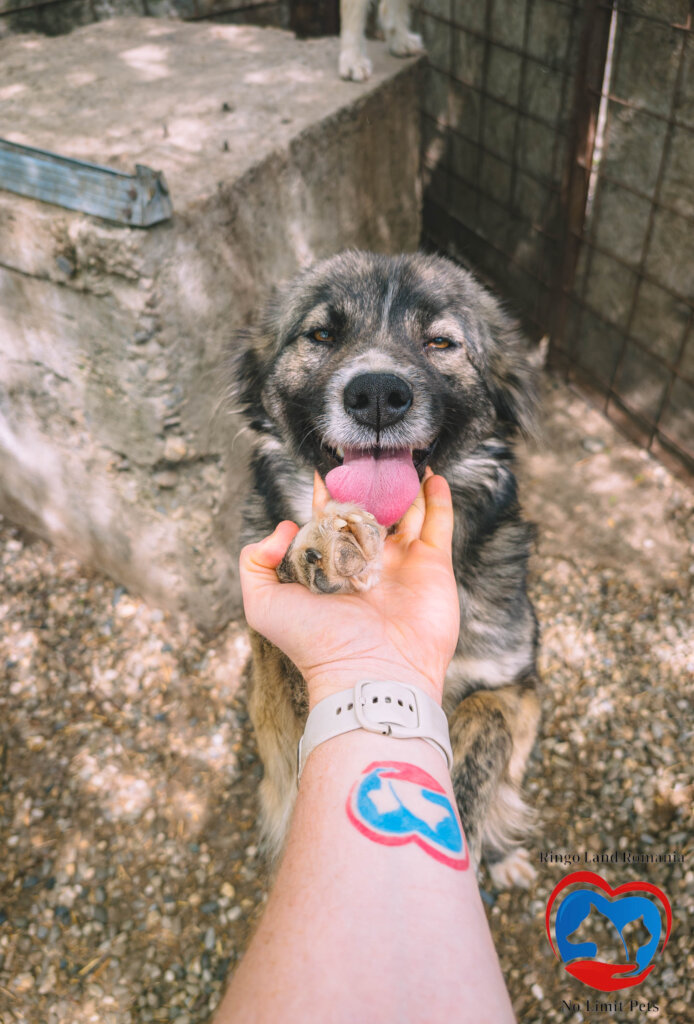
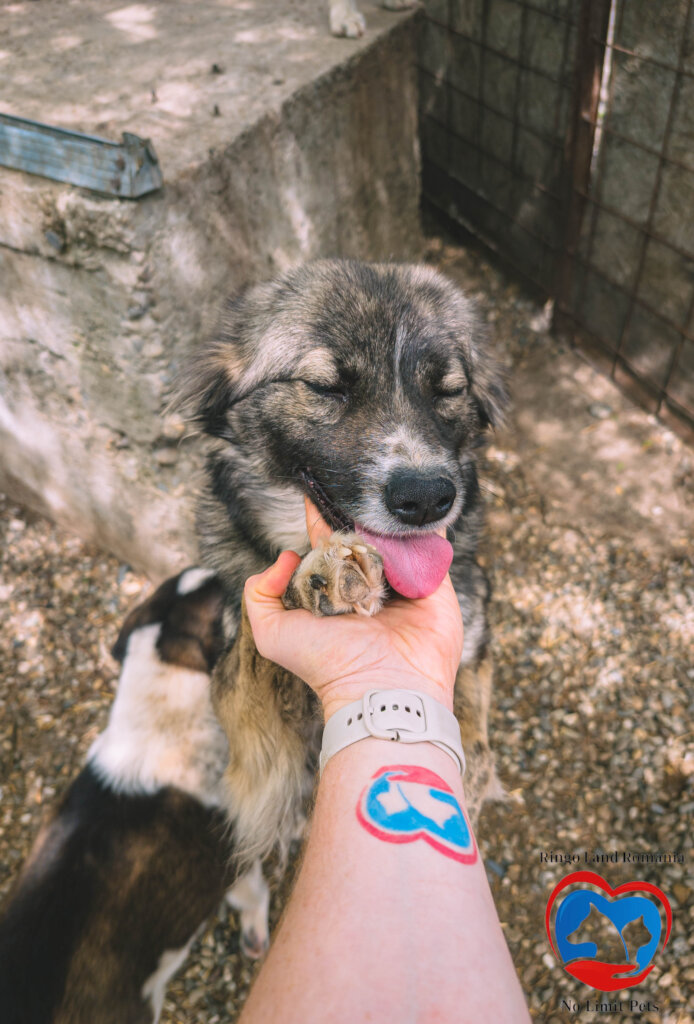
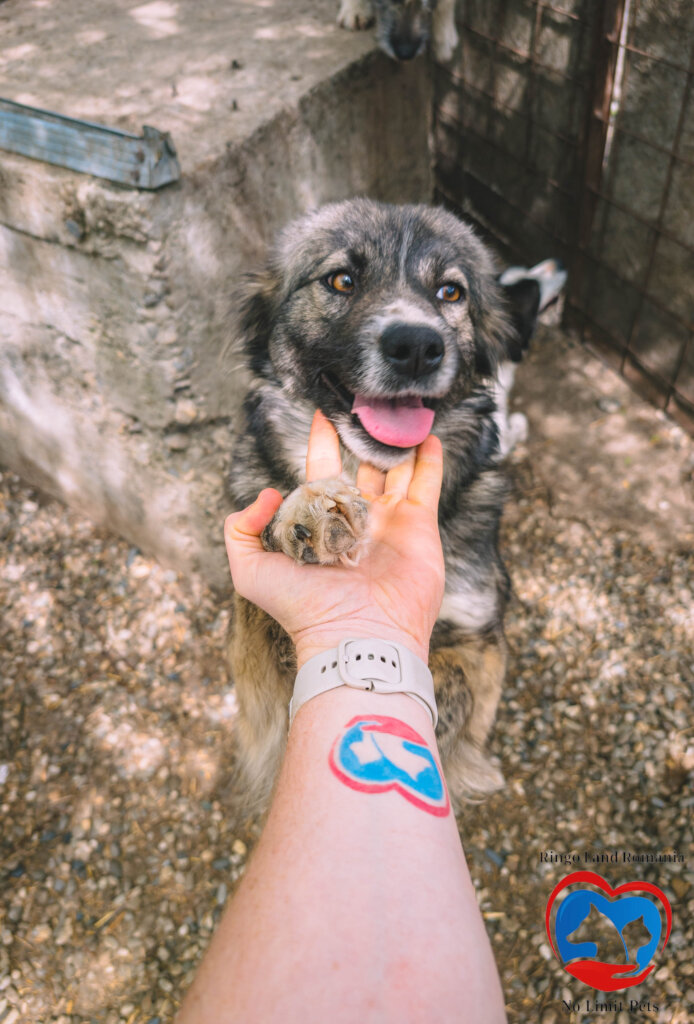
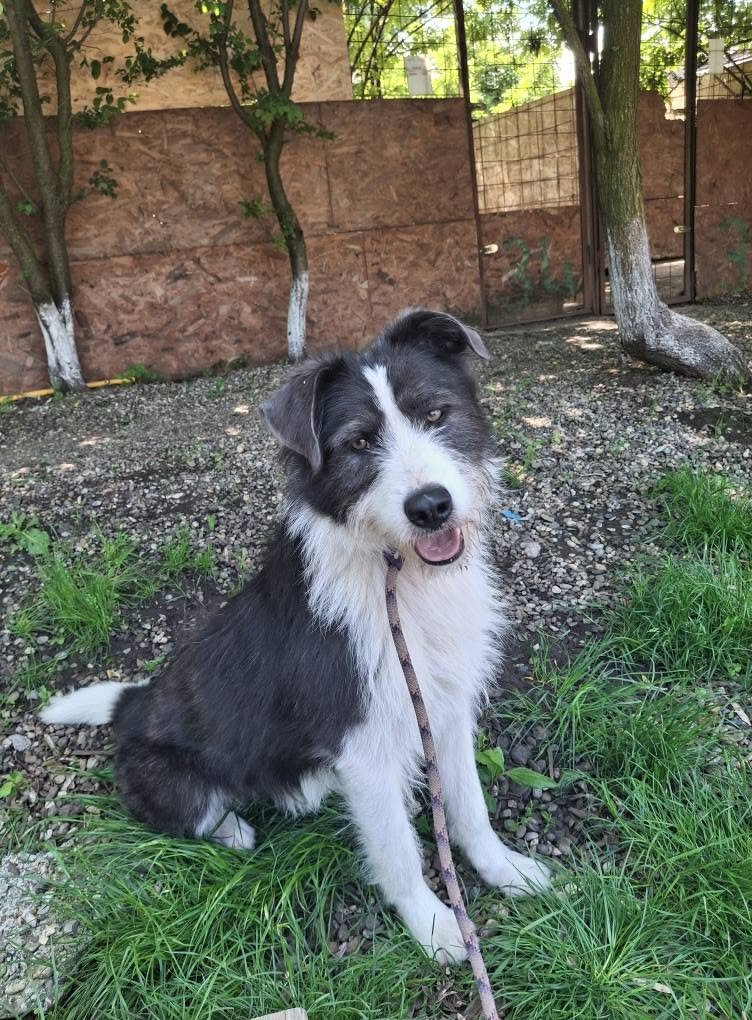
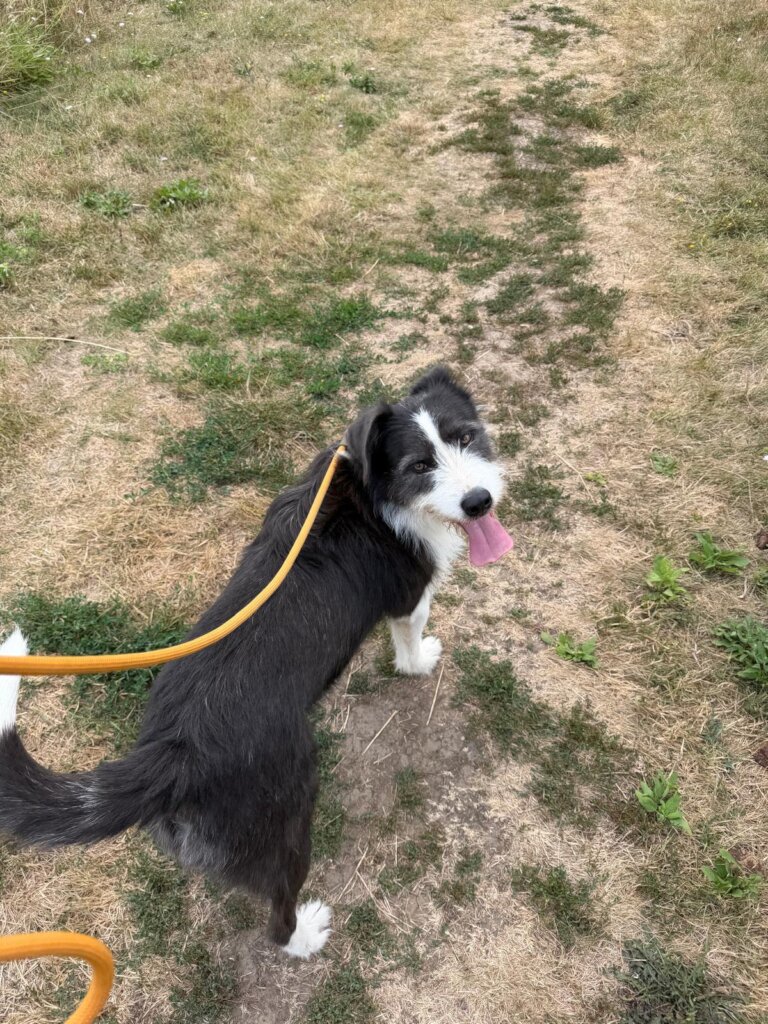
He learned that a leash did not mean being trapped, but could mean a safe walk alongside someone he trusted. He learned that a human hand could offer affection rather than something to fear. He learned how to interact with other dogs and even cats and how to feel comfortable in situations that had previously overwhelmed him.
Little by little, Lakota began to change.
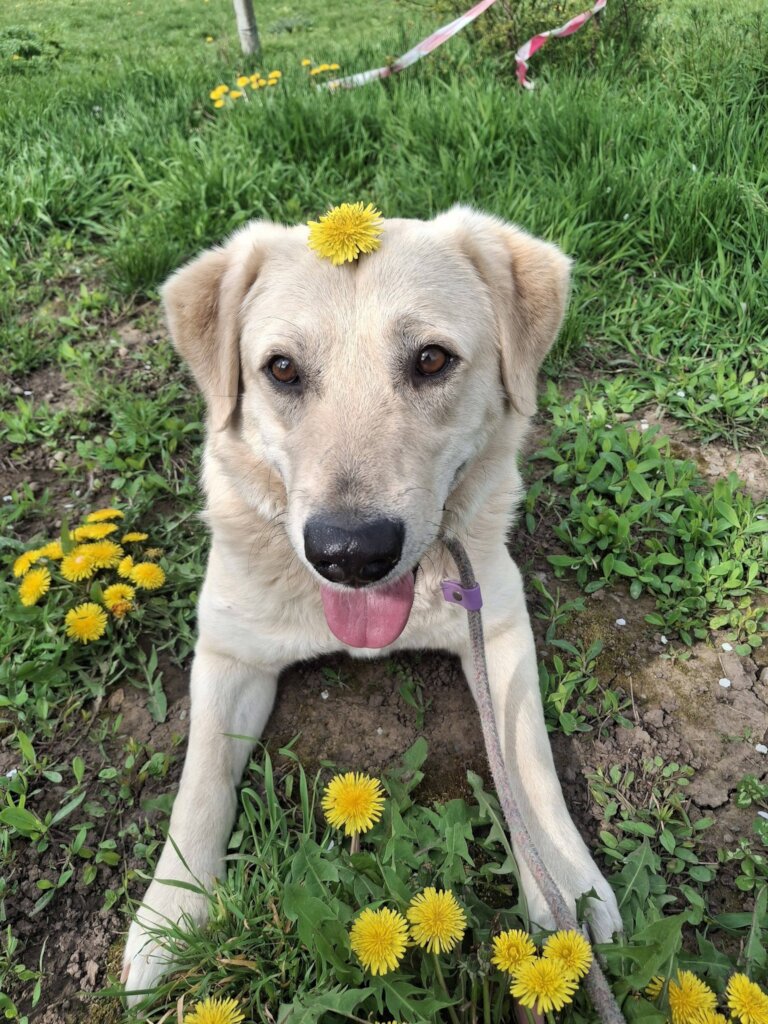
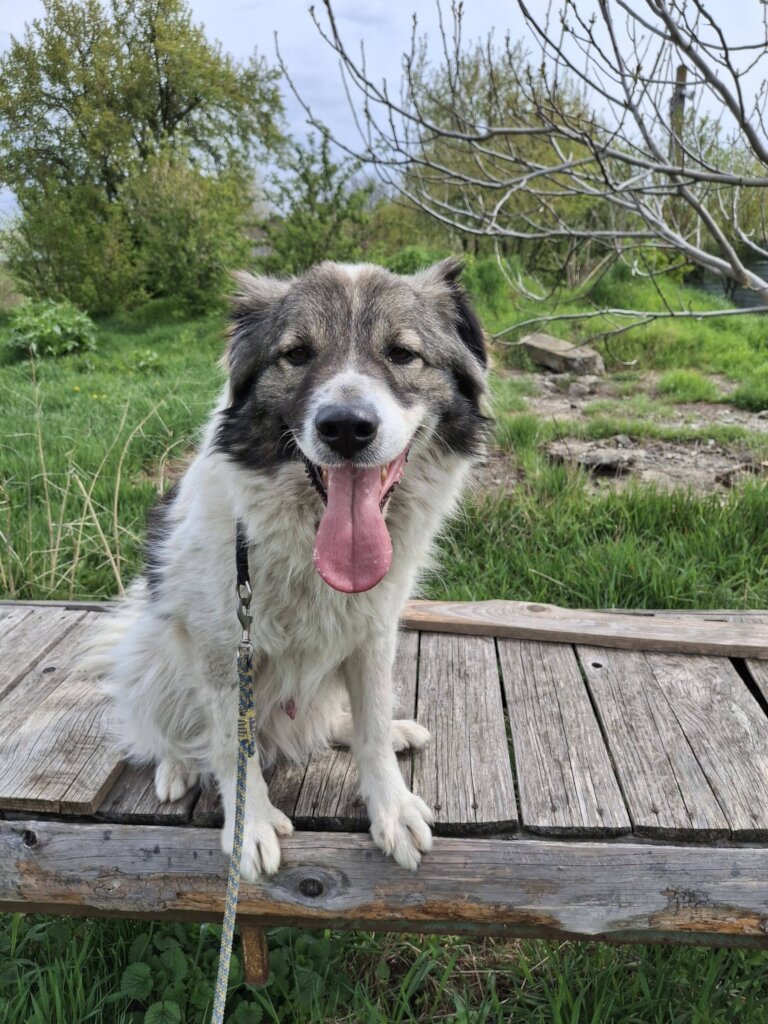
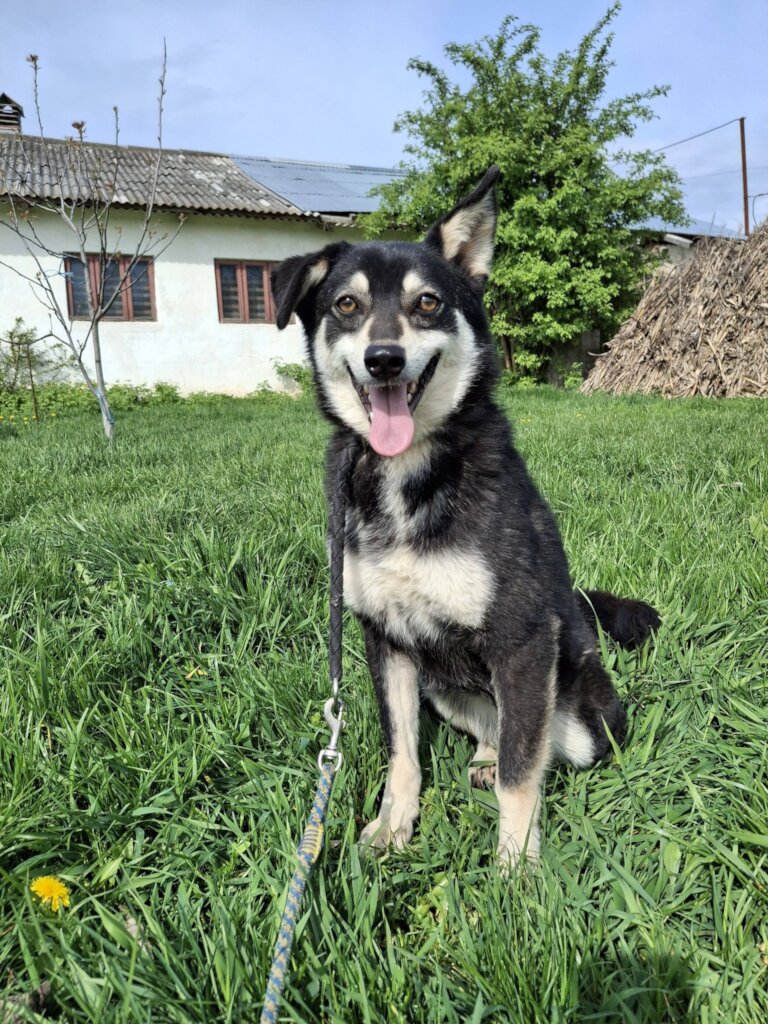
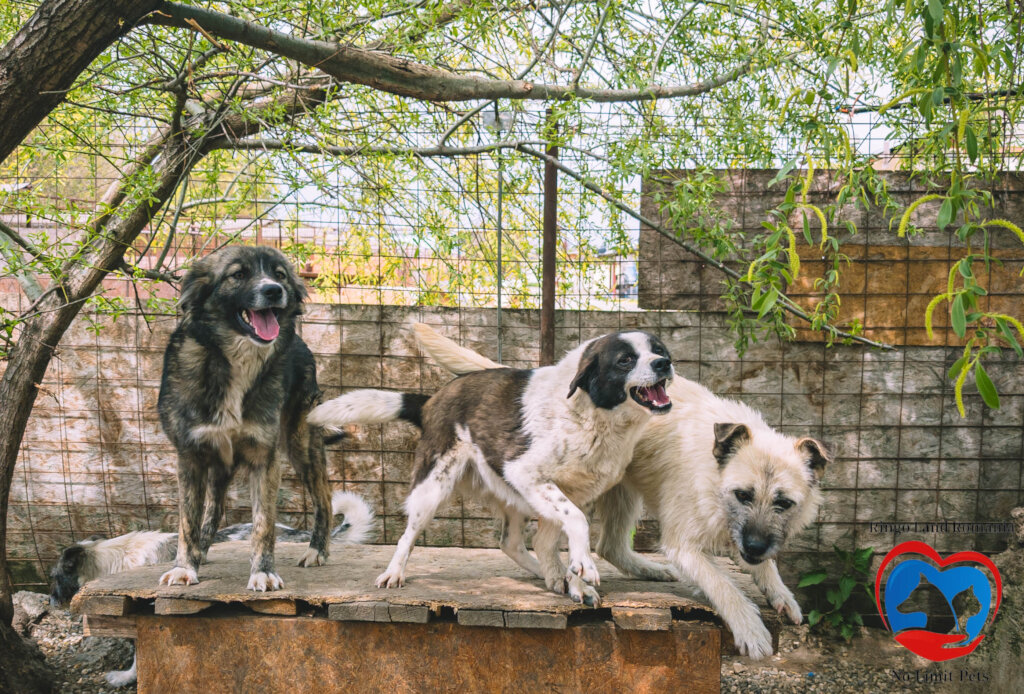
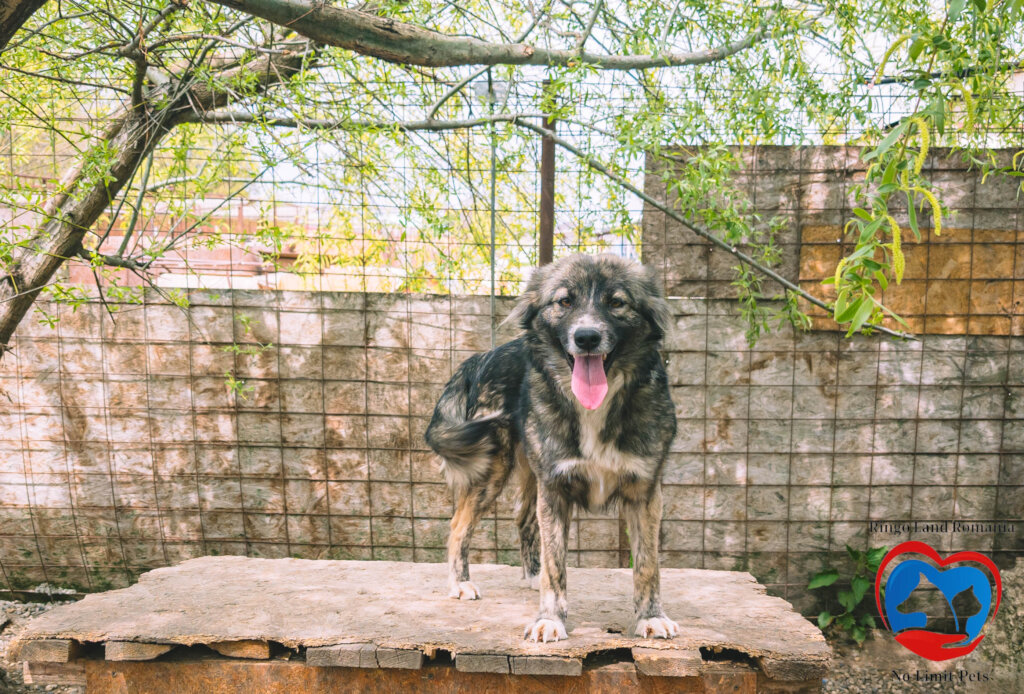
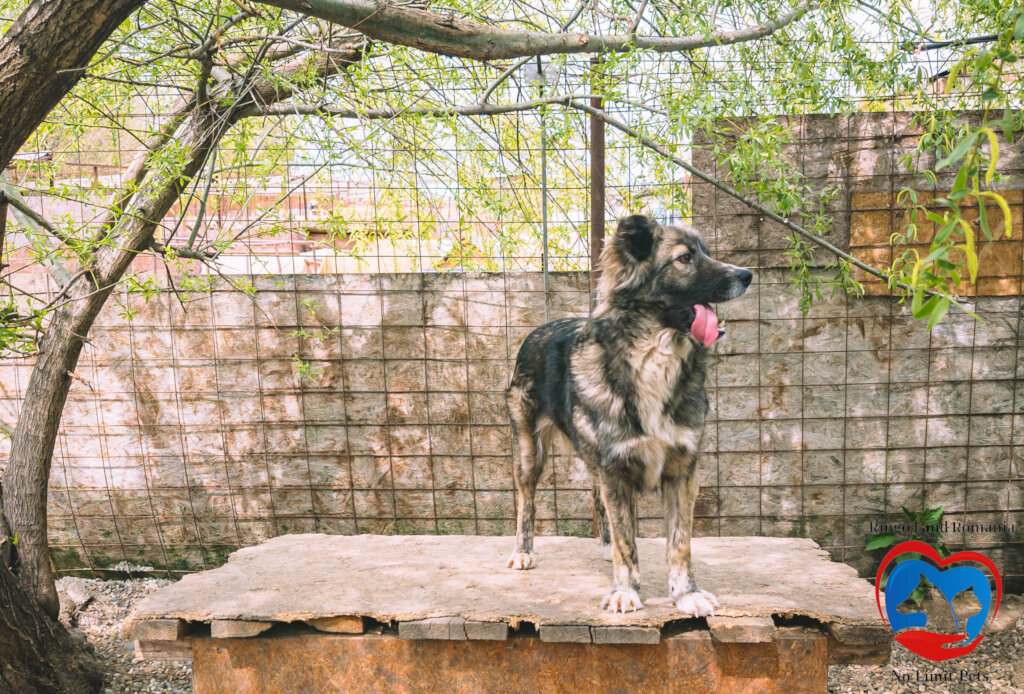
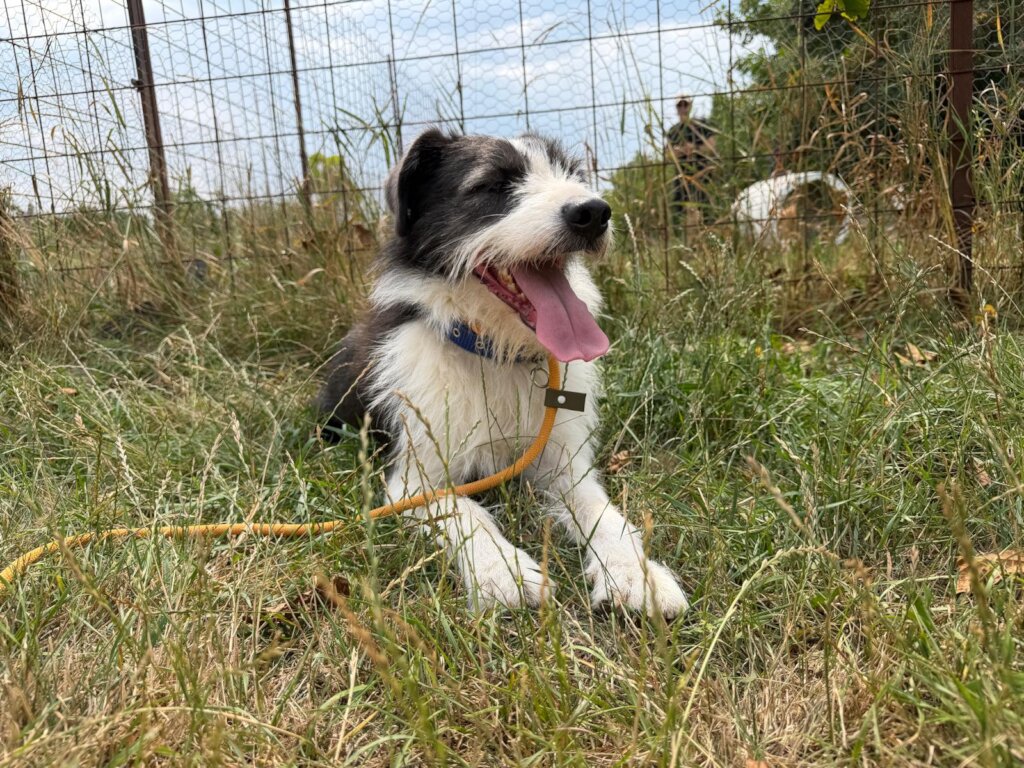
Behind the frightened dog was a gentle, playful, and affectionate personality waiting for the opportunity to emerge. As his confidence grew, he became increasingly sociable and comfortable around people and other animals.
Today, Lakota is ready for adoption.
The transformation between the dog who arrived at our care and the dog we know today is exactly why rehabilitation matters.
Saving Them Is Only the Beginning
Lakota represents many of the dogs we are trying to help.
Whether they are rescued from the streets or taken out of public shelters after being placed on euthanasia lists, many arrive carrying experiences that cannot be seen as easily as a wound or an illness.
A dog can be physically safe and still be terrified.
A dog can receive food every day and still be afraid of the person placing the bowl in front of them.
A dog can be rescued from euthanasia and still need weeks or months of dedicated work before being ready to live confidently in a family.
This is where the Dog Rehabilitation Centre becomes a crucial link between rescue and adoption.
The goal is not simply to keep rescued dogs alive. It is to help them become emotionally and behaviorally prepared for a different kind of life.
Through rehabilitation, dogs can learn to trust people, walk safely on a leash, socialize appropriately, overcome fears, interact with other animals, and gradually adapt to the experiences they may encounter in a family home.
This work also increases their chances of a successful and lasting adoption. Instead of sending a traumatized and unprepared dog directly into an unfamiliar environment, rehabilitation gives both the dog and the future adopter a stronger foundation on which to build their relationship.
From a Second Chance to a New Life
For dogs facing life on the streets or appearing on euthanasia lists in public shelters, rescue can literally mean the difference between life and death.
But we want their story to go further.
We want the dogs we save not only to survive, but to recover. Not only to leave a shelter, but to eventually enter a loving home. Not only to be given a second chance, but to be prepared to embrace it.
Lakota is proof of what can happen when rescue is followed by dedicated rehabilitation.
The frightened dog who once struggled to accept human contact can now play, socialize, walk on a leash, enjoy affection, and build relationships. Most importantly, he is ready to take the final step in his journey: finding his family.
None of this happens overnight, and none of it happens without resources. Rehabilitation requires appropriate facilities, experienced people, food, veterinary care, training, daily interaction, and, above all, time.
The support of our GlobalGiving donors helps make this journey possible.
Every contribution helps us continue rescuing dogs from the streets and from euthanasia lists in public shelters and provide them with the care and rehabilitation they need after they reach safety.
Lakota’s story reminds us that rescue saves a life, but rehabilitation helps that life begin again.
Thank you for helping dogs like Lakota move from fear to trust, from danger to safety, and, ultimately, from being rescued to being ready for a family of their own.
Project reports on GlobalGiving are posted directly to globalgiving.org by Project Leaders as they are completed, generally every 3-4 months. To protect the integrity of these documents, GlobalGiving does not alter them; therefore you may find some language or formatting issues.
If you donate to this project or have donated to this project, you can receive an email when this project posts a report. You can also subscribe for reports without donating.



Support this important cause by creating a personalized fundraising page.
Start a Fundraiser