By Samikshya Nepal/Rudra Neupane | Communication officer/Program Manager
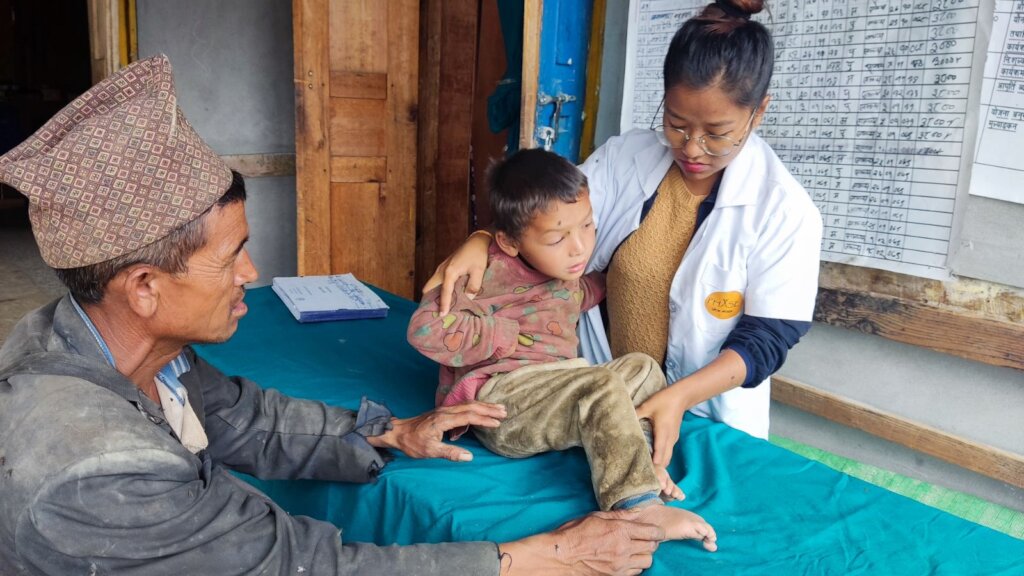
Jajarkot, located in Nepal’s remote Karnali Province, is among the country’s most vulnerable districts, where difficult geography, limited access to services, poverty, and frequent exposure to natural hazards continue to affect people’s lives. These vulnerabilities were further intensified for everyone by the devastating 2023 earthquake, which caused significant loss of life, damaged homes and livelihoods. Living was further challenging for persons living with disabilities in remote locations like Barekot which has only seasonal road access.
PHASE Nepal has been working in remote and underserved communities for nearly two decades, with a particular focus on improving access to health, education, livelihoods, and essential services. PHASE Nepal recently expanded its work in Jajarkot through a community health project in Barekot Rural Municipality, supporting communities affected by the earthquake.
As part of this work, PHASE Nepal conducted a household-level survey in Barekot in April–May 2025 to better understand the needs of communities. This survey also helped identify people with disabilities and their families. The survey identified 82 persons with disabilities across 74 households. Many families reported challenges in accessing assistive devices and essential supplies, while some also expressed difficulties meeting basic needs such as food, clothing, and medicines.
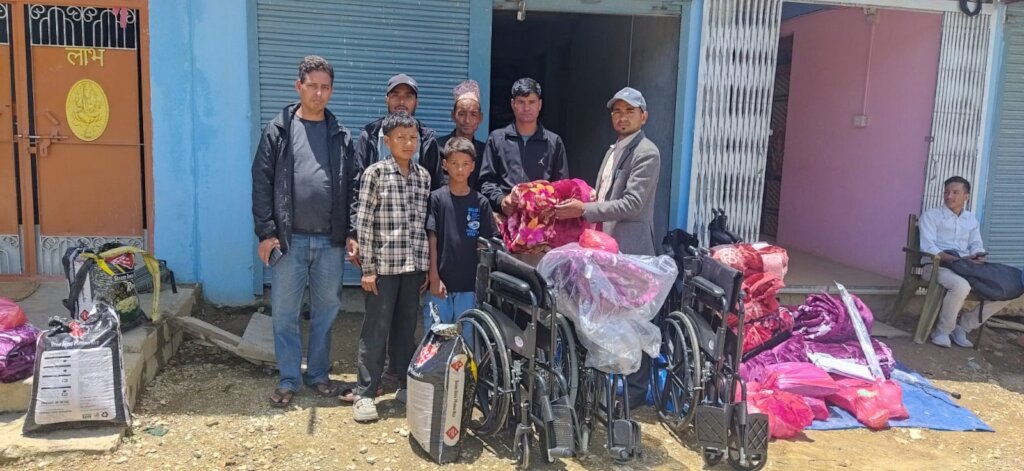
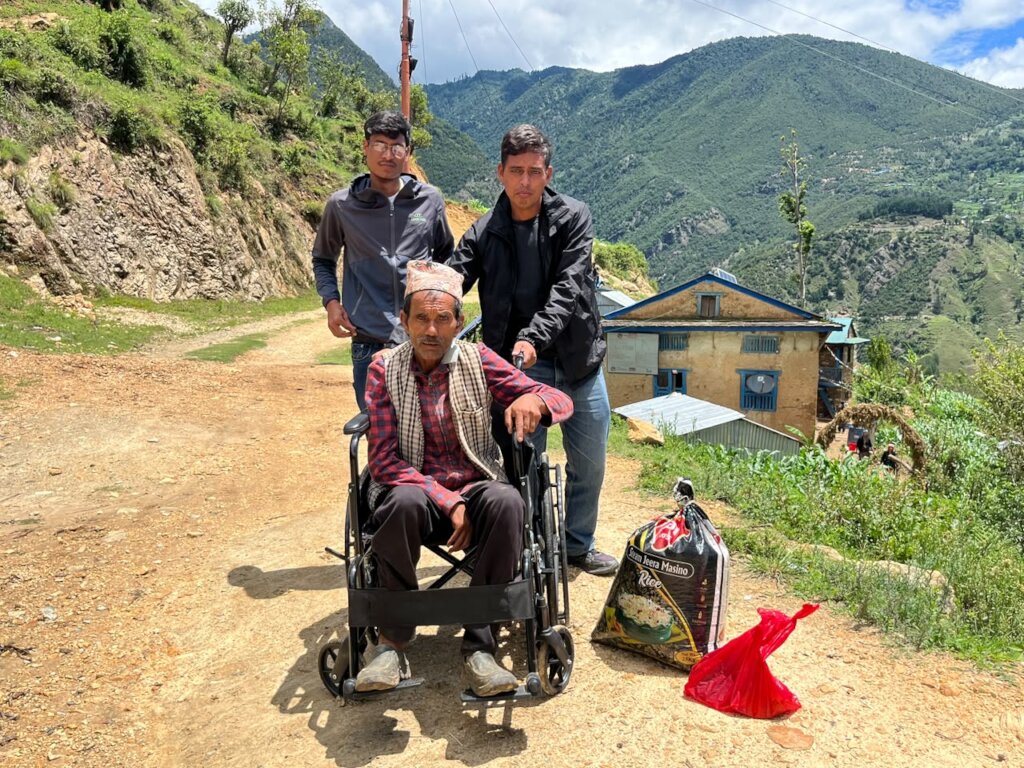
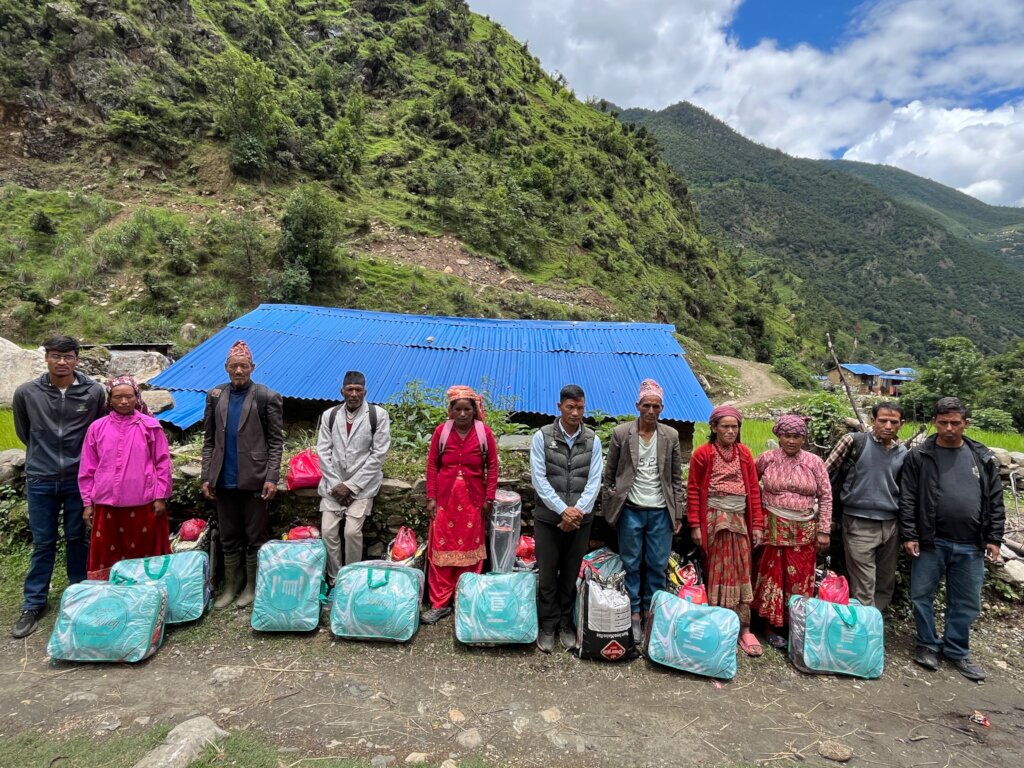
Based on these findings and consultations with community members, PHASE Nepal recently provided support to 61 persons with disabilities. The assistance included a range of assistive devices according to individual needs, including walking sticks for three people, crutches for six, wheelchairs for eight, and a walker for one person. Beneficiaries also received food items (Rice, cooking oil and salt) and one piece of blanket to help address immediate household needs.
Recognizing that access to medicines can also be a significant challenge, 10 people received cash support to for their medicine. In addition, six students also received stationery materials to support their education.
The distribution was carried out in coordination with local government representatives, including the Rural Municipality Chairperson and Ward Chairpersons, strengthening collaboration between the community, local government, and PHASE Nepal.
For PHASE Nepal, the initiative represents more than the distribution of assistive devices and supplies. It is an effort to respond directly to needs identified by people themselves and to ensure that persons with disabilities in remote communities are not left behind.
PHASE Nepal is able to support people in need because of the continued support of our partners, donors, and well-wishers. We are grateful to Hamro Guthi, UK, and other individual supporters for making this initiative possible. We also thank ASIA, our implementation partner for the ongoing project in Barekot, for their continued support and cooperation.
We are also thankful to all our supporters and well-wishers, whose support allows us to reach vulnerable communities and provide support to people in need.
Project reports on GlobalGiving are posted directly to globalgiving.org by Project Leaders as they are completed, generally every 3-4 months. To protect the integrity of these documents, GlobalGiving does not alter them; therefore you may find some language or formatting issues.
If you donate to this project or have donated to this project, you can receive an email when this project posts a report. You can also subscribe for reports without donating.



Support this important cause by creating a personalized fundraising page.
Start a Fundraiser