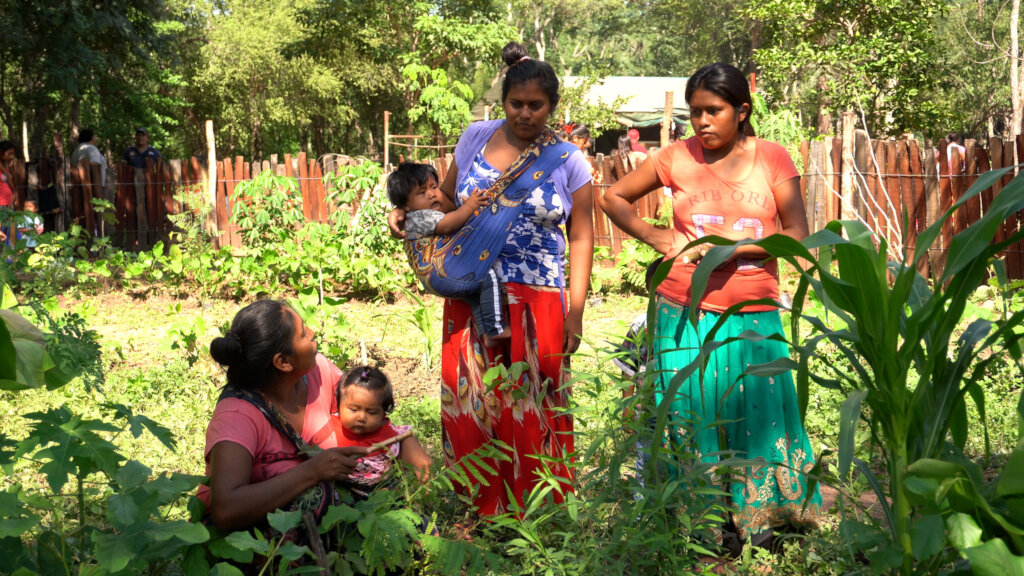
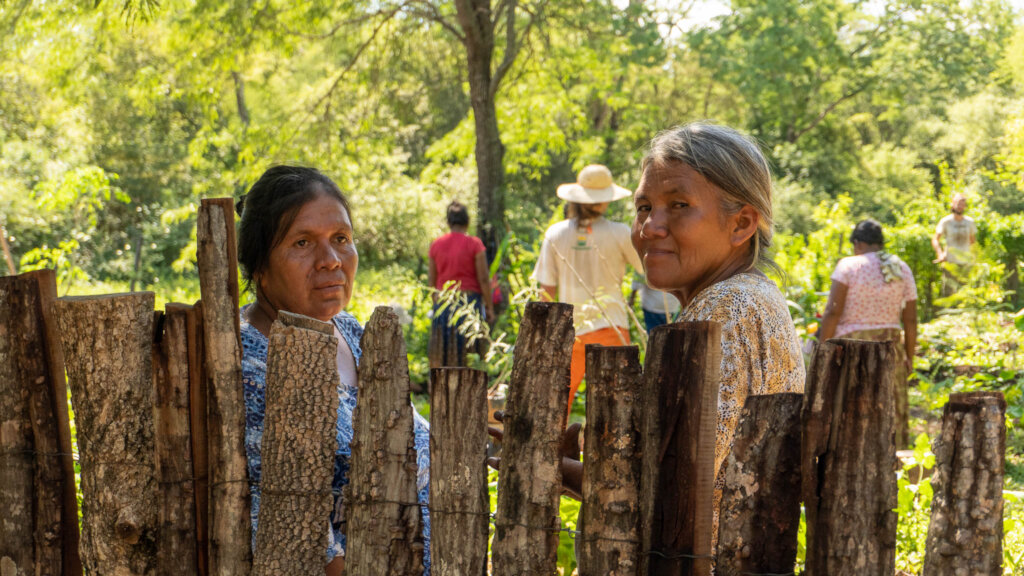
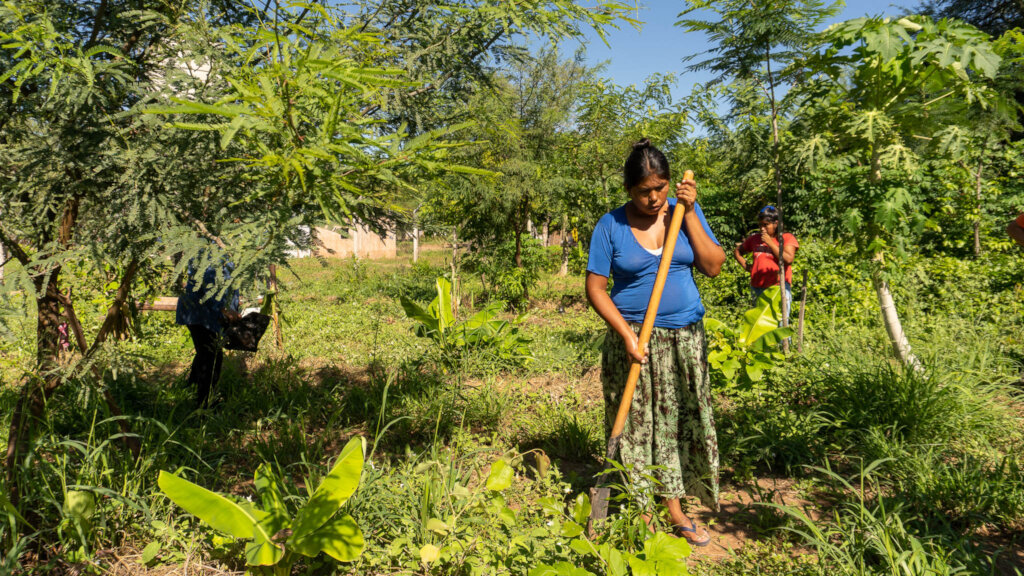
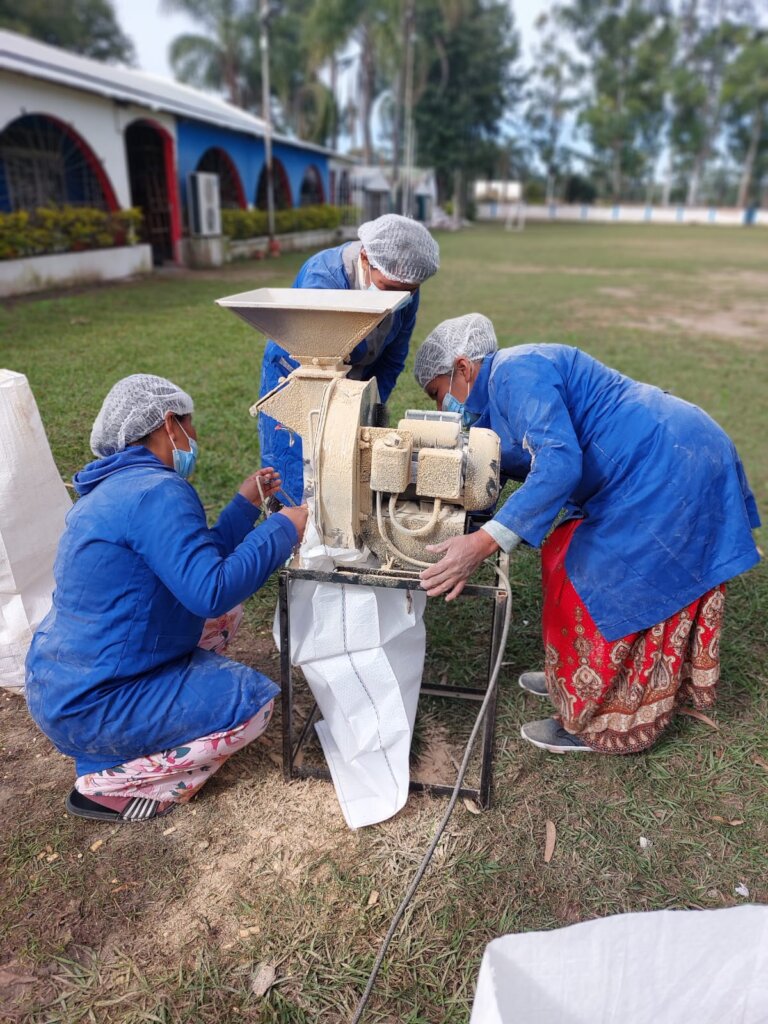
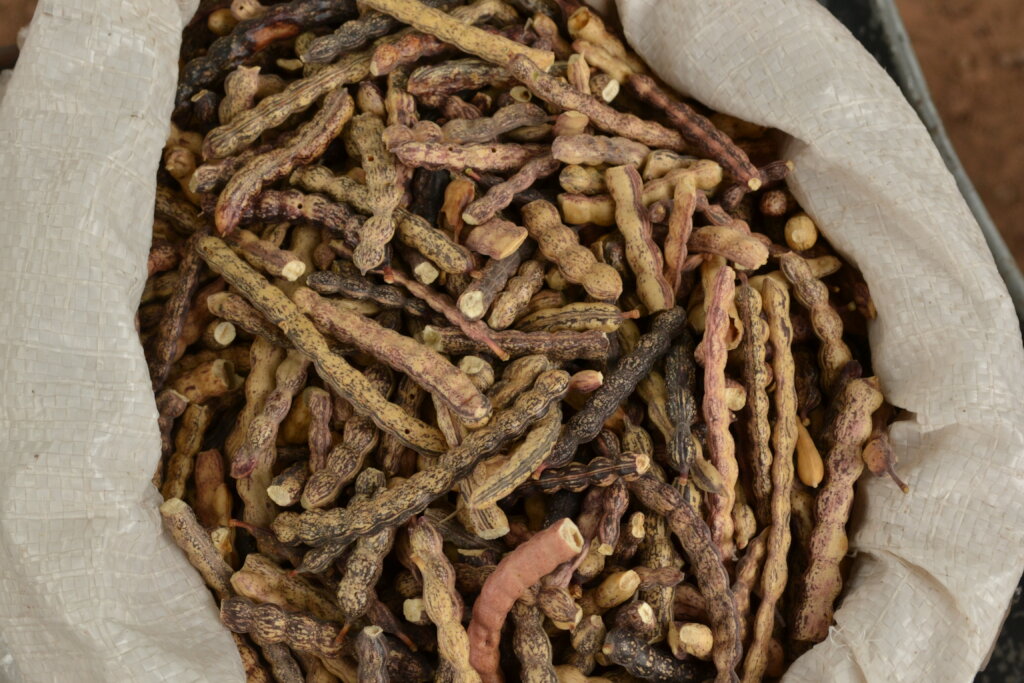
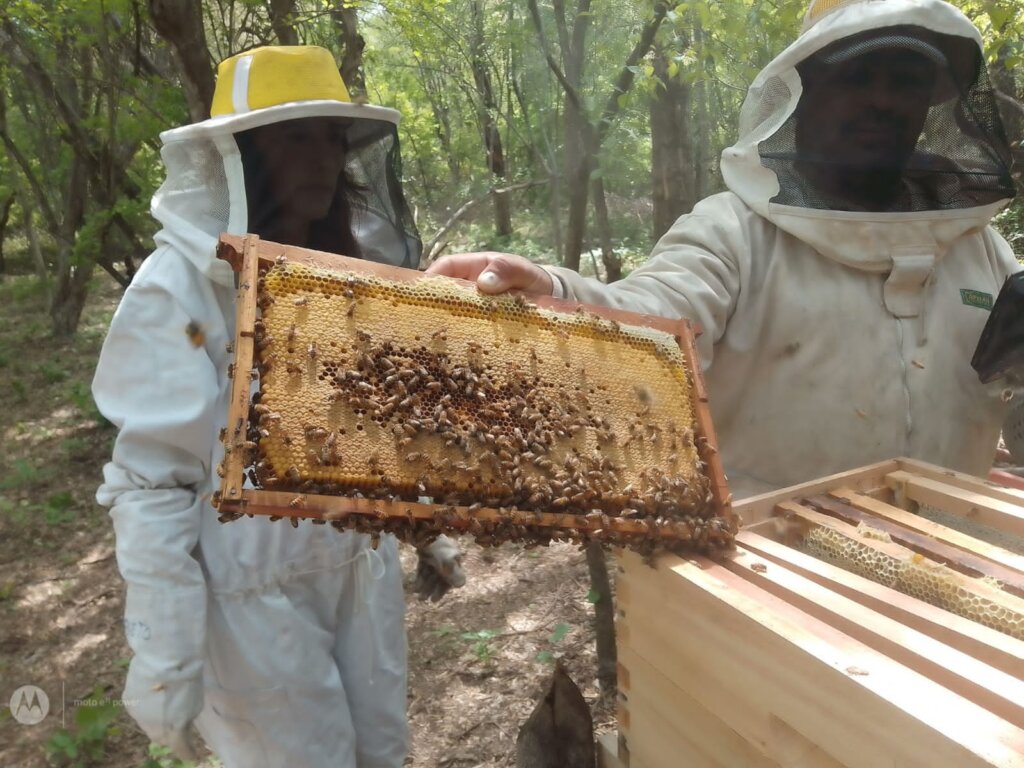
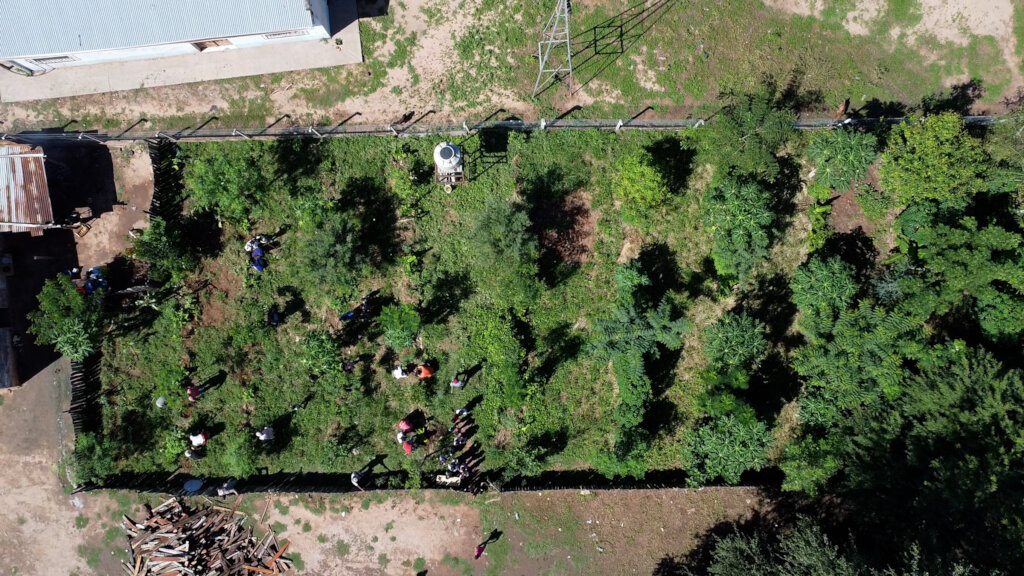
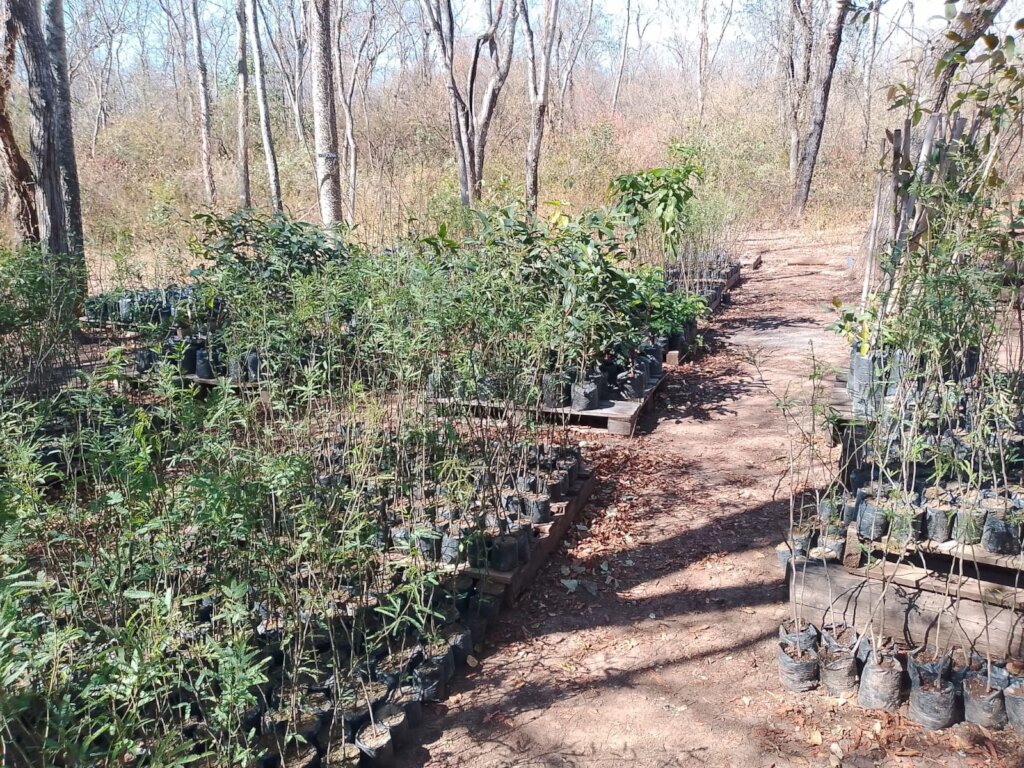
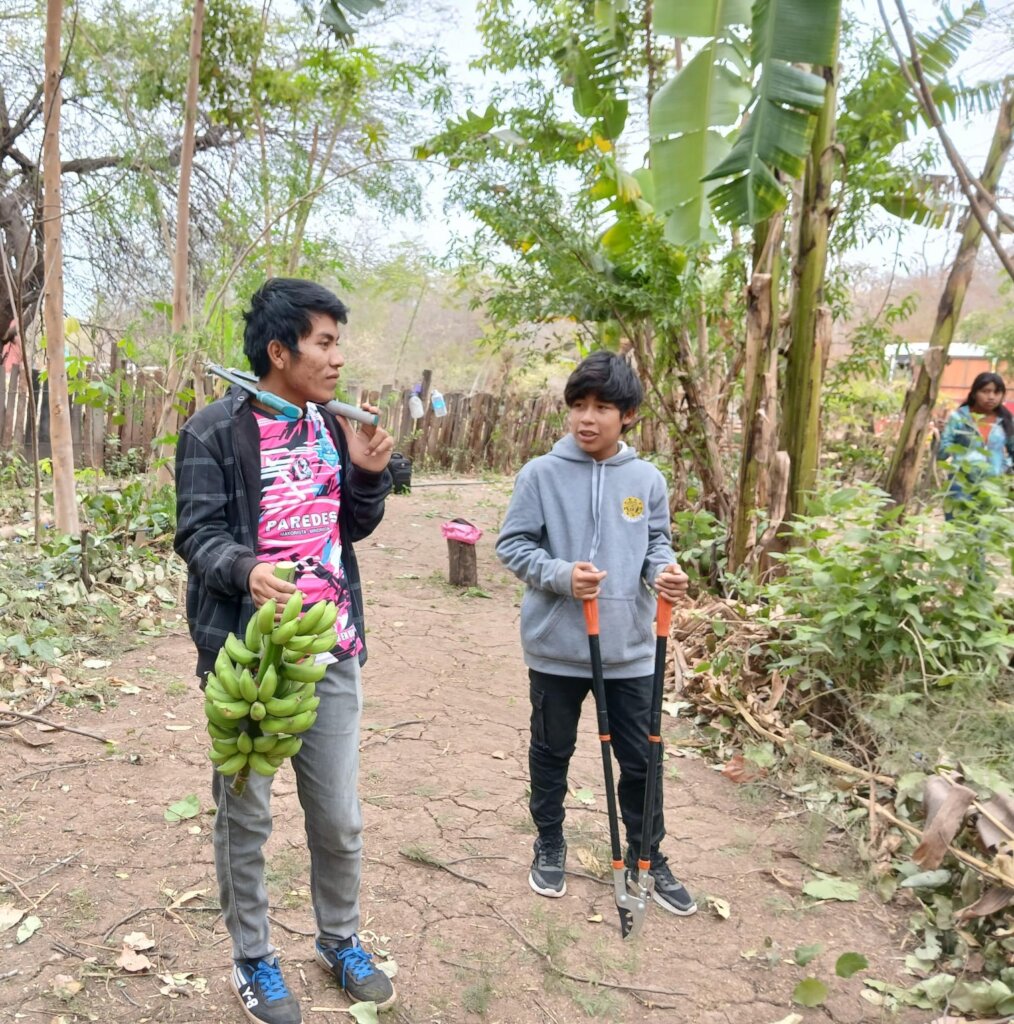
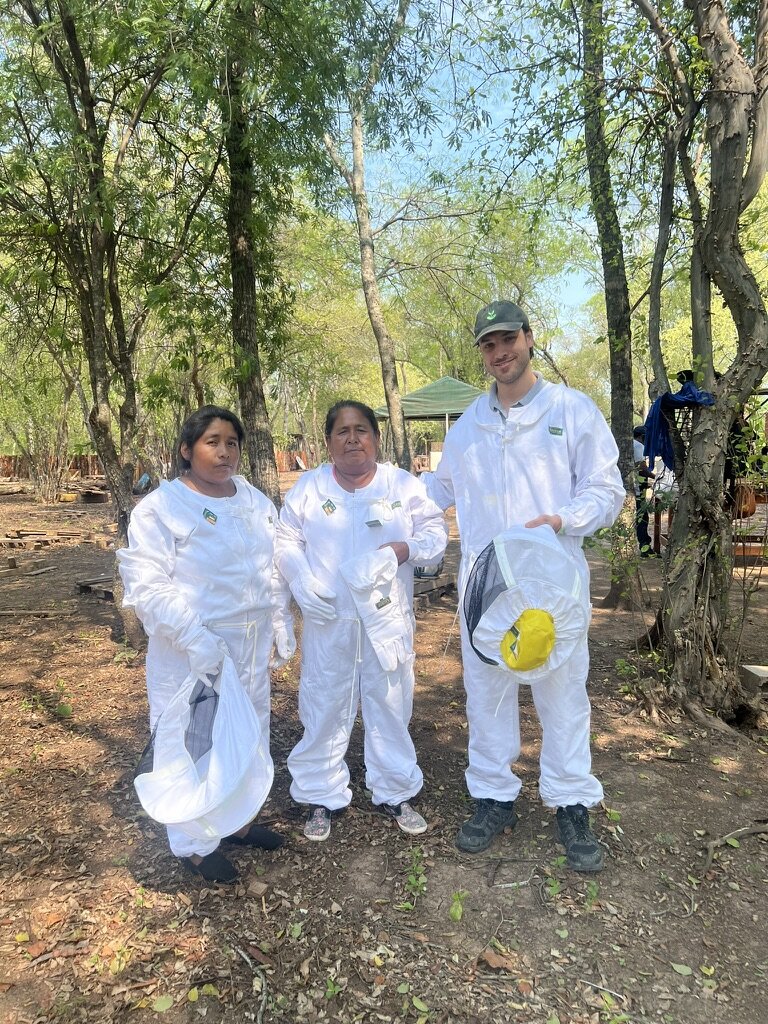
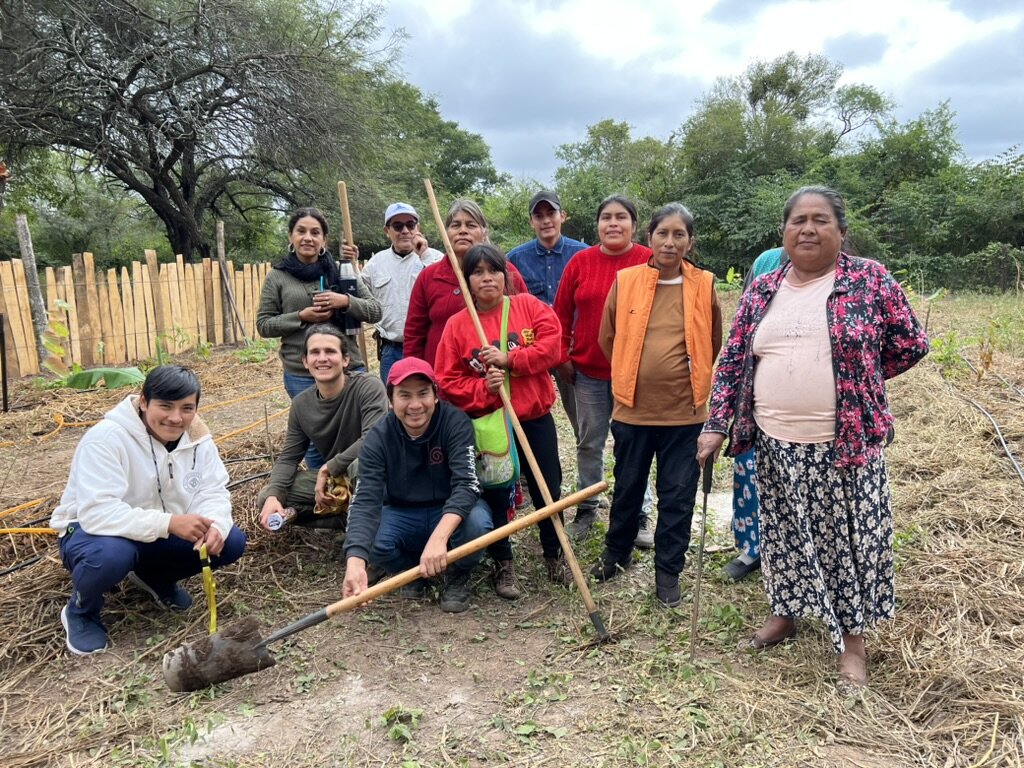
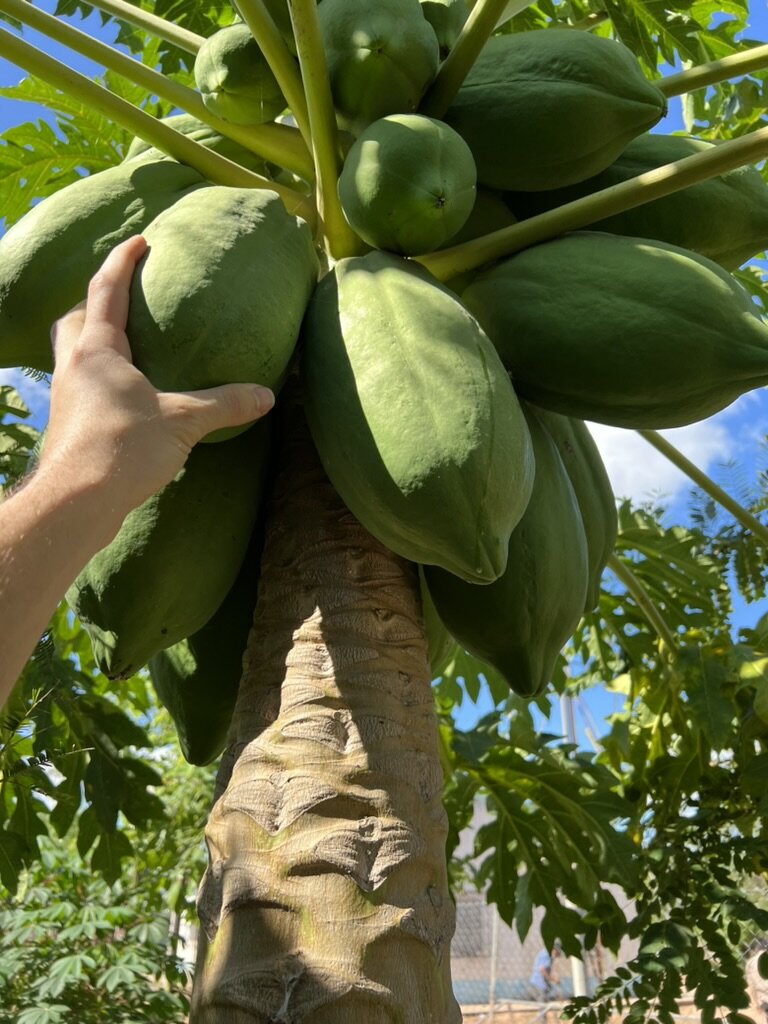
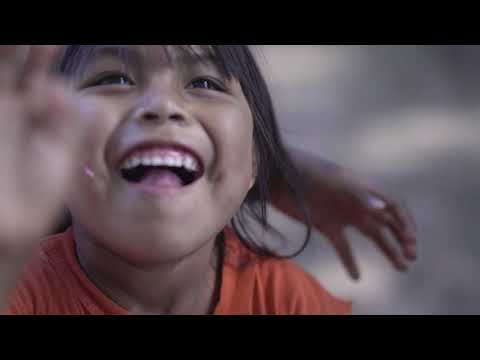
This project promotes Regenerative Food Production Systems through nature-based solutions rooted in Wichi culture, with a strong focus on youth and women's leadership. It trains local communities in agroecological agroforestry food systems, native nurseries, organic beekeeping, and regenerative non-timber forest products like Algarroba flour.
Over 80,000 Wichi people in northern Argentina face chronic food insecurity and lack of basic services. Structural deforestation and biodiversity loss-driven by extractive economic models-have eroded traditional livelihoods. Without access to land, tools, or resources, families struggle to produce fresh food and face growing climate and health vulnerabilities.
The project supports Wichi communities with tools and training to develop autonomous, culturally rooted food systems. Through agroecological agroforestry food systems, organic beekeeping, and processing of native forest products like carob flour, families strengthen food security while restoring degraded land. The model builds resilience without depending on extractive economies and promotes long-term well-being.
This project will improve food security, regenerate degraded forests, and empower Wichi communities with sustainable incomes. It reinforces cultural practices, reduces dependence on extractive systems, and builds long-term resilience to climate change and food insecurity in over 200 families. It will foster environmental stewardship, preserve traditional knowledge, and strengthen resilience to climate change-laying the foundation for long-term, community-led development.



Support this important cause by creating a personalized fundraising page.
Start a Fundraiser