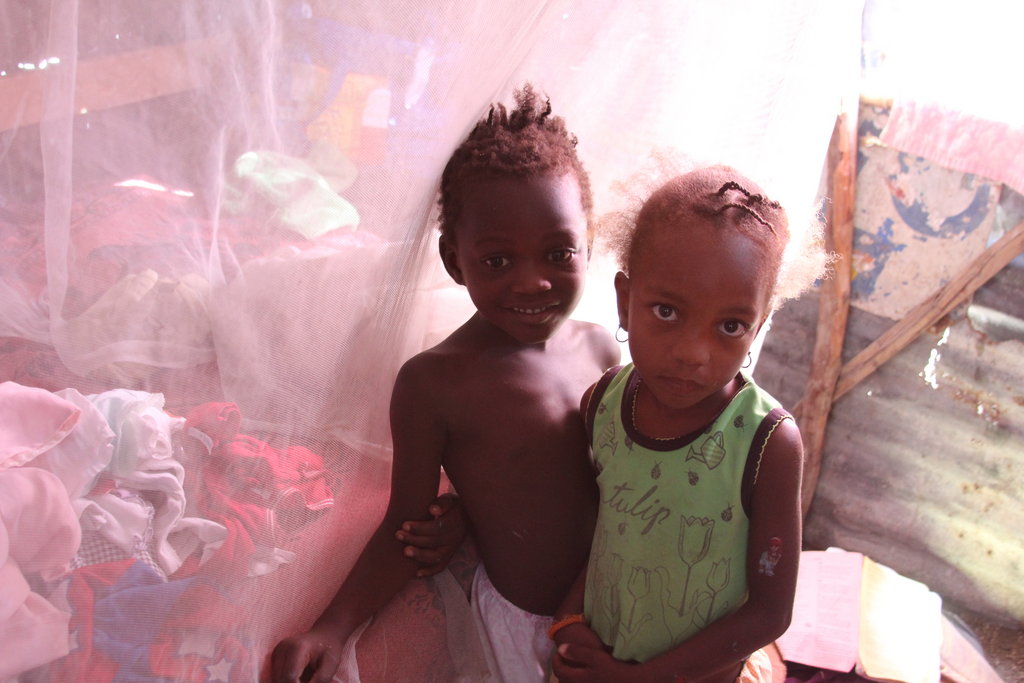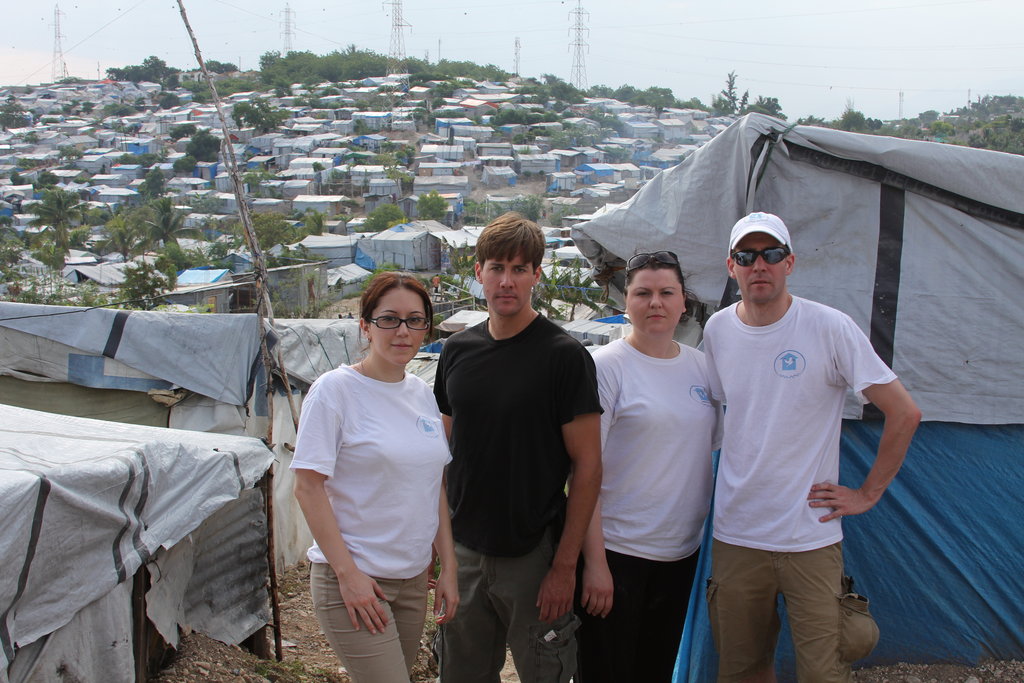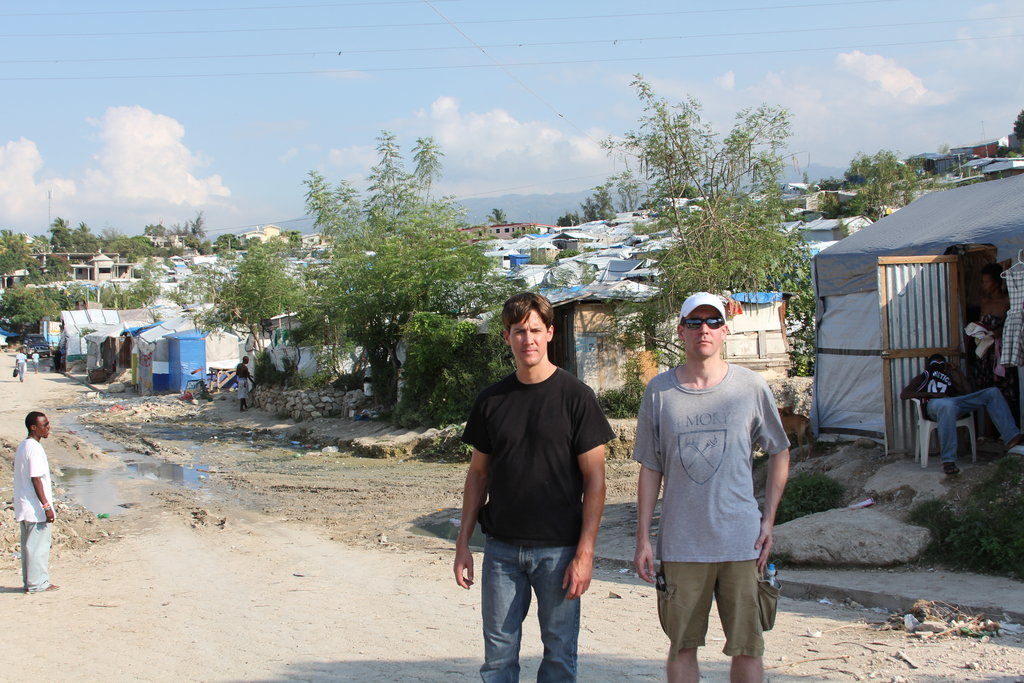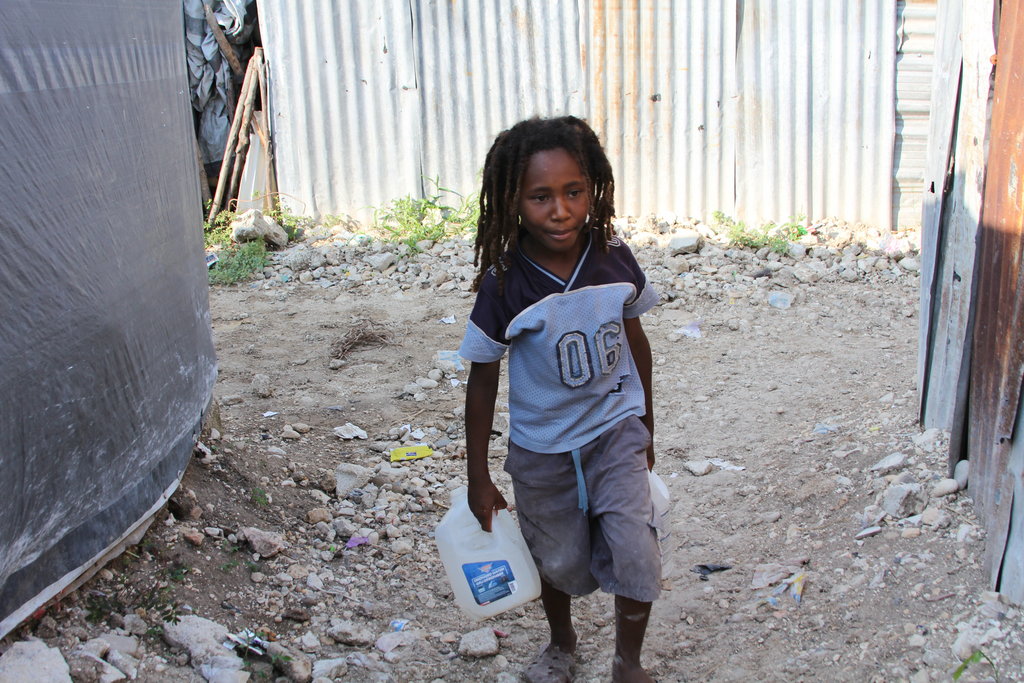
This project will create an environmentally sustainable, durable, living environment for refugees that can be broken down, moved and rebuilt in a different location for post-conflict and natural disaster scenarios. These camps will also provide proper, temporary facilities such as water purification, sanitation, education, and medical facilities.
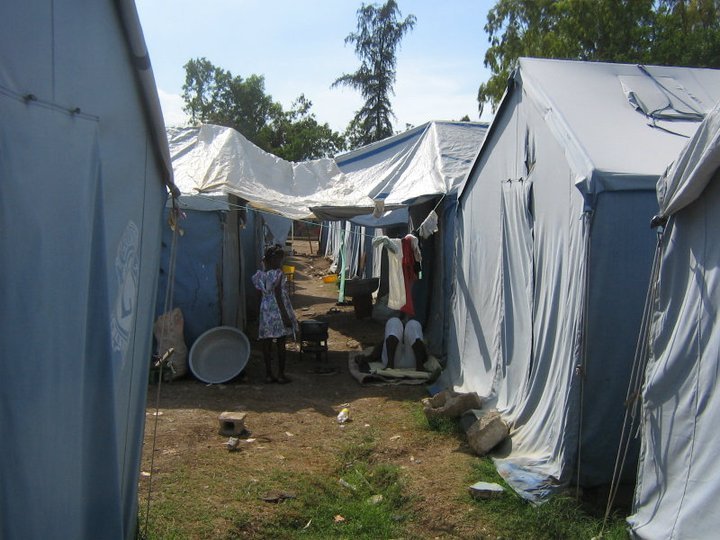
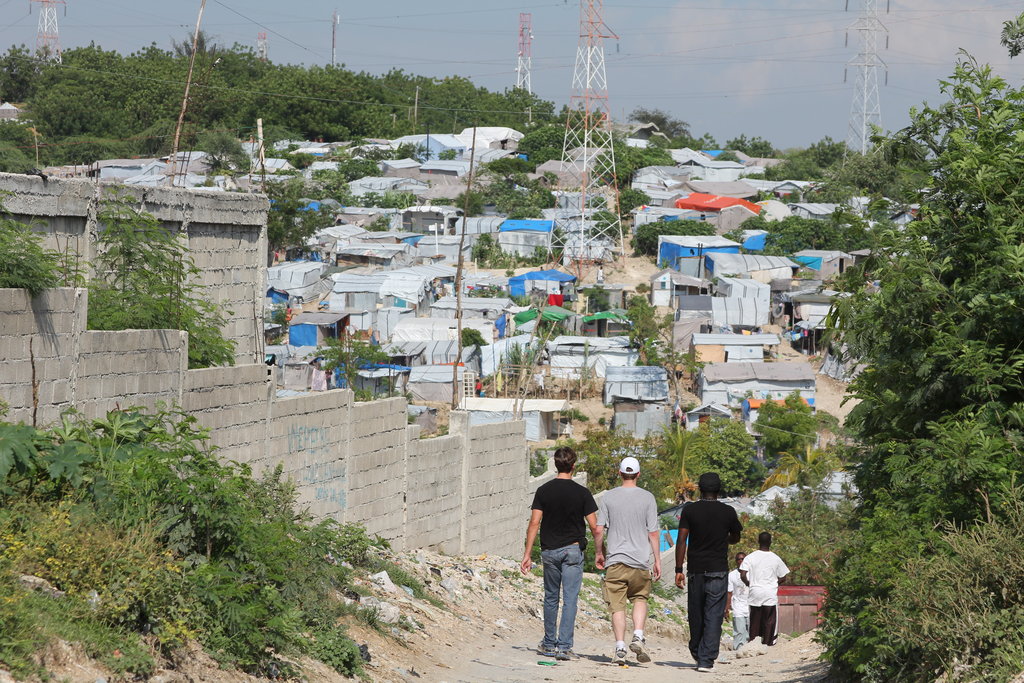
Seen above, the international community is facing the issue of providing proper housing for 14,664,000 refugees and internally displaced persons. The materials used for shelters are often of poor quality and poor sanitation leads to disease. One example is the current situation in Haiti where their shelters have been destroyed by the hurricanes that have hit the island nation following the earthquake in January 2010. This project will affect millions of refugees in various areas of the world.
The pilot project provides sustainable and durable housing for refugees that can be broken down, moved to a different location, and rebuilt. Currently, most materials for refugee camps last about 8 to 12 months; ours will last 8 to 12 years. The materials are high quality and participants are taught how to build and break down the shelters. This project will solve the problem of cost effectiveness. Our goal for people is not only to help them survive in refugee camps, but also to thrive.
The project will provide rapid response housing for 100 refugees that can be multiplied to include larger numbers of people. We will be able to react much more efficiently to disasters, man-made or natural, and provide temporary, proper housing. This will improve the standards and methods used to design, construct, and manage refugee camps in the future.
This project has provided additional documentation in a Microsoft Excel file (projdoc.xls).