By Dr. James A. Danoff-Burg | Project Leader
Howdy all,
It's been an interesting process here in getting our efforts to reduce demand for rhino horn to take off. Although our domestic program in the US, centered on Southern California has not been so successful, we have had great success internationally.
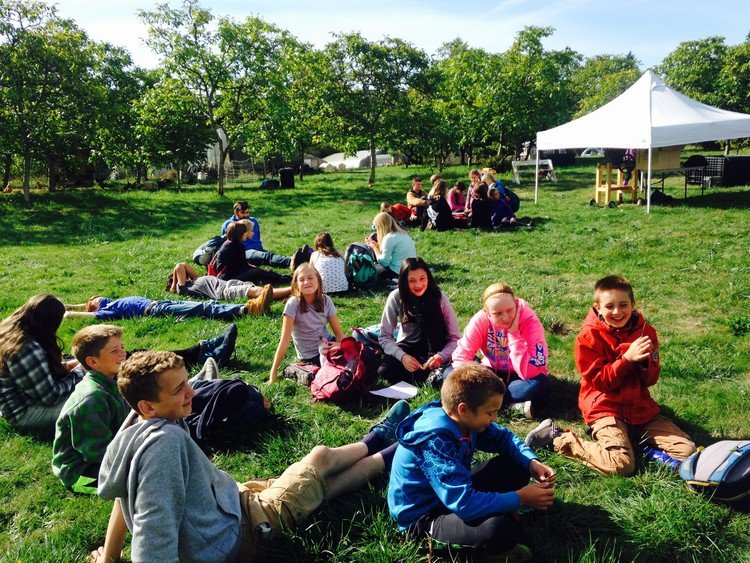
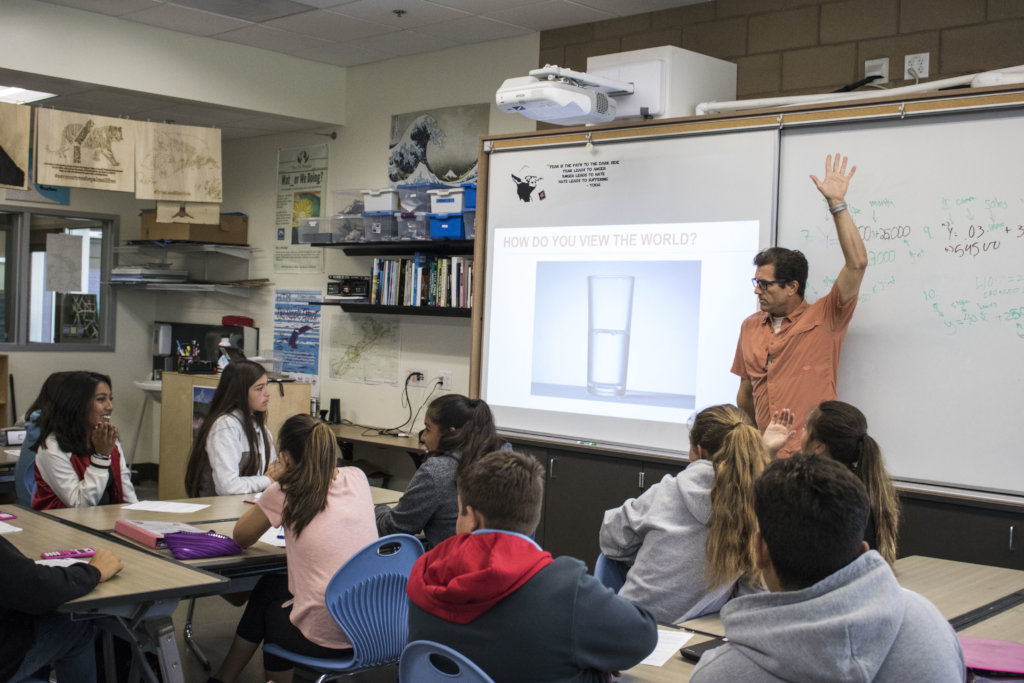
Domestically in the US, we have had some challenges in getting classroom teachers to adopt our curriculum, despite sending out several invitations to teachers and their principals in school districts across Southern California. We are realizing that part of this is our own fault. We made the early decision to use Google Classrooms for disseminating the materials, as that would allow teachers to communicate with each other on the bulletin board. However, we have come to realize that the Google Classroom platform, good as it is, has become a barrier for teacher adoption of the curricula.
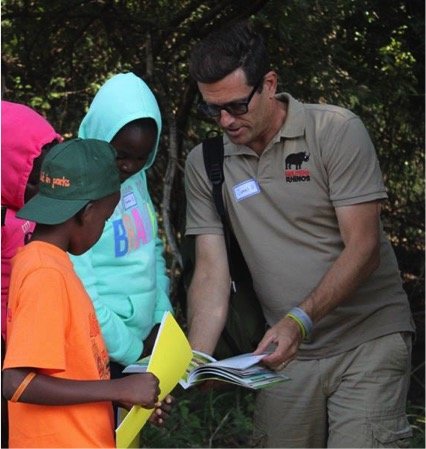
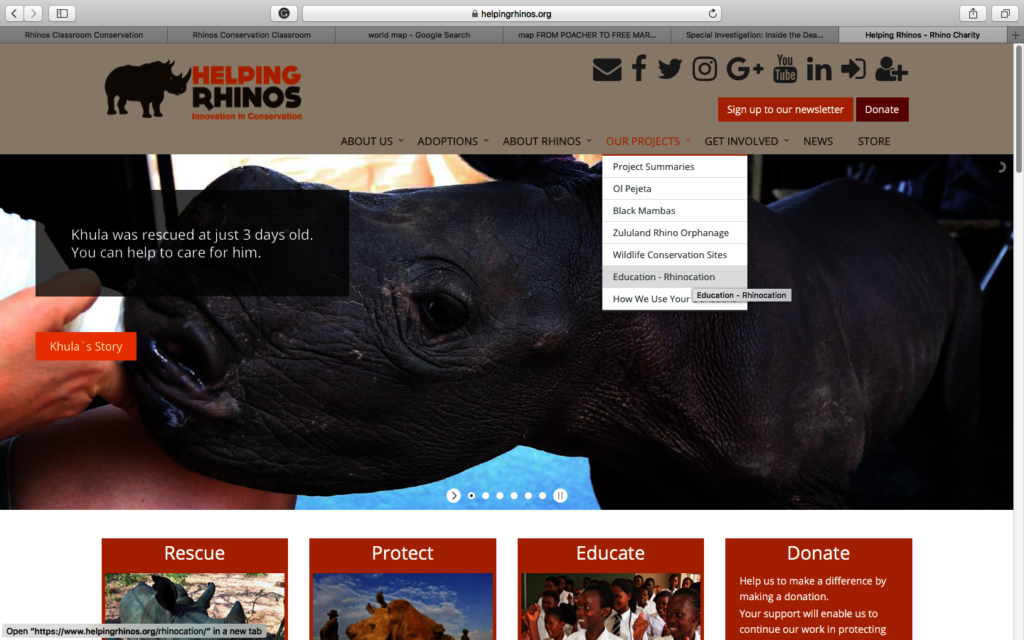
As such, we are moving over to simply hosting the curricula on our www.helpingrhinos.org education page. Separately, we at Helping Rhinos have created a primary school curriculum and activity book that has been hugely successful, having been adopted for use by almost 100 classrooms all over the world. We have great hopes that we will meet with a bit more success in teachers adopting the curricula in this format, even if the value of the discussion boards is lost by doing so.
All that said, we have had great success internationally in spreading the message. For example, Wild Nature Institute, working in Tanzania is really interested in using our curricula in their education and outreach efforts in that lovely country. We have also been in discussions with the Black Mambas Anti-Poaching Unit, as their education branch called the Bush Babies in South Africa are really interested in using these innovative materials to teach. Similarly the Living Desert Zoo and Gardens is in the process of reviewing the curricula for their use in their on-grounds teaching and teacher training.
We are optimistic and hopeful that with your help, we will help to reduce the demand for rhino horn in the US with some small tweaks to our approach - you live and you learn - and generate a generation of rhino conservationists!
Best to you all and thanks for being part of our team!
Project reports on GlobalGiving are posted directly to globalgiving.org by Project Leaders as they are completed, generally every 3-4 months. To protect the integrity of these documents, GlobalGiving does not alter them; therefore you may find some language or formatting issues.
If you donate to this project or have donated to this project, you can receive an email when this project posts a report. You can also subscribe for reports without donating.