By Dr. James Danoff-Burg | Project Leader
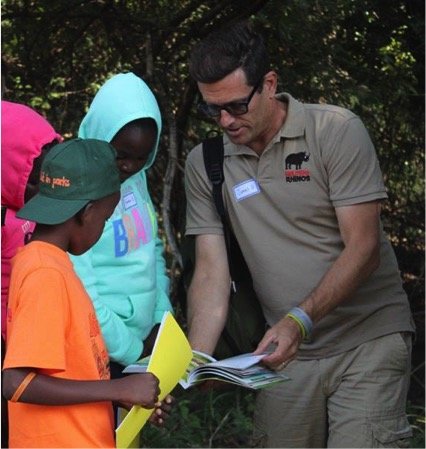
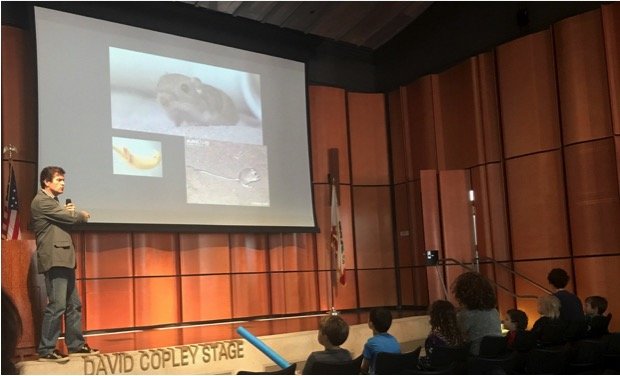
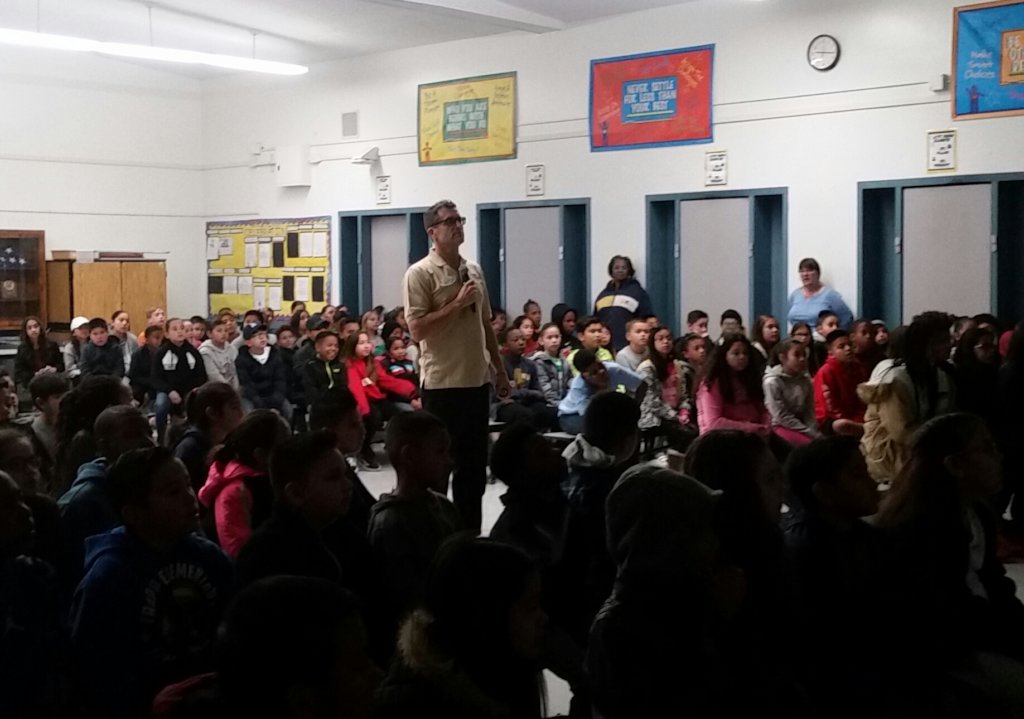
We have had some success over the last few months in rolling out the Demand Reduction Curriculum in the US - and also in South Africa!
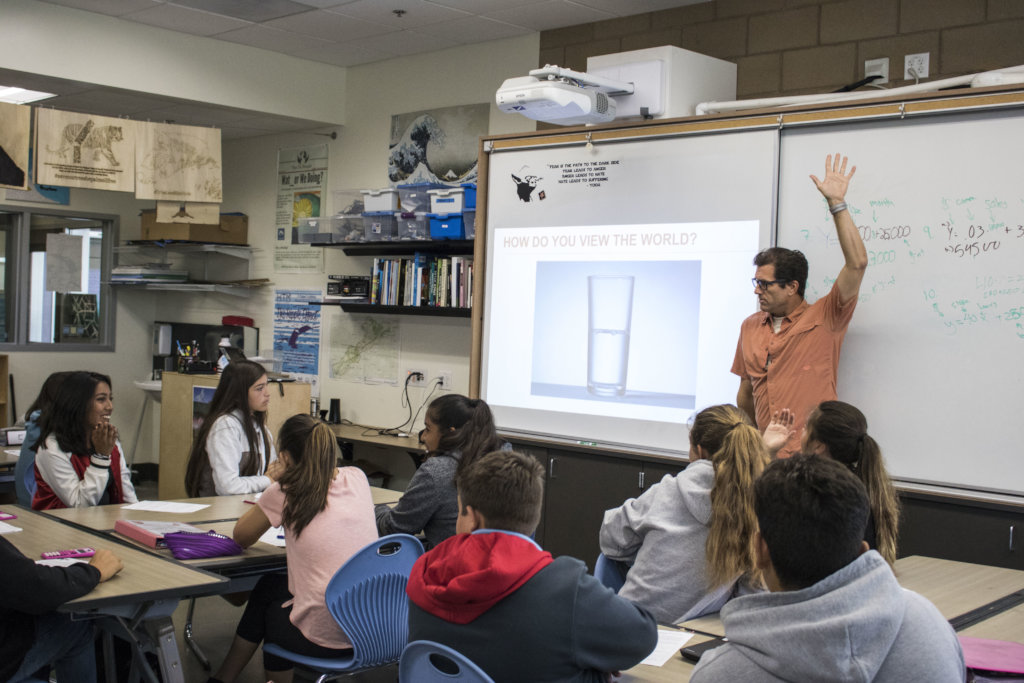
It has been a bit challenging recruiting teachers to participate in the program in Southern California, as many have already created their curricula for the spring of 2018. To address this, we have been instead reaching out to teachers for the Fall of 2018, which has led to some greater success in enlisting teachers, and thus schools. We have also retained the services of a globally-renowned educator for the fall of 2018. We are confident that this new approach will help us be even more effective!
As you know, Southern California is one of the regions with the greatest consumption of rhino horn in the US, so this has been our main focal point. However, due to our successful collaboration with the Bush Babies Educational program in South Africa, through our involvement with the women's Black Mambas Anti-Poaching Unit, we are going to be rolling out our curriculum in Limpopo Province of South Africa as well for high-school aged students. The implementation of the curriculum will change a bit given that South Africans are not end-users of rhino horn. The focus will shift a bit to be on the impacts of trade in rhino horn, which is a major focus of two of our curricula at present.
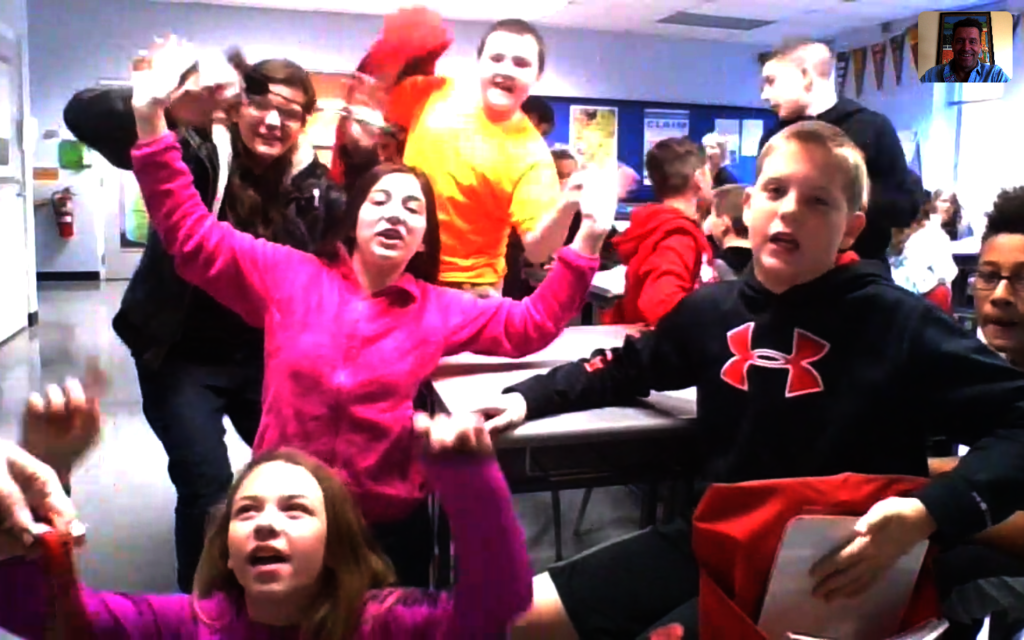
We are grateful to the 8 Primary and Middle schools in Southern California who have either participated or have signed on for next year!
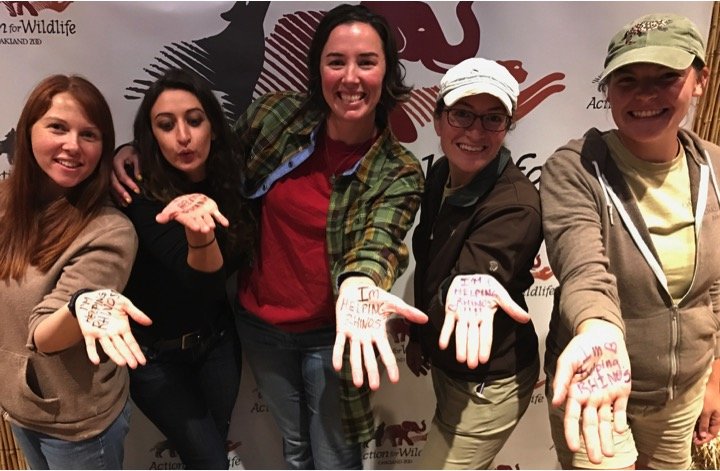
Stay tuned, and thanks for all you've done to help us make this important effort to address demand for rhino horn at the source. If we are able to reduce demand, we can reduce the value of the horn, and thus the demand for poaching! Rhinos can then live without the dreadful pressure of poaching!
Project reports on GlobalGiving are posted directly to globalgiving.org by Project Leaders as they are completed, generally every 3-4 months. To protect the integrity of these documents, GlobalGiving does not alter them; therefore you may find some language or formatting issues.
If you donate to this project or have donated to this project, you can receive an email when this project posts a report. You can also subscribe for reports without donating.