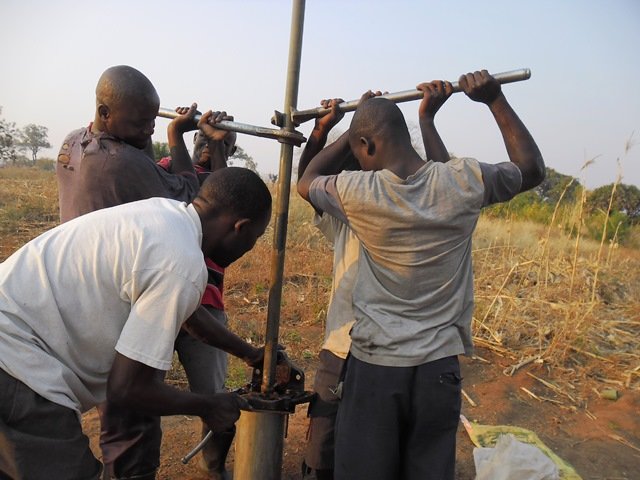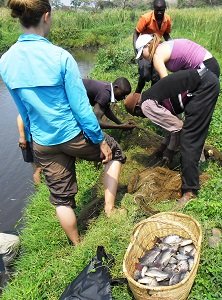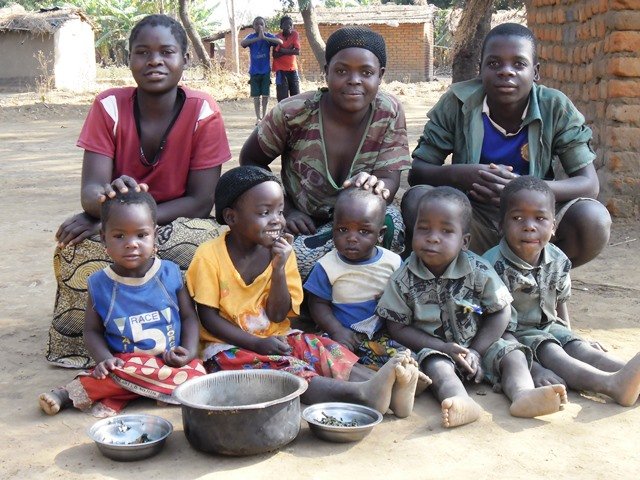
Youths in the Kalichelo area of Eastern Province, Zambia typically eat once per day and teens trade sex for food, money, or clothing. This projects aims to improve youth food security and reduce their risk of contracting HIV through providing 500 rural youths with integrated fish farming, aquaponics, horticulture and entrepreneurship training. This program will also establish an online HIV information exchange and education platform to educate the community.
Severe food insecurity perpetrates high-risk sexual behavior amongst girls, women, orphans and vulnerable children. These groups typically eat once per day and, due to food insecurity, they barter sex for food, increasing their exposure to HIV, STIs, and unintended pregnancies. Trainings in improved agricultural techniques such as aquaculture and horticulture that yield high-value crops will financially empower these youths, reduce their food insecurity, and reduce high-risk sexual behaviors.
Training youths in aquaculture and horticulture will enhance food security, improve household income, and reduce high-risk sexual behavior. Youths will receive training in HIV prevention and reproductive health. The establishment of an aquaponics center to enhance fish breeding and provide fingerlings to youths will ensure project sustainability through producing fingerlings for the project and for sale to other farmers, reducing donor-dependence and encouraging reinvestment into the program.
This project will educate 500 youths in aquacultural and horticultural techniques to produce high-value crops, thereby reducing food insecurity, improving their financial standings, and reducing their exposure to HIV.
This project has provided additional documentation in a PDF file (projdoc.pdf).