By Sheeba Sen | Secretary
THE MEDICAL MOBILE UNIT
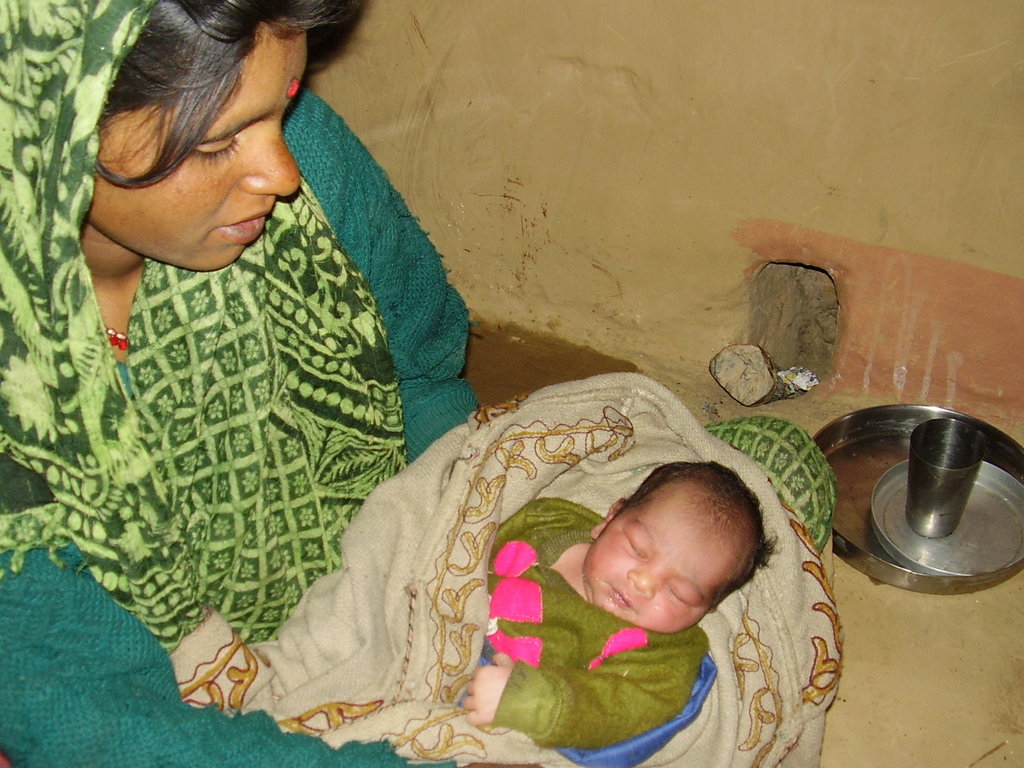
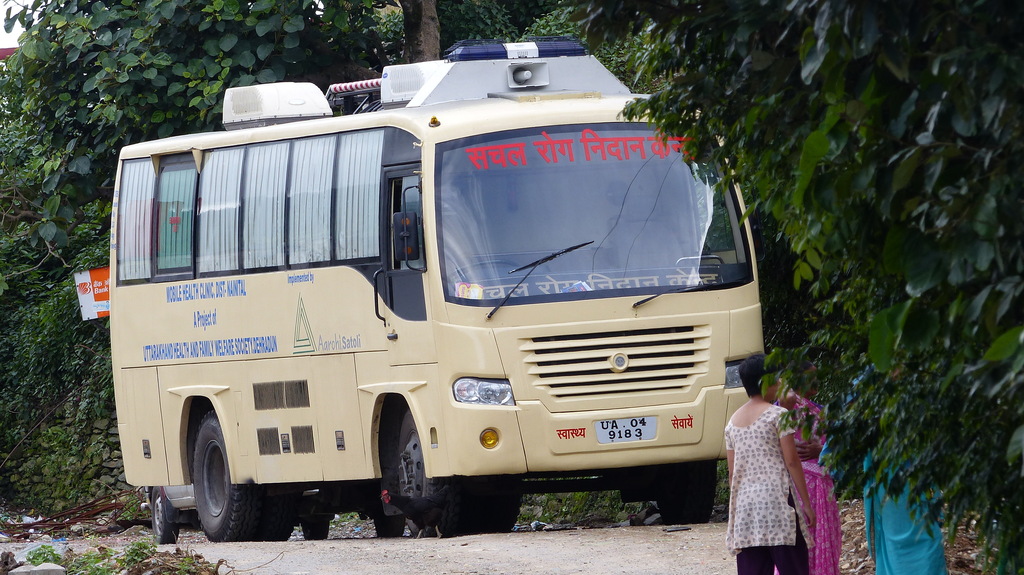
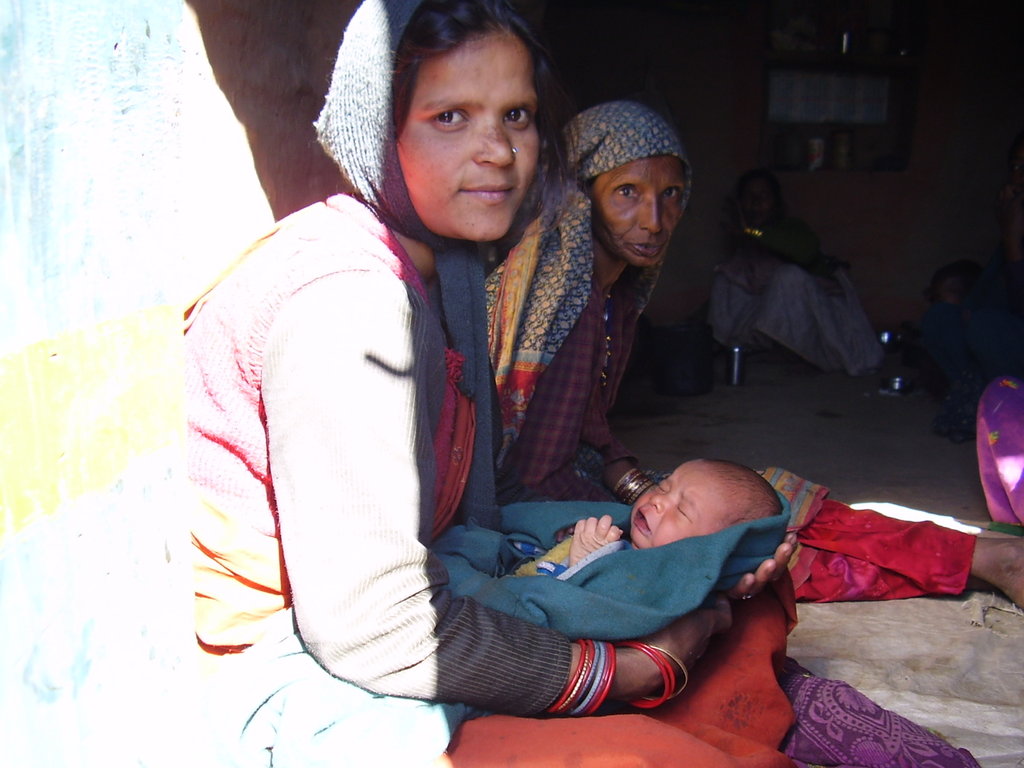
The Medical Mobile Unit (MMU) has 15 scheduled camps every month over 8 days, catering to the population of approximately 80 villages. The unit has the services of a lady doctor, a general physician, a lab technician, an X-Ray technician and a nurse cum pharmacist. Services provided are X-Rays, ECG, drug dispensation, laboratory tests for blood and sputum and family planning services. Over the past six months of its operation, the MMU has greatly added to the reach we have had to bring clinical services to some of the very remote villages in Okhalkanda Block of Naiintal District and support our community health program. It is also covering a large gap in the delivery of antenatal services that the government is unable to provide comprehensively.
To see hospital services data please see the attachment below titled CURATIVE HEALTH DATA
PINDARI CAMPS
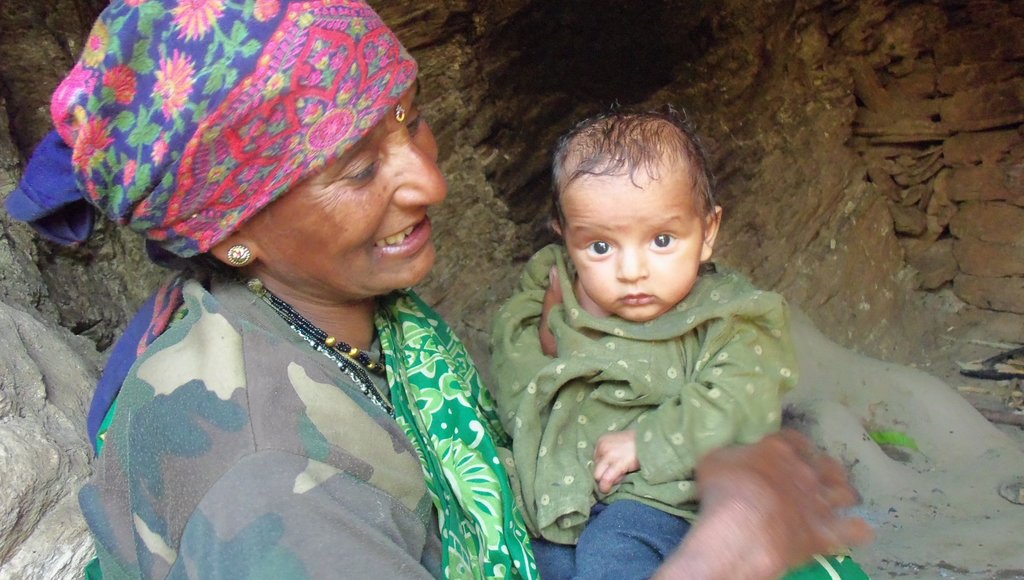
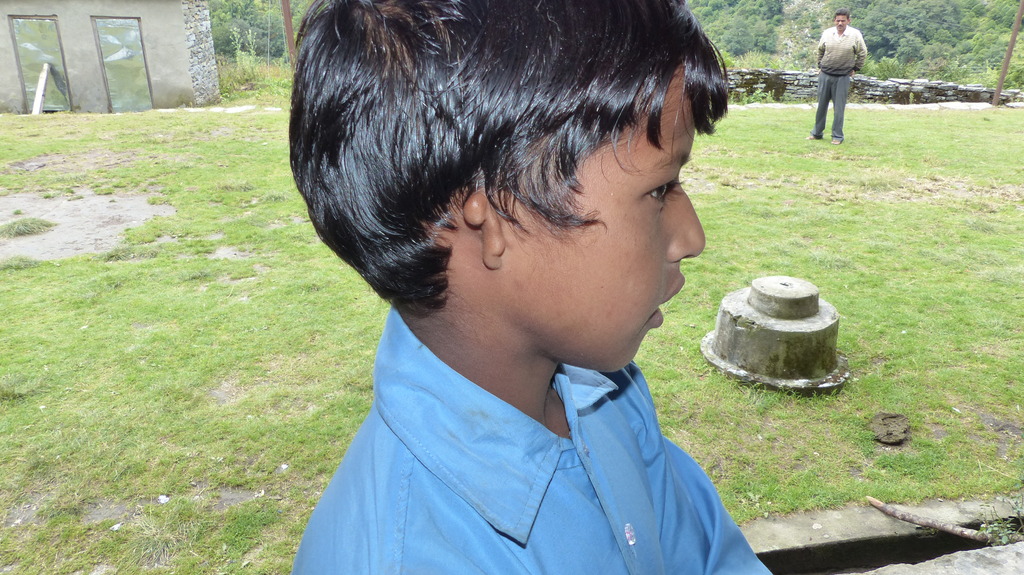
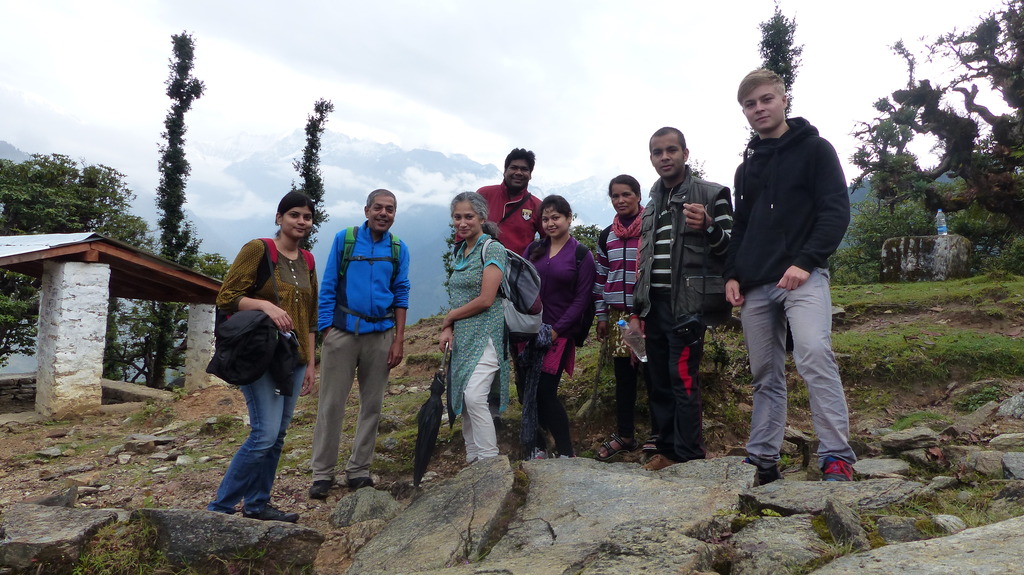
The Pindari health camps of Aarohi started in September 2009, a result of the efforts of our dear friend Pankaj Wadhwa. The bi-annual camps aim to provide basic but essential health care services and spread general health awareness in government schools largely bereft of teachers. These villages lie scattered on the trek route to the Pindari, Sunderdhunga and Kafni glaciers. They lie between altitudes of 2000 to 3000 m above sea level, and a good ten hours of a tough trek through mountain terrain from the road head, which itself is eight hours of difficult driving from our village headquarters in Satoli. A total of 9 camps have been done over the past 6 years. The focus now is on growth monitoring of some 200 children in 5 schools. Six monthly records of height and weight are done along with a complete medical and dental check-up. The medical team deworms the children and gives Vit A and Calcium supplements. Volunteers help conduct awareness sessions on personal hygiene and cleaning campaigns are conducted in the villages. Village out-patient care is conducted for the ill seeking treatment.
ENERGY
Our research in the energy sector has been driven by the need to improve the crude stoves and methods used in the region to heat homes and cook food, using wood as fuel. On average women spend 2-3 hours every day collecting fuel wood and in the Okhalkanda Block of Nainital District - our target area – the stoves used are virtually the same as those used by cave men. These burn wood inefficiently and fill the house with hazardous smoke which, after a lifetime of inhalation, causes compromised respiratory function and early death. In 2010 we started the construction of 'Improved Chullahs' (smokeless stoves). The focus was on reducing the amount of inhaled smoke in the house, especially by women and children. Over the last three years we have constructed 401 smokeless chullahs and this has been a period of intense learning for the community, the masons and us. We struggled with different designs as well as getting women to understand maintenance of these chullah and the benefits of a smoke-free home. We teamed up with ARTI (Appropriate Rural Technology Institute) of Pune and also brought in a much more scientifically designed chullah that used a fixed mold, allowing little room for error in construction. However an end-of-phase evaluation found that only 116 or 29% of chullahs were working and used well. The rest were either not in use or had been broken. An analysis of the situation revealed that the main reason for non-compliance was the mouth of the chullah. It was too small to puff the standard-sized `roti’ (Indian flat bread). Many women chose not to adapt and reverted to their old smoky chullahs. Another key reason was not a very aggressive follow up by the masons’ team, resulting in clogging of flue pipes with soot and smoking the house.
To see the Energy Project data please see the attachment below titled CHULLAH REPORT.
Project reports on GlobalGiving are posted directly to globalgiving.org by Project Leaders as they are completed, generally every 3-4 months. To protect the integrity of these documents, GlobalGiving does not alter them; therefore you may find some language or formatting issues.
If you donate to this project or have donated to this project, you can receive an email when this project posts a report. You can also subscribe for reports without donating.