By Michael Wanyama | Team Leader
Core funding for the full implementation of this project is still a major challenge. However, we're continuing selected activities by combining part of the last donations received through GlobalGiving with a small grant from Our Kids’ Climate. This support is helping advance school-focused vehicle emissions data collection to better understand transport-induced pollution and potential exposure among school-going children.
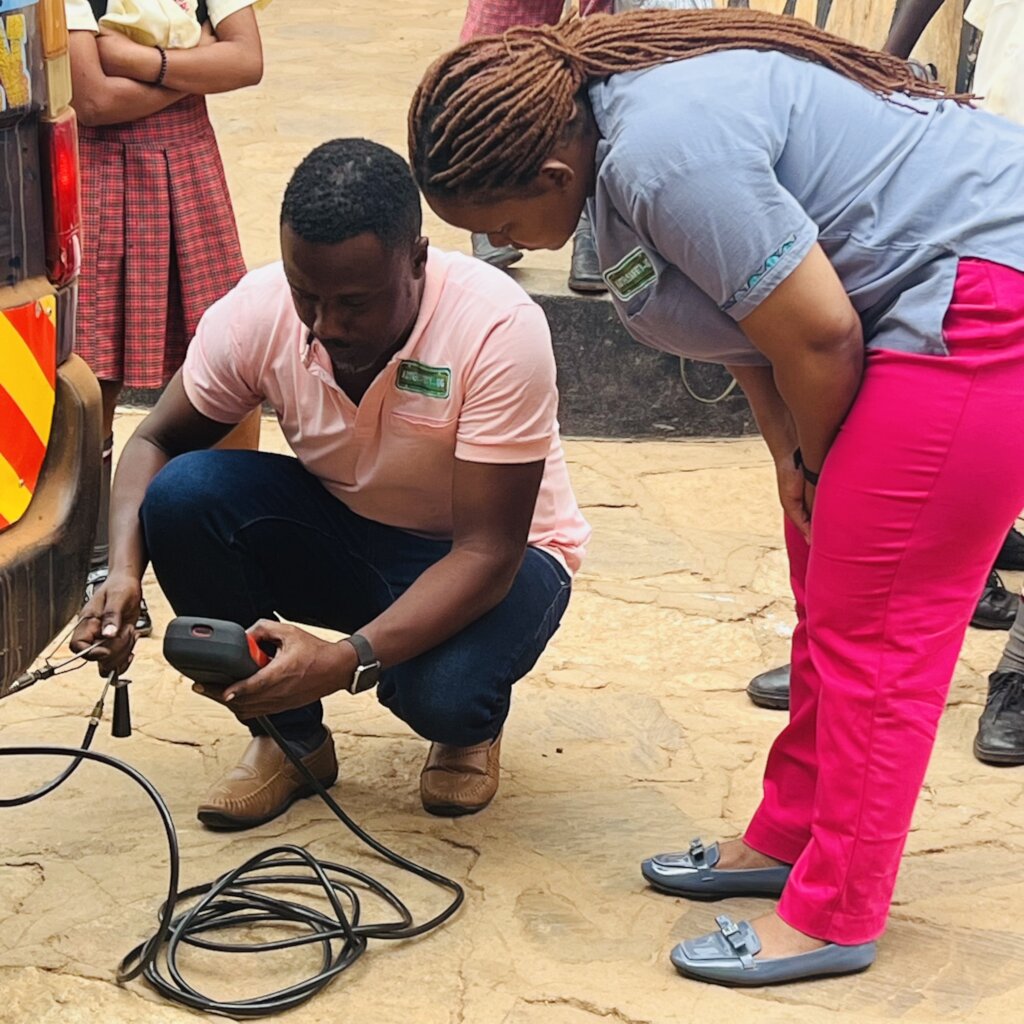
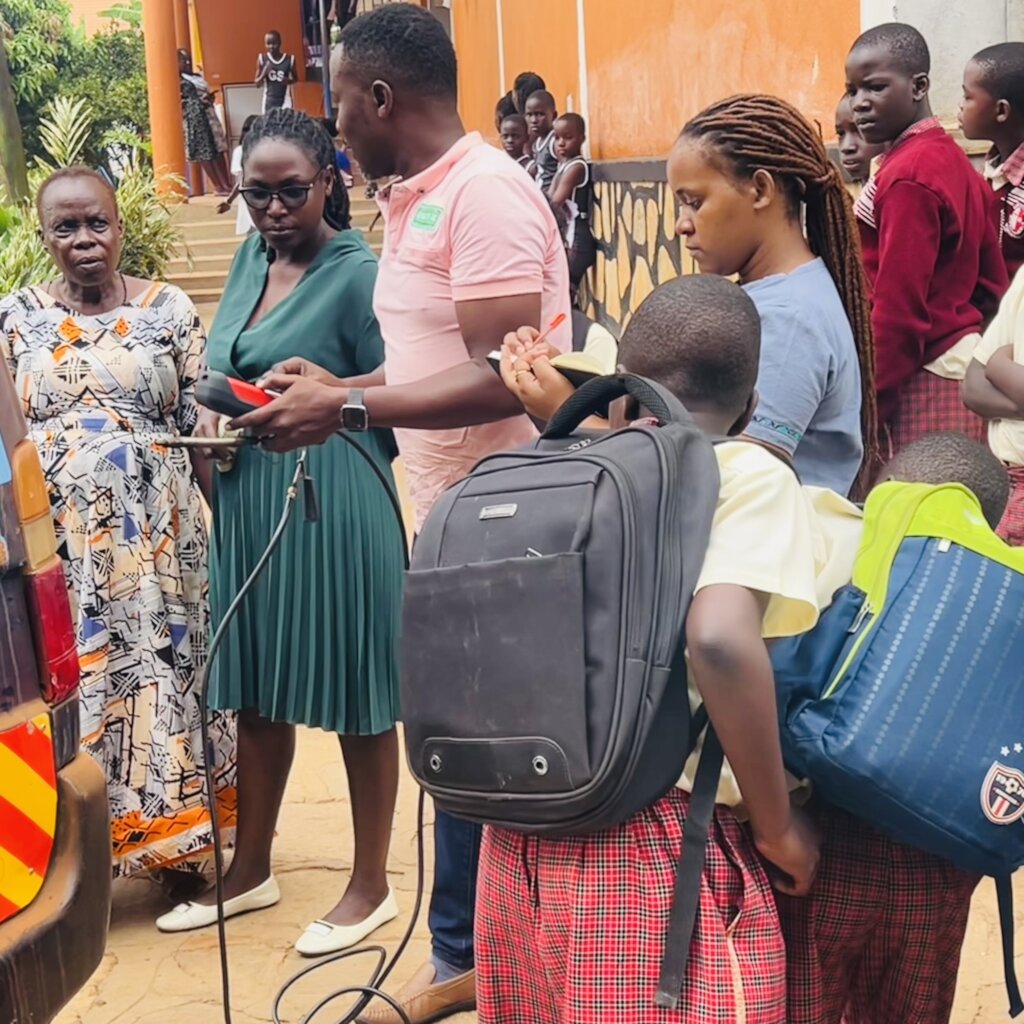
Our team is testing vehicles used for school transport and engaging school communities in understanding the work. The accompanying photographs show tailpipe testing on a school transport vehicle, with team members recording information and explaining the process to those present. Bringing these assessments into schools makes the connection between vehicle maintenance, exhaust emissions and children’s daily journeys more tangible.
The data helps in the identification of vehicles requiring maintenance, compare emissions characteristics and guide practical discussions with schools, parents, mechanics and transport operators. Combined with information on vehicle use, idling and boarding arrangements, it can support recommendations on servicing, reducing unnecessary idling and locating boarding areas away from exhaust outlets. Tailpipe measurements identify pollution at its source; they do not, on their own, establish the amount children breathe. They are an important foundation for developing better estimates of exposure and deciding where further assessment and action are needed.
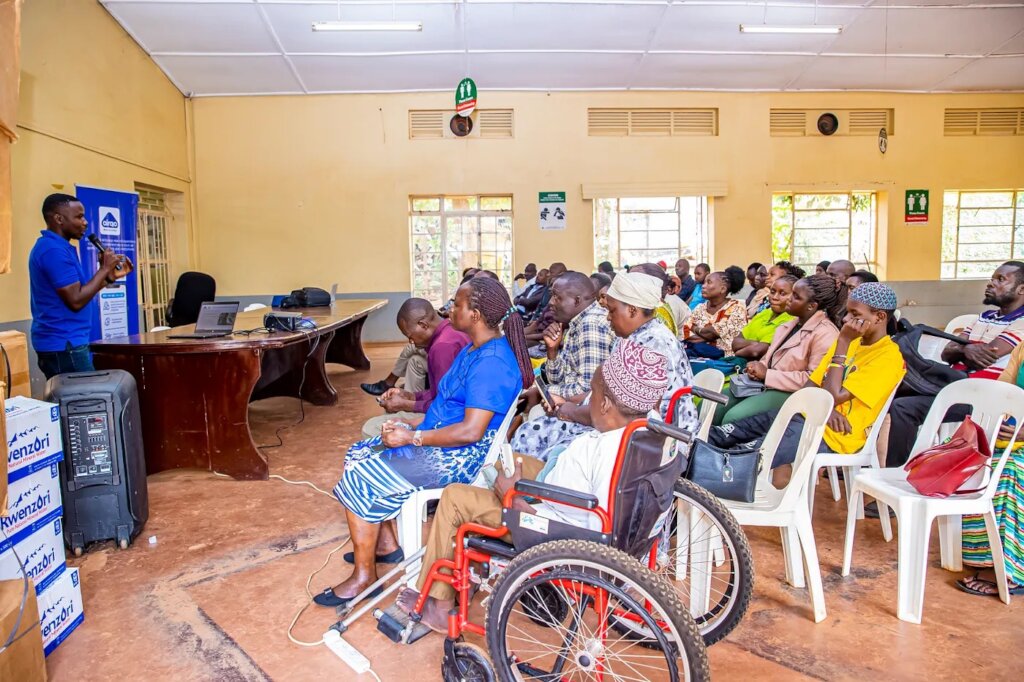
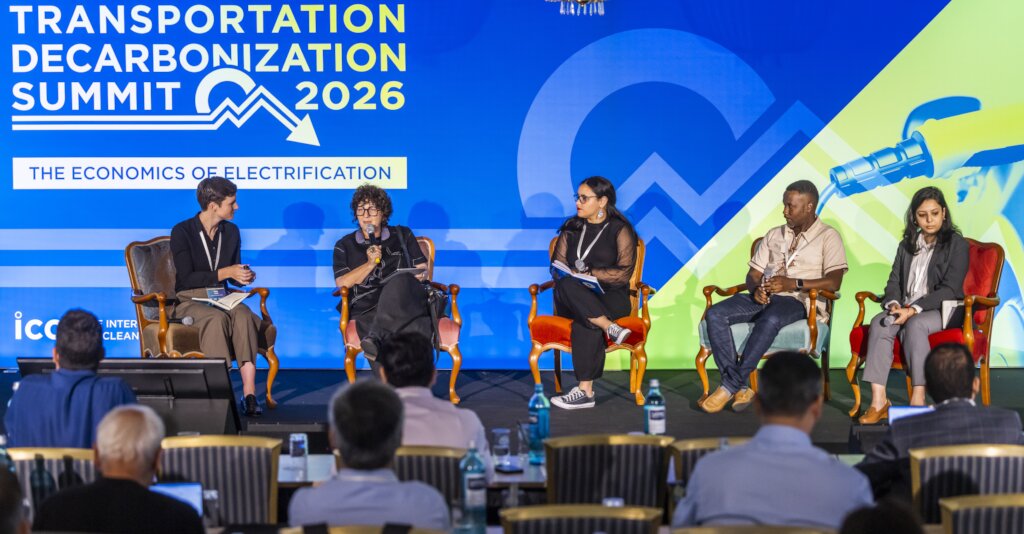
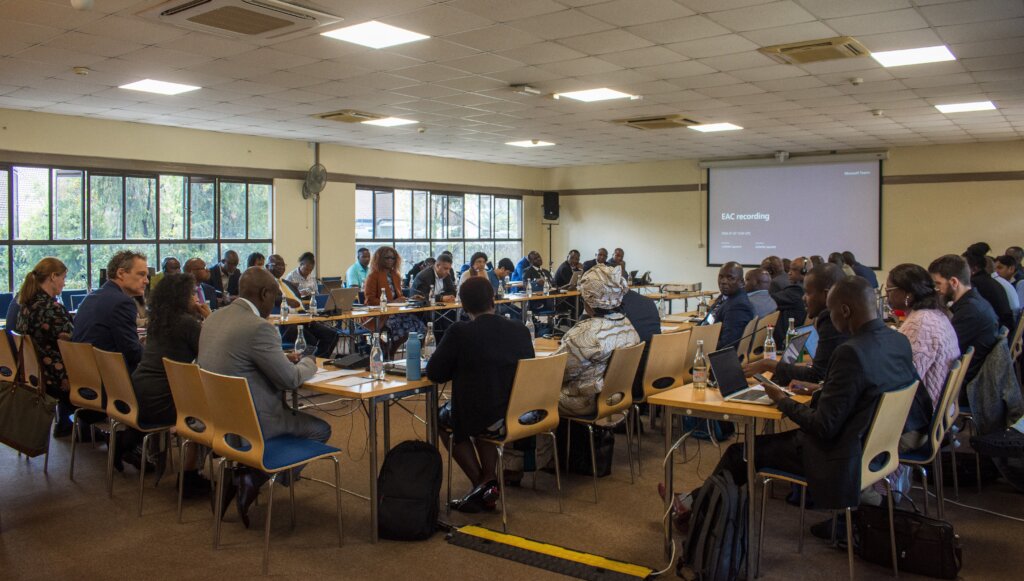
Alongside this fieldwork, we have participated in activities organised by local and international partners. These include AirQo engagements on empowering communities to combat traffic-related air pollution; the International Council on Clean Transportation’s Transport Decarbonisation Summit 2026; and UNEP's activities addressing vehicle emissions through cleaner fuels and vehicle standards in East Africa. These exchanges help connect our community-based work with research, technical learning and wider policy discussions.
While funding remains the main constraint on delivery, we're actively seeking grant support and expect major project activities to resume within the next few weeks, subject to funding becoming available. Priorities include further emissions assessments, practical mechanic training and continued engagement with schools and transport operators. We will phase activities according to the resources available.
Given the nature of our work and the time needed for field delivery and follow-up, we have resolved to concentrate our fundraising on GlobalGiving into one annual campaign, specifically during GivingTuesday. Grant applications and partnership development will continue throughout the year, alongside updates to supporters on progress and challenges.
Personal donations continue to make a practical contribution, helping us sustain the organisation with workable activities while seeking the resources needed for wider implementation. We're looking forward to the next fundrasing campaign on Dec 01 2026. Much appreciation to all donors that have stood with us through this impactful journey as we build relevant evidence to guide cleaner transport and action to protect our environment and children’s health.
By Michael Wanyama | Team Leader
By Michael Wanyama | Team Leader
Project reports on GlobalGiving are posted directly to globalgiving.org by Project Leaders as they are completed, generally every 3-4 months. To protect the integrity of these documents, GlobalGiving does not alter them; therefore you may find some language or formatting issues.
If you donate to this project or have donated to this project, you can receive an email when this project posts a report. You can also subscribe for reports without donating.


Support this important cause by creating a personalized fundraising page.
Start a Fundraiser