Project Report
| Jul 10, 2026
Protecting habitat for millions of developing eggs
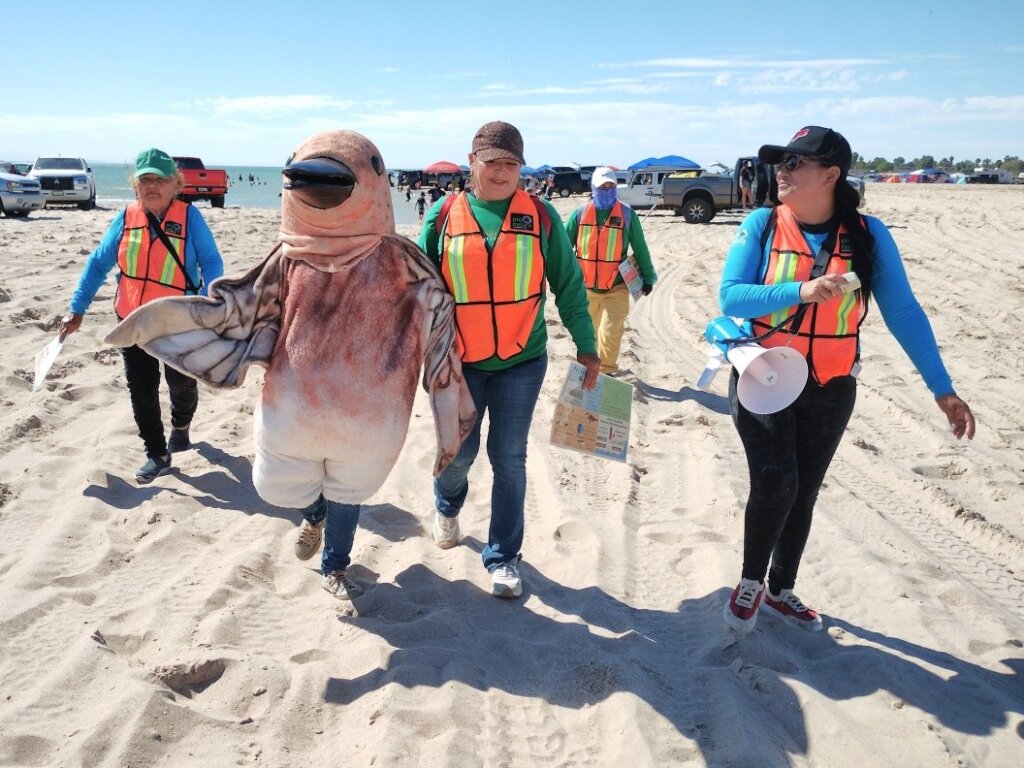
![Pizo the Red Knot mascot sharing information]()
Pizo the Red Knot mascot sharing information
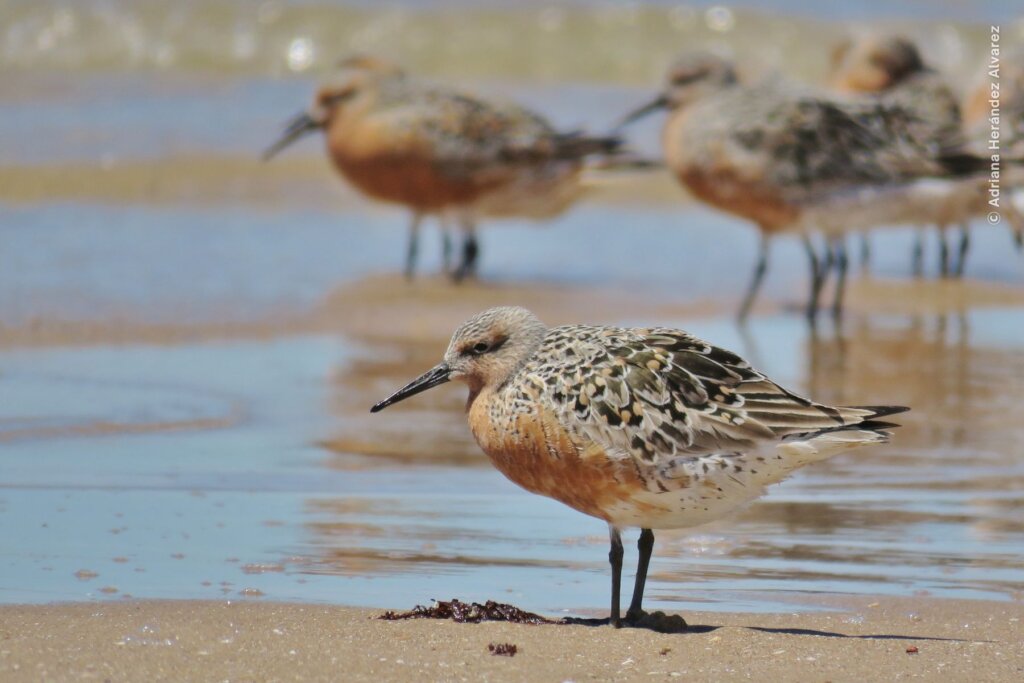
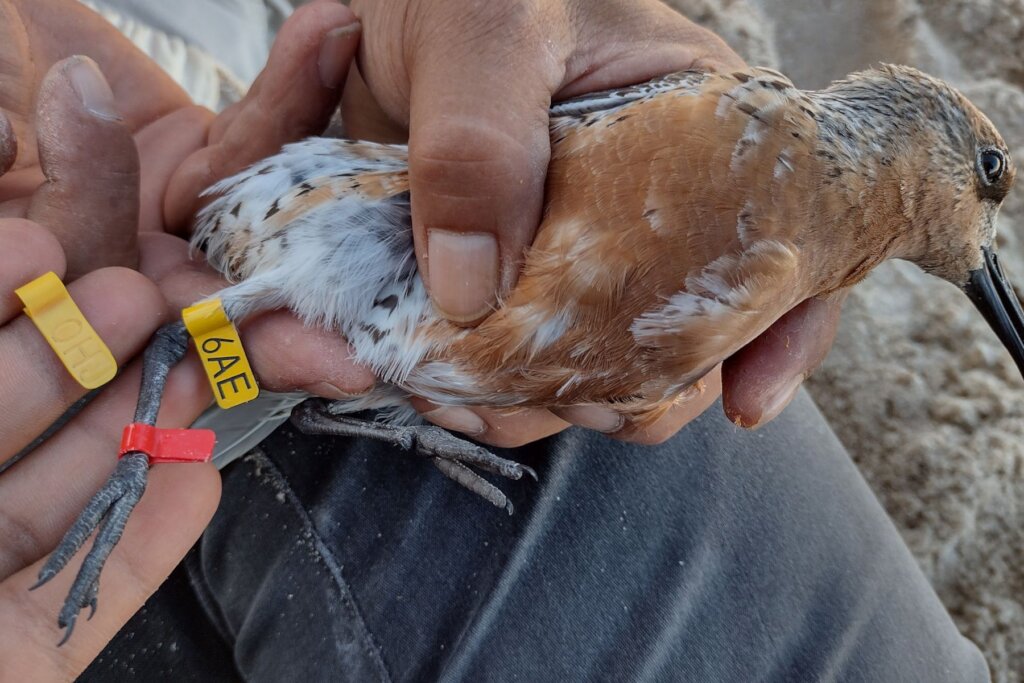
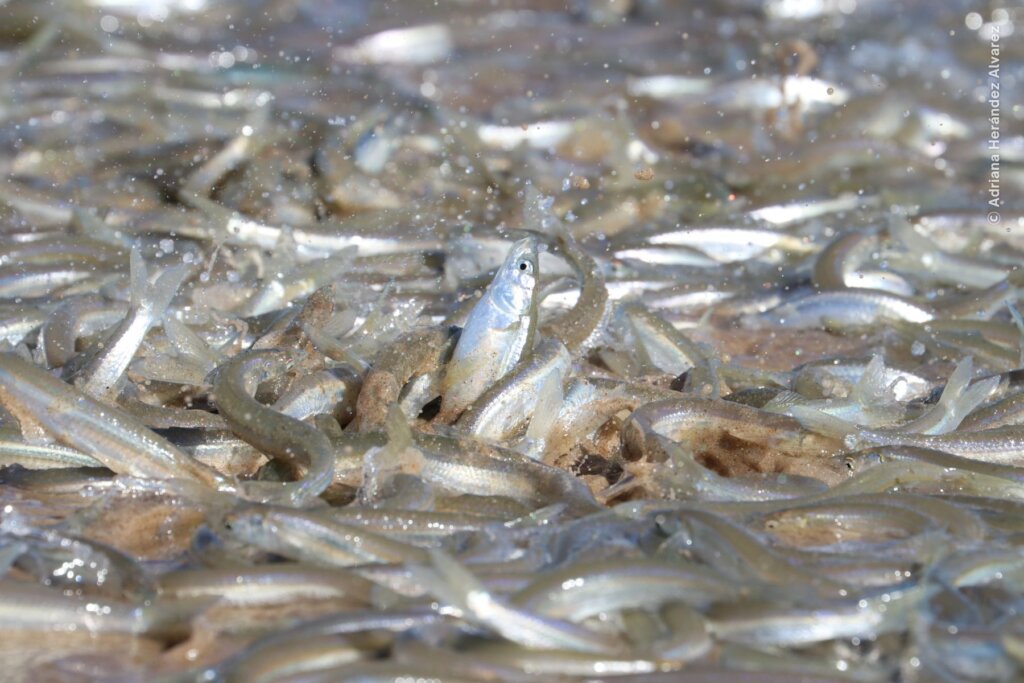
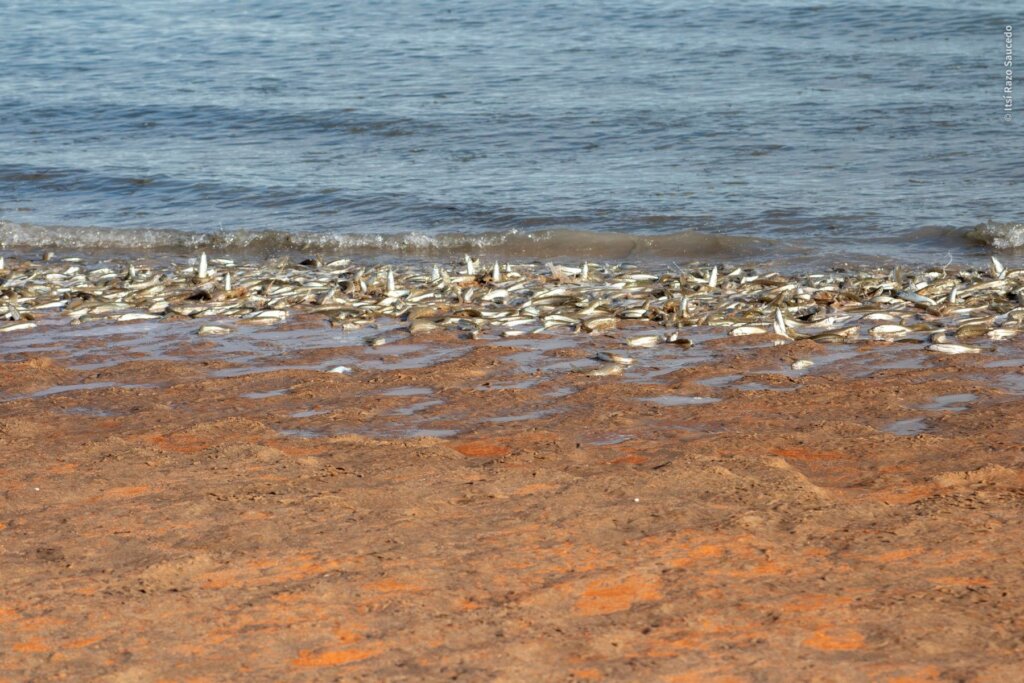
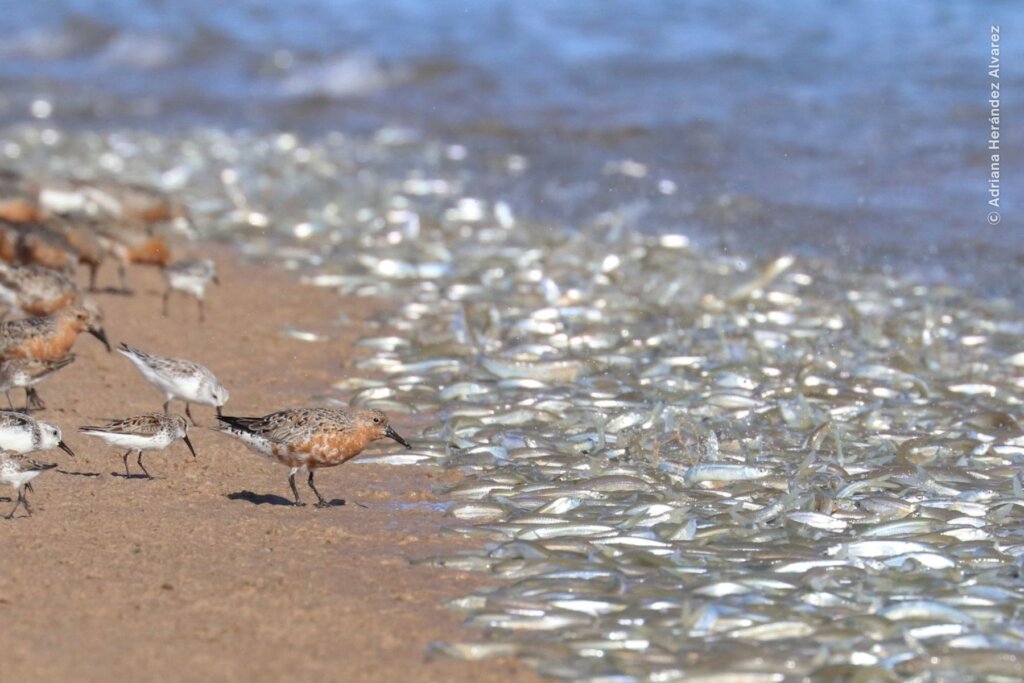
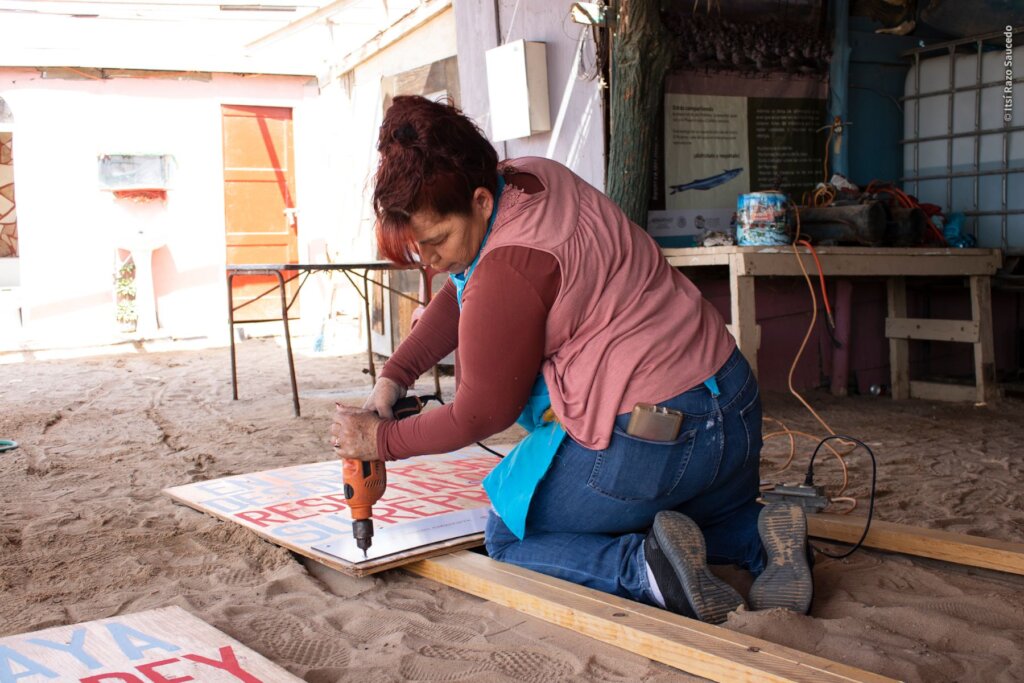
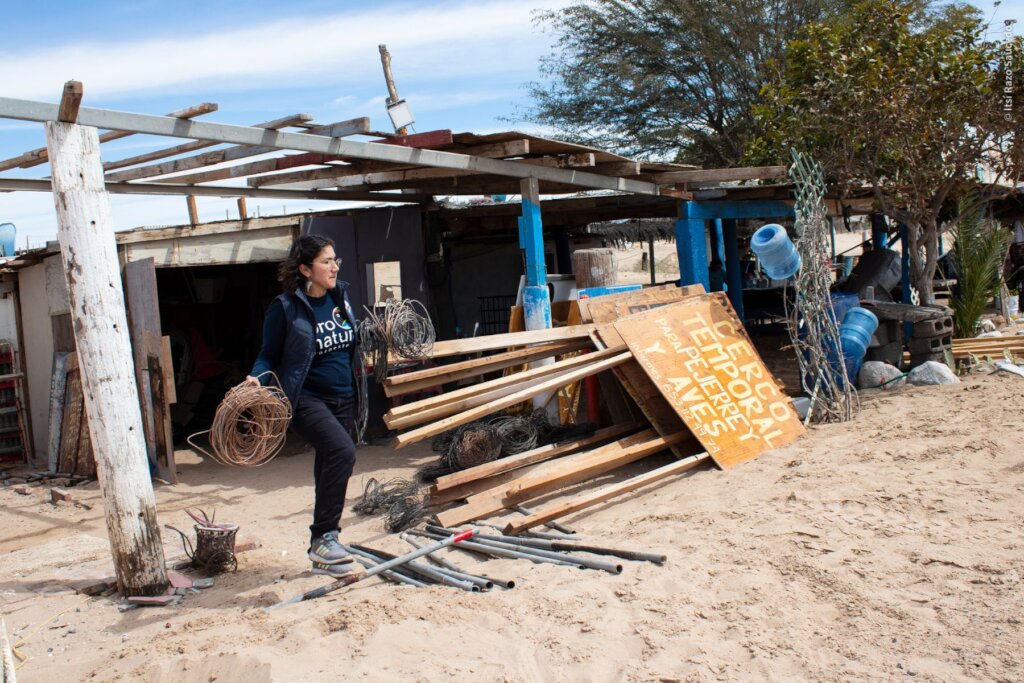
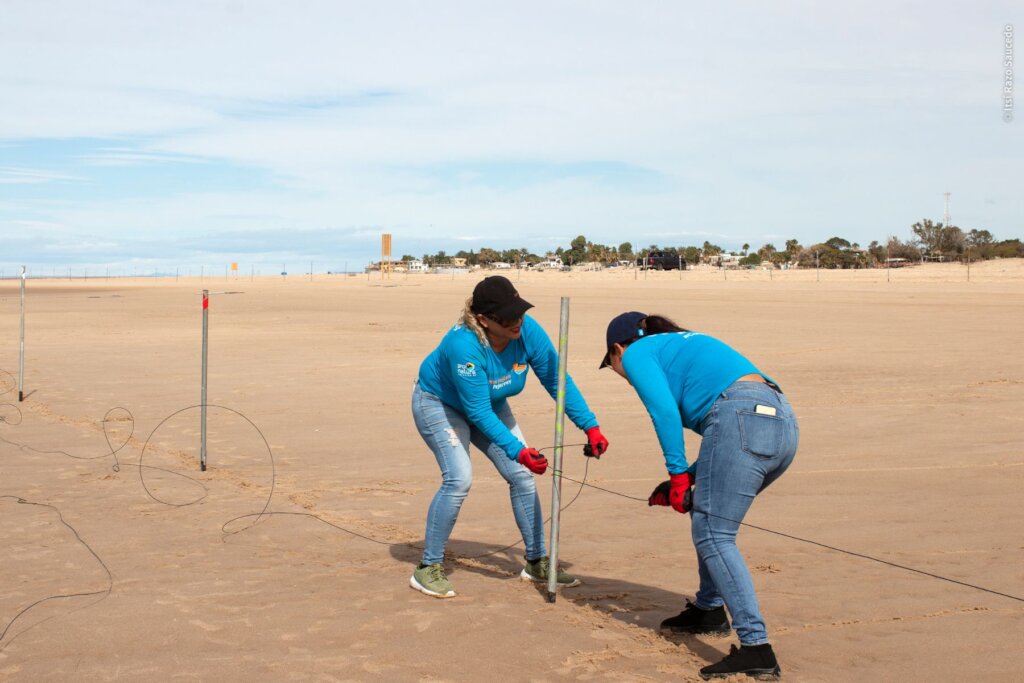
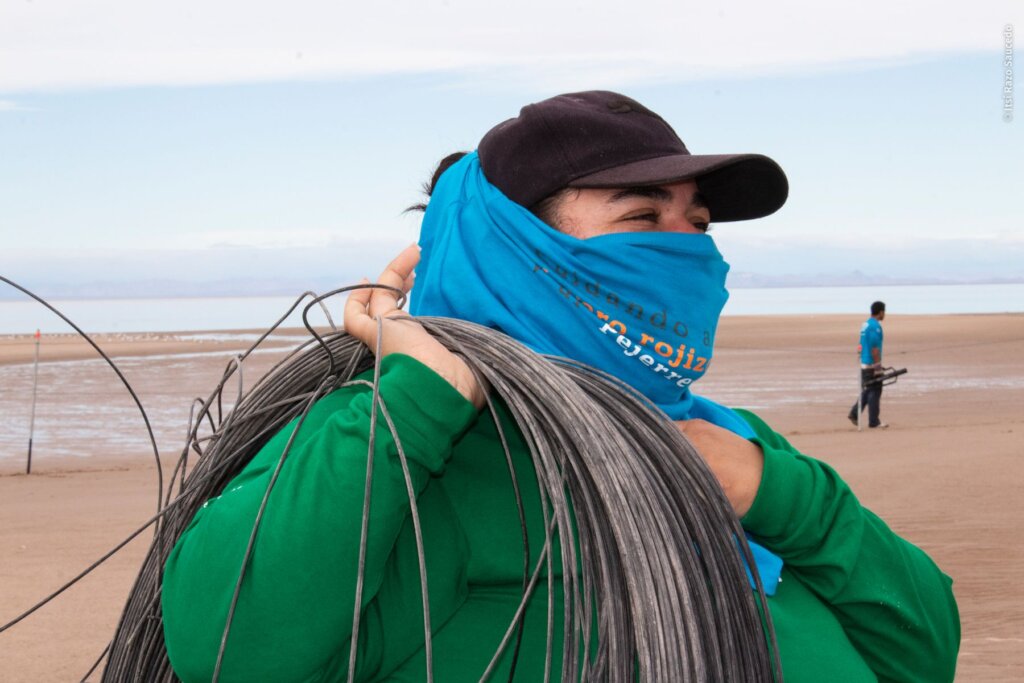
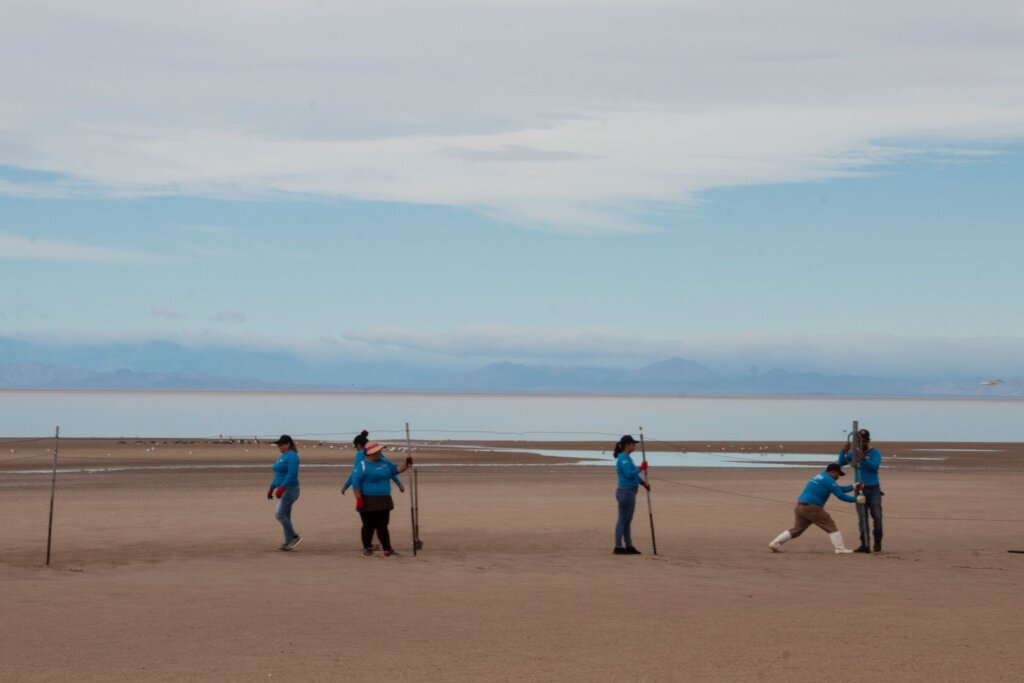
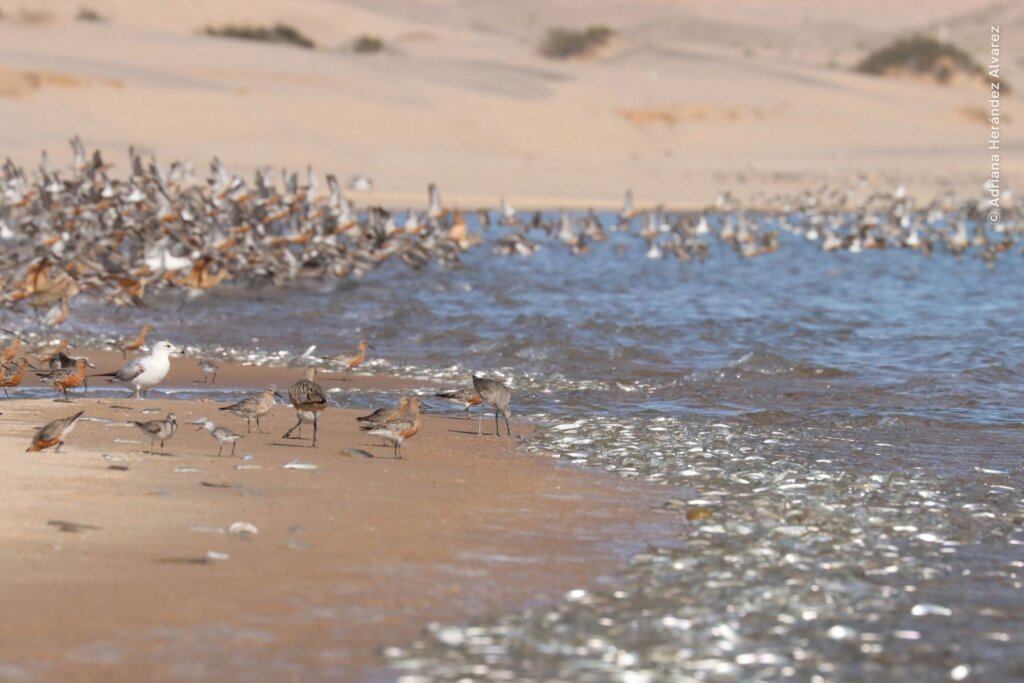
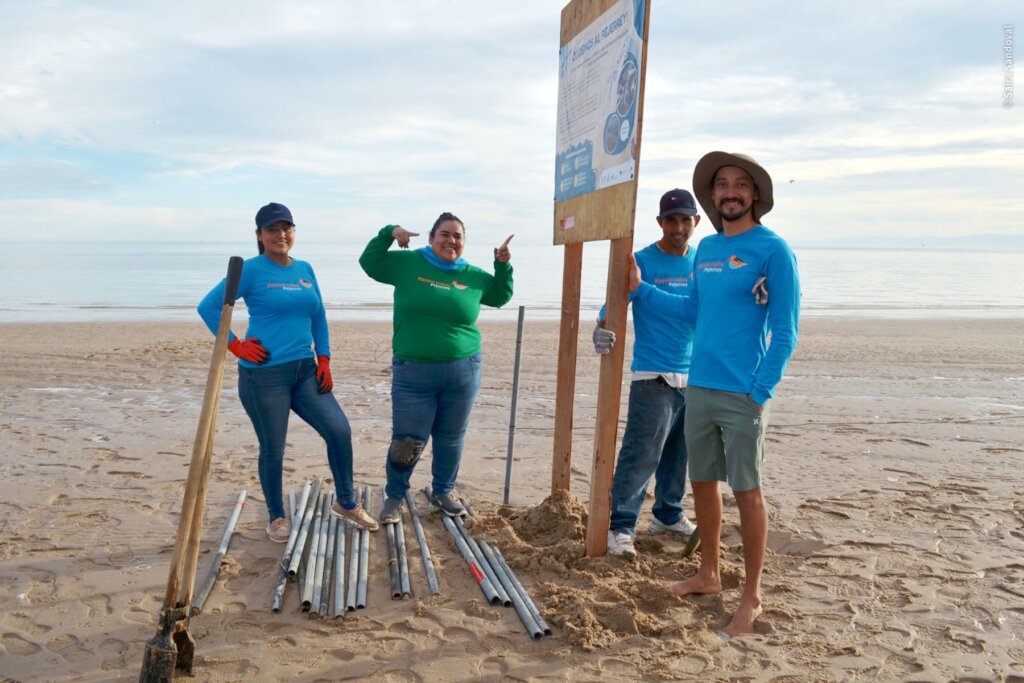
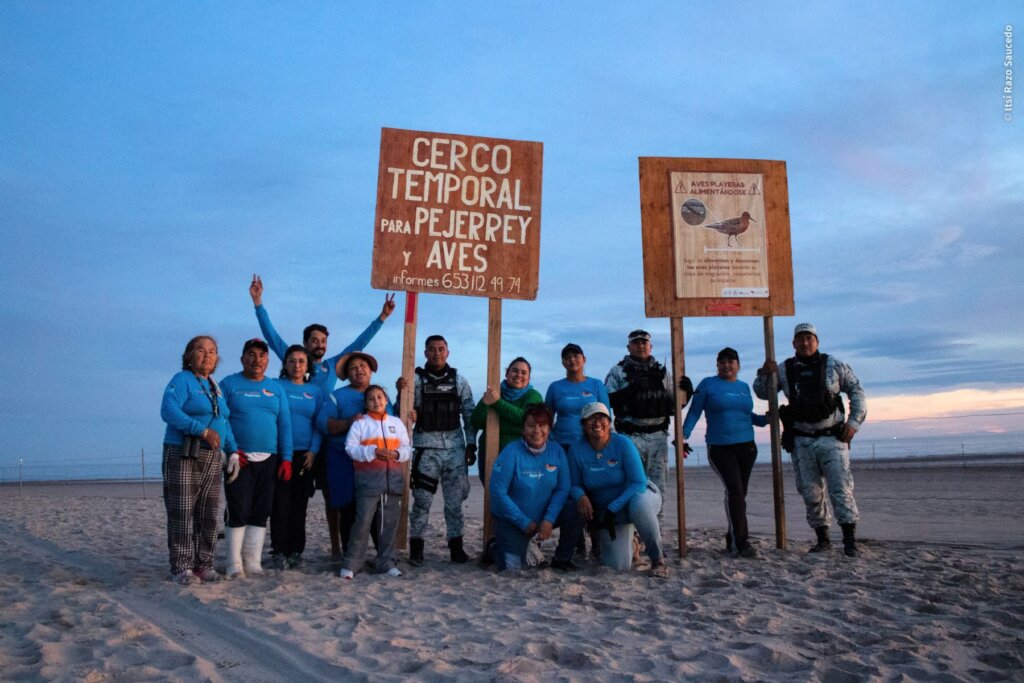
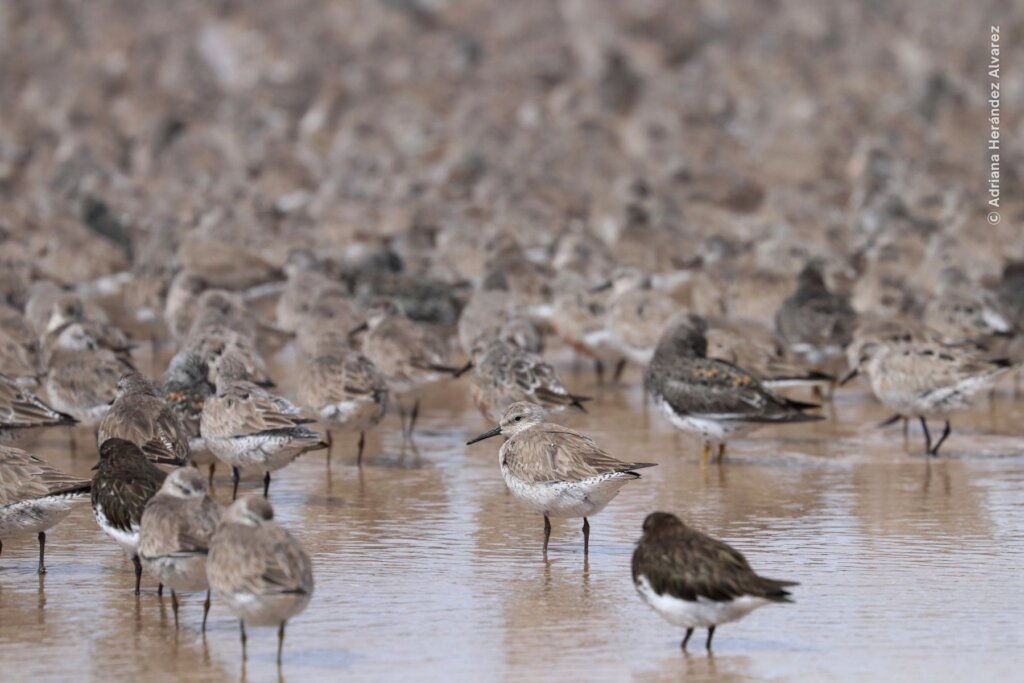
Following the installation of the temporary fence that delineates some of the breeding areas of the endemic Gulf grunion, which is the feeding area of the Red Knot, we were recording the occurrence of spawning events and their specific location to ensure that we protect the largest possible area, as well as the abundance of the shorebirds present that arrive to feed on a fraction of these eggs in order to gain the energy, that is, the body mass they need to carry out migration toward their own breeding areas located in Alaska and an island in Russia. The period during which the temporary fence remained in place ran from March 6 to May 21 and delineated 12,163 m² of beach, marked by seven wooden signs and six metal signs, as well as pennants and reflective lights to prevent incidents at night.
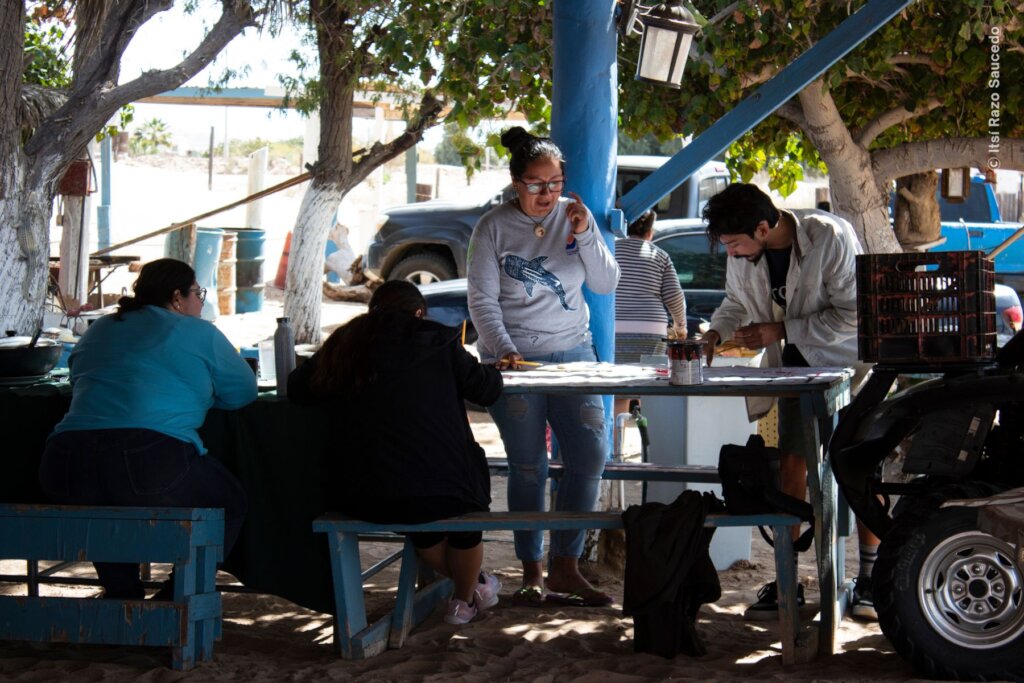
As every year, in addition to direct conservation actions on the beach, we dedicated a large part of our time to the #ComparteLaPlaya outreach and awareness campaign, in which every weekend we interacted with beach users, either through talks along the temporary fence or at the information booth that we set up in a palapa, where we placed nine 2 x 2 m banners with detailed information, as well as traditional games adapted by Pronatura Noroeste’s Conservation Education Program, among other interpretive elements used as support to explain the relationships among species that live in the Gulf of Santa Clara, and finally to ask for their opinion about our activities, including the issue of the delineated areas. This season, we reached 2,357 beach users, mainly visitors but also residents; all of them agreed with our conservation actions. Finally, we removed the temporary fence and officially closed the season on May 21.
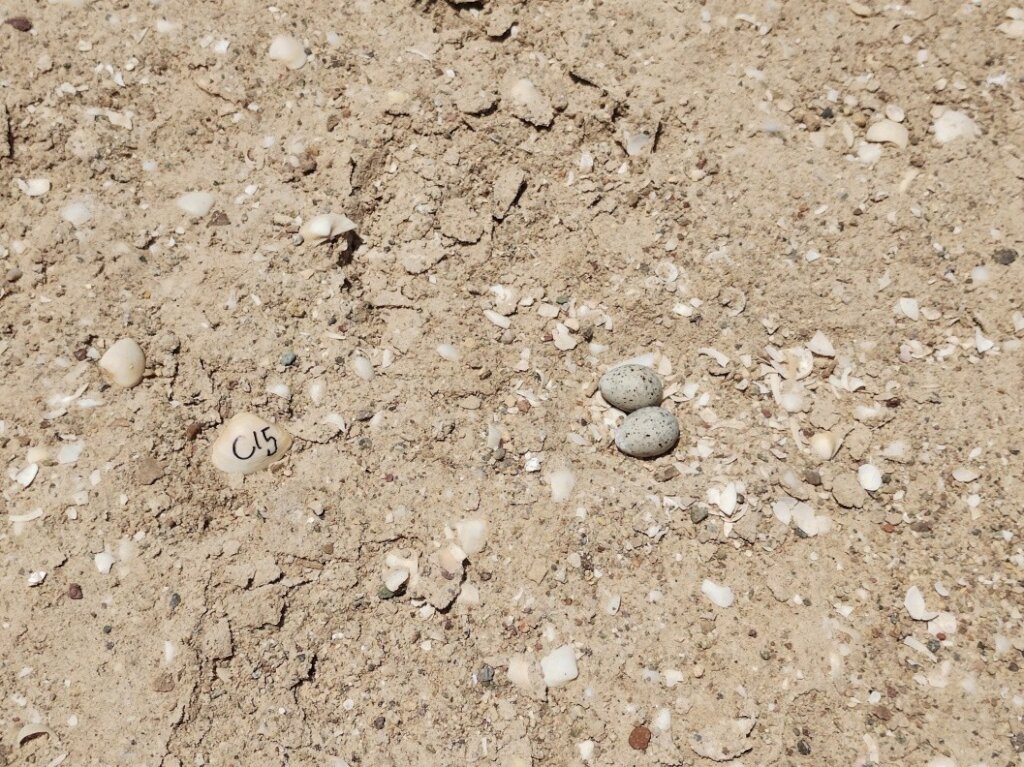
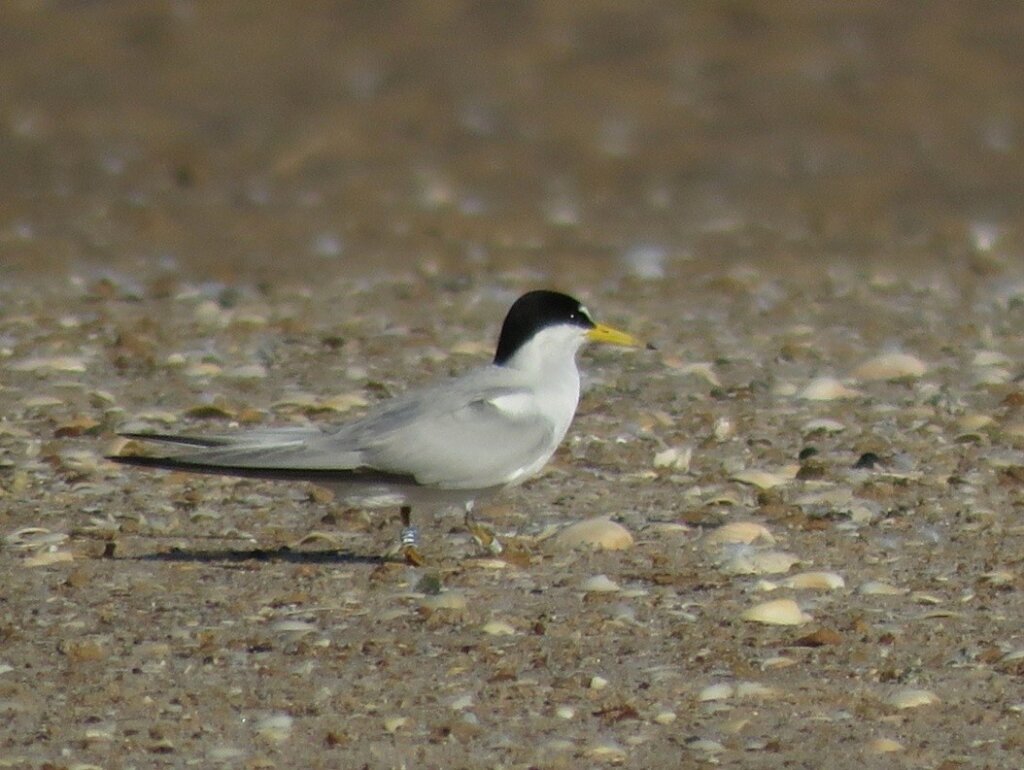
Just two weeks earlier, we began monitoring the breeding of the Least Tern. This seabird, related to gulls, is also migratory but has a broader, less temperate nesting distribution than shorebirds, so it can be found from California to several beaches in Mexico. In our area, we have identified two established breeding colonies: the area known as El Tornillal and a beach 5 km north of the town. Sites that we visit once a week. Although we have observed some individuals marked in 2023 in these same areas. According to the biologists from Pro Esteros who are promoting this project—which has been exciting, knowing that they continue returning to the area—unfortunately, this year we have recorded few nests, only 11 and 19, respectively. The saddest part is that all of these nests have been lost due to high tides; the site selected by the birds has been incorrect, although this could also be influenced by the gradual increase in mean sea level, one of the effects of climate change. For now, we will continue visiting the areas in search of another nesting attempt and to record this species' presence.
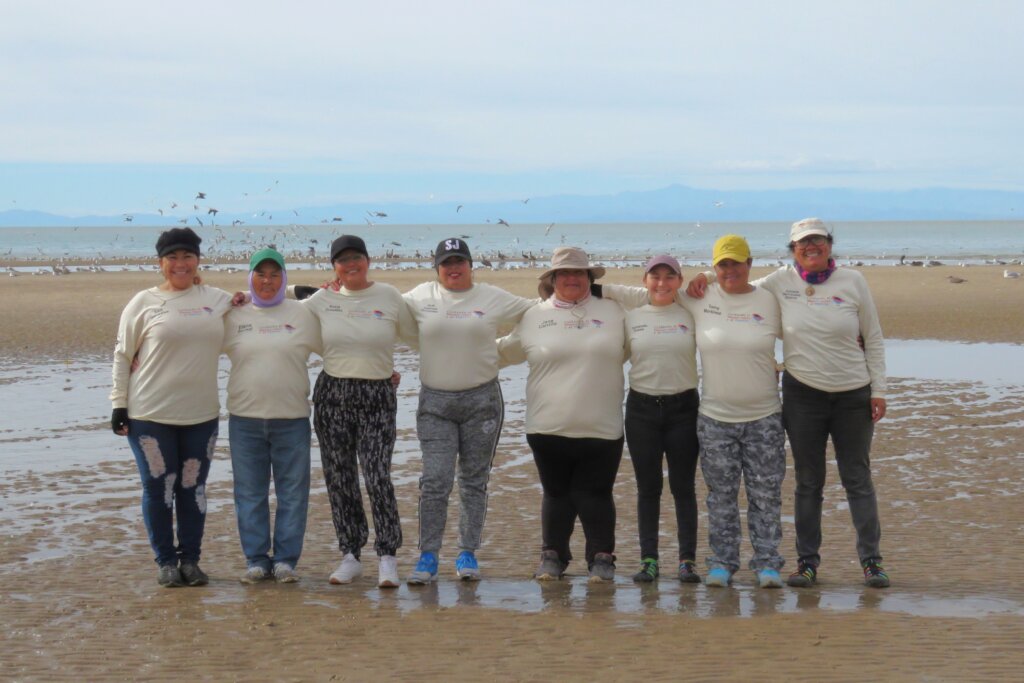
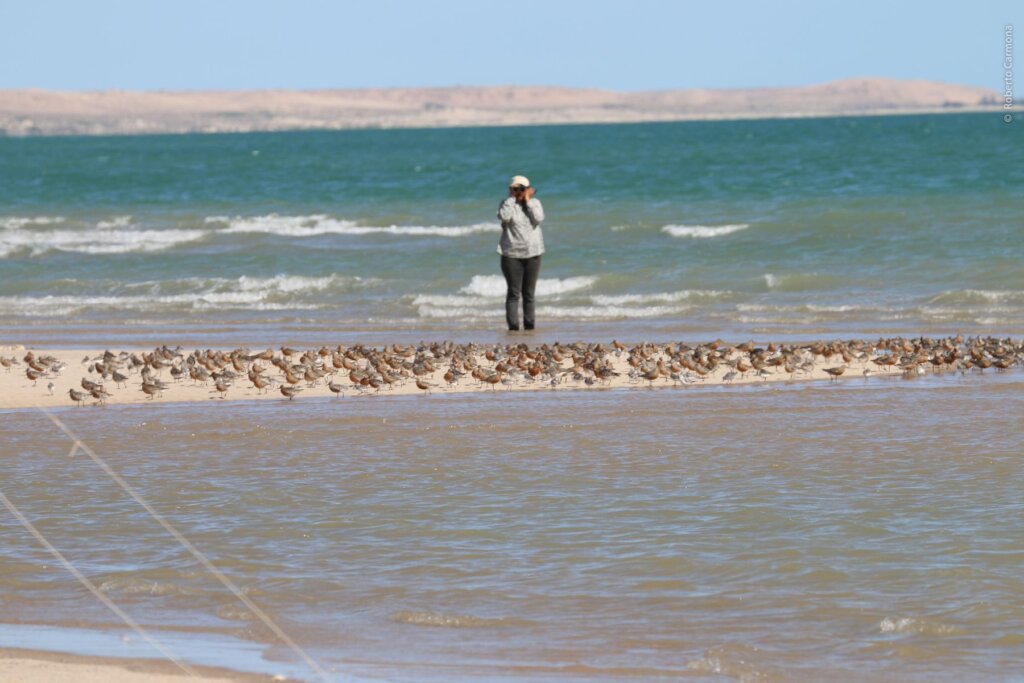
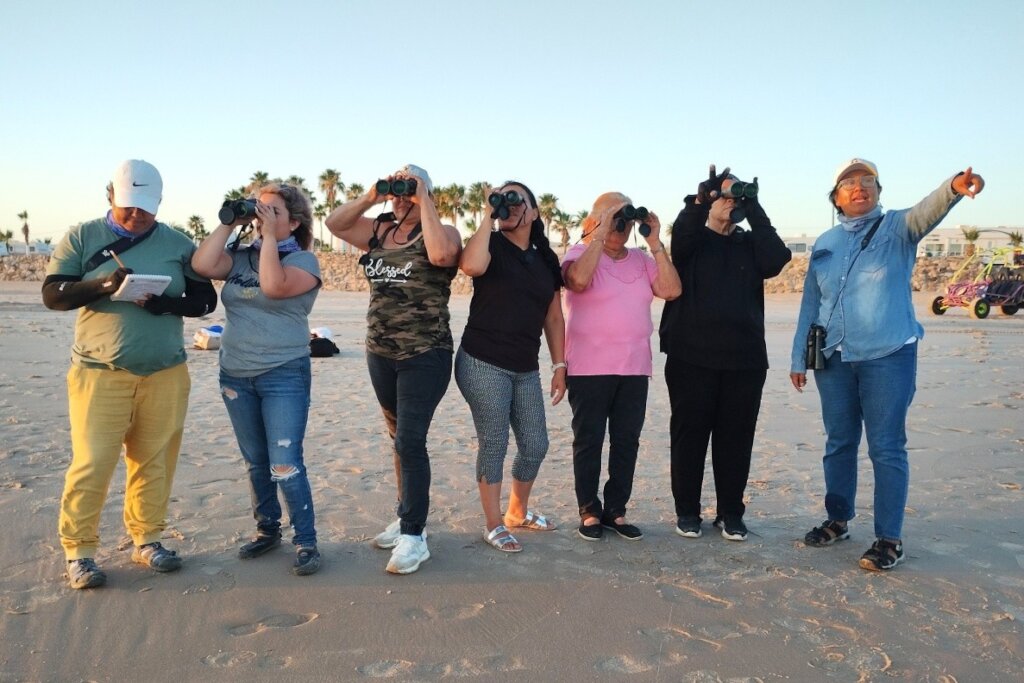
Finally, for this period, we can report that we have also begun the bird monitoring with support from the National Commission of Natural Protected Areas (CONANP), through the Upper Gulf of California and Colorado River Delta Biosphere Reserve. We conduct two or three surveys per week at seven count points, where we visually search for birds, identify them, and record their abundance.
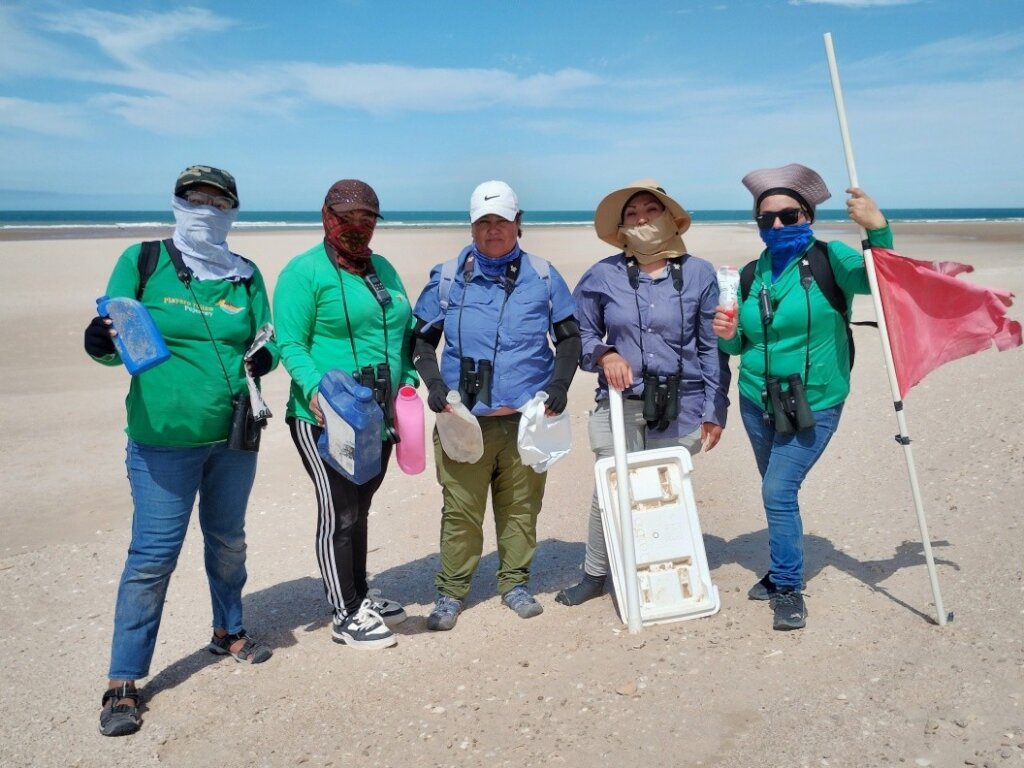
And, as usual, every day we go into the field, we return with waste found along the way and remove it to ensure its best disposal.
Wait for our next report to learn more about the results. See you soon!
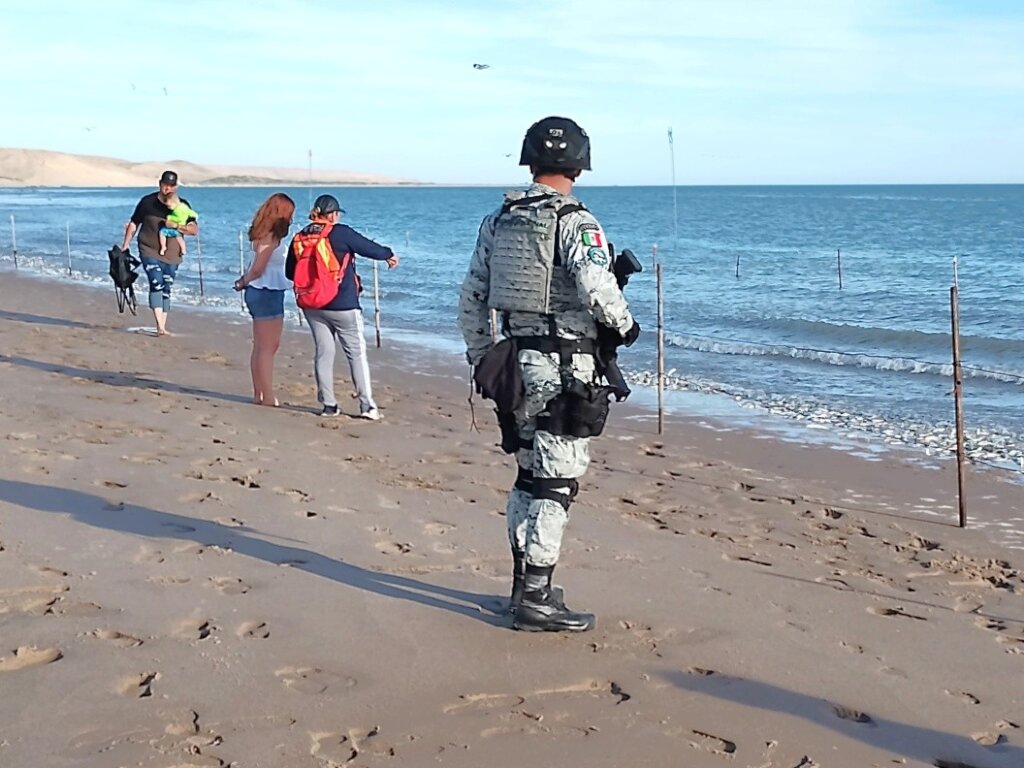
![National Guard supporting at busy beach days]()
National Guard supporting at busy beach days
![Least Terns nest during the 2026 season]()
Least Terns nest during the 2026 season
![Least Tern with blue leg band J14 from 2023]()
Least Tern with blue leg band J14 from 2023
![The peculiar waste collected]()
The peculiar waste collected
![The bird monitoring team in the field]()
The bird monitoring team in the field
![Share on Twitter]()
![Share on Facebook]()