![Upcycled pieces]()
Upcycled pieces
Four months have already gone by, and fortunately, we’ve spent them full of activities.
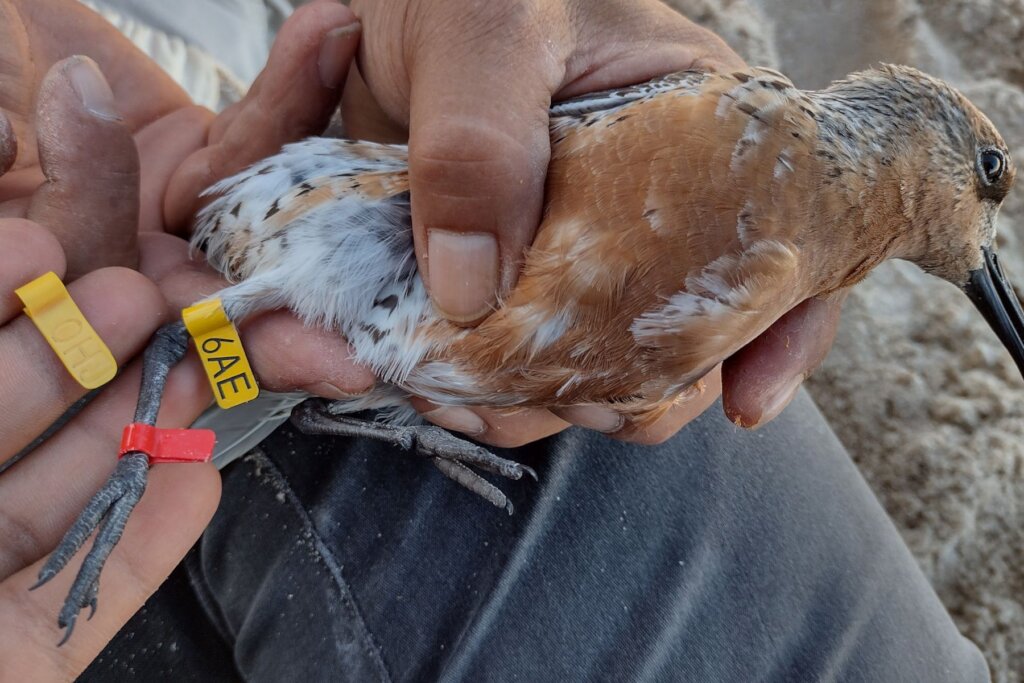
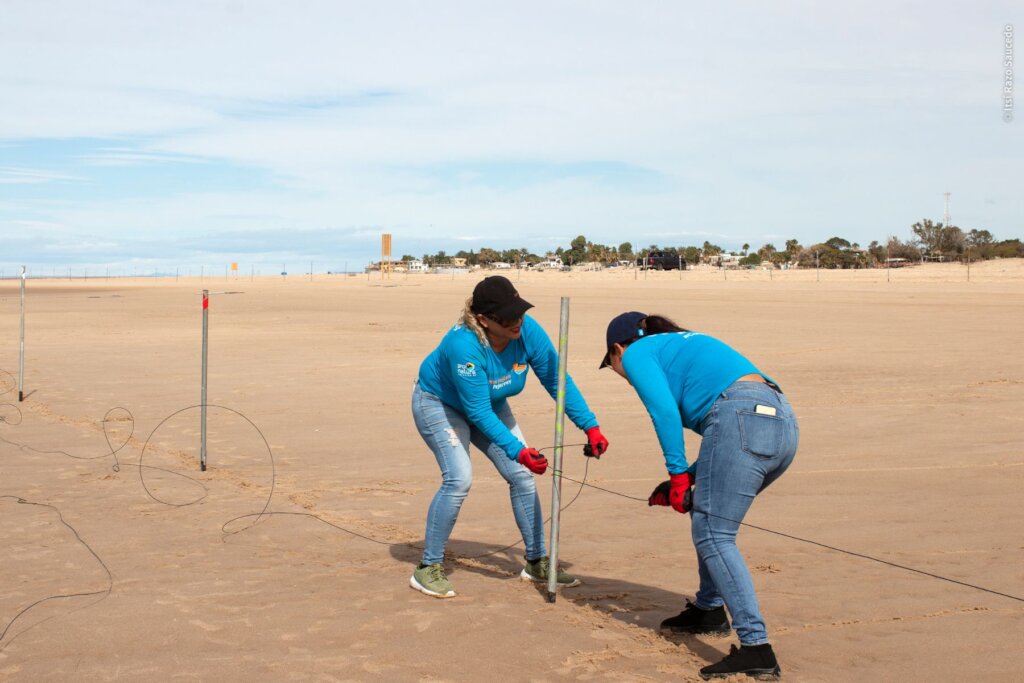
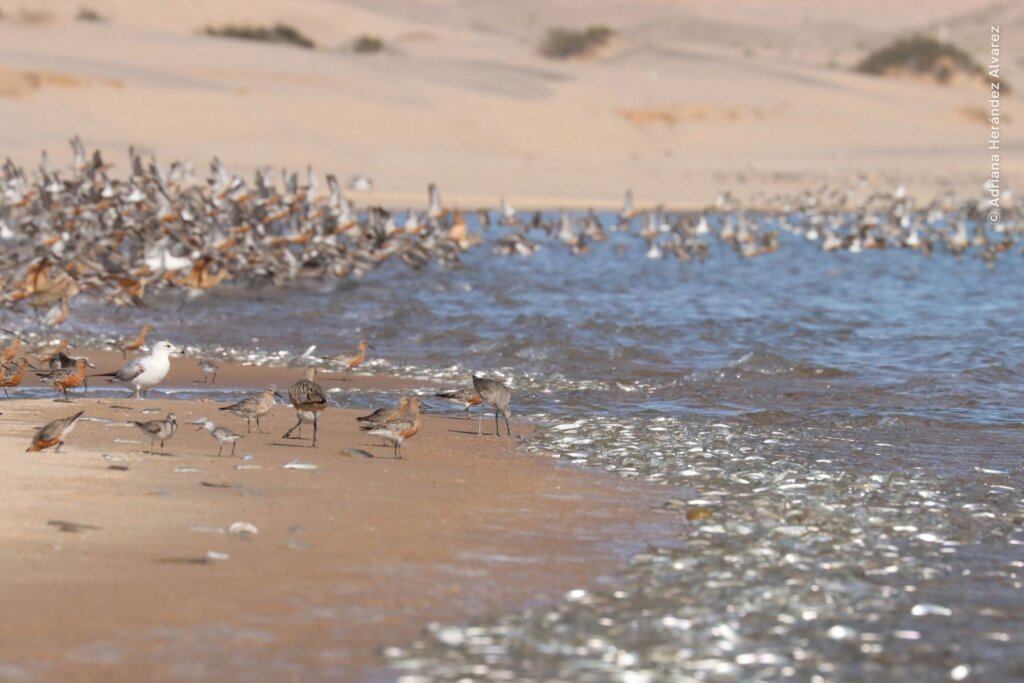
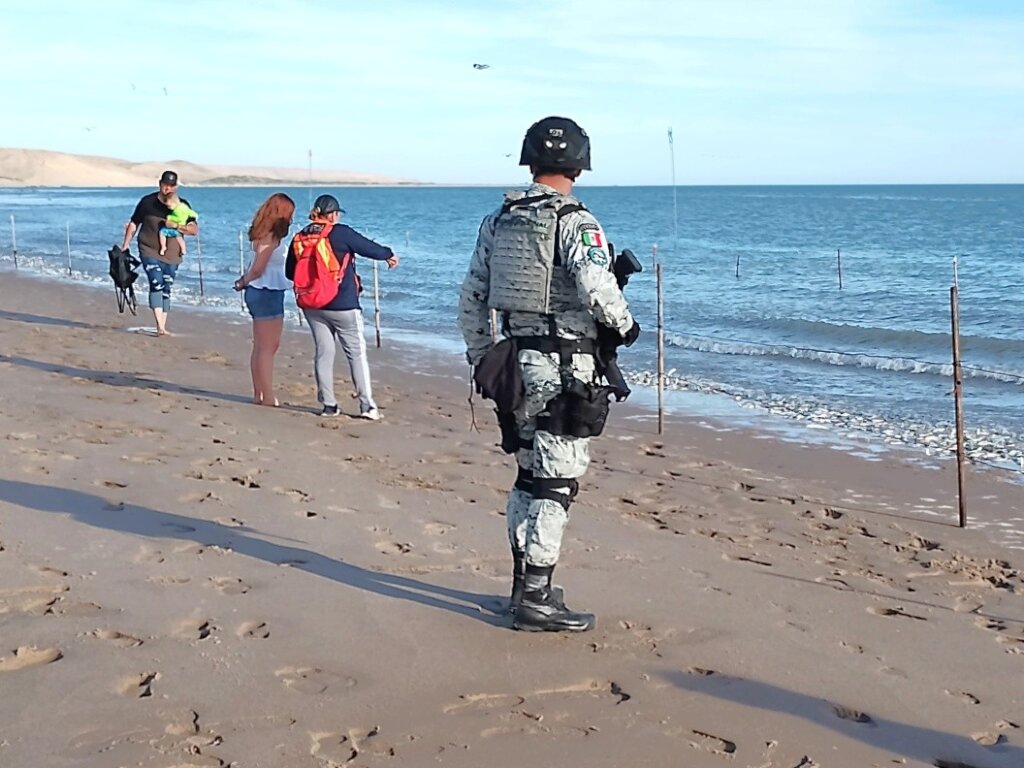
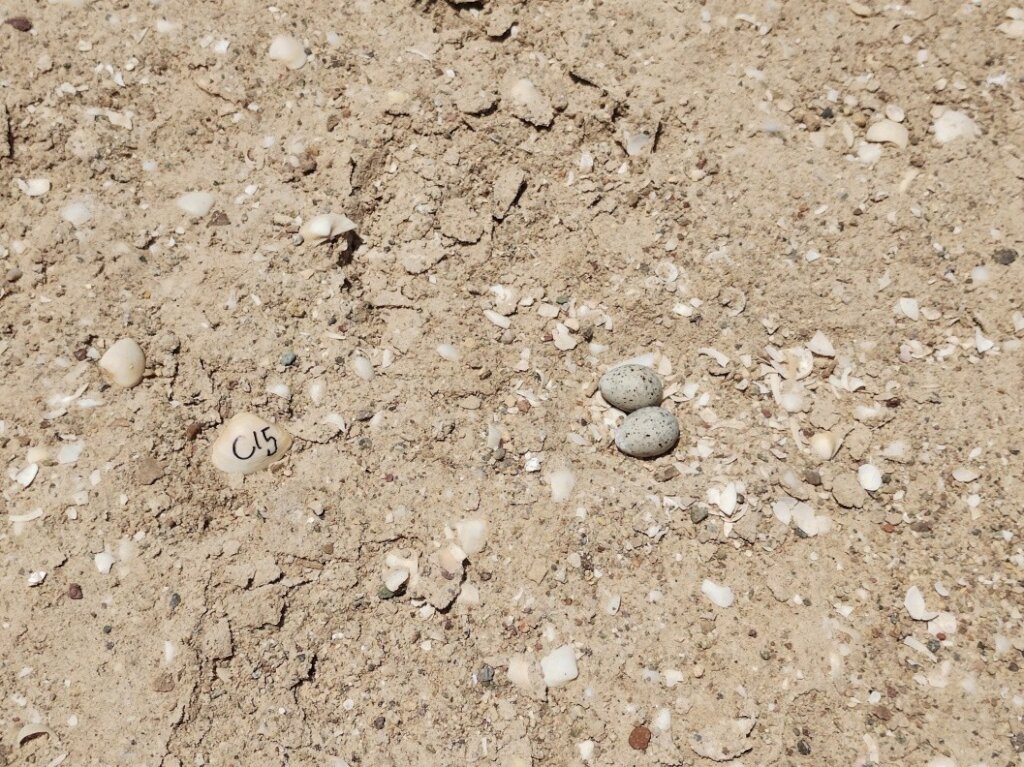
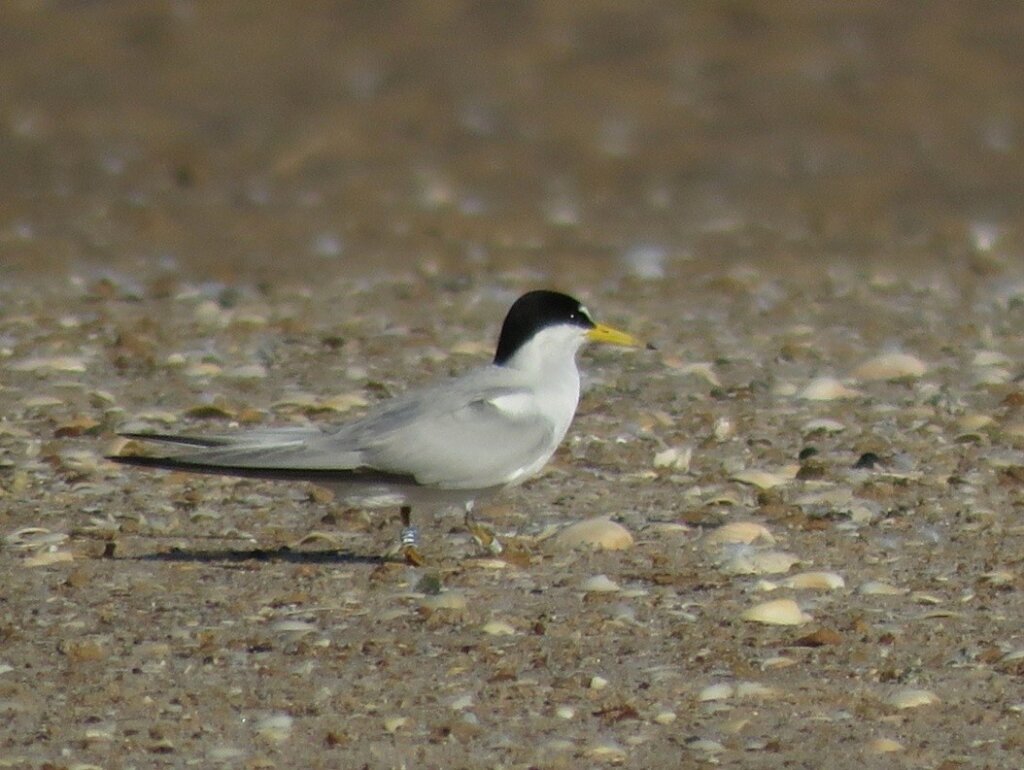
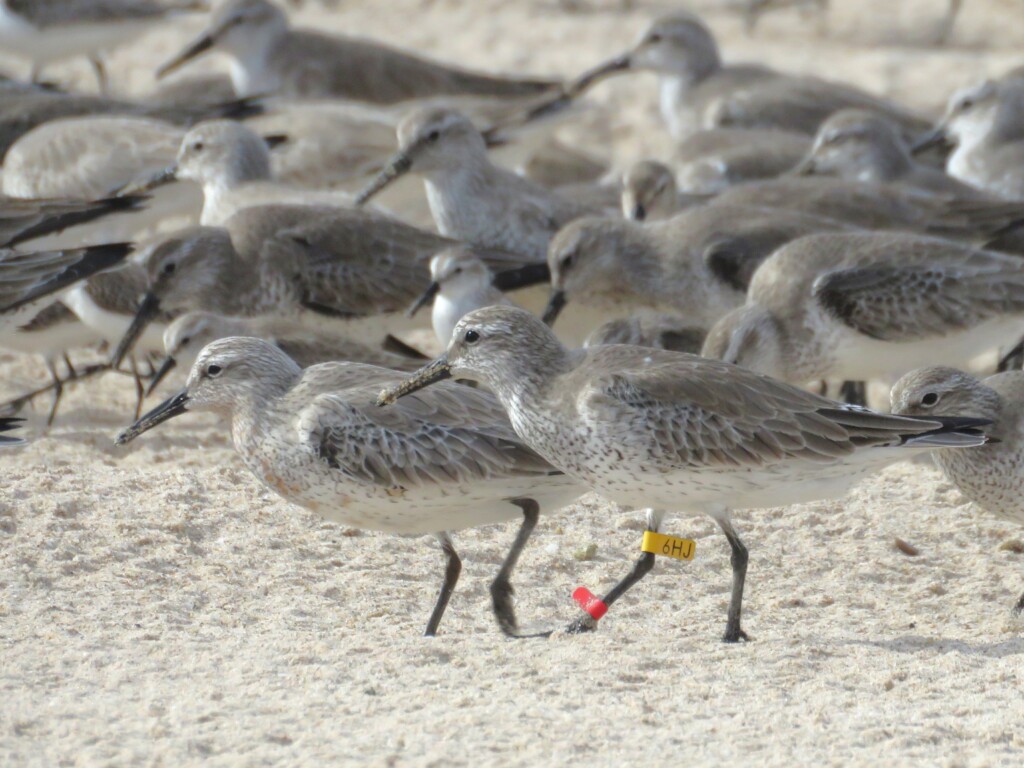
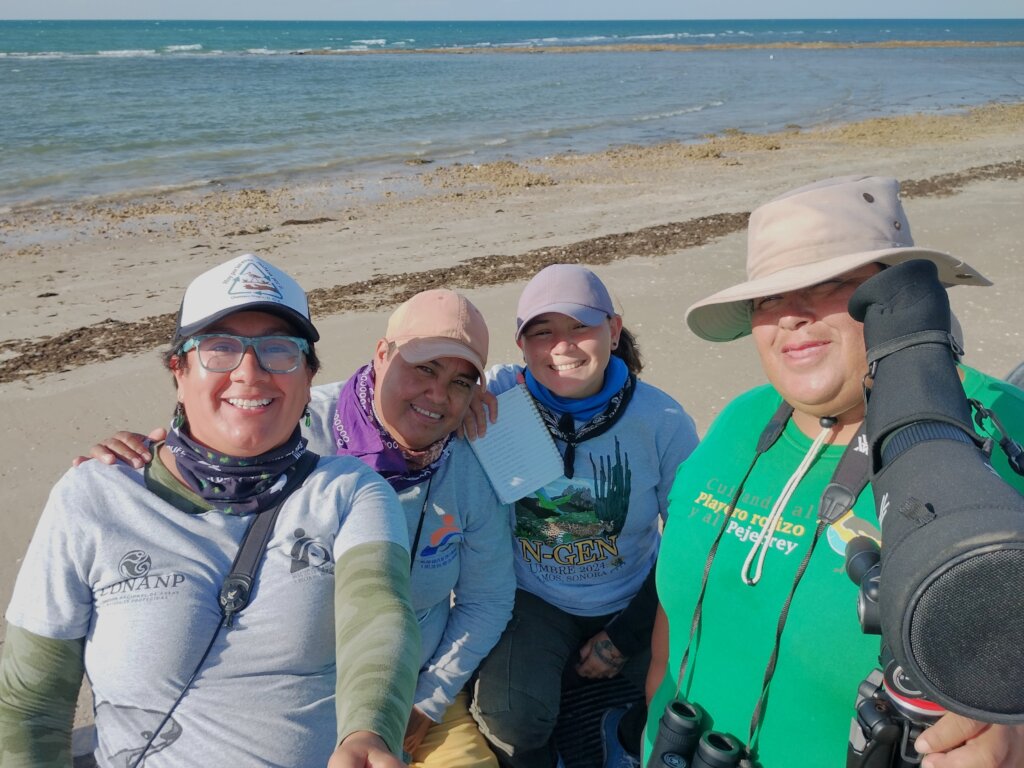
To wrap up the story about the Least Tern breeding season, we can say that in total we re-sighted three adults that had been banded in the summer of 2023 by Pro Esteros and Tom Ryan Ecological Consulting, while birds were also nesting, and this season we banded eight chicks that we hope to see again next summer.
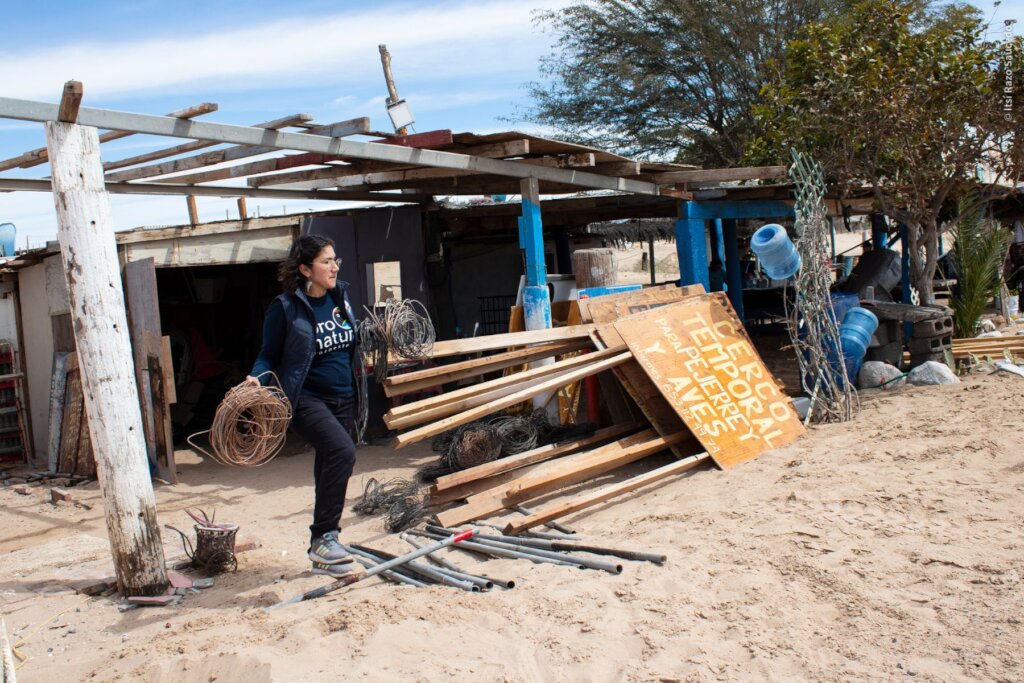
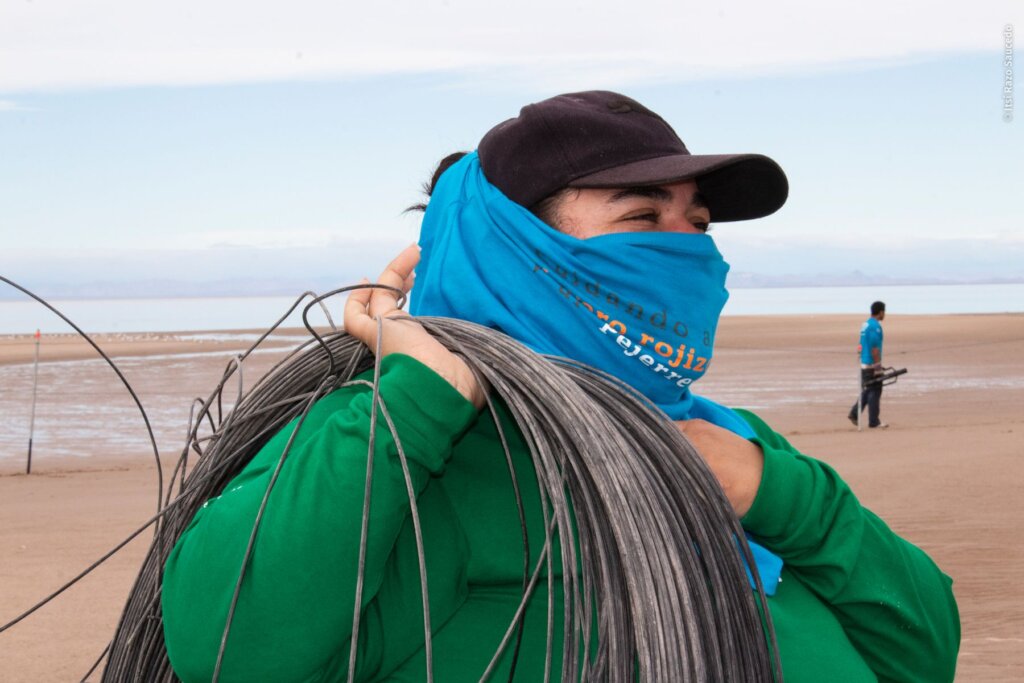
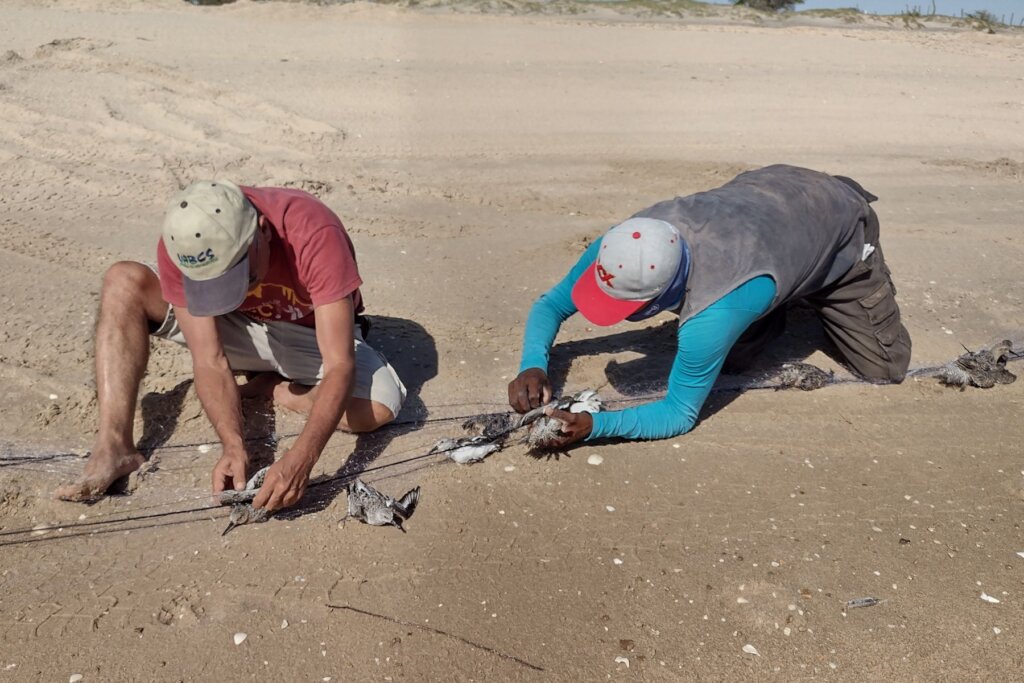
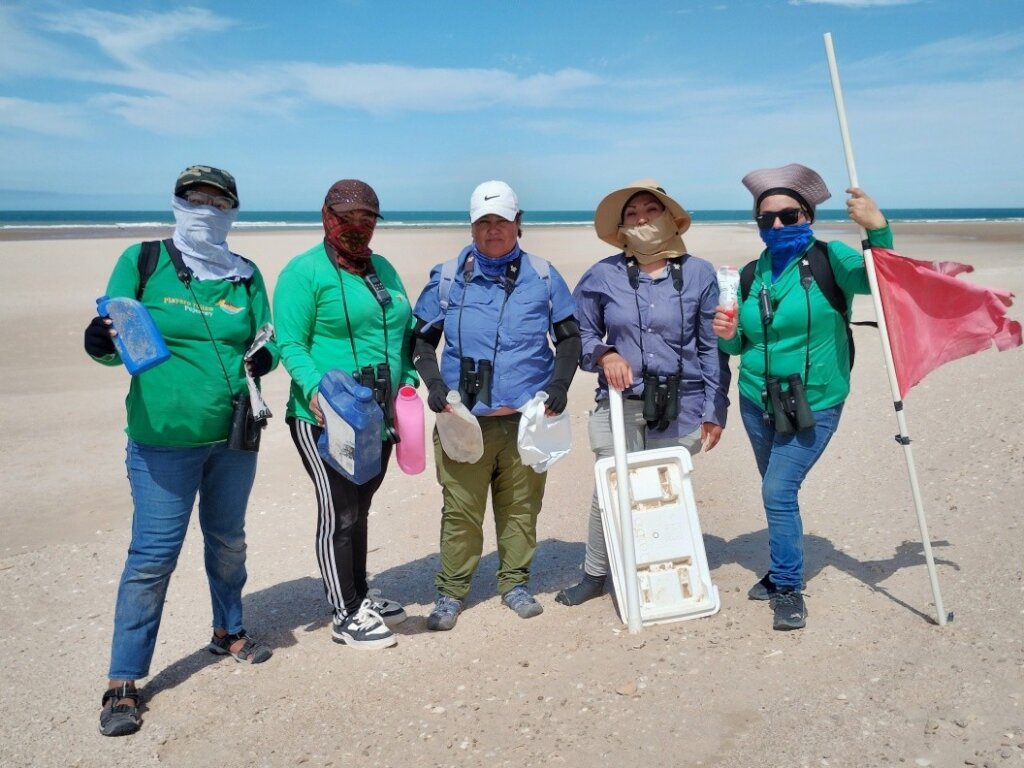
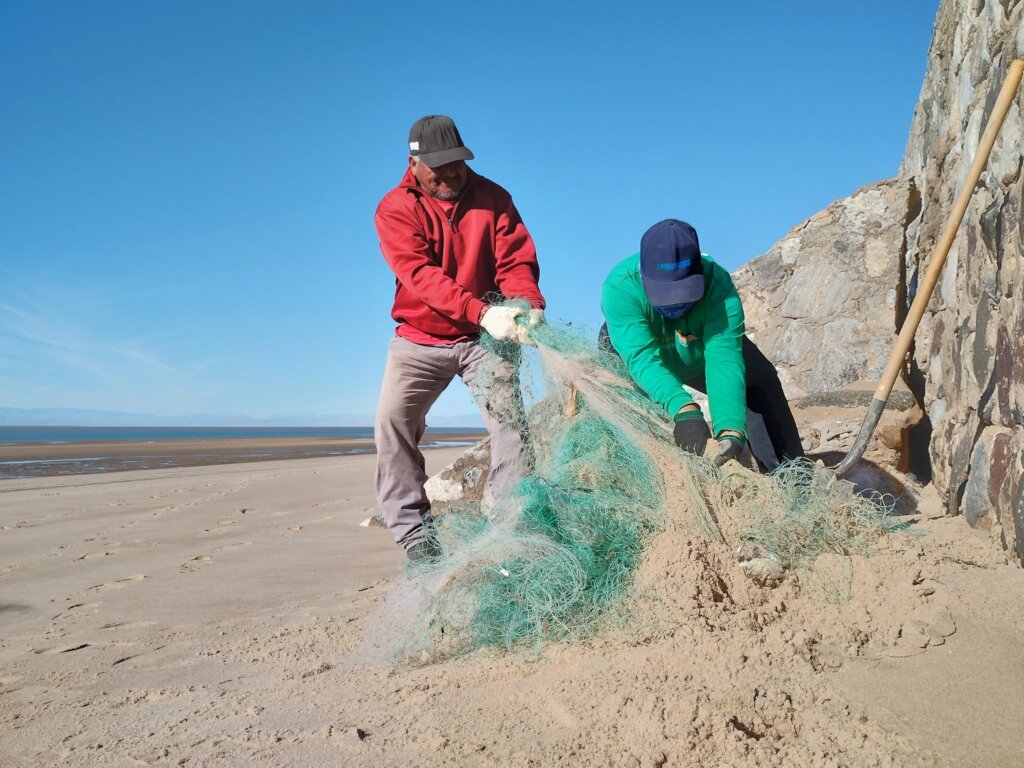
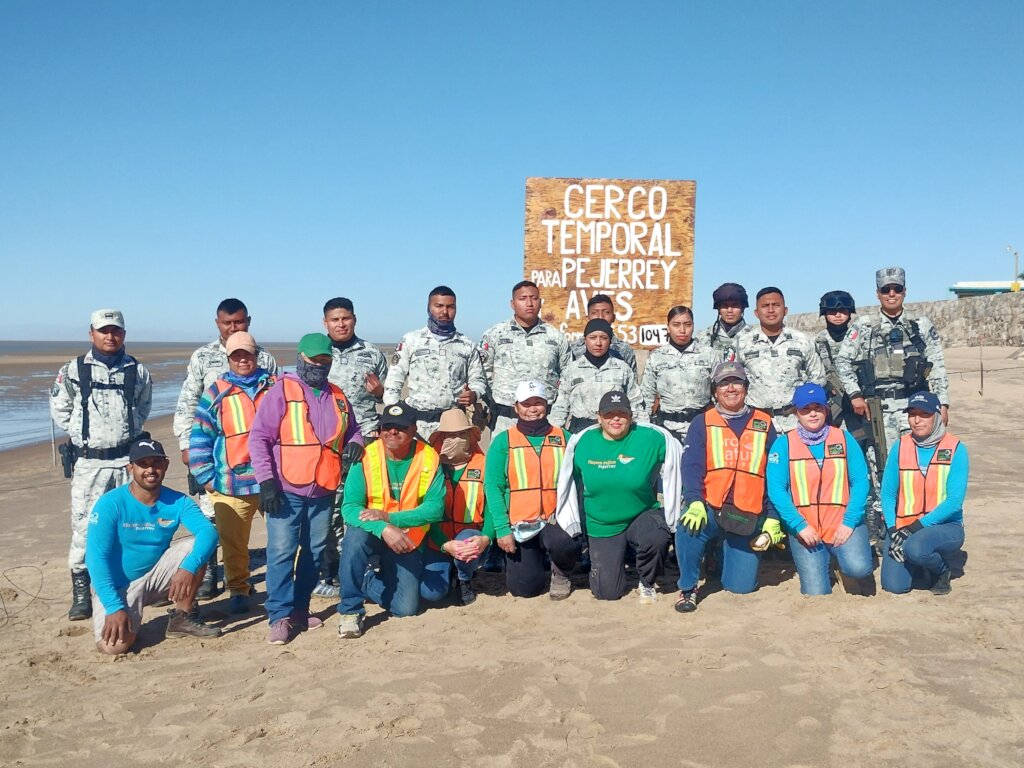
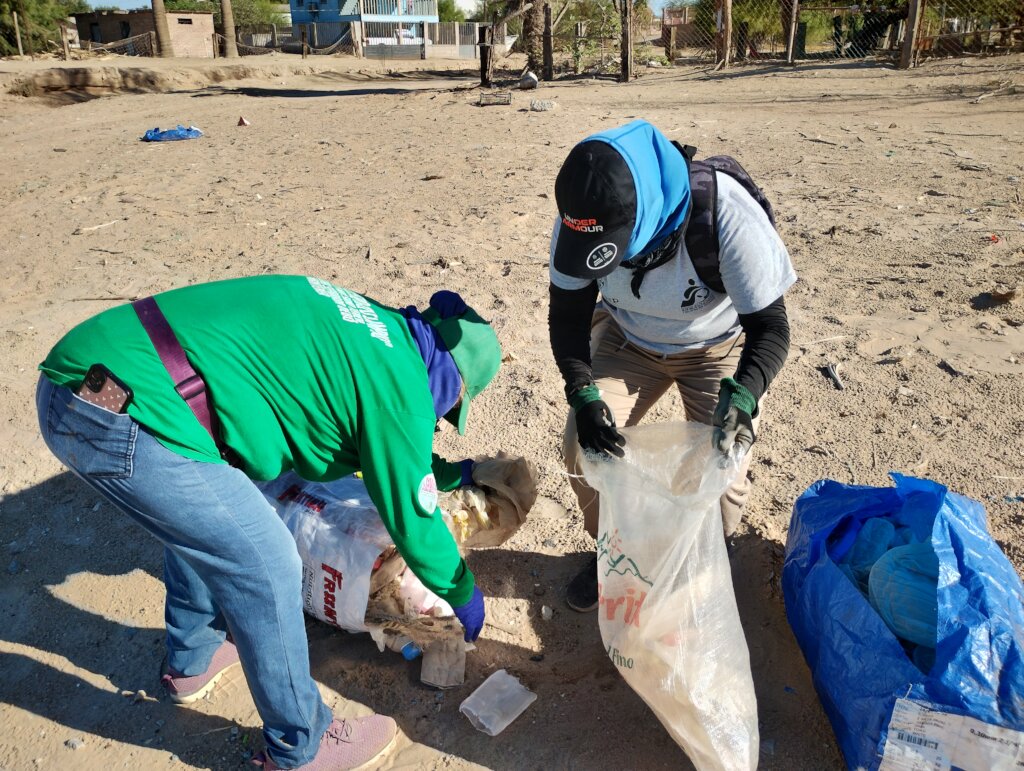
From mid-July until now, we’ve spent several days collecting abandoned fishing nets from the beach—known as “ghost nets” because they pose a threat to coastal and marine species. So far, we’ve collected nearly a ton! One new task we want to start is identifying the materials these nets are made of to determine whether they can be recycled.
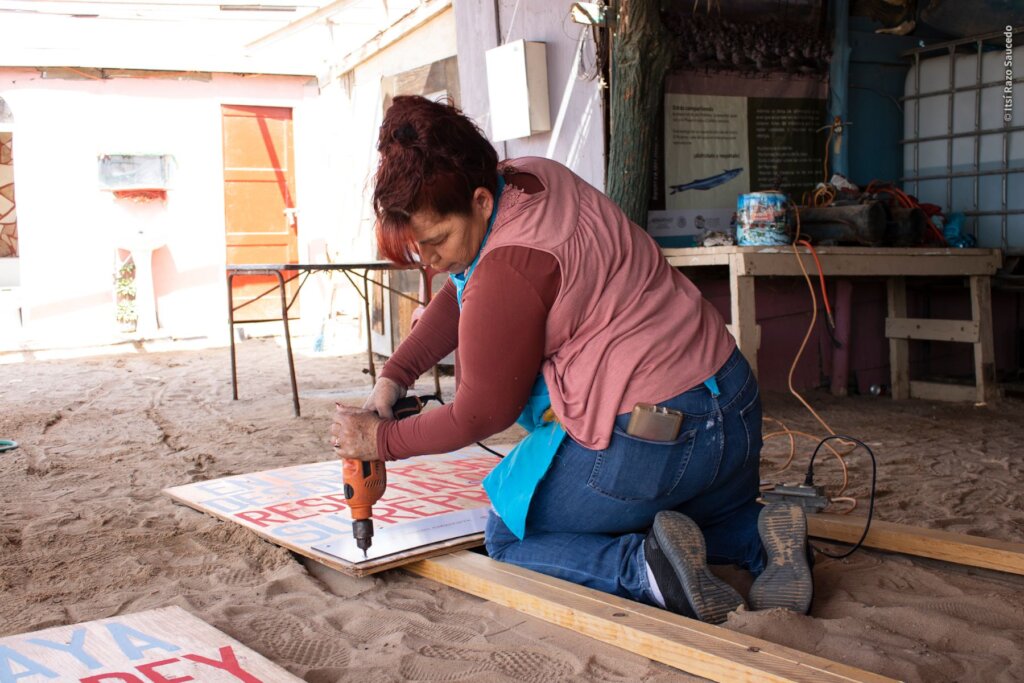
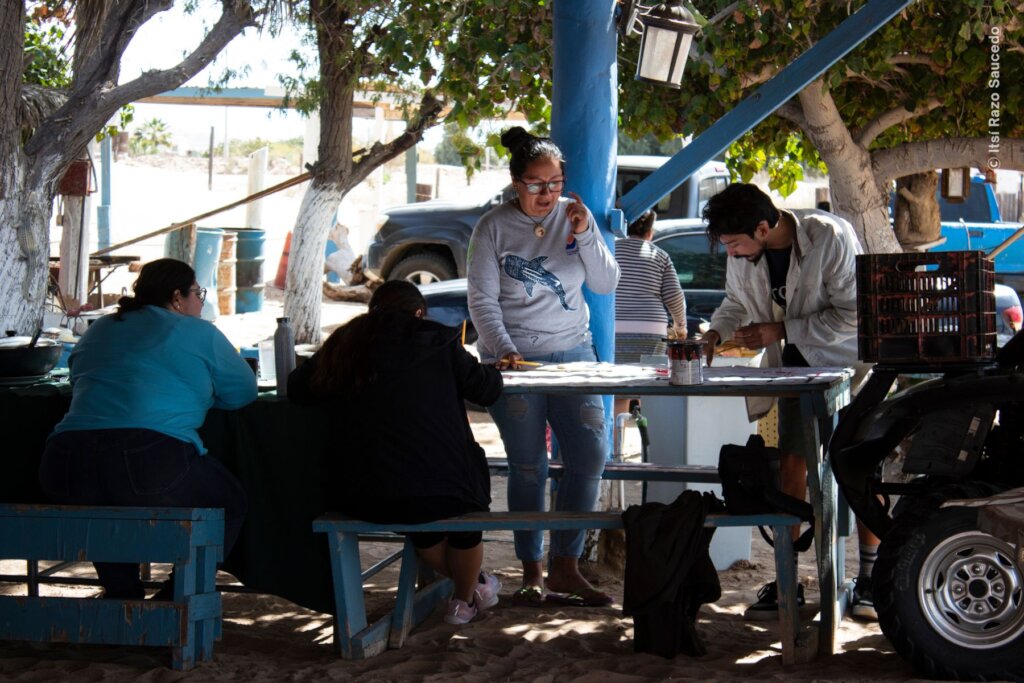
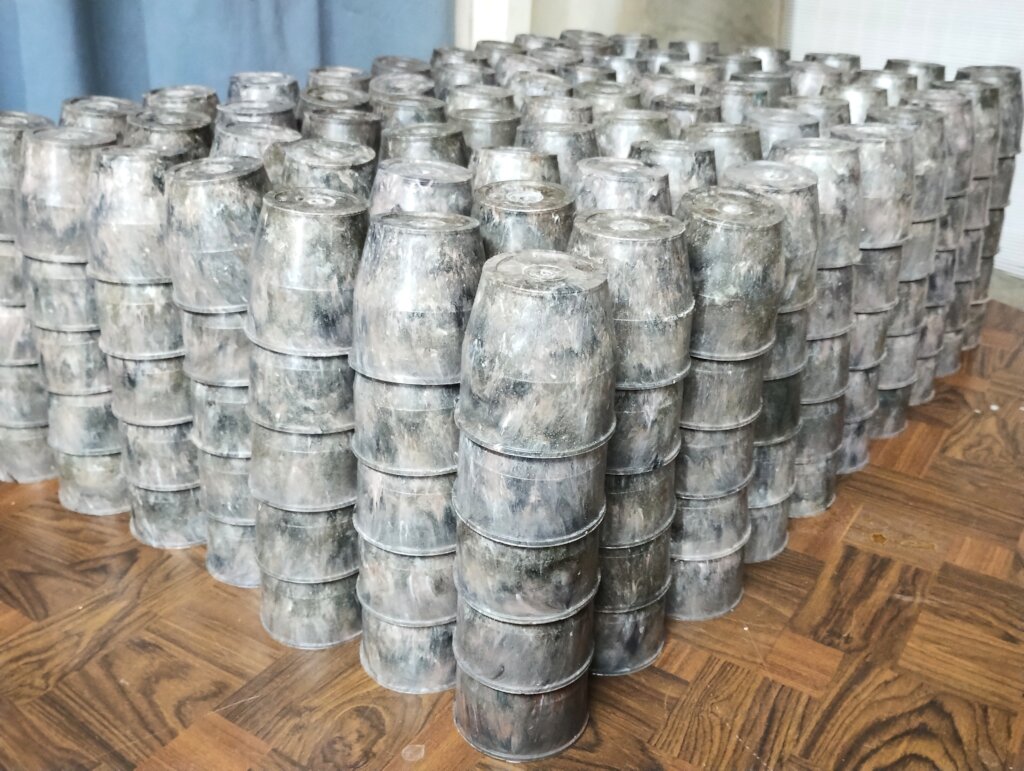
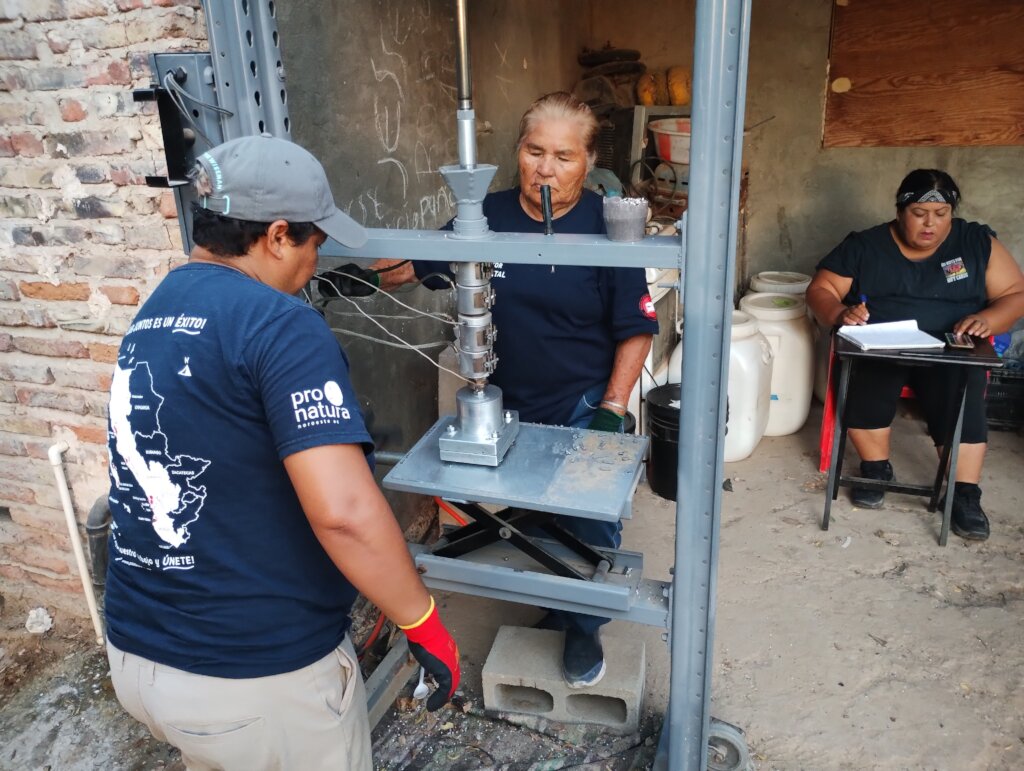
And speaking of recycling, or better yet, upcycling, at the end of July our friends from Nawal, a Mexican brand that designs and produces recycled pieces with a social focus, contacted us to invite us to collaborate on the production of decorative flowerpots (3 in tall) using discarded coffee capsules. We thought the idea was great and decided to join the project. To kick things off, Héctor, Nawal’s co-founder, came to give us a workshop focused on creating a brand for our upcycling area and starting production. In that first phase, we made 100 recycled flowerpots. Later, by the end of August, they ordered 300 more!
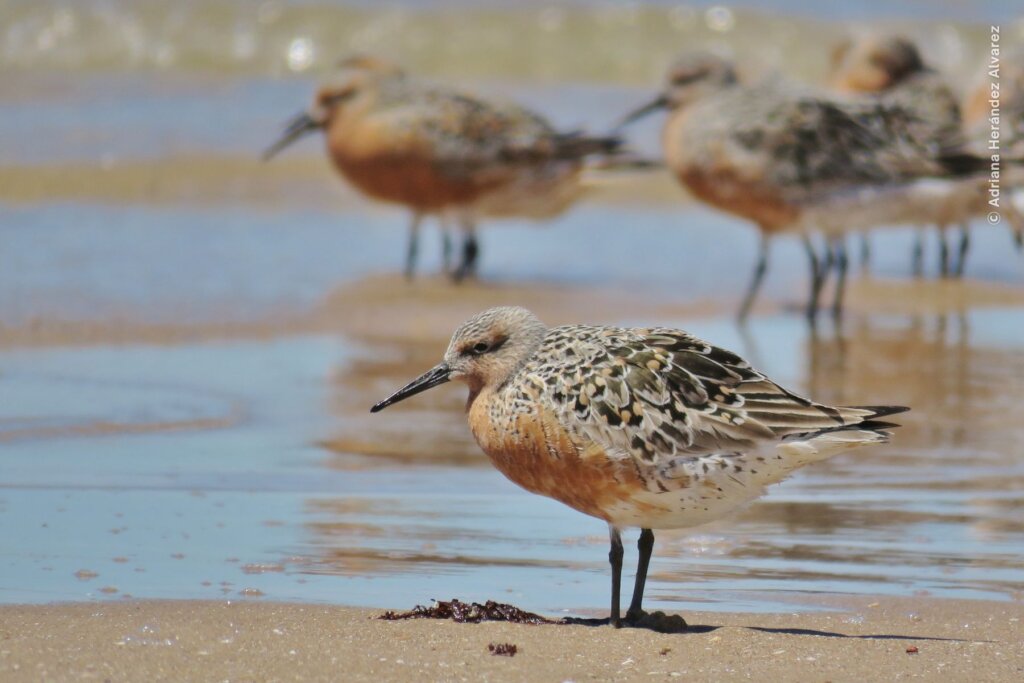
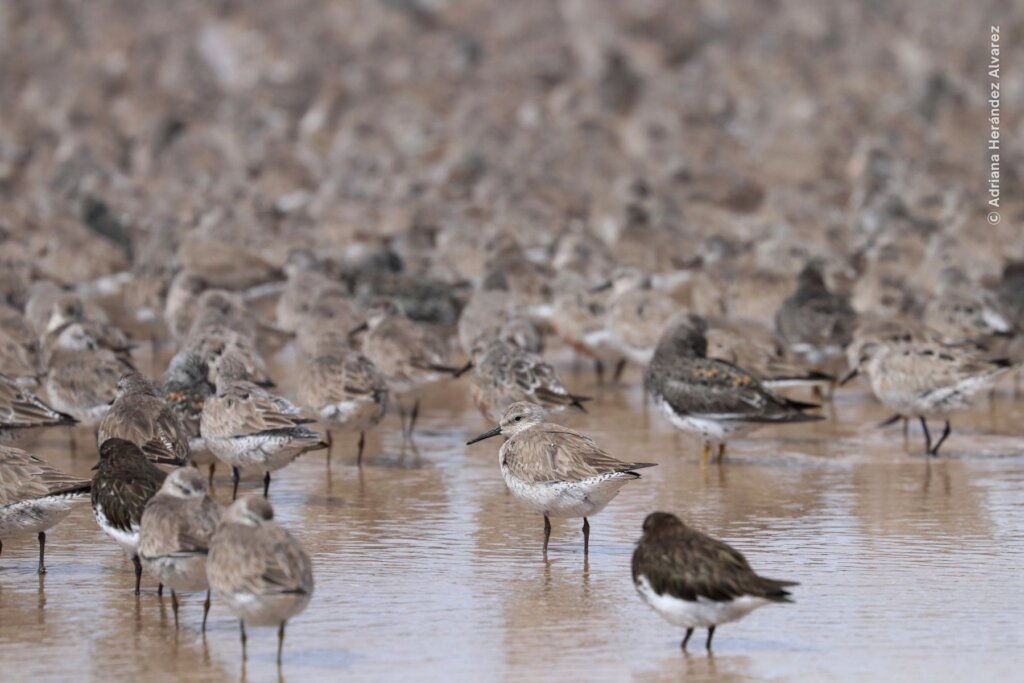
Without a doubt, those orders were the spark we needed to start putting more energy into this project, which we had somehow stand by. We got back on track, and in September we began creating our own upcycled products, producing the first 200 pieces. This was part of a campaign we called #LlévateLaBasura (some like Take the trash with you), a strategy aimed at encouraging people to rescue waste, but transformed into something beautiful: items made from 100% recovered plastic, collected and transformed in Golfo de Santa Clara, into meaningful pieces that, instead of polluting the beach, now go home with you as combs and flowerpots or earrings, necklaces and keychains shaped like the region’s representative species: the Vaquita porpoise, Gulf grunion, Red knot, and a Sea turtle. Not to brag, but the colors came out absolutely gorgeous. For now, they’re available by request, you ask for details through our social media.
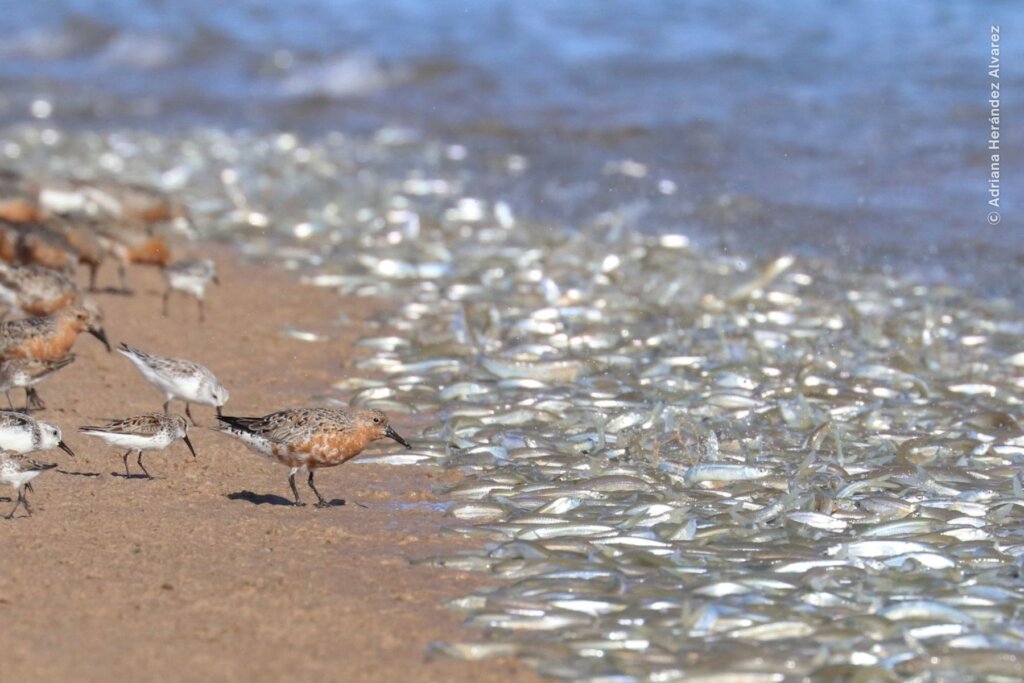
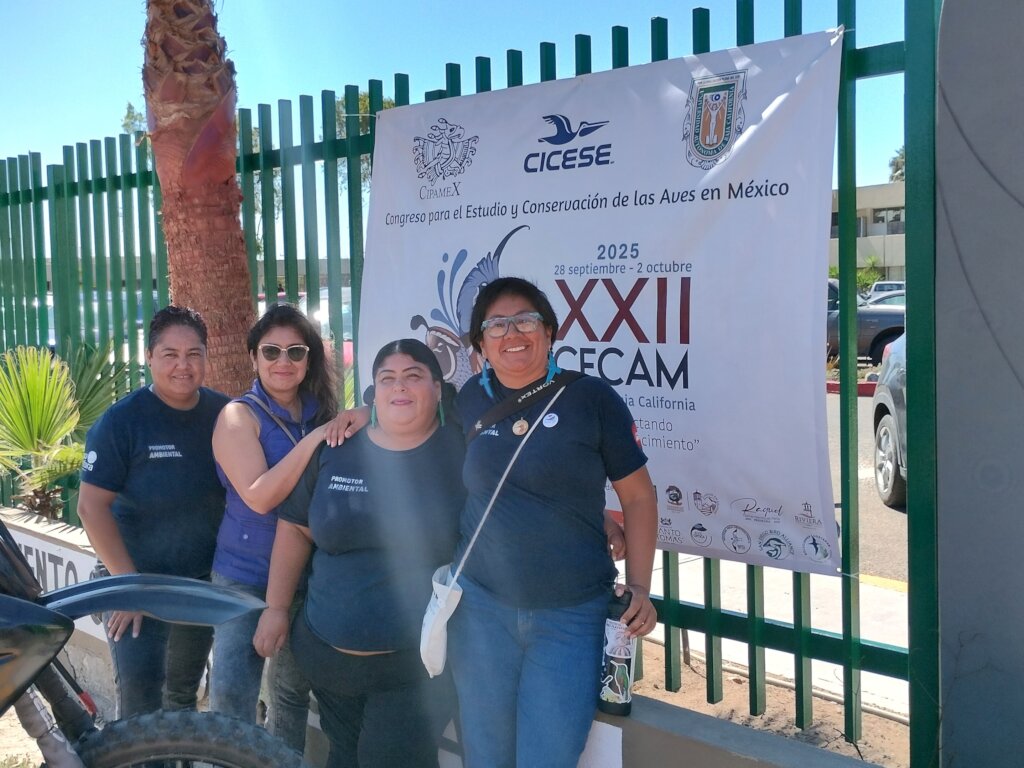
We officially presented these story-filled products at the XXII Congress for the Study and Conservation of Birds in Mexico (CECAM Spanish acronym), where, fortunately, the pieces were very well received. We attended the XXII CECAM not only to showcase the first results of our upcycling efforts but also to give two oral presentations. Tomy and Juanita gave an overview of our five main lines of work in Golfo de Santa Clara: environmental outreach and education, habitat conservation, research and monitoring, waste management and upcycling, and nature tourism. They did an excellent job; many people congratulated them for both their work and their presentation. Meanwhile, Adriana presented a case study on all Pronatura Noroeste efforts for the conservation of the Red Knot and Gulf grunion since 2010.
As part of the congress there was a seabird-watching trip and what a surprise we had, Tomy spotted a very distant bird that turned out to be a Salvin’s Albatross, a species that had never been recorded in Mexico!
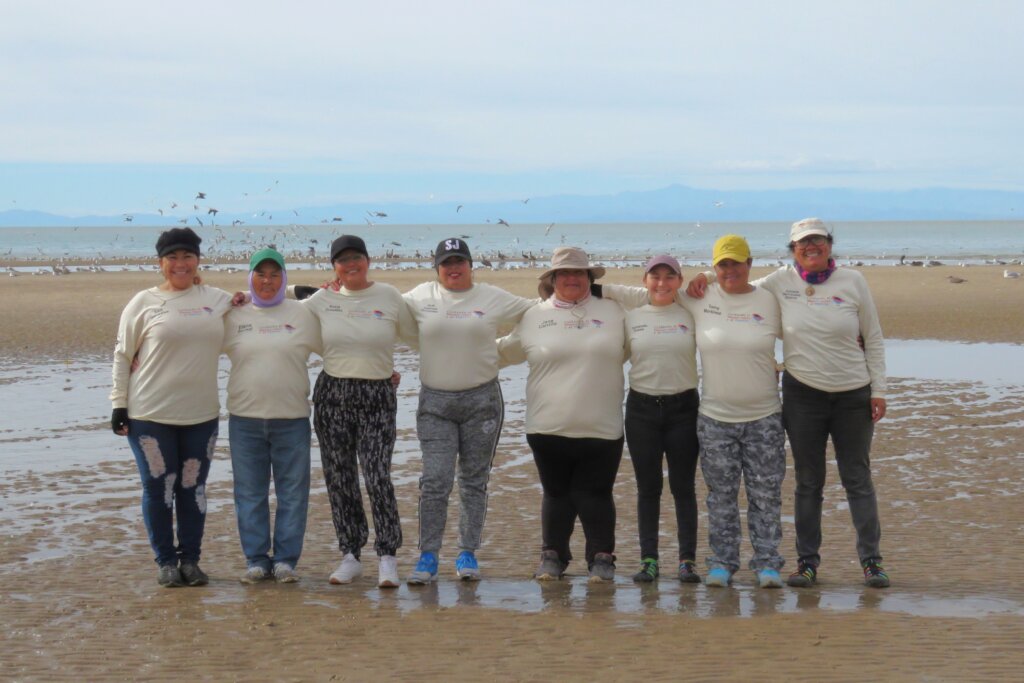
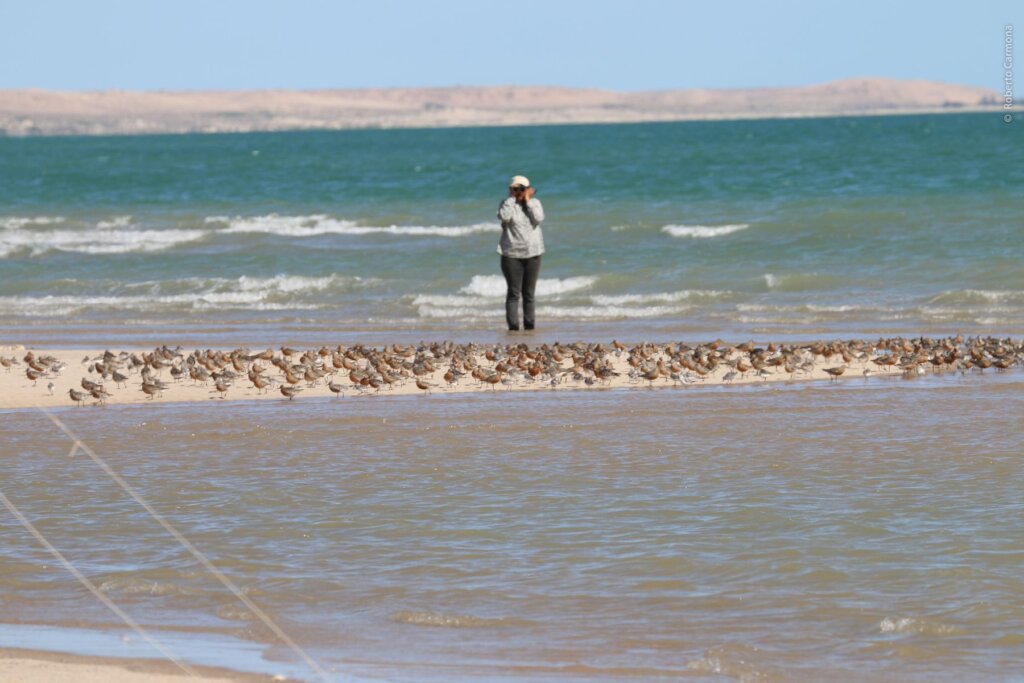
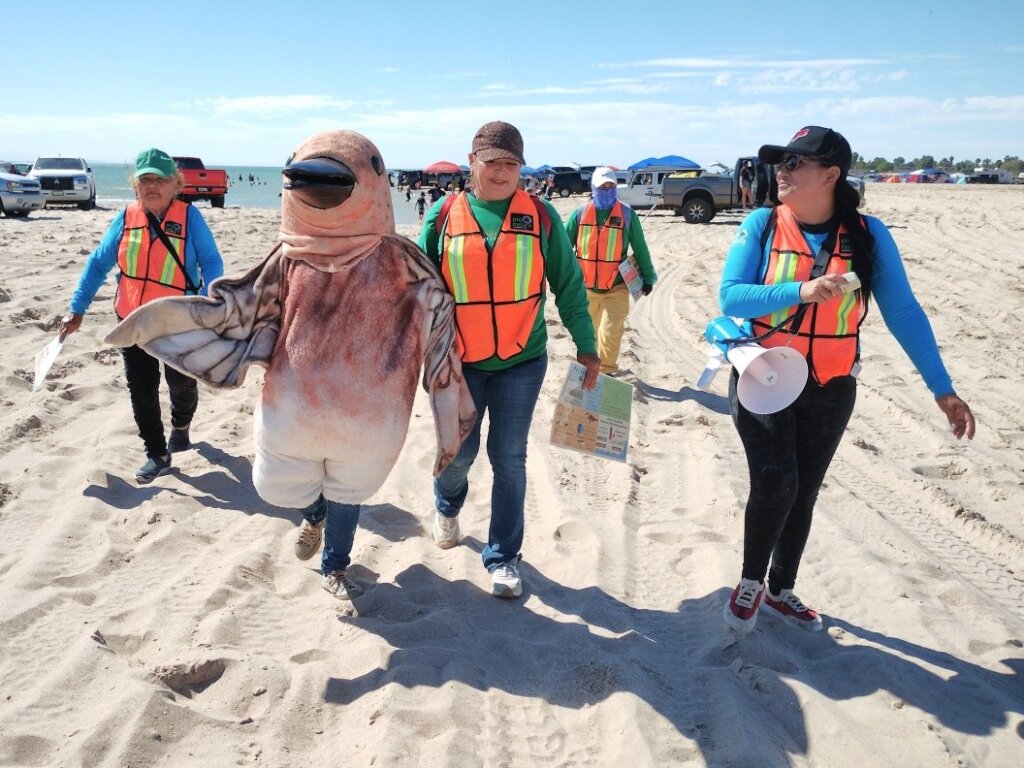
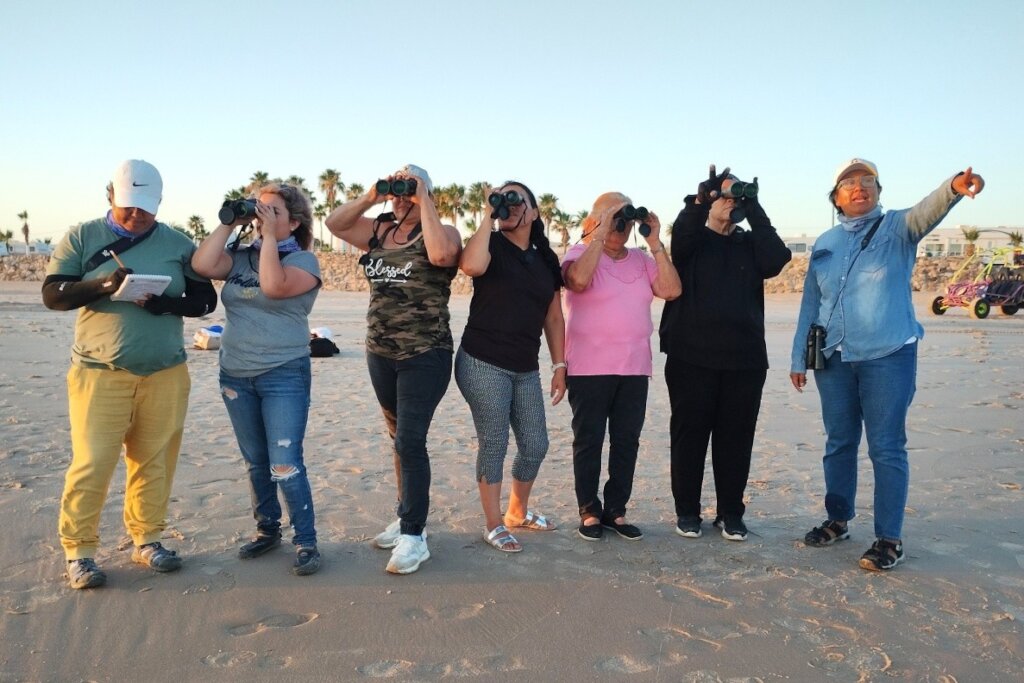
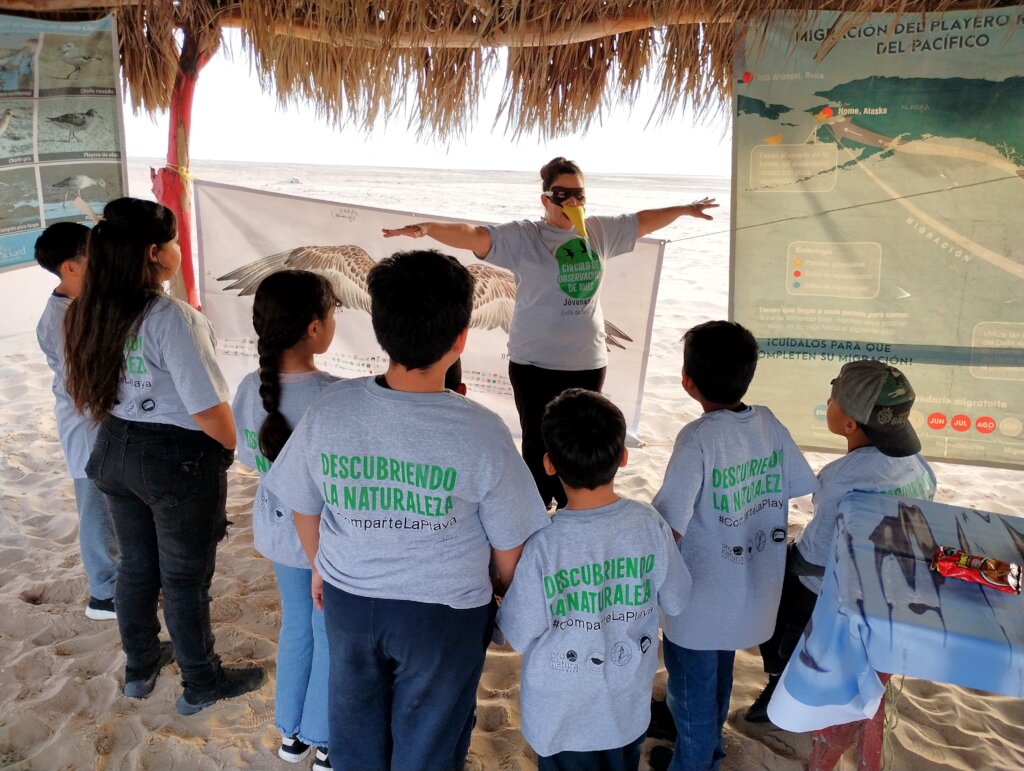
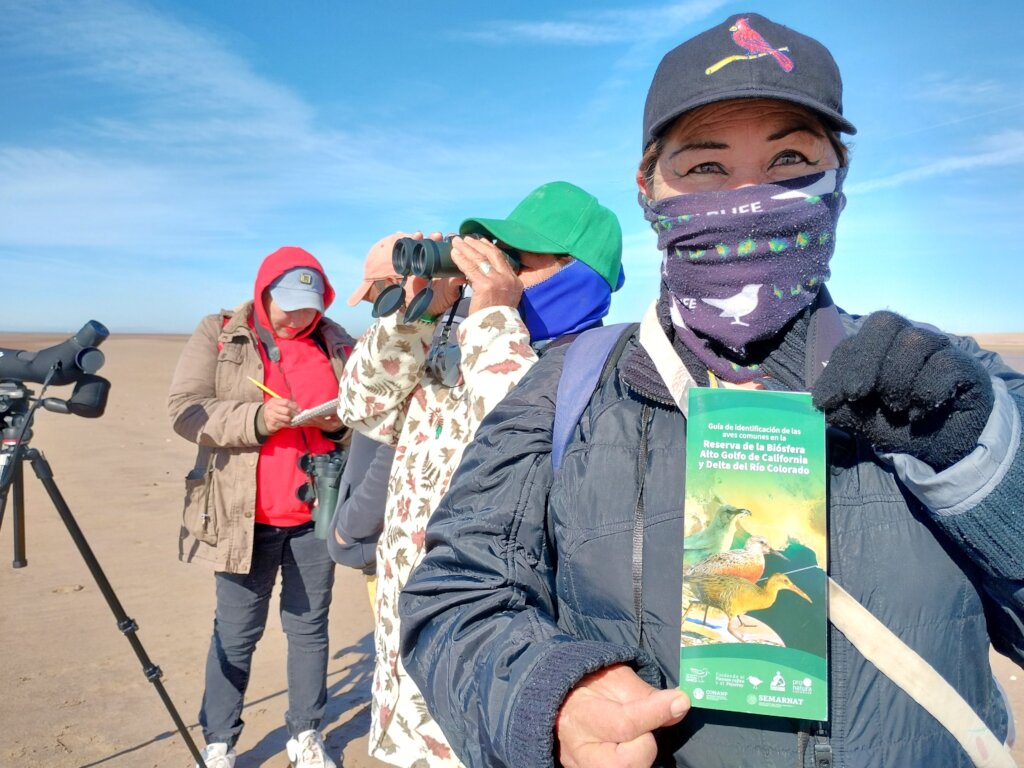
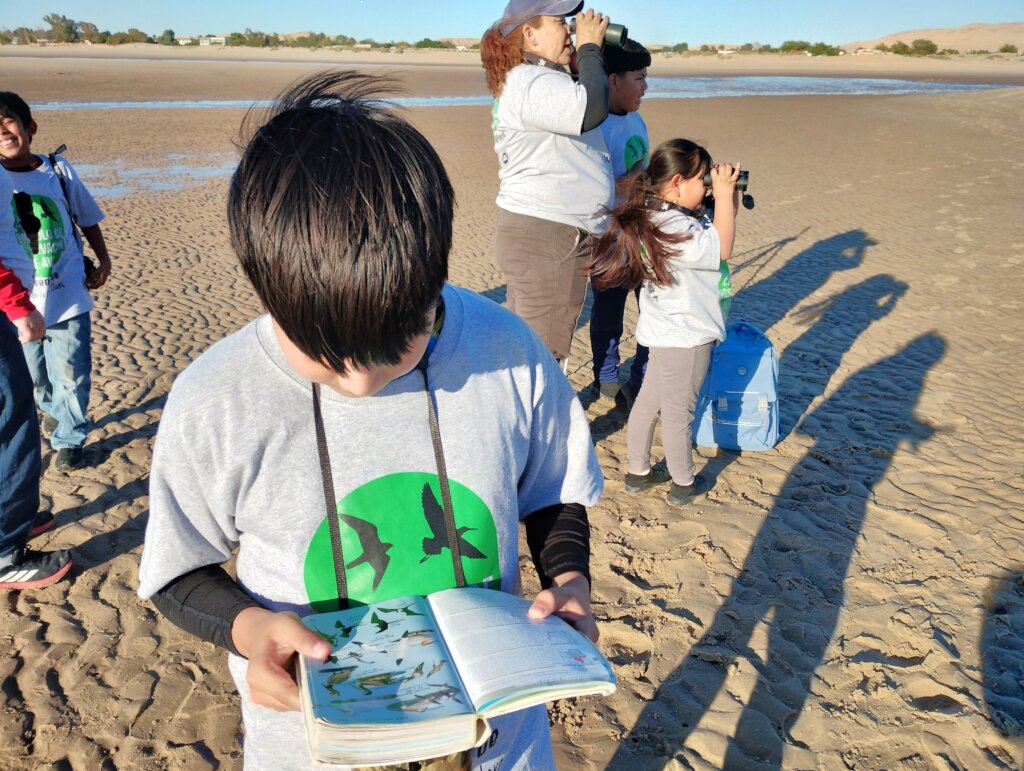
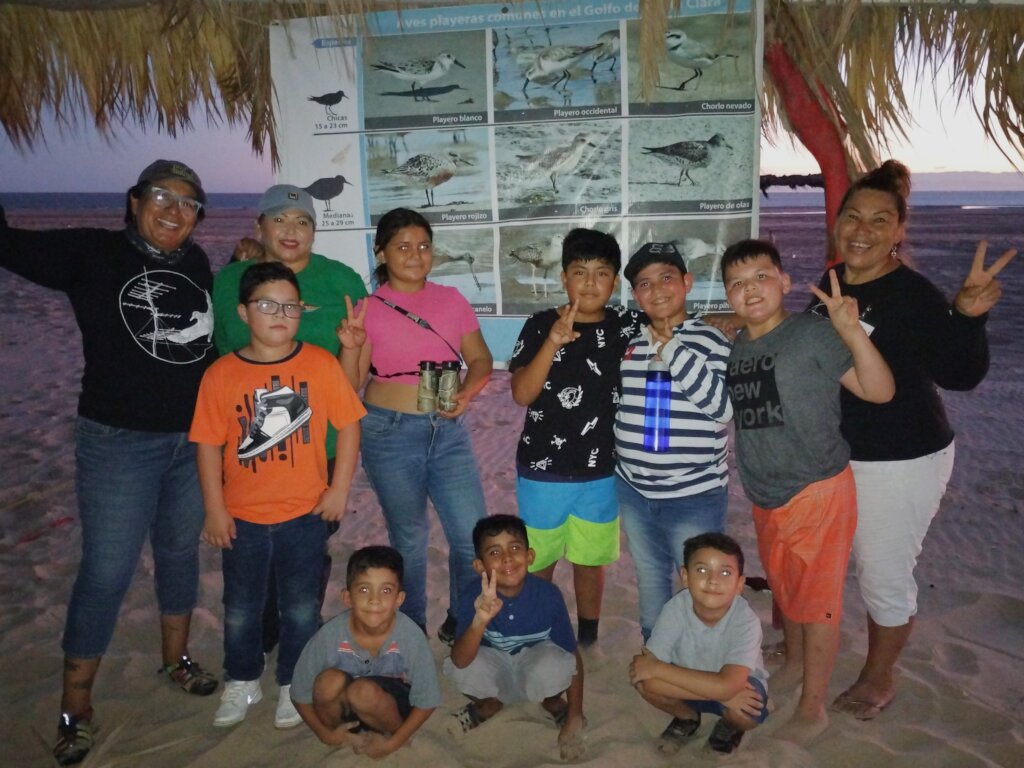
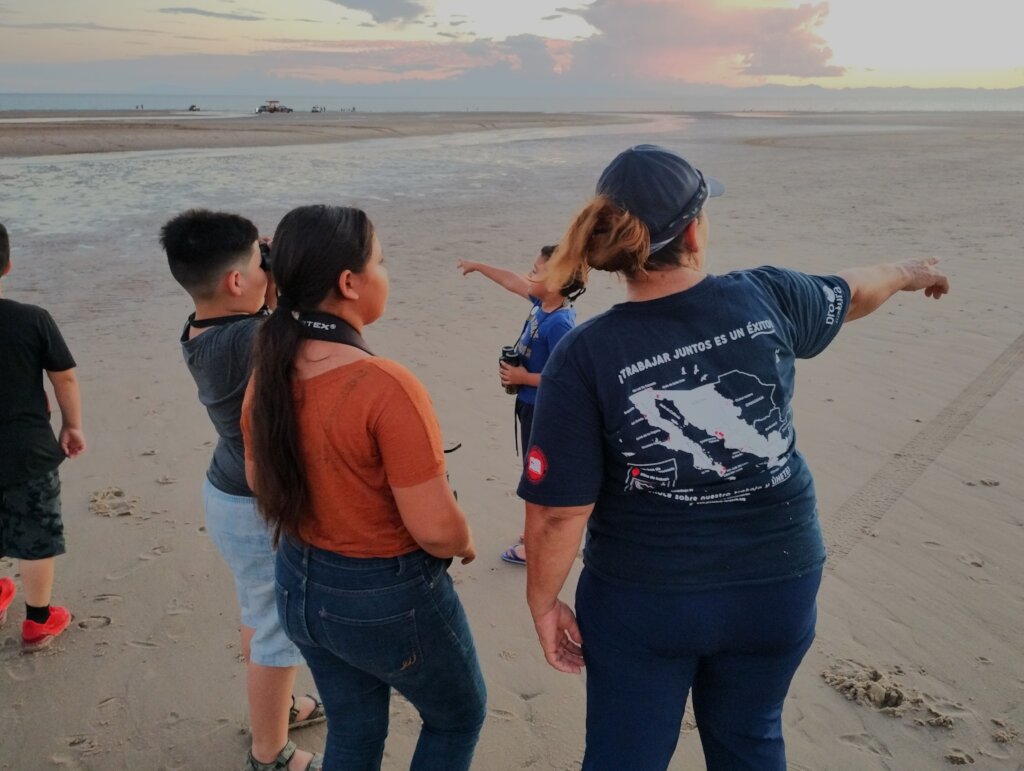
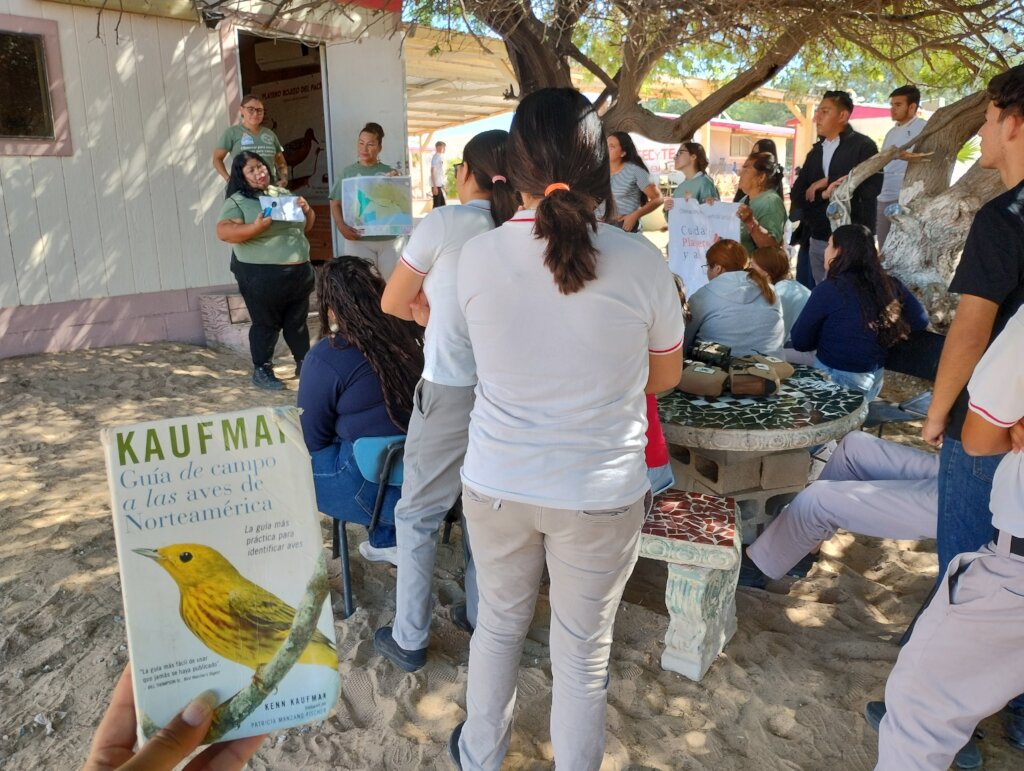
Over these past months, we’ve also carried out several environmental education and outreach activities. We led workshops during the DIF Summer Course, giving five sessions where we talked about the biodiversity that surrounds us. We participated in shorebird counts as part of World Shorebirds Day, and at the Bird Watching Circle, we discussed that topic. We also collect waste in the International Coastal Cleanup and visited community middle and high schools during National Conservation Week to share information and invite more young people to learn about the Protected Natural Area (ANP Spanish acronym) we live in, as well as about birdwatching and how they can take part through the Bird Watching Circle that we continue to hold on the beach every other Saturday.
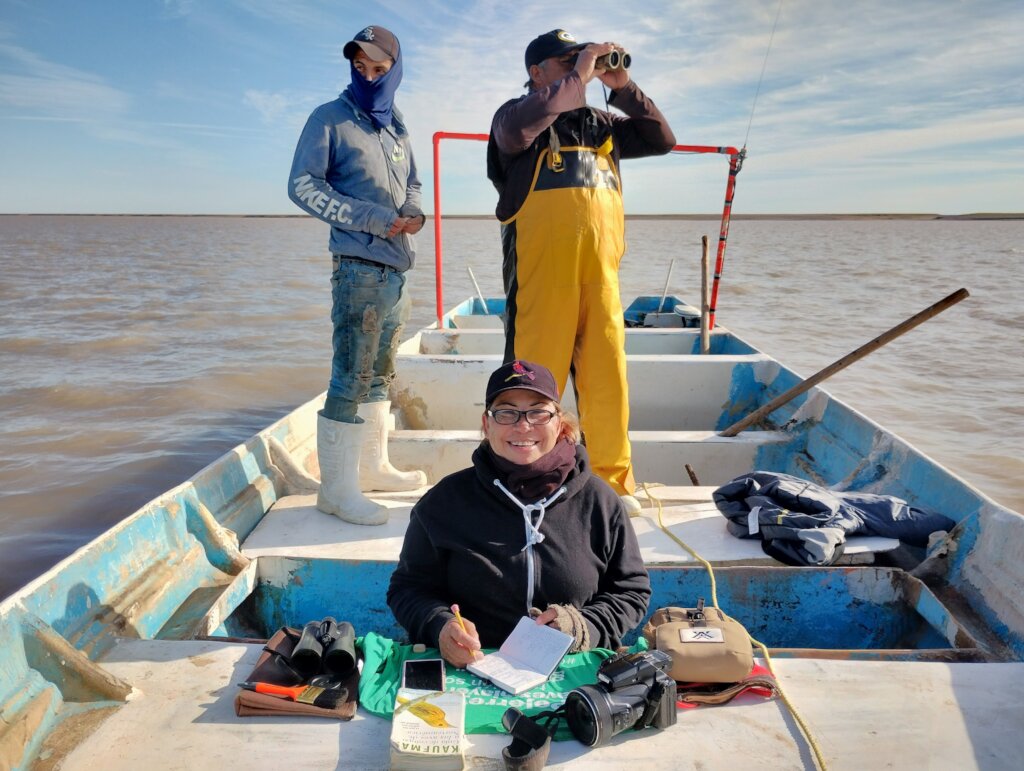
And regarding the ANP where we live, as we mentioned in our previous report, we’ve been conducting bird monitoring thanks to the Upper Gulf of California and Colorado River Delta Biosphere Reserve. So far, the most noteworthy and uncommon species we’ve recorded in the area include the Snow Goose, Redhead, and Neotropical Cormorant.
The year isn’t over yet—and we still have more activities to come!
![Least Tern]()
Least Tern
![]()
![DIF Summer Course]()
DIF Summer Course
![Upcycling]()
Upcycling
![#LlevateLaBasura campaign]()
#LlevateLaBasura campaign
![Bird Watching Circle]()
Bird Watching Circle
![]()
![XXII CECAM]()
XXII CECAM
![Share on Twitter]()
![Share on Facebook]()