By Resource Mobilization | Project Leader
Situation Overview
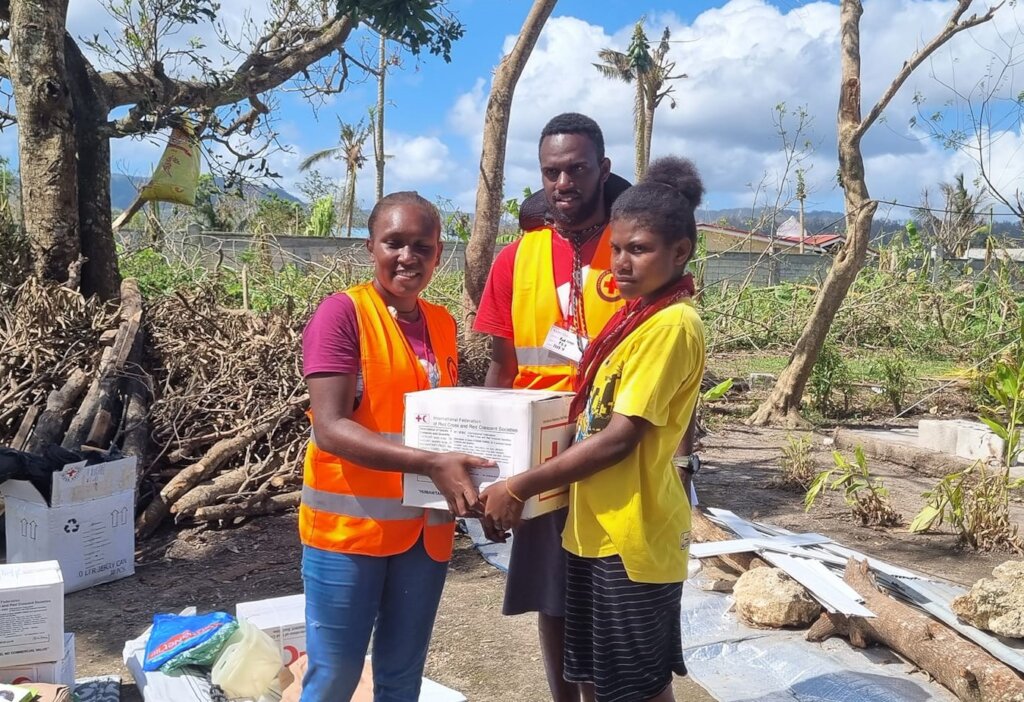
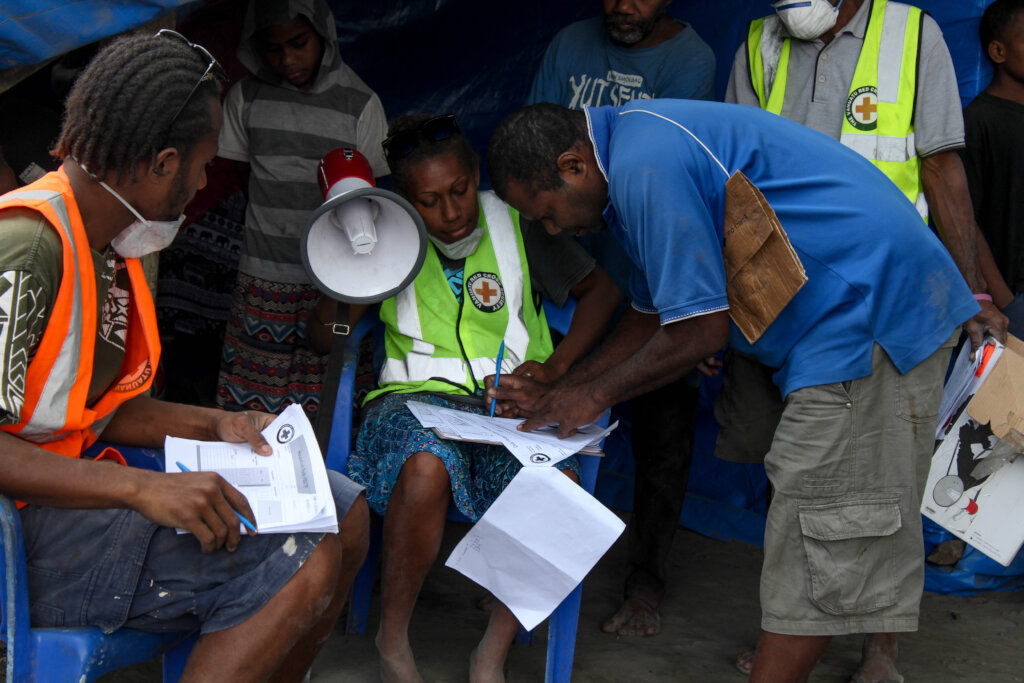
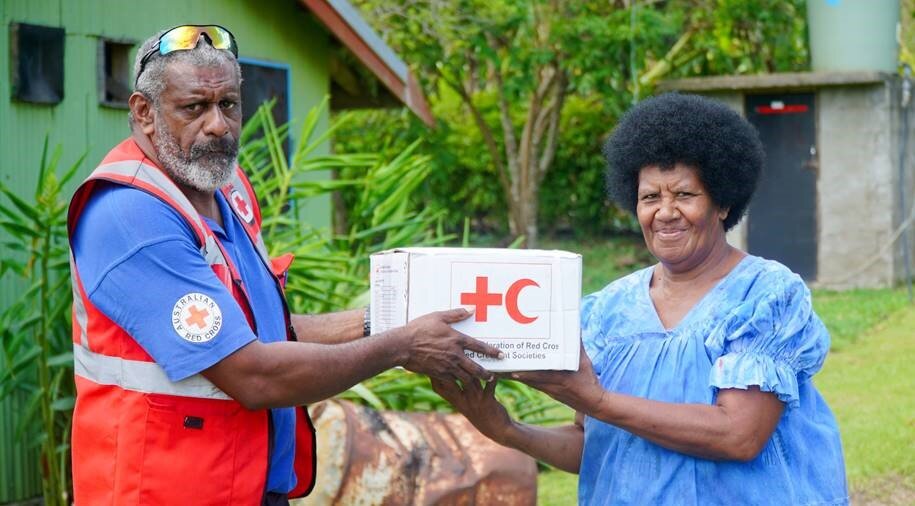
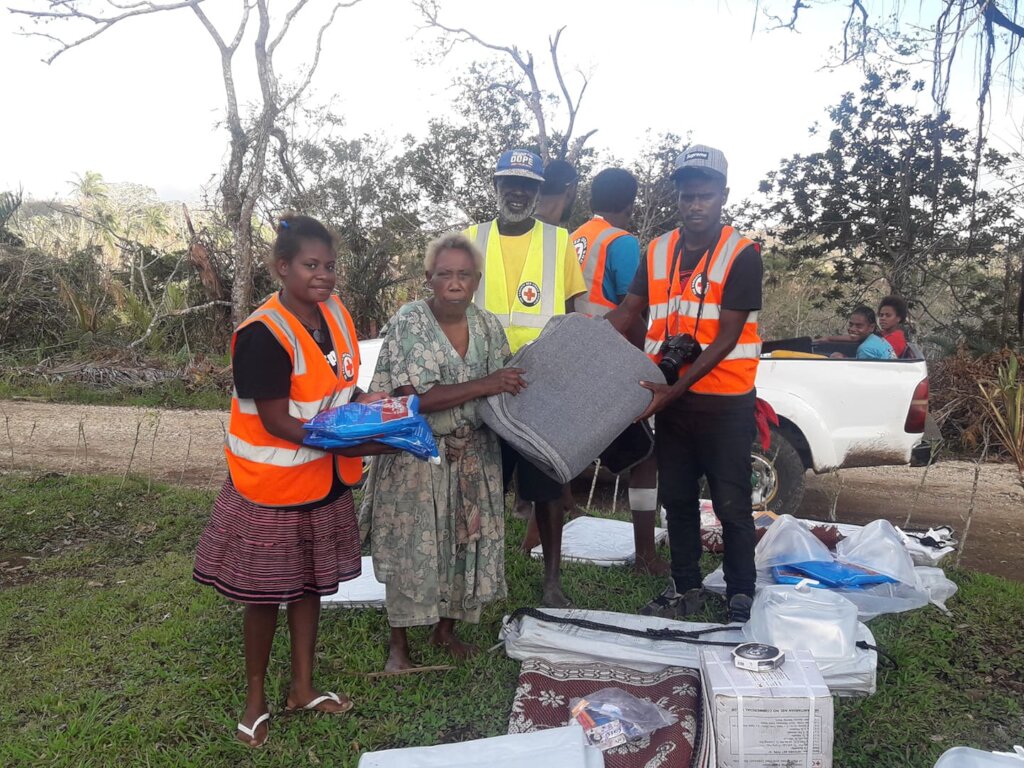
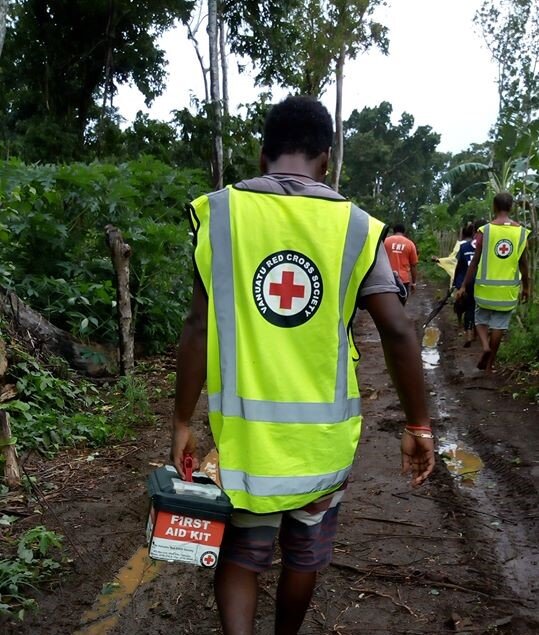
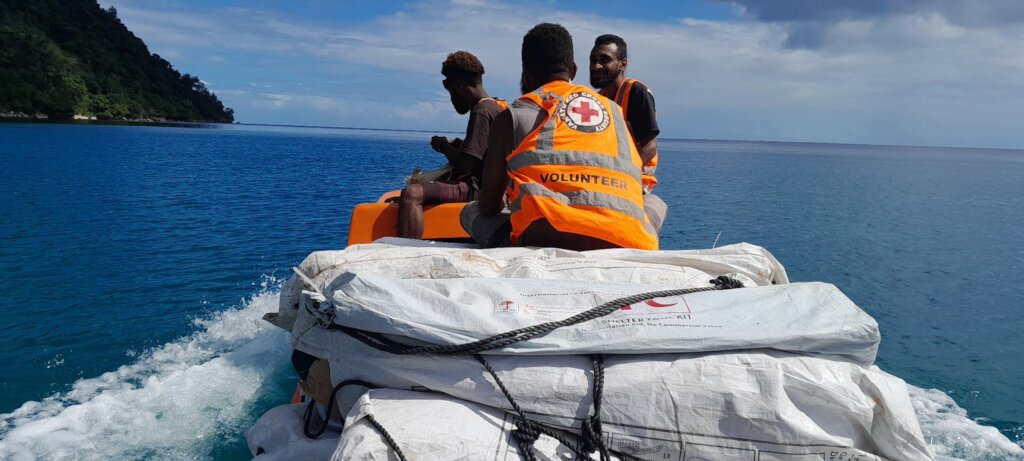
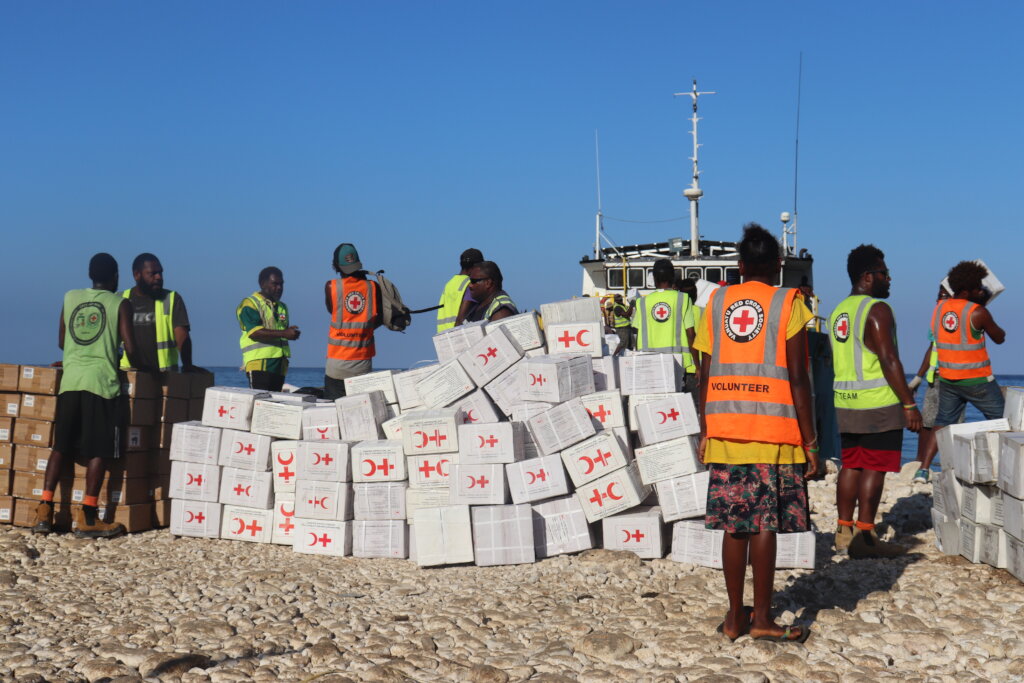
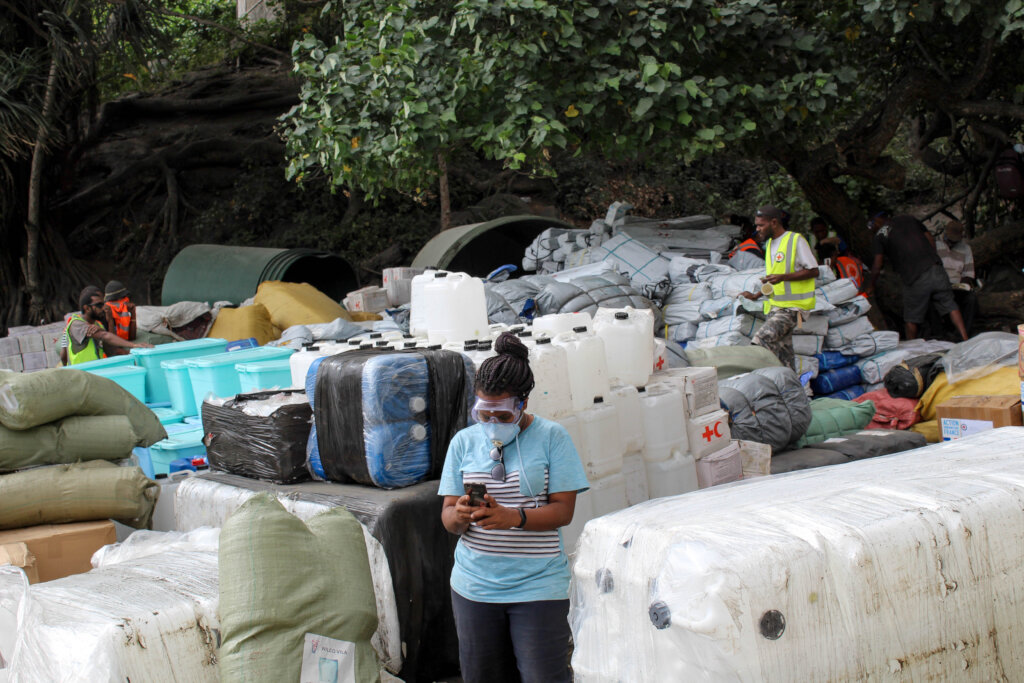
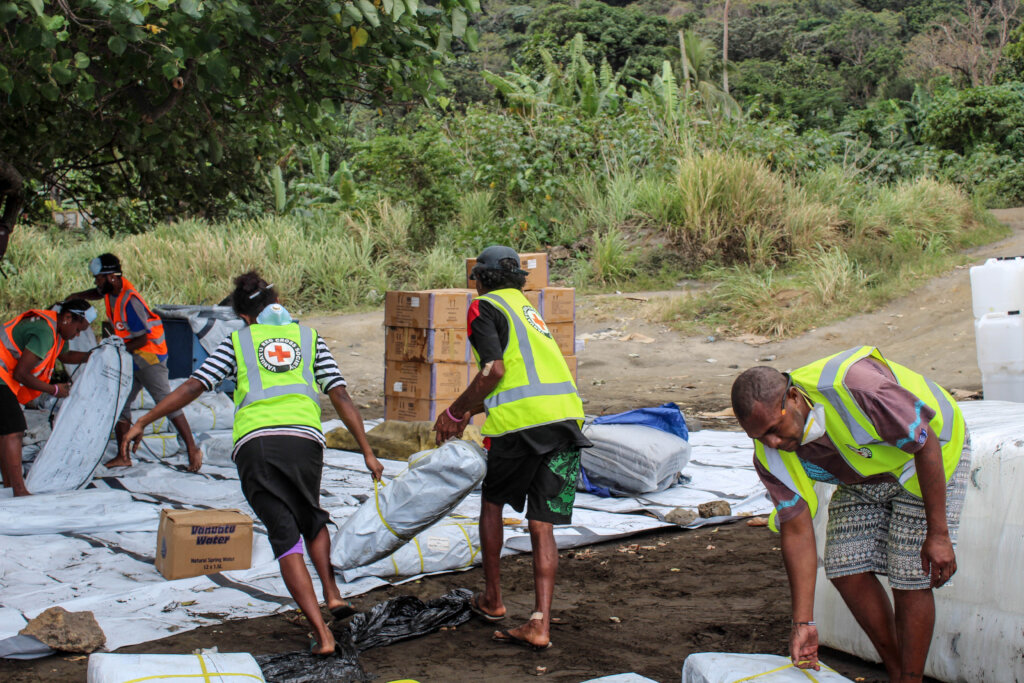
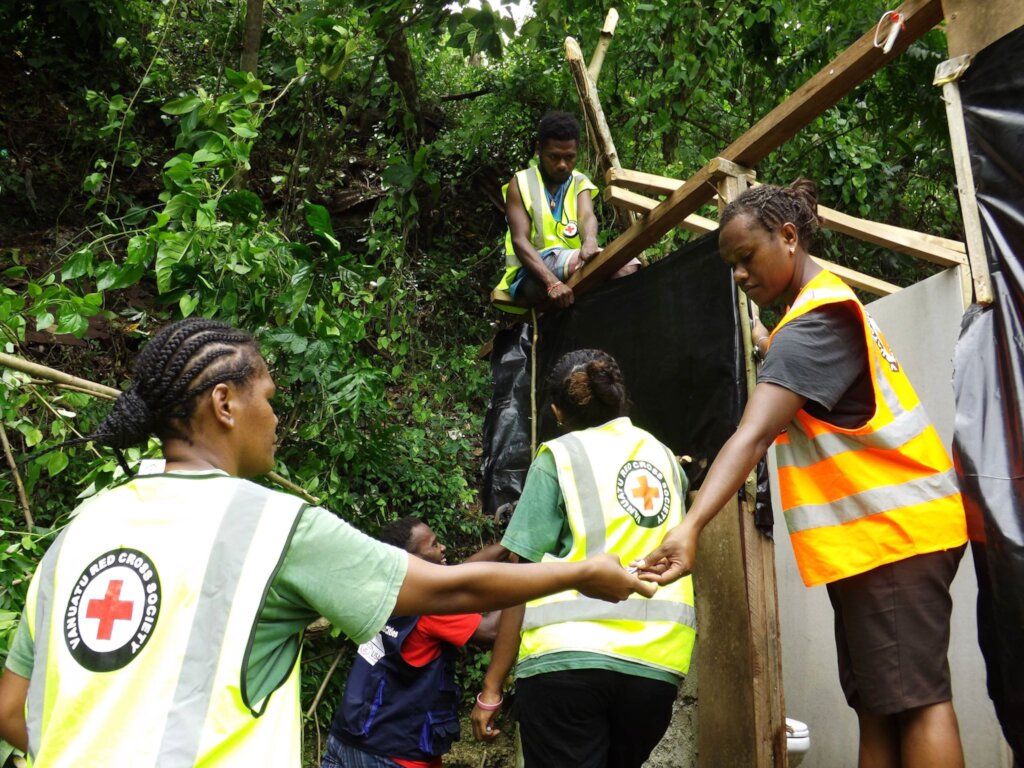
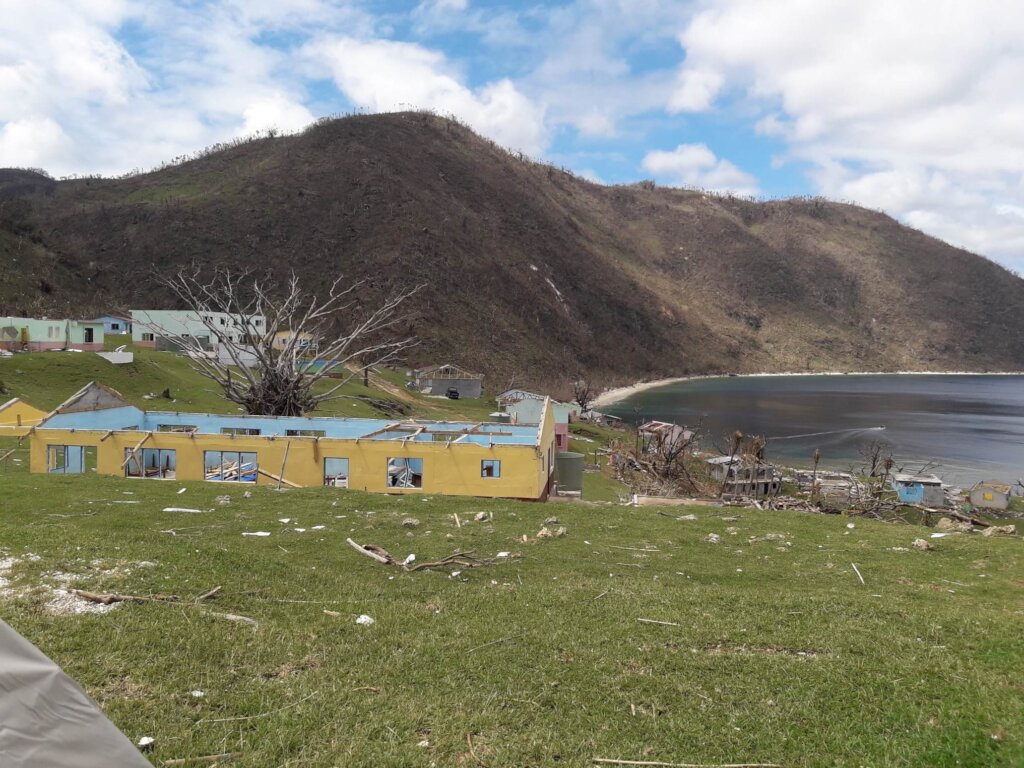
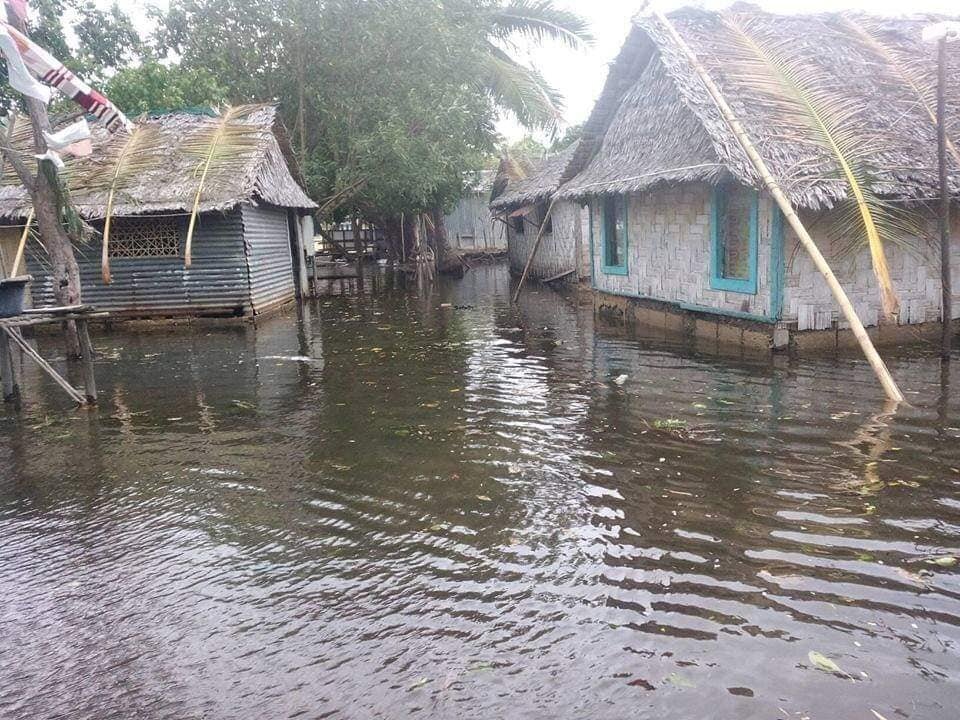
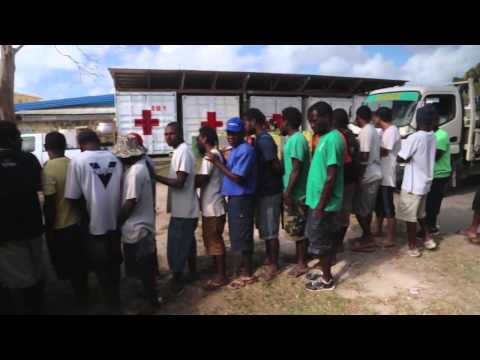
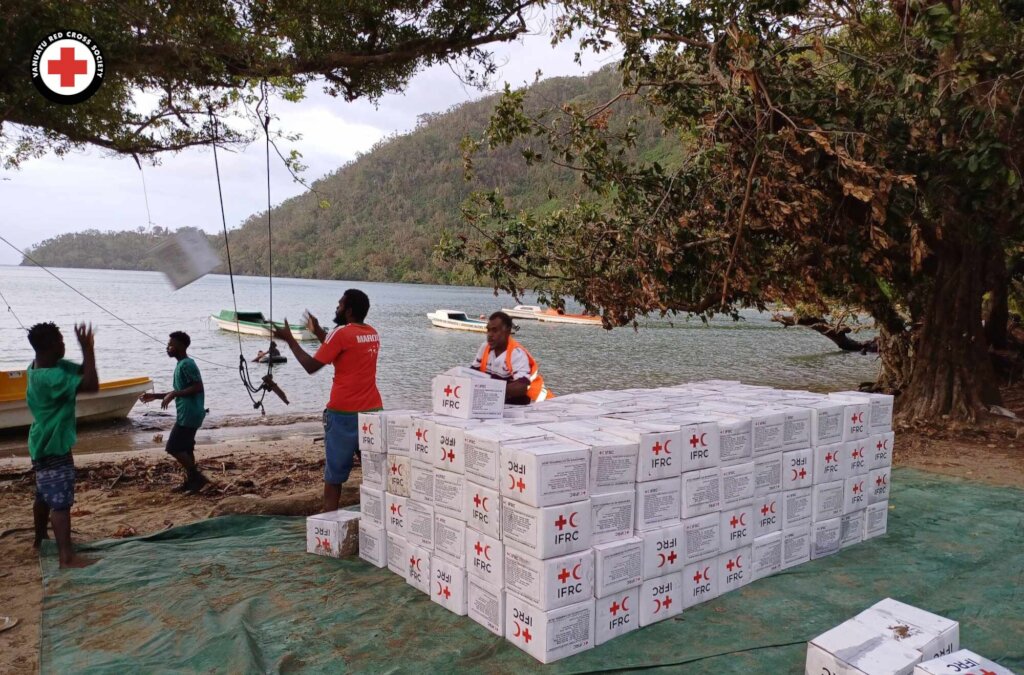
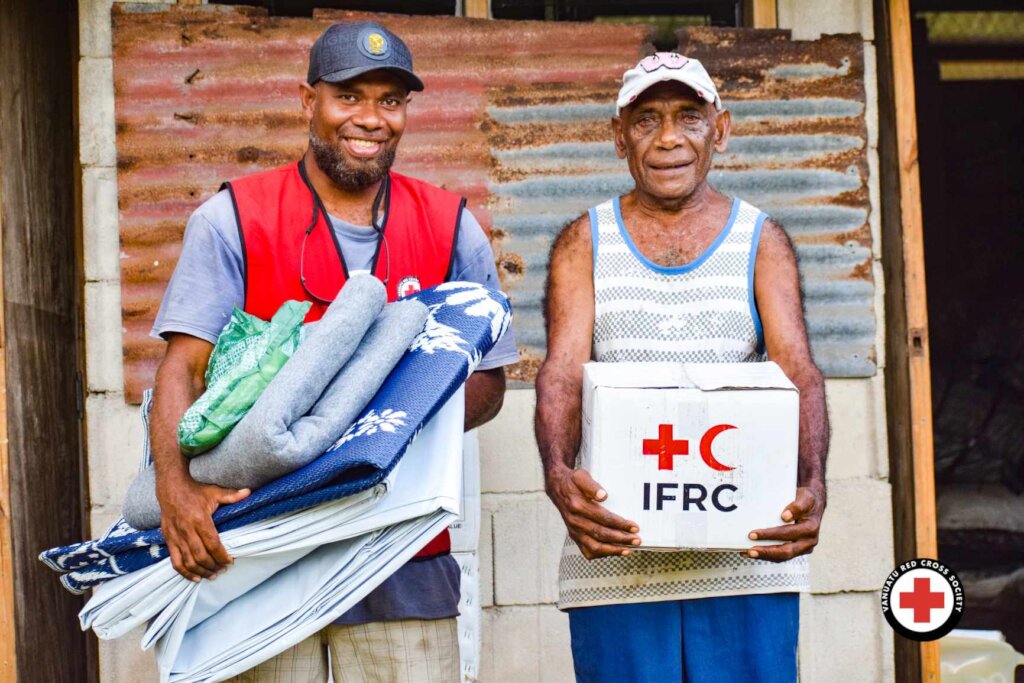
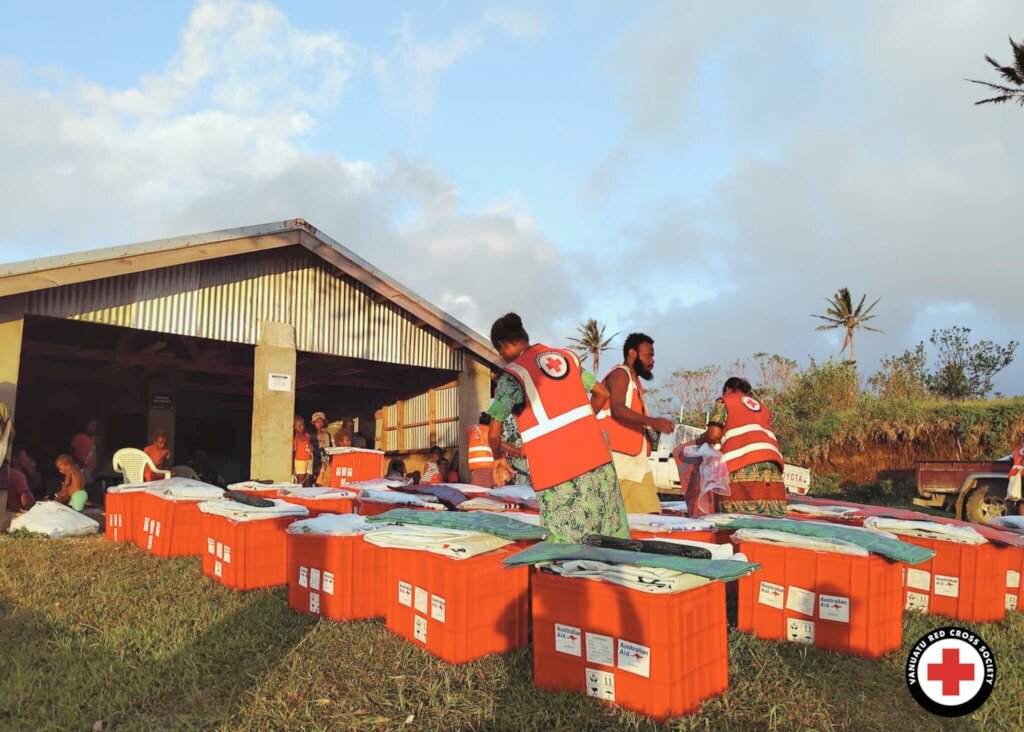
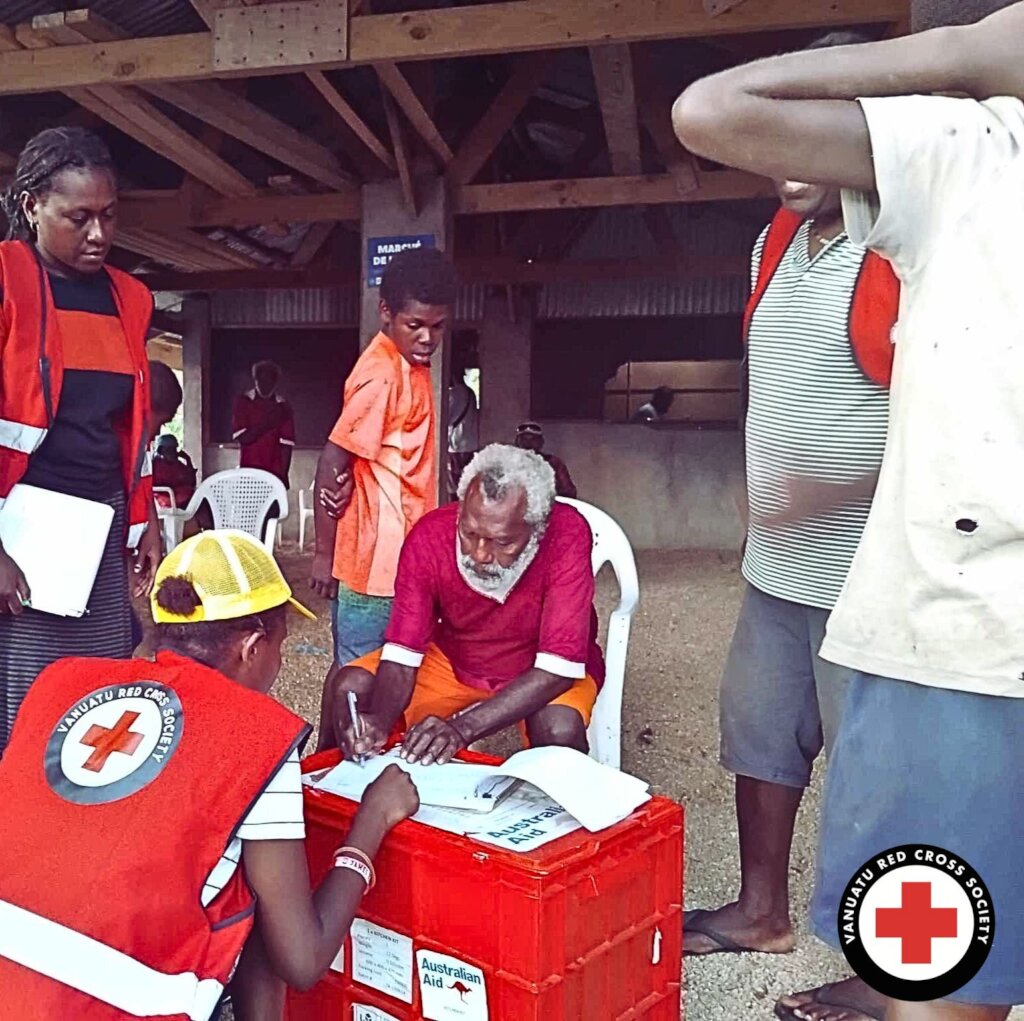
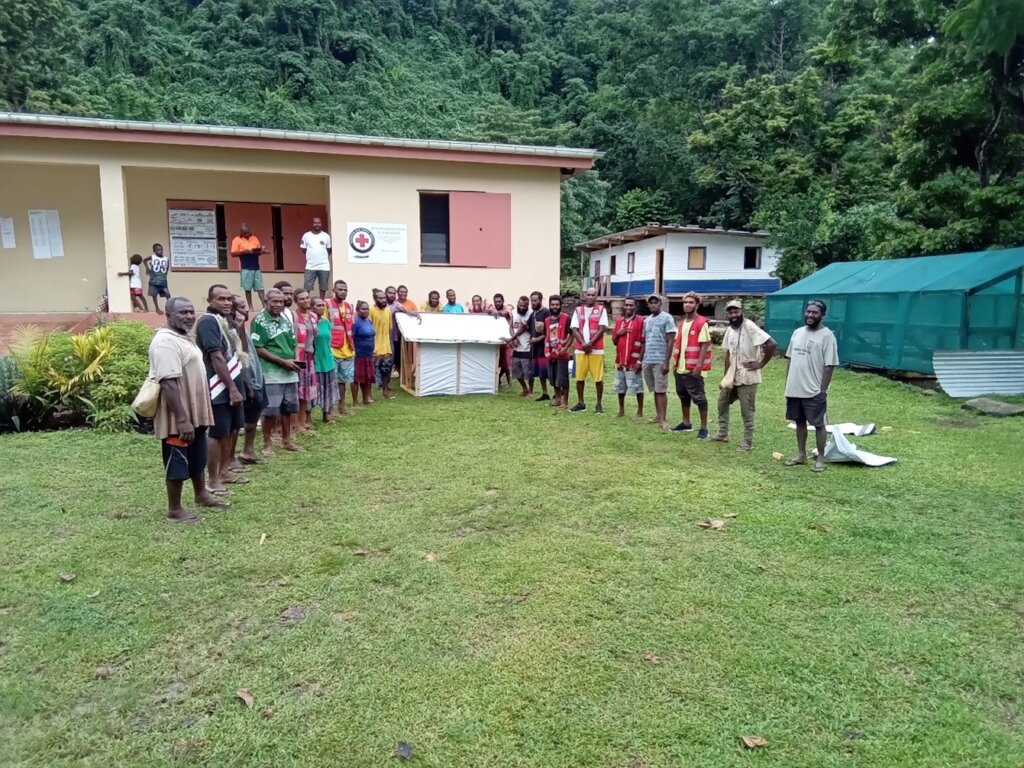
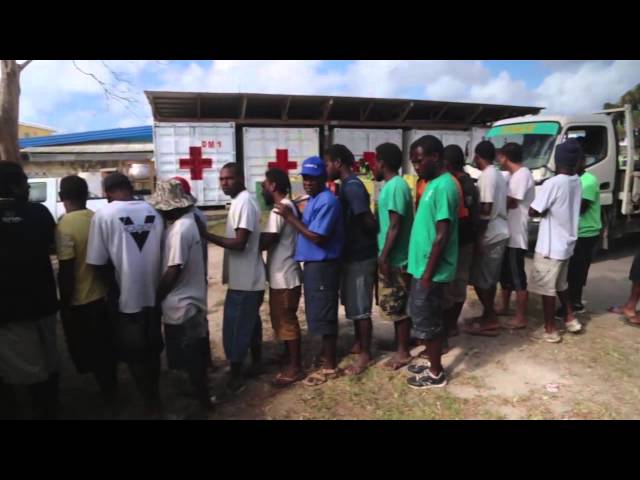
Following Cyclone Lola on 26 October 2023, the Vanuatu Red Cross Society (VRCS) swiftly deployed teams to conduct assessments and distribute relief supplies, including emergency shelter materials, household items, and hygiene kits. The assessments gathered critical data on household composition, with a focus on Protection, Gender, and Inclusion (PGI), while community-level assessments identified sectoral gaps. By 30 November 2023, VRCS had distributed all prepositioned and initial NDMO stocks to over 3,000 households. Essential items such as tarpaulins, shelter tool kits, and hygiene kits were delivered alongside safe shelter and hygiene messages.
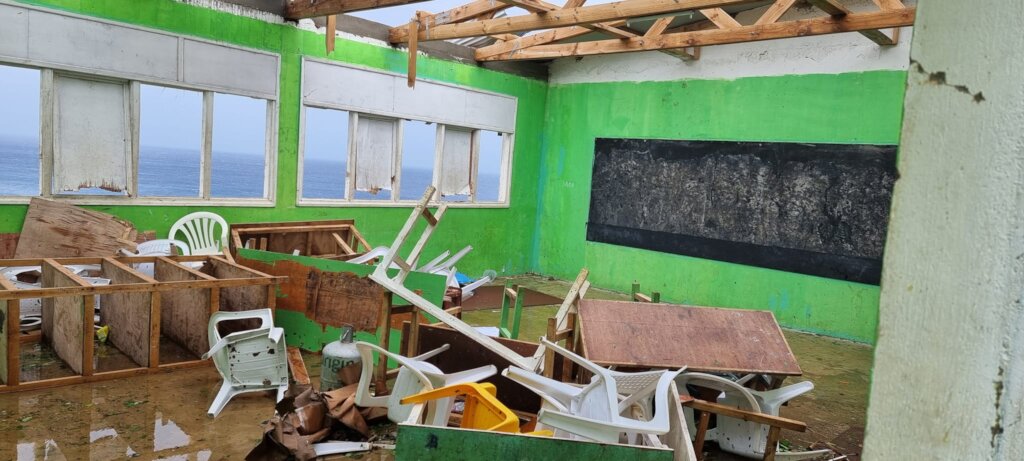
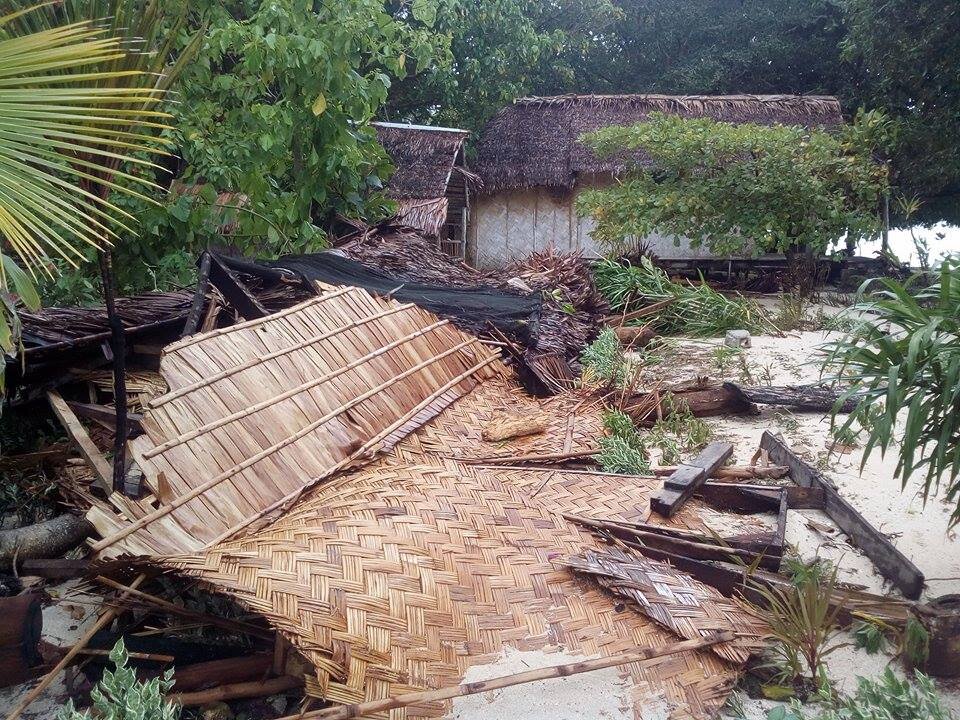
In response to the cyclone, communities played a vital role in rebuilding roads, assisting families, and repairing damaged shelters. Reconstructing restrooms became a top priority to maintain sanitation and reduce healthcare system strain. Quick assessments indicated sufficient food supplies for the coming weeks, supported by fishing activities and fresh vegetable markets, which are vital to the island's economy. FSAC is coordinating with partners to assist affected areas, focusing on providing care for vegetable and crop seedlings.
Water supply challenges remain significant, with some sources contaminated by saltwater or diminished by drought. Community tanks and water catchment systems are urgently required to ensure access to clean water. The lack of safe drinking water increases the risk of waterborne diseases, while food insecurity remains a concern due to damaged crops. There is a critical need for planting materials, as well as medical supplies, which are limited due to ongoing delivery challenges.
Coordination
The cluster system has been activated in Vanuatu to coordinate the humanitarian response. This system operates under the leadership of a Line Ministry, co-led by a humanitarian agency, with overall coordination managed by the Vanuatu National Disaster Management Office (NDMO). The government has convened inter-agency briefings with the National Disaster Management Authority to organize the emergency response. The most affected areas have been prioritized into yellow and red zones. VRCS, as co-lead of the Shelter and Communications Clusters, supports the government-led NDMO in responding to TC Lola.
Operational Strategy
The overall objective of the immediate humanitarian response is to alleviate the suffering of the most affected populations by providing Non-Food Items (NFIs) and other relevant interventions. VRCS assessment teams have conducted rapid technical assessments over 3-4 days and plan to assist approximately 6,000 households, benefiting 20,000 individuals in targeted areas. The operation involves all clusters, including Shelter, WASH, Health, Logistics, Gender and Protection, Displacement, and Communications.
Main Highlights
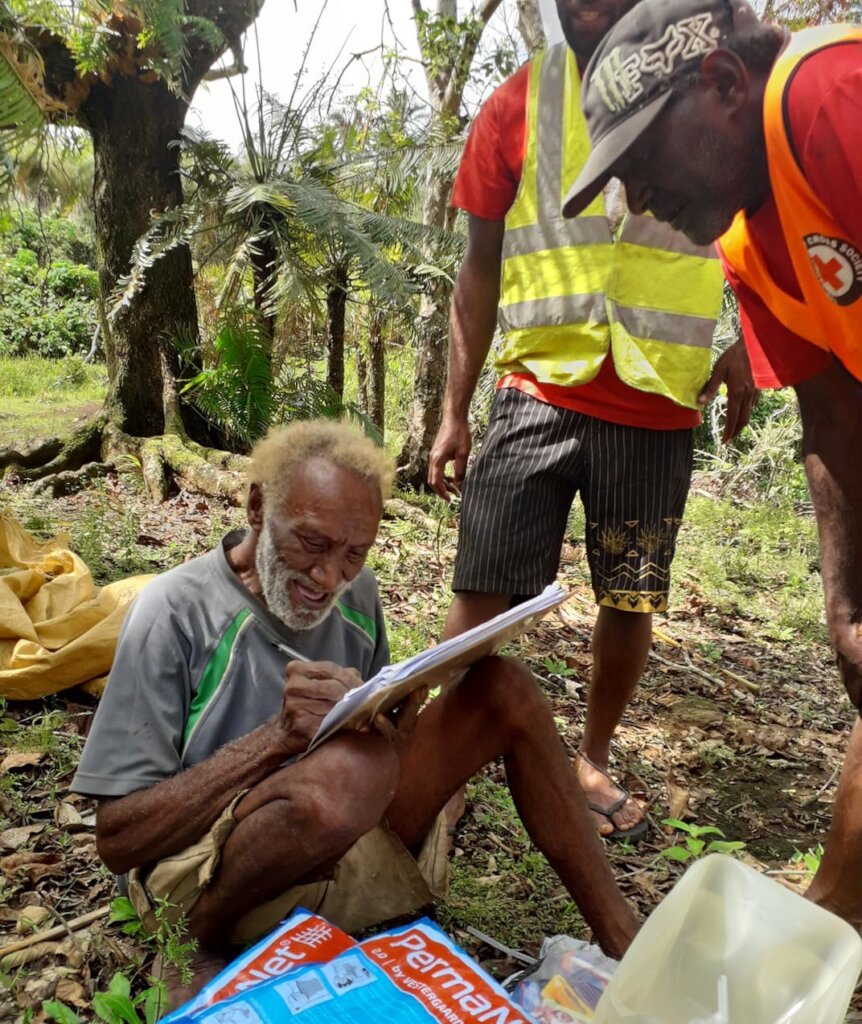
On 26 October 2023, after Cyclone Lola passed, VRCS swiftly deployed teams to conduct assessments and distribute initial relief, including emergency shelter assistance, household items, and hygiene kits. Household-level assessments gathered data on household composition, incorporating Protection, Gender, and Inclusion (PGI) considerations, while community-level assessments identified sectoral gaps, with final results expected by January 2024.
VRCS co-led the National Shelter Cluster, assisting NDMO in mapping the shelter response strategy and coordinating relief distribution as part of the NDMO TC Lola National Response. VRCS collaborated with IFRC to develop an operational strategy and establish an initial budget, prioritizing the replenishment of stocks with pro-bono air freight from Airlink. Remaining funds were allocated to ongoing distribution costs, such as volunteer insurance, data compilation, transport, and logistics.
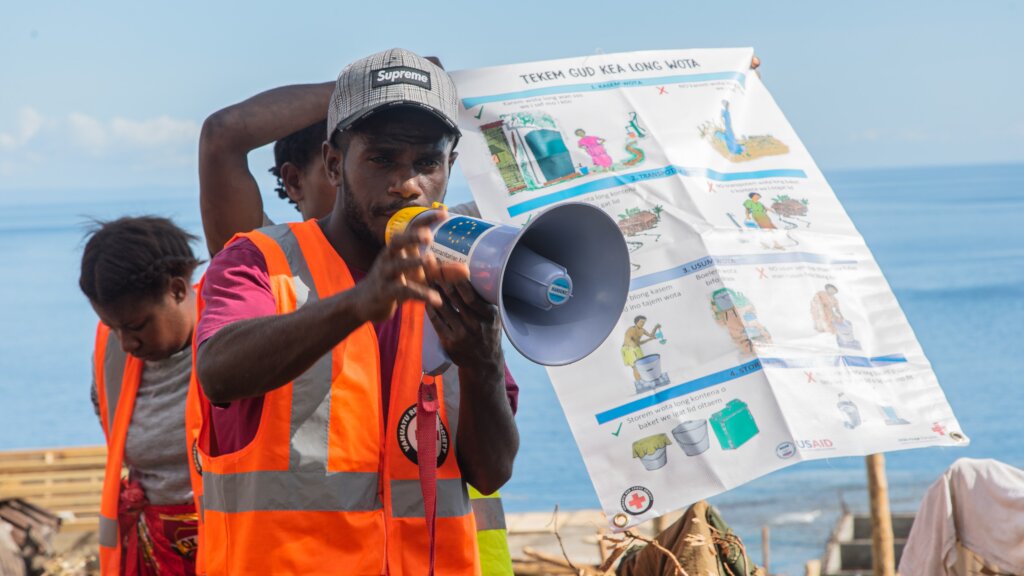
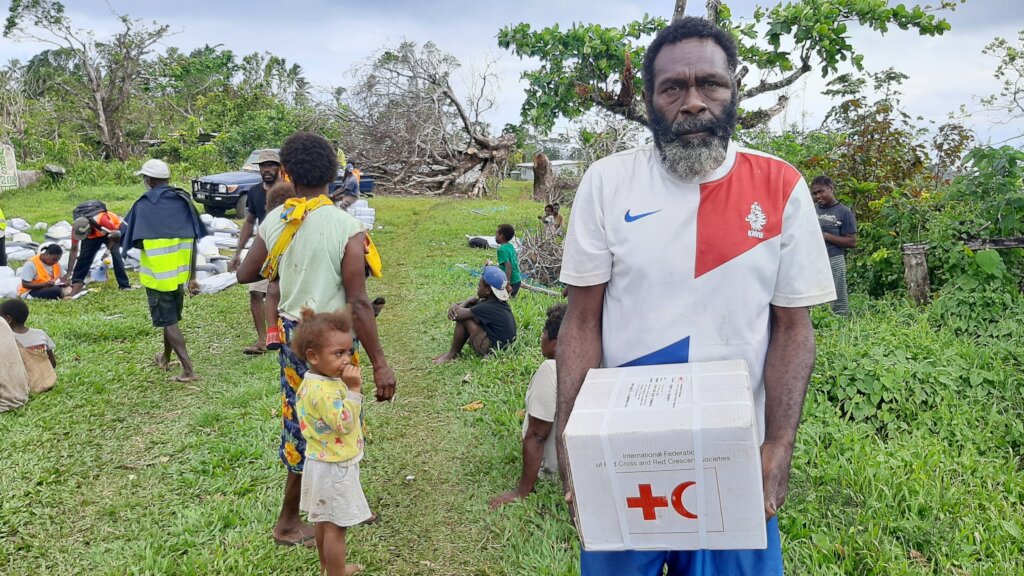
By 30 November 2023, VRCS had distributed all prepositioned and initial NDMO stocks, reaching over 3,000 households. Distributed items included 4,497 tarpaulins, 1,606 shelter tool kits, 1,160 kitchen sets, 2,716 sleeping mats, 1,711 solar lights, 3,598 blankets, 1,218 mosquito nets, 2,231 hygiene kits, and 2,931 jerry cans. Additionally, VRCS shared safe shelter, hygiene, and health messages with affected communities.
Initial assessments confirmed the feasibility of Cash and Voucher Assistance (CVA), with support from the American Red Cross to implement CVA for 2,000 households in Penama Province. VRCS worked closely with NDMO, which led the national response through the National Emergency Operation Centre (NEOC). Among the 23 registered partners tracked via the NDMO TC Lola dashboard, VRCS achieved the widest reach to affected populations.
Despite limited activities and canceled meetings organized by NDMO since the last update, VRCS has maintained momentum in addressing the immediate needs of those impacted by Cyclone Lola.
Project reports on GlobalGiving are posted directly to globalgiving.org by Project Leaders as they are completed, generally every 3-4 months. To protect the integrity of these documents, GlobalGiving does not alter them; therefore you may find some language or formatting issues.
If you donate to this project or have donated to this project, you can receive an email when this project posts a report. You can also subscribe for reports without donating.