By Resource Mobilization | Resource Mobilization Officer
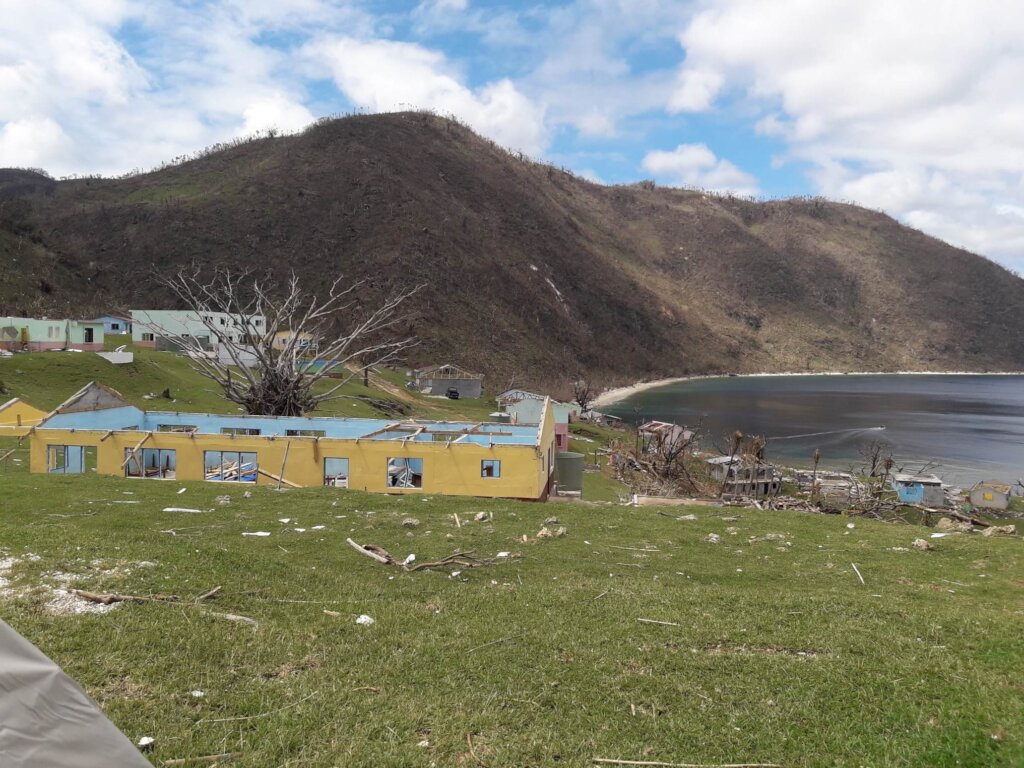
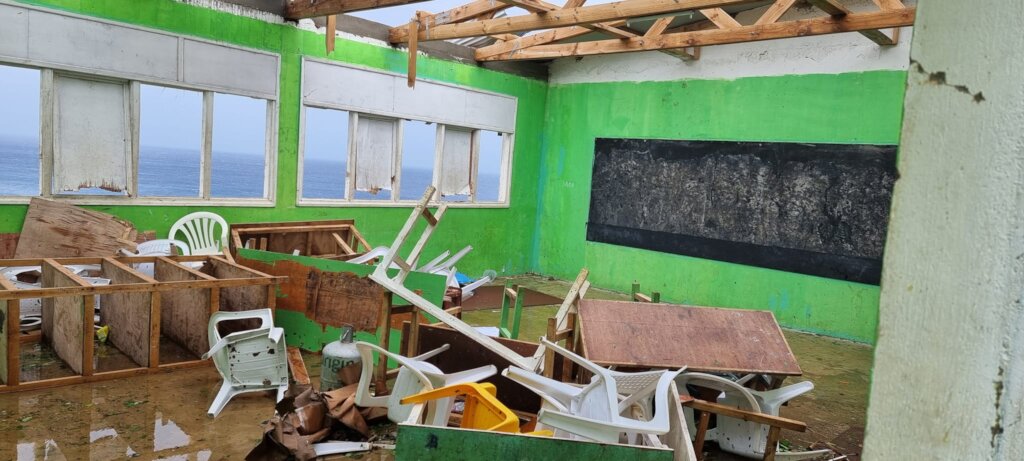
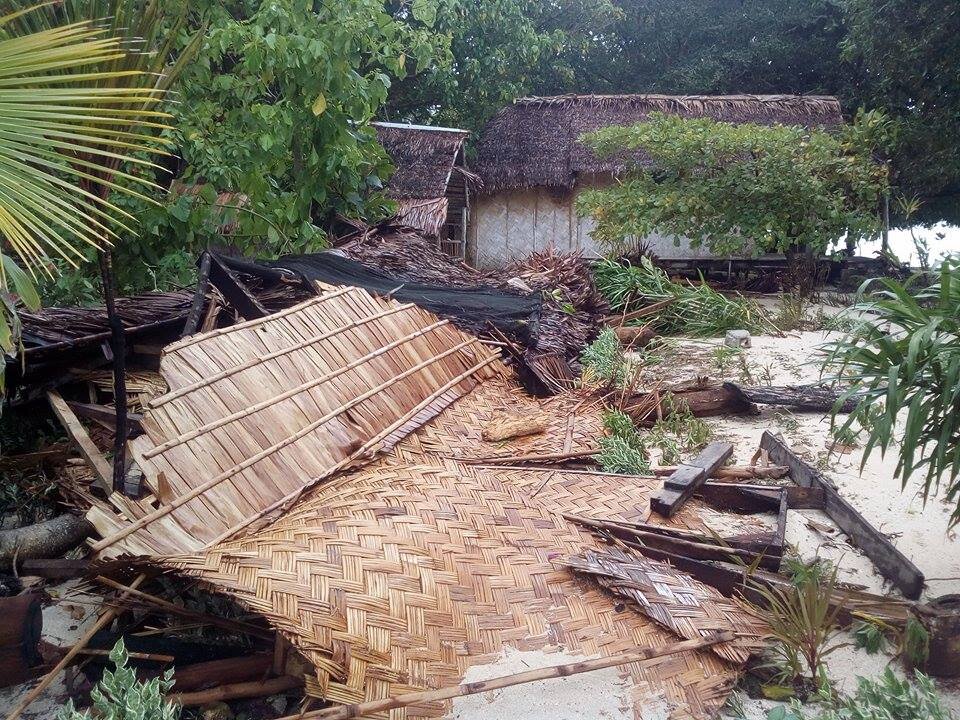
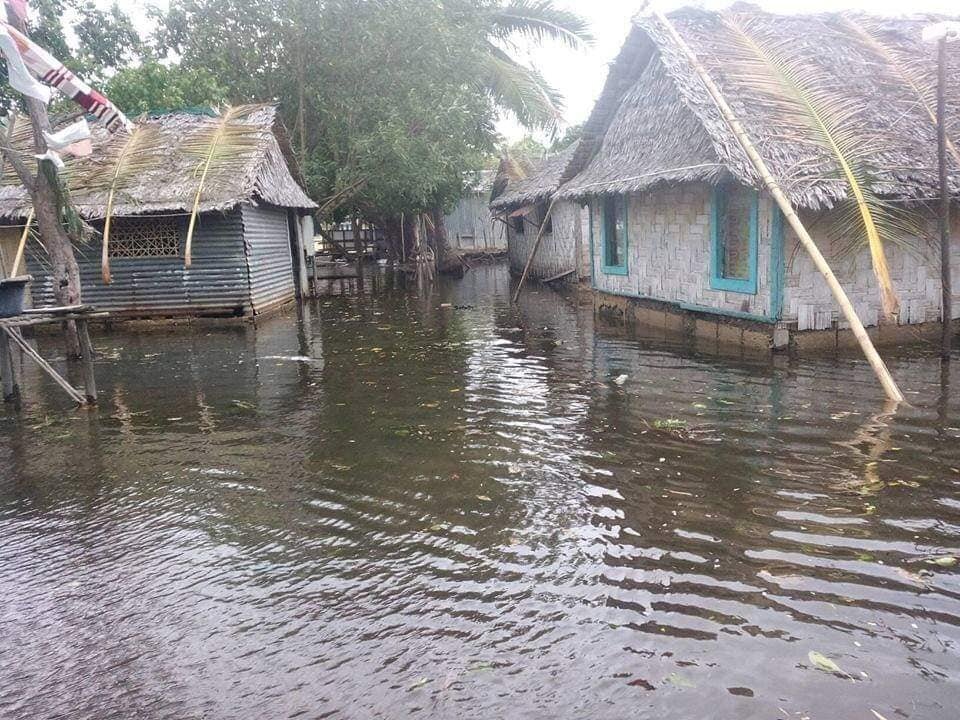
Following the Category 5 Tropical Cyclone Lola, which hit Vanuatu on October 23, a State of Emergency was declared by national authorities in the provinces of Penama, Malampa, Torba, Sanma, and Shefa. According to the Government of Vanuatu, more than 110,748 people have been affected. The National Disaster Management Office (NDMO) and partners have identified the priority areas of damage, with the first priority being Penama Province, Malampa Province, part of Torba Province, and part of Shefa Province. The second priority area is the rest of Shefa Province, while Sanma Province is the third priority.
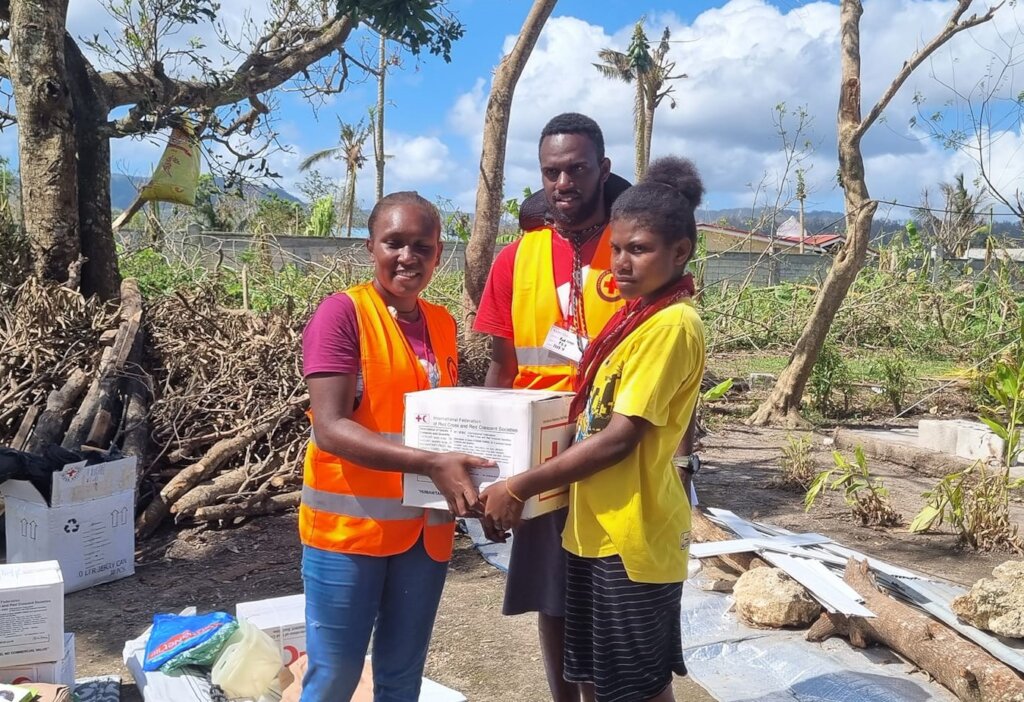
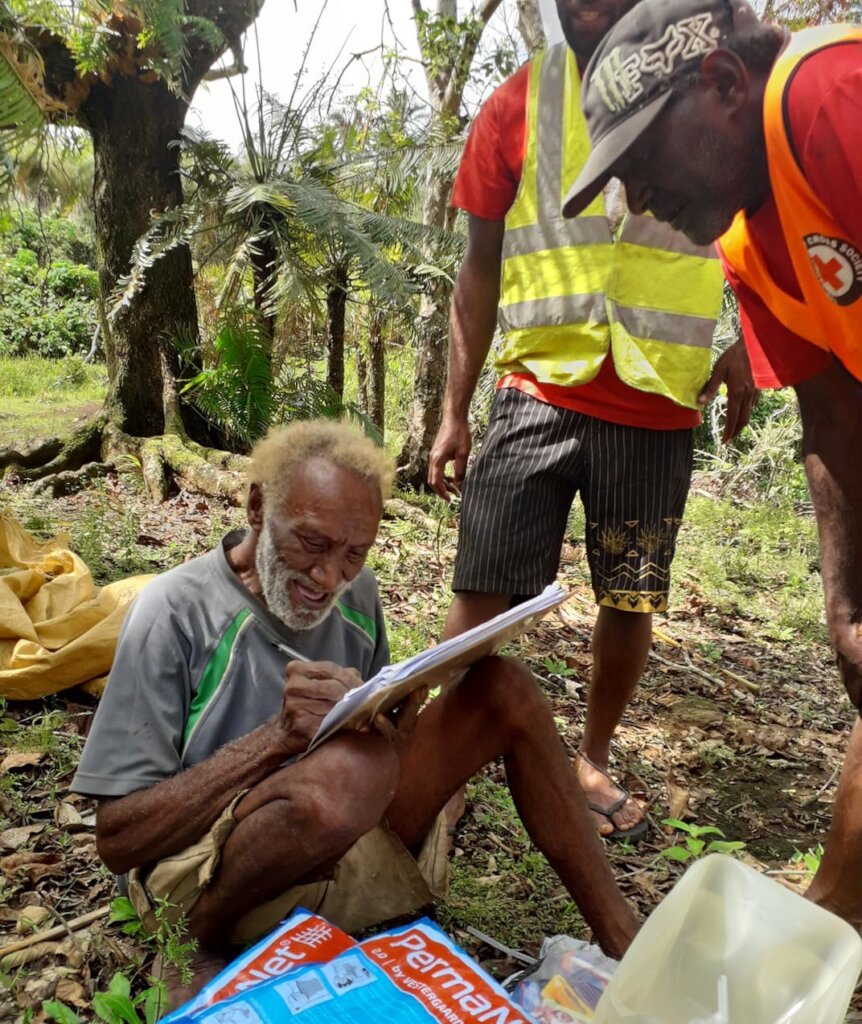
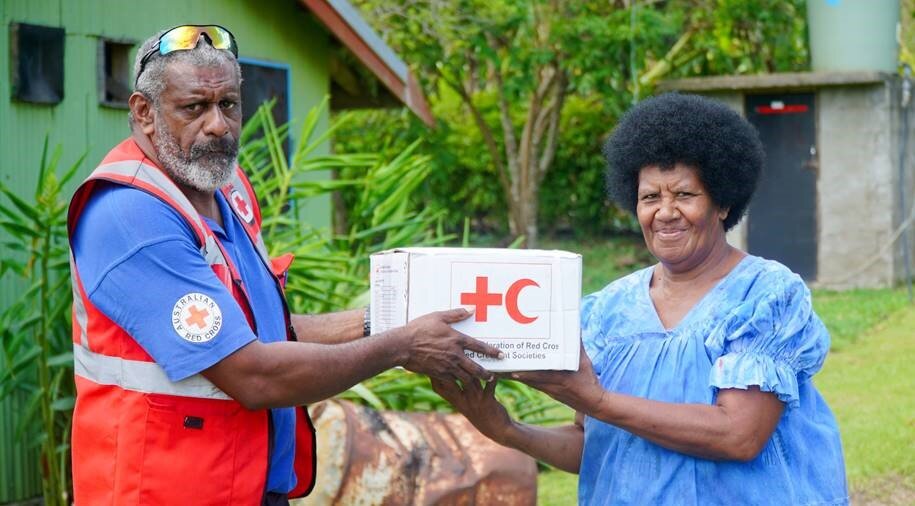
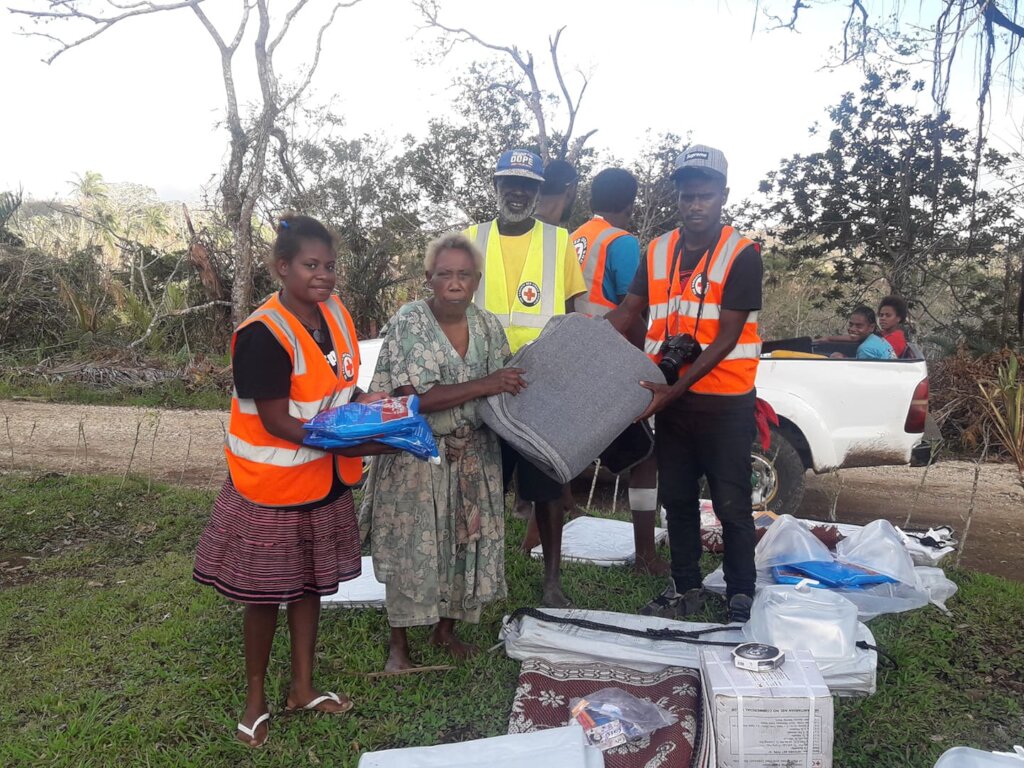
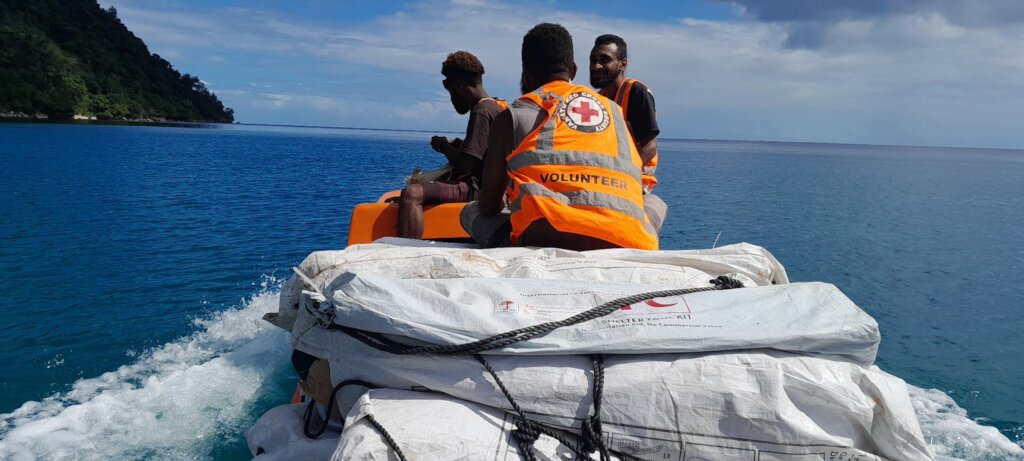
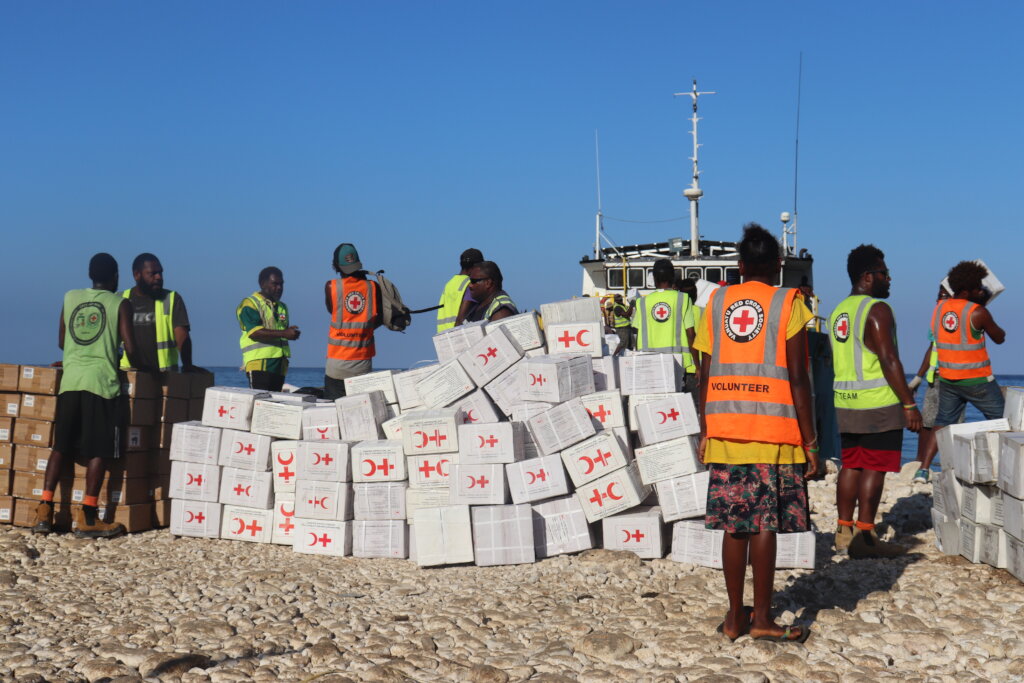
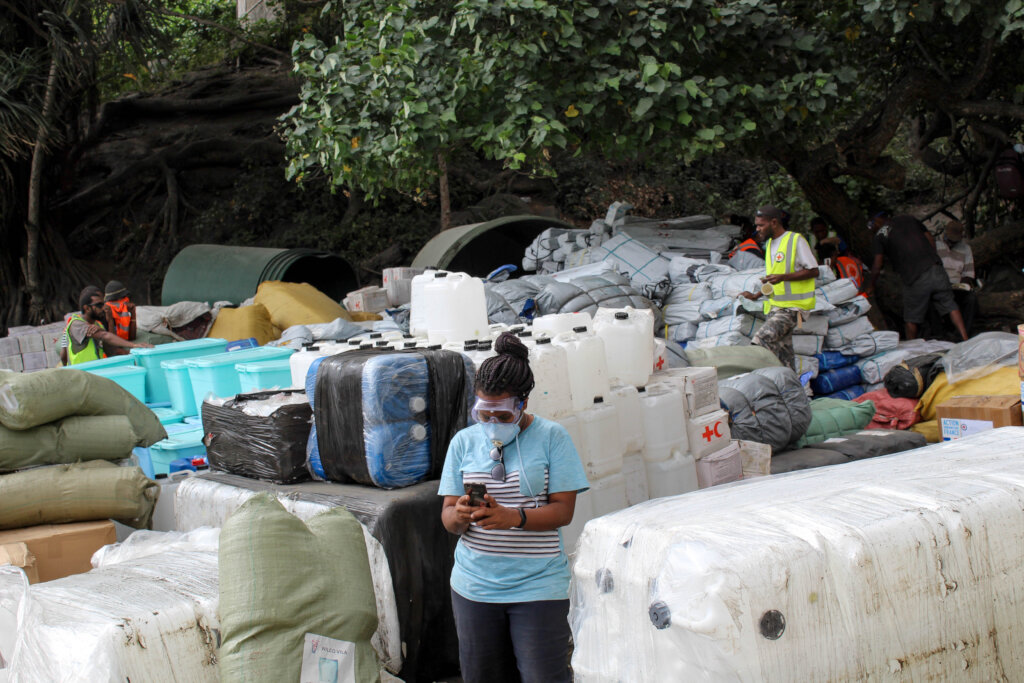
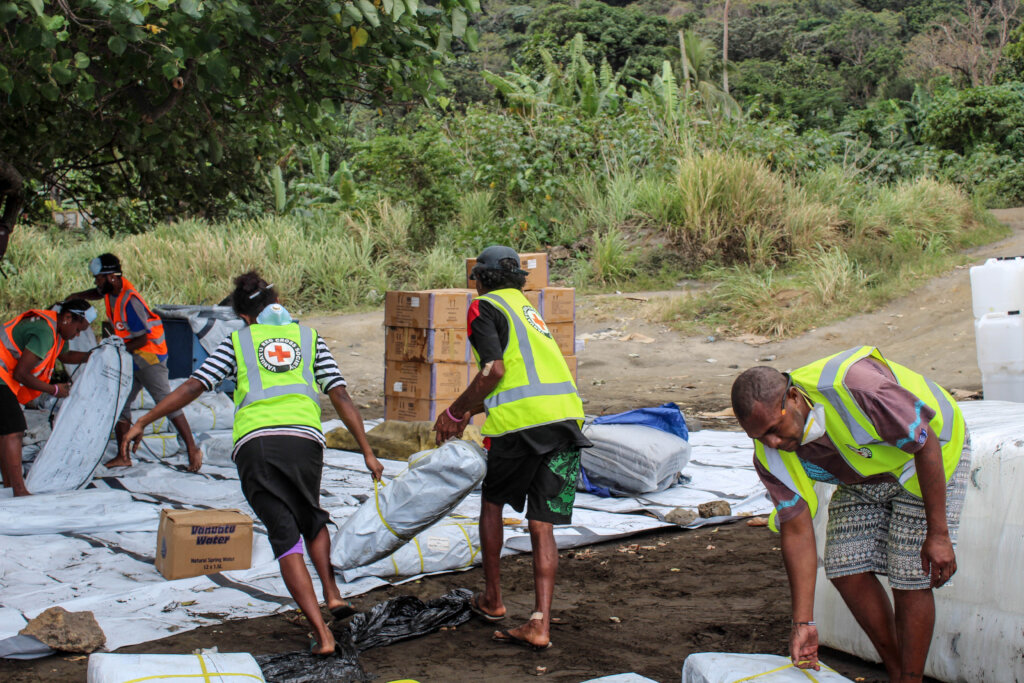
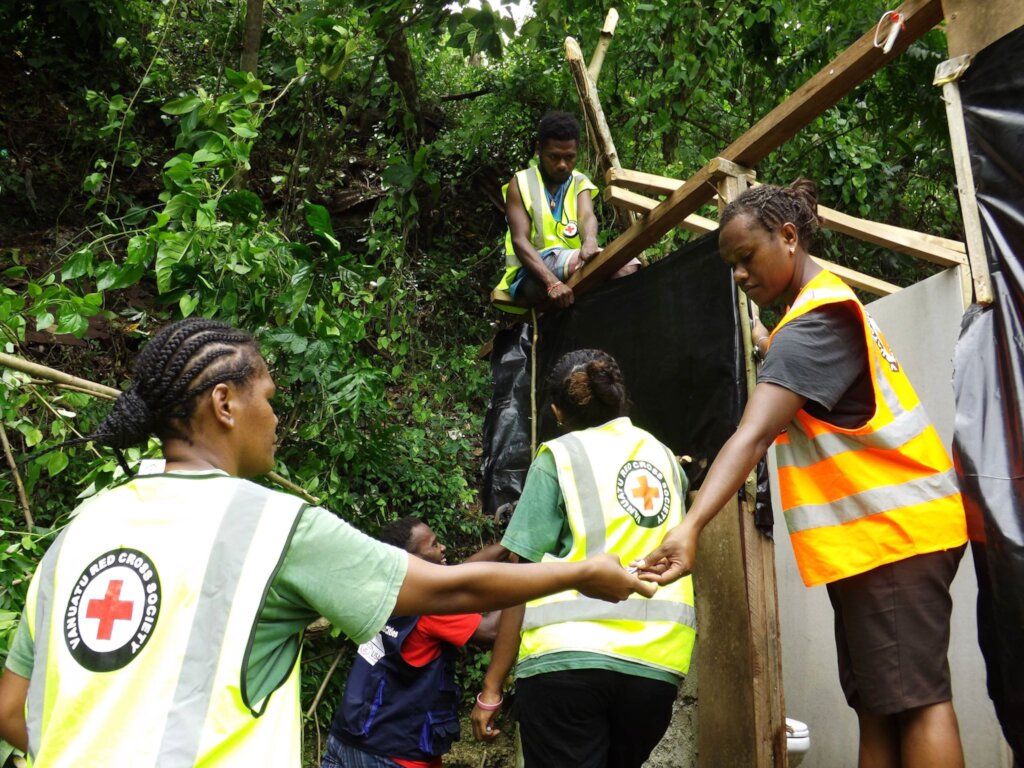
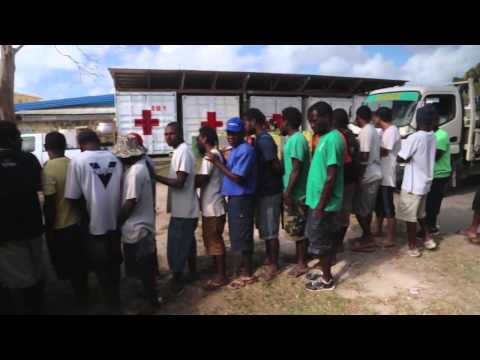
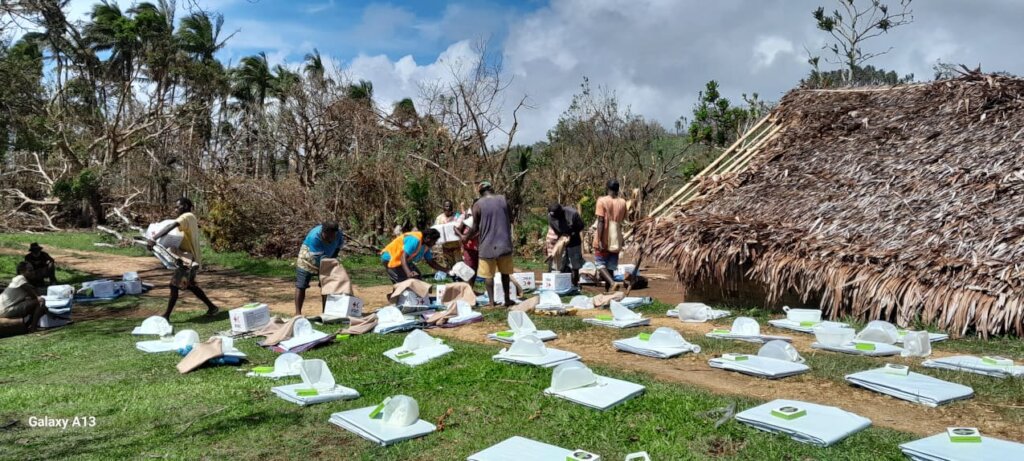
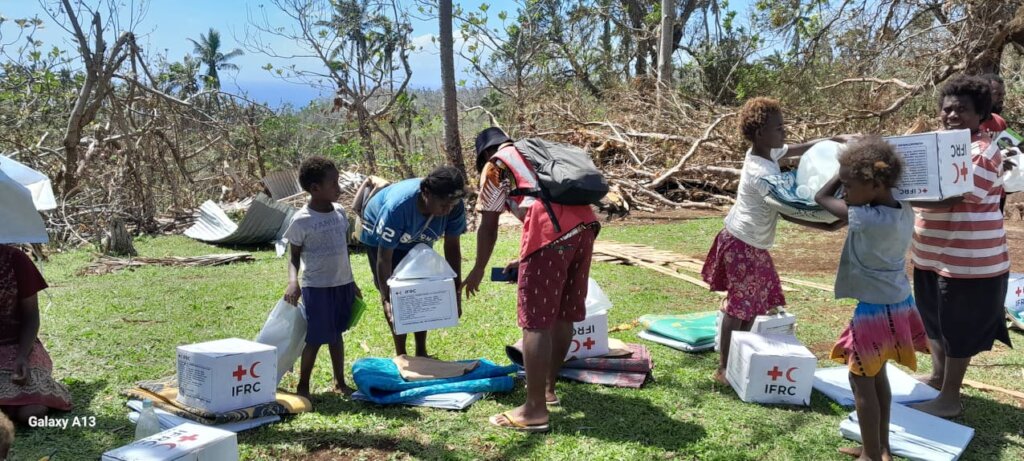
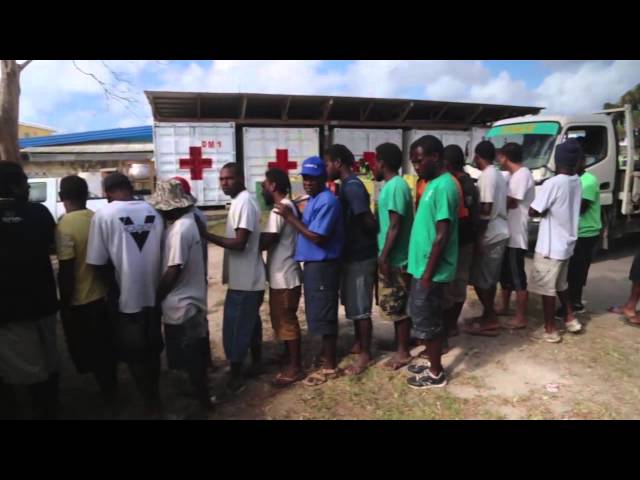
The Government of Vanuatu is leading the humanitarian response, with all national clusters actively coordinating and meeting regularly with partners. The cluster system in Vanuatu, a stand-by committee also active during preparedness, is led by the relevant Line Ministry or the NDMO and co-led by agencies. Post-disaster and upon activation of the State of Emergency, the overall coordination of the response is managed by the NDMO and the National Disaster Committee (NDC). The Vanuatu Red Cross Society (VRCS), supported by the International Federation of Red Cross and Red Crescent Societies (IFRC), co-leads the Shelter Cluster in Vanuatu and aids the NDMO as the lead agency. Relief items such as tarpaulins, shelter tool kits, blankets, and mosquito nets are being delivered to affected households.
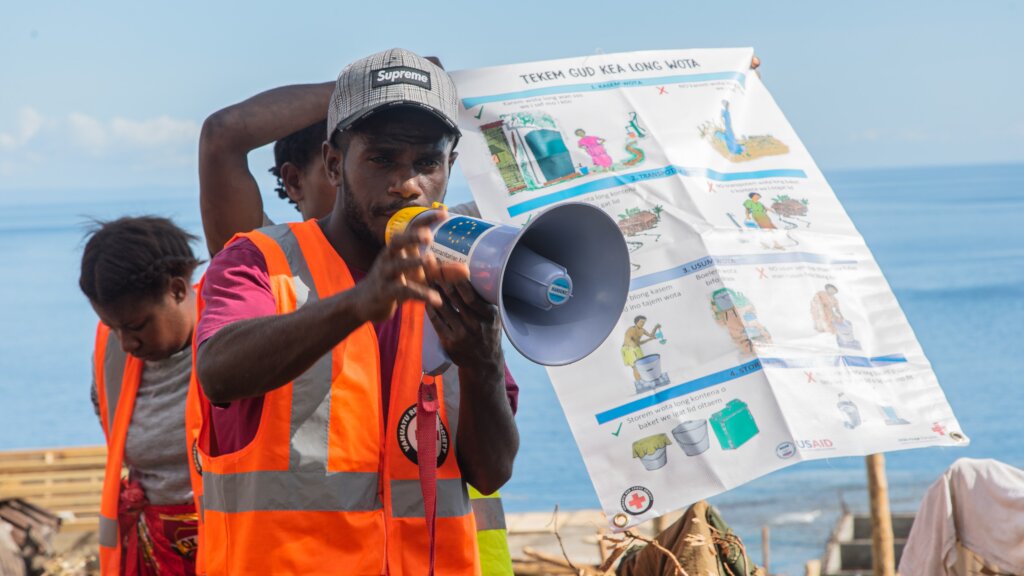
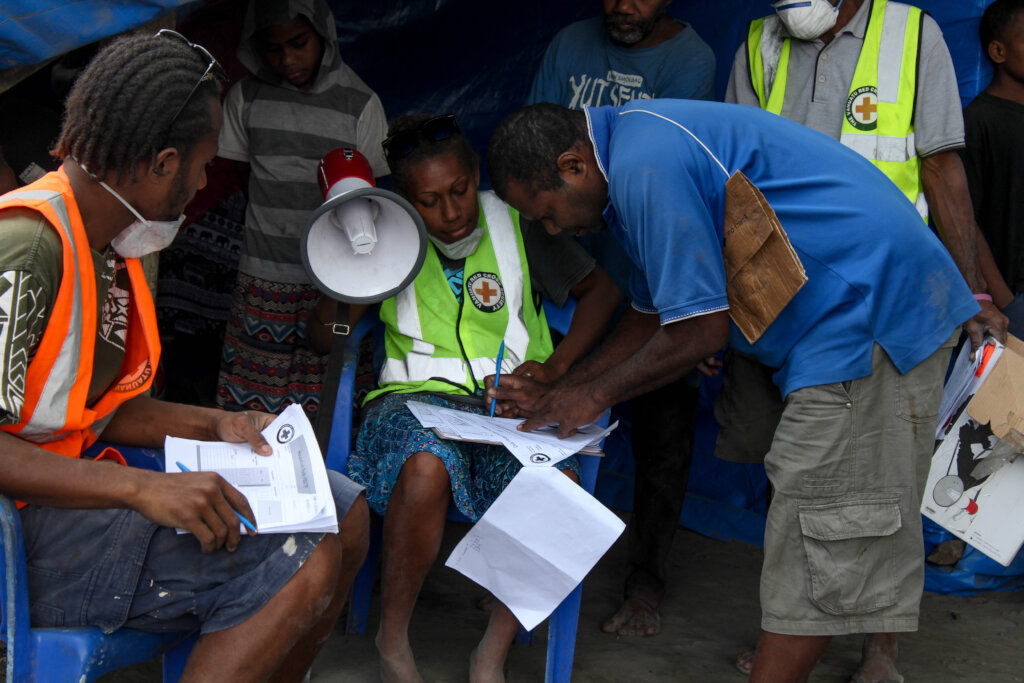
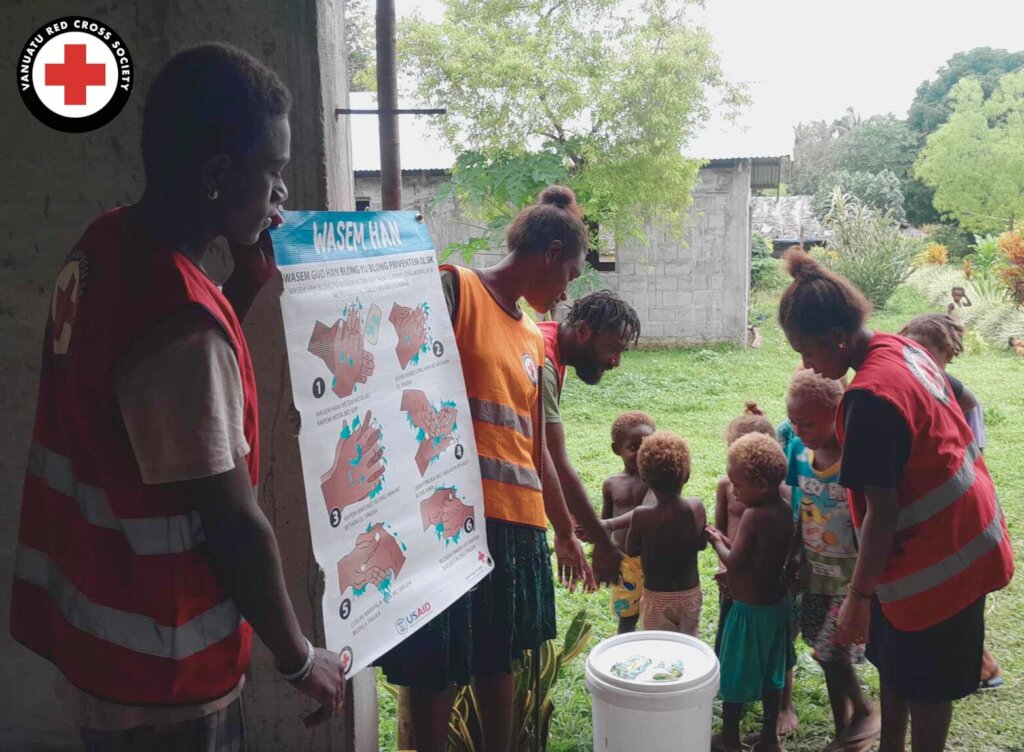
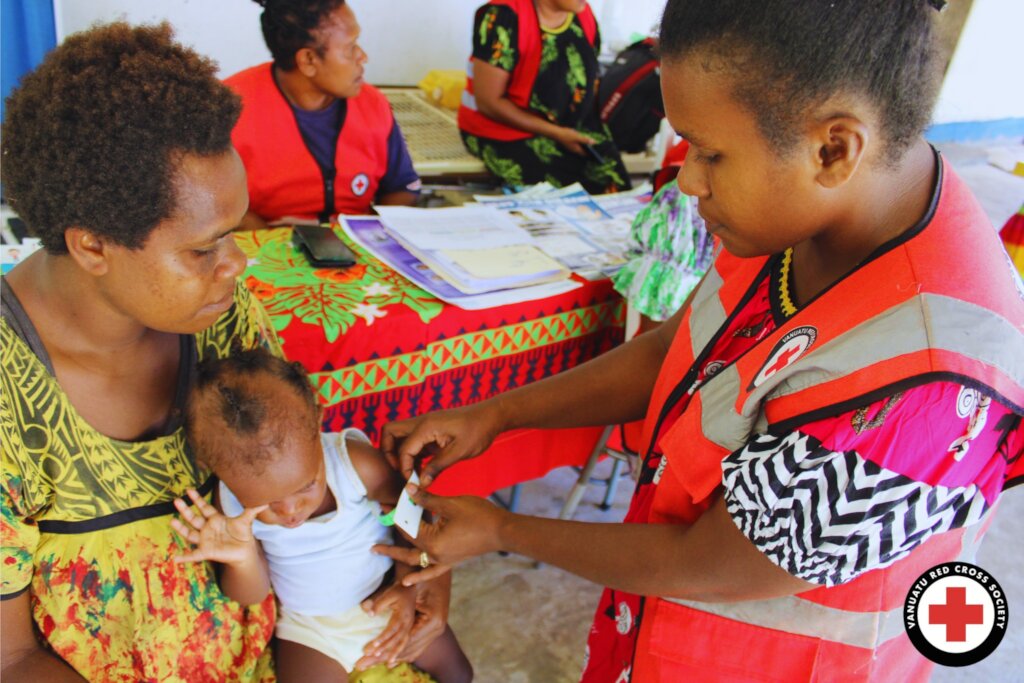
The overall objective of VRCS's immediate humanitarian response is to mitigate the suffering of the most affected population through the provision of Non-Food Items (NFIs) and Cash and Voucher Assistance (CVA), leading to other relevant interventions such as ongoing distribution of NFIs and recovery response. The operation includes all relevant sectors such as Shelter, Water, Sanitation, and Hygiene (WASH), Health, Logistics, Gender and Protection, Displacement, and Communication and CVA. VRCS staff and volunteers within each cluster maintain continuous liaison and communication with their respective National Cluster groups to ensure information sharing and continuous updates.
The response strategy for this disaster is categorized as Red (Category 5) and involves a phased approach: Emergency Response, Early Recovery, and Recovery. The operation timeframe spans 14 months, with 12 months dedicated to operation and 2 months for reporting, starting from October 23, 2023, to December 31, 2024. The estimated total number of people affected is 110,748, with VRCS targeting to assist 30,000 people (27% of the affected beneficiaries) and 6,000 households (average of 5 persons per household).
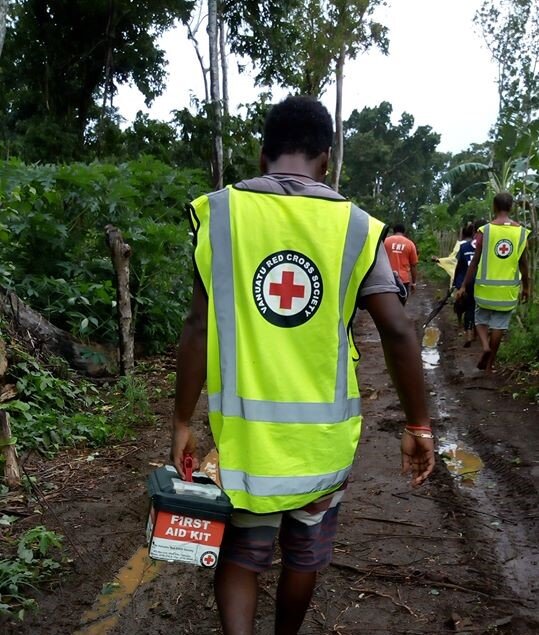
The VRCS operation is supported by regional partners such as the Australian Red Cross (ARC), New Zealand Red Cross (NZRC), and IFRC. In-country and local partners include NDMO, clusters, UNICEF at the national level, and PDC, PDO, TAC working groups at the provincial level. At the community level, partners include Area Administrators (AA), Area Councils of Chiefs (ACS), Community Disaster and Climate Change Committees (CDCCC), and community leaders and members. A total of 60 volunteers have been mobilized for the VRCS operation.
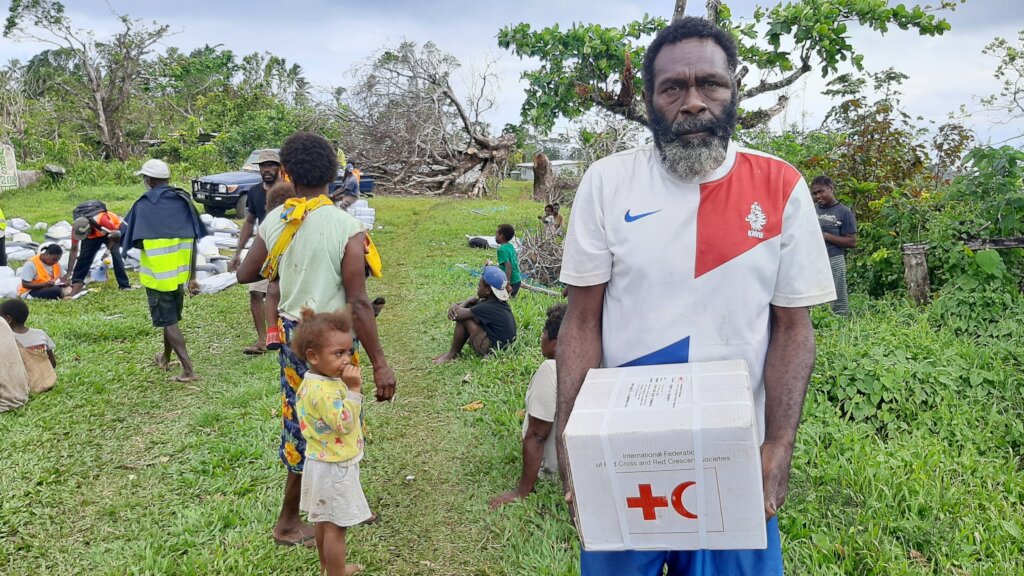
To date, VRCS has reached 20,320 beneficiaries and 4,074 households. Additionally, 950 beneficiaries have received CVA, excluding those on Ambrym Island. The concerted efforts of VRCS, along with its partners and volunteers, aim to alleviate the impact of Cyclone Lola on the affected communities and support their path to recovery.
Project reports on GlobalGiving are posted directly to globalgiving.org by Project Leaders as they are completed, generally every 3-4 months. To protect the integrity of these documents, GlobalGiving does not alter them; therefore you may find some language or formatting issues.
If you donate to this project or have donated to this project, you can receive an email when this project posts a report. You can also subscribe for reports without donating.