By Lauren Frederic | Development Associate
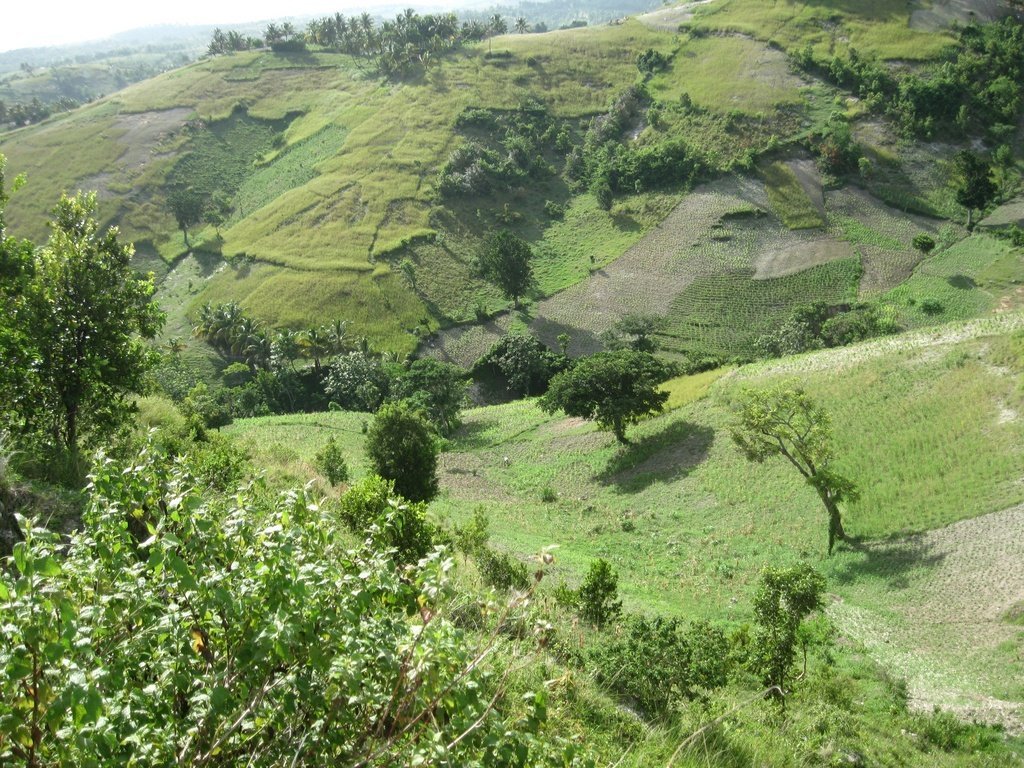
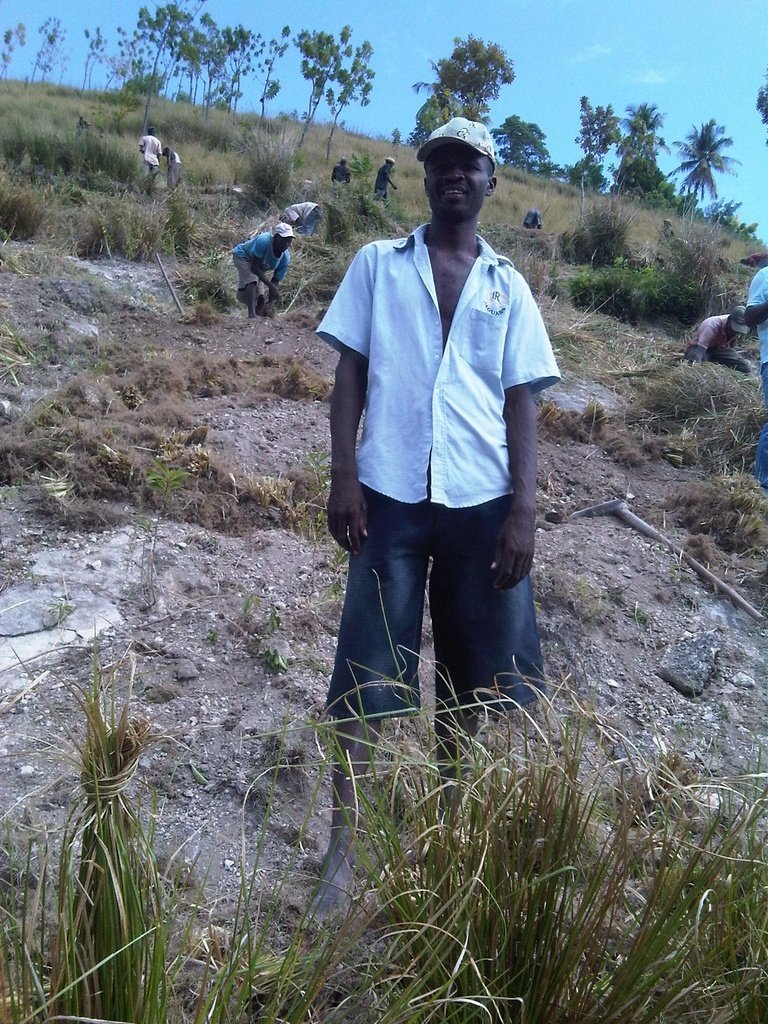
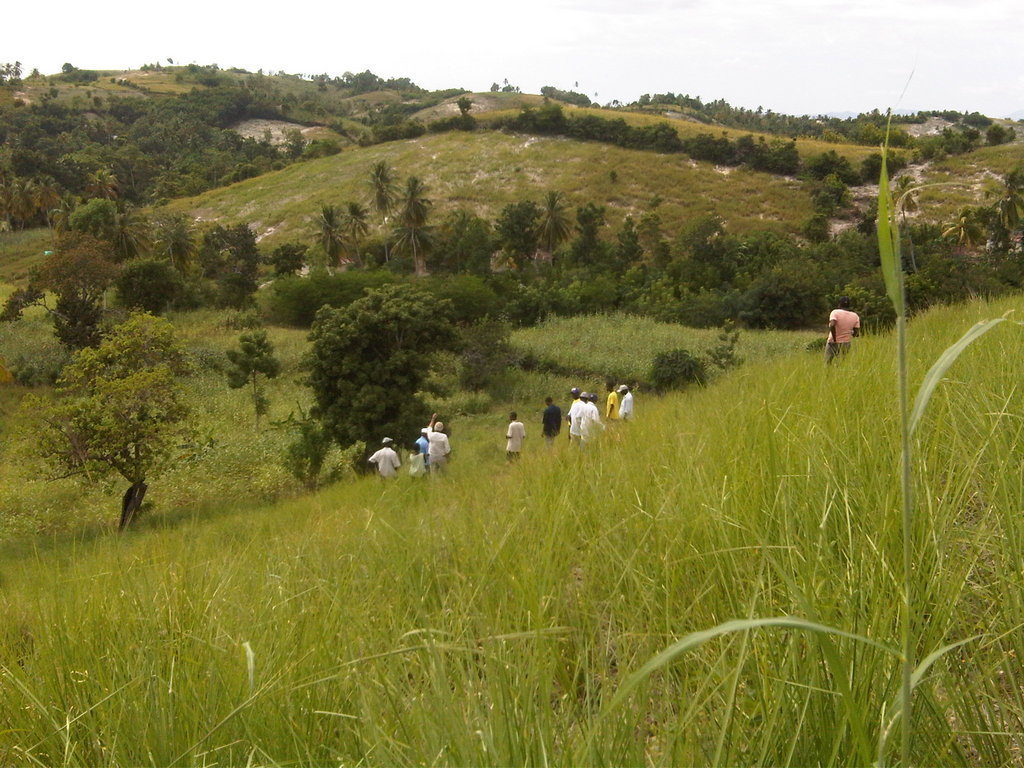
The Haiti Sustainable Vetiver Initiative utilizes a market-based facilitation and training approach to support the environmental, economic, and community security and development needs of farmers in the Vetiver growing areas of the South of Haiti. EVI builds the capacity, through technical assistance and training, for farmers and distillers of Vetiver oil to adopt sustainable practices and then acquire certifications, such as organic, and recognition for sustainable practices which facilitate access to new markets and international premiums for environmentally and socially positive essential oils. These efforts incorporate environmental and social value directly into the Vetiver Oil Value Chain. The environmental and social added value includes:
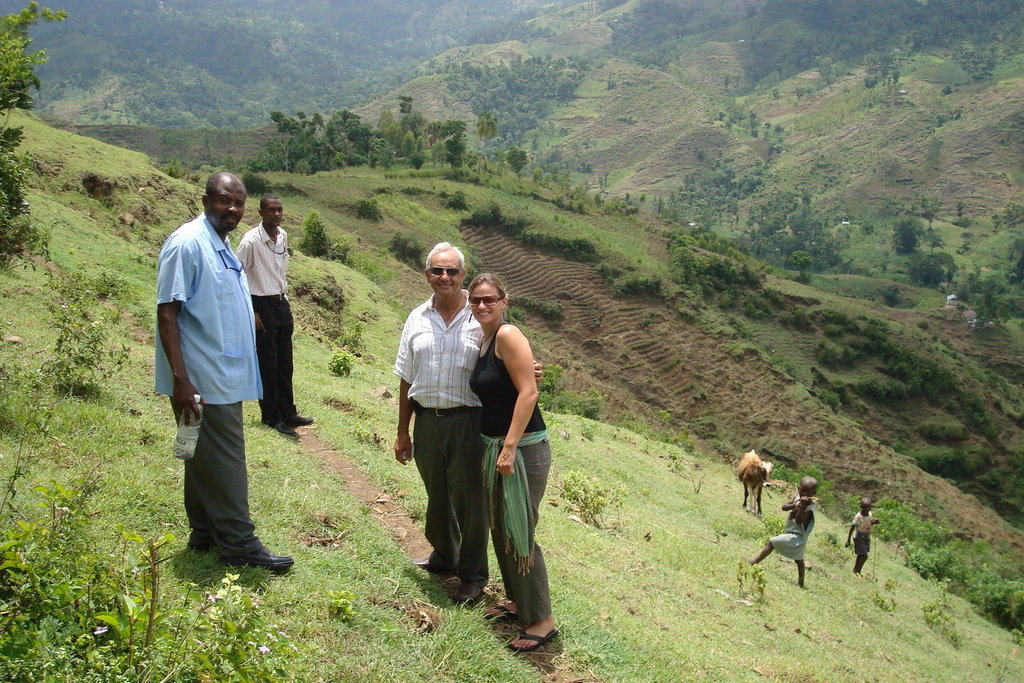
Beginning in Summer 2009, EVI utilized donor support to travel to Haiti and engage multinational companies in the beauty products and cosmetics industry to encourage increased purchasing of Vetiver from Haiti and to incentivize sustainable practices within the sector, particularly regarding sustainable harvesting. EVI also examined possible income generating supplements for Vetiver farmers through the growth of the sector. This includes the development of biomass briquette technology, which is used as an alternative fuel in the distillation process of Vetiver oil.
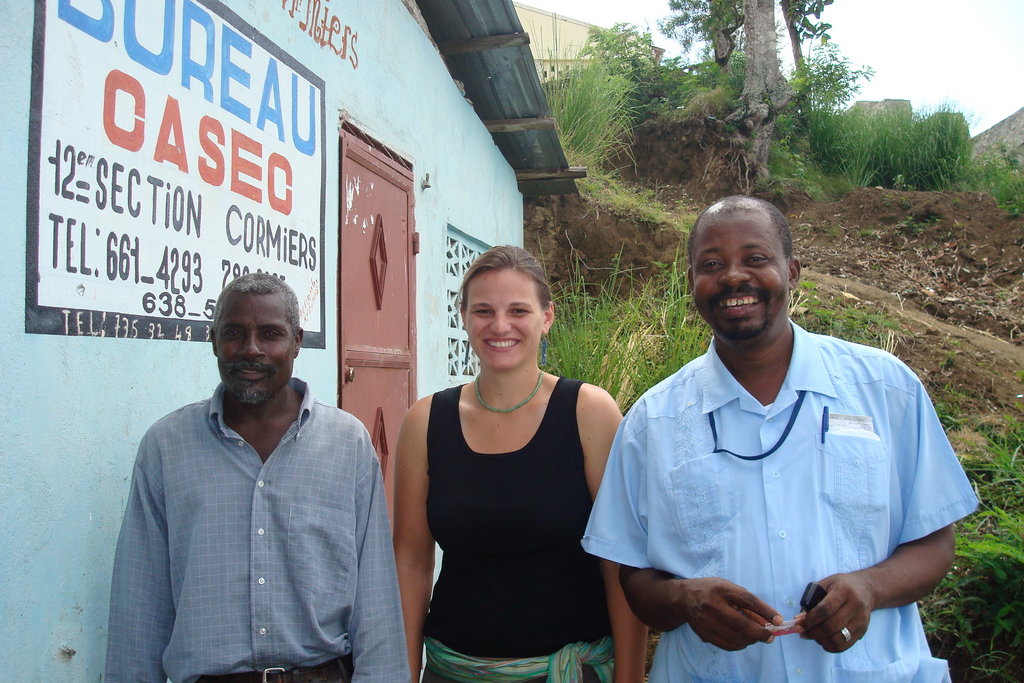
In December 2009, EVI visited Haiti to engage with a private sector distiller to facilitate the adoption of organic practices and record keeping systems. This resulted in organic certification for the distiller and its network of over 25,000 growers. The outcome of this technical assistance was increased access to new markets through organic certification and higher incomes based on the organic premium.
After the January 2010 earthquake, EVI's work in the south of Haiti focused on supporting the recovery and sustainable development of Vetiver Essential Oils, and in so doing, revitalizing and expanding an industry that provides livelihoods to so many. In 2010, EVI utilized donor funds to conduct an impact assessment of the earthquake on Vetiver growing areas. This assessment has helped to identify the four key areas that the Haiti Sustainable Vetiver Initiative will focus on:
EVI’s 2011 activities focus on the development of a Business Model and Financing Strategy for sustainable biomass fuel briquettes. EVI’s team has dedicated significant time building this social enterprise model to increase the production and sale of biomass briquettes to household and private sector markets in Haiti. The anticipated outcome will be the decreased use of petroleum fuel in the Vetiver distillation process – a climate mitigation strategy, cost savings for Vetiver distillers – supporting the overall growth of the sector, an additional income source for Vetiver farmers through the production and sale of briquettes, and decreased deforestation as biomass briquettes lessen the need for charcoal collection.
If you would like additional information, please email Lauren@eco-ventures.org
Project reports on GlobalGiving are posted directly to globalgiving.org by Project Leaders as they are completed, generally every 3-4 months. To protect the integrity of these documents, GlobalGiving does not alter them; therefore you may find some language or formatting issues.
If you donate to this project or have donated to this project, you can receive an email when this project posts a report. You can also subscribe for reports without donating.