Re-establish a Healthcare Infrastructure in Nepal

by One Heart Worldwide
Play Video
Re-establish a Healthcare Infrastructure in Nepal

Project Report | Oct 17, 2017
Final Project Report

By Smruti A | Project Leader

The ‘Re-establish a Healthcare Infrastructure in Nepal’ project accomplished a great deal in Nepal following the devastating 2015 earthquake.

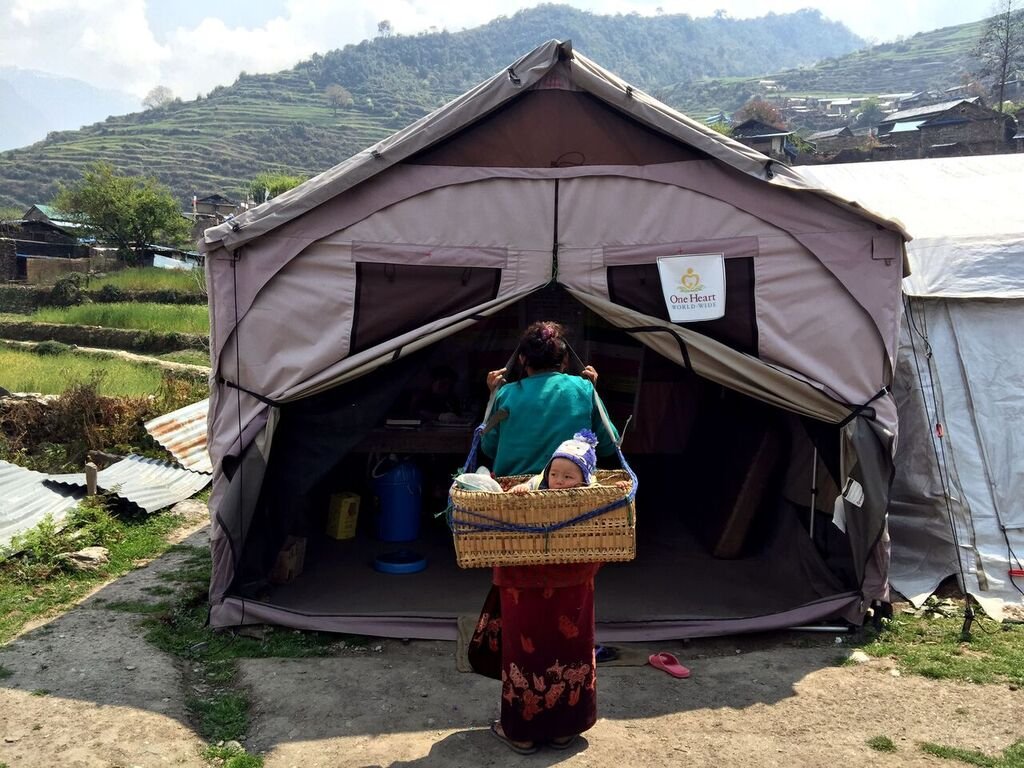
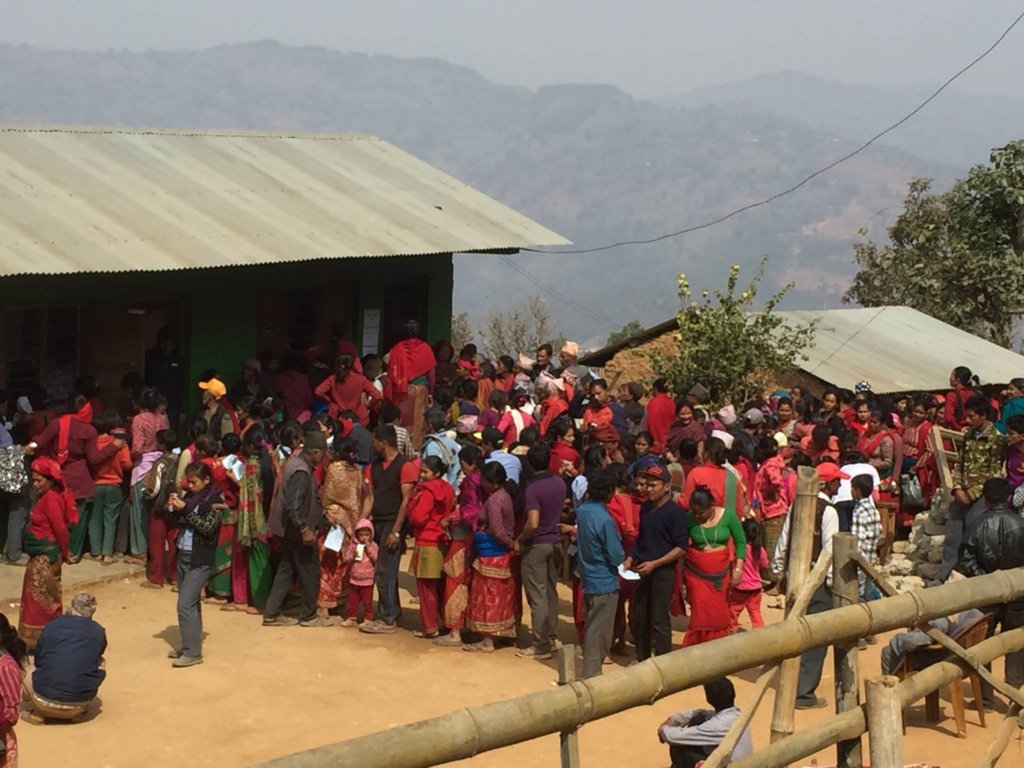
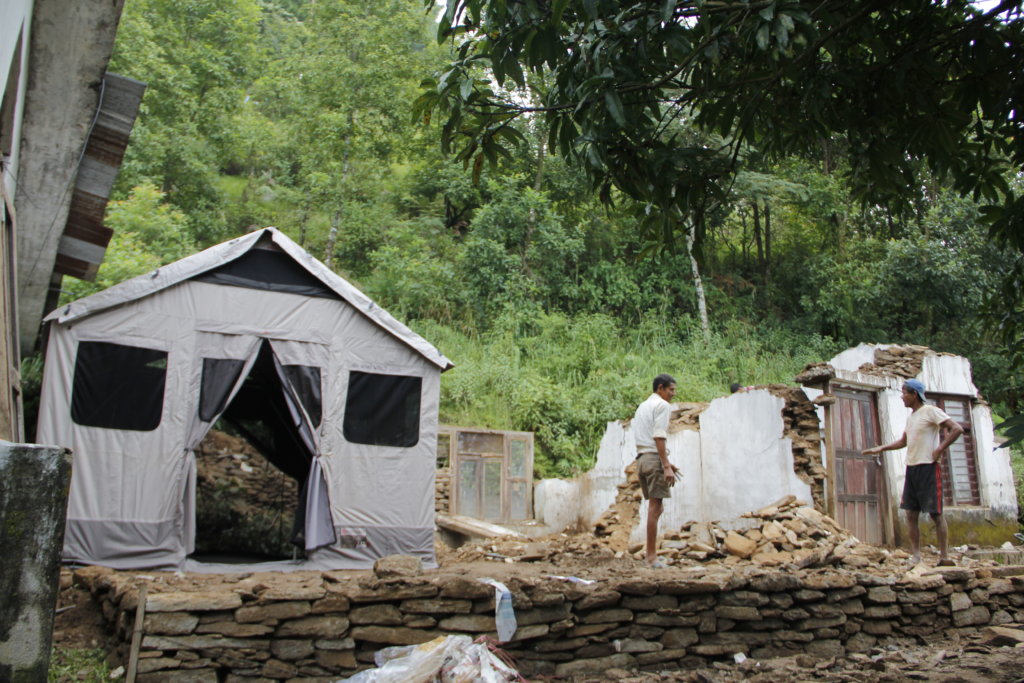
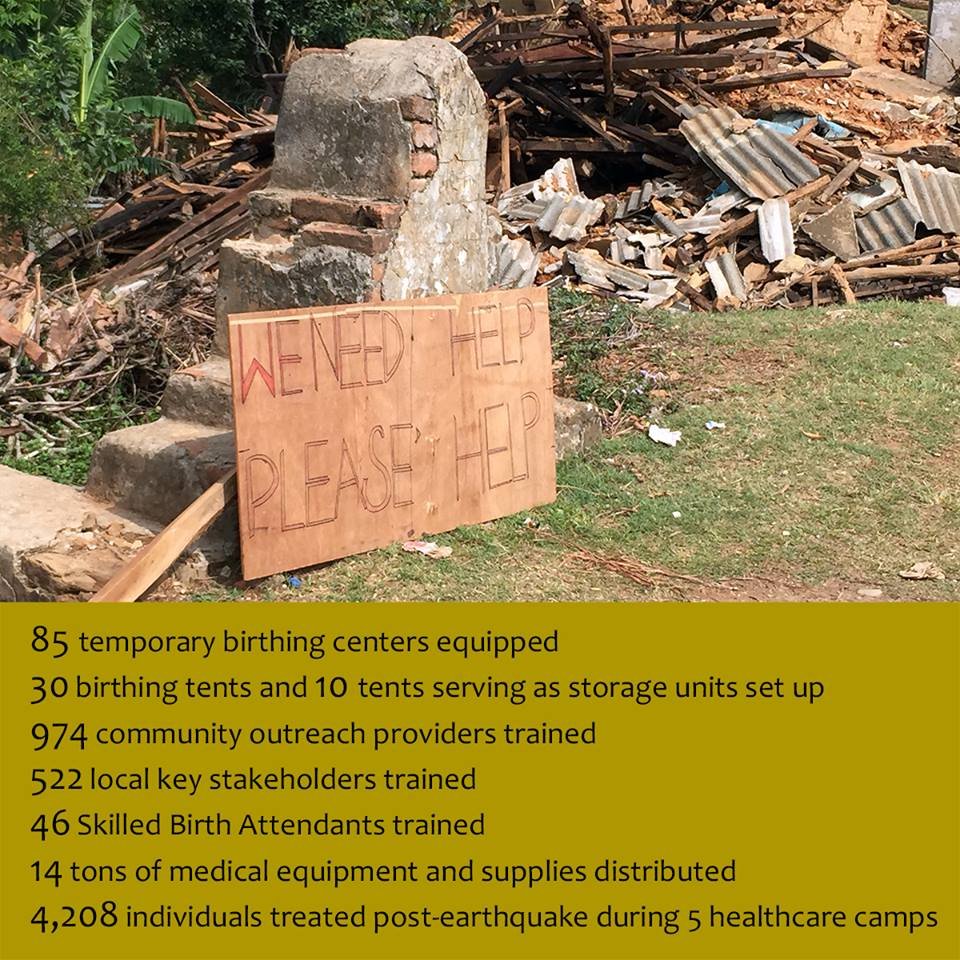
 One Heart World-Wide (OHW) was among the very first organizations on the ground after the April 25, 2015 disaster. The 7.8 magnitude quake, also known as the Gorkha earthquake, killed nearly 9,000 people and injured nearly 22,000. More than two million people lost their homes, and entire villages – particularly near the epicenter – were destroyed. In 2015, OHW had just begun the implementation phase of program activities in Dhading and Sindhupalchok, two districts that were hit hard by the earthquake, sustaining 90 percent of damages to their health facilities. In response, we modified our program implementation to integrate much-needed earthquake relief activities.

 Over the past two years, OHW has achieved the following in earthquake districts:

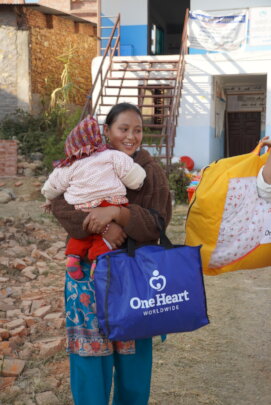
  1. Trained 1,146 community outreach providers. These community outreach providers are composed of health workers and female community health volunteers that travel to the villages and local communities to provide support, educate, and counsel pregnant women, their families, and their communities on the risks of delivering at home, potential pregnancy complications, and the importance of seeking regular Antenatal and Postnatal checkups at certified birthing centers. 
  2. Trained 2,800 local stakeholders. Local stakeholders are trained in the proper functioning and maintenance of the birthing centers and health facilities so that once these buildings have been renovated and upgraded by OHW, the stakeholders can take responsibility for maintenance and its long-term success. 
  3. Trained 29 medical providers to be skilled birth attendants (SBAs). The course follows the national SBA curriculum, which is based on WHO's Integrated Management of Pregnancy and Childbirth (IMPaC) curriculum. The program includes four weeks of classroom teaching followed by four weeks of clinical experience in a maternity ward. 
  4. Provided continued medical education (CME) for 188 SBAs. This involves an intensive three-day refresher training in emergency obstetrics, basics of skilled birth attendance, and introduces new concepts in obstetric and neonatal care, which allows the clinical staff to be better prepared to effectively recognize and deal with obstetric and neonatal complications. 
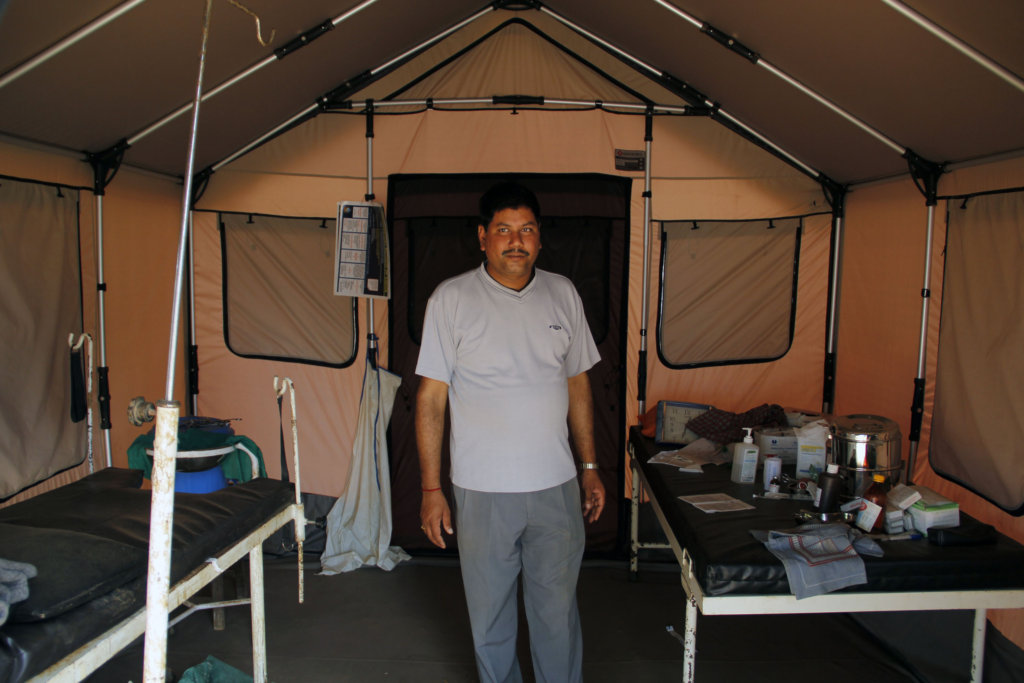
  5. Fully upgraded 10 health facilities into fully functioning birthing centers.  Buildings designed to be birthing centers or hospitals commonly lack basic infrastructure such as electricity, running water, and insulation. We upgrade each building to meet minimum standards: running water, solar electricity, insulation of roof, walls and windows, medical and human waste disposal sites and equip the buildings with standard equipment such as patient beds, delivery tables, medical instruments, autoclave sterilizer, etc. 

Currently, there is less need for earthquake-related program activities, and OHW is continuing to implement our regular program activities. In light of these developments, we are closing the earthquake relief campaign and replacing it with a campaign to ‘Ensure Safe Motherhood for Women in Rural Nepal,’ which will target all districts that OHW serves.

Share on Twitter Share on Facebook

About Project Reports

Project reports on GlobalGiving are posted directly to globalgiving.org by Project Leaders as they are completed, generally every 3-4 months. To protect the integrity of these documents, GlobalGiving does not alter them; therefore you may find some language or formatting issues.

If you donate to this project or have donated to this project, you can receive an email when this project posts a report. You can also subscribe for reports without donating.

Sign up for updates

Organization Information

One Heart Worldwide

Location: Hoover, Alabama - USA
Website:
Facebook: Facebook Page
X / Twitter: Profile
One Heart Worldwide
One Heart Worldwide
Project Leader:
One Heart Worldwide
San Francisco , California United States

Funded Project!

Combined with other sources of funding, this project raised enough money to fund the outlined activities and is no longer accepting donations.
   

Still want to help?

Find another project in Nepal or in Disaster Response that needs your help.
Find a Project

Learn more about GlobalGiving

Teenage Science Students
Vetting +
Due Diligence

Snorkeler
Our
Impact

Woman Holding a Gift Card
Give
Gift Cards

Young Girl with a Bicycle
GlobalGiving
Guarantee

Get incredible stories, promotions, and matching offers in your inbox

WARNING: Javascript is currently disabled or is not available in your browser. GlobalGiving makes extensive use of Javascript and will not function properly with Javascript disabled. Please enable Javascript and refresh this page.