By Alisha Giri | Program Coordinator
By the time we finally made it to our destination, a small village in the Thokarpa VDC in Sindhupalchowk district, after a five hour drive from Nepal’s capital Kathmandu, followed by another hour and a half walk through the remote mountainous trails, it was almost noon.
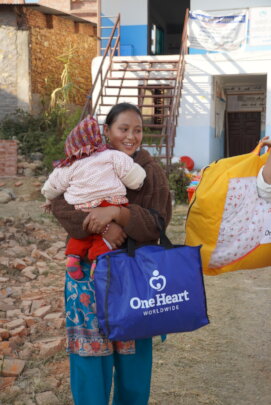
Our team of four were traveling to this remote village to meet Indira, 23, who had delivered a son at the health post four days ago. This was her second child. Her first child had been born premature several days before the April 2015 earthquakes.
“The news of my second pregnancy sent chills down my spine. I plunged into the world of anxiety. I relived the pain on my body all over again. The image of my premature baby came flooding in my memory and stayed with me like they were my appendages. Our situation was different this time. We were living back in the village. I was scared about having complication during my delivery again,” said Indira.
With her first child, a daughter, Indira had been rushed to the Maternity and Women’s Hospital days before her due date because of severe stomach pains. After a rough three hours, the doctors decided to attempt a c-section. Her baby was premature and required at least 16 days in the Neonatal Intensive Care.
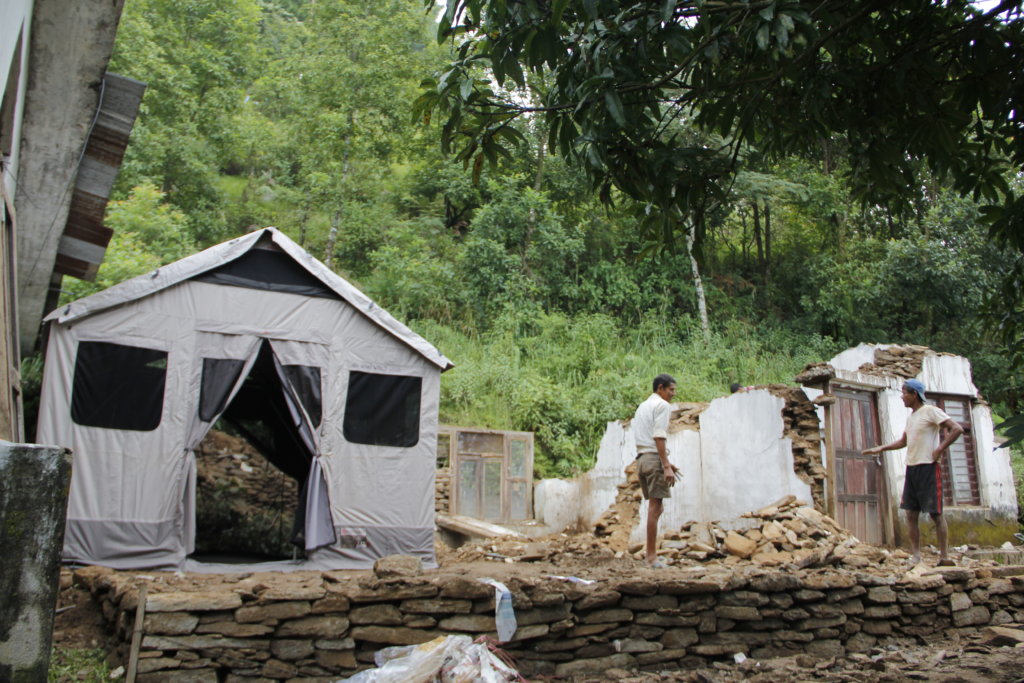
On the 12th day (April 25), while she was strolling about the hospital corridor, the ground started to shake as a result of the 7.9 magnitude earthquake that struck Nepal. Indira’s daughter was discharged from the hospital the very day. The couple stayed for about 15 days under the tarpaulin, braving the consequences of the earthquake, before they decided to return to their village—where they found out that their house had not withstood the quakes.
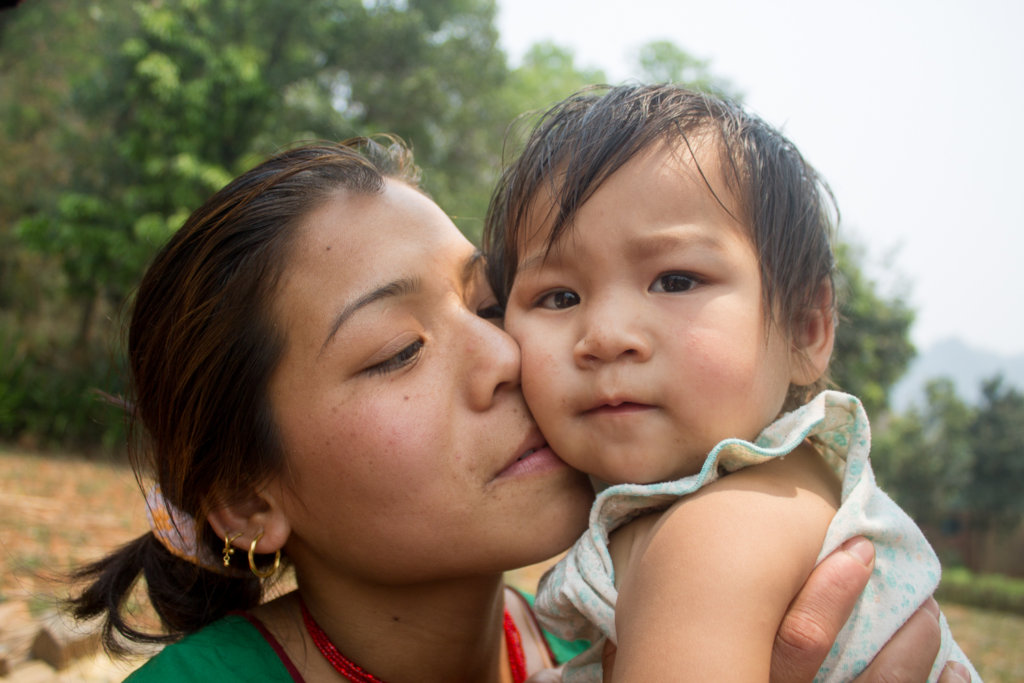
Against all odds, Indira managed to take great care of her premature baby using Kangaroo Mother Care, while frequenting hospitals in Kathmandu for routine check-ups. Two years later, Indira is breastfeeding her four day old son while her daughter is clutching the helm of her mother’s gown, reluctant to leave Indira alone in our presence.
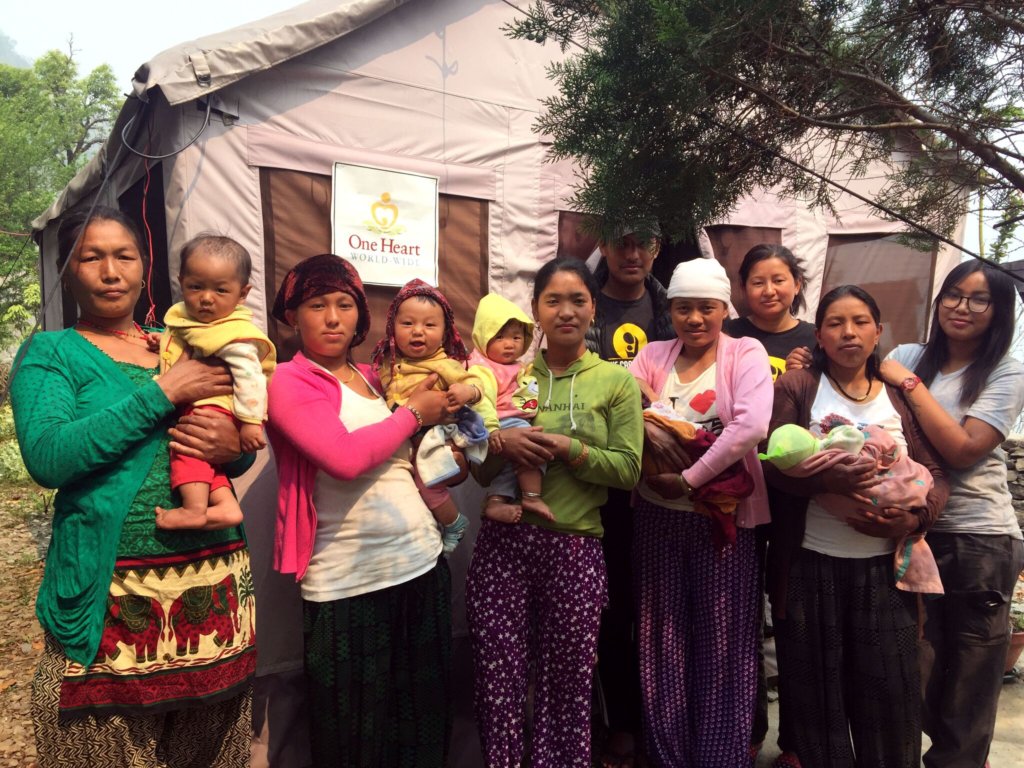
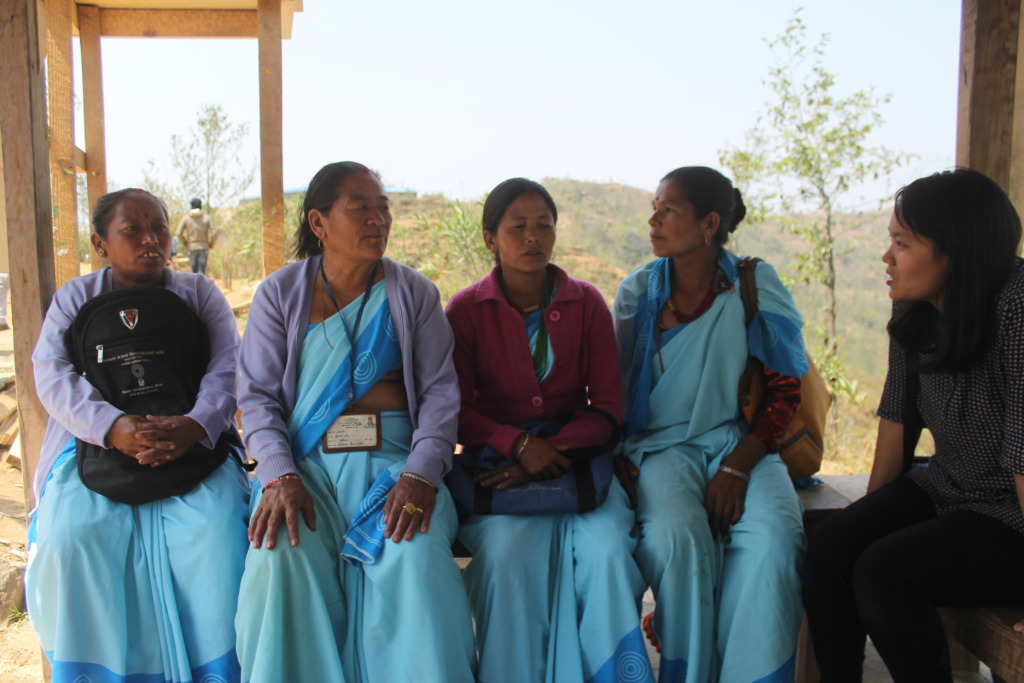
Bhawana is the Female Community Health Volunteer (FCHVs) working in Thokarpa village. She has been working there for over a decade and is a critical part of One Heart World Wide’s Network of Safety program. Like all of the FCHVs that we train, she registers new pregnancies, provides health education to mothers, and encourages pregnant women to attend their antenatal and postnatal care appointments, and deliver at the health facilities. Bhawana made sure that Indira was in good health and was having her routine check-ups, while also helping her prepare physically and mentally for delivery.
At the health post, Gyanuu, a staff nurse trained as a Skilled Birth Attendant, made sure that Indira could have a safe, normal delivery, keeping track of potential risks and being prepared to refer if the need arose.
“Because of her experience with the first delivery, we studied her health critically. She was in good health to have a normal deliver at the HP. She had a very normal delivery with ease,” said Gyanu.
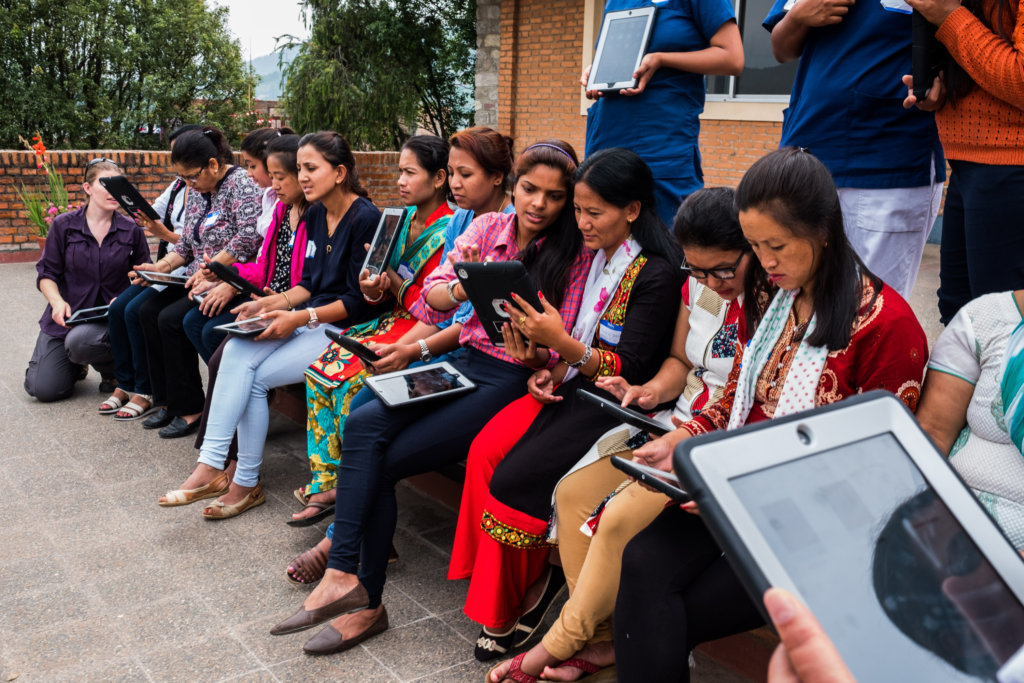
One Heart World-Wide creates a “Network” of safety around the mother and her newborn child, by implementing training packages for healthcare providers in the community, primary healthcare facilities and referral hospitals to provide knowledge and skills to better manage the most common conditions of pregnancy/ childbirth and newborns. These training packages include newborn care, birth preparedness, infections prevention training as well as Skilled Birth Attendant training and advanced training programs for hospital staff. This approach rationalizes training along a continuum of care; from pregnancy through the newborn period and from the household level to the referral hospital level.
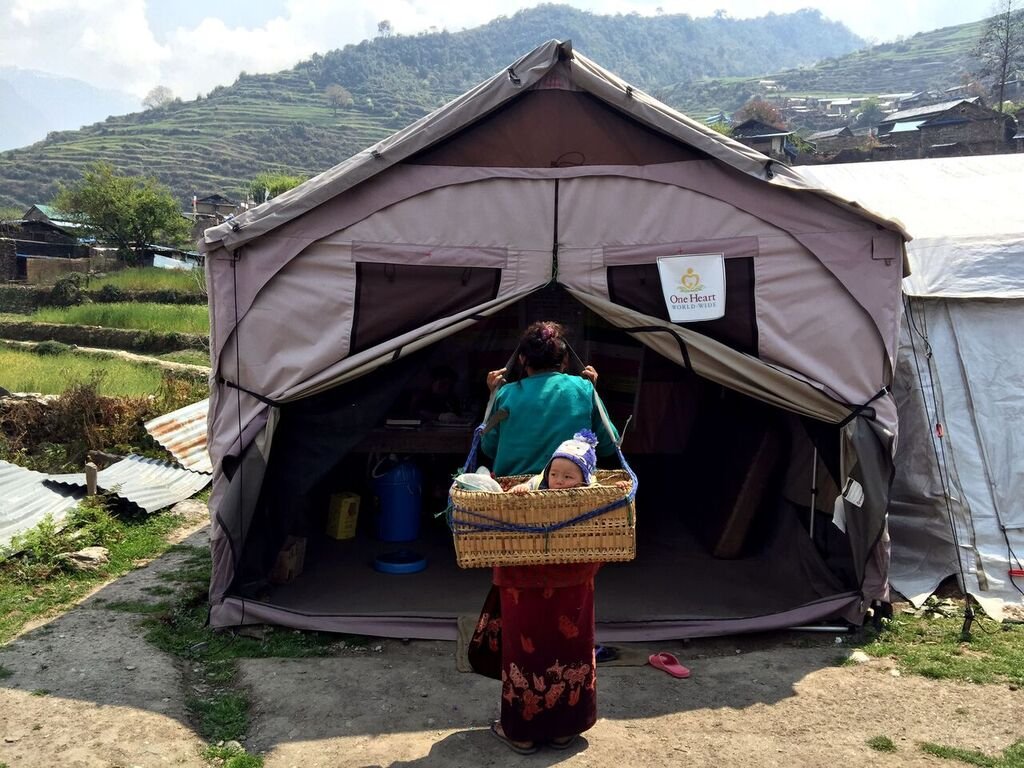
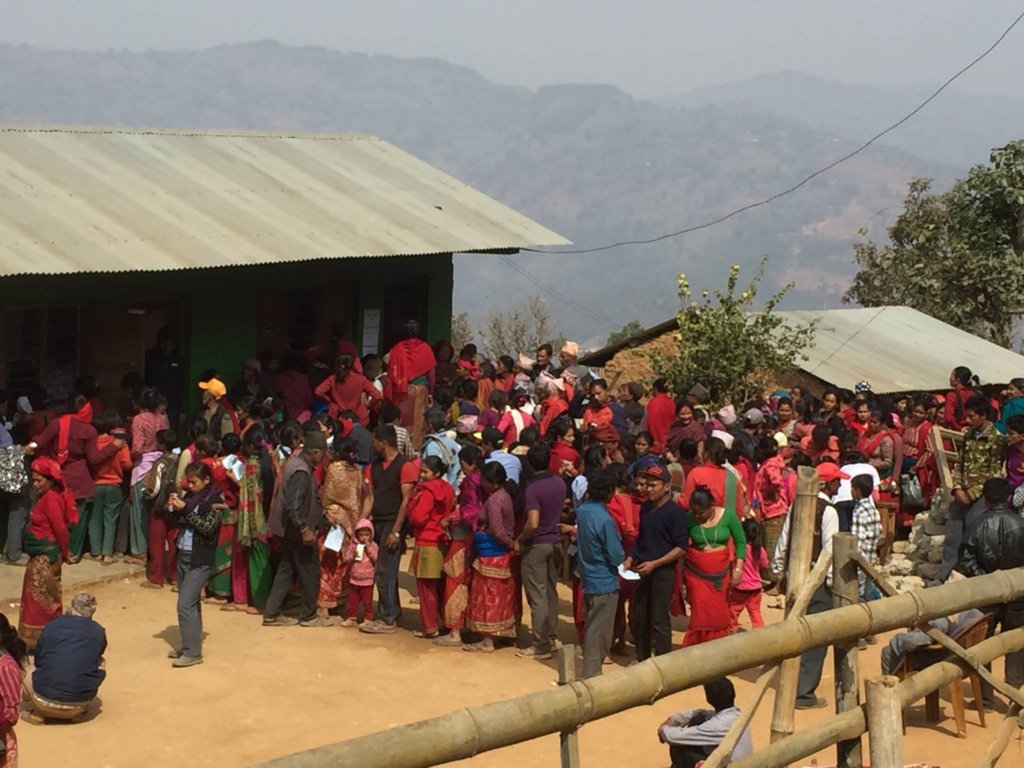
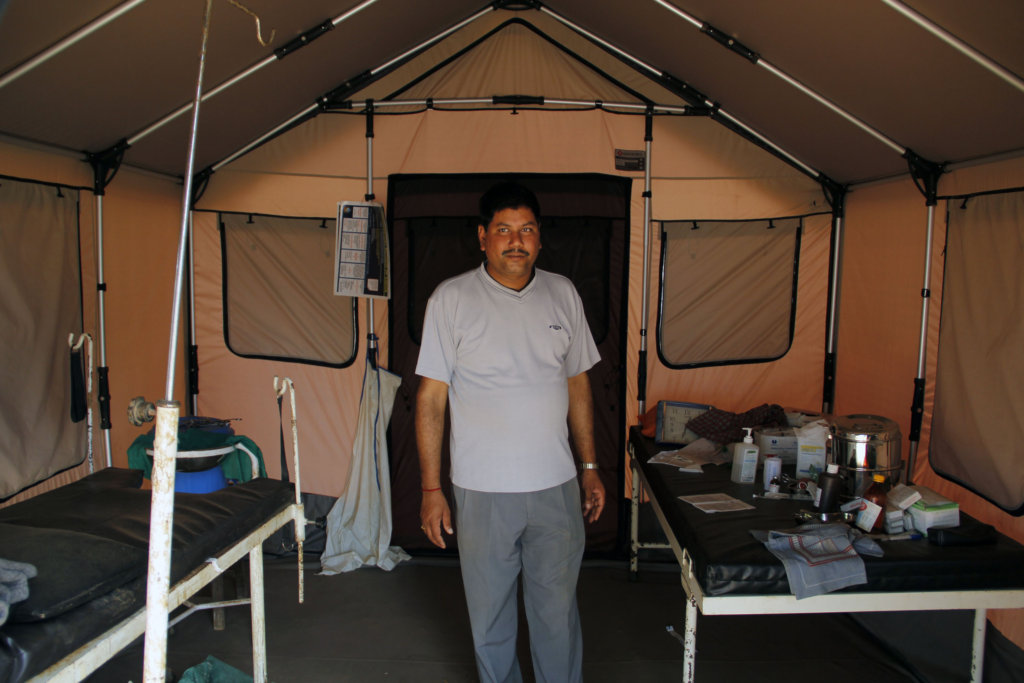
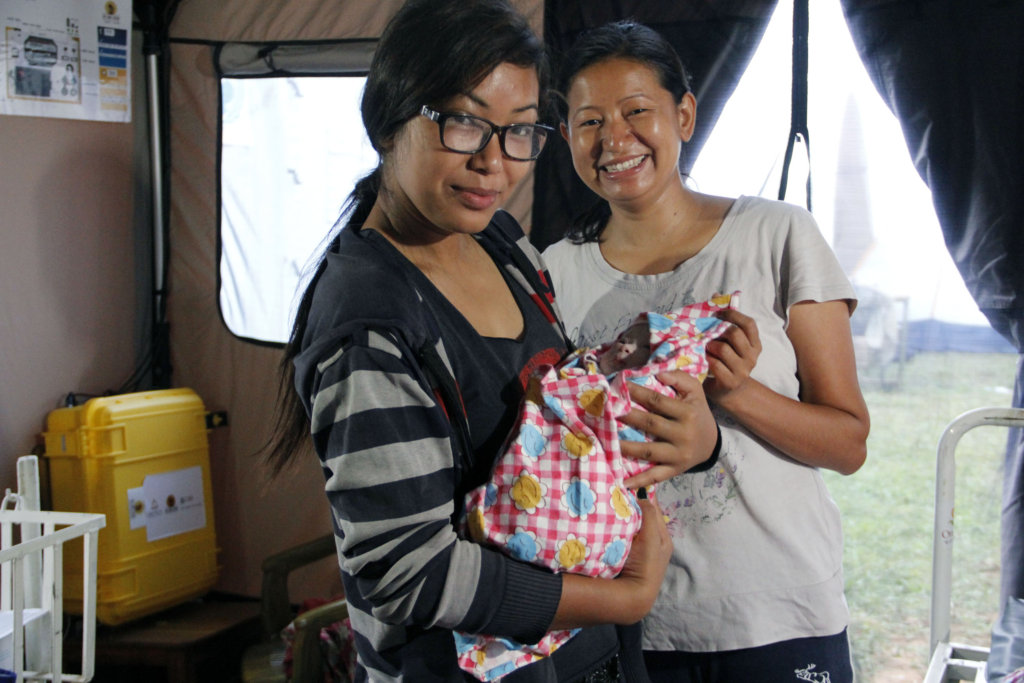
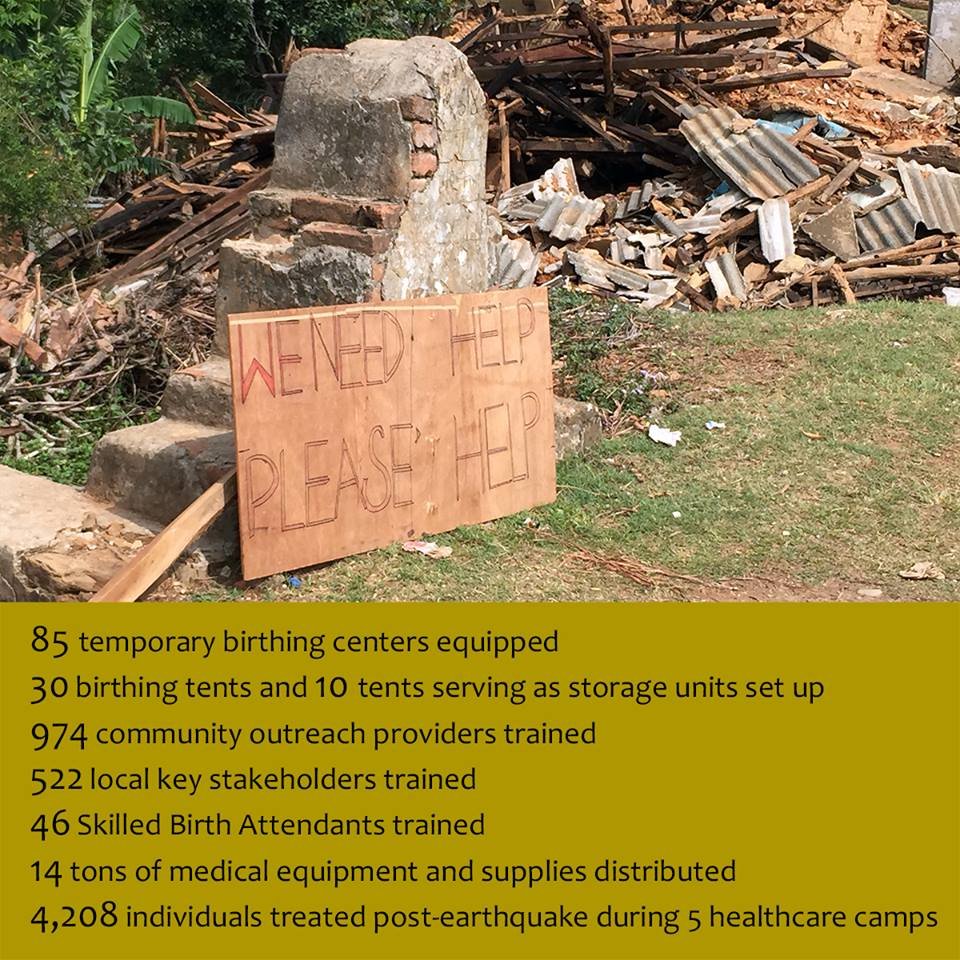
On April 28, just three days after the first earthquake, OHW launched an earthquake relief campaign in Sindhupalchok and Dhading, the two hardest-hit districts. OHW focused on ensuring that pregnant women – an already vulnerable group in normal circumstances – received the care and attention they deserved. Because many of the birthing centers were completely destroyed or unsafe to enter, we set up and equipped tents to serve as temporary birthing centers.In the past two years, OHW has supported the full renovation of pver 12 birthing centers, partially upgraded and provided equipment to 131, birthing centers, trained 2,094 community outreach providers, trained 229 skilled birth attendants, trained 3,282 stakeholders, and served 10,626 individuals through health camps in the districts of Dhading and Sindhupalchok.
Links:
Project reports on GlobalGiving are posted directly to globalgiving.org by Project Leaders as they are completed, generally every 3-4 months. To protect the integrity of these documents, GlobalGiving does not alter them; therefore you may find some language or formatting issues.
If you donate to this project or have donated to this project, you can receive an email when this project posts a report. You can also subscribe for reports without donating.