Re-establish a Healthcare Infrastructure in Nepal

by One Heart Worldwide
Play Video
Re-establish a Healthcare Infrastructure in Nepal

Project Report | Apr 21, 2017
Skilled Birth Attendance Saves the Day

By Alisha Giri | Program Coordinator

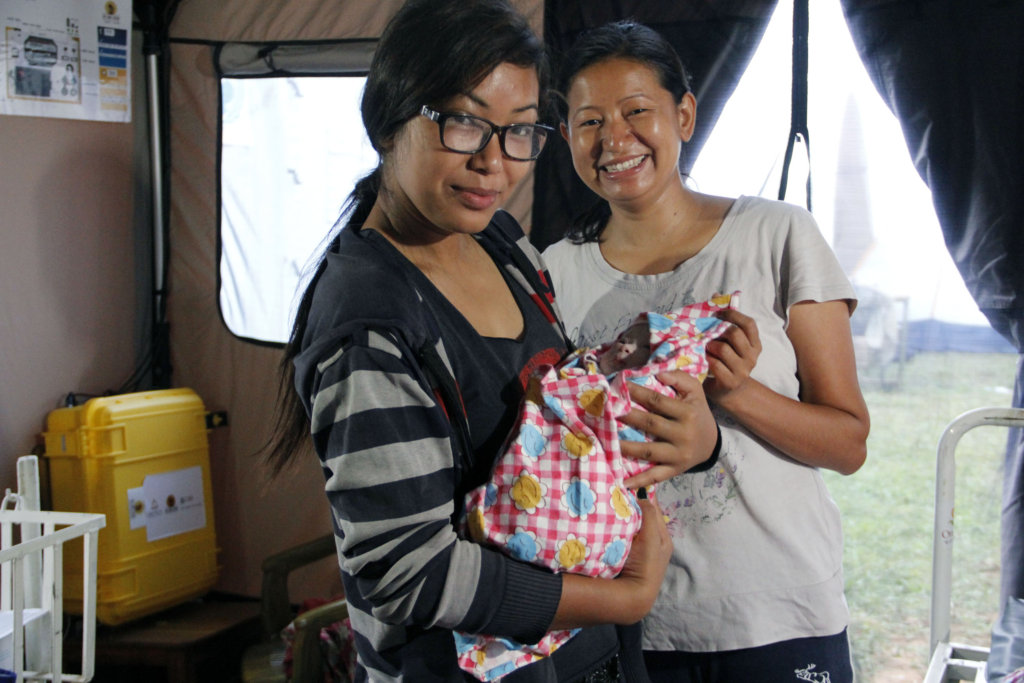
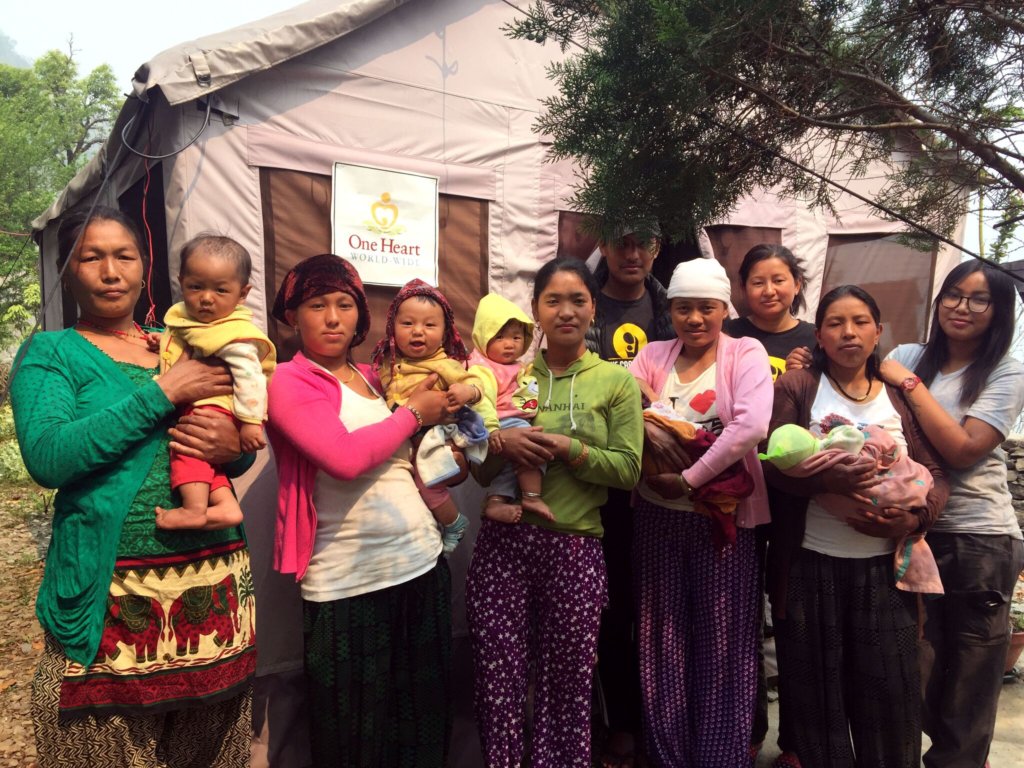
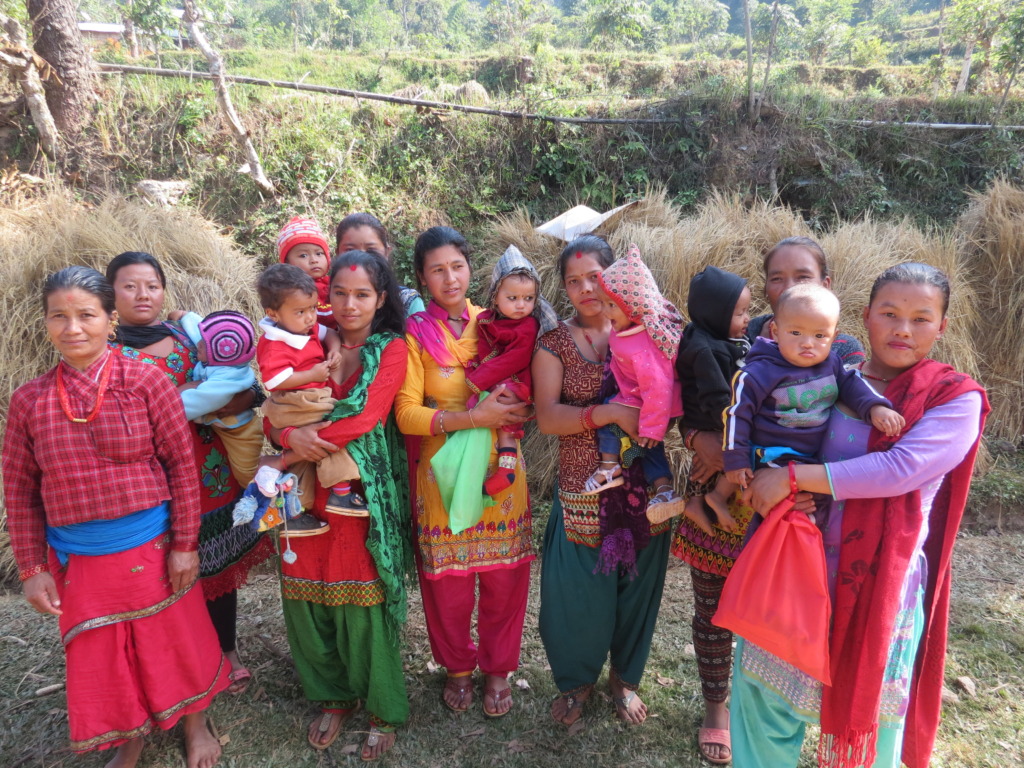
Moms that delivered following the 2015 Earthquakes

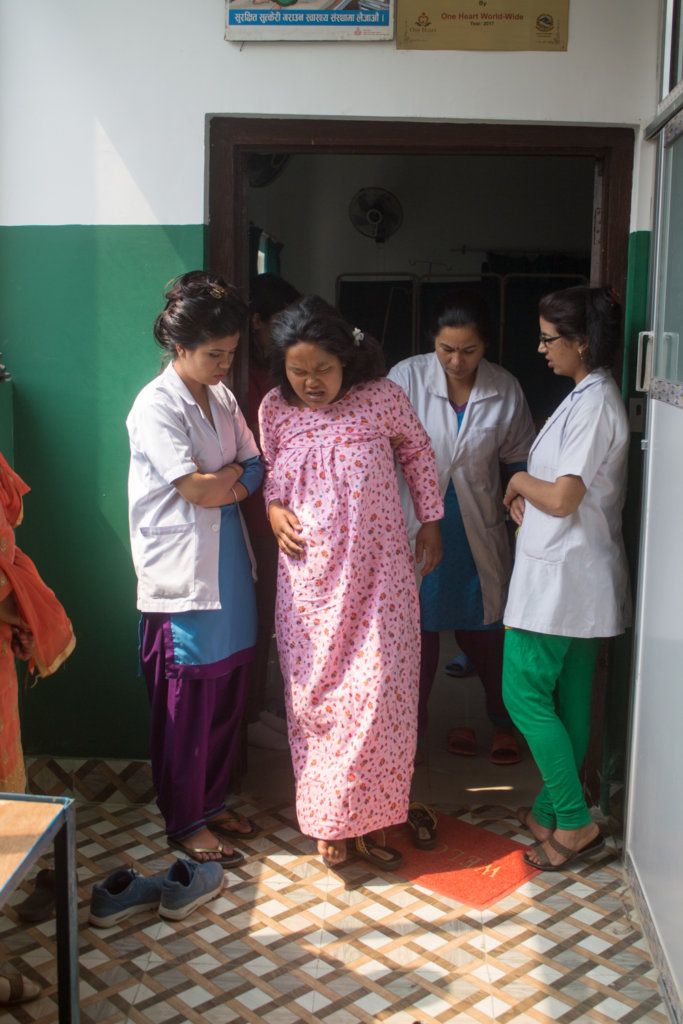
Rachana grew up in a large family of 12. After having seven daughters and a son from his first wife, her father decided to get married again. Getting a good education was out of the question because of her large family but Rachana was determined. She started living with her uncle to pursue her education when she was 11 years old. She is the only daughter from her family who went to study beyond higher education and currently holds a government job. She started her job as an Auxiliary Nurse Midwife (ANM) when she was a teenager. She is now working as an ANM at Melamchi Primary Health Care Center (PHCC).

On April 25th 2015, Rachana was in the midst of leading a meeting with the Female Community Health Volunteers (FCHVs) of Sindhupalchok district in the open space of a local primary school. The coordination meeting was called by the primary health care facility to plan and discuss the Nepali government’s upcoming immunization programs in the district.

Suddenly, the earth started shaking violently. The school came crashing down soon after. Rachana’s vision was clouded by the surrounding dust that was quickly rising from the fallen debris. The air echoed with the crying and wailing of injured people and soon, she was surrounded by people begging her to treat their loved ones. Rachana recalls the haunting wail of the mother who’d lost all three children inside the rubble of her house. 

“People were crying and wailing all around me and I could do nothing about it,” says Rachana. She had never felt so helpless in her life before. That day, it took her over half an hour to reach her own house via a path that usually took 10 minutes. Thoughts of her family raced past her as she made her way home, and she was finally relieved to see her two sons and husband safe and sound. Unfortunately the house was no longer there. 

When Rachana returned to work at the Primary Health Care Center (PHCC), the place was already swarming with the injured and deceased. According to Rachana, the PHC catered to about 500 people on average for almost three months. As the senior Skilled Birth Attendant at the PHCC, Rachana was given the responsibility of managing the PHCC’s store, preparing the duty list for staff, and reporting PHCC response activities to the District Health Office, in addition to her regular SBA duties. 

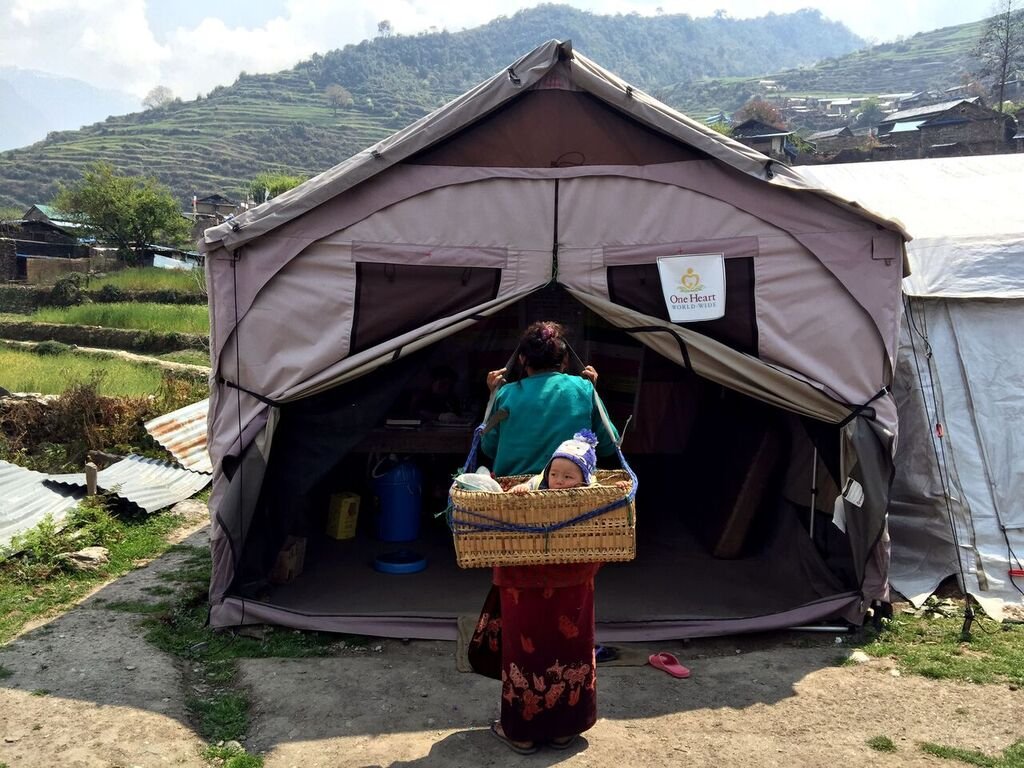
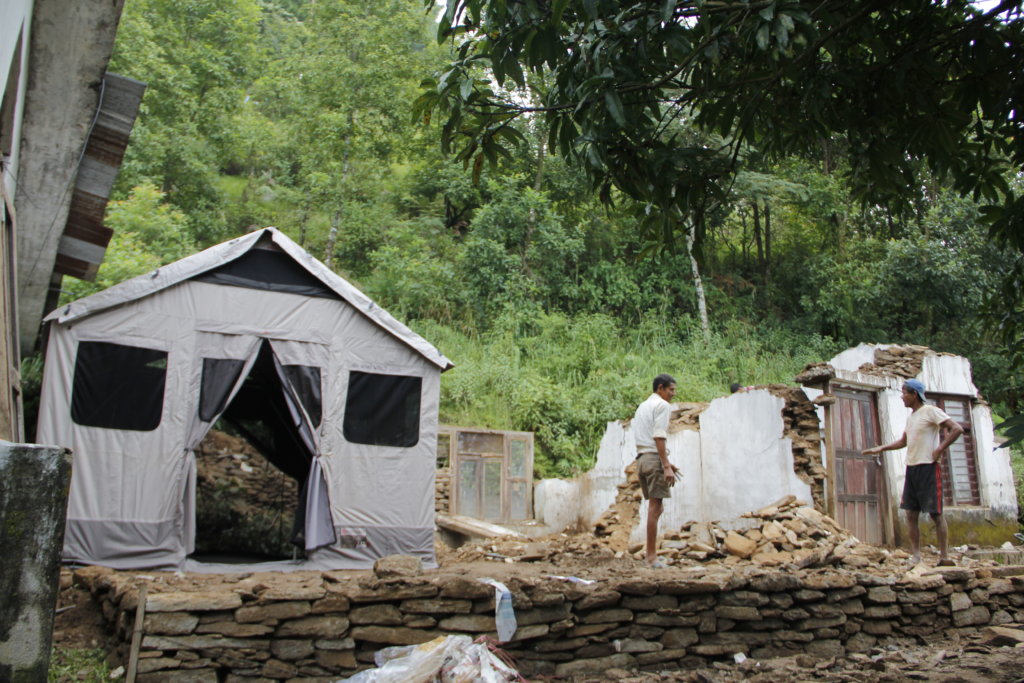
The first few days after the earthquake, women were delivering under the open sky. In the following months, OHW was able to set up heavy-duty tents to be utilized as temporary birthing centers. Two years later, OHW has completed the full renovation of 12 birthing centers and partially upgraded and supplied equipment for 131 birthing centers in these two earthquake districts. One of these birthing centers was Melamchi Primary Health Care Center in Dhading, where Rachana is currently working. 

Along with birthing center upgrades, OHW's earthquake activities included: 

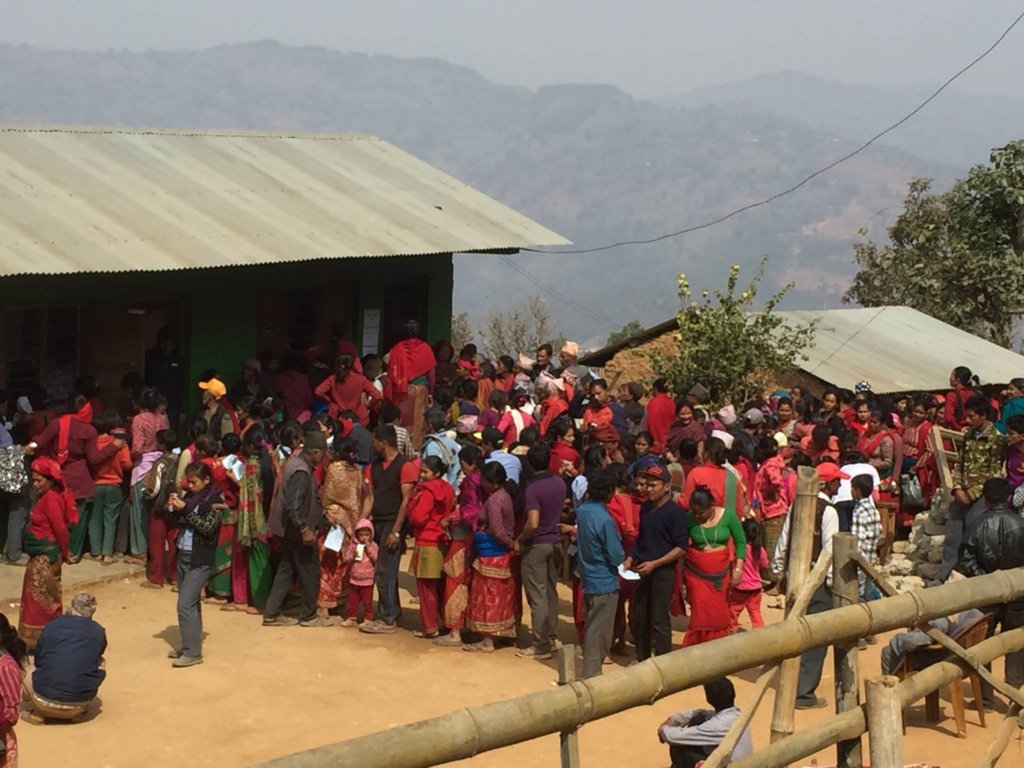
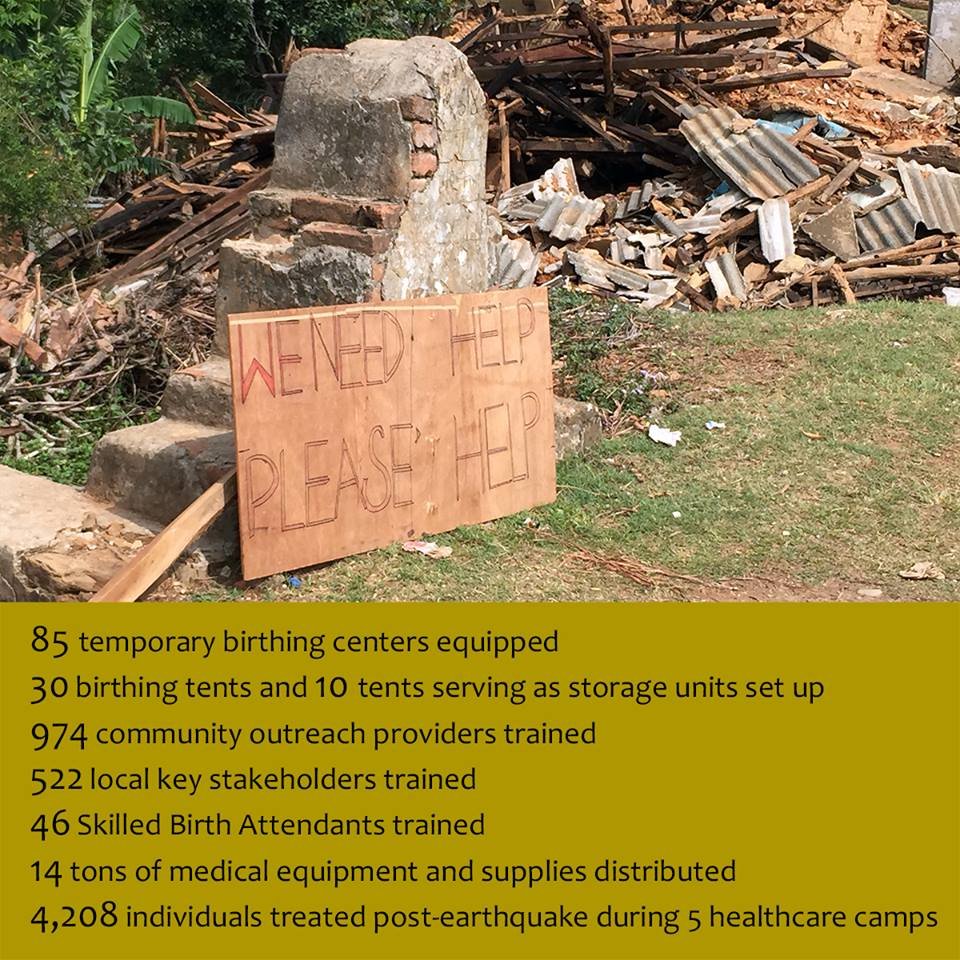
  • Health Camps: These health camps serve people suffering from both physical and psychological injuries post-earthquake, with an emphasis on reproductive health. In total, OHW has served 10,626 Individuals through these health camps.
  • Maternity Waiting Homes: Two maternity waiting homes were constructed in Salyantar, Dhading and Melamchi, Sindhupalchok. These maternity homes are residential facilities located near a qualified medical facility. The homes provide a safe space for women traveling from remote locations to temporarily stay pre and post delivery so that these women don’t have to make the long strenuous journey to and from home at such a vulnerable time in their pregnancy. 
  • Distribution of Medical Supplies: 14 tons of essential medical supplies were distributed throughout the two districts. 
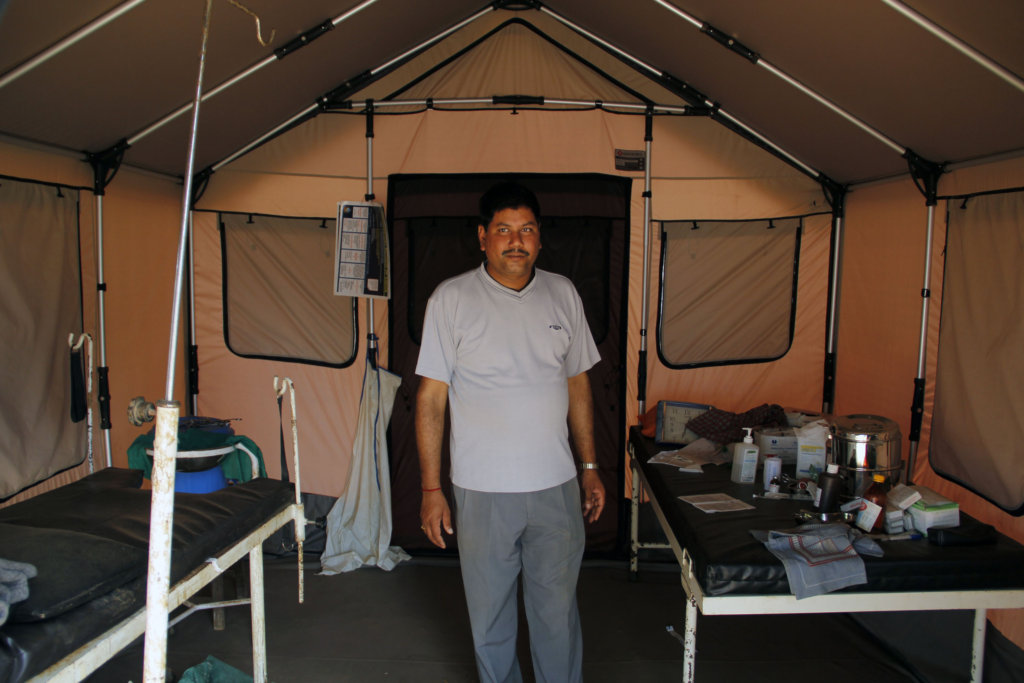
  • Temporary Birthing Tents: OHW set up 85 heavy-duty tents in locations where the birthing centers were damaged. These tents were equipped with essential birthing equipment so that SBAs and health workers could continue to provide essential reproductive health services such as antenatal and postnatal care visits, along with deliveries post earthquake. 

Along with other earthquake activities, OHW was also able to: 

  1. Training Community Outreach Providers - Community outreach providers include Health Workers (HW) and Female Community Health Volunteers (FCHVs). In the districts of Dhading and Sindhupalchok, we have trained 2,094 outreach providers as first responders for maternal and child health (MCH) using an integrated training package, which includes birth preparedness, newborn care, and infection control. These training packages integrated preventative antenatal, intrapartum and postpartum services for mothers and newborns at the community level. We expect our community outreach provider trainees to reach out to all pregnant women in their districts and promote safe motherhood, access to care and good practices.  

  2. Training Local Stakeholders - Stakeholders are members of the community that are trained to promote appropriate program utilization and facilitate the transition process. Stakeholders include Health Facility Operation Management Committee members who are trained to manage and oversee the function of the newly upgraded birthing centers, as well as in basic safe motherhood to increase program utilization among local communities. Their training focuses on capacity building, roles and responsibilities, how to identify service delivery problems, micro-planning and seeking resources from the local level.  These trainings provide a sense of responsibility towards OHW program activities and ensure that they will continue program activities while maintaining quality once OHW has transitioned out of the district. We trained a total of 3,282 community stakeholders in the last two years. 

  3. Training medical providers as SBAs - We train eligible medical providers (typically nurses and sometimes doctors) to complete the SBA program operated by the National Health Teaching Center of the Ministry of Health under technical guidance of the Safe Motherhood Program.  The course followed the national SBA curriculum, which is based on WHO’s Integrated Management of Pregnancy and Childbirth (IMPaC) curriculum. We have trained a total of 229 SBAs in 2015 and 2016. 

Even with all of our accomplishments, we still have a lot more work to do. It has been two years since the earthquakes demolished thousands of people's lives and homes, and the majority of these individuals are still feeling the effects. With this in mind, we would like you to consider donating to One Heart World-Wide via GlobalGiving once more starting April 25th. Starting on April 25th, GlobalGiving will be hosting a matching campaign for disaster recovery through which your donation will be matched 100%, doubling your overall impact.  

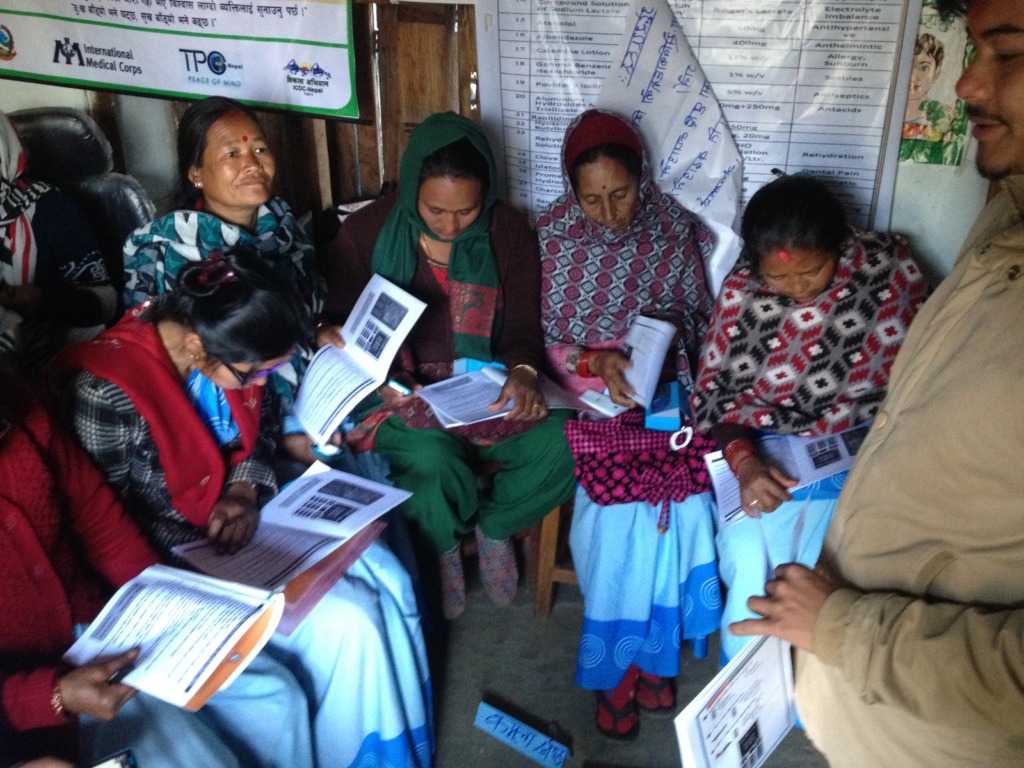
FCHVs getting trained in using mhealth technology
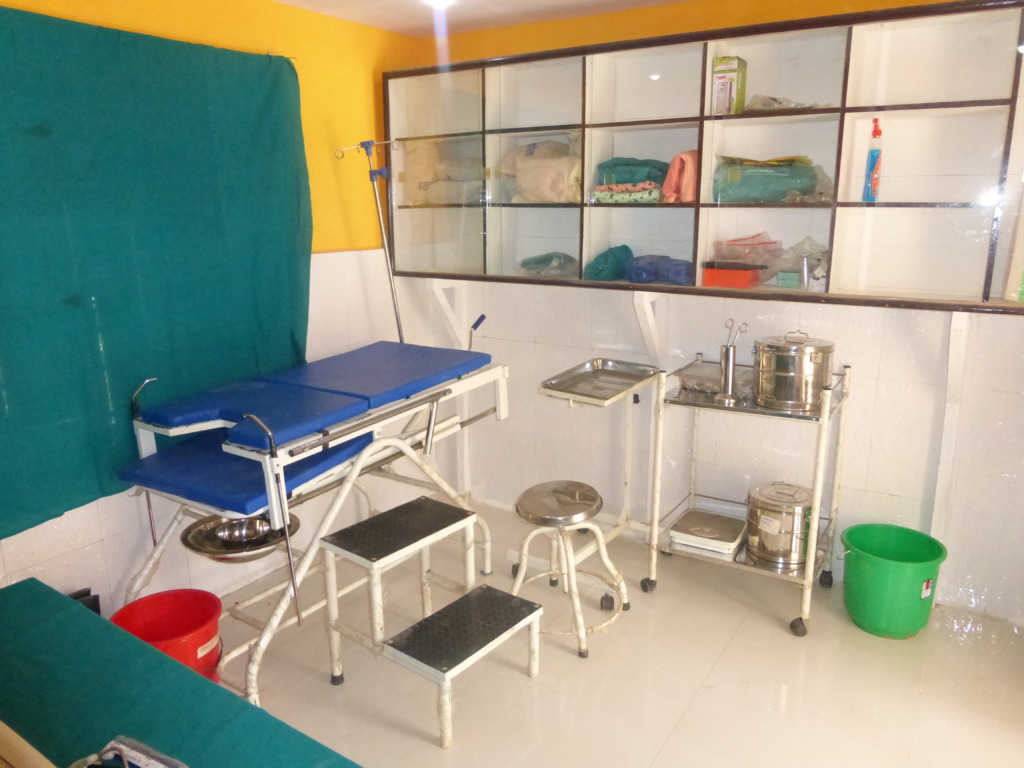
Delivery room after renovation and upgrade by OHW
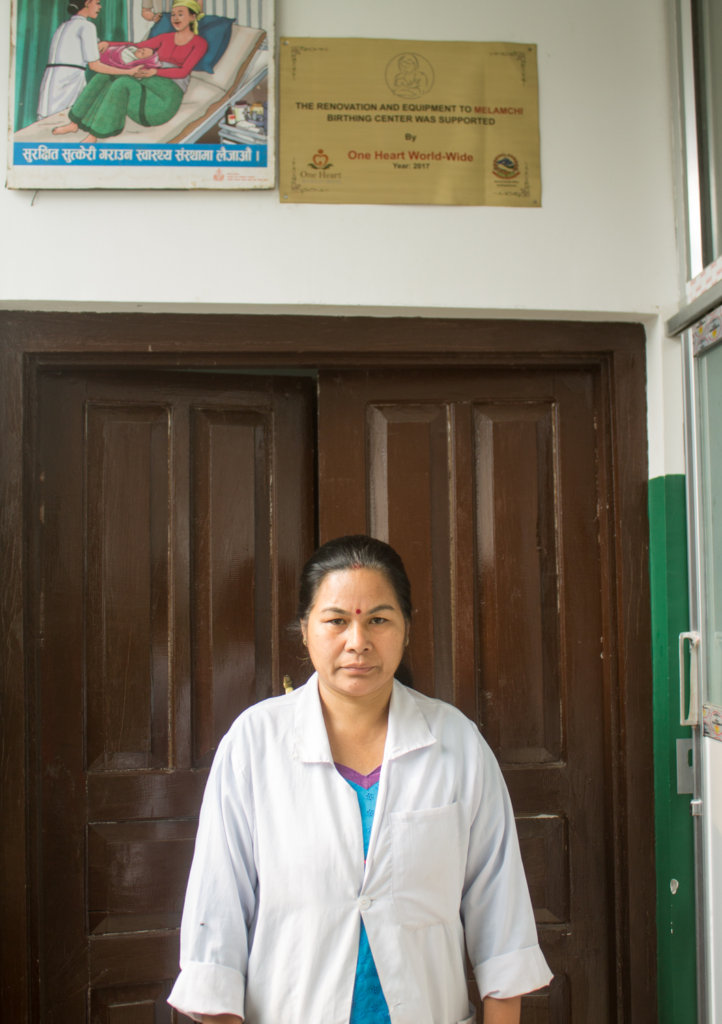
Rachana standing in doorway of Melamchi PHCC
Rachana and her SBAs helping pregnant woman

Links:

Share on Twitter Share on Facebook

About Project Reports

Project reports on GlobalGiving are posted directly to globalgiving.org by Project Leaders as they are completed, generally every 3-4 months. To protect the integrity of these documents, GlobalGiving does not alter them; therefore you may find some language or formatting issues.

If you donate to this project or have donated to this project, you can receive an email when this project posts a report. You can also subscribe for reports without donating.

Sign up for updates

Organization Information

One Heart Worldwide

Location: Hoover, Alabama - USA
Website:
Facebook: Facebook Page
X / Twitter: Profile
One Heart Worldwide
One Heart Worldwide
Project Leader:
One Heart Worldwide
San Francisco , California United States

Funded Project!

Combined with other sources of funding, this project raised enough money to fund the outlined activities and is no longer accepting donations.
   

Still want to help?

Find another project in Nepal or in Disaster Response that needs your help.
Find a Project

Learn more about GlobalGiving

Teenage Science Students
Vetting +
Due Diligence

Snorkeler
Our
Impact

Woman Holding a Gift Card
Give
Gift Cards

Young Girl with a Bicycle
GlobalGiving
Guarantee

Get incredible stories, promotions, and matching offers in your inbox

WARNING: Javascript is currently disabled or is not available in your browser. GlobalGiving makes extensive use of Javascript and will not function properly with Javascript disabled. Please enable Javascript and refresh this page.