By Alisha Giri | Program Coordinator
Dear OHW Friends,
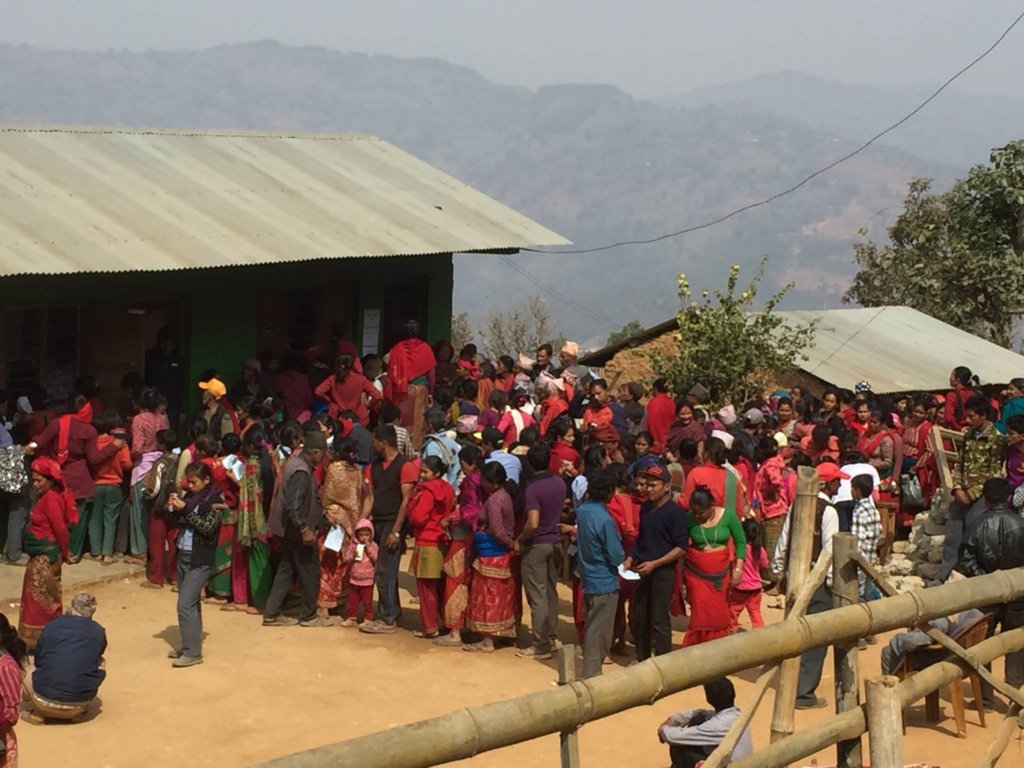
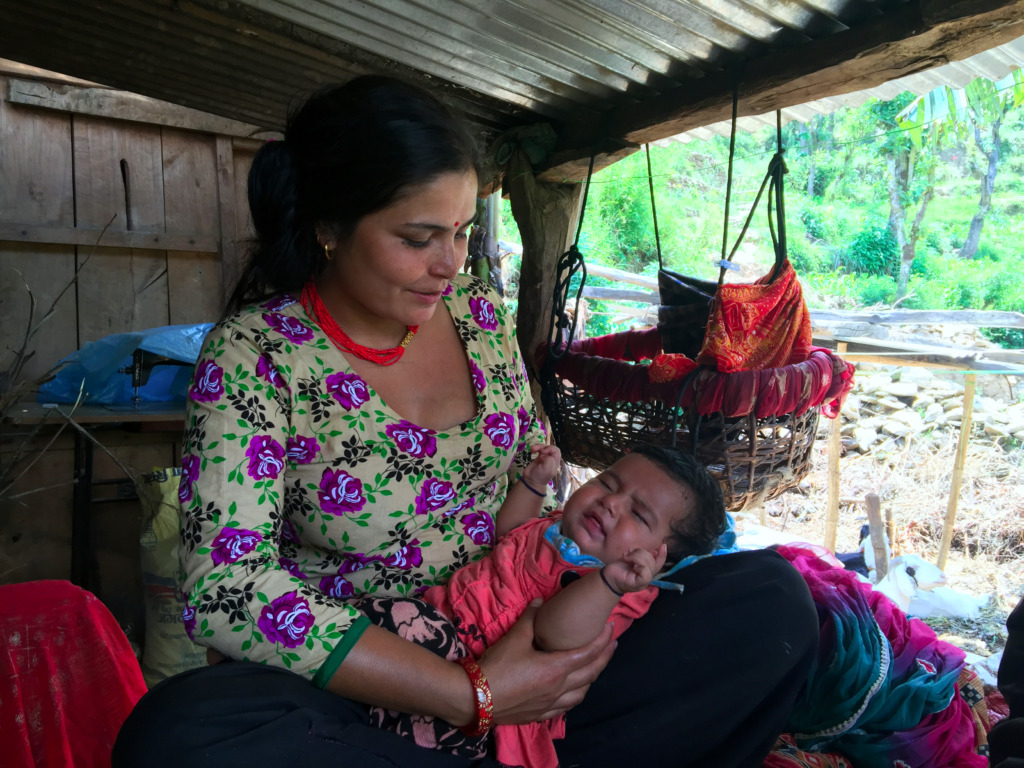
In many areas in which One Heart operates, the systems which contribute to women having monitored, healthy pregnancies and safe deliveries are still in dire need of assistance. The earthquakes had widespread consequences, but pregnant women and children, often sidelined in disaster situations, have continued to suffer from the lack of adequate health services.
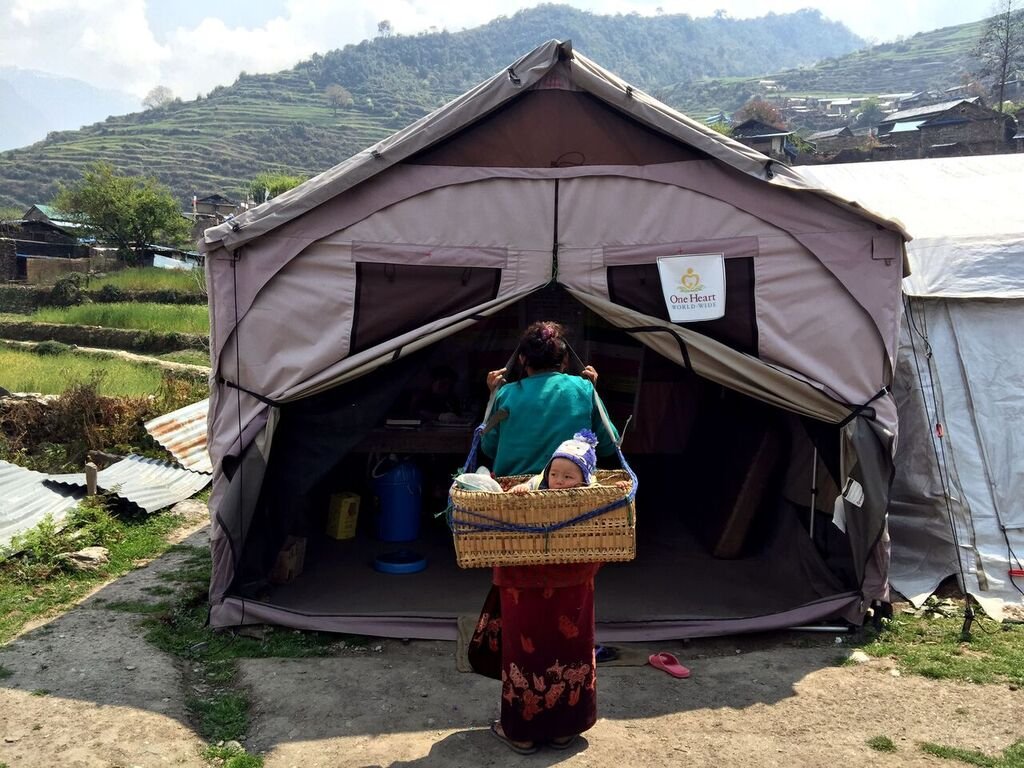
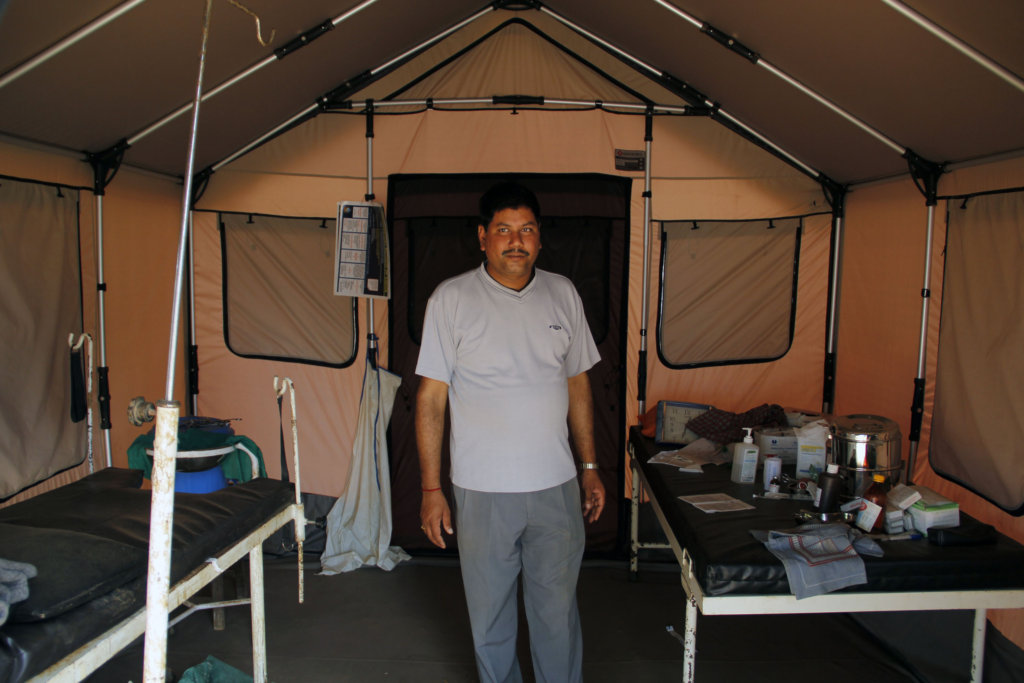
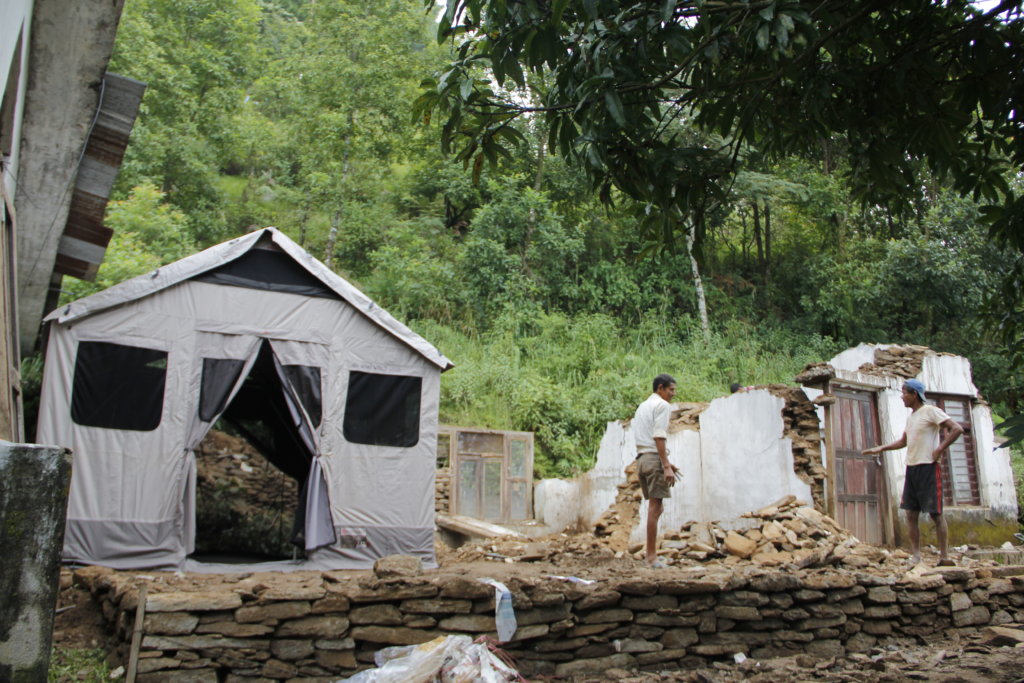
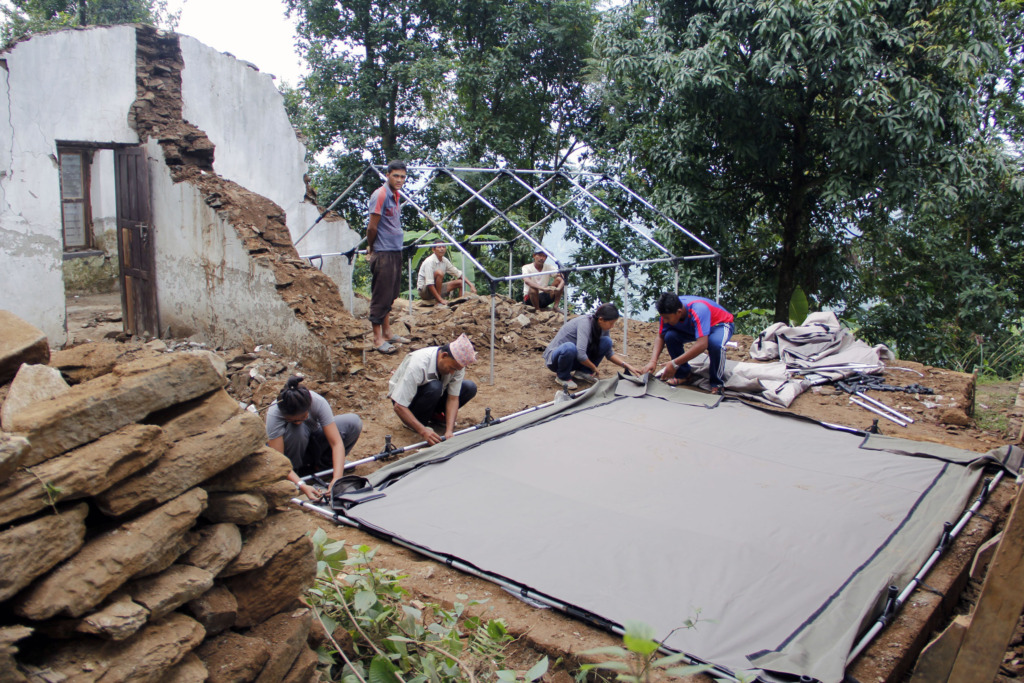
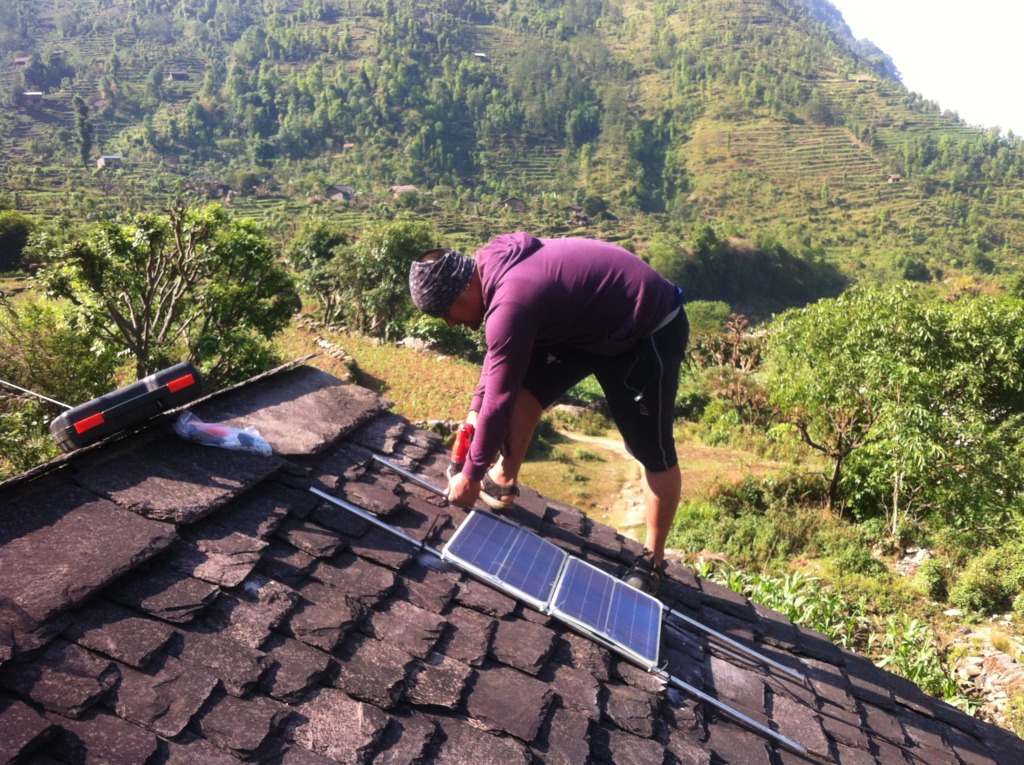
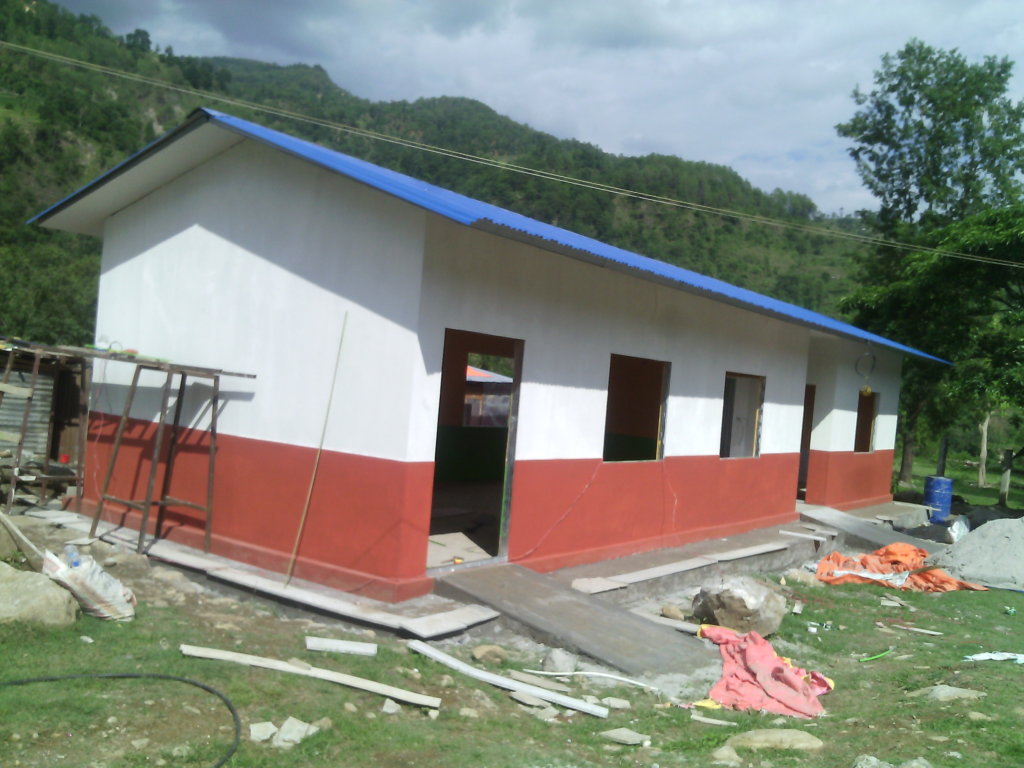
As you already know, to help restore maternal and neonatal health services, One Heart World-Wide has led efforts in Dhading and Sindhupalchok to renovate damaged facilities into certified birthing centers, install birthing tents, build health posts, train skilled birth attendants, and educate community health volunteers on safe motherhood practices. Our Network of Safety model is at the heart of each initiative, and we consulted closely with skilled birth attendants and health workers to choose the location of a fully-equipped birthing tent with adequate ventilation and space, medical equipment, and a solar suitcase to provide a steady source of power.
Instead of us constantly updating you on our activities, we want to take this opportunity to share with you first hand accounts of the work that One Heart World-Wide has been doing through the voices of our beneficiaries. These stories were collected from Dhading and Sindhupalchok and will help give you an honest picture of the circumstances pregnant women face in these areas.
Tulasi, Auxiliary Nurse Midwife (ANM)
Birthing Center: Chatrey Deurali Birthing Center
Namaste, my name is Tulasi. I am 35 years old and have been working as Auxiliary Nurse Midwife since 1999. I am currently working here in Chatrey Deurali Birthing Center in Dhading. I am living with my in-laws, husband, and my only son. Currently he is in school and my husband also works as a senior assistant health worker.
I always wanted to work in this field growing up and it has become my passion. I have the full support of my family as well as my husband.
Three years ago I received Skilled Birth Attendant (SBA) training and since then, I’ve been working as an SBA/Auxillary Nurse Midwife. Currently, we are facing the issue of lighting for deliveries that take place at night – currently 90% of the deliveries we do at this center are at night. We don’t have a reliable option for a steady power source and sometimes have to resort to using a simple hand torch or even our mobile phones for night deliveries. We also have 13-19 hours of load-shedding every day in this area. (Load-shedding is the deliberate shutting down of power by the government to bypass shortage of electricity). For surgical procedures such as an Episiotomy, I will sometimes have to ask individuals accompanying the patient to hold the torch for me while I perform the surgery. While we are used to these procedures, it can be frightening and nerve-racking for these individuals and the patients themselves. They tend to get nervous and start shaking so that the light source they are holding is not steady, which in forces me to perform partially in the dark. This exponentially increases the already high risk of complications, especially during serious procedures. The responsibility of saving the mother and new born baby’s life in these conditions is a heavy responsibility and poses a serious issue that we face in these rural birthing centers.
Just this past month we had a case with a pregnant woman named Gauri. She came in during the day and I used my judgment and past experiences to conclude that she would deliver her baby before 6PM. Six PM came and went and she was still there, unable to push, with no sign of delivery. By 9PM she was still here and still no signs of delivery although there had already been a Meconium stain. I started to do all the procedures that I’d learned through my training and realized that the baby had already inhaled the Meconium. I had asked one of the sisters to help hold a light for me and by this time, the torchlight was already at low power. With a lot of difficulty, I started the emergency procedure and with much difficulty, I was able to successfully take the baby out and immediately start resuscitation. During this, the torchlight died and we were forced to start using our mobile phones for lighting. This is just an example of one of the many cases that I’ve had to perform with very limited lighting.
Tonight also I have pregnant women and ready to delivery but im very happy and much more confident because now we have new solar power inside our delivery room. This light was really very important for us. Now I can do my job in the best way without proper lighting.
Today I feel like a kid at a candy store. Having these solar lights will make our work so much easier and save more lives. The two beautiful bright lights will not only brighten this one room but because of the long cord, we can use them to light rooms and passages, and charge devices such as the Fetal Doppler. In an emergency, it’s difficult to put a Fetoscope in order to listen for the baby’s heartbeat. Now, we will be able to allow the pregnant mother and her family members to listen to the fetal heartbeat and I can instruct my assistant to listen as well. We also got two new headlamps so now I don’t have to rely on untrained individuals to hold up a light. I can focus a steady light on exactly what I need to successfully complete any procedure. The multi-mobile charger we received also makes a huge difference when working at night as I often tend to run out of charge on my phone since I use it to make frequent calls to prepare ambulances, inform my colleagues, or request help. I’ve had situations where my phone dies right in the middle of a conversation like the ones mentioned above, and there is no power to charge it back. Even just a few minutes of delays due to lack of power can have a huge impact.
Sabitri, Auxiliary Nurse Midwife (ANM)
Birthing Center: Chainpur, Salbaas Health Post, Dhading
Sabitri has been an ANM at the health post in Chainpur, Salbaas for about nine months. The health post itself had been destroyed in the earthquake and so Sabitri was providing the regular services via a temporary tent. As the OHW team was setting up the solar tents at this location, she narrated a recent case that she had overseen at this health center.
A pregnant women named Manju had been admitted into the tent a few days earlier as it was her expected day of delivery. When she was admitted, there were 2 ANMs with Sabitri, along with another health assistant. Everything was normal at the beginning – the fetal heart sound was stable and strong and so was Manju’s condition. The assistant was able to hold up the light from her phone with a steady hand and Sabitri prepped for the imminent delivery. However, when Manju became fully dilated around 12:30 at night, the cord prolapsed. Because of this, it was difficult to refer her to a specialist doctor or hospital, but not referring could risk the life of the mother. Sabitri took the initiative and recommended that Manju be taken to the Dhading Besi Hospital. This itself was risky as they would have to travel at night and they called about five different places for ambulances but the drivers refused to take this risk. Finally, a truck driver passed by that was willing to take Manju to the district hospital. Unfortunately, halfway through, Sabitri got a call saying that there was a stillbirth. Manju was still taken to the Hospital to get the tear repaired quickly and to avoid Post-Partum Hemorrhaging. For Sabitri, this case was especially emotional because before the delivery had started, Manju had turned to Sabitri for consolation that everything was going to be okay and asked her to guarantee a normal delivery. While Sabitri had replied that she couldn’t guarantee anything, especially with deliveries, she had helped allayed Manju’s nerves. Sabitri mentioned that if they had had electricity and proper lighting, the providers wouldn’t have been so helpless in the whole process.
Project reports on GlobalGiving are posted directly to globalgiving.org by Project Leaders as they are completed, generally every 3-4 months. To protect the integrity of these documents, GlobalGiving does not alter them; therefore you may find some language or formatting issues.
If you donate to this project or have donated to this project, you can receive an email when this project posts a report. You can also subscribe for reports without donating.