By Solomon Abbey | Advocate
READING IS BASIC (RIB)
Phase 3, Year 2 — Progress Report to GlobalGiving Donors
Organisation
Street Children Empowerment Foundation (SCEF), Jamestown, Accra, Ghana
Project
Reading Is Basic (RIB) — Phase 3, Year 2
Reporting period
April – June 2026
Locations
Ga South Municipality (23 schools) and Accra Metropolitan Area (5 schools), Greater Accra Region
Prepared by
Godfred Edem Ahlijah, Project Officer / Education Lead
Alignment
SDG 4 (Quality Education); Ghana Education Service literacy priorities; National Standardised Test foundational-literacy agenda
1. Executive Summary
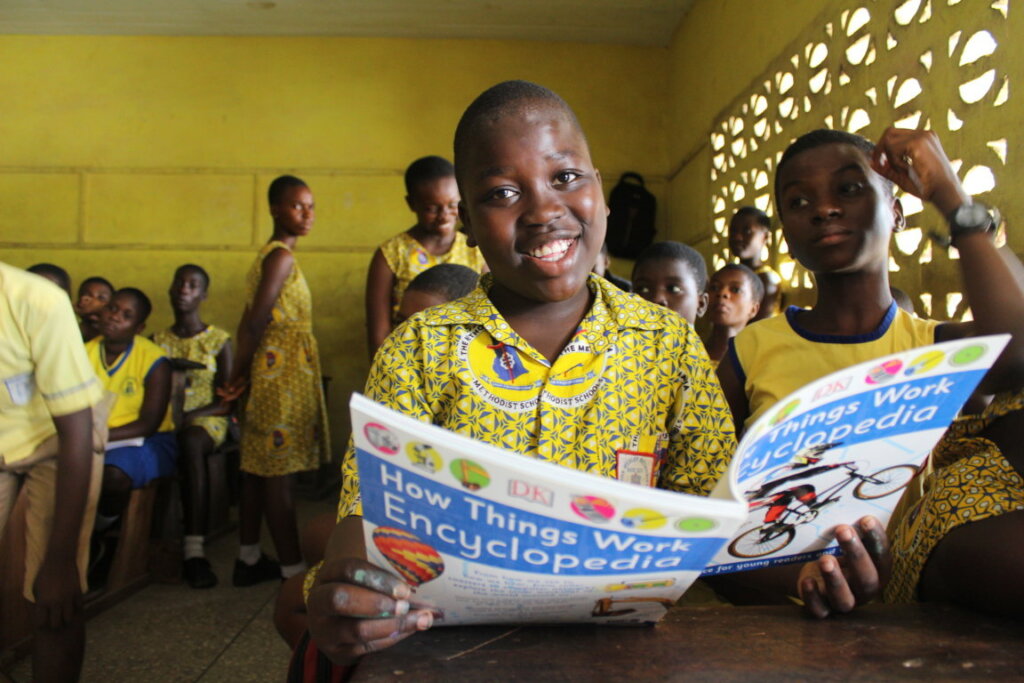
Year 2 of Phase 3 of the Reading Is Basic (RIB) project opened with strong momentum, anchored by three milestones made possible through the generosity of our GlobalGiving donors: the completion of baseline data collection across all 23 partner schools in the Ga South Municipality; the construction and procurement of classroom bookshelves to establish safe, accessible mini-libraries in those schools; and the supply of 500 African-themed storybooks to 5 schools in the Accra Metropolitan Area to strengthen culturally relevant reading.
The baseline — conducted through focus group discussions, interviews, and observations with 44 head teachers and teachers and 184 learners — revealed the scale of the need: 20 of the 23 schools had no library at all, none had structured reading time on their timetables, and no teacher had ever been trained in library management. The 23 shelves now built and awaiting deployment alongside the incoming books, and the African-themed titles that ensure children see their own languages, names, and worlds reflected in the stories they read, are the first direct response to that evidence. We are deeply grateful to every donor whose support made this possible.
2. Project Background
Reading Is Basic is SCEF’s flagship literacy programme, designed to improve foundational reading outcomes for vulnerable, street-connected, and out-of-school children in under-resourced public basic schools in the Greater Accra Region. The programme combines access (books and classroom libraries), instruction (teacher support and structured reading sessions), and evidence (baseline, midline, and endline assessment) into a single community-rooted model.
Phase 3 expands the model into the Ga South Municipality, one of Greater Accra’s most rapidly growing and under-served districts, while consolidating gains in the Accra Metropolitan Area. Year 2 focuses on translating Year 1 groundwork into measurable learning improvement across 23 Ga South partner schools, with complementary book provision in Accra Metro.
3. Activities Completed This Period3.1 Baseline Data Collection — 23 Schools, Ga South Municipality
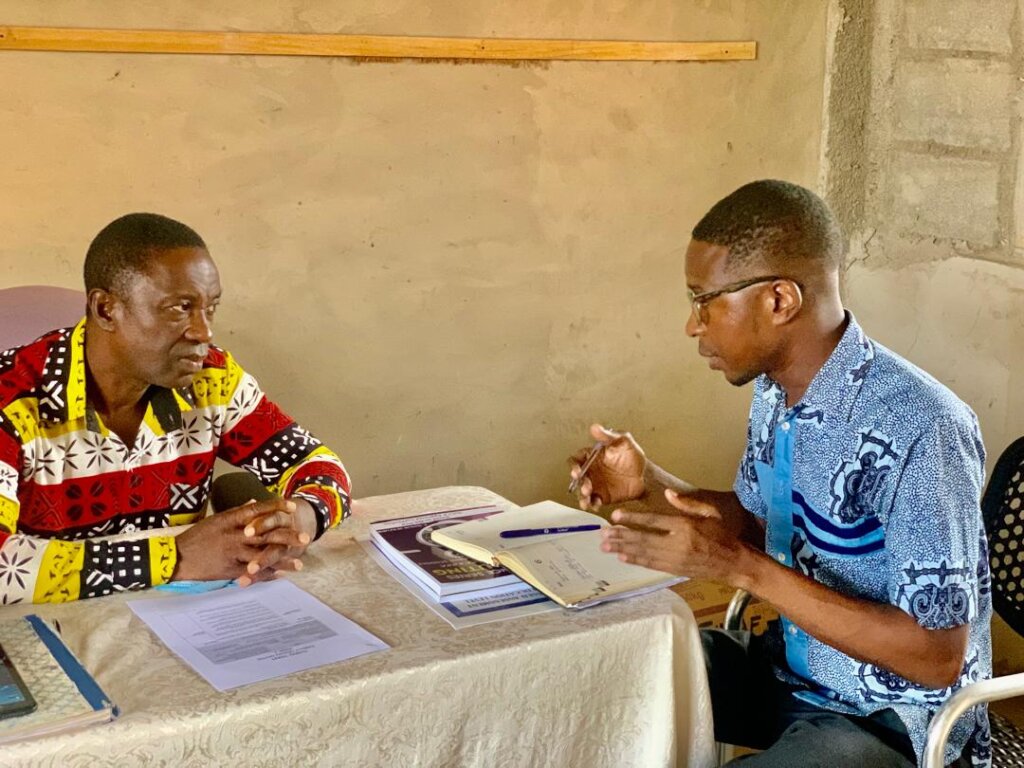
Year 2 began with a comprehensive baseline assessment exercise across all 23 participating basic schools in Ga South. The baseline establishes the starting point against which all Year 2 progress will be measured, in line with international monitoring and evaluation good practice (baseline–midline–endline design).
Headline findings: Across the 23 schools assessed (44 head teachers and teachers; 184 learners), 20 out of 23 schools had no library of any kind, and none had structured reading time on their official timetable. In addition, not a single teacher had ever received training in library management. These findings confirm the urgent relevance of RIB’s model — and they directly shape the activities reported below and planned for the coming period.
3.2 Construction and Procurement of Bookshelves
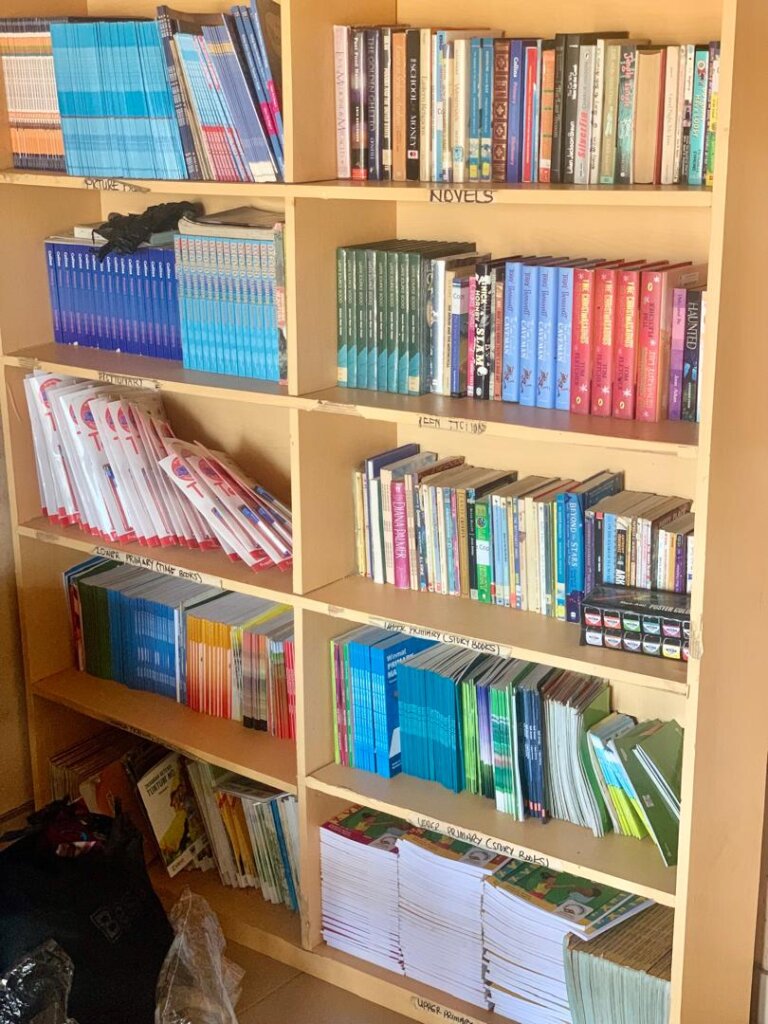
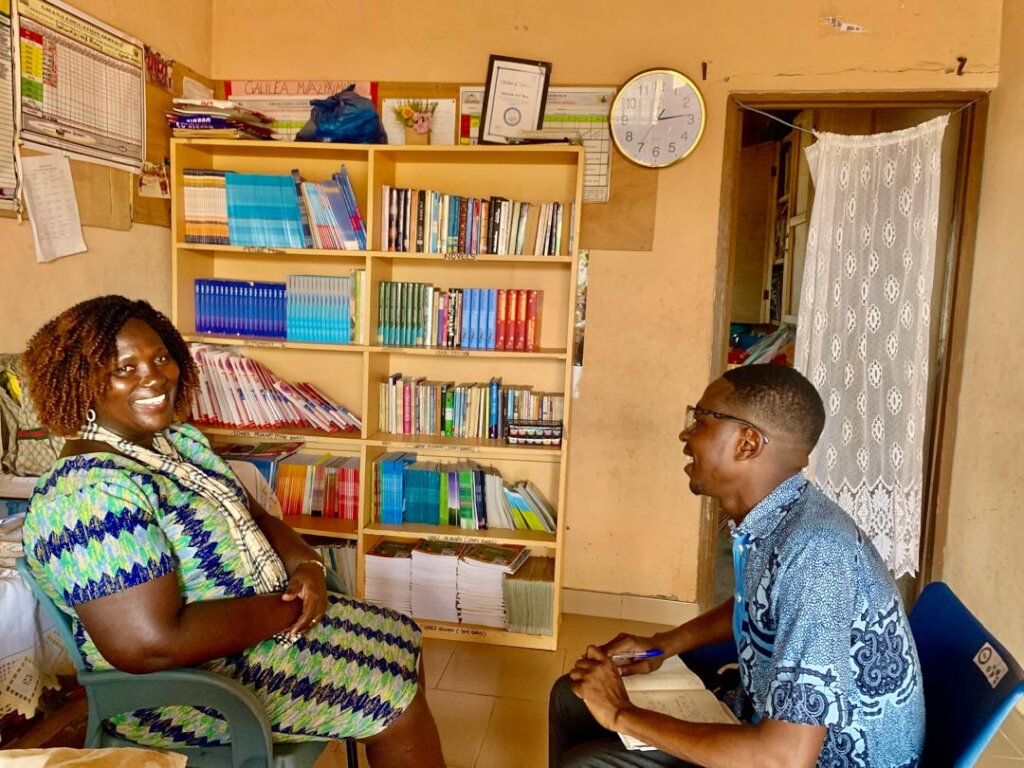
Following the baseline, SCEF constructed and procured bookshelves for the 23 Ga South schools. This step is foundational: books donated to schools without storage are frequently locked away in head teachers’ offices, damaged, or lost. Purpose-built shelving keeps books visible, organised, protected, and within children’s reach — converting ordinary classrooms into functioning mini-libraries.
3.3 500 African-Themed Books for 5 Schools — Accra Metropolitan Area
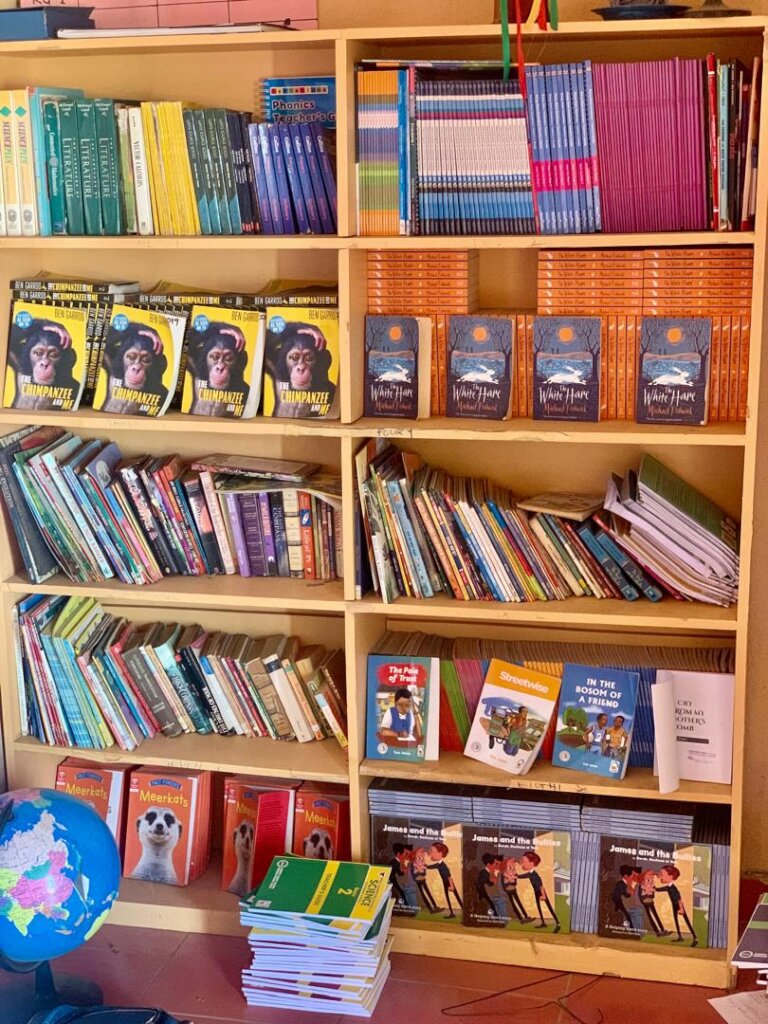
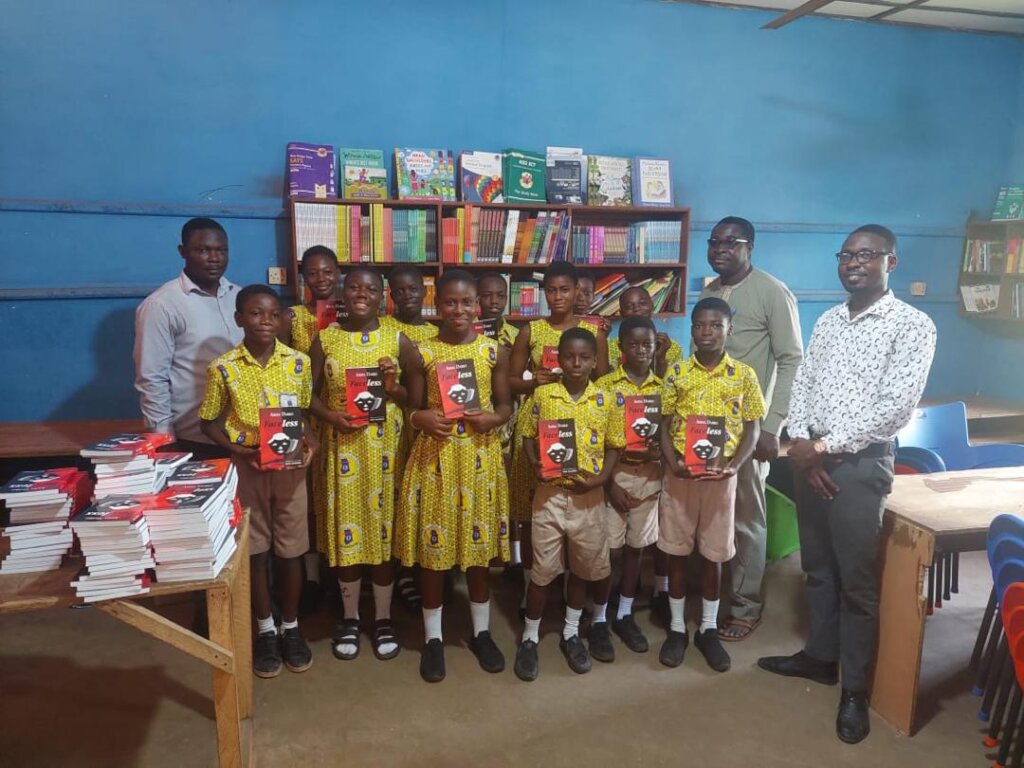
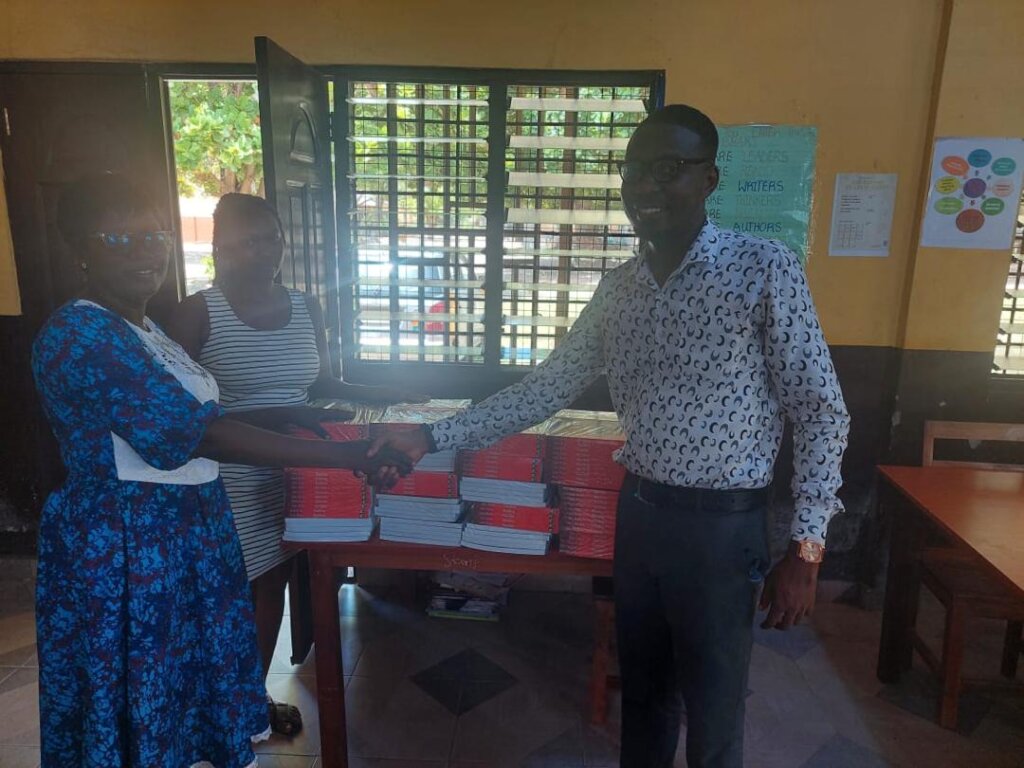
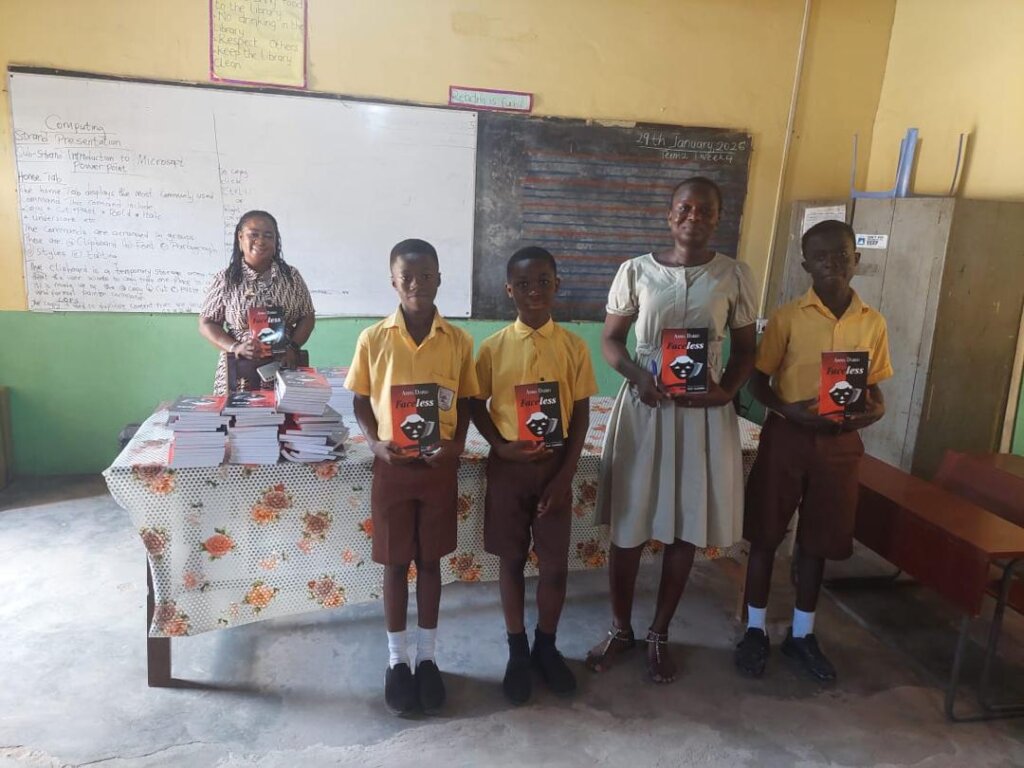
In parallel, SCEF supplied 500 African-themed storybooks to 5 partner schools in the Accra Metropolitan Area — the first of 22 schools targeted to receive African-themed books this project year. Research and our own classroom experience consistently show that children engage more deeply, read more frequently, and comprehend better when stories reflect their own culture, environment, and lived experience. These titles feature African characters, settings, authors, and values — affirming children’s identity while building reading skill.
4. Results at a Glance
Output
Target (Y2)
Achieved this period
Schools completing baseline assessment (Ga South)
23
23 (100%)
Learners assessed at baseline
184
184 (100%)
Head teachers and teachers engaged in baseline
44
44 (100%)
Bookshelves constructed/procured
23
23 (100%)
African-themed books supplied (Accra Metro)
500
500 (100%)
Schools receiving African-themed books
22
5 (22.72%)
Estimated children reached (all activities)
12,650
12,650 (100%)
5. A Story from the Field
During one of the baseline focus group discussions in Ga South, our team asked a group of upper-primary learners a simple question: “Where do you go when you want to read a storybook?” The room went quiet. Finally, one learner raised her hand and answered honestly — there was nowhere to go. Her school, like 20 of the 23 we visited, had no library, no shelf, and no reading time on the timetable. The only books she had ever held were textbooks, shared between desks.
Today, the answer to that question is taking shape. Twenty-three newly built wooden bookshelves — crafted by local artisans — stand ready, and the African-themed storybooks destined to fill them are clearing through the Ghana Library Authority. Once they arrive, teachers and library prefects will be trained, and each school will receive its shelf and its books together: not just furniture, not just paper, but a working library and the people prepared to run it. When that learner is asked our question again, she — and thousands like her — will finally have an answer. That is what your support is building.
6. Monitoring, Evaluation and Learning
RIB Phase 3 follows a baseline–midline–endline assessment framework consistent with international development standards. The Year 2 baseline now provides school-level data that will be compared against a midline assessment planned for later in the project year and an endline at its close. In addition to learning data, SCEF tracks book inventories, shelf condition, frequency of reading sessions, and teacher engagement through routine monitoring visits, ensuring that donated resources remain in active use and in children’s hands.
All data collection adheres to SCEF’s child safeguarding policy and the Children’s Act, 1998 (Act 560) of Ghana, with consent obtained and children’s identities protected in all reporting.
7. Challenges and Lessons Learned
8. Next Steps (Coming Period)9. Thank You — Your Impact
Every shelf built, every assessment completed, and every one of the 500 African-themed books now in a child’s hands traces directly back to your generosity. Because of you, 23 schools in Ga South now have the evidence — and the shelves standing ready — to transform reading outcomes this year, and children in 5 Accra Metro schools are opening books in which they can finally see themselves. Thank you for standing with the children of Greater Accra — we look forward to reporting on the trainings, the school deliveries, and the midline results your support is making possible.
With gratitude,
Godfred Edem Ahlijah
Project Officer / Education Lead, Reading Is Basic
Street Children Empowerment Foundation (SCEF), Jamestown, Accra
Project reports on GlobalGiving are posted directly to globalgiving.org by Project Leaders as they are completed, generally every 3-4 months. To protect the integrity of these documents, GlobalGiving does not alter them; therefore you may find some language or formatting issues.
If you donate to this project or have donated to this project, you can receive an email when this project posts a report. You can also subscribe for reports without donating.



Support this important cause by creating a personalized fundraising page.
Start a Fundraiser