Project Report
| Jan 13, 2020
VITAL visit to Railway children Dec 2019
By Yvonne Neuman | Founder VITAL
![]()
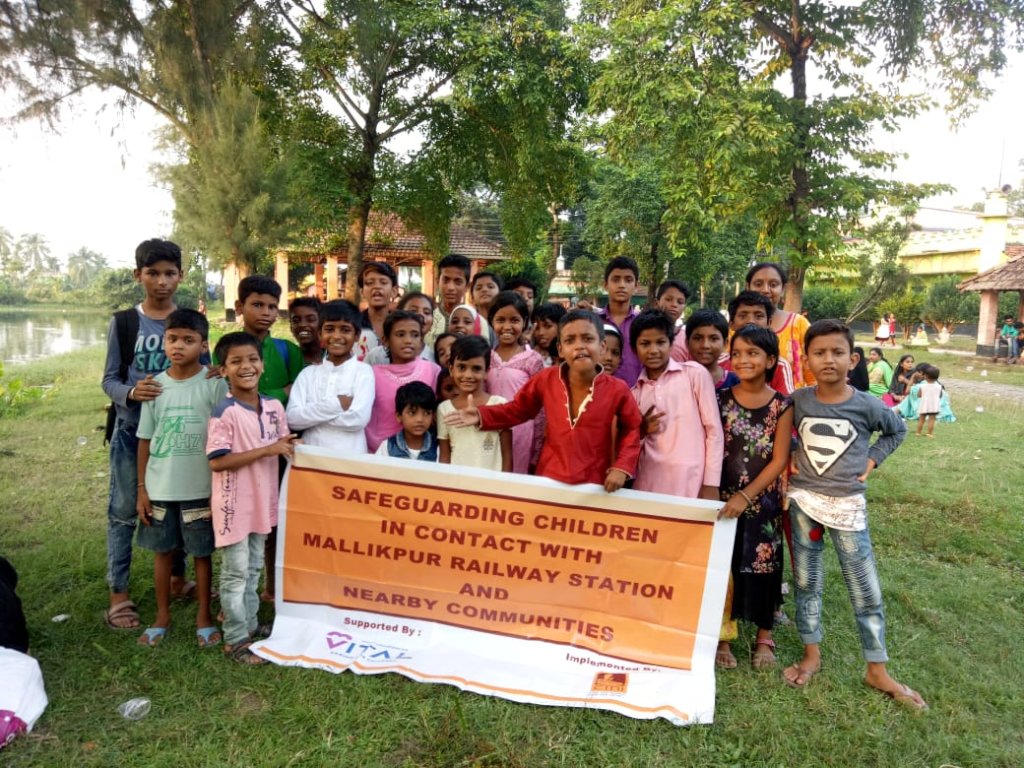
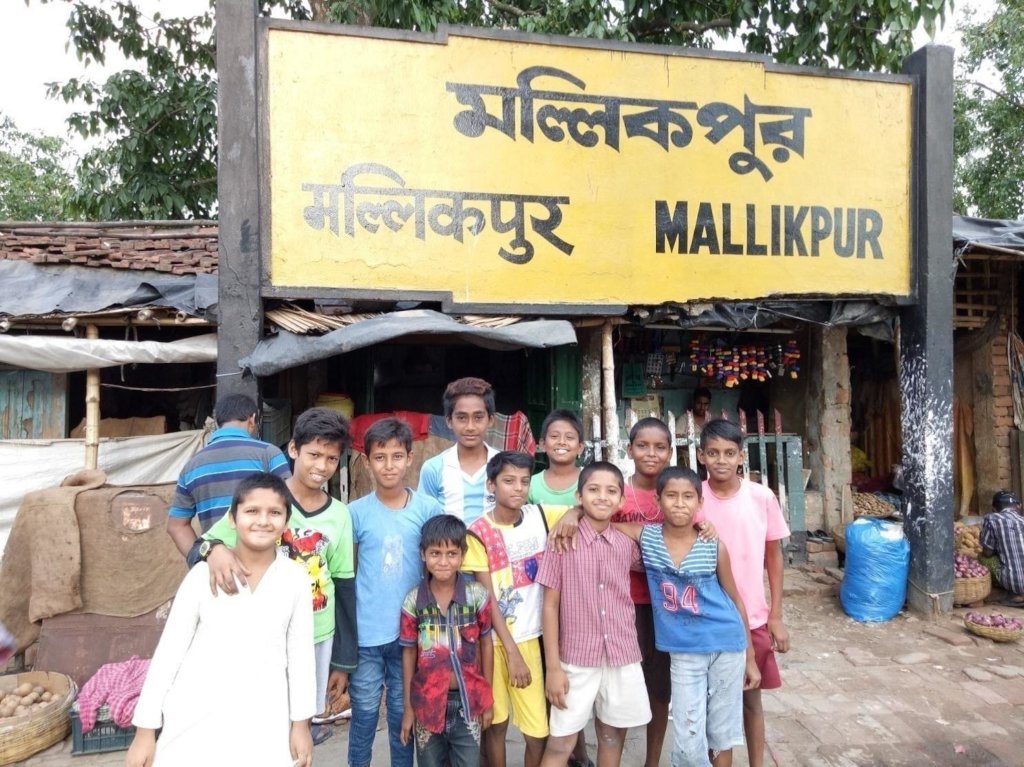
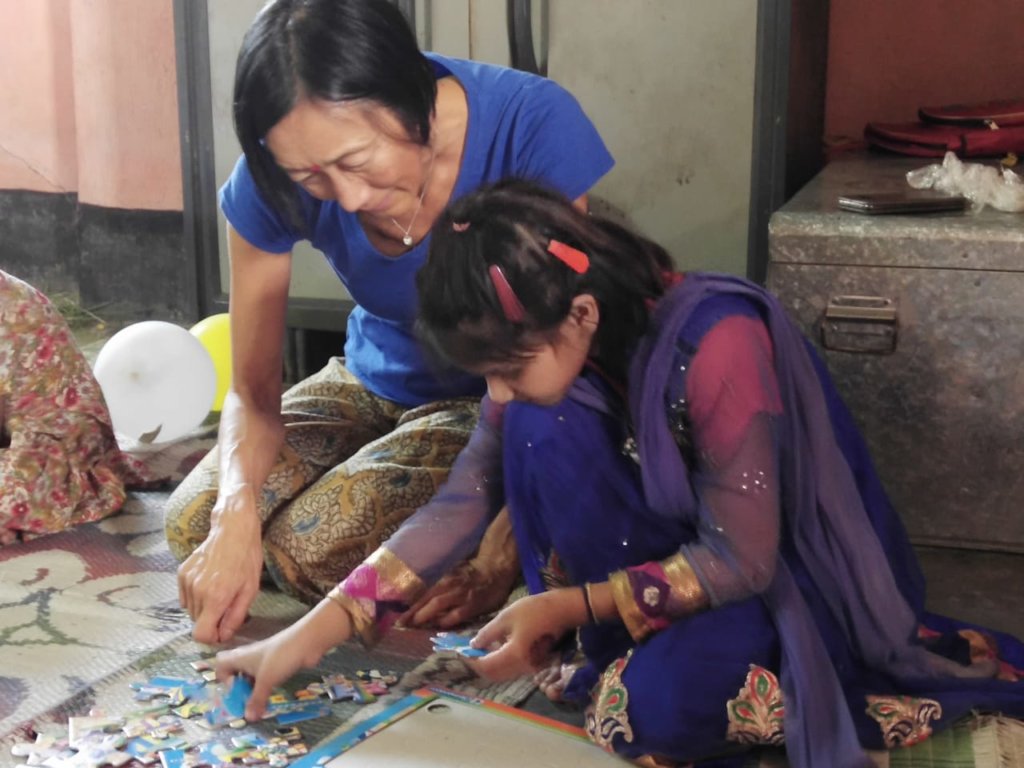
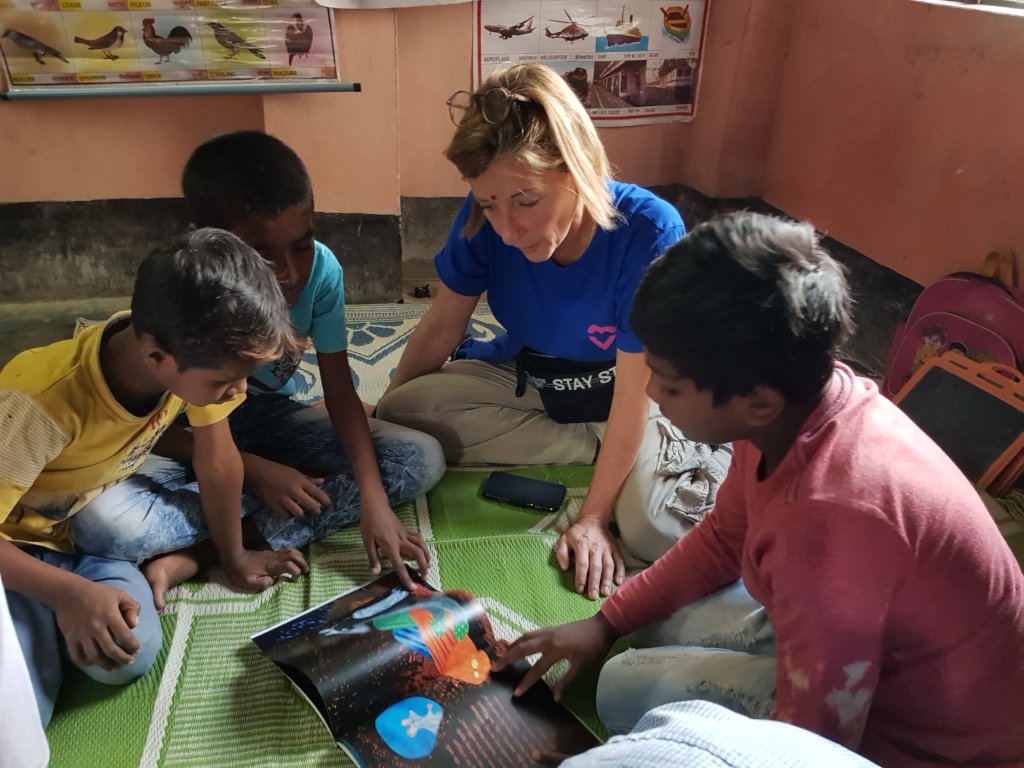
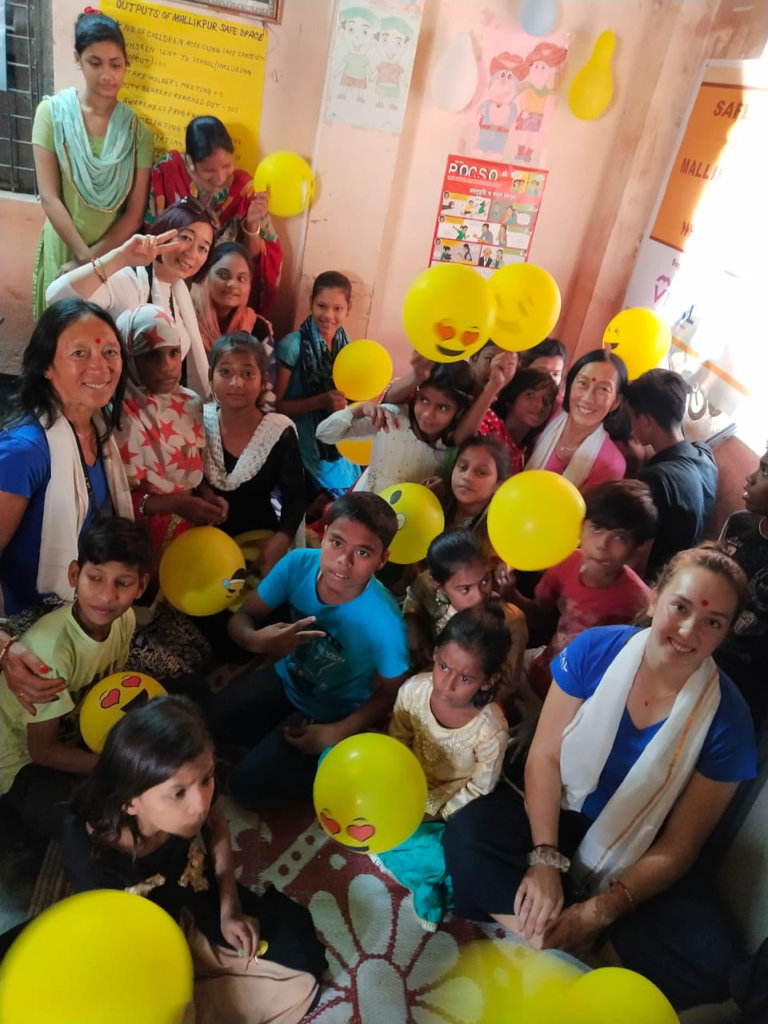
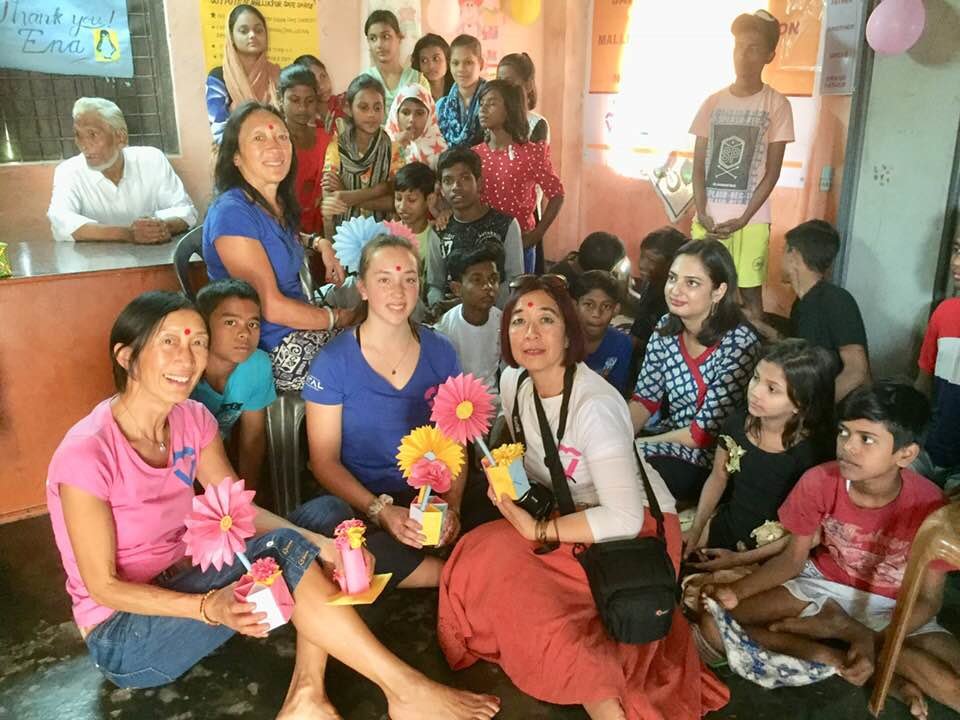
In December 2019 4 members of the VITAL team visited the railway children at Mallickpur. The children were excited to see us giving us gifts of handmade origami flowers whilst they enjoyed our gifts of emoji balloons.
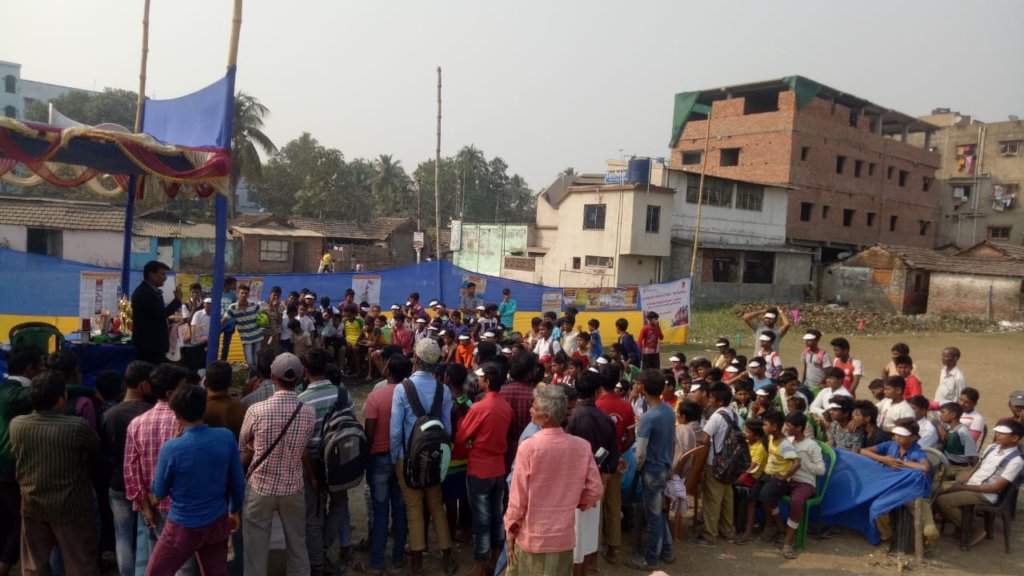
We are pleased to report that a total number of 498 street children have been connected through outreach activities receiving provided services of access to safe space, education, health and care facilities. While those children are kept in track, 262 more children have been connected in the second year through outreach activities, making the total number of children outreached at the end of two years, 760.
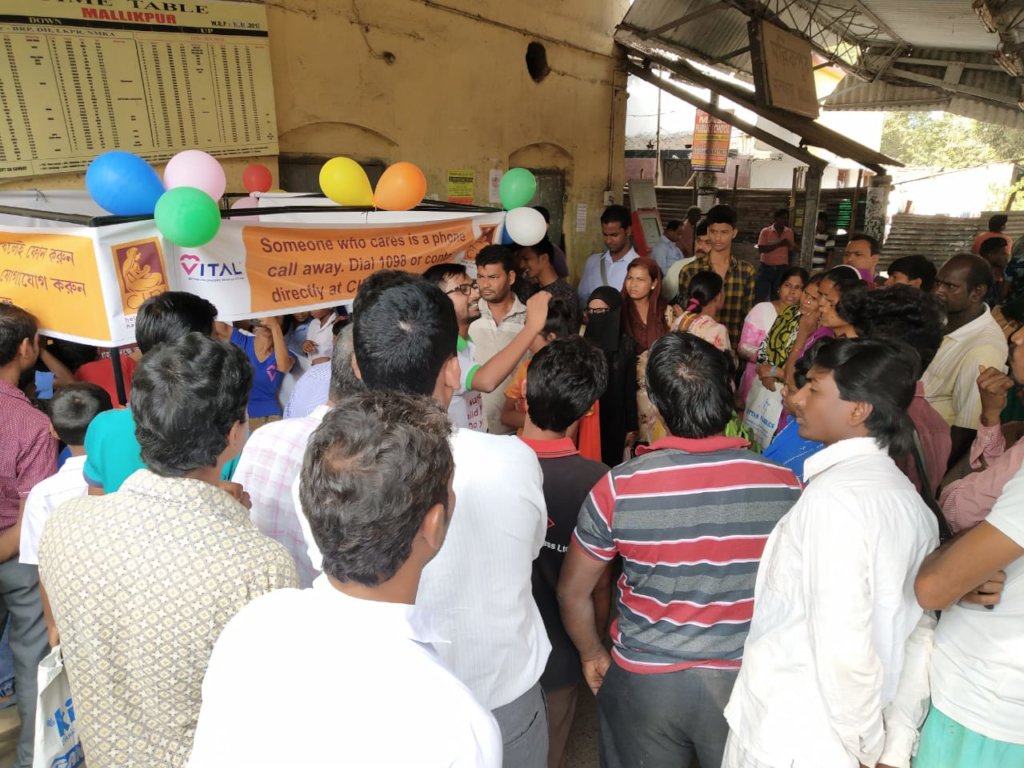
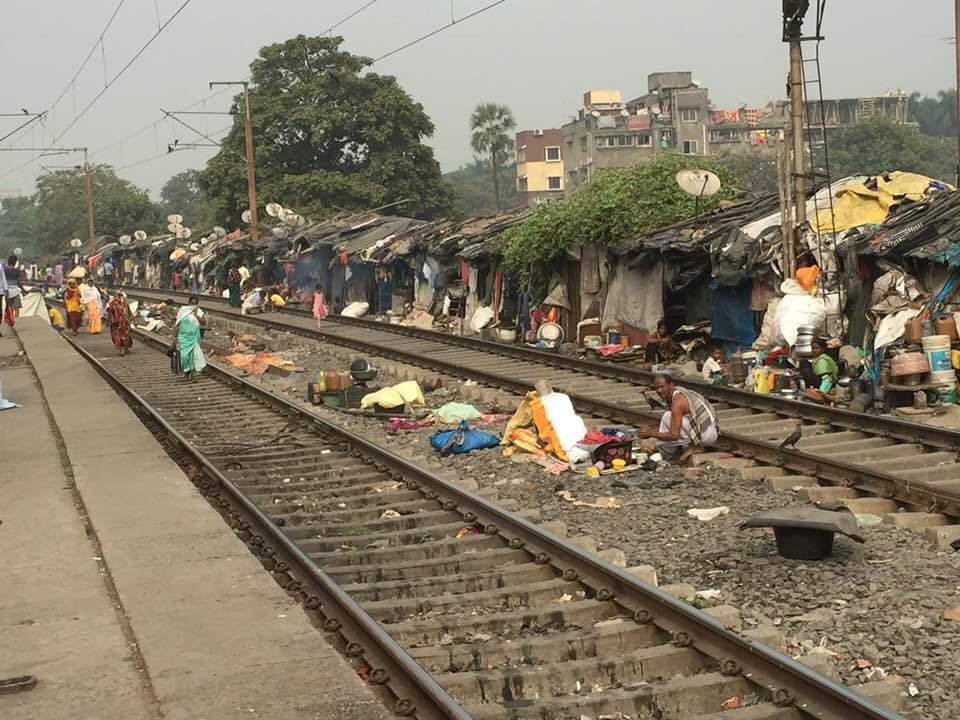
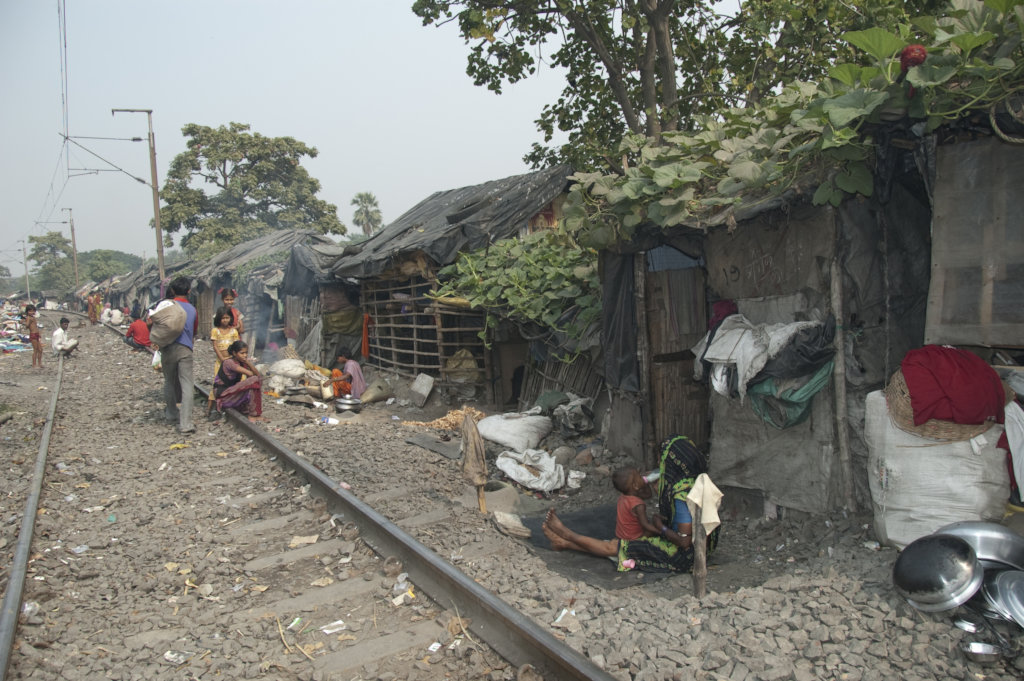
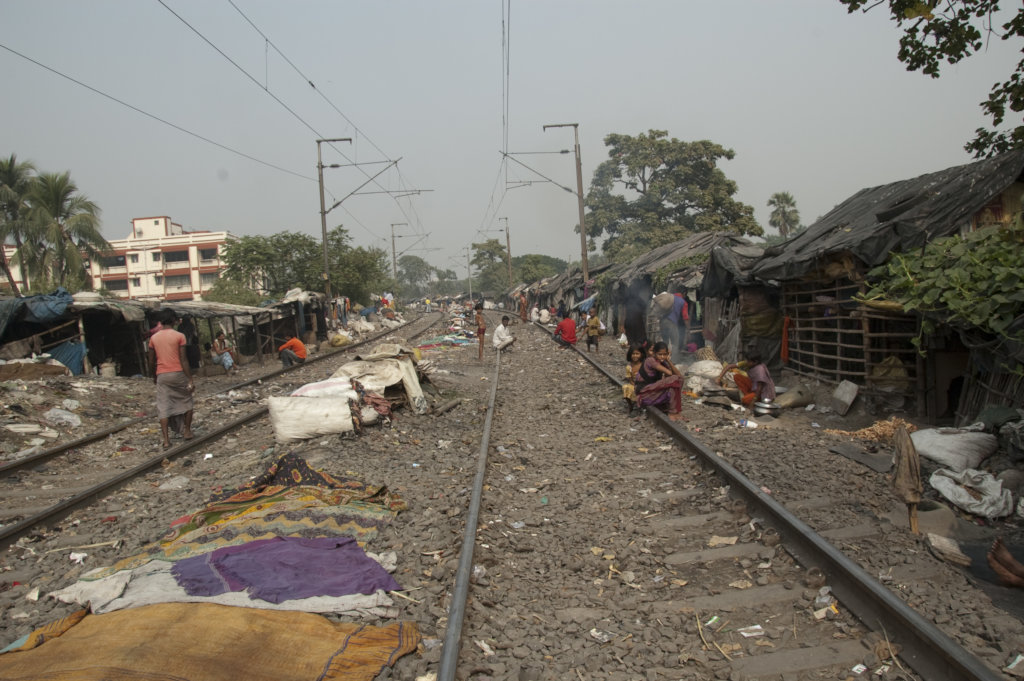
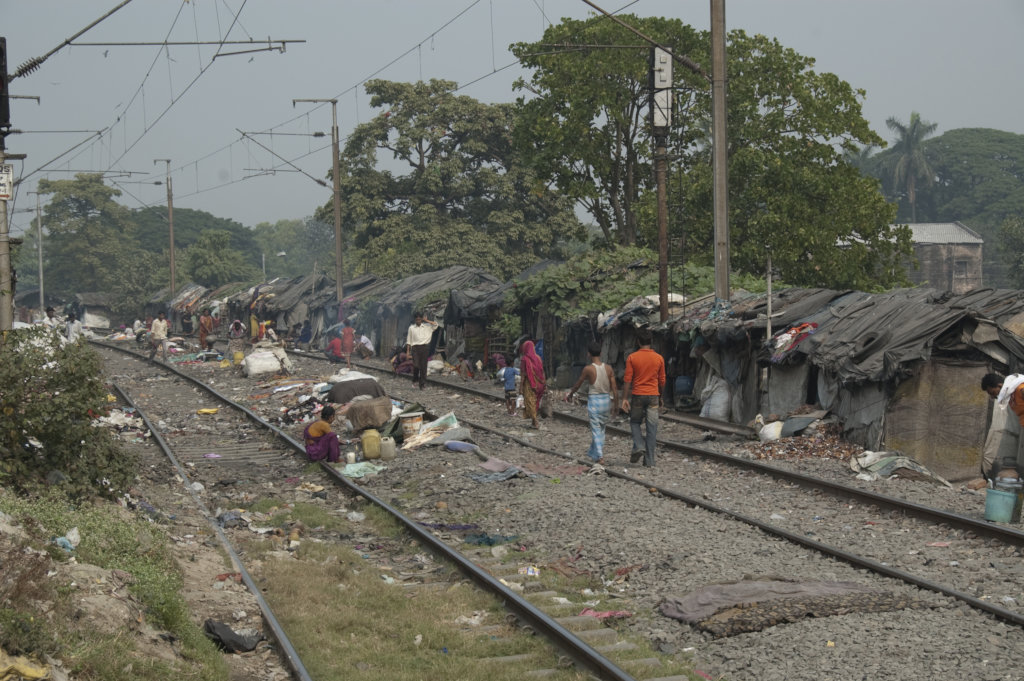
The need to create a safe space at Mallikpur was of utmost importance. The close connectivity of the community children to the station made their situation immensely vulnerable. Children were observed wandering, begging, working, playing and spending time on the platforms without any adult to supervise their movement. It was clear from their situation that they had no one to look after them at home while their parents were away to earn a living. Some came to work so as to support their families. Most of them were not school goers and hence whiled away time in the station for long hours.
In the last project period, 246 children connected to Mallikpur Railway station have been accessing the safe space at Mallikpur regularly.
![]()
![]()
Links:
![Share on Twitter]()
![Share on Facebook]()
Sep 27, 2019
Background of Project
By Yvonne Neuman | Founder VITAL
![]()
Kolkata metropolitan area ihas a population of 143 million. It is the third most densely populated urban agglomeration in India after Mumbai and Delhi. The Sealdah station has over 2.5 million commuters each day, is one of Kolkata’s four major train stations and is the terminal for long distance trains to northern, north-western, north-eastern & eastern India as well as other states. On an average, 250 children on average (95% boys) come each month from rural areas to the city to earn money or are lured on the pretext of various false promises. Many of them face sexual abuse, or turn to pick-pocket, begging or drug gangs. Many end up doing rag-picking, scavenging or cleaning trains for a living. Some work in local shops or markets for subsistence. The project seeks to rescue and shelter such children and restore them to their family with adequate family strengthening measures so they can have a proper childhood.
Since West Bengal is well connected with the local trains, the traffickers take the advantage of these trains and take the children to either Sealdah or Howrah from where they are being sent to other places. The Railways and bus terminus are important routes through which trafficking from the source areas is done. Thus there is a need to have very strong and sensitive stakeholders at the Railway Stations for increased surveillance and to intervene in rescuing victims. The stakeholders in the railway stations need to be sensitized as their response towards the issue of protecting children in the railway station premises is found to be slack and insensitive. CINI has initiated partnership with the GRP, RPF and other stakeholders in the railway premises in Sealdah. The initiative needs to be followed with the source stations stakeholders too.
The Railways and various statutory agencies like National Commission for Protection of Child Rights (NCPCR), NHRC, and State Commission for Protection of Child Rights have to work in close coordination with each other. The legislations and Standard Operating Procedures (SOP) aimed at child protection in the railway premises provide for various coordination mechanism but they are seldom implemented. The action proposed is a continuation of the various activities initiated by CINI till date. The capabilities of the Railway Police and travel authorities also need to be strengthened so that proper interventions can take place during the transit period of child victims.
![]()
![]()
![Share on Twitter]()
![Share on Facebook]()