By Bhavna Malkani | Digital Marketing and Fundraising Manager
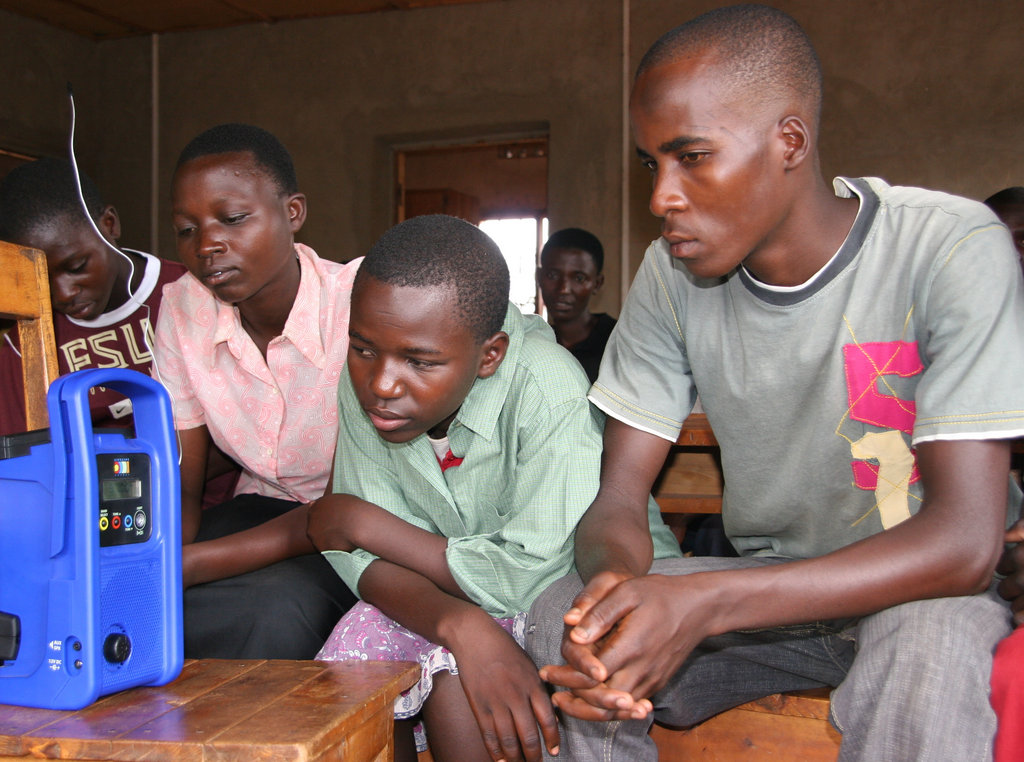
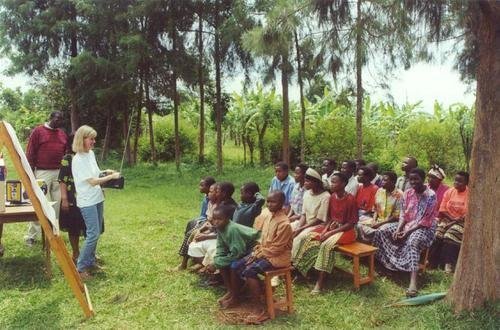
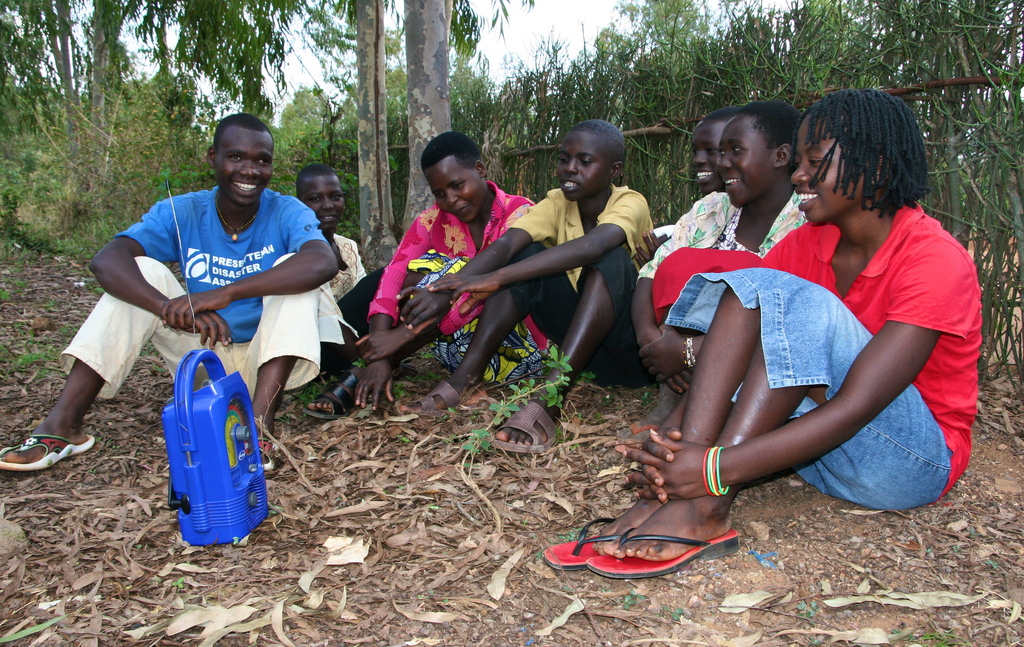
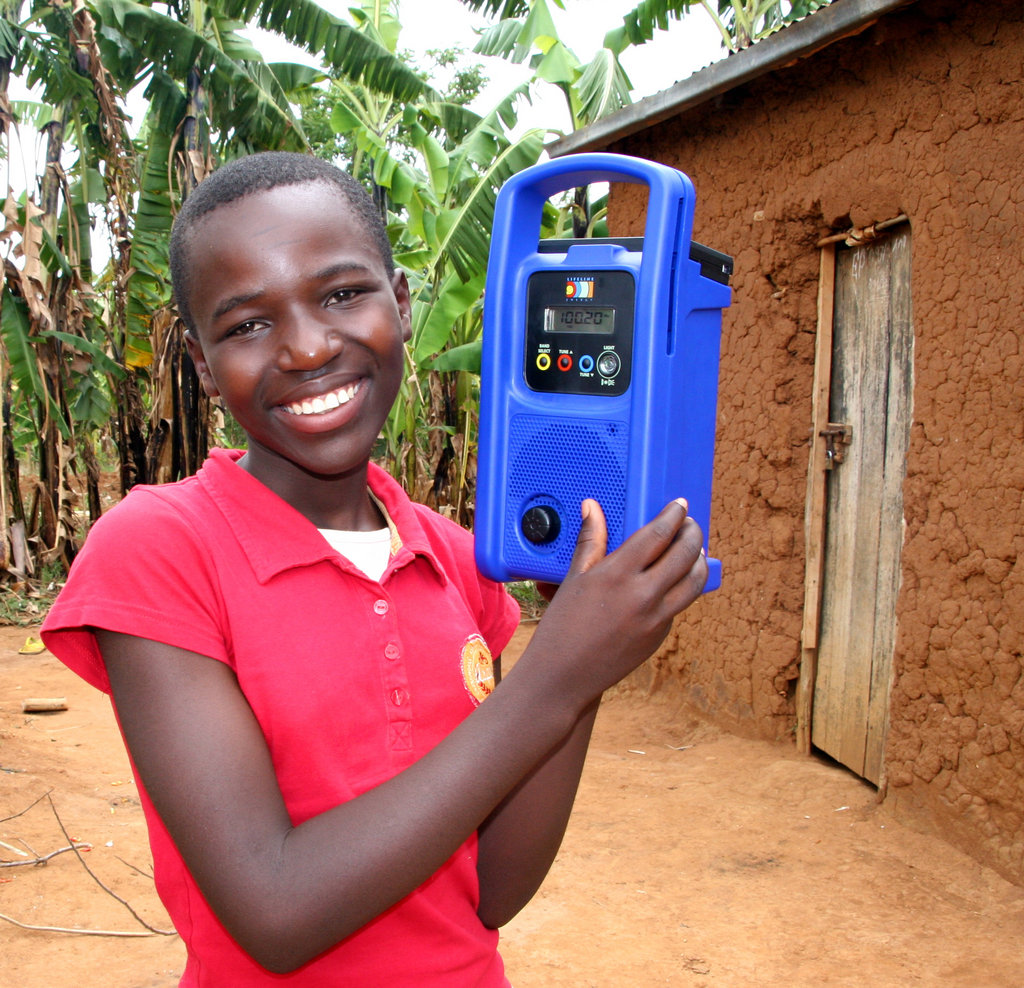
Bugasera is an area in Rwanda where prior to the genocide, the population was 64,000, after wards 2,000. We spoke with 30 (50/50 female/male) child heads of households who had received our Lifeline radios 6 months ago. Between the ages of 12 and 20, they had walked up to three hours to come.
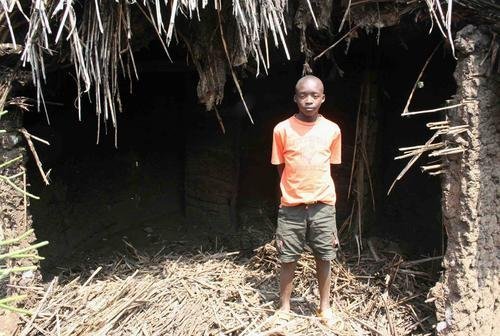
Our first visit was in 1999, there were pockets of ‘feral’ children - hundreds of child-only families living in round mud and thatch houses. Children wore rags showing their distended stomachs, trying to eke out an existence by subsistence farming with little or no adult guidance. Water had to be collected from a swampy area at the bottom of the hill an hour’s walk away. It was impossible to imagine that children would have to live like this. Understandably, they seldom smiled or laughed.
We asked a series of questions to only girls and only boys and then together. We wanted to learn about what they listen to, what they’ve learned or do differently since having the Lifeline radio.
To sum up their comments, all said that they listen to ‘amakuru’ – the news. They want to know what is going on not just in Rwanda, but they’re curious about what is happening in frontier states and beyond. Girls cited programmes about health, AIDS, abuse, and women and children’s rights as most important.
Betty, 20, said that “they were learning from the radio that it was not acceptable to abuse girls and women and that they now had laws to protect them”. Before she had her radio, she didn’t know this. Given the rates of rape during the genocide and in the refugee camps, her comment is not surprising.
Boys also said that they want to listen to sports, to follow the national and international soccer teams and they liked agricultural and livestock programmes, citing Imbera Heza, a radio programme that the Freeplay Foundation funds on Radio Salus.
Today, thanks to your support, the children have a sense of hope – mainly from listening to President Kagame on the radio. They felt strongly that he had brought peace and stability to Rwanda and with that had comes development. They felt that before they had no future but now believe that he will lead them to a better one.
Project reports on GlobalGiving are posted directly to globalgiving.org by Project Leaders as they are completed, generally every 3-4 months. To protect the integrity of these documents, GlobalGiving does not alter them; therefore you may find some language or formatting issues.
If you donate to this project or have donated to this project, you can receive an email when this project posts a report. You can also subscribe for reports without donating.