By Dr Rohit Kumar Kankar | Lead M & E
Report - Pubmic Health Intiative 2025-26
Excecutive Summary
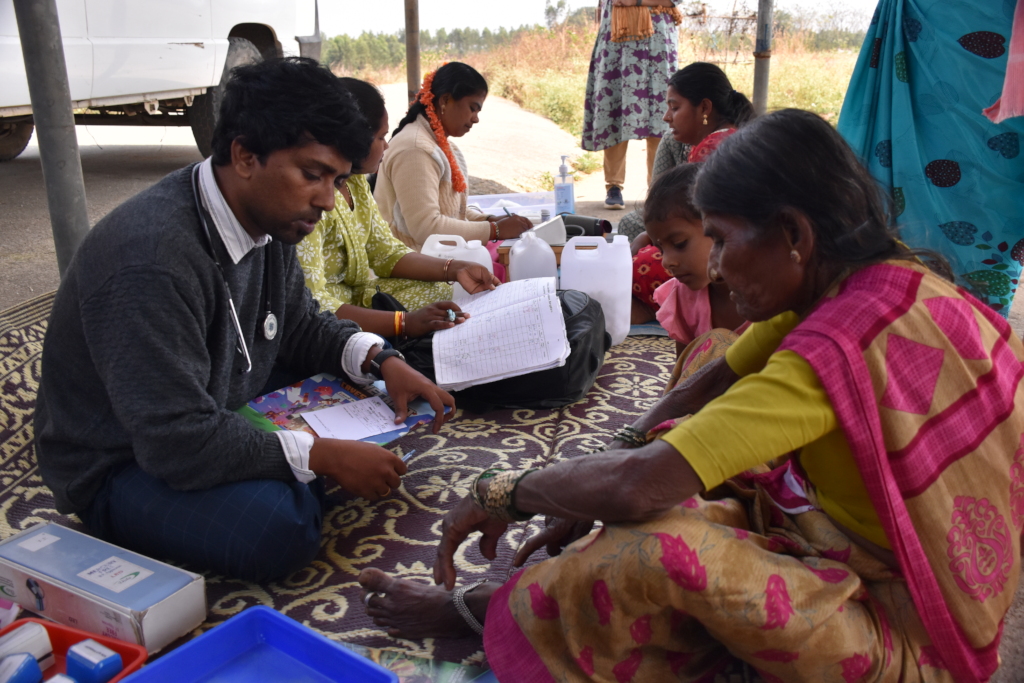
The One Billion Lives Foundation (OBLF) Public Health Initiative is a community-based healthcare program focused on improving access to comprehensive primary healthcare services for vulnerable populations in Bengaluru, Karnataka. The initiative addresses Non-Communicable Diseases (NCDs), Geriatric & Palliative Care (GPC), and Mental Health (MH) through preventive, promotive, curative, rehabilitative, and home-based healthcare services delivered across villages in Anekal, Bengaluru.
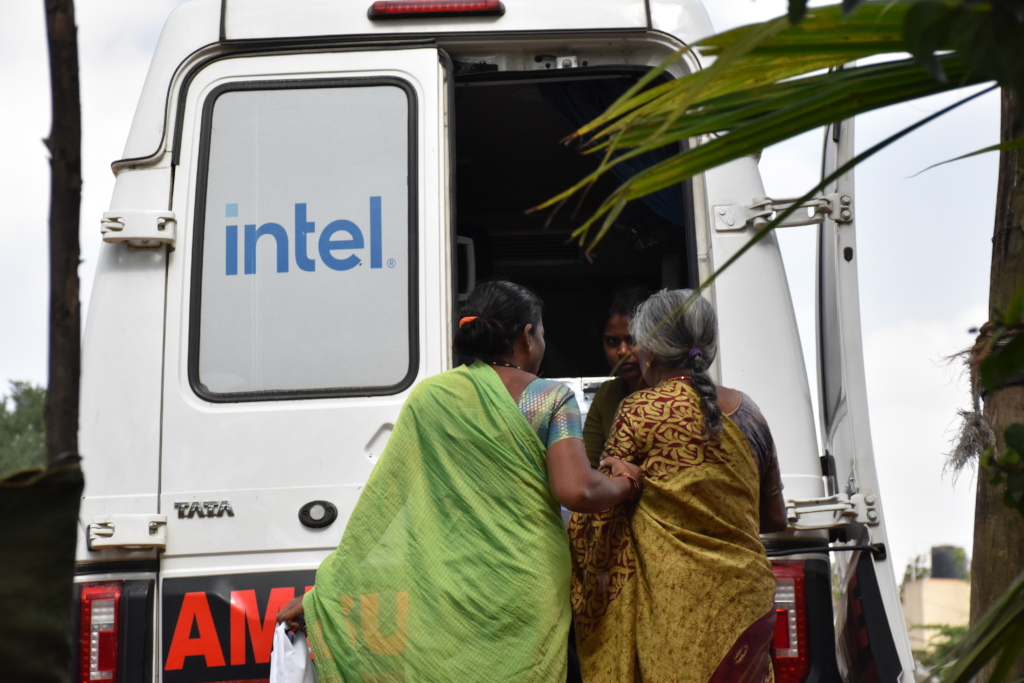
Supported by Intel since 2021, the initiative has evolved into an integrated public health model driven by community engagement, early disease detection, continuity of care, and strong government collaboration. A multidisciplinary team of doctors, nurses, counsellors, physiotherapists, coordinators, and community health workers delivered services directly within communities, significantly reducing barriers related to cost, distance, and access to healthcare.
A major milestone during the year was OBLF’s partnership with the Department of Health, Government of Karnataka, to operationalize Karnataka’s first district-hospital-based palliative care ward at Sir C.V. Raman General Hospital under the National Programme for Palliative Care. The initiative expanded access to specialized geriatric and palliative care services for nearly 90,000 people and led to OBLF’s nomination to the State-level Technical Advisory Committee for Palliative Care.
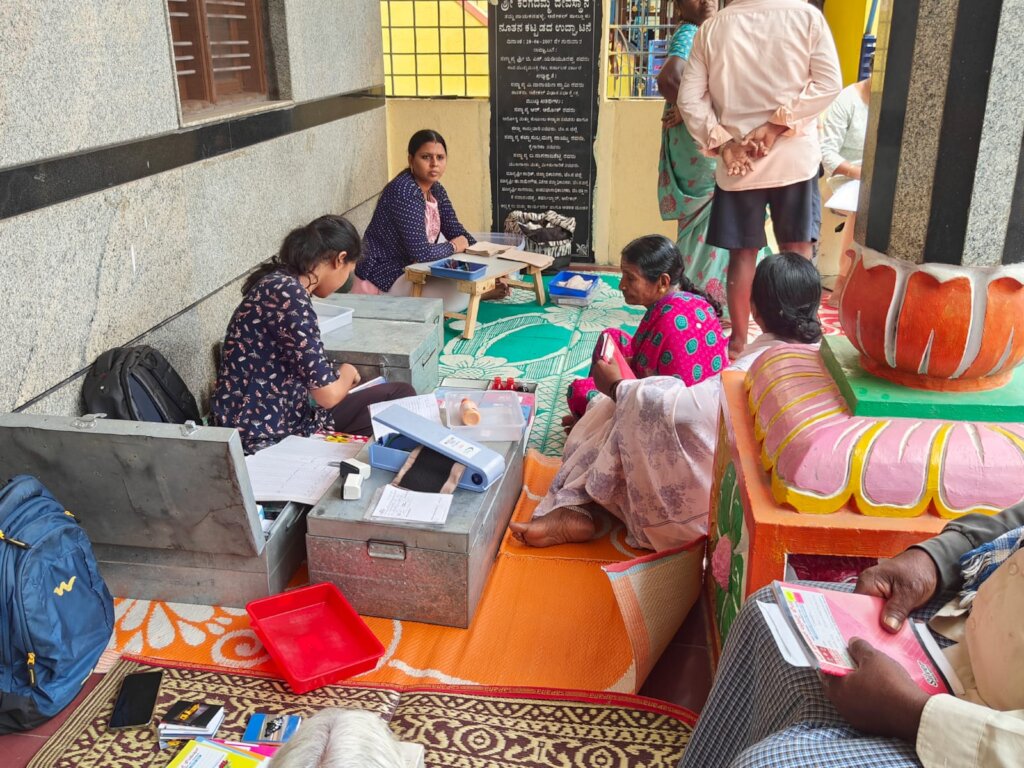
The NCD program strengthened early screening, follow-up care, and treatment adherence through the innovative “Blue Book” tracking system and mobile medical clinics. Over 10,370 individuals were screened, while more than 3,500 diagnosed patients received follow-up treatment. Sustained community-based care contributed to stabilization among 45% of diabetes patients and 57% of hypertension patients. Additionally, 1,943 individuals with pre-diabetic and pre-hypertensive conditions were identified and enrolled for preventive interventions.
The Geriatric & Palliative Care program provided clinic-based services, home-based care, caregiver support, physiotherapy rehabilitation, and referral services for elderly and chronically ill patients. Over 2,300 home visits and follow-up sessions were conducted during the year, while 450+ family caregivers received counselling and support. Simultaneously, the Mental Health program expanded access to psychiatric consultations, home-based care, transport support, and community awareness services, identifying and supporting 202 individuals with common and severe mental health disorders.
OBLF also launched a School Health & Wellbeing initiative across 103 government schools, reaching over 5,700 students through sessions on mental wellbeing, emotional health, and preventive healthcare. Pre- and post-assessment findings demonstrated a significant improvement in student awareness and understanding of health and wellbeing concepts.
The initiative is supported by strong monitoring systems, digital MIS platforms, field-level supervision, and continuous community engagement mechanisms. Through its integrated and community-centered approach, OBLF continues to strengthen public health systems, improve health outcomes, and reduce the financial burden of healthcare for vulnerable populations, with beneficiary households saving an estimated 27,000 annually in out-of-pocket healthcare expenditure.
Program Description
The OBLF Public Health Initiative is a community centered healthcare program to improve access to comprehensive primary healthcare services focusing on non-communicable diseases (NCDs), geriatric care & palliative care (GPC), and mental health (MH) in Bengaluru, Karnataka. The emphasis is on delivering preventive, promotive, and curative health services to a 370,000+ population through mobile medical clinics, community outreach, home visits, and referrals to public health systems for secondary and tertiary care.
Key Results (FY 2025–26)
Program Impact Highlights:
Public Health Initiatives: Impact Analysis
Non-Communicable Diseases
Geriatric & Palliative Care
Mental Health
Financial Impact: OBLF's services have reduced annual out-of-pocket healthcare expenses by approximately 27,000 per annum making essential healthcare accessible and affordable for the community.
Long-term Outcome Indicators
Conclusion
Through its integrated and community-centered healthcare model, OBLF continues to strengthen public health systems and improve healthcare access for underserved populations in Karnataka. By combining community outreach, preventive healthcare, home-based services, government collaboration, and continuity of care, the initiative has improved health outcomes for individuals living with chronic illnesses, elderly populations, and people with mental health conditions. The program continues to demonstrate that accessible, compassionate, and community-driven healthcare can significantly improve quality of life while reducing the financial burden of healthcare on vulnerable households.
Human Interest Stories
The following stories (shared by team members, patients, caregivers and families) highlight the work OBLF’s Public Health teams do in its truest form: meeting families where they are, restoring hope where fear had taken root, and reminding them that they don't have to walk this journey alone.
1. Dispelling Fear with a Reassuring Touch: Subramani's Story
On an ordinary day in the field, the OBLF GPC Home Care team encountered something heartbreaking—a family trapped in a quiet struggle, waiting for someone to believe they could do better. Subramani was 45 years of age when a stroke took his independence. Eighteen months later, he remained confined to his bed, suffering recurring seizures that terrified his family and kept them perpetually on edge and afraid that even their presence might trigger the next crisis. His wife carries the weight of everything. She is the only breadwinner keeping the family afloat financially as well as the primary caregiver, and emotional anchor for the whole household. Their ten-year-old daughter, diagnosed with ADHD, requires special care and patience. Their five-year-old son is healthy, but the unpredictable environment at home is a concern for emotional wellbeing.
Subramani was increasingly isolated not just by his condition, but by fear. For six months, his wife has not given him a bath. Not because she did not want to, but because she was terrified. What if the water triggers a seizure? What if she could not handle it alone? What if something goes wrong? Subramani’s struggles with dignity and his wife's struggles with guilt and helplessness grew with each passing day. The OBLF GPC Nurses took notice. They didn't come with judgment. They came with knowledge, steady hands, and reassurance. They carefully bathed him, attending to every detail of his hygiene with a gentleness that had been missing from his world. But more importantly, they showed her that it could be done, with care and dignity.
More than just Subramani's physical comfort improved that day. His wife's invisible burden lifted slightly. She learned that being a caregiver did not mean suffering alone in silence. And that the right healthcare and support could transform a patient's quality of life.
Healthcare delivery for OBLF is not just helping one person or patient alone; it is assisting their caregiver, their dependents, and working to alleviate the emotions and pain for all.
2. Trust and Continuity: Mahadevappa’s Journey
Mahadevappa, a 52-year-old resident, welcomed the OBLF Public Health team into his home with warmth and ease, sitting cross-legged on a table. He greeted the team with a smile, eager to share his experience. Reflecting on his interactions with OBLF clinics, he spoke appreciatively about the care he receives. He noted the clean and well-organized setup of the clinics and highlighted how the doctors take time to ensure patients feel comfortable.
“I really like the neat, organized way the clinics are set up. The doctors make us comfortable and interact with us in depth,” he shared. Since becoming a regular attendee, Mahadevappa has shown improved adherence to his treatment. He reported that he now consistently takes his medications for both blood pressure and diabetes, an important step toward better managing his chronic conditions.
Through consistent follow-up and positive clinical experiences, Mahadevappa’s journey highlights how accessible and empathetic care can lead to meaningful behavior change and improved health outcomes.
3. Restoring Strength, Reclaiming Dignity: Rathnamma’s Story
In a small village in Anekal taluk, lived a determined woman named Rathnamma. At 60+, she had already lived a fulfilling life, but fate had other plans. A stroke four years ago left her left side weakened, and her life took an unexpected turn. As a widow living alone, Rathnamma faced unimaginable challenges. Her passion for making nippattu (a snack), a staple in many households, was her solace, but her physical limitations forced her to rely on government pension, barely enough to make ends meet.
One of our community health workers identified her and introduced her to the OBLF-GPC team at Anekal Government Hospital's monthly clinic. Initially, Rathnamma struggled with dizziness and weakness, but the team's dedication and care put her at ease. They helped her manage her blood pressure and blood sugar levels, and she began taking her medicines regularly. With her physical strength returning, the team helped her in physiotherapy sessions. Her physiotherapists worked tirelessly with her, teaching her exercises to strengthen her muscles and improve her balance. The road to recovery was long, but Rathnamma was determined. With the support of the GPC team and the community health workers, she persevered.
Ten months later, Rathnamma's hard work paid off. She could walk independently, her joint stiffness had reduced, and her strength had returned. But more importantly, she had regained her confidence. She dusted off her old nippattu-making equipment and began selling her delicious creations once again.
Today, Rathnamma is an inspiration to her community. Her story is a testament to the power of resilience, hope, and community support. She is a shining example of what it means to live life on one's own terms, despite adversity. As she says, "I may have lost my strength, but I did not lose my spirit."
Project reports on GlobalGiving are posted directly to globalgiving.org by Project Leaders as they are completed, generally every 3-4 months. To protect the integrity of these documents, GlobalGiving does not alter them; therefore you may find some language or formatting issues.
If you donate to this project or have donated to this project, you can receive an email when this project posts a report. You can also subscribe for reports without donating.



Support this important cause by creating a personalized fundraising page.
Start a Fundraiser