By Tracey Brand | Director
It is hard to believe that we more than half way through 2024. They always say time flies but this year seems to be supersonic. It is difficult to imagine that 4 years ago we were in lockdown due to COVID19. As fast as time is going, we continue to provide quality palliative care to the children and families that we work with.
As a team, we have provided services to 295 new patients since January 2024, double the number seen in 2023. The number includes 33 pregnant women who have received difficult ante-natal diagnoses of their unborn baby. Over and above the new referrals, we are still supporting children from previous years that require ongoing palliative care.
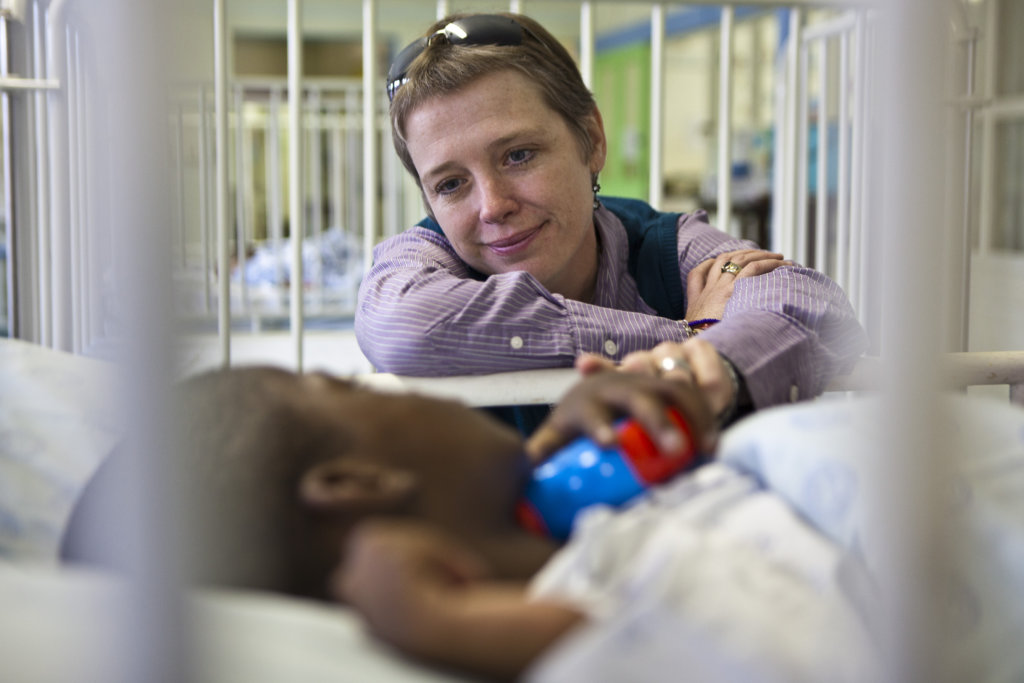
I know I have said this often, but being able to walk alongside these families at one of the most difficult times in their lives is an absolute privilege and at the same time completely humbling. When we started this work in 2013 a lot of our time was spent “fighting” for doctors to recognise the benefits of palliative care and encouraging them to refer. Over the last 11 years the landscape has changed significantly. Healthcare teams are more receptive to what we can offer and parents are more empowered to challenge healthcare practitioners in the best interests of their child. Our efforts in networking and teaching are really paying off.
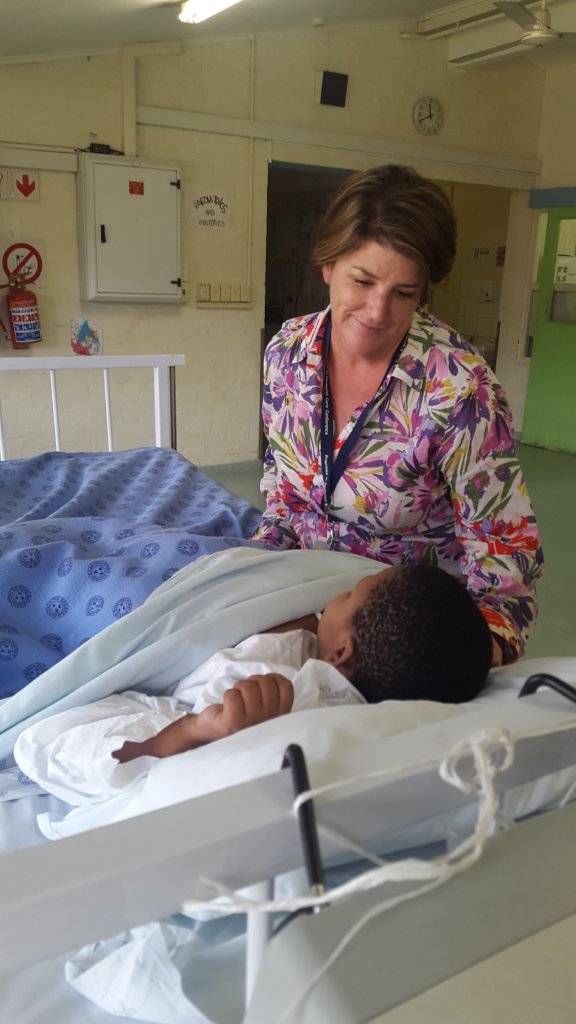
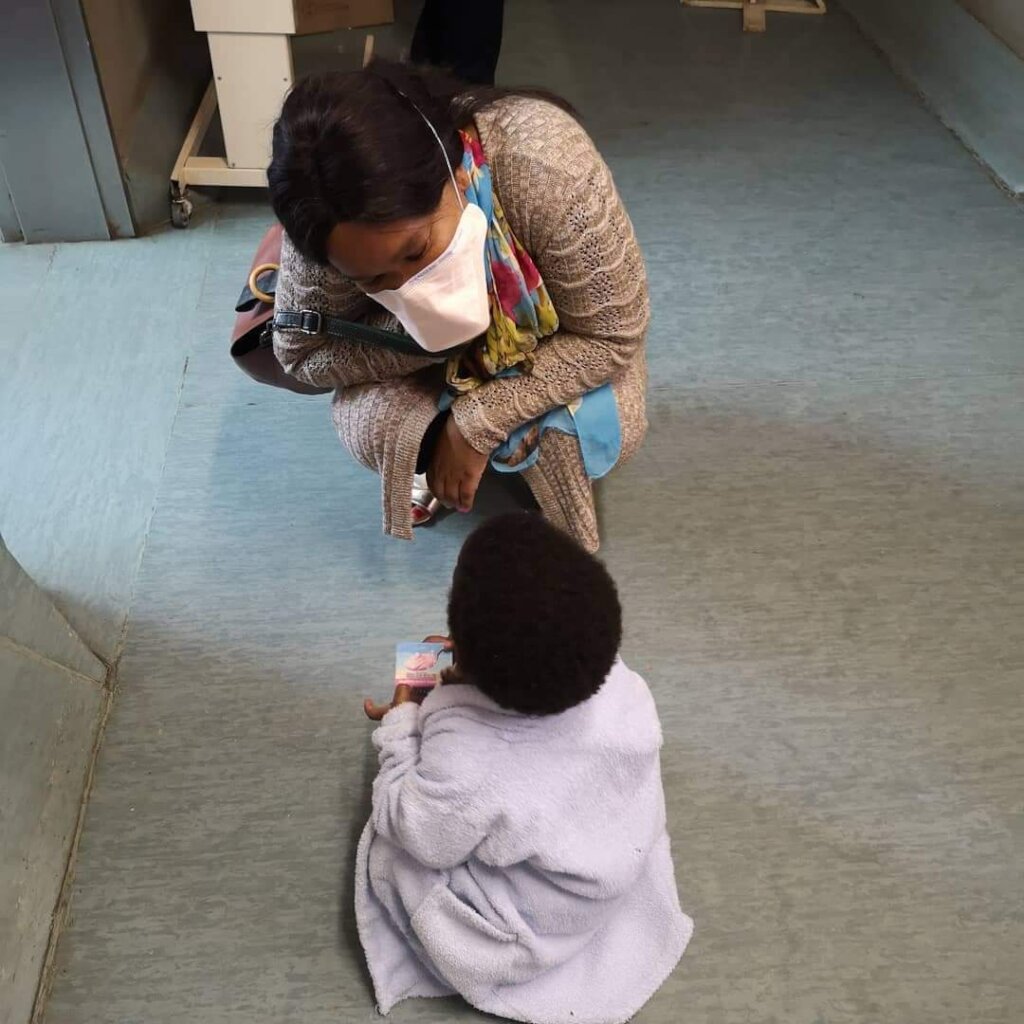
One of our anxieties as a team, is that many of the children that are referred to us come from very far away, making it impossible to visit them at home. We see them at the quaternary hospital in Durban, KwaZulu-Natal where they come for specialist assessment and management. Many come from deeply rural areas over 200 kilometres away from Inkosi Albert Luthuli Central Hospital (IALCH). Their local hospitals are resource poor and often have very junior doctors providing services. We often worry that the child and family will not receive the palliative care they need on returning home.
This week we have had a great experience of team work and care. Co-incidentally, two of our patients with biliary atresia have become unwell requiring admission to their respective base hospitals. Biliary Atresia is a congenital condition that can lead to liver failure, and once the child reaches this stage without transplant they will inevitably die. Within the South African context, transplant is a distant reality. Their journey is often long and arduous with numerous symptoms and hospital admissions over their few years. When we meet them at IALCH, we assess the child and family circumstances holistically and identify the goals of care. Together with the family we write an advance care plan which is a document describing all the possible worst case scenarios and offering advice to the reader on how to best manage these. Having such a document empowers the caregivers and really helps the on call doctors in the periphery to understand the child, family, diagnosis and how to provide the most appropriate care.
When both of these children were unwell, the mothers and the doctors contacted our team. The babies received good palliative care without interruption and the families continued to be supported by our team telephonically. As it is often said, “love it when a plan comes together”.
Project reports on GlobalGiving are posted directly to globalgiving.org by Project Leaders as they are completed, generally every 3-4 months. To protect the integrity of these documents, GlobalGiving does not alter them; therefore you may find some language or formatting issues.
If you donate to this project or have donated to this project, you can receive an email when this project posts a report. You can also subscribe for reports without donating.



Support this important cause by creating a personalized fundraising page.
Start a Fundraiser