By Liz Mnengwah | Head of Programs
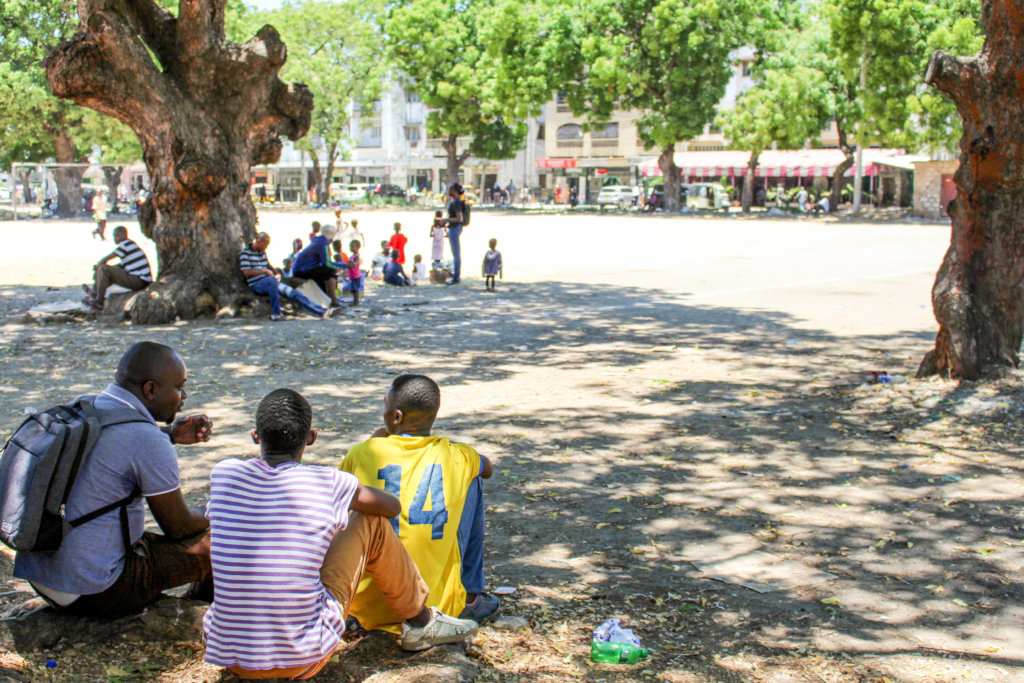
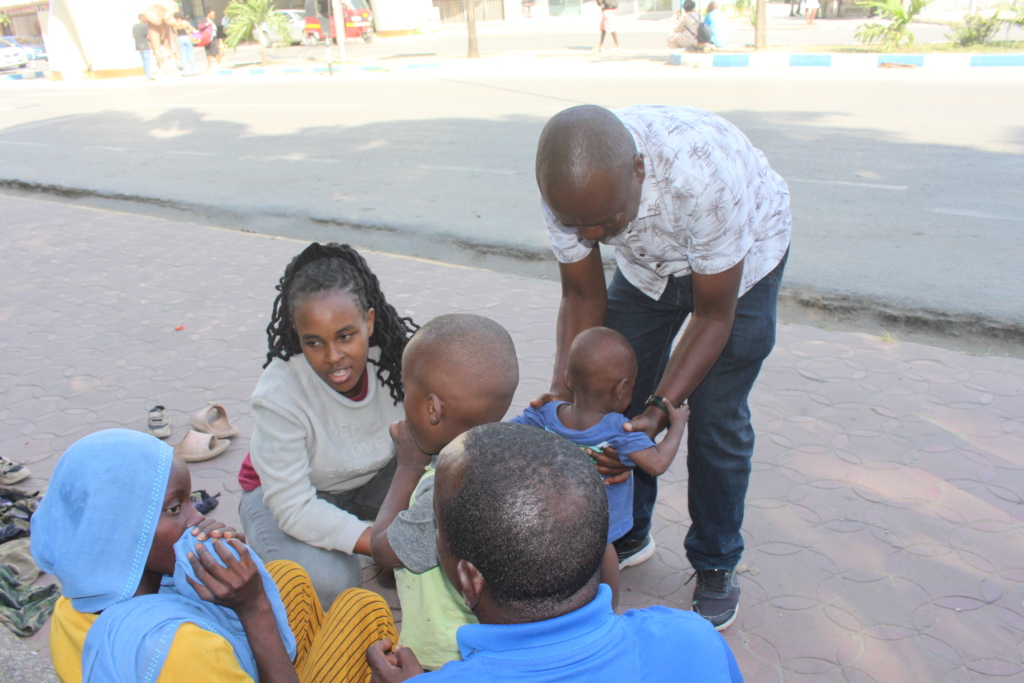
As practitioners, we are overwhelmed not only by the number of cases but by the deep social issues behind them. Over 80% of the children we supported this month have street-connected parents mostly mothers, as they are the ones present or traceable. One mother told us, “There are so many of us mothers at night; I am not alone.” These women form informal street networks sometimes supportive, but also harmful to their children. This is not simply a parenting failure but a broader social issue: Most mothers have never attended school. They lack family or community support systems. With no safety nets, the streets become their only survival option. As another mother shared: “It pains me to see them not in school, but I didn’t go either. They have to eat. Who will help me government or family? There is no one. If you want to help, go ahead.” This reality complicates reintegration: Where do children exit to if families remain on the streets? Reintegration is unsustainable without addressing the wider family and community context. Civil society can intervene temporarily, but without systemic solutions, children risk returning to the streets. The growing number of mothers and children living on the streets is more than a child protection issueit is a national social concern. Urgent, coordinated action is needed to provide not just temporary relief, but lasting solutions that restore dignity, security, and opportunity for families.
Project reports on GlobalGiving are posted directly to globalgiving.org by Project Leaders as they are completed, generally every 3-4 months. To protect the integrity of these documents, GlobalGiving does not alter them; therefore you may find some language or formatting issues.
If you donate to this project or have donated to this project, you can receive an email when this project posts a report. You can also subscribe for reports without donating.



Support this important cause by creating a personalized fundraising page.
Start a Fundraiser