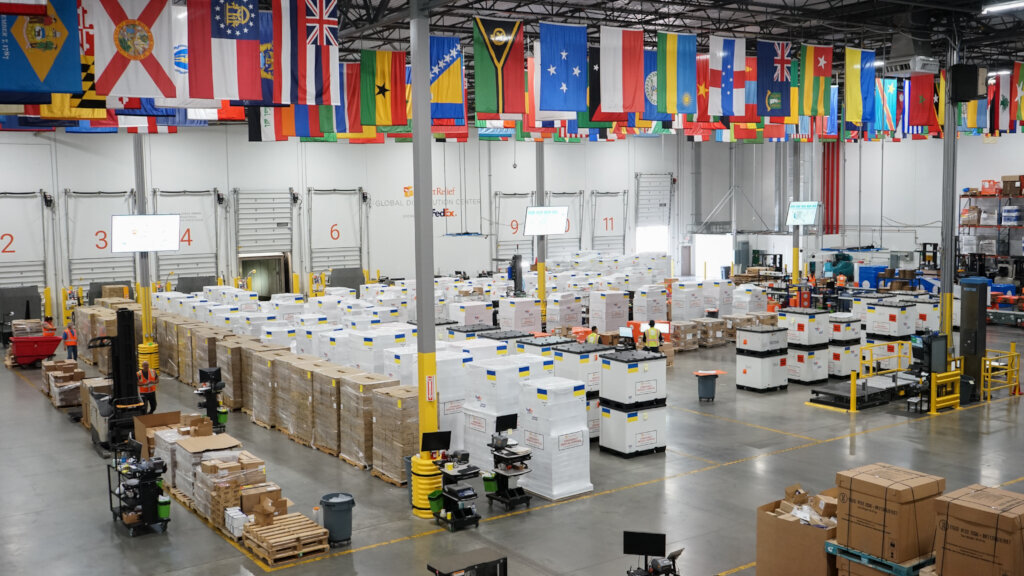
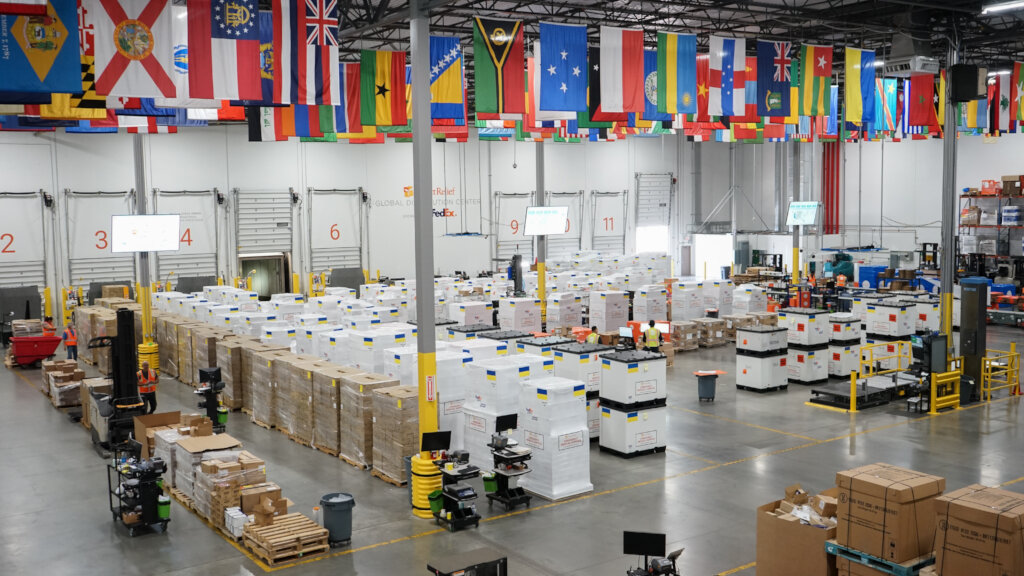
In the aftermath of the Russian withdrawal from Chernihiv in April 2022, the city bore the scars of conflict, with devastated infrastructure and disrupted healthcare services. Humanitarian organizations, notably the Association Internationale de Cooperation Medicale (AICM), supported by Direct Relief, stepped in to address the pressing medical needs of the region. A pivotal aspect of their intervention has been the introduction of portable ultrasound technology, revolutionizing patient care in this frontline area.
The Butterfly iQ, a handheld ultrasound probe, has been central to this transformation. When connected to a smartphone or tablet, it allows medical professionals to perform comprehensive patient screenings in various settings, including ambulances. The real-time imaging capability enables immediate assessments, and the images can be shared with specialists in regional centers for further analysis and guidance on referrals. This approach has been particularly beneficial in Chernihiv, a region comparable in size to the U.S. state of Maryland, where many elderly residents in remote villages have limited access to medical care. With public transportation to Chernihiv city often infrequent, the Butterfly device offers significant time and cost savings for patients located up to 40 miles from the nearest hospital. Oksana Logvynchuk, director of 14 state-run ambulatory medical centers in the region, emphasized the device's impact, noting, "This way we manage to catch many things before they get catastrophic."
The effectiveness of portable ultrasound devices in emergency and frontline settings has been further demonstrated through initiatives by organizations like the Society of Critical Care Medicine (SCCM). In collaboration with Direct Relief, SCCM provided 80 mobile ultrasound devices to Ukrainian physicians and conducted extensive training sessions. These handheld devices, capable of displaying images on smartphones or tablets, have been instrumental in allowing clinicians to quickly assess internal injuries, guide interventions, and make rapid decisions crucial for patient survival. Dr. Natalia Matolinets, Chief Anesthesiologist at Lviv First Territorial Medical Union, highlighted the significance of this technology, stating, "Especially because of the war right now, a couple of minutes could save someone's life."
The integration of portable ultrasound technology in Ukraine's medical practice represents a significant advancement in delivering timely and effective healthcare, especially in conflict-affected regions. By facilitating rapid diagnostics and enabling remote consultations, these devices have become invaluable tools in strengthening medical expertise and improving patient outcomes in challenging environments.