By Martha Houle | Manager, Institutional Advancement
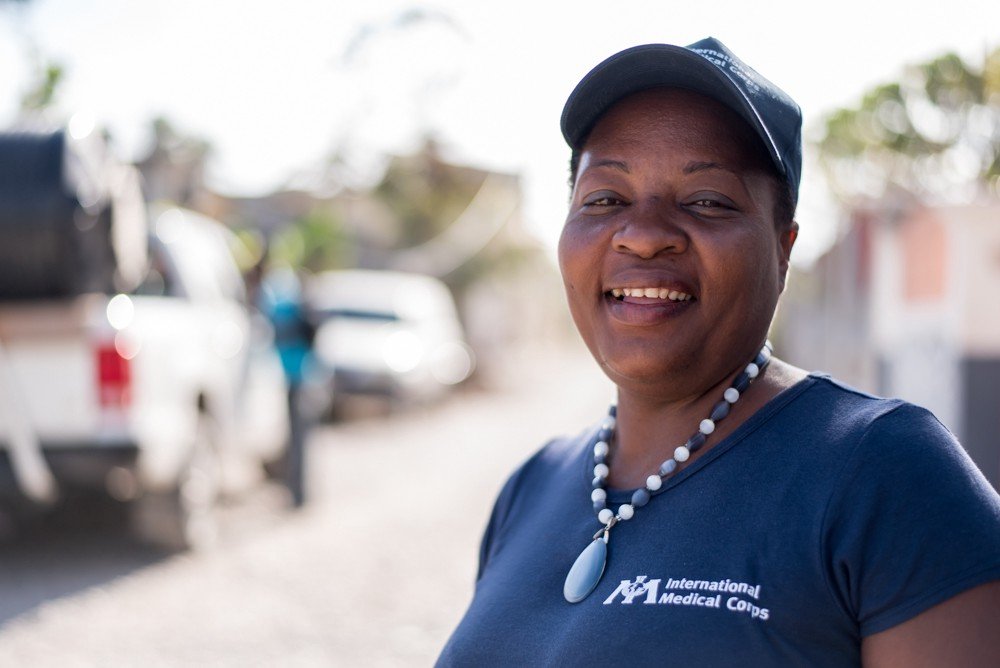
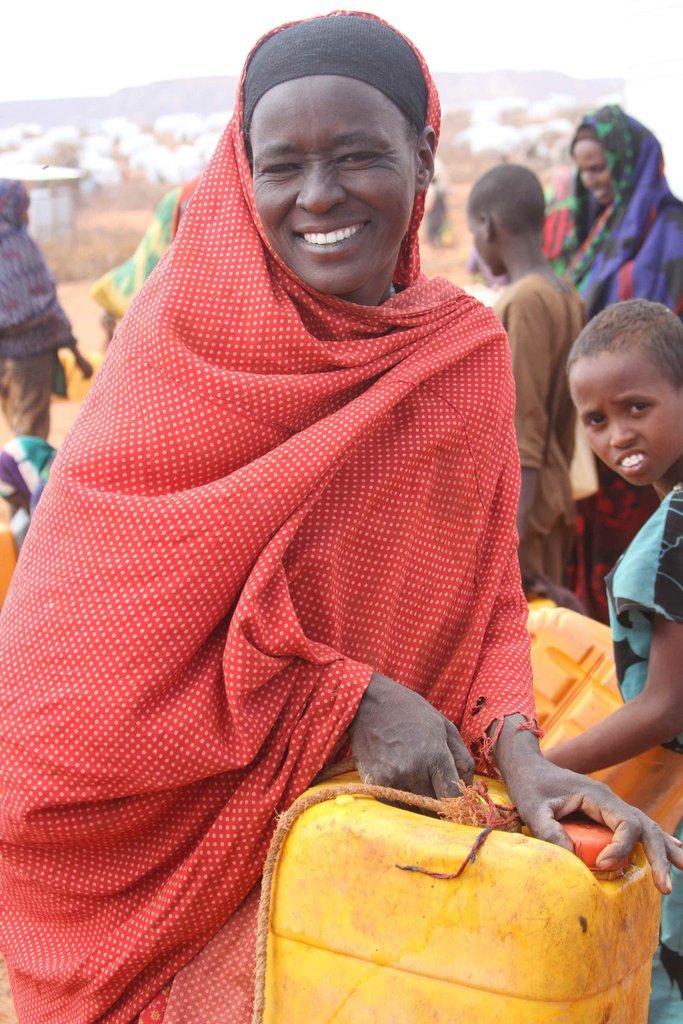
Residents of her town affectionately call her “Mamie”. We know her as Christine. To all of us she is a nurse who treated over 60 patients for cholera in the devastated coastal town of Les Anglais after Hurricane Mathew made landfall in Haiti on October 4th, 2016.
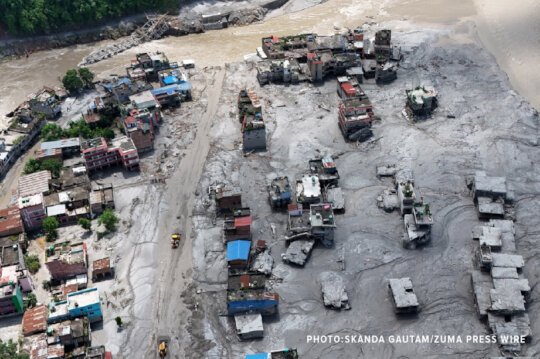
Cholera is an infectious disease that causes severe watery diarrhea, which can lead to dehydration and even death if left untreated. More than 3,400 suspected cholera cases were reported across southwestern Haiti within the three weeks following the disaster. The lack of clean water and the emergence of cholera are invariably linked, and when the hurricane’s torrential rains flooded and destroyed much of the local infrastructure, cholera spread as water sources became contaminated.
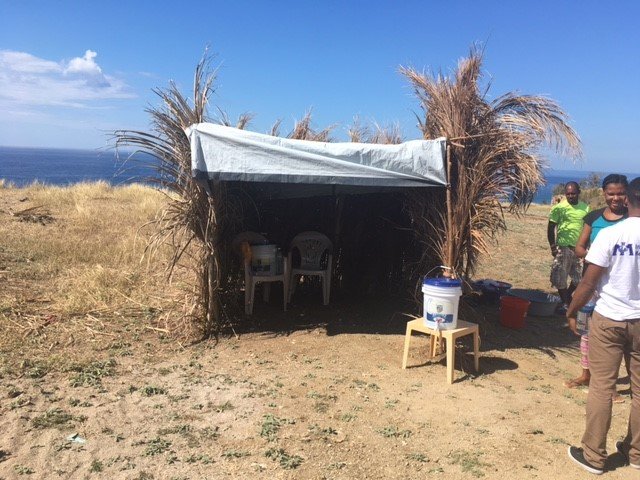
To reach the most vulnerable, poor and remote Haitians, International Medical Corps established 15 oral rehydration stations – tented locations providing a chlorinated handwashing point and access to freshly prepared Oral Rehydration Solution with clean water. As preventive measures in the towns, we provided access to sanitation and education about proper hygiene. We also established cholera treatment clnics while our hygiene staff rehabilitated the local health facilities. Nurse Christine worked in the Les Anglais clinic every day. Often picking up both day and night shifts, Christine saw patients from 3 to 84 years old and even found time to travel into the town to provide urgent medical care for those unable to reach the clinic. “Cholera excludes no one,” she said, “but it is the poor and the vulnerable who suffer the most.”
Today, this reality is unfolding in Yemen. On May 14th, the Ministry of Public Health and Population in Sana’a declared a state of emergency with a cholera outbreak spreading across the country, primarily affecting displaced and poor populations. Since the end of April, a total of 124,002 suspected cholera cases have been reported – a number that is expected to double in the next few months. Ongoing fighting, indiscriminate bombings and blockades continue to disrupt and overburden public health services, accelerating cholera’s advance.
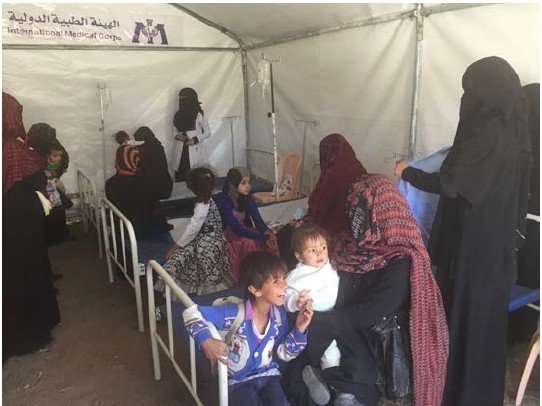
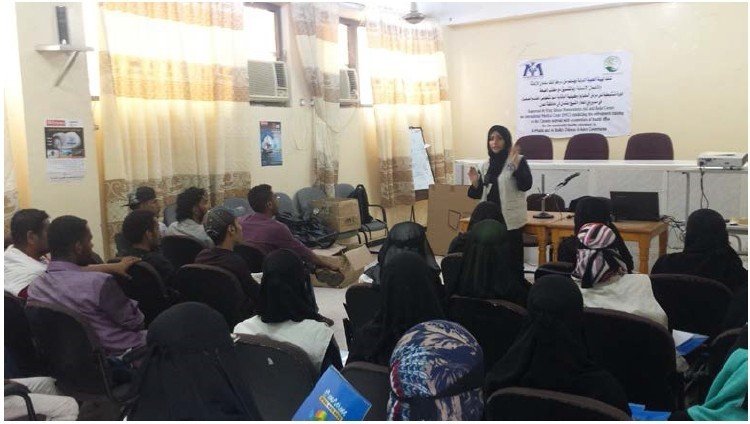
To respond to the need of vulnerable Yemenis and halt the spread of cholera, we are planning emergency support to the health system, water and sanitation work, and hygiene education in July. As in Haiti, International Medical Corps has joined other organizations in Yemen to distribute clean water and establish a large number of cholera treatment clinics and rehydration stations across the affected areas of the country. We aim to expand these services to meet the needs of the growing emergency in the highest risk governorates in Sana’a, Ibb, Taiz, Aden, Al Dhalea, Lahj and Sada’a.
Thanks to our GlobalGiving partners, we have and continue to help both Haitians and Yemenis fight cholera and other diseases with strengthened health services, good sanitation and hygiene, and access to clean water.
Project reports on GlobalGiving are posted directly to globalgiving.org by Project Leaders as they are completed, generally every 3-4 months. To protect the integrity of these documents, GlobalGiving does not alter them; therefore you may find some language or formatting issues.
If you donate to this project or have donated to this project, you can receive an email when this project posts a report. You can also subscribe for reports without donating.