By Davis Nordeen | Volunteer, International Operations
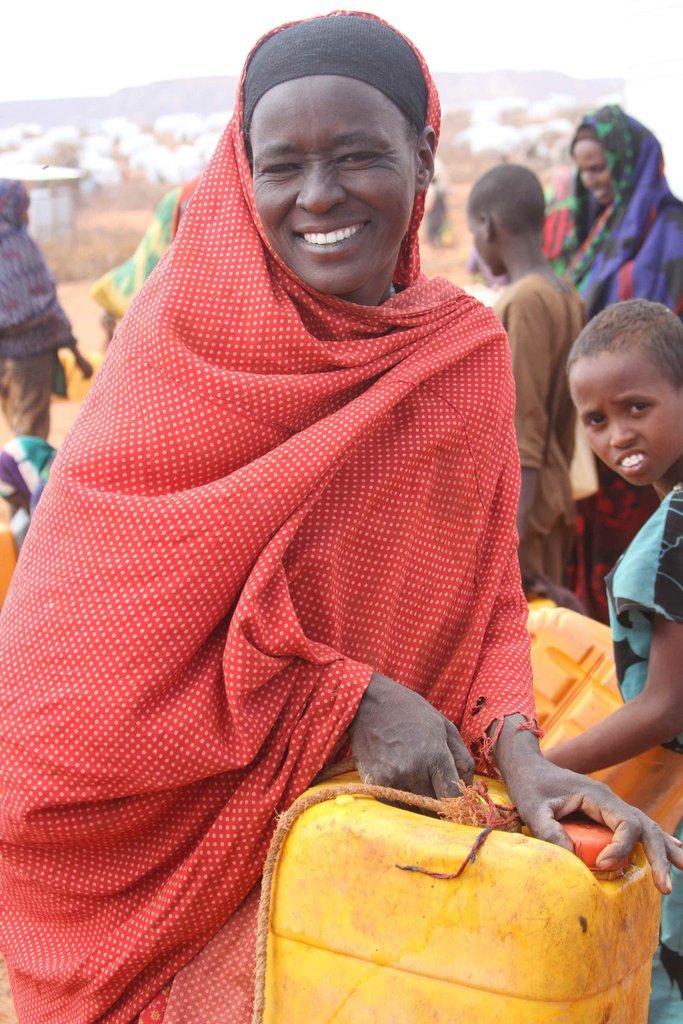
East Africa’s multi-year drought has led to many devastating problems with water borne diseases, malnutrition, rising food prices, displacement, and low labor prices, with many of these issues compounding each other. Somalia’s District of Jowhar, sadly faces all of them. “International Medical Corps has seen the plight of the most vulnerable populations – internally displaced persons without access to quality water,” notes Mr. Ahmed, the Jowhar District Commissioner.
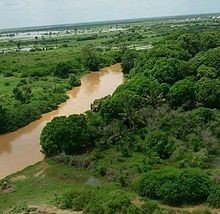
For many, the Shabelle River serves as this region’s only water source, and after two consecutive seasons of poor rainfall, it has fallen to its lowest level since 1999, according to the UN. This drop has left some 66,000 people of Jowhar District and the hundreds of thousands more who live in the Shabelle Basin with two options – pay for water through private vendors at an unaffordable cost or turn to unsafe water sources. Drinking and using untreated water from unprotected sources, specifically rivers and unsafe wells, therefore becomes the norm. As a result, our primary health unit registered an increase in cases of acute watery diarrhea in the area.
The struggles of Jowhar District exemplify Somalia’s drought emergency at large. For nearly three decades, the country has endured war and conflict, with recurring drought further exasperating the fragile state. Internally displaced Somalis, along with the vulnerable communities which host them, lack access to safe water. The majority of shallow wells were destroyed by flooding in 2015, and those that remain are either susceptible to contamination or have damaged or broken hand pumps. The UN estimates that by the end of April 2017, 4.5 million people in Somalia will need urgent water, sanitation and hygiene services. Already, 500,000 people (17% of the population) are internally displaced, and 6.2 million people are in need of assistance.
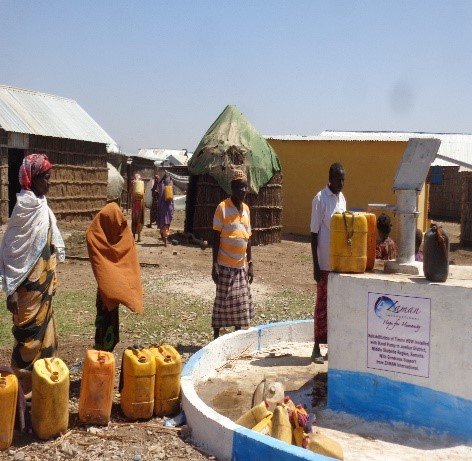
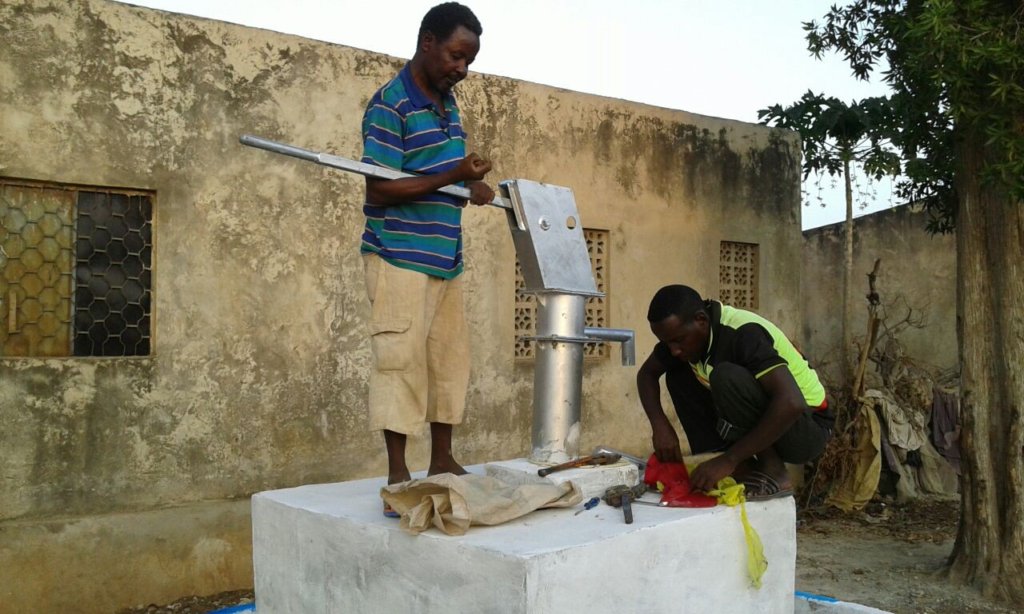
International Medical Corps has been operating in Somalia since 1991, providing health and livelihood support during Somalia’s long struggle with war, conflict, flooding and other challenges. In response to the ongoing drought, we launched a water, sanitation and hygiene program to ensure that the most susceptible individuals, including those internally displaced, have access to a clean and safe water supply. We recently completed a project in partnership with local authorities: the rehabilitation of three wells in the Jowhar District, serving 3,000 members of the community, of whom 2,220 are persons displaced from their homes and living in camps. Mr. Ahmed observed that, “The rehabilitated wells provide safe drinking water to populations that heavily relied on raw river water. This will further reduce the perennial outbreaks of acute water diarrhea.”
We also distributed hygiene kits to 1,000 households. These kits include a 20-liter jerry can, a 20-liter bucket for collecting and storing water from the wells, soap, towels, sanitary pads for women and girls, and Aqua tabs for water treatment. After the completion of this water and hygiene improvement project, International Medical Corps’ Primary Health Unit recorded a 4% drop in acute watery diarrhea cases in the area between December 2016 and January 2017 alone, and we expect this reduction to continue over the long term thanks to the new infrastructure and training.
We would like to thank the GlobalGiving community for your support of International Medical Corps’ program to provide safe sources of clean water to communities in Somalia.
Project reports on GlobalGiving are posted directly to globalgiving.org by Project Leaders as they are completed, generally every 3-4 months. To protect the integrity of these documents, GlobalGiving does not alter them; therefore you may find some language or formatting issues.
If you donate to this project or have donated to this project, you can receive an email when this project posts a report. You can also subscribe for reports without donating.