By Davis Nordeen | Resource Development Assistant
Chamnangana Village is a village in the Matabeleland South Province of Zimbabwe which has struggled to subsist under the pressures of drought. Before International Medical Corps’ support, the 59 families of Ward 11 of this village relied on one borehole for water, which would often break down due to high use and worn-out parts. For three years, these families therefore had to travel almost a kilometre to fetch water from a shallow well they dug in a riverbed to use when their borehole was broken, leaving them vulnerable to water-borne disease. Those with livestock had to travel much further, five kilometres, to reach a flowing river.
For communities of the Matabeleland South province, withstanding the Southern African climate is arduous, life-threatening and a year-long affair. Located in a region of Zimbabwe with particularly poor and erratic rainfall, Matabeleland South experiences crisis levels of food insecurity during its dry season and relentless downpours during its rainy season, causing widespread flooding and surges in water-borne illness.
During an El Niño phenomenon, conditions in the region become especially dire. Most recently from 2015-2016, the El Niño induced drought killed thousands of livestock in Matabeleland South, crippled agricultural production, and left approximately 79,000 individuals food-insecure.
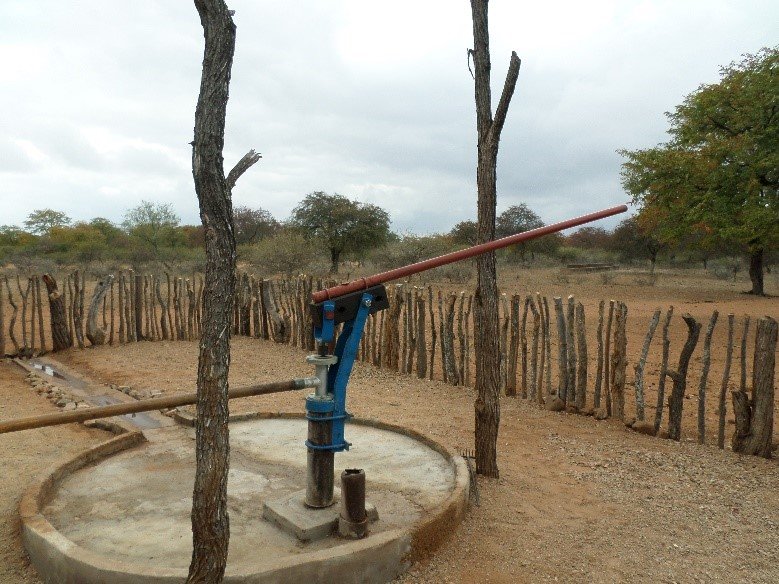
In 2017, International Medical Corps rehabilitated 50 water points throughout Matabeleland South, one of which was the borehole in Ward 11 in Chamnangana Village. To ensure the maintenance of the water points and empower communities to lead in future rehabilitations, we trained 364 people on the community management of water points, including seven residents of Ward 11. Through this support, we provided a total of 8,592 vulnerable people with access to reliable source of safe drinking water.
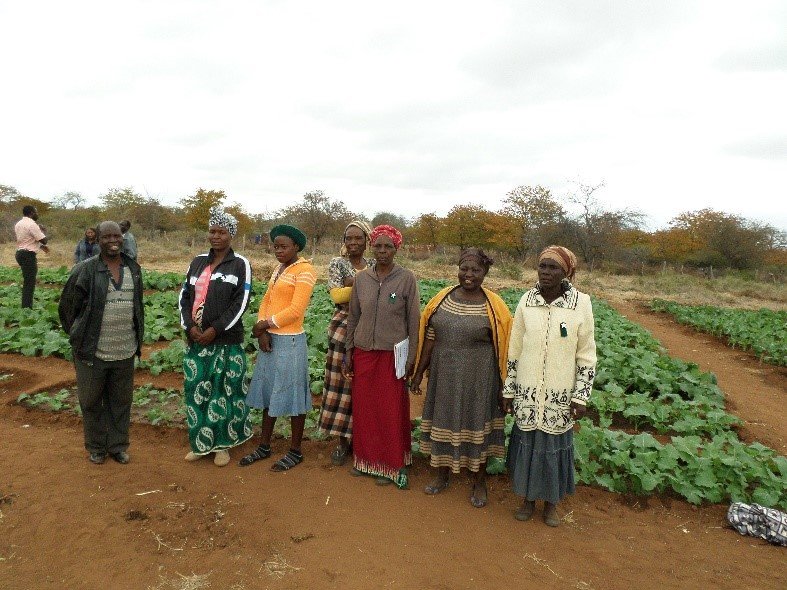
While the community in Ward 11 of Chamnangana Village celebrated the rehabilitation of their borehole, they were most appreciative of the management trainings. We assisted the residents in establishing a Water Point Committee, drawing up a legally binding constitution for water point users, mobilizing the community to build a fence around the borehole to protect it from stray animals and children, and establishing a community fund to support future repair costs. Speaking about the impact of International Medical Corps and the newly established committee, one member said “potentially, it’s not that we did not have the money to rehabilitate the borehole, but rather it was the lack of capacity to mobilize the community to pool resources towards that cause.”
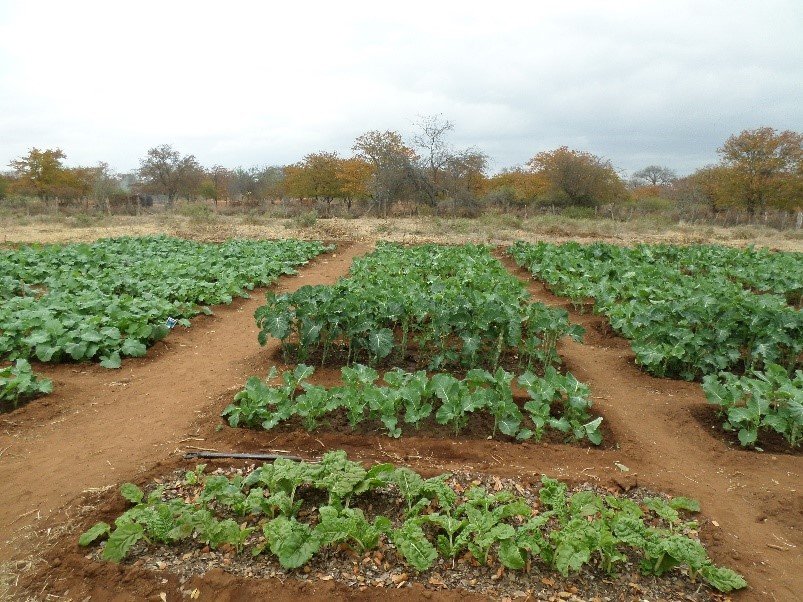
With the rehabilitation of the borehole, the community no longer has to travel to fetch water and can more reliably support their community garden and livestock during Zimbabwe’s dry seasons. For one woman, the increased water availability increased her vegetable production and provided an additional $20 in income in July. Monthly $1 contributions from residents of Ward 11 into the community fund have also allowed the Water Point Committee to procure cement which they used to reinforce the borehole head as part of its ongoing maintenance.
International Medical Corps thanks the GlobalGiving family for their continued support as we work to empower communities and provide access to clean water in drought-affected countries in Southern Africa.
Project reports on GlobalGiving are posted directly to globalgiving.org by Project Leaders as they are completed, generally every 3-4 months. To protect the integrity of these documents, GlobalGiving does not alter them; therefore you may find some language or formatting issues.
If you donate to this project or have donated to this project, you can receive an email when this project posts a report. You can also subscribe for reports without donating.