By Callie Daniels-Howell | GIP Program Manager
In addition to the 3,200 students to whom we serve a daily meal in school, our food security initiatives also provide evening and weekend food to 90 child-headed households. These are families where a child as young as eleven or twelve years is running the home and the sole caretaker of their younger siblings. One such family is that of Jacob, one of our secondary school and college graduates who, at twenty-three, is the sole caregiver for his five younger siblings, the youngest of whom is only two years old.
Jacob was trained as a teacher, but, due to the loss of his mother was unable to take a full teaching job in a larger town so that he could return to the rural family home where his siblings attend school, and where the family has land. For many young people in Kenya, family land is the most important asset. Particularly for child-headed households, this land is important not just because it ties them to the family they once had, but it also supports their livelihood as a place to grow food to eat and sell.
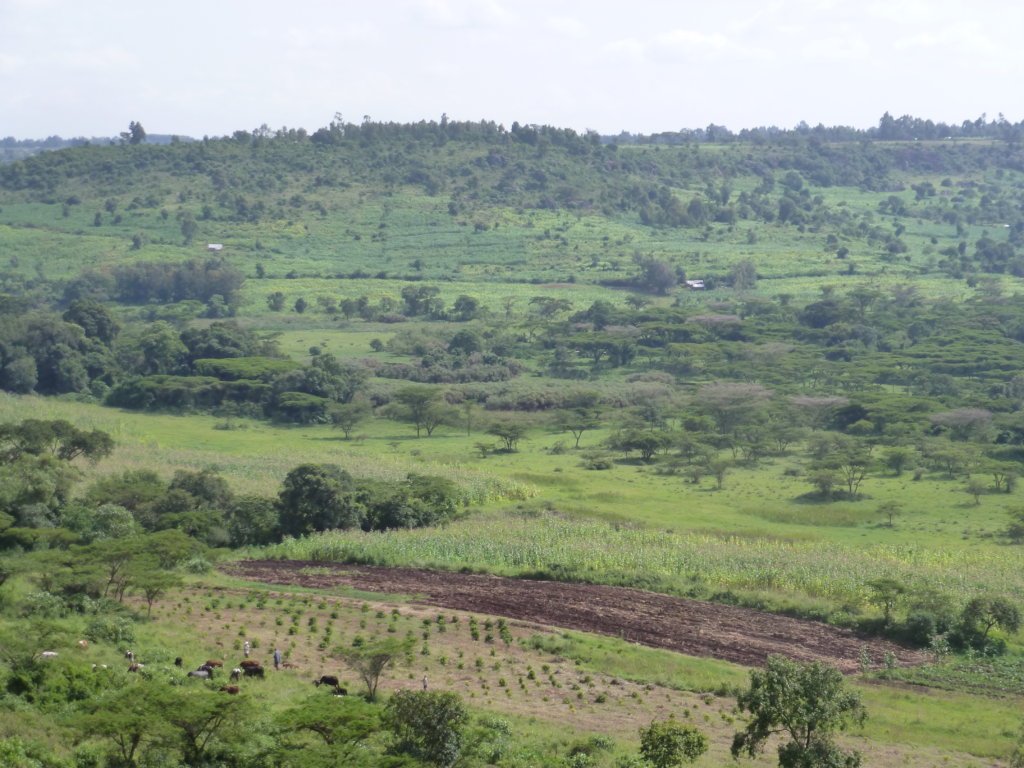
This is true for Jacob, who relies on the small garden next to his home to feed the family of six he is now responsible for. He and his siblings eat what little corn, potatoes, and greens they are able to grow throughout the year, and any surplus harvest is sold to pay for school fees, medical emergencies, and basic needs like soap or clothing. Jacob works hard to care for the crops so that they can produce as great a yield as possible in the small space they have.
The harvest season has now arrived in Kenya and this year, Jacob, like the majority of Kenyans who are subsitance farmers, is concerned there won't be enough produce to feed his family even a few months, let alone throughout the year or with extra to sell. The drought which has plagued much of East Africa this year is growing worse, and environmental experts now predict there will be emergency-level food shortages throughout the region, including in Kenya.
For families like Jacob's, and most of our students, this not only means their personal gardens will be insufficient to feed their families, but that food prices will increase past their limited means.
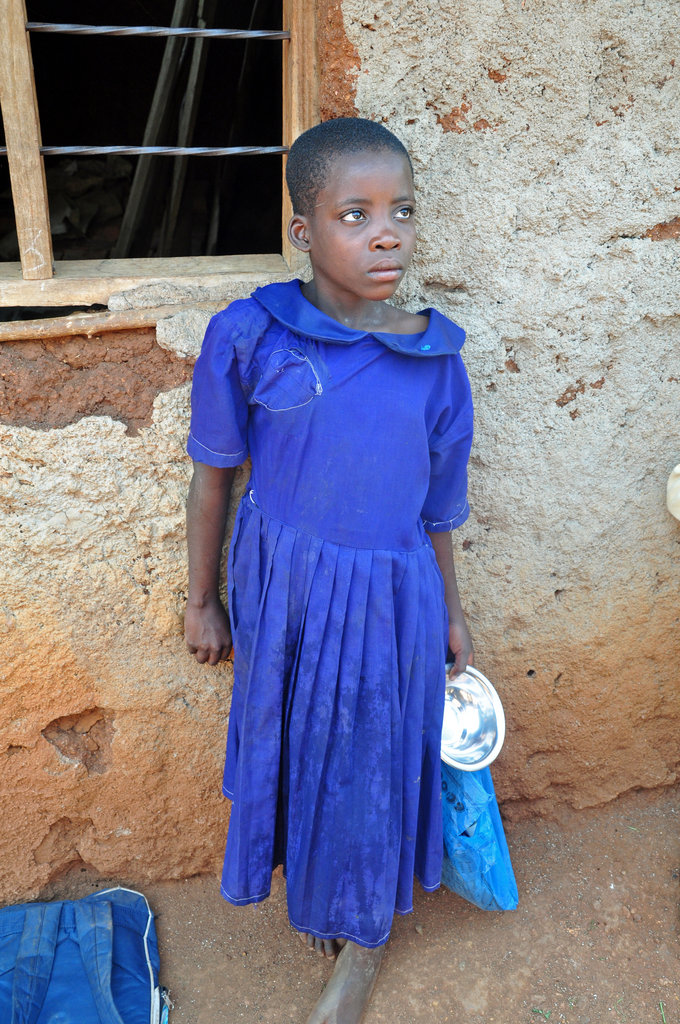
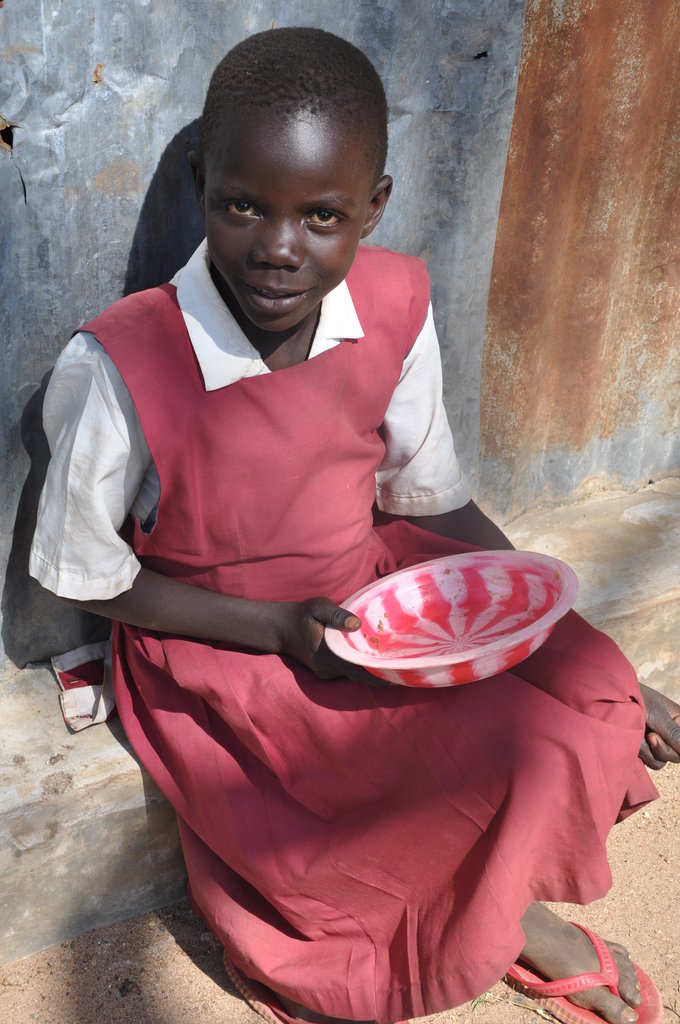
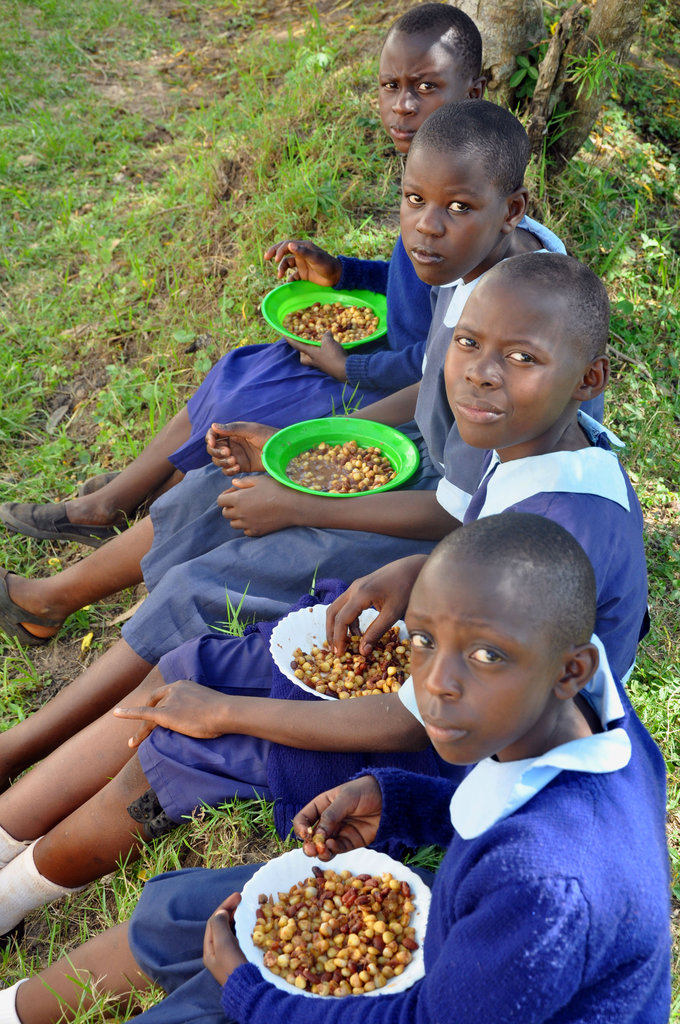
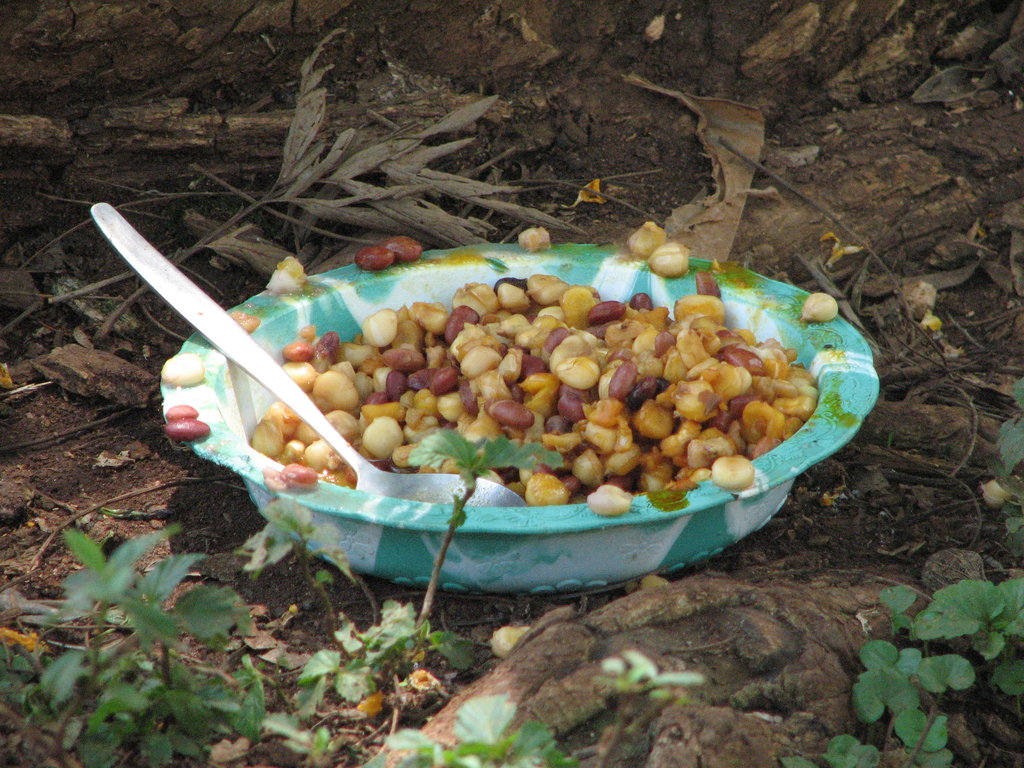
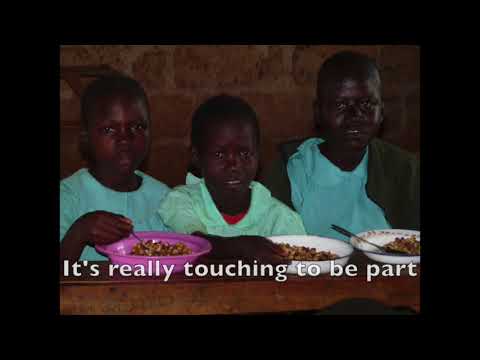
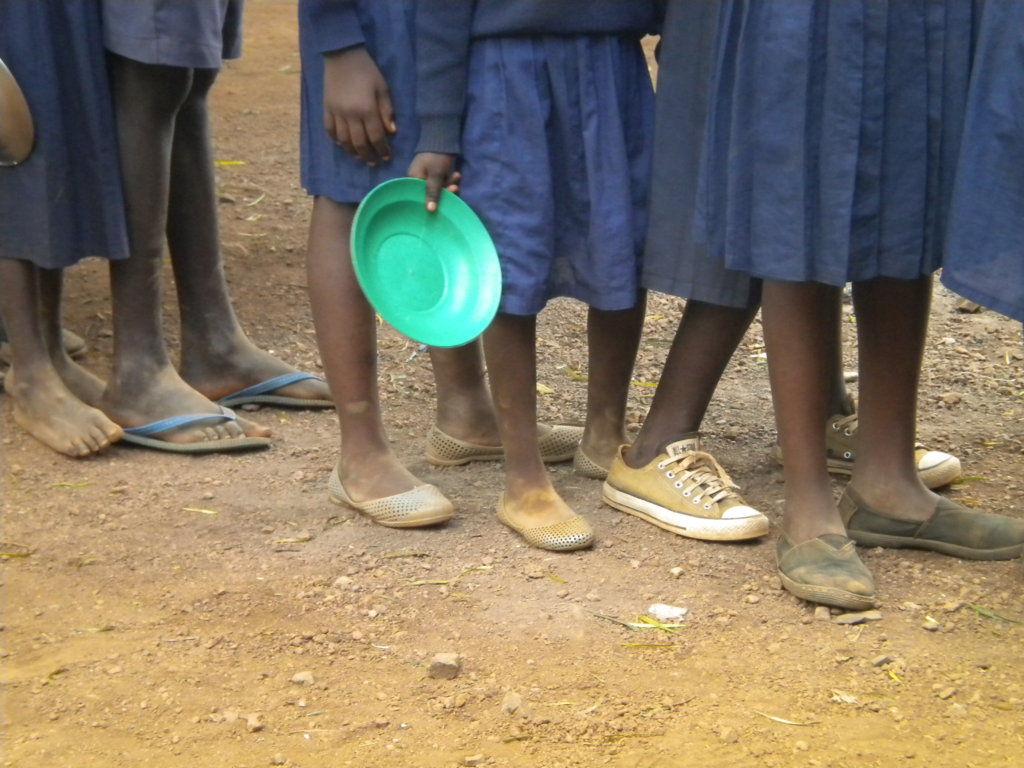
This makes the school lunch program and our additional food support to child-headed households more important than ever. For some of our children, this has always been their only meal of the day. This year, we expect even more of our children will look to their bowl of maize and beans received at school as their sole source of nutrition, and with such widespread hunger, it is unlikely they would be able to attend school without it.
As the harvest continues and East Africa continues to await rain, we hold our students and their families in thought, and thank you so much for your support, which truly is making the difference.
Project reports on GlobalGiving are posted directly to globalgiving.org by Project Leaders as they are completed, generally every 3-4 months. To protect the integrity of these documents, GlobalGiving does not alter them; therefore you may find some language or formatting issues.
If you donate to this project or have donated to this project, you can receive an email when this project posts a report. You can also subscribe for reports without donating.


Support this important cause by creating a personalized fundraising page.
Start a Fundraiser