By Halima Tus Sadia | Head of Growth
Dear Friends and Supporters,
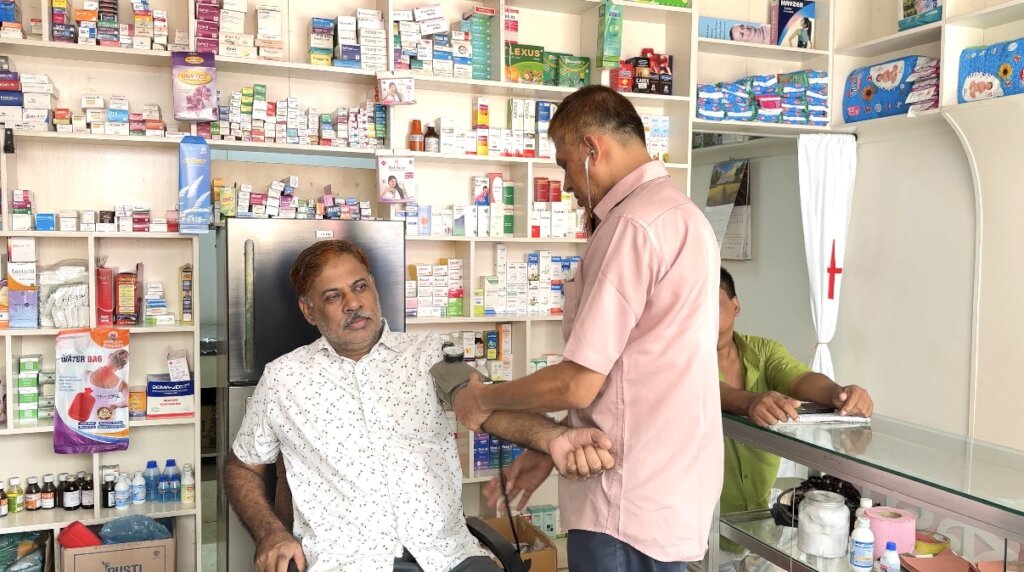
As we wrap up the second quarter of 2026, the Spreeha team didn’t spend our time sitting in a boardroom. Instead, we spent it where the real work happens – in the narrow, bustling alleys of the capital and the remote corners of the country, listening. We went looking for data, but we found something far more valuable: human-centered insights.
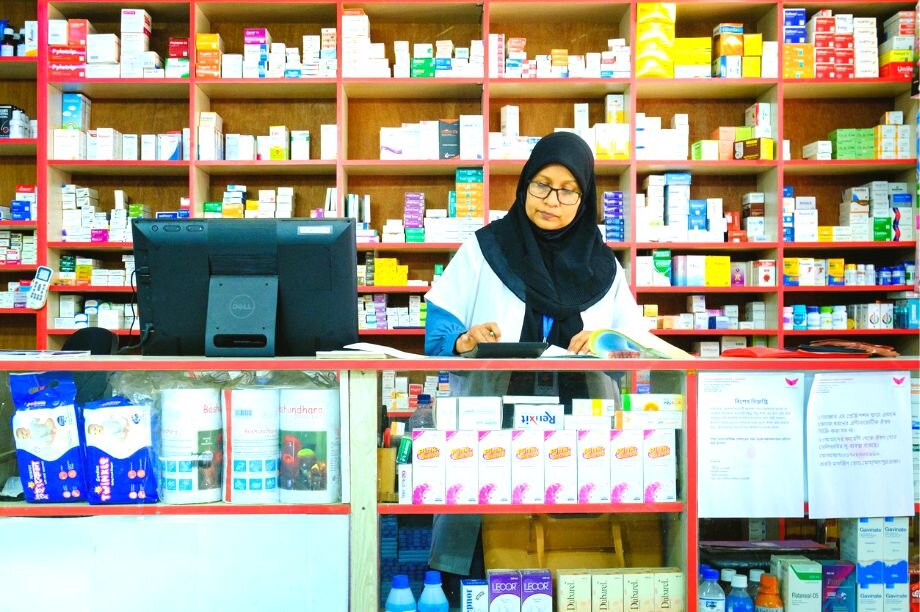
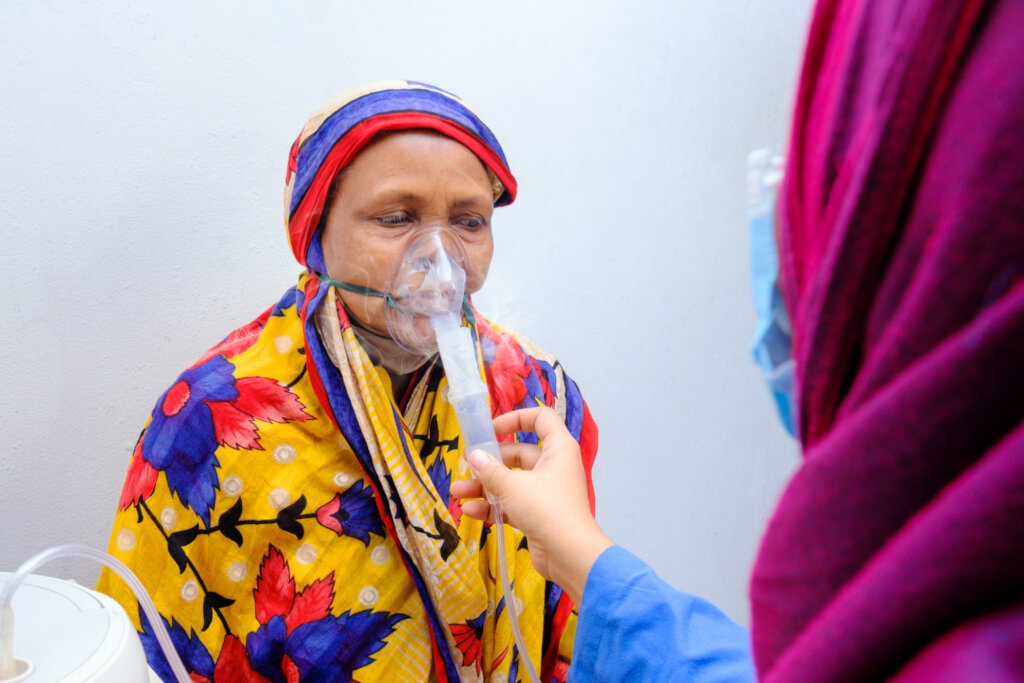
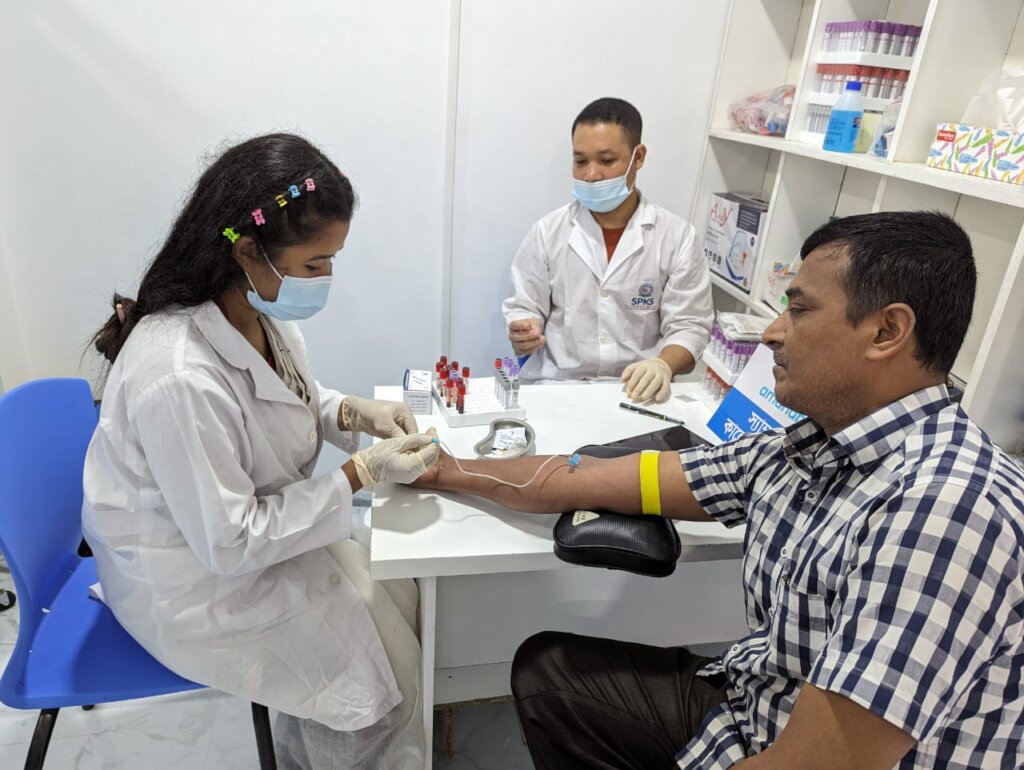
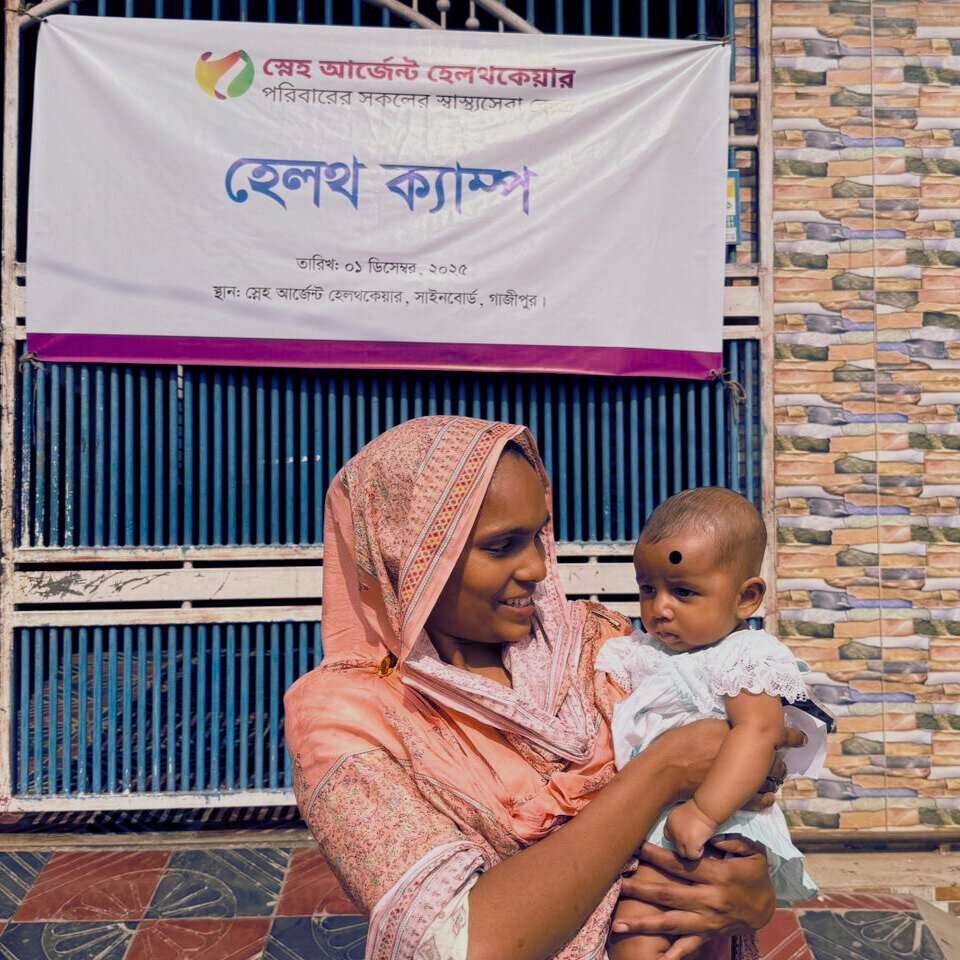
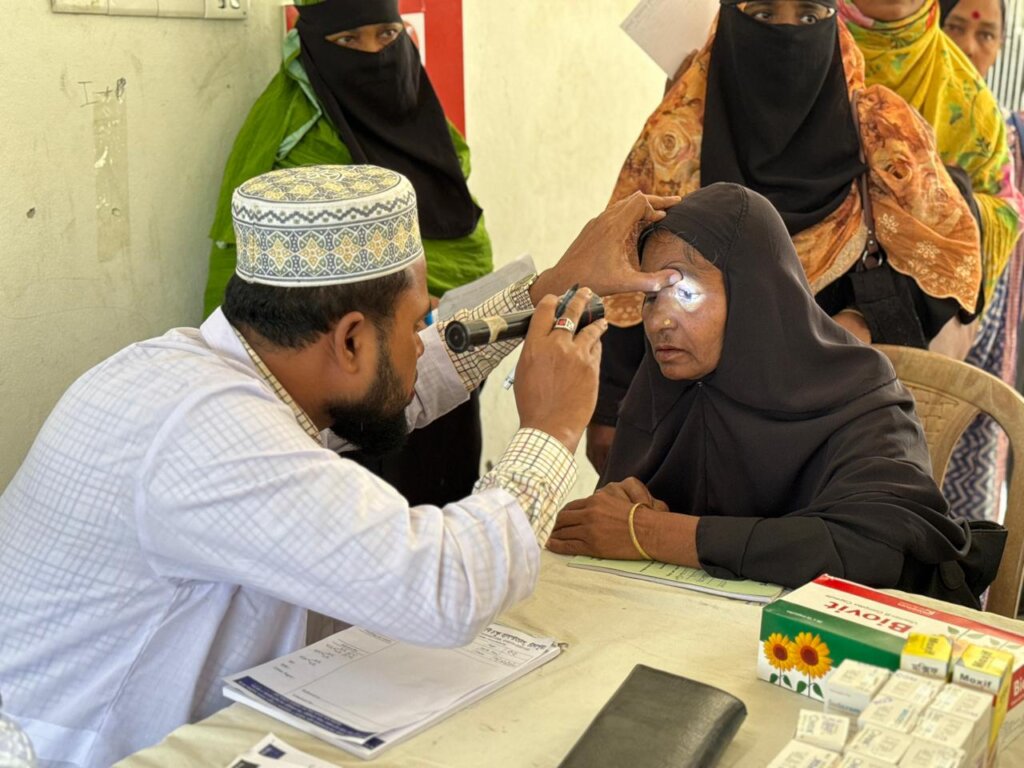
Today, because of your generosity, Spreeha's tech-enabled, hyper-local healthcare centers are now active across 24 locations in 6 districts of Bangladesh. Each new pin on our map represents a lifeline bridging the gap between isolated communities and reliable, compassionate primary care.
But scaling to 24 locations isn't just about expanding our footprint: it’s about deepening our understanding. Our recent expansion and deep dive into the Jamalpur district, alongside our urban operations, have completely reshaped how we view the future of healthcare.
Here are the 5 core lessons from the front lines that are driving our strategy forward:
1. The Invisible Migrant
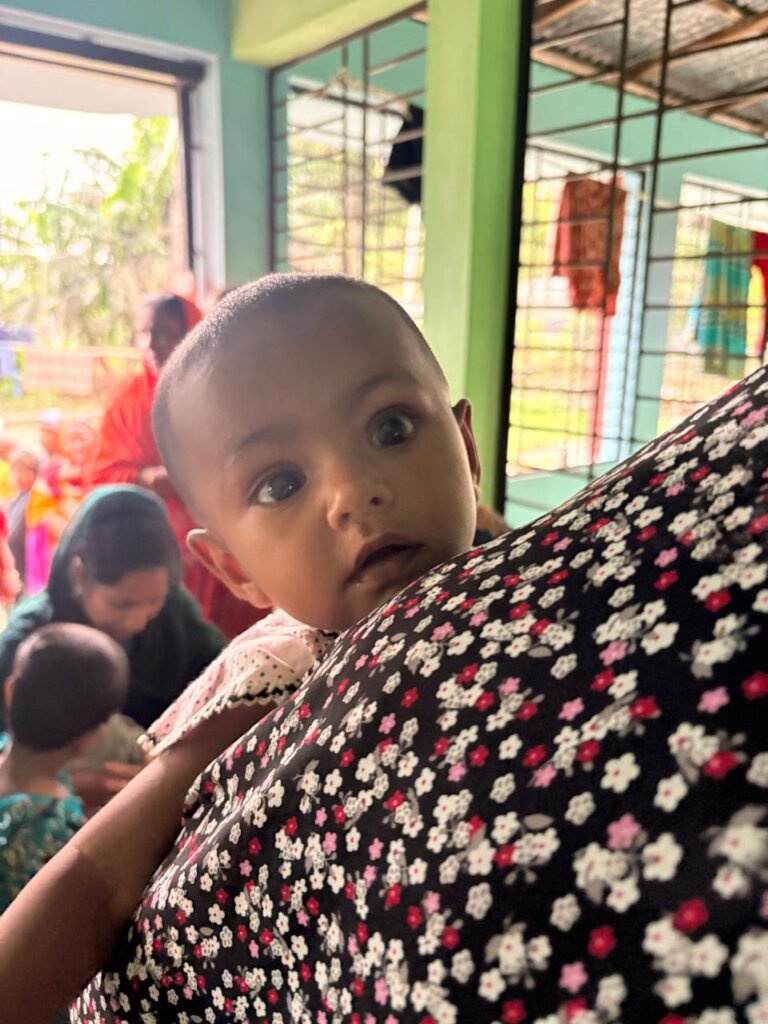
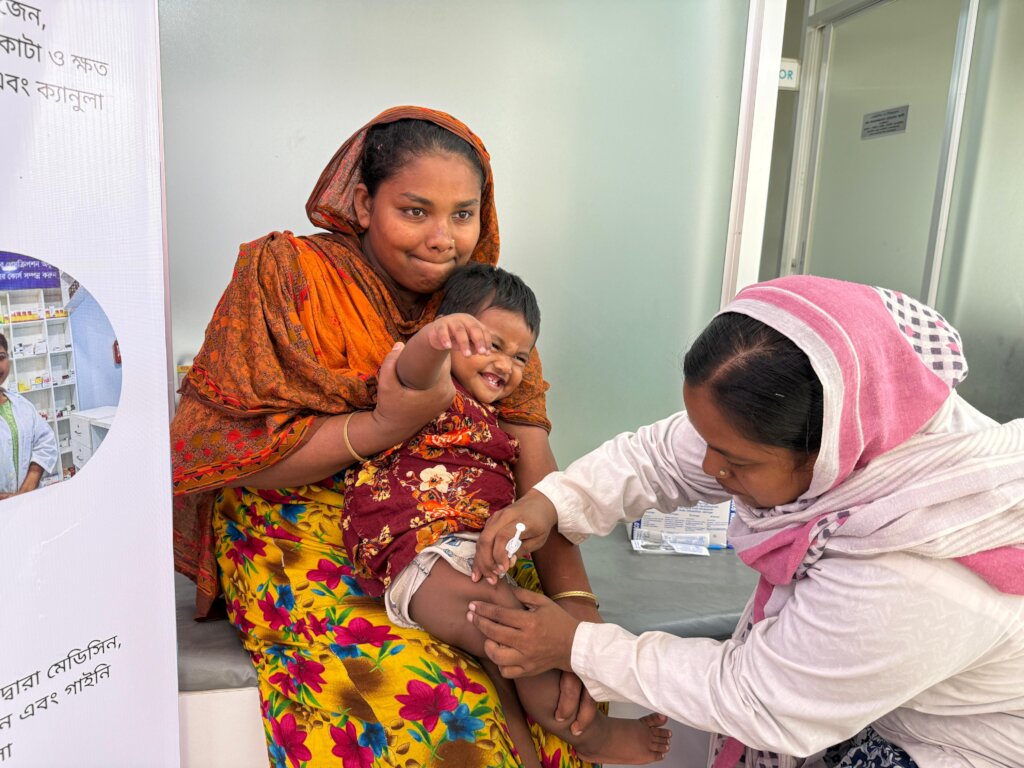
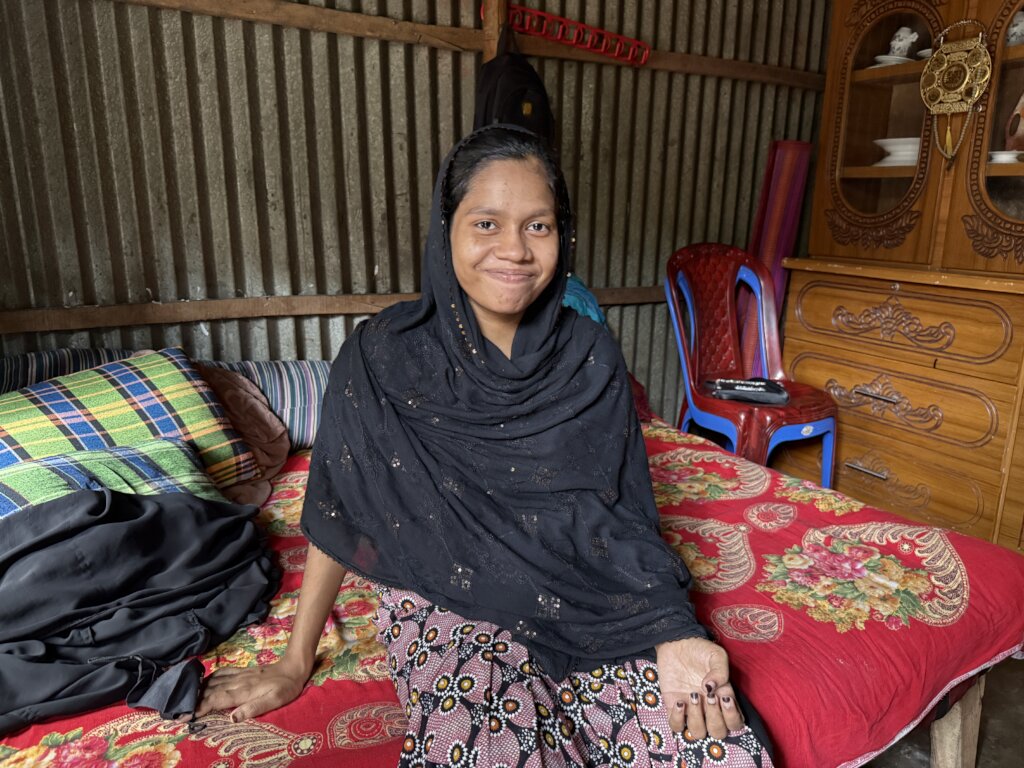
In Jamalpur, we met mothers who had moved across districts and completely vanished from traditional tracking systems. They aren't avoiding care; they simply aren’t on anyone’s radar until a medical crisis hits. Internal migration accounts for 66% of urban growth in Bangladesh, and globally, the International Organization for Migration (IOM) reports that 1 in 8 people are on the move. These mobile populations frequently fall into healthcare "blind spots," where they are twice as likely to miss life-saving vaccinations. Our 24 interconnected locations are designed to create a continuous digital safety net that follows them, wherever they move.
2. The $0 Price Tag Myth
It is a common misconception that consultation fees and treatment costs are the only major barriers to healthcare. For a day laborer, even completely "free" healthcare is a luxury they cannot afford if seeking it means sacrificing three days of lost wages and spending a week’s worth of rice on bus fares. This is why we don't wait for patients to come to us; we take high-quality healthcare directly to where people live and work.
3. Proximity Isn't Access
Dhaka and major district hubs boast massive, state-of-the-art hospitals. But if an ambulance or an elderly patient cannot fit through a three-foot-wide alley in a dense neighborhood, that hospital might as well be on the moon. Global urban health studies show that these "last-mile" physical barriers reduce healthcare utilization by up to 40% in dense informal settlements - regardless of how geographically close a major facility is. Our hyper-local micro-hubs are intentionally built inside these tight urban grids to bypass these physical bottlenecks.
4. Care is a Journey, not a Transaction
True healthcare cannot end the moment a patient walks out of our door. Compassion requires continuity. That is why 100% of our patients now receive dedicated, personal follow-up calls from our team. It is a simple step, but global health data proves that structured post-discharge follow-ups can reduce hospital re-admission rates by 25%. We are building relationships, not just filling patient logs.
5. Technological Leapfrogging
We are seeing a fascinating trend: mid-sized districts and towns like Jamalpur and Mymensingh are adopting advanced tech solutions incredibly fast. Why? Because they aren't weighed down by decades of legacy IT baggage. With the Asia-Pacific healthcare AI market growing at a remarkable 36.8% compound annual growth rate (CAGR), building our systems from scratch allows us to skip the traditional desktop era entirely.
Moving Forward Together
Every piece of hard-won wisdom from remote districts and our urban hubs proves that a tech-enabled workflow is only as strong as the human trust backing it. By pairing cutting-edge tools with a deep respect for local realities, we are evolving compassion into intelligent, scalable systems.
Thank you for being the driving force behind all 24 of our locations. Your support ensures that as Spreeha grows nationally, we never lose our hyper-local soul.
Links:
By Halima Tus Sadia | Head of Growth
By Halima Tus Sadia | Head of Growth
Project reports on GlobalGiving are posted directly to globalgiving.org by Project Leaders as they are completed, generally every 3-4 months. To protect the integrity of these documents, GlobalGiving does not alter them; therefore you may find some language or formatting issues.
If you donate to this project or have donated to this project, you can receive an email when this project posts a report. You can also subscribe for reports without donating.



Support this important cause by creating a personalized fundraising page.
Start a Fundraiser