Keep Our Rescued Animals Healthy & Safe

by DAKTARI Bush School & Wildlife Orphanage
Play Video
Keep Our Rescued Animals Healthy & Safe

Project Report | Oct 4, 2021
Our animals are happy because of your support.

By Katlego Lesele | Director Assistant

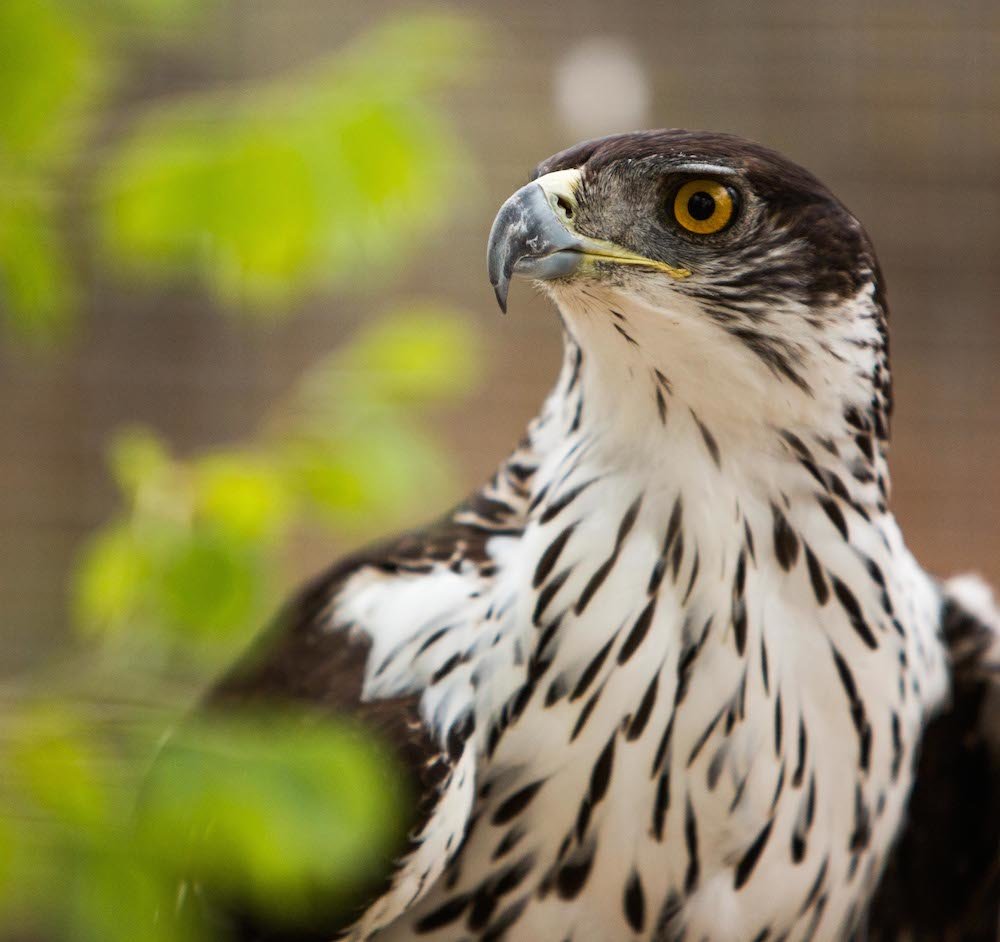
Picture of our African Hawk Eagle.

Dear friend,

The pandemic did not stop animals needing our care unfortunately. Here is what happened during the last three months: 

  • We welcomed two young orphan Sable antelopes. They arrived very weak and did not want to suckle the milk bottle. We really thought they wouldn’t make it but surprisingly, they started eating lucerne and game pellets. They are now reunited in a camp until they grow enough to be released. 
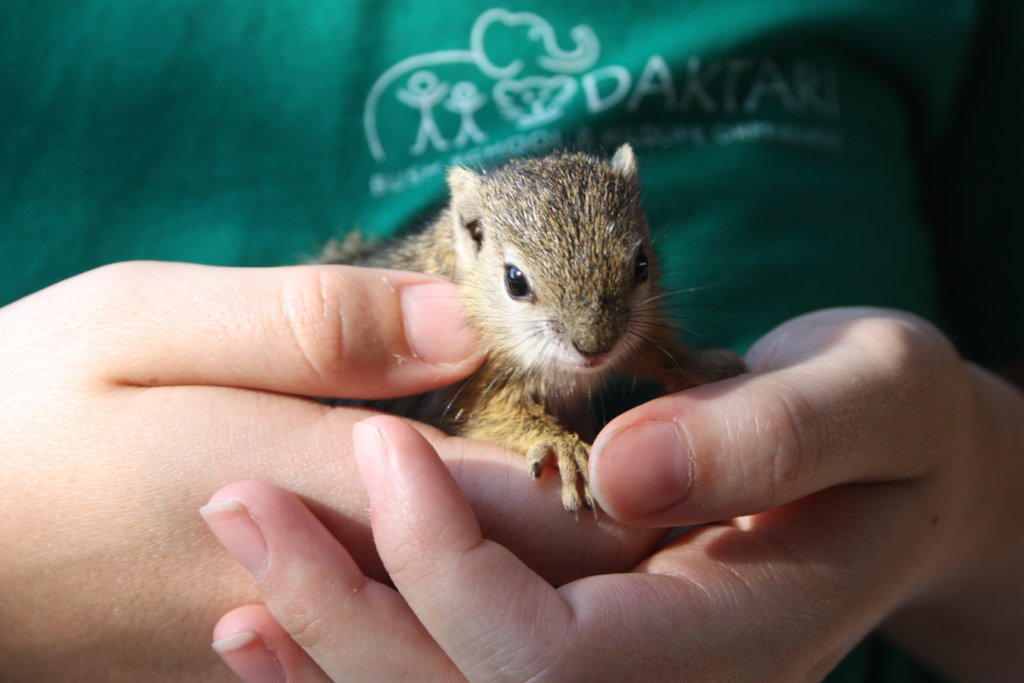
  • Noko, our baby porcupine has grown very fast. On friday 24 September we released him into the bush to start his journey of being free. He obviously did not want to leave us but night after night, he eventually found his own way. 
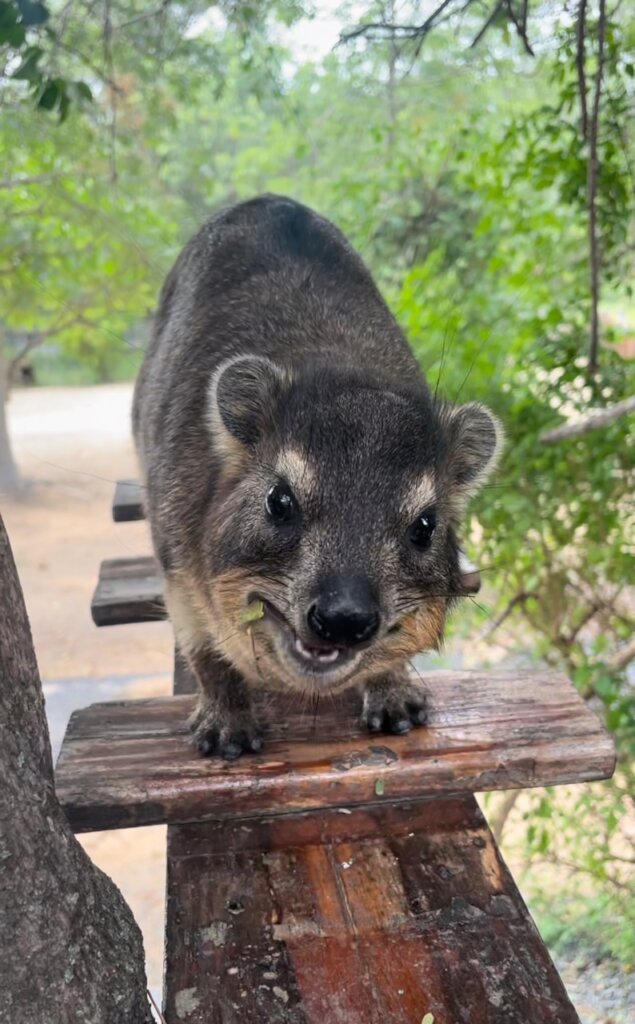
  • As Dassies (Rock Hyrax) are considered as pests in some areas, The South African Rehabilitation centre (in Gauteng) contacted us to relocate 6 rescued ones. We couldn’t say no obviously as they are Michèle’s favorite animals. The plan is to keep them for some time to get used to the area and then prepare them for a soft release.
  • The rabbits and guinea pigs families are reproducing a bit too well so we had to relocate a few of them with trusted partners. They will also serve an educational purpose. 
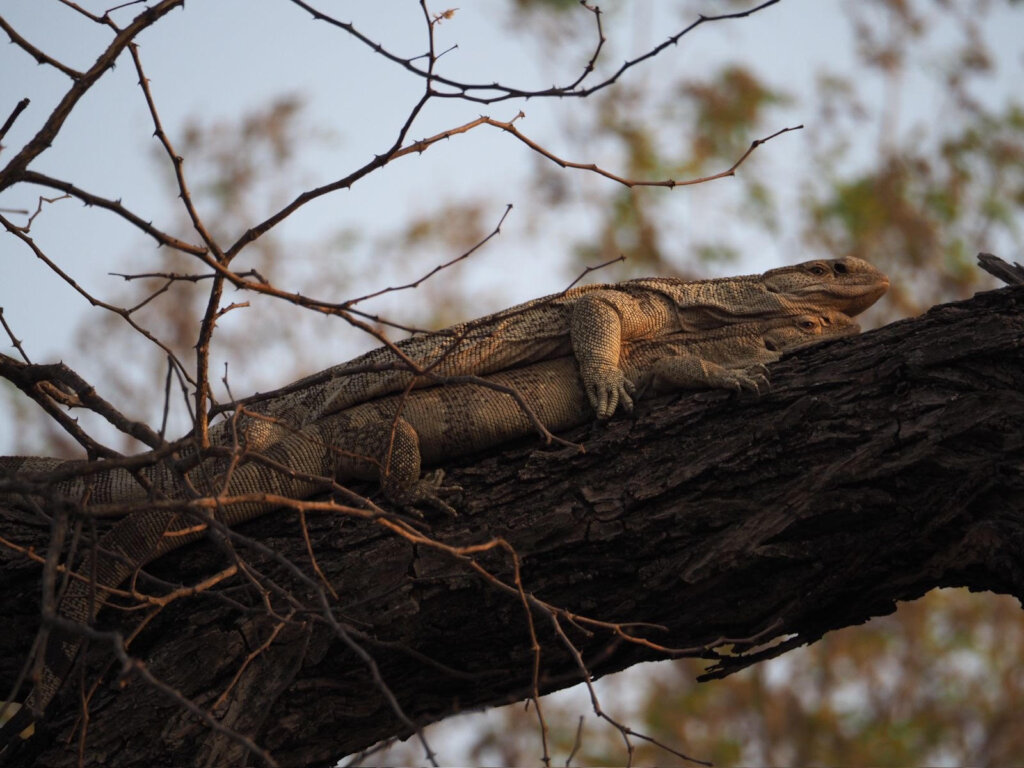
  • On the 28th of Sept during the morning stabling our team realised that our Rock monitor Lazarus had passed away. He arrived at DAKTARI in Sept 2007 with a back injury. Their life span is about 20 years in captivity. We therefore think he died due to old age as there was no other sign of illness or new injury. 
  • Our dassies “Little Boy” and “Câline” seem to be pregnant again and could give birth at any time from now. These two dassies are tame and live freely in camp with Baba, the father! We might need to stop this reproduction, who should we do? The male or the two females? Please let us know what would be the fairest in your opinion?  

We thank you so much for your support toward our rescued animals, it means a lot to them! 

Animal reports

  • Dassies - All the dassies we have in captivity are in good condition and are almost ready to be released into the bush. We are going to move them to an enclosure that is outside camp where we normally put them before release and then in some time we will open the gates/doors for them to be free. 
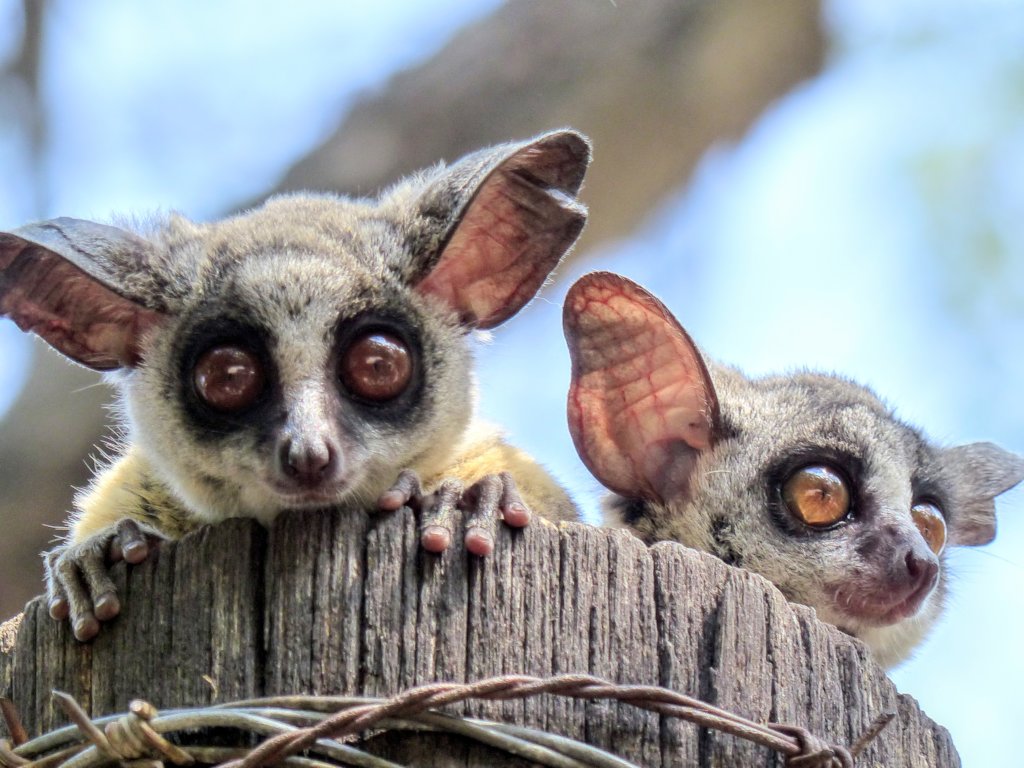
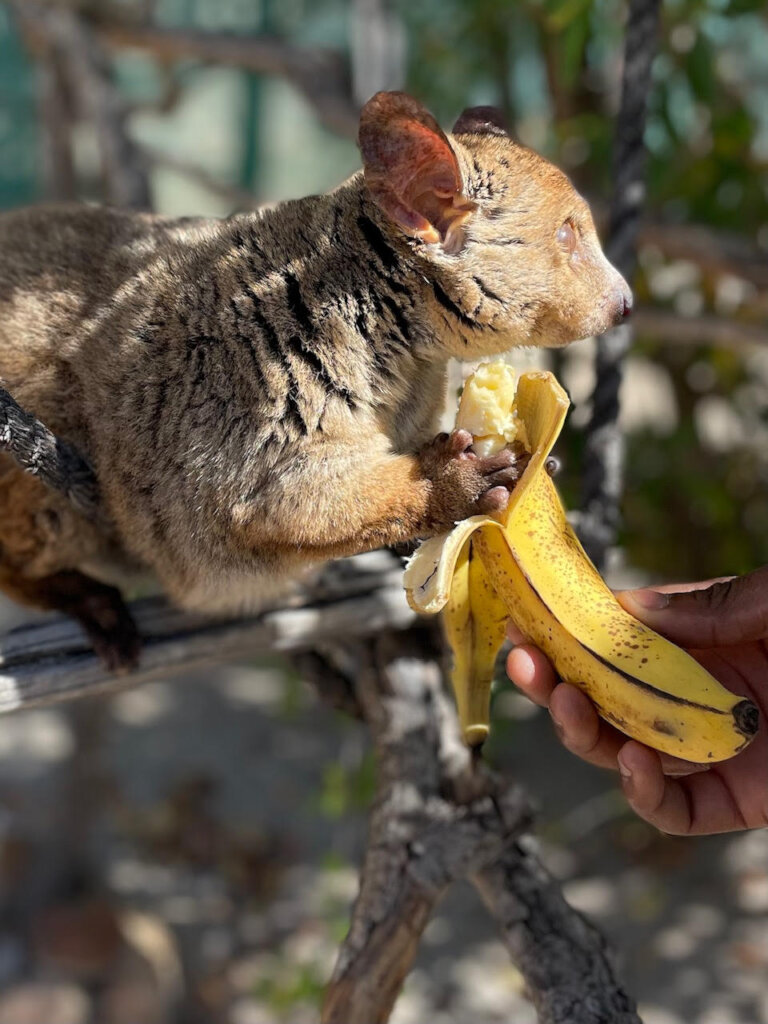
  • Bush Baby - Banchee is in good condition and still comes out every night to eat. We built him a nice house to stay in as the previous one fell down. 
  • Verreaux's Eagle Owls - Both of the Owls are in good condition and sleep most of the day and will only move around at night. They don't feel comfortable if you are at the same height as them then they start giving warnings to back off.
  • Verreaux's eagle - Jumper had difficulties with his right wing as he scratched it open, we applied wound spray and Mercurochrome on the wing where it was scratched open but he then started to scratch it even more and pluck some feathers around it. 
  • Wahlberg's Eagle & African Hawk Eagle - Both Eagles are in good condition and get well along with each other. They struggle to fly as they have broken wings but they comfortably jump onto the tree logs to get higher up. 
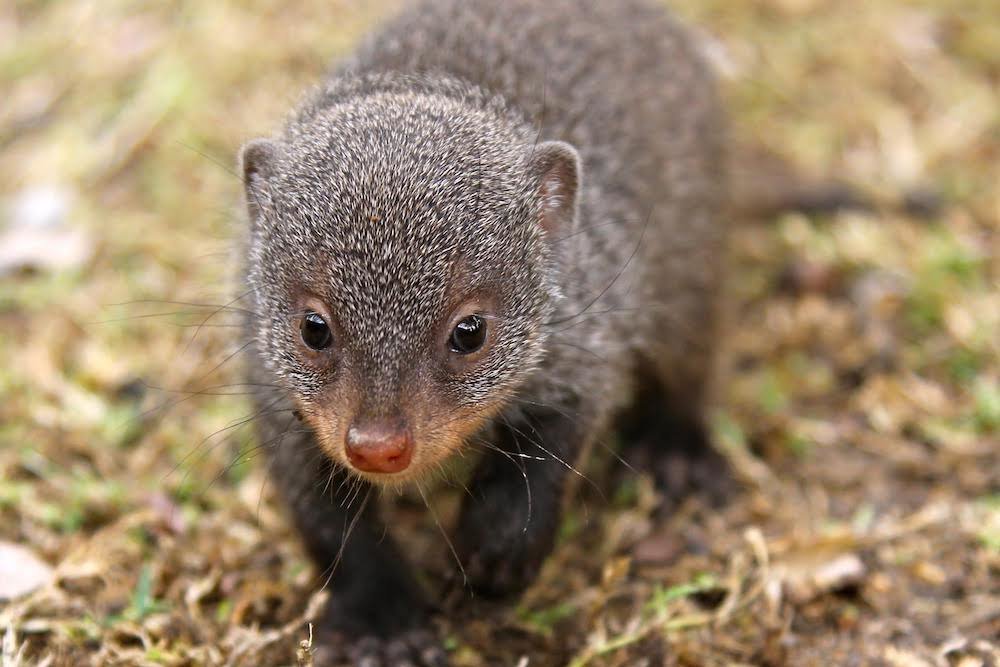
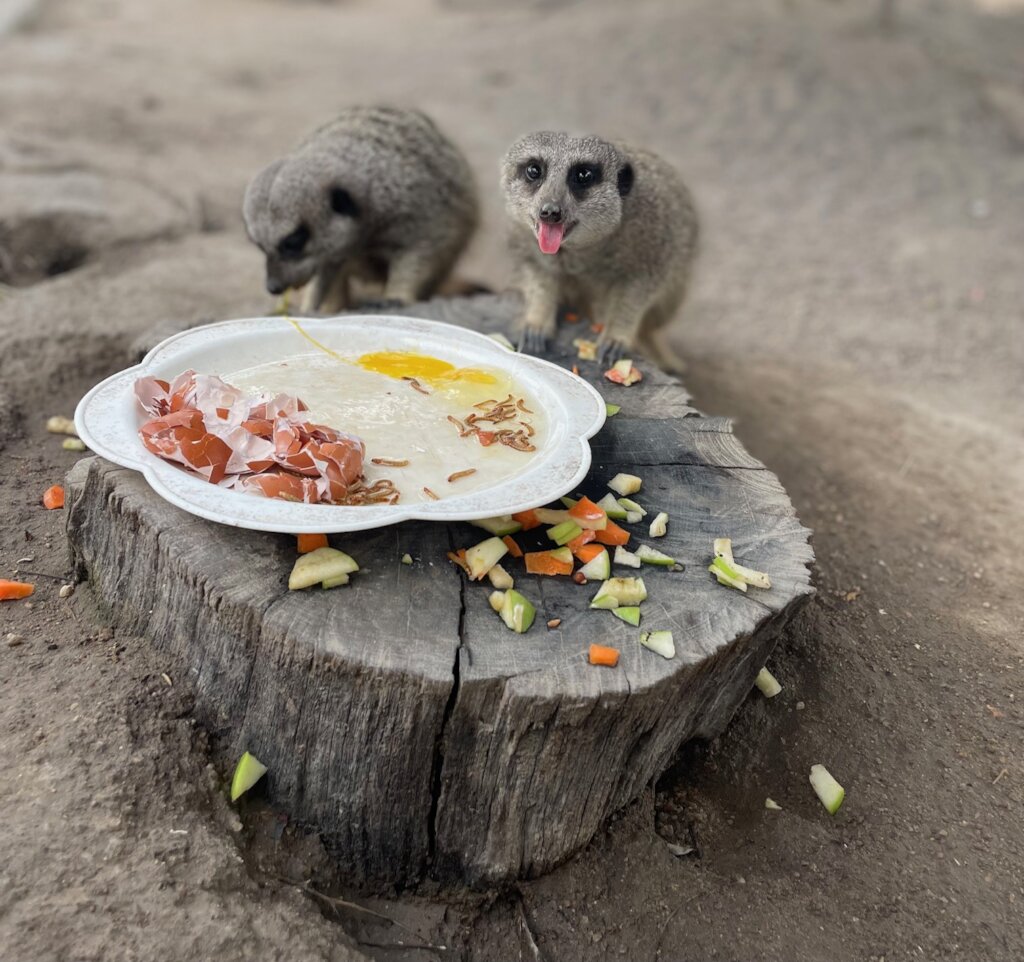
  • Mongoose - The 3 mongoose that we have are in good condition. There are two mongooses that are selfish when it comes to food and do not allow the other one to eat until they are finished eating.
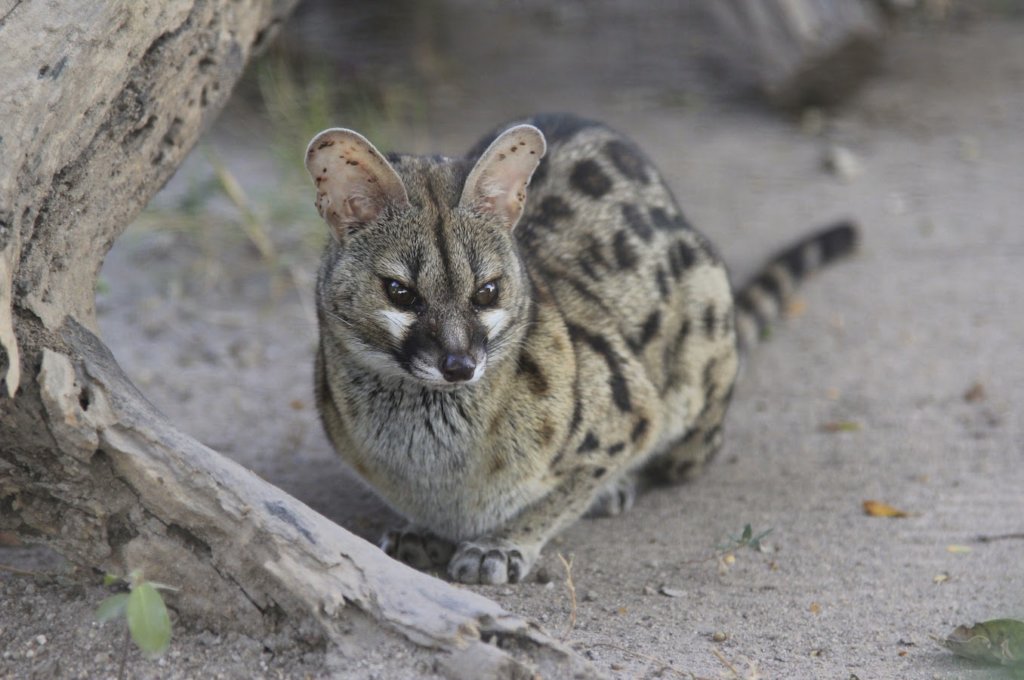
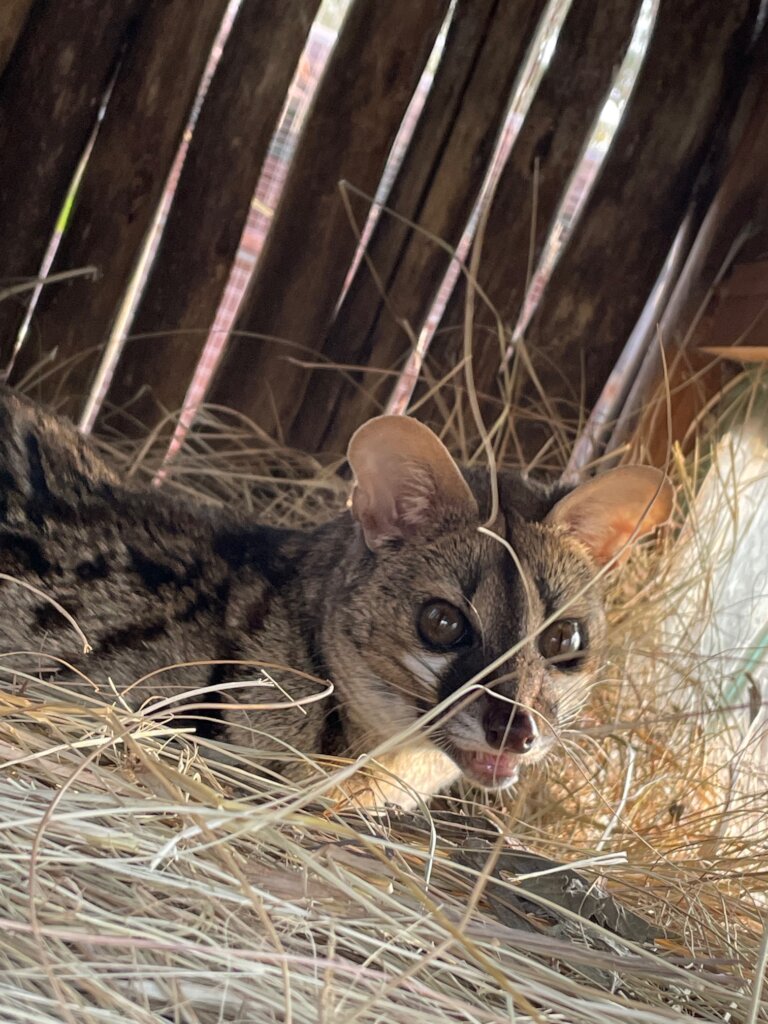
  • Genet - The genet is in good condition but is getting old, He is about 11 years old.  
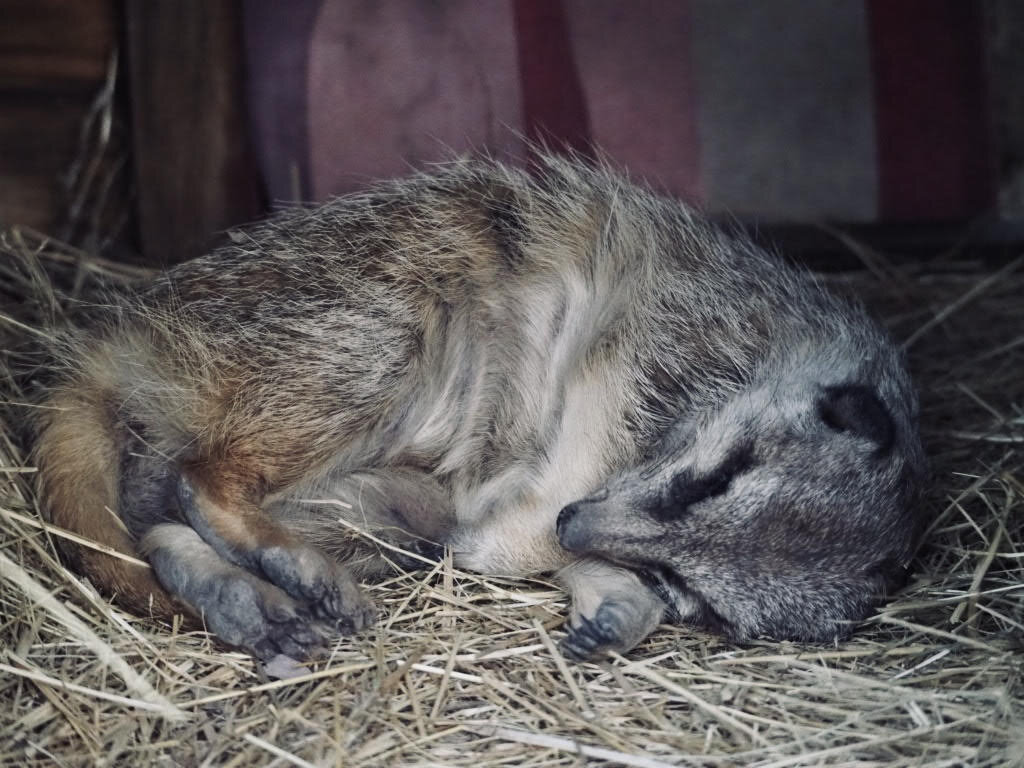
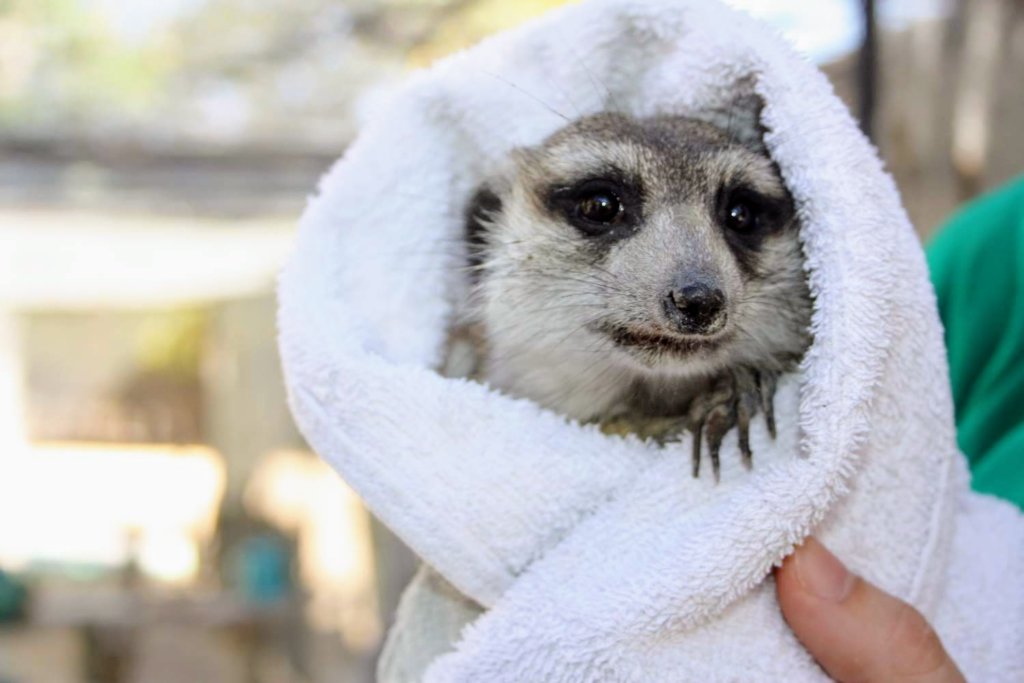
  • Meerkats - Both meerkats are in good condition and are still running around and playing. They enjoy the sun a lot and spend most of their time lying or standing in the sun. 
  • Spotted Eagle Owls - Both of the owls are in good condition. They are very protective about their house and feel safe there. The one owl is smaller than the other owl. 
  • White Stork - The white stork's wing is broken and can see that is it, some feathers are hanging. The stork is scared of humans and moves away from them. 
  • African Wood owls - They sleep most of the day and are in good condition. They stay in the same place everyday but at night move around and sit together. 
  • Ostrich - The Ostrich are in good condition, the male plucked some of his own feathers and then he stopped doing it. Recently they started to mate and layed eggs for this month but we pick them up so that they don't get little ones. 
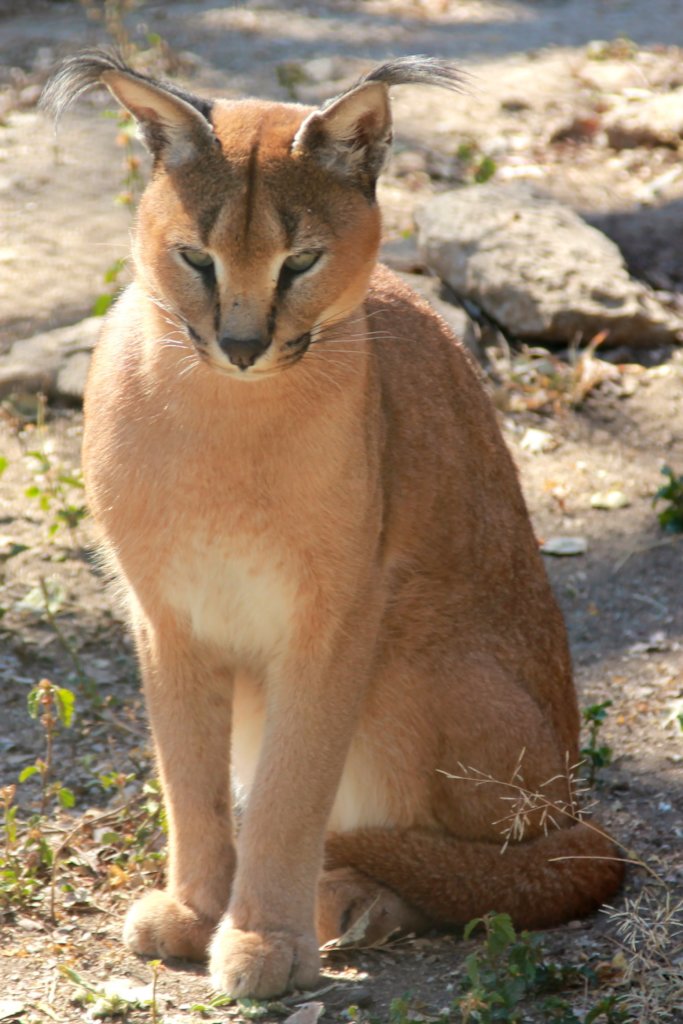
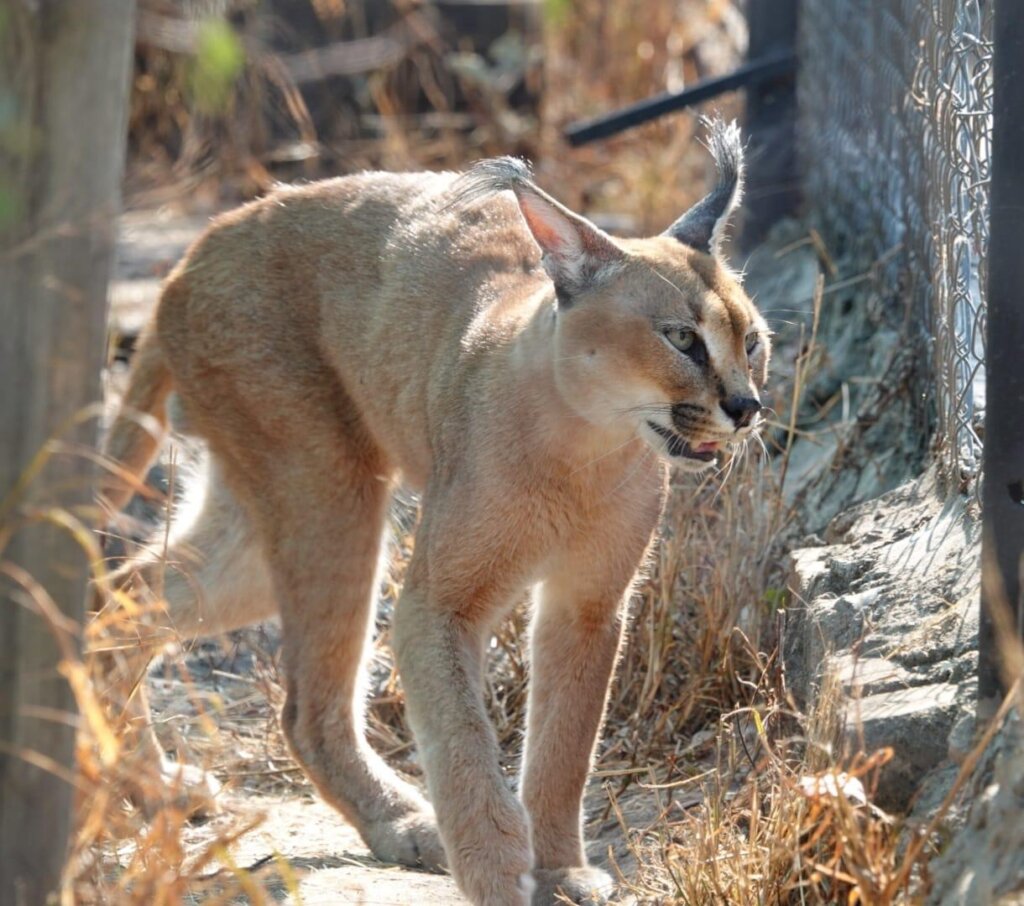
  • Caracal - The caracal is in a healthy condition and enjoys his meal everyday. He is shy for humans and growls if he sees you. He comes out to walk around at night and early morning before going to sleep for the day. 
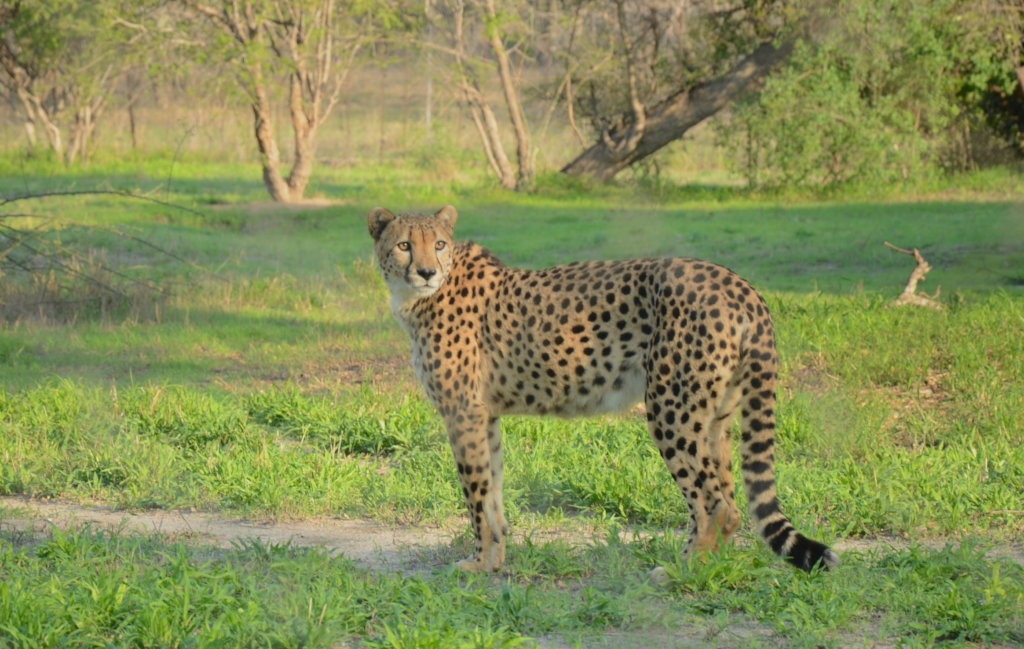
  • Cheetah - The cheetahs are in good condition and love their food. They are getting old (11,12 years old) so to give them a bit of exercise we made a “zip line” where we zipline the meat down for them to catch themselves. 
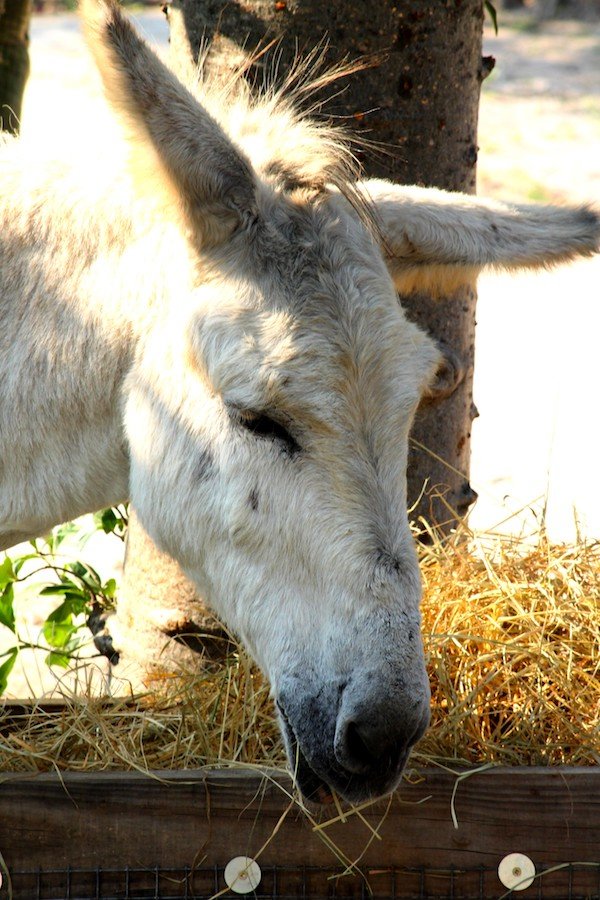
  • Eeyore - Eeyore is in good condition but is 90% blind. He roams freely in camp and when it is cold enjoys the heat of the donkey boiler. 
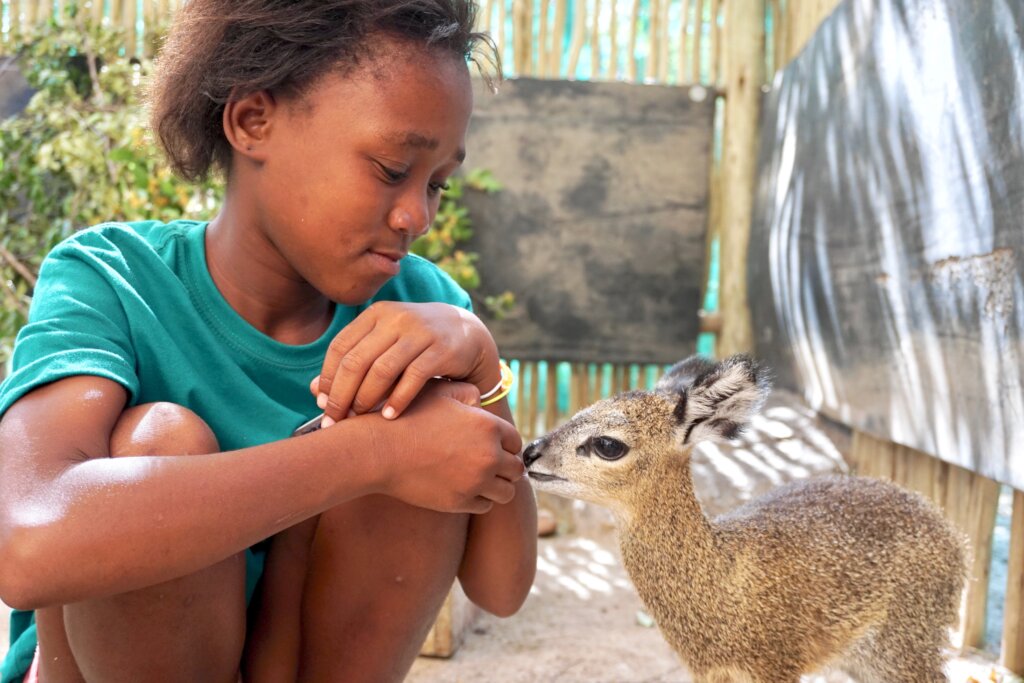
  • Sable - We received two baby Sable Antelopes that were rejected by their mother and DAKTARI is doing its best  to give them a second chance. One was so kind with people and we then had to separate them; however, he's getting well now and we are moving them to a single enclosure. 

(Ringo and Rambo)

We are motivated by your support to keep doing this beautiful job that we are doing. We are so grateful for your support.

Our happy Meerkats.
Our happy Meerkats.
Share on Twitter Share on Facebook

About Project Reports

Project reports on GlobalGiving are posted directly to globalgiving.org by Project Leaders as they are completed, generally every 3-4 months. To protect the integrity of these documents, GlobalGiving does not alter them; therefore you may find some language or formatting issues.

If you donate to this project or have donated to this project, you can receive an email when this project posts a report. You can also subscribe for reports without donating.


Sign up for updates

Organization Information

DAKTARI Bush School & Wildlife Orphanage

Location: Hoedspruit, Limpopo Province - South Africa
Website:
Facebook: Facebook Page
X / Twitter: Profile
Project Leader:
Michele Merrifield
Founder

Hoedspruit , Limpopo Province South Africa

Learn more about GlobalGiving

Teenage Science Students
Vetting +
Due Diligence

Snorkeler

Our
Impact

Woman Holding a Gift Card
Give
Gift Cards

Young Girl with a Bicycle
GlobalGiving
Guarantee

Get incredible stories, promotions, and matching offers in your inbox

WARNING: Javascript is currently disabled or is not available in your browser. GlobalGiving makes extensive use of Javascript and will not function properly with Javascript disabled. Please enable Javascript and refresh this page.