By Callie Spaide | Project Leader
The brutal conflict in Libya between rebels and government forces has affected countless families and the situation continues to deteriorate. More than 1,000,000 people have already fled the violence, crossing the borders primarily into neighboring Egypt and Tunisia, and the UN Human Rights Council estimates that as many as 15,000 people have died.
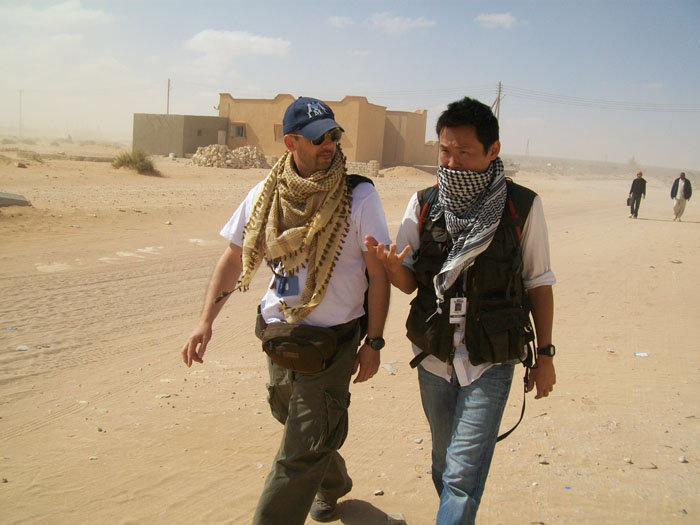
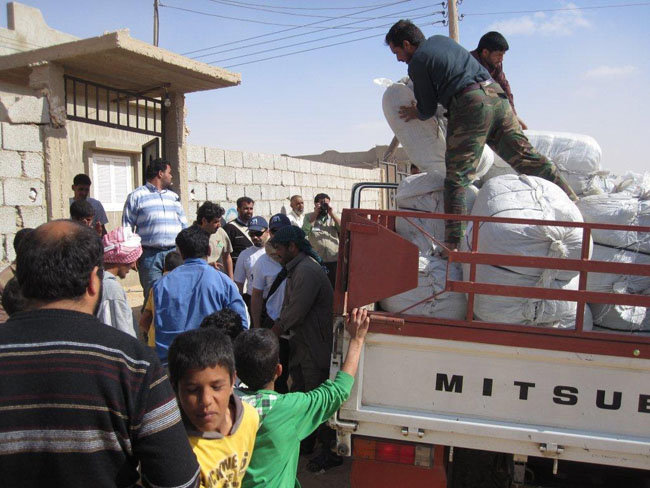
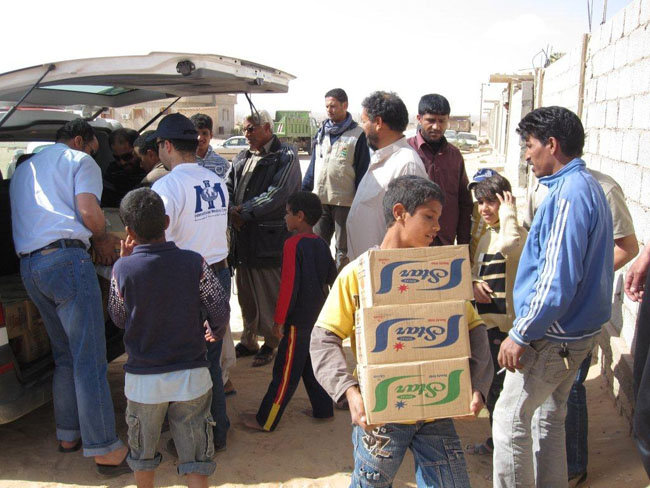
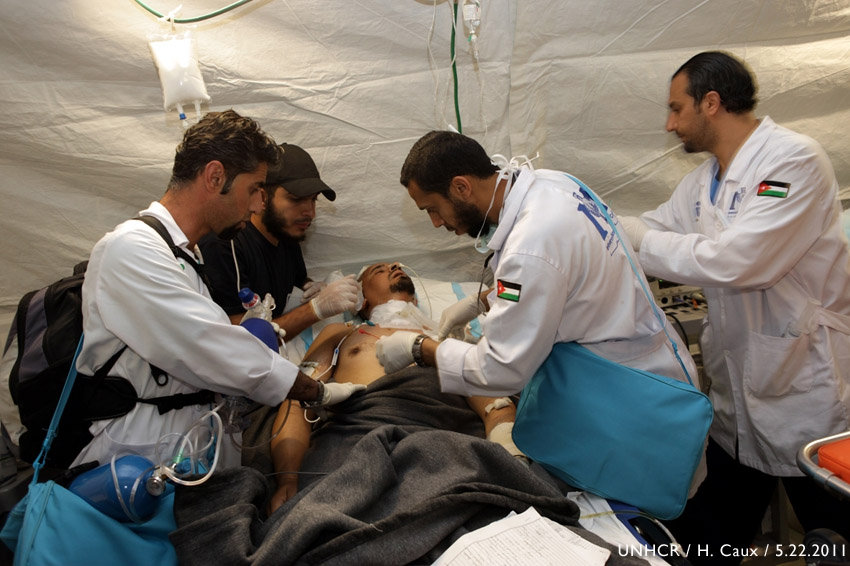
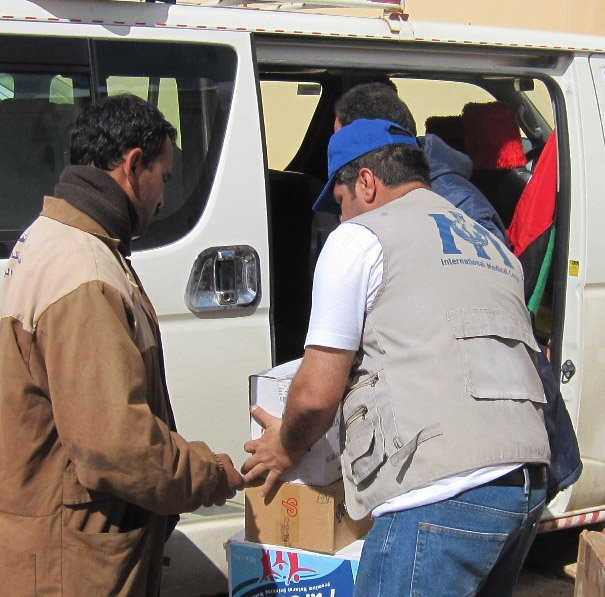
Deploying immediately after fighting broke out in February, our emergency response teams have been caring for the displaced and wounded in the midst of a war zone. International Medical Corps is one of a handful of organizations operating both inside the country and throughout displacement camps along the Tunisian border. We’ve delivered shipments of medicines and food supplies, including more than 20,000 kilos in food aid.
Our teams work in some of the most extreme conditions, caring for patients through severe supply shortages, power outages, and rocket fire. Our doctors and nurses are treating severely wounded individuals in the heavily attacked western city of Misurata and helping to evacuate them by boat. Our team has set up a field hospital outside of the city as well, in order to better care for the large number of evacuees. We are also delivering medical supplies, including trauma and surgical kits, to local hospitals and deploying mobile medical teams to the hardest-hit areas.
After receiving reports from inside the country alleging that Qaddafi’s forces are raping women and girls, International Medical Corps launched training services for local psychiatrists, psychologists and nurses to provide medical and psychosocial support services for rape survivors.
Yet even as this crisis continues, International Medical Corps is working toward long-term recovery. We’re providing psychological first aid training to teachers working with children in Benghazi, to help them overcome the devastating effects of conflict. We have also launched training programs for local healthcare workers, including emergency medic training for senior medical students in Libya. By the end of the 4-week course, trainees will be deployed to the front lines of the conflict, to staff ambulances, aid stations, and hospitals.
In addition to providing emergency medical care, we are working with local partners to develop a new rehabilitation center in Benghazi. The facility will offer long-term physical therapy for those who have survived amputations and other massive orthopedic trauma, spinal cord injuries, and head trauma.
International Medical Corps is committed to helping Libyans endure this conflict and to laying the groundwork for a more stable, secure future. On behalf of International Medical Corps and all of the families we’ve helped, thank you for your support.
Links:
Project reports on GlobalGiving are posted directly to globalgiving.org by Project Leaders as they are completed, generally every 3-4 months. To protect the integrity of these documents, GlobalGiving does not alter them; therefore you may find some language or formatting issues.
If you donate to this project or have donated to this project, you can receive an email when this project posts a report. You can also subscribe for reports without donating.