By Guadalupe Maldonado | General Director
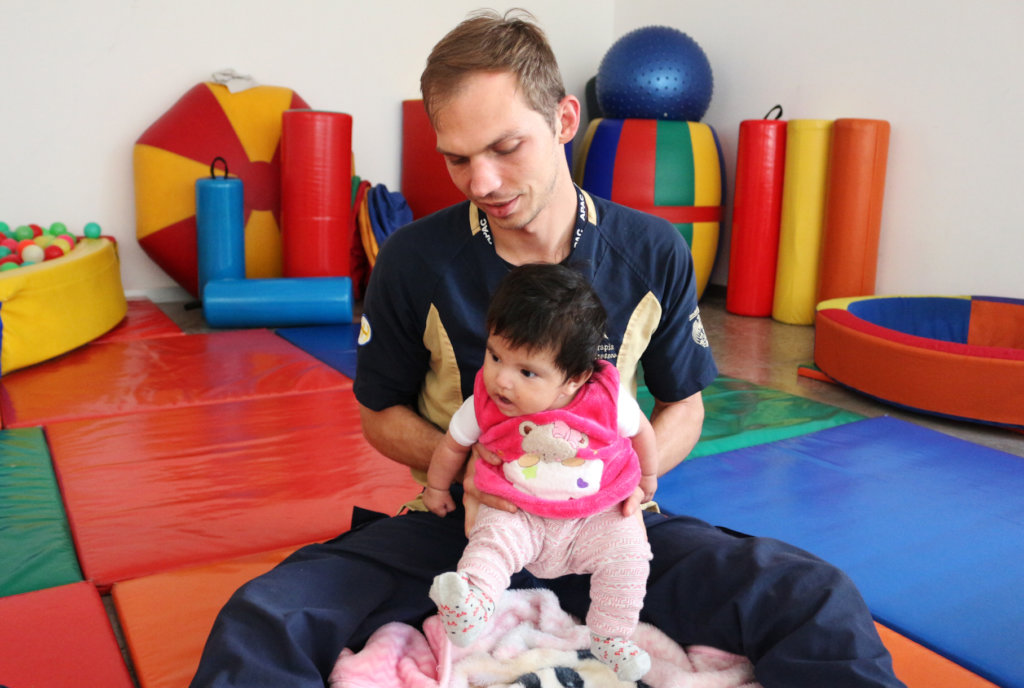
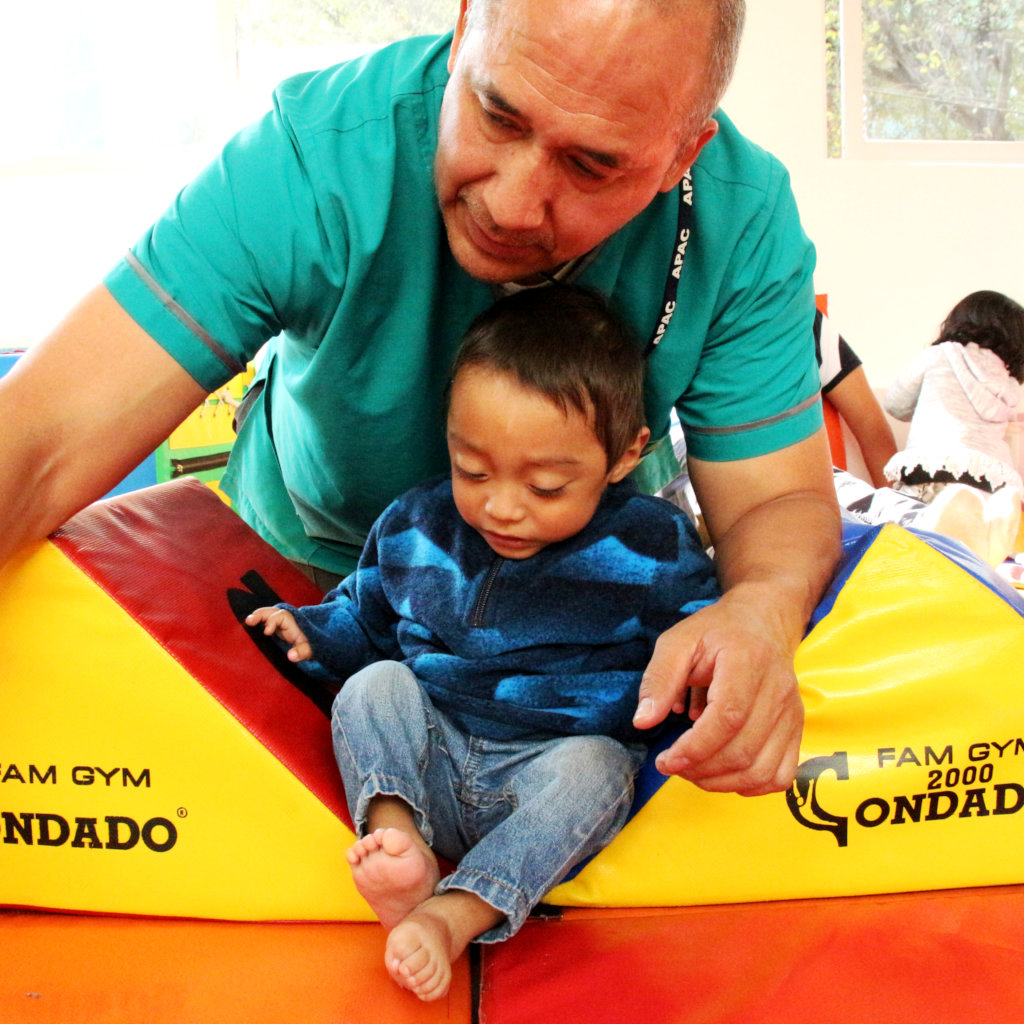
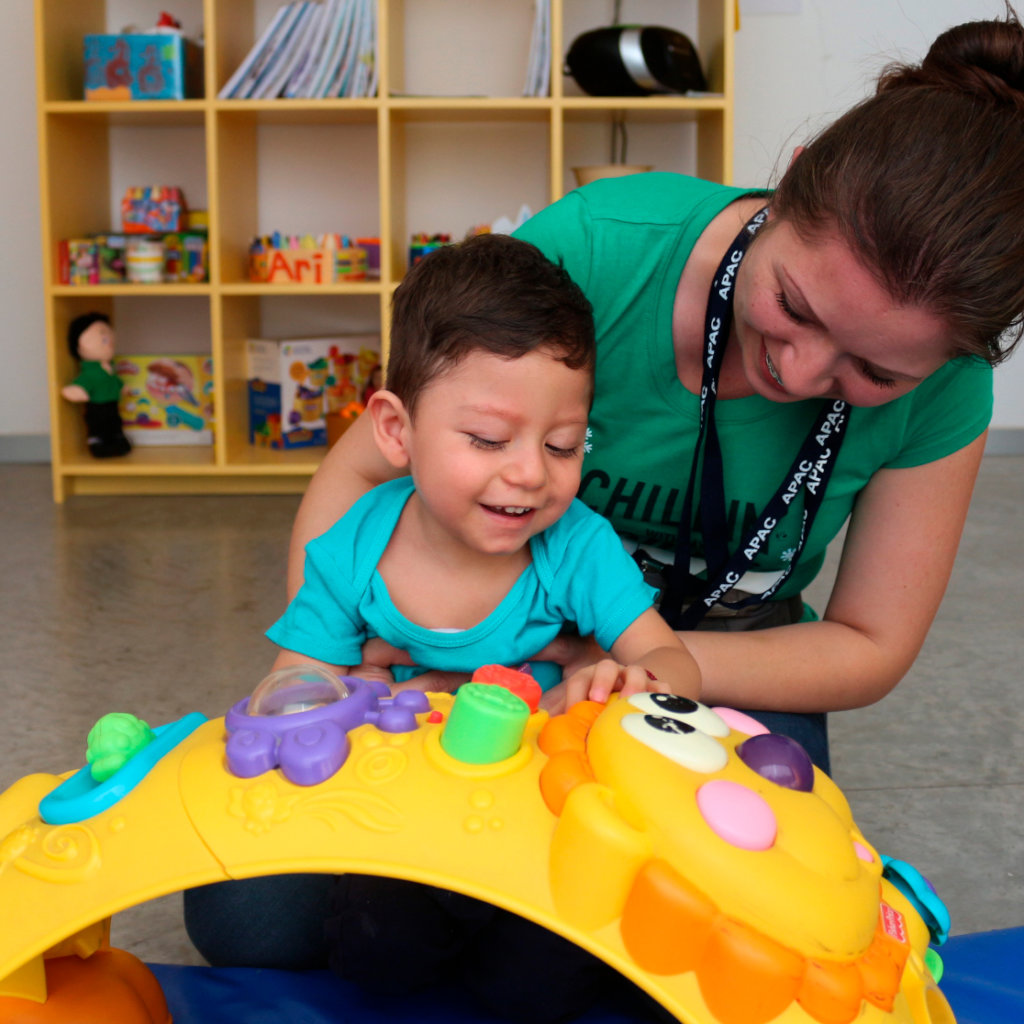
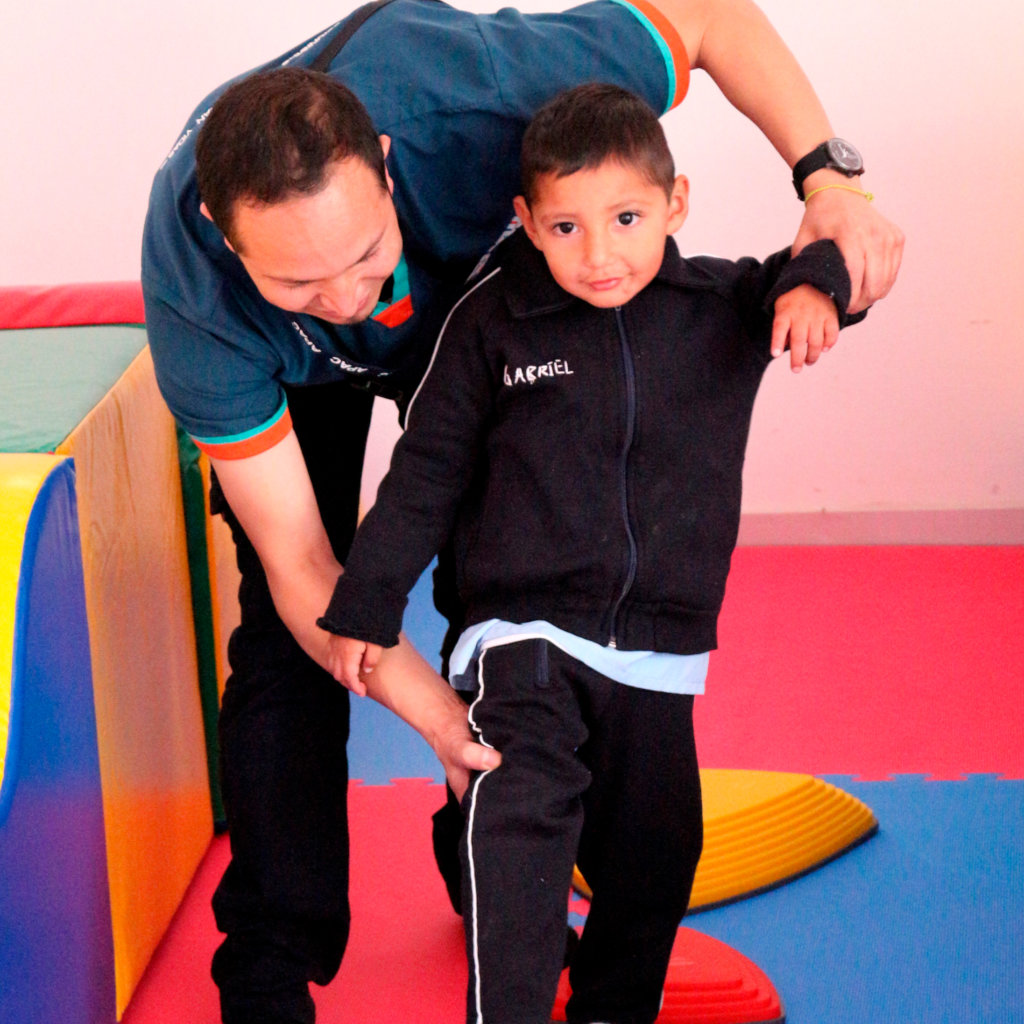
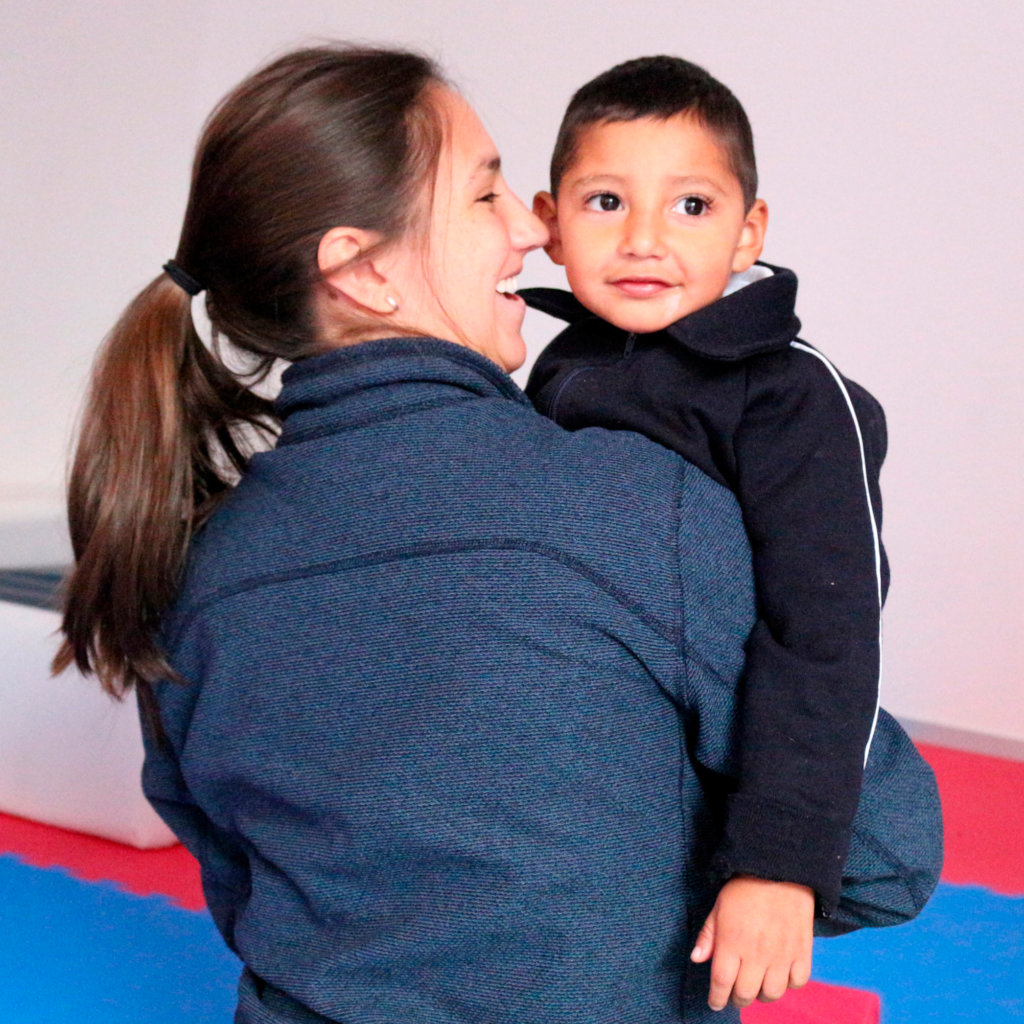
The project has strengthened its abilities to evaluate and attend to the neurological needs of the children through a comprehensive and personalized approach. Currently, the program benefits approximately 150 children annually. The collaboration with specialists of different fields has ensured a coordinated treatment that optimizes the resources and improves the motor, cognitive and emotional development of the children.
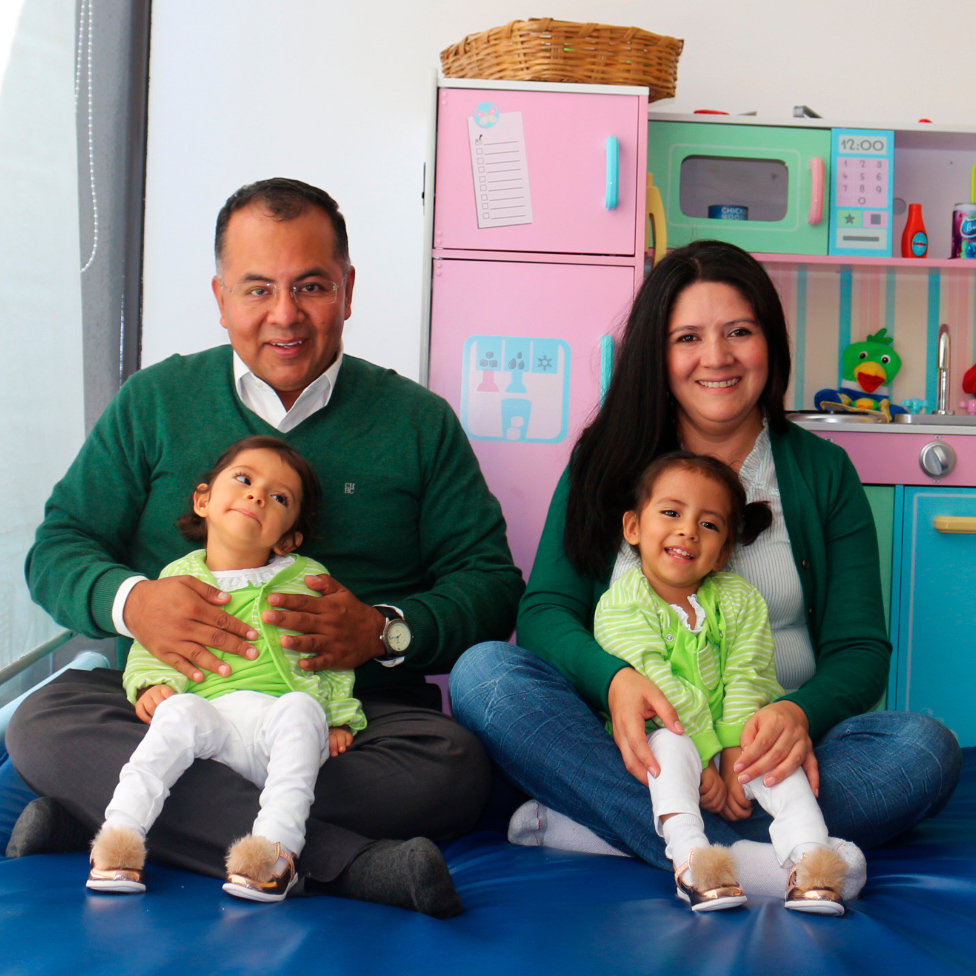
The active participation of families has been fundamental. Through workshops and consultations, we have provided the necessary support to parents to continue the therapies in their households, which benefits the long-term development. The combination of different therapies has led to significant improvements in mobility, balance, communication and autonomy, all contributing to the wellbeing of the beneficiaries.
At APAC, we have demonstrated that timely intervention—starting as early as the first 15 days of life—can significantly reduce, and in some cases even eliminate, the effects associated with neurological risks or disabilities.
Our approach fosters neurological development aligned with the child’s chronological age, enabling the fullest possible physical, cognitive, and emotional growth. This, in turn, facilitates successful inclusion in mainstream education and full participation in society.
Program success story
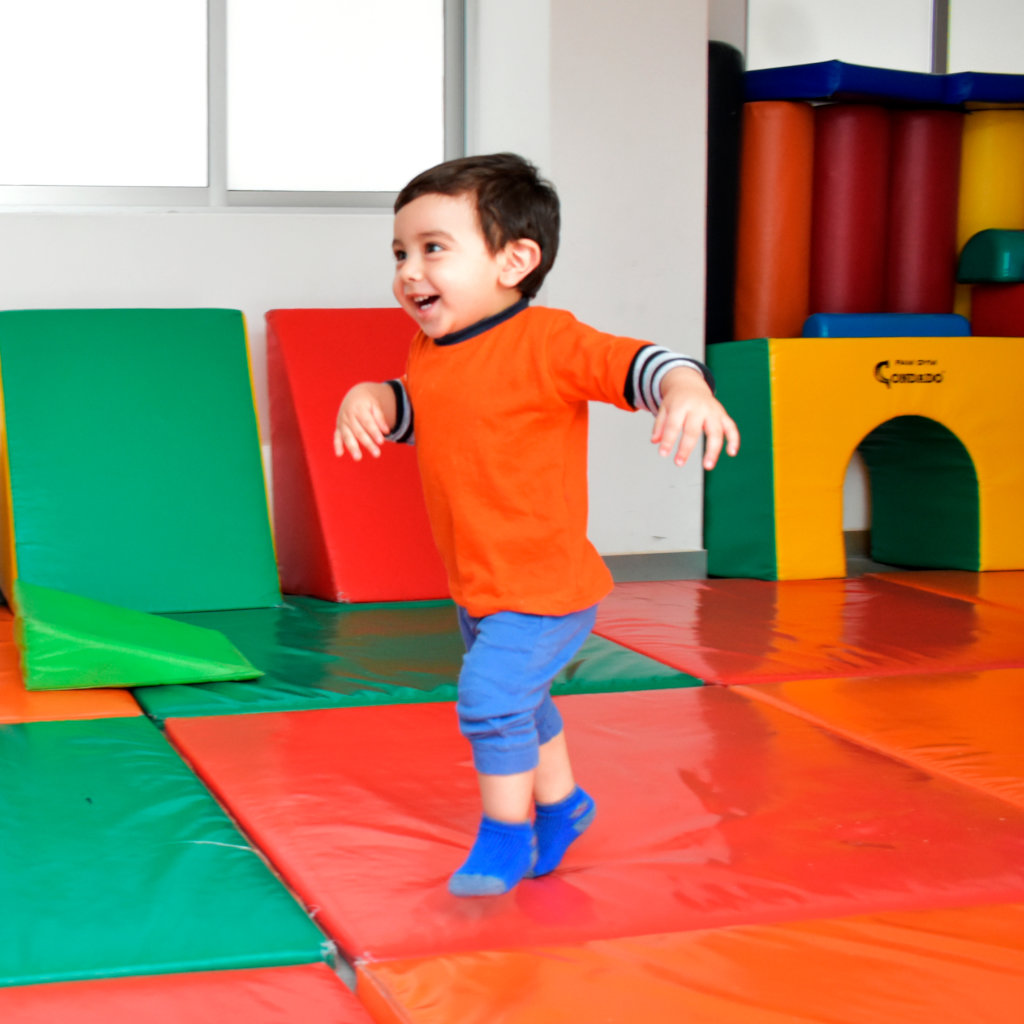
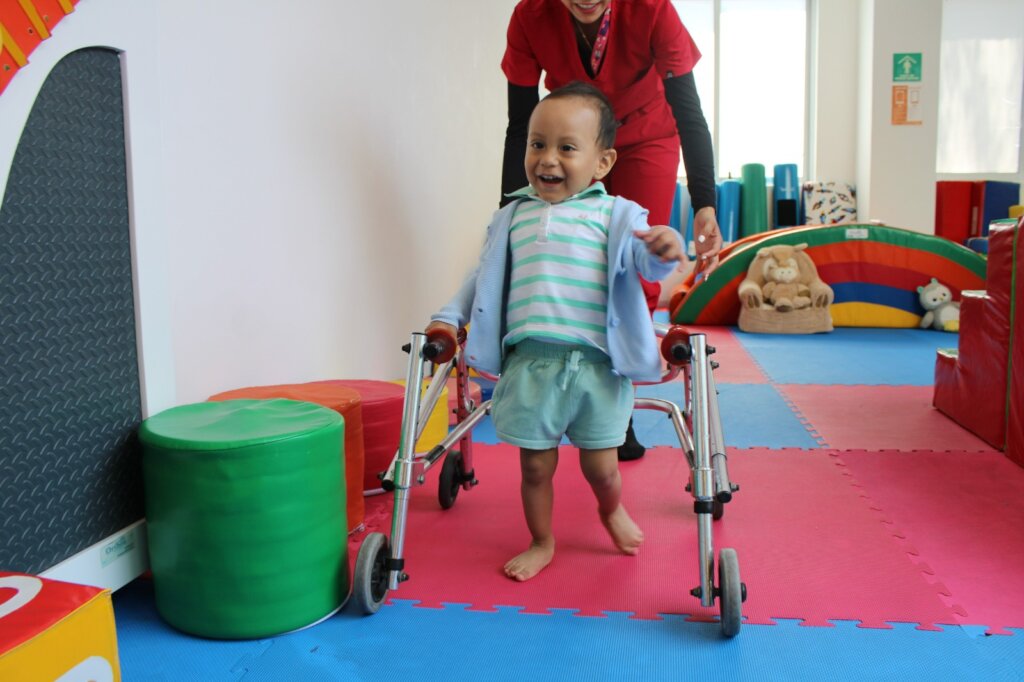
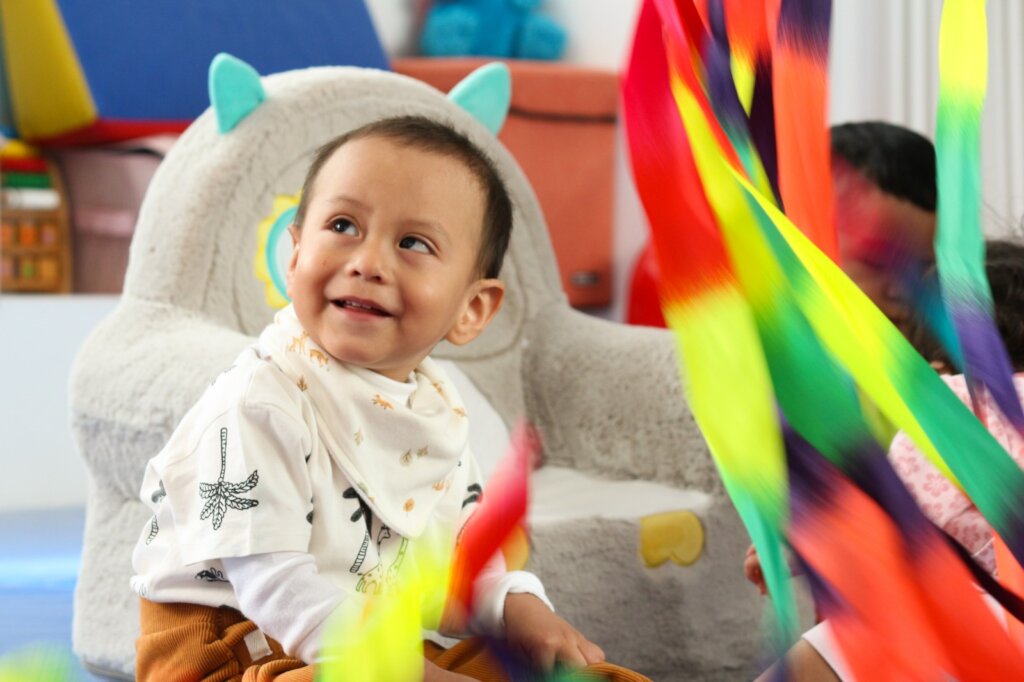
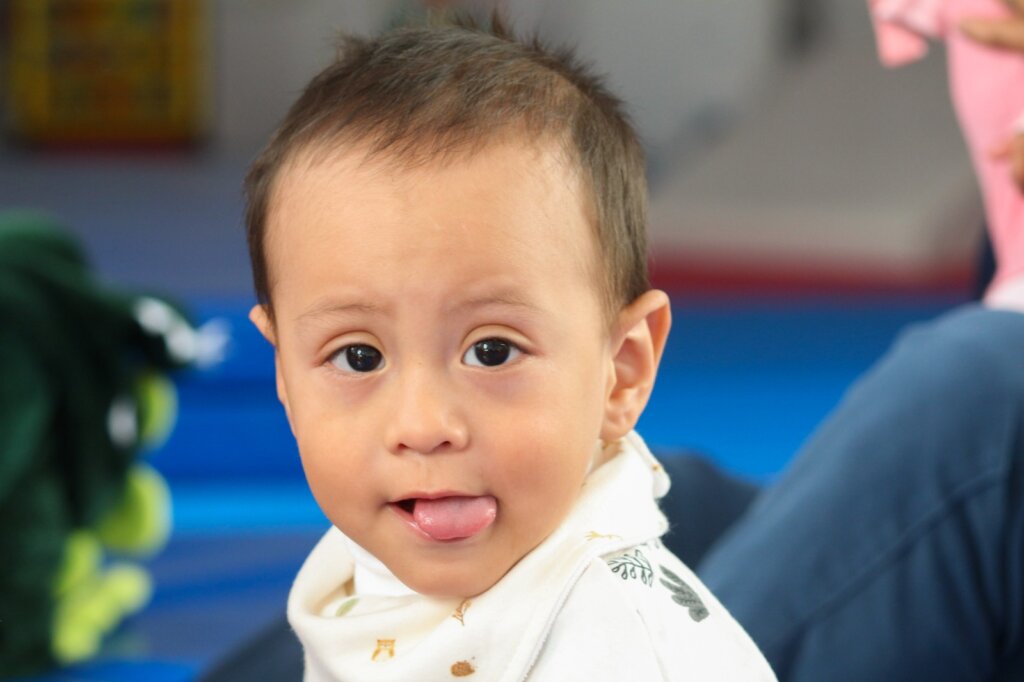
Meet Mateo, a one-year and eight-month-old boy, who was incorporated into the Early Intervention program with a diagnosis of infantile spastic cerebral palsy, left hemiparesis. At the start of the treatment, he presented constant irritability, low tolerance to therapeutic intervention, and zero integration of the left side of his body. This prevented him from moving and made it difficult for him to tolerate positions such as crawling or standing, which in turn limited his interaction with his environment and basic motor development. Through a therapeutic approach that includes physical therapy, hydrotherapy and neuron robotics based on sensory stimuli and ludic activities adapted to his age, Mateo has made significant progress. He has achieved a sitting position on his own, crawl functionally, and explore his environment with more autonomy. We are also working on reducing the crossed pattern in his limbs through specific exercises and assisted walking. Aside from these, we encouraged the active integration of his left side in daily activities such as reaching objects or sustain postures. This progress, accompanied by a reduction in his irritability and major participation during the sessions, strengthened his confidence and adaptability.
Links:
Project reports on GlobalGiving are posted directly to globalgiving.org by Project Leaders as they are completed, generally every 3-4 months. To protect the integrity of these documents, GlobalGiving does not alter them; therefore you may find some language or formatting issues.
If you donate to this project or have donated to this project, you can receive an email when this project posts a report. You can also subscribe for reports without donating.



Support this important cause by creating a personalized fundraising page.
Start a Fundraiser