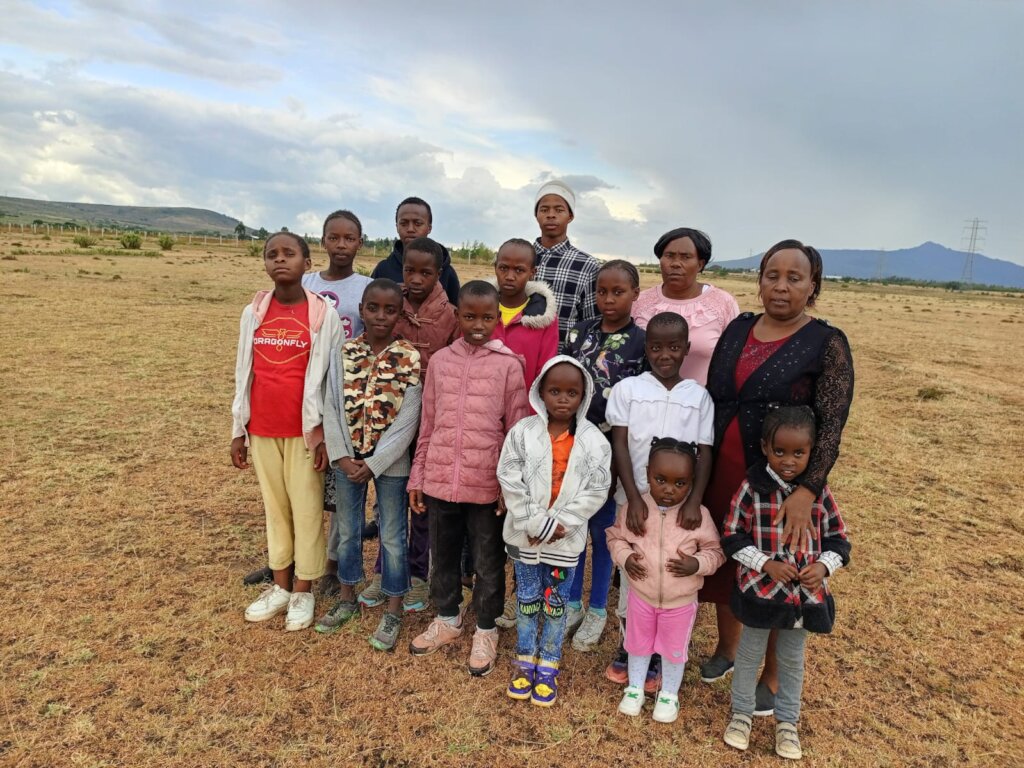
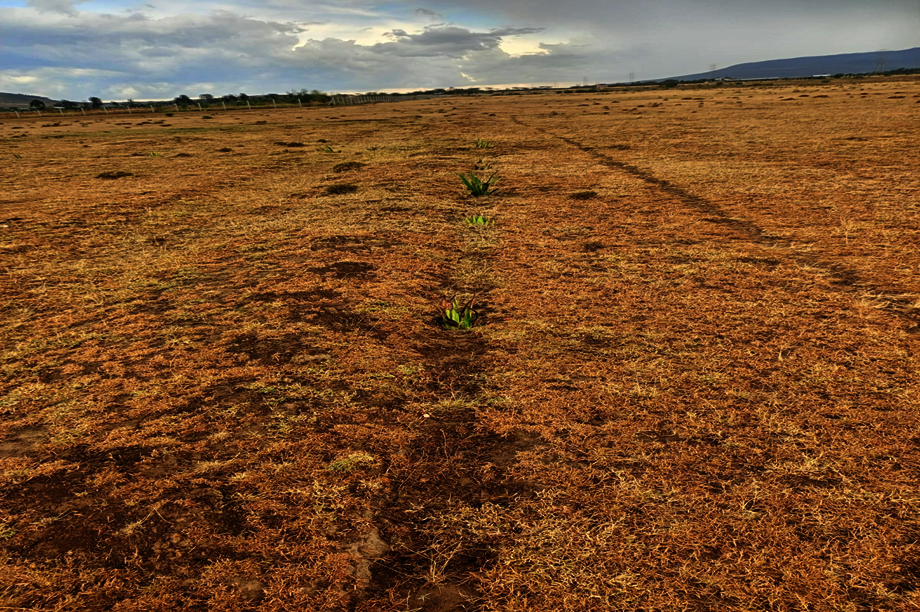
Thirst No More Corporation, in alliance with Change Destiny Life Africa, is in need of protective property fencing for land that has already been purchased, and is designated for the educational development of street children in Naivasha, Kenya. Currently, this land sits unprotected and Kenya is well known for having land grabbers (pirates) that will squat on any piece of undeveloped property that is not clearly marked as owned. This project is designated to addressing this urgent concern.
Since Kenya's independence on December 12, 1963, an estimated 200,000 land titles have been created through land grabbing. Land grabbing entails privatization of public land through illegal allocation of such lands to individuals and corporations, in total disregard of public interest. Emerging issues include overlapping land claims, and conflicting documentation. Resolving these disputes through the legal system can be a lengthy and expensive process. In rural areas, many end up displaced.
The implementation of this protective fencing has proven to be the most effective way of warding off land grabbers (piracy). With many investors viewing Africa as the last frontier for cheap land, and many African governments equate foreign direct investment with promoting economic growth. As a result, entire communities get kicked off their land to make way for hydropower plants, agro-industrial plantations, mining operations, and other large-scale projects, this problem is solved by fencing.
Here are the potential long-term impact points of providing protective fencing: (1) Strengthening property rights. in this definition, property rights refer to the legal framework that protects the right of individuals and communities to own, use, and dispose of land. (2) Establishment of effective land-use planning. Land-use planning is a process that involves identifying and allocating land for different uses, such as agriculture, housing, and conservation.
This project has provided additional documentation in a PDF file (projdoc.pdf).