By Victoria Lin | Development Intern
In March 2020, the Sierra Leonean government declared a 12-month long state of emergency because of the COVID-19 pandemic and the resulting public health emergency. These measures included reducing the hours for market traders, restricting access to correctional centres, imposing lockdown periods, mandatory masks in public places, restricting travel between provinces, and a nationwide curfew. While some of the measures have since been lifted, we have found that these measures tend to disproportionately affect the marginalised women and girls we work with.
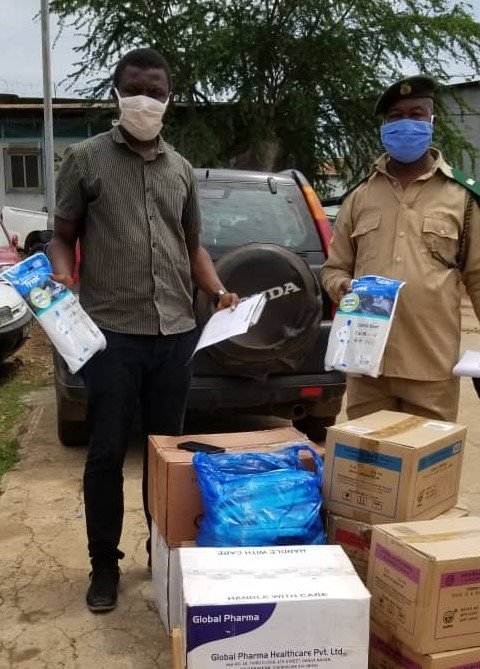
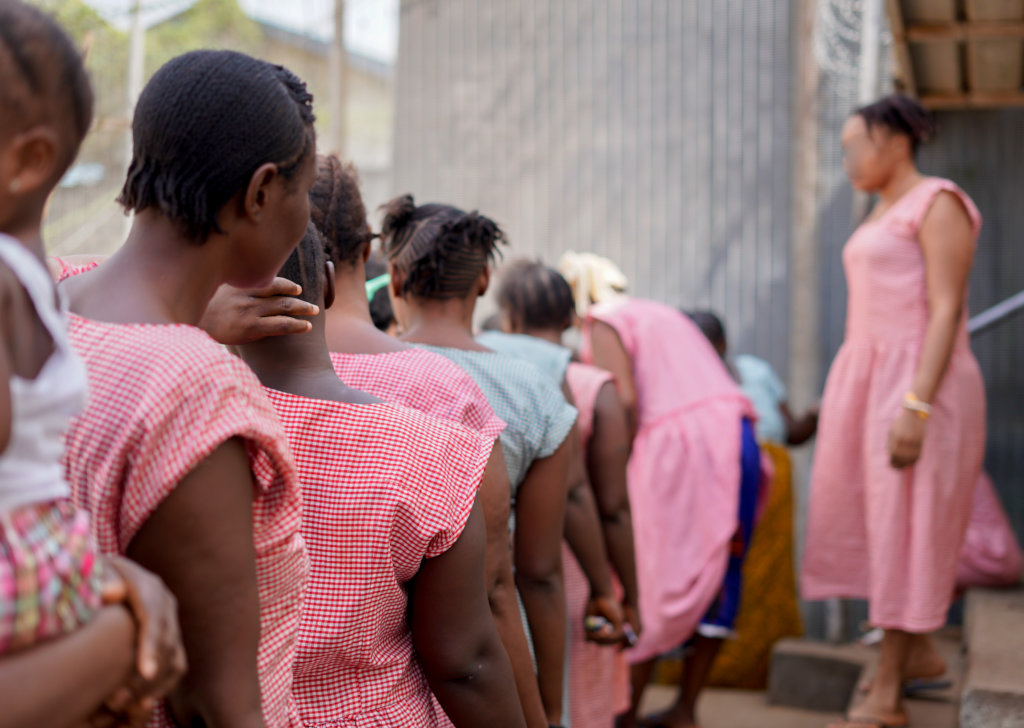
To respond to these challenges, we have been calling on the government to reduce overcrowding by releasing pre-trial and vulnerable detainees, continued to work towards the decriminalisation of petty offences to avoid more women being incarcerated for minor offences, and we have continued delivering welfare packs to those who need it most as part of our holistic support.
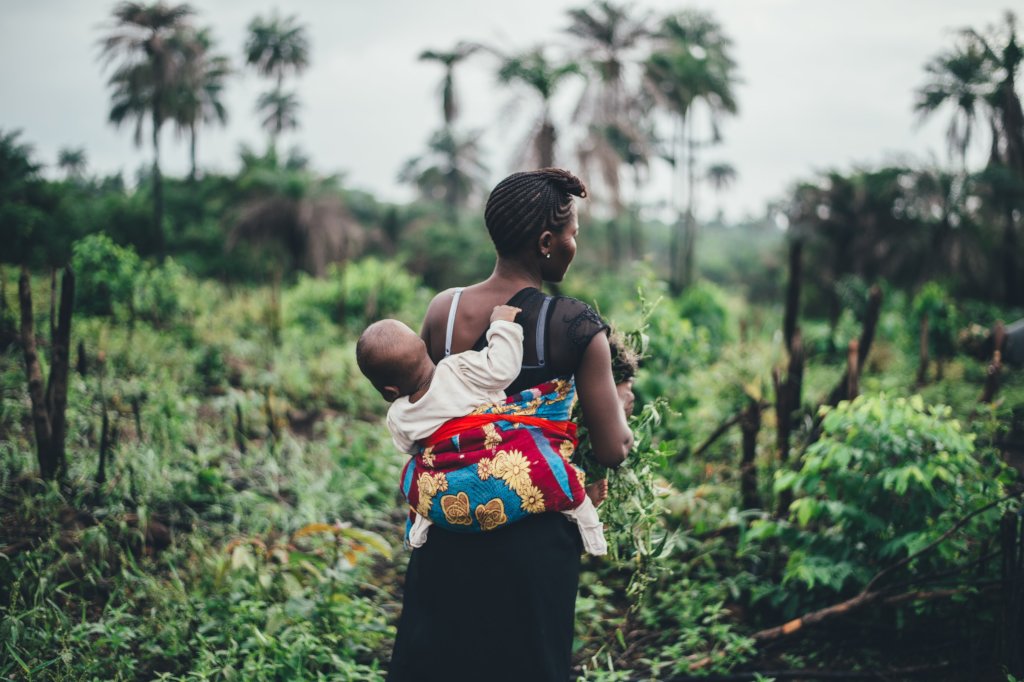
Felicia* was a mother with a new-born struggling to provide for herself and her son. With trading hours restricted by the curfew, her earnings were much reduced. Whatever she made was spent on his care and buying a small amount of food for herself when she could afford it.
One day Felicia went out to sell her goods before the curfew started. She did not have a mask on and was caught by a police officer who immediately arrested her. She did not have the money to buy a new mask.
When AdvocAid arrived, Felicia was pleading with the officer: “Officer, I beg you… I cannot buy a mask. If I do, I won’t have money for food. My body will struggle to feed my poor suckling baby”.
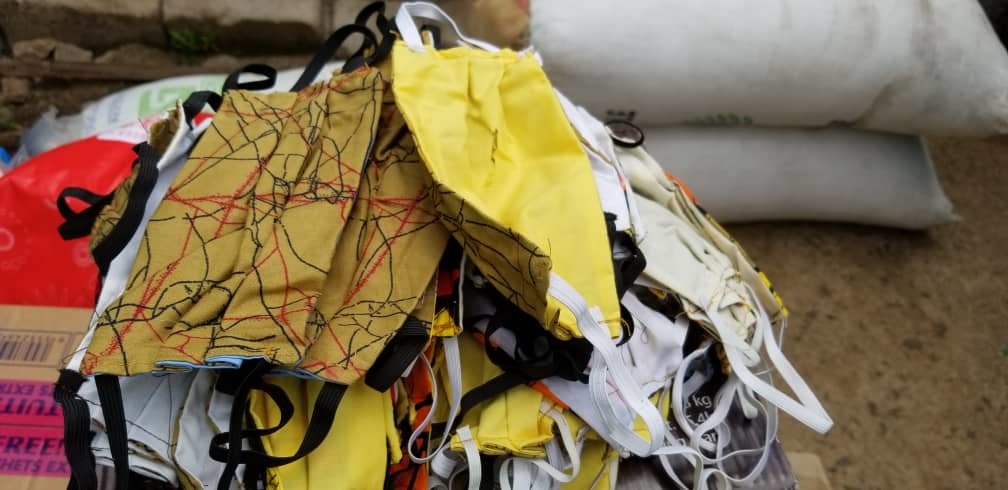
AdvocAid mediated for Felicia’s immediate release and provided her with a mask so that she can comply with the mask-wearing regulations and keep safe.
At the end of May 2020, new regulations were introduced under the State of Health Emergency making it compulsory for all citizens to wear face masks when out in public. The penalties for failure to comply are a substantial fine or a short jail sentence.
Marginalised women, who were already struggling financially during this pandemic, were disproportionately affected as they were forced into debt to pay such fines, or faced incarceration for their inability to pay.
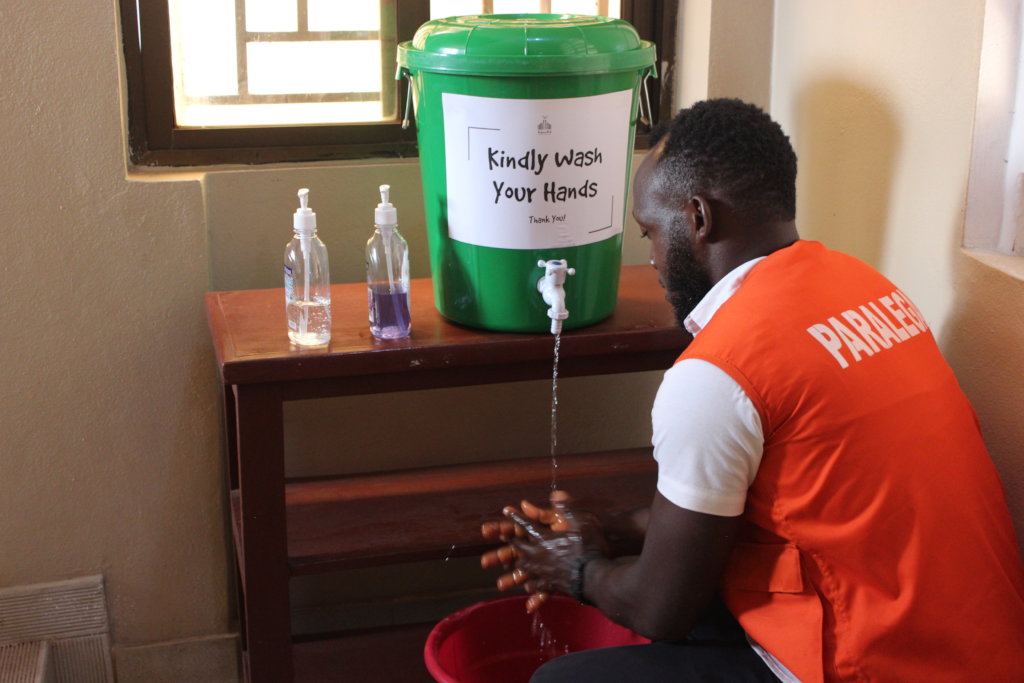
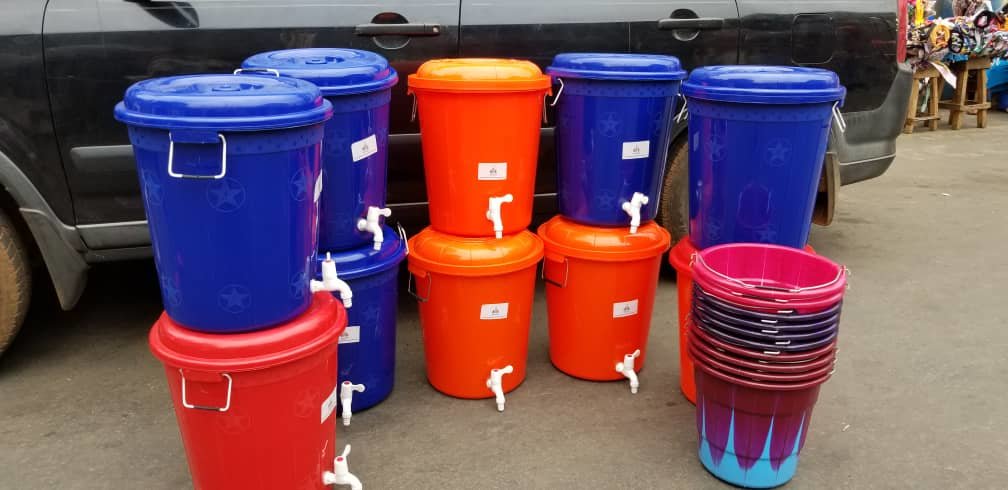
We recognise the importance of face masks to prevent the spread of COVID-19. Using a public health approach, rather than a law enforcement approach, protects people and avoids burdening the justice system. With funding from OSIWA, AdvocAid has been working to support women and girls in contact with the law to protect their rights and help minimise their risks of contracting COVID-19. Our interventions to prevent women like Felicia from being detained helps reduce the pressure on already overcrowded detention centres and prevent uncontrollable spreads of COVID-19.
*Names have been changed to protect the individuals’ identities
You can follow us on social media through these links:
Project reports on GlobalGiving are posted directly to globalgiving.org by Project Leaders as they are completed, generally every 3-4 months. To protect the integrity of these documents, GlobalGiving does not alter them; therefore you may find some language or formatting issues.
If you donate to this project or have donated to this project, you can receive an email when this project posts a report. You can also subscribe for reports without donating.