Conservation Through Public Health protects Uganda's endangered mountain gorillas with a "One Health" approach that improves the health of gorillas and people together - reducing disease transmission at the people-wildlife-livestock interface while improving community livelihoods.
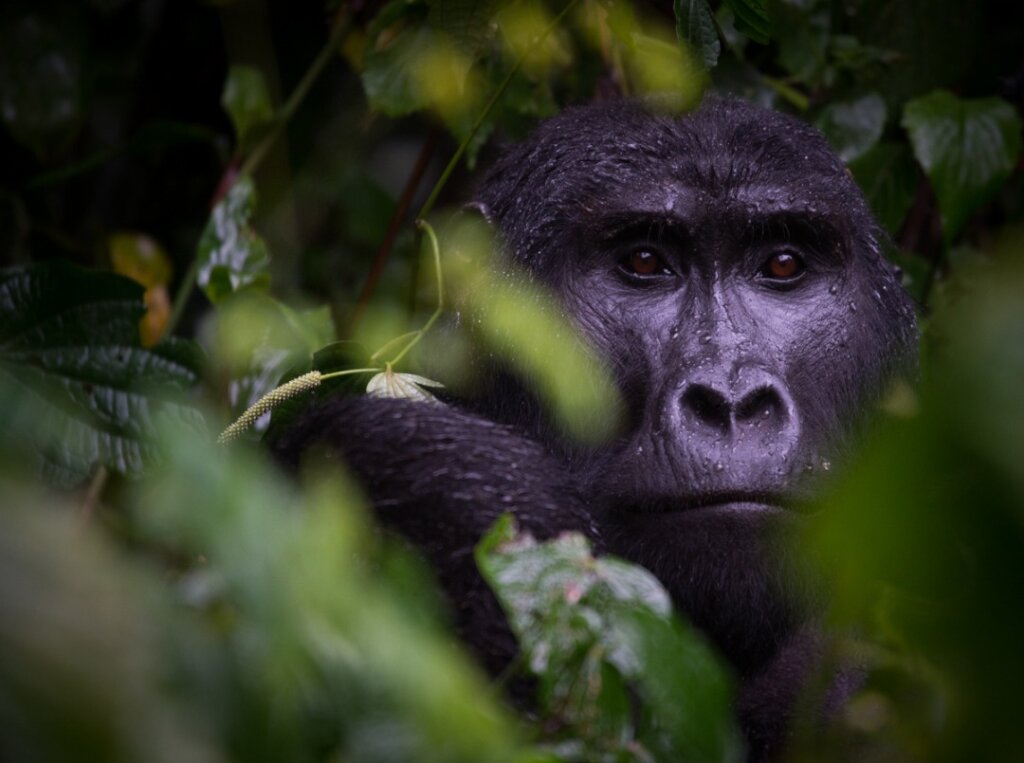
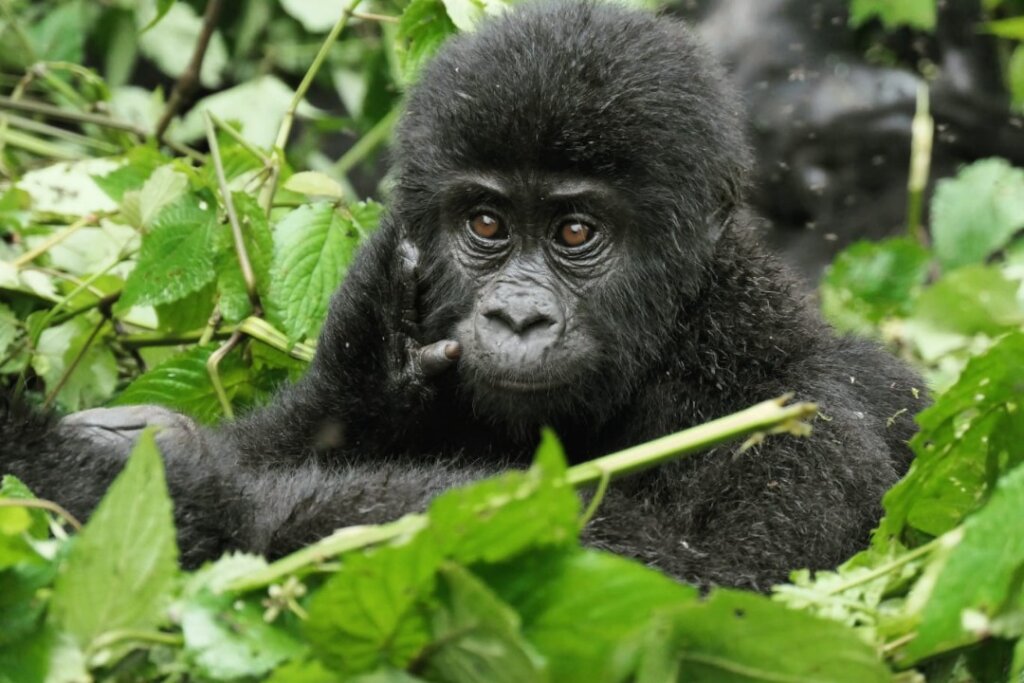
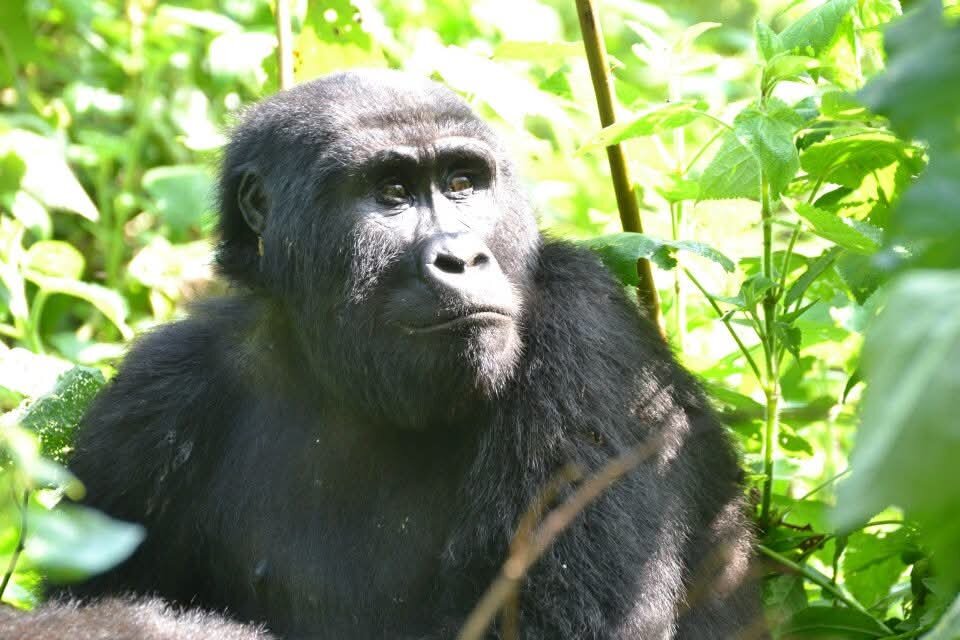
Bwindi Impenetrable National Park is home to roughly half of the world's remaining mountain gorillas, a critically important stronghold for this endangered species. Yet these gorillas face escalating threats from disease transmission at the human-wildlife interface, habitat pressure driven by poverty and population growth, and increasing contact with people, livestock and cultivated land around the park.
Protecting the mountain gorillas of Bwindi requires an integrated, community-driven approach that addresses the interconnected health, livelihood, and conservation challenges that place this endangered population at risk. Disease transmission between people, livestock, and gorillas is one of the most significant threats to their survival. CTPH's solution strengthens health systems for both humans and wildlife while reducing the conditions that drive unsafe contact at the forest edge.
Conservation Through Public Health's integrated approach creates healthier communities, stronger ecosystems, and a thriving gorilla population. By reducing disease transmission, improving livelihoods, fostering local stewardship, and promoting coexistence, it ensures that Bwindi's mountain gorillas can thrive while communities benefit sustainably from their protection. The mountain gorilla is the only gorillas subspecies with an increasing population - CTPH's work contributes to this.



Support this important cause by creating a personalized fundraising page.
Start a Fundraiser