By Dr. Gladys Kalema-Zikusoka | Founder and CEO
This report highlights the progress of Conservation Through Public Health’s (CTPH) project, Protecting Uganda’s Endangered Mountain Gorillas (73564). In the previous reporting period, the project had received 11 donations totaling $1,540.42 toward the $40,000 fundraising goal. To date, contributions have increased to 15 donations, amounting to $1,586.38, reflecting steady progress in mobilising support for gorilla conservation.
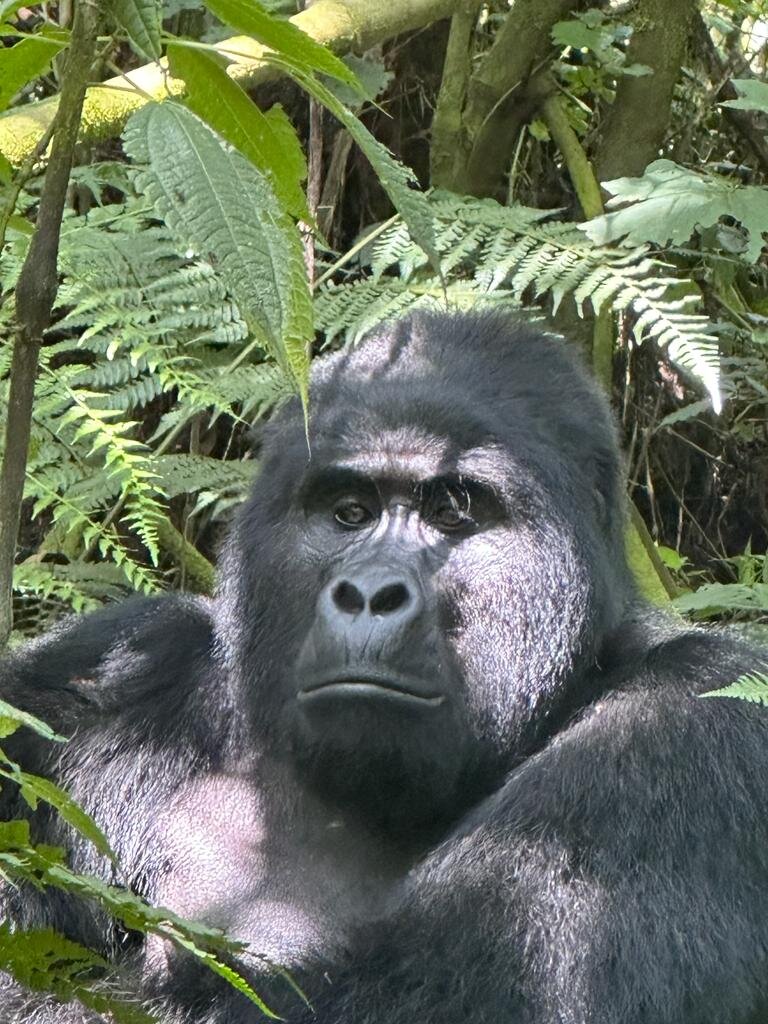
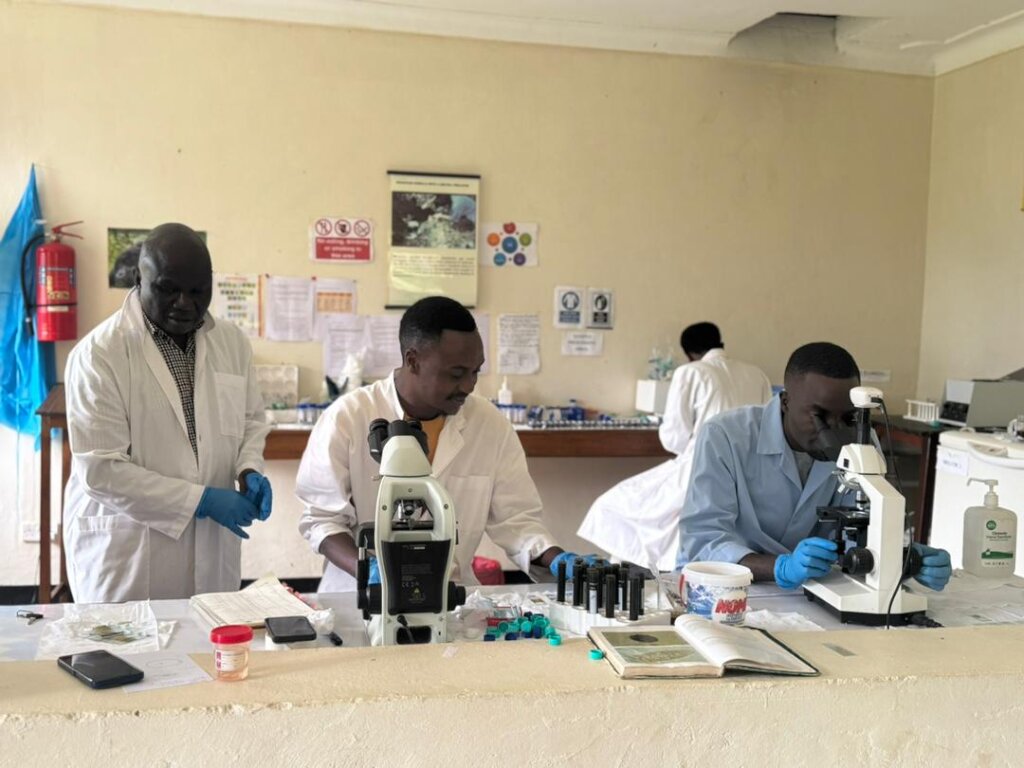
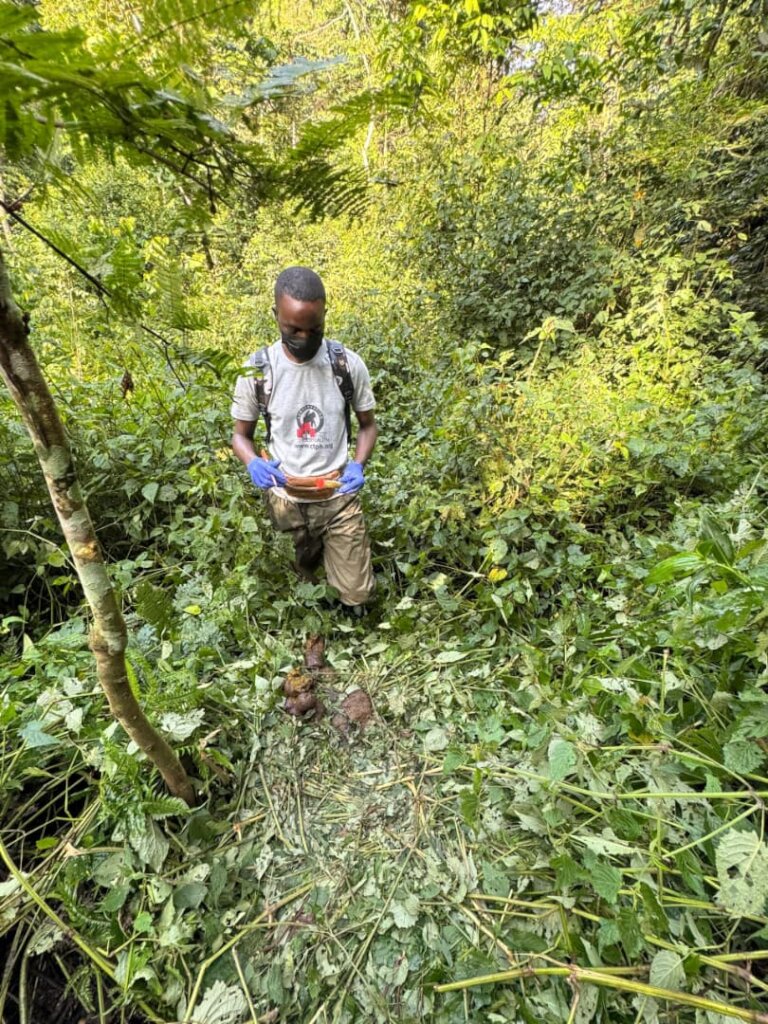
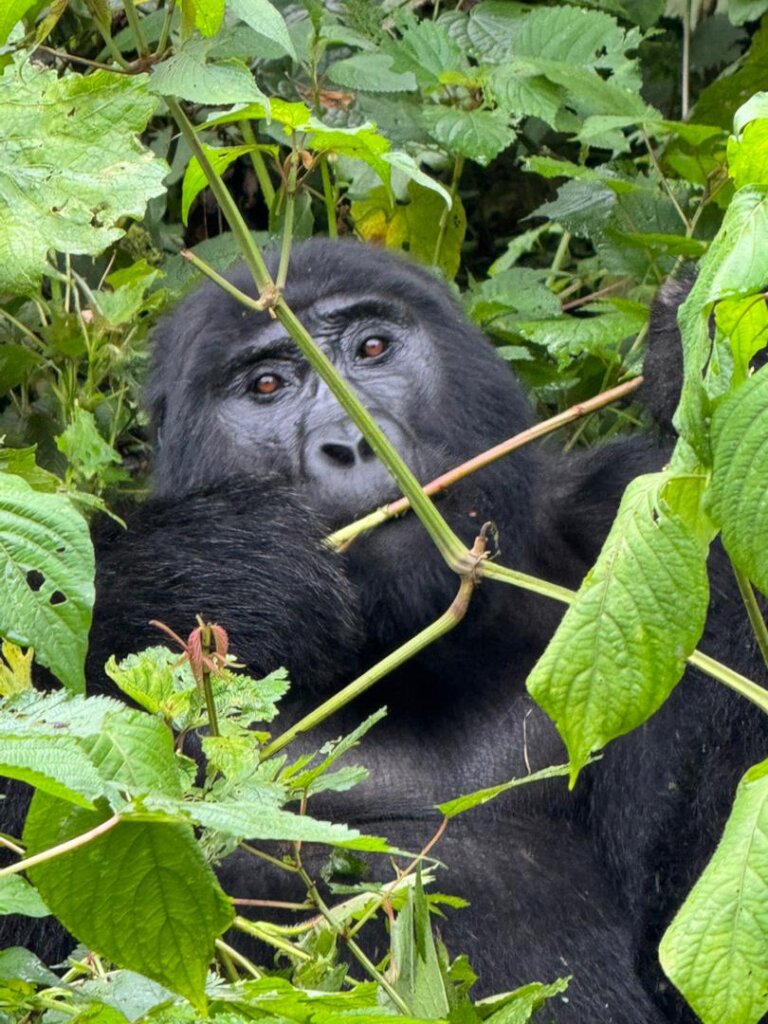
Under CTPH’s routine Gorilla Health Monitoring Program, an average of 204 gorilla fecal samples are collected and analyzed each month, creating an early warning system for zoonotic infections that enables evidence-based interventions to safeguard the health of mountain gorillas in and around Bwindi Impenetrable National Park (BINP). CTPH monitors the health of all habituated gorilla groups in BINP.
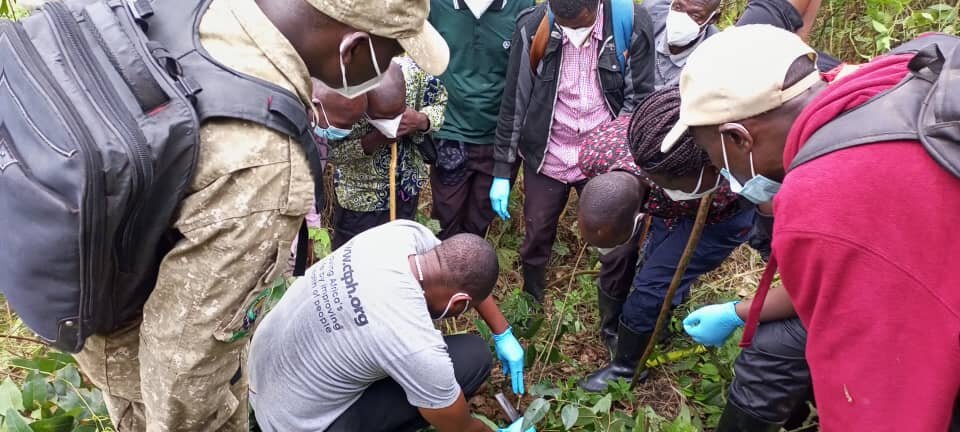
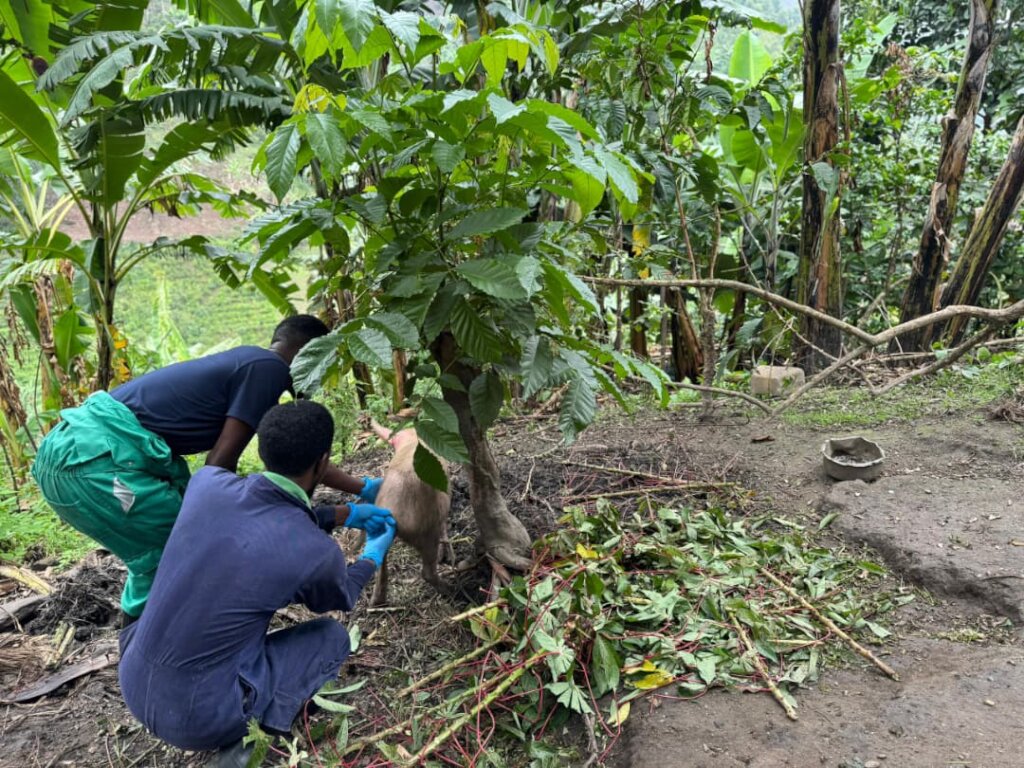
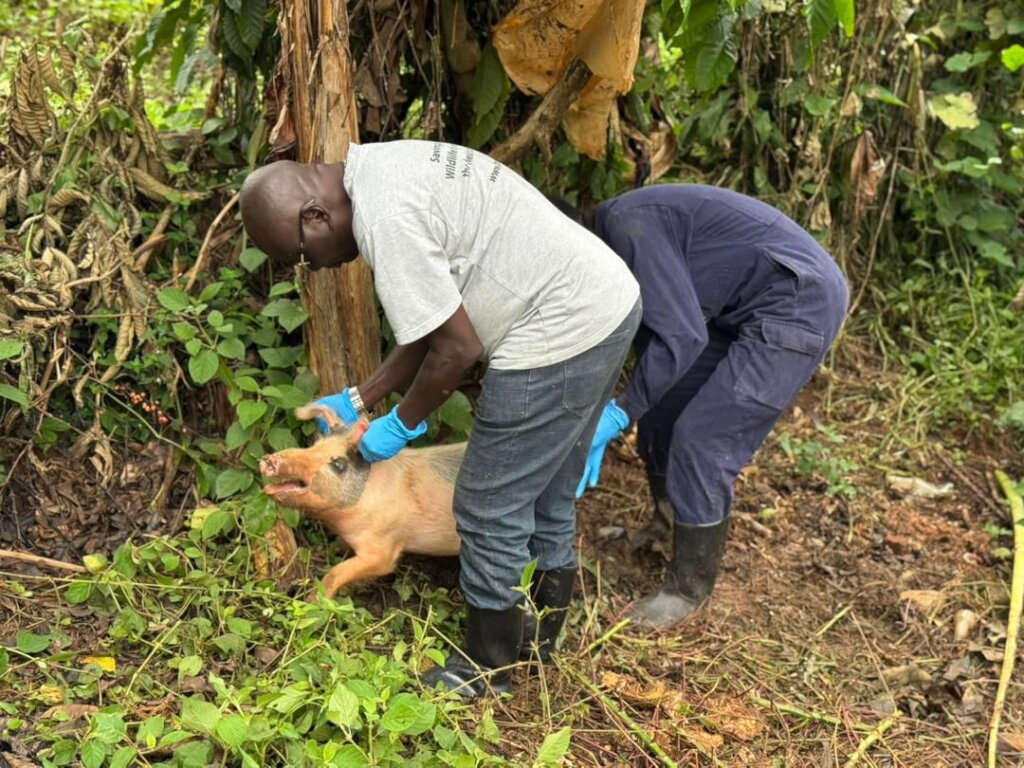
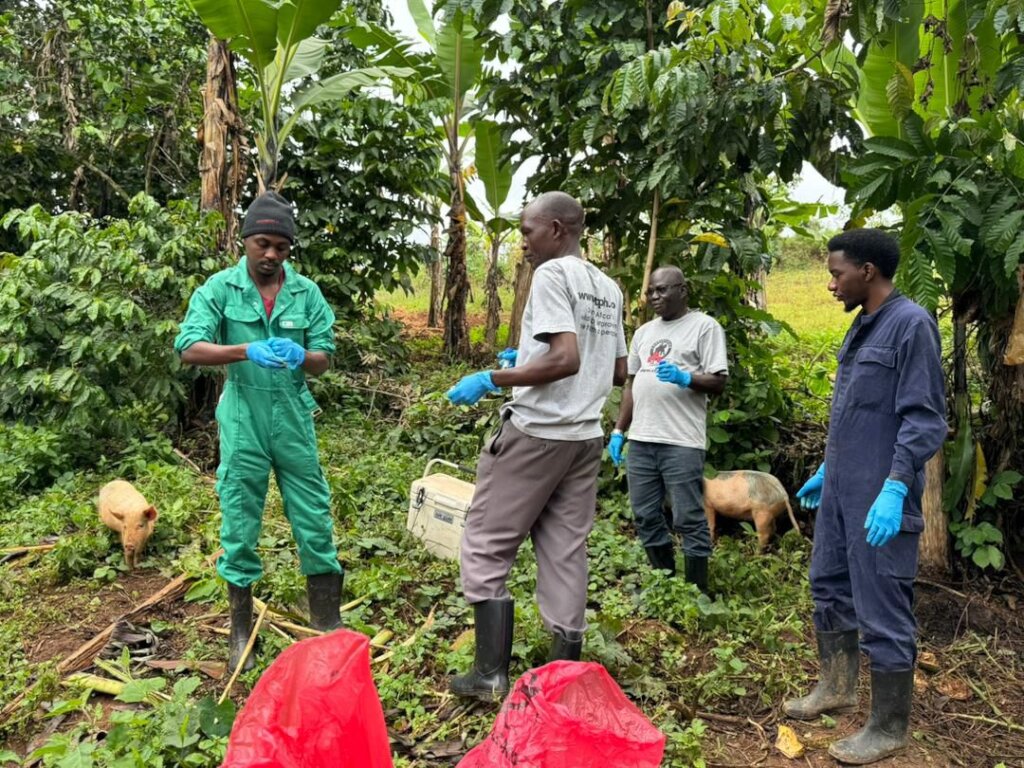
A comparative disease study focusing on Ascaris as the main indicator following frequent infections in particular gorilla groups was conducted between March and May 2026 across the northern sector of Bwindi Impenetrable National Park. 300 human and 139 swine samples were collected in March 2026, identifying 121 human and 27 swine Ascaris cases, alongside 25 human and 117 swine hookworm infections. This prompted a large-scale deworming intervention reaching 5,528 humans and 250 swine in the target communities.
Follow-up laboratory assessments conducted in May demonstrated remarkable results, with allsamples testing negative for Ascaris spp. Swine hookworm EPGs were also reduced by 96.8%. While a small residual hookworm burden remains in swine, this may indicate ongoing environmental reinfection pressure or the early emergence of drug resistance, showing need for continued surveillance and monitoring. We are working on publishing full results from this study by the end of the year.
CTPH continues to improve One Health practices and livelihoods among communities surrounding BINP through integrated service delivery and behaviour change interventions. The proportion of households attaining “One Health Green Model Household” status, defined as meeting at least nine of twelve health, hygiene, environmental, and conservation indicators, have increased to 65% of over 10,600 households monitored around BINP. This represents a nearly threefold increase over the past three years, up from 22% in 2022, demonstrating sustained progress toward healthier communities, reduced gorilla health risks, and strengthened ecosystem conservation measures.
Ebola Virus Disease Response
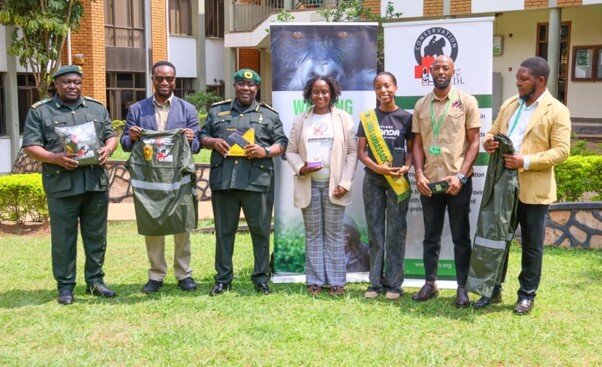
Thanks to the generosity of Donors from around the world, on 11th June 2026, CTPH was able to donate essential surveillance and protective equipment to the Uganda Wildlife Authority (UWA) to support ongoing Ebola detection and response efforts and strengthen the Bwindi and Mgahinga Conservation Area surveillance system, to protect endangered mountain gorillas and other wildlife and the park staff and surrounding local communities.
The donations were officially handed over by CTPH Founder and CEO Dr. Gladys Kalema-Zikusoka, CTPH Co-Founder Mr. Lawrence Zikusoka, and other members of the CTPH team, including Program Manager Ebenezer Paul, and Stakeholders and Partnerships Coordinator Richard Bagyenyi, which included;
The infrared thermometers were funded through donations from our generous individual donors; while the rain gear, smartphones and power banks were funded through the annual Tusk Trust Wildlife Ranger Challenge, a global fundraising initiative that supports wildlife rangers through essential equipment, welfare, and operational support to strengthen conservation efforts in wildlife protected areas.
We are again participating in this year’s Wildlife Ranger Challenge, taking place from July through September. This important initiative strengthens our ongoing support for Bwindi rangers, who safeguard endangered mountain gorillas and other wildlife. We welcome partners and supporters to stand with us in recognizing and amplifying the vital role these rangers play in conservation.
The donated items will help UWA strengthen disease outbreak preparedness, detection and response; enhance ranger welfare and safety; improve field communication, reporting, data collection and management to enhance wildlife conservation efforts in the Bwindi and Mgahinga Conservation Areas. The non-contact infrared thermometers are especially important during this time as Uganda responds to the Ebola outbreak to facilitate early disease detection through temperature screening of people visiting the Bwindi and Mgahinga National Parks to track the mountain gorillas.
We sincerely appreciate all our supporters and GlobalGiving for providing us with this platform. It enables us to carry out routine gorilla health monitoring and implement other interventions aligned with our project goal of Protecting Uganda’s Endangered Mountain Gorillas.
Links:
By Dr. Gladys Kalema-Zikusoka | Founder and CEO
Project reports on GlobalGiving are posted directly to globalgiving.org by Project Leaders as they are completed, generally every 3-4 months. To protect the integrity of these documents, GlobalGiving does not alter them; therefore you may find some language or formatting issues.
If you donate to this project or have donated to this project, you can receive an email when this project posts a report. You can also subscribe for reports without donating.



Support this important cause by creating a personalized fundraising page.
Start a Fundraiser