By Betty Gisore | Grants and Administrative Assistant
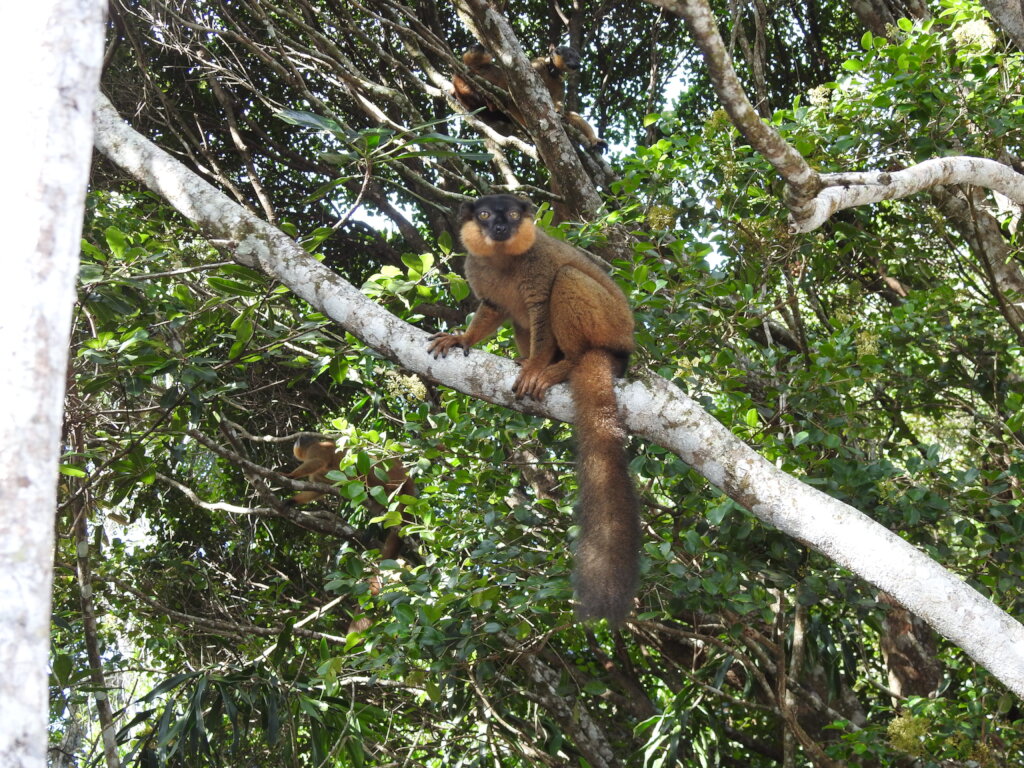
Over the past eighteen months, The Ala Programme: Phase III has made significant progress toward restoring and protecting the Sainte Luce Littoral Forest (SLLF) in southeastern Madagascar, one of the country’s most threatened ecosystems and home to several endangered lemur species. Despite severe environmental challenges, the programme has adapted and continued to deliver meaningful conservation outcomes.
A major milestone was achieved in September and November 2024, when Thomas’ Dwarf Lemurs were recorded using Corridor 3 for the first time. These sightings provide strong evidence that the forest corridors are successfully reconnecting fragmented habitats and supporting the movement and survival of endangered nocturnal lemurs.
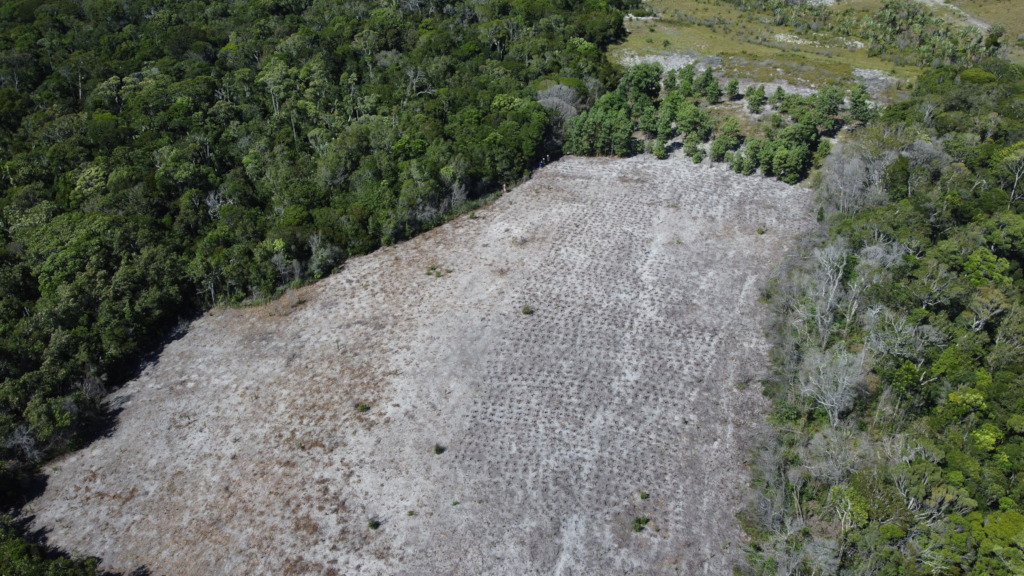
The programme also faced unprecedented climate-related challenges. Extreme drought conditions in late 2024 caused high seedling mortality and contributed to a major wildfire in January 2025, which damaged all five Ala forest corridors and part of the S8 forest fragment. Shortly afterwards, Tropical Storm Jude caused further destruction by toppling hundreds of trees. In response, SEED strengthened its restoration and fire prevention strategies, significantly expanding firebreaks, increasing the number of trained fire agents, and enhancing community fire awareness activities across seven local communities.
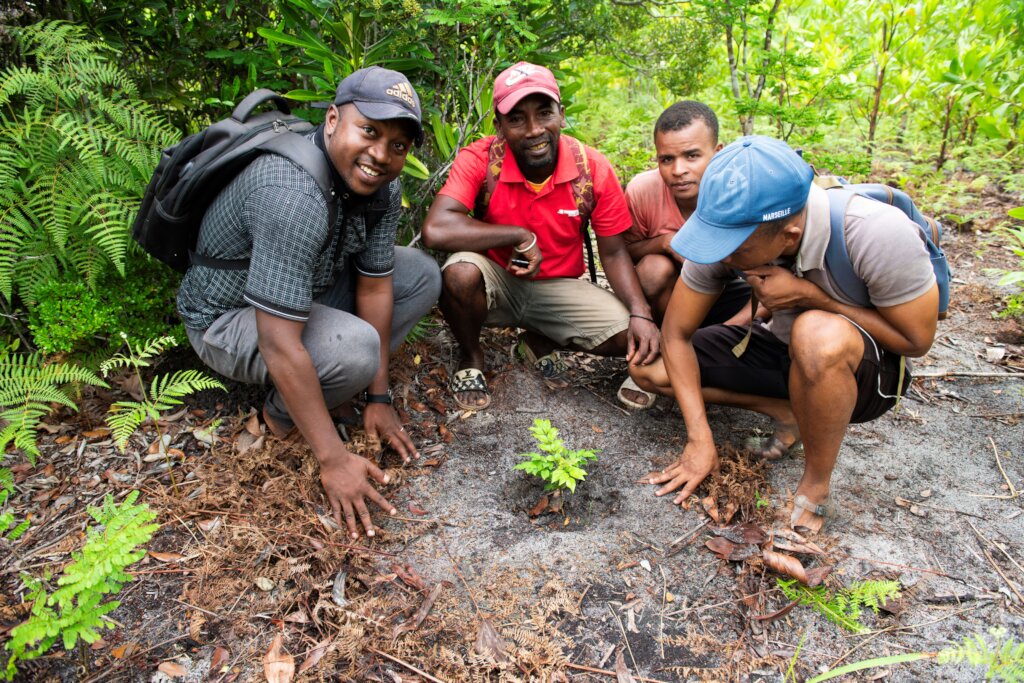
Recovery efforts have progressed strongly. SEED expanded the Ala Nursery from a capacity of 12,000 seedlings to more than 31,000 native seedlings across 29 indigenous species. New planting strategies based on open-ground restoration have already shown promising results, with survival rates of 81% compared to 39% in previous Acacia-planted corridors. SEED also purchased additional land to widen and strengthen forest corridors, improving long-term habitat resilience and connectivity.
Alongside ecological restoration, the programme continued to strengthen community partnerships through environmental awareness sessions, collaborative land agreements, and financial literacy training for corridor landowners.
As the programme enters its next phase, SEED plans to plant more than 20,000 native seedlings in 2026, representing the largest and most ambitious restoration effort in the Ala Programme’s history.
Project reports on GlobalGiving are posted directly to globalgiving.org by Project Leaders as they are completed, generally every 3-4 months. To protect the integrity of these documents, GlobalGiving does not alter them; therefore you may find some language or formatting issues.
If you donate to this project or have donated to this project, you can receive an email when this project posts a report. You can also subscribe for reports without donating.



Support this important cause by creating a personalized fundraising page.
Start a Fundraiser