By Camilla Capel | Development Executive
Keeping watch over rhinos at every scale
Rhino conservation depends on constant vigilance. It means rangers walking long distances across remote desert landscapes, community patrol teams protecting village edges, specialist dogs helping track wildlife crime, and young people learning why rhinos are worth protecting. This year, your support helped safeguard rhinos in two very different but equally important landscapes: Namibia and India.
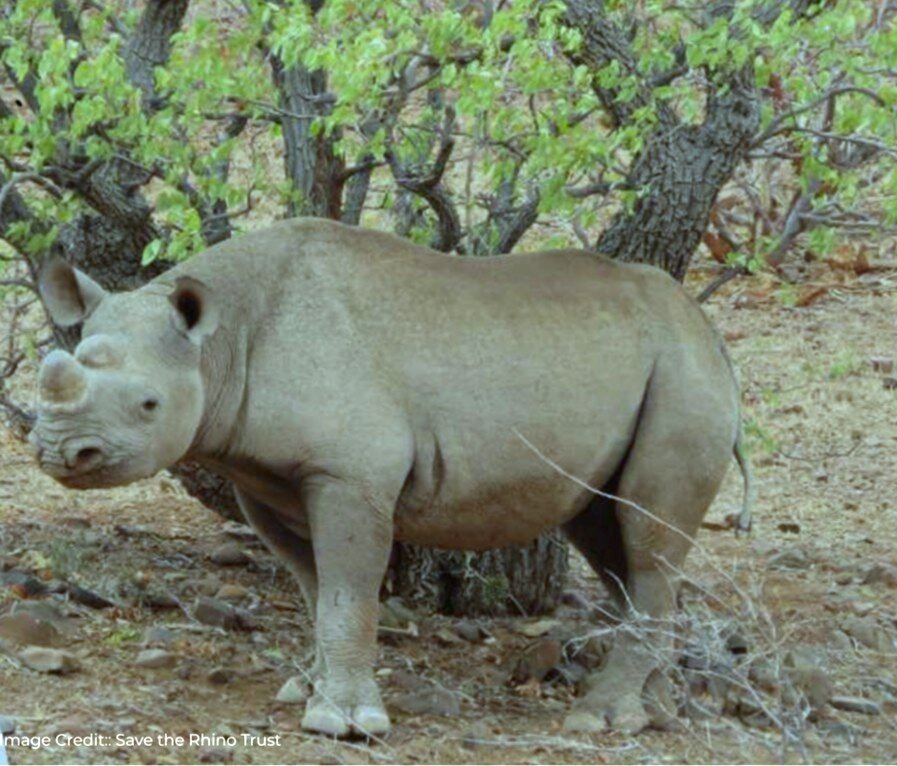
Namibia: desert-adapted black rhinos
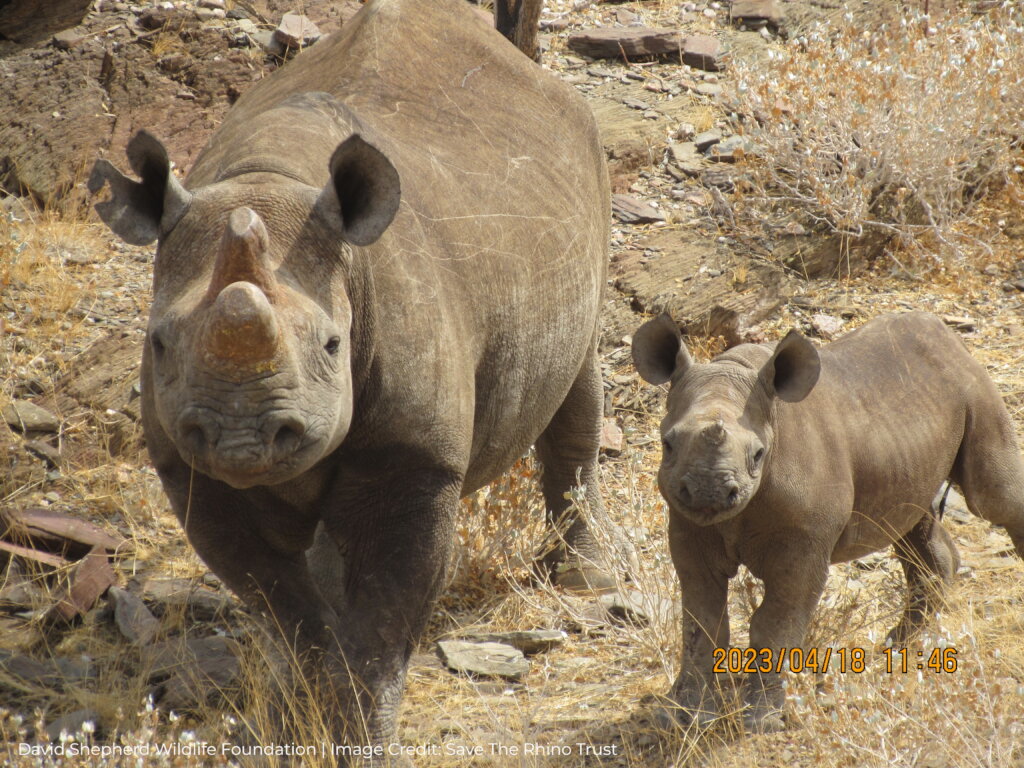
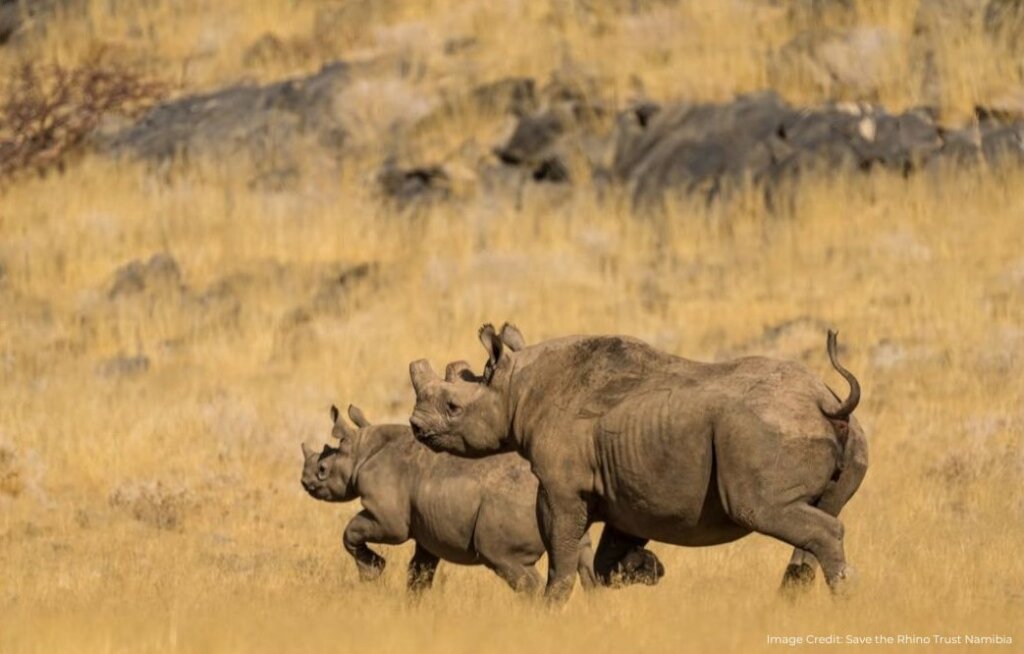
In Namibia, your support helped our conservation partners maintain intensive protection and monitoring of critically endangered desert-adapted black rhinos during a year marked by continued poaching pressure and significant operational challenges.
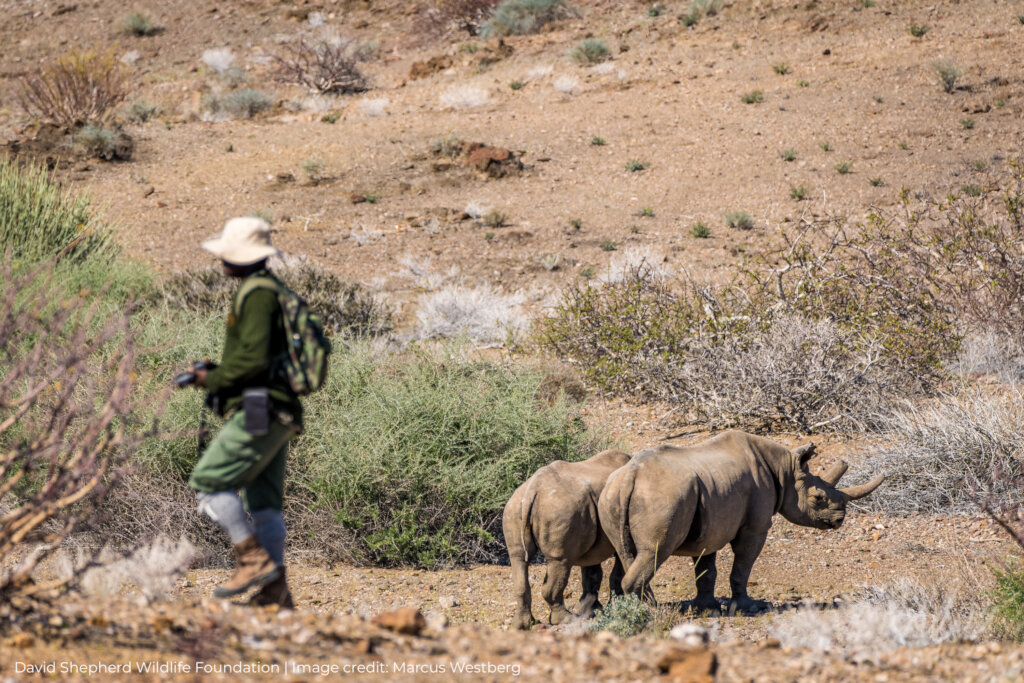
This work takes place across a vast and demanding landscape. Our partners directly supported seven field rangers as part of a wider conservation effort spanning approximately 29,000 km² across the Kunene and Nyae Nyae landscapes. During 2025, field teams recorded 4,334 verified rhino sightings and logged more than 55,132 kilometres of foot patrols. In total, they completed 5,380 team field days and 10,762 ranger field days.
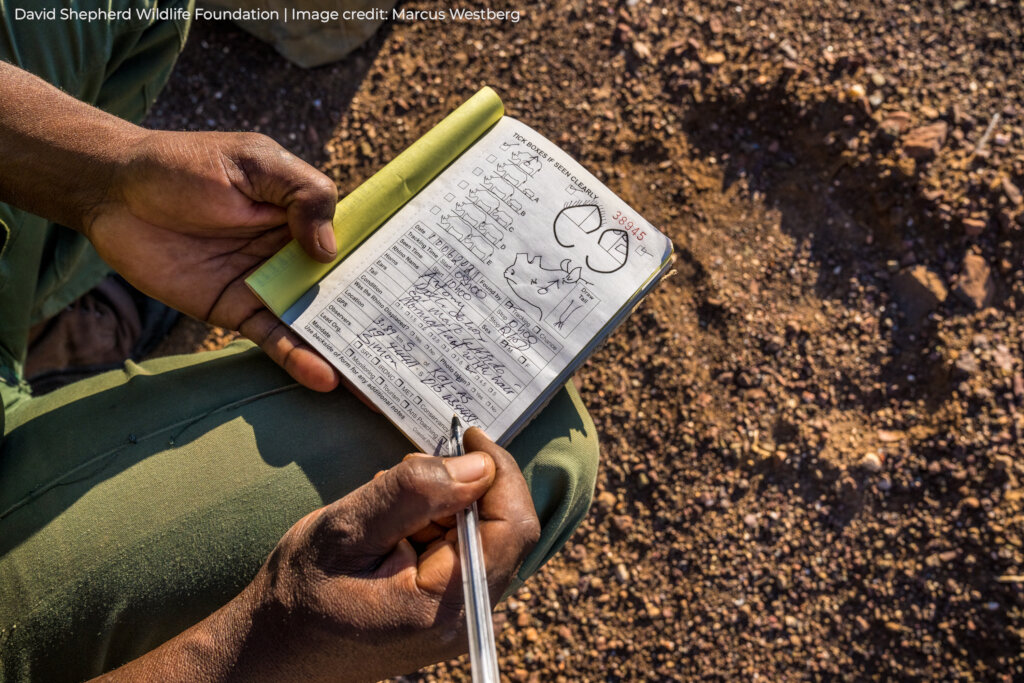
Behind these figures lies the steady, patient work of rhino conservation: tracking animals across remote terrain, monitoring known ranges, recording sightings and ensuring rhinos remain visible to those working to protect them.
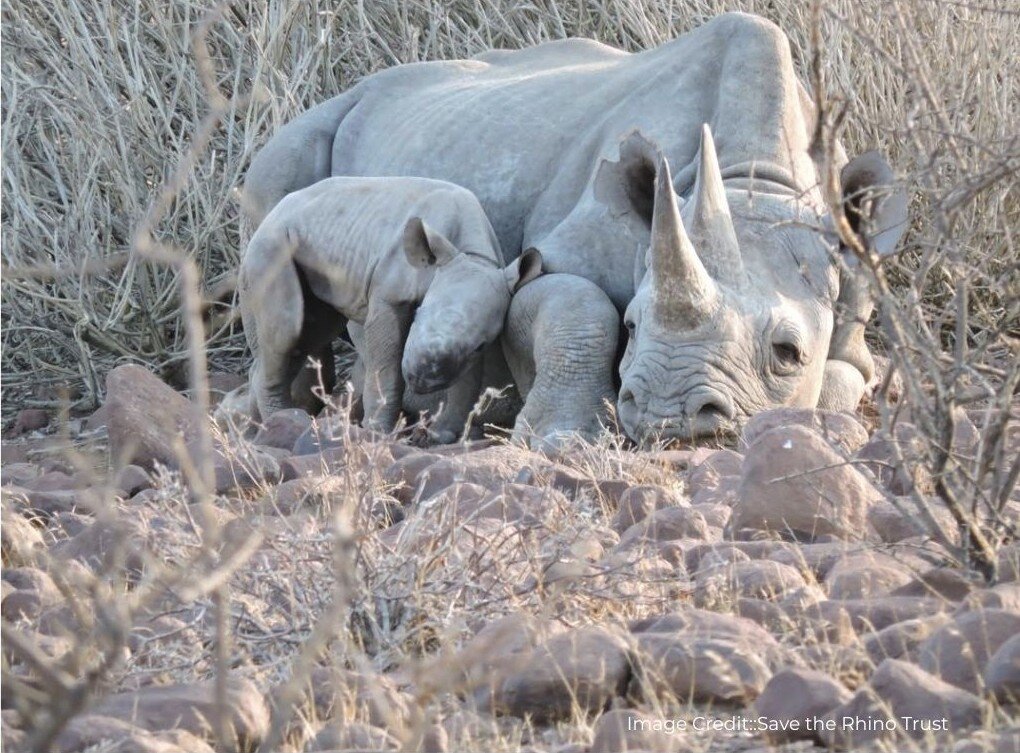
There were encouraging signs during the year. Five new rhino births were recorded, and two rhinos previously thought lost were rediscovered. Population management efforts also included dehorning 45 rhinos to reduce poaching risk and translocating rhinos to help establish a new breeding population within a communal conservancy.
The year also brought challenges. Two rhinos were poached during the reporting period, and the effects of prolonged drought continued to impact rhino survival and monitoring certainty. However, favourable rains during 2025 improved habitat conditions and are expected to support increased calf production in 2026.
Community conservation remains at the heart of this work. Our conservation partners worked with 14 communal conservancies, representing more than 10,000 residents, and supported over 70 conservancy rhino rangers through training, equipment and performance-based incentives. More than 30 people received first aid training, while 52 field rangers attended awareness sessions covering wellbeing, gender-based violence and mental health.
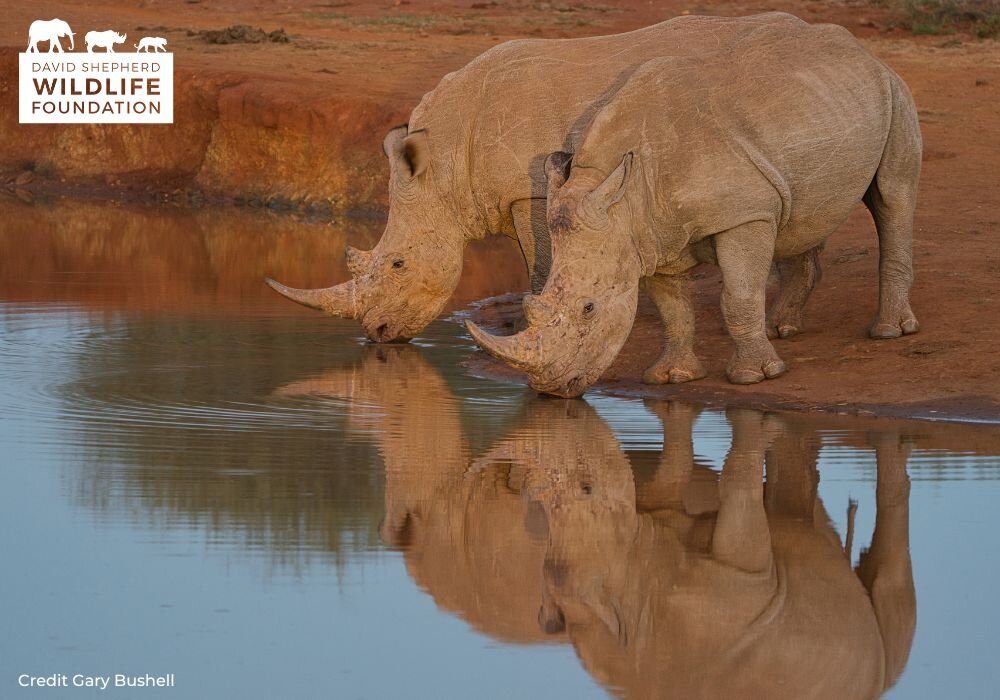
India: greater one-horned rhinos in Assam
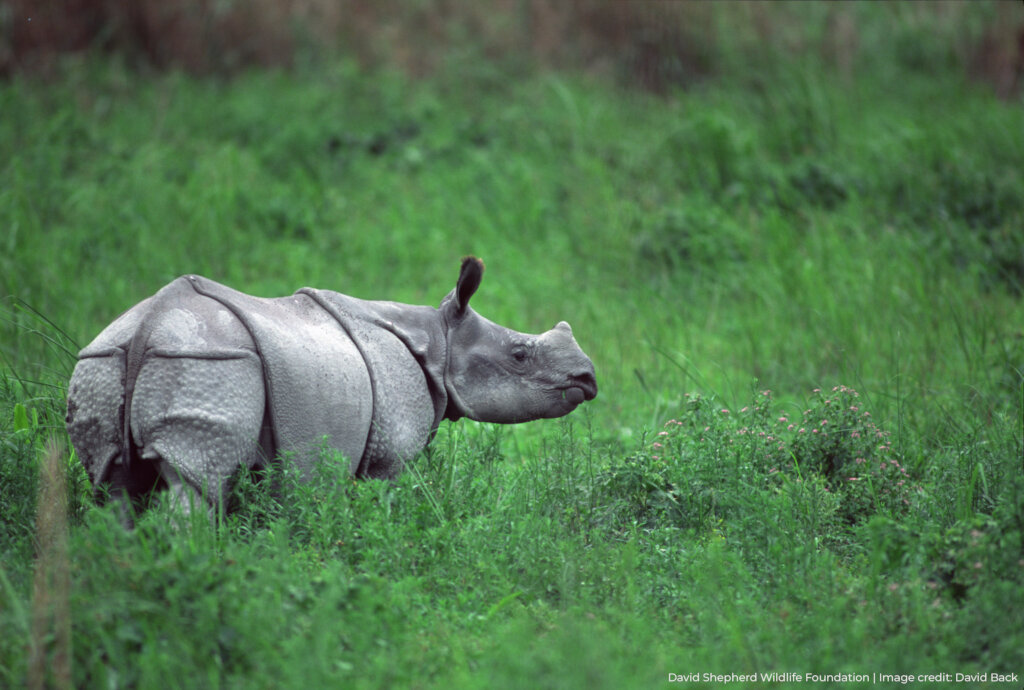
In Assam, our conservation partners work to protect greater one-horned rhinos and tigers through a combination of enforcement, community engagement and education.
Over the reporting year, field equipment was provided to 270 members of Village Defence Patrols, alongside fuel support for rangers operating in Pobitora Wildlife Sanctuary. This contributed to 31 poachers being apprehended, nine weapons being seized and eight convictions or prosecutions being achieved.
Your support also helped maintain four K9 sniffer dog units, which continue to assist forest and police agencies with anti-poaching operations and wildlife crime investigations. The loss of K9 Jubi in November 2025 was deeply felt by the team, and work to secure and train a replacement is ongoing.
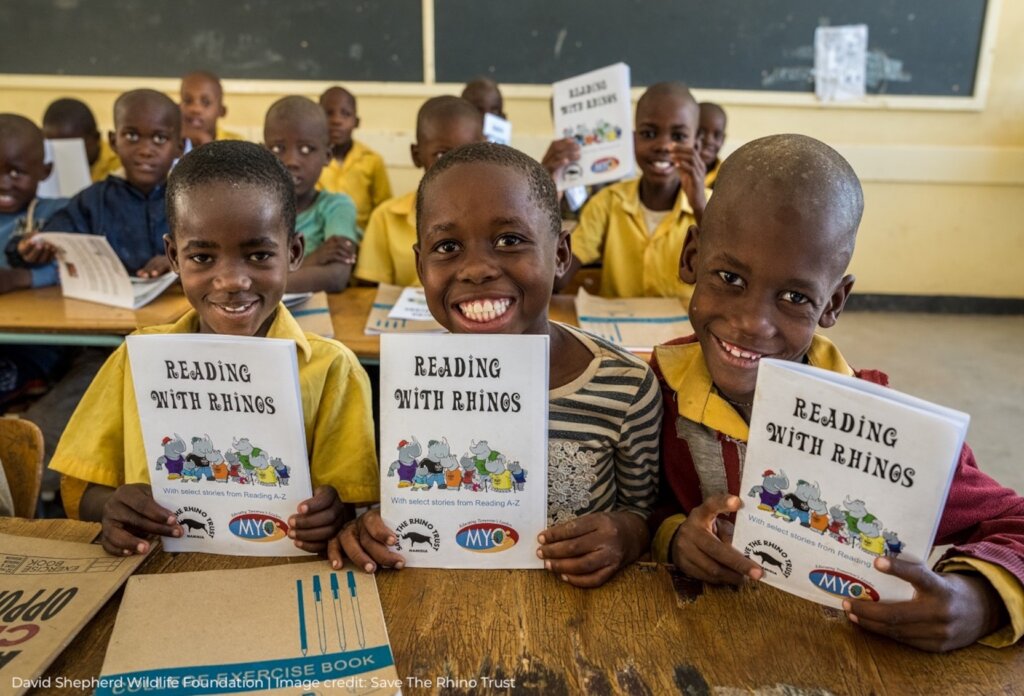
Education played an important role alongside this frontline protection. Conservation partners delivered 40 “Rhino and Tiger Go to School” programmes, reaching 6,650 students across 53 schools and 65 villages. Nature camps provided older children with deeper conservation experiences, while 12 community awareness programmes reached approximately 6,300 people.
Looking ahead
Your support is helping rhinos survive in deserts, grasslands and the communities that surround them, where protection must be present every day. Thank you for helping ensure that rhinos, and the people working to protect them, have a stronger future.
By Camilla Capel | Development Executive
By Camilla Capel | Fundraising and Events Executive
Project reports on GlobalGiving are posted directly to globalgiving.org by Project Leaders as they are completed, generally every 3-4 months. To protect the integrity of these documents, GlobalGiving does not alter them; therefore you may find some language or formatting issues.
If you donate to this project or have donated to this project, you can receive an email when this project posts a report. You can also subscribe for reports without donating.



Support this important cause by creating a personalized fundraising page.
Start a Fundraiser