By Camilla Capel | Development Executive
Protecting pangolins from the forest floor to the marketplace
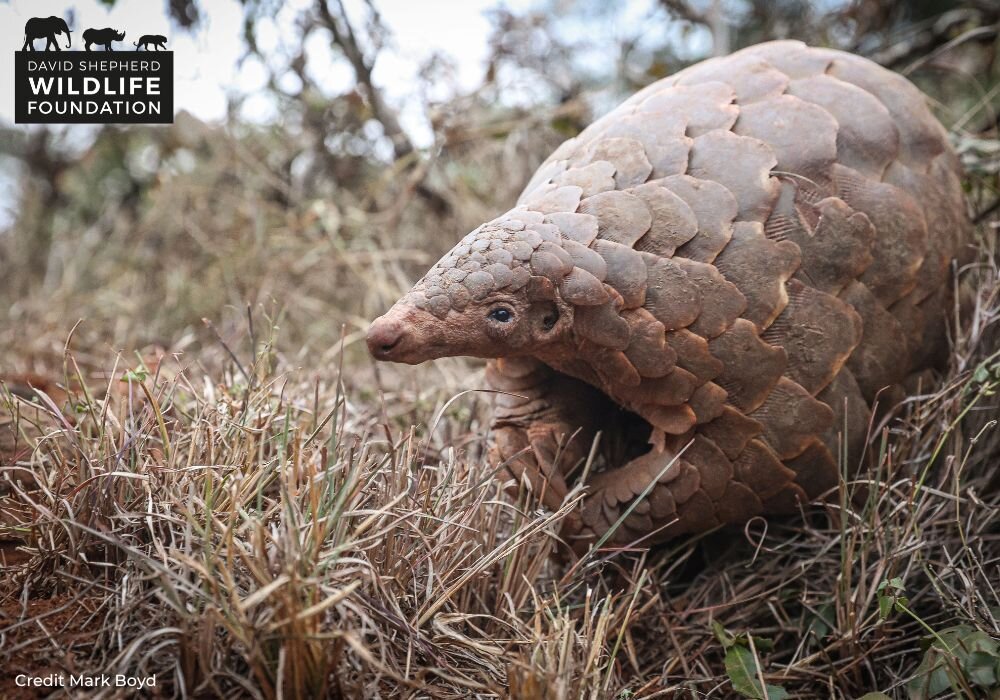
Pangolins are secretive, gentle and notoriously difficult to study, but the threats they face are impossible to ignore. Habitat loss, electric fencing, poaching, trafficking routes, demand for traditional medicine and bushmeat consumption all place pressure on these extraordinary animals.
This year, your support helped protect pangolins at every stage of that challenge: securing habitat in Kenya, strengthening forest protection in Thailand, disrupting trafficking networks internationally and reducing demand in China, Vietnam and Cameroon.
Kenya: creating a sanctuary for giant ground pangolins
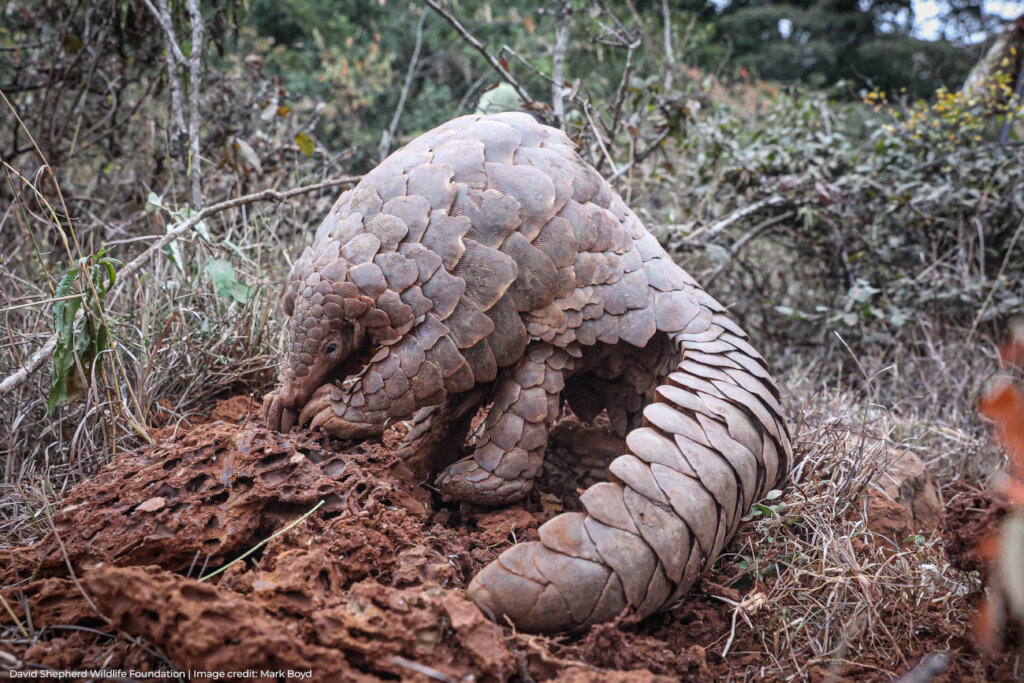
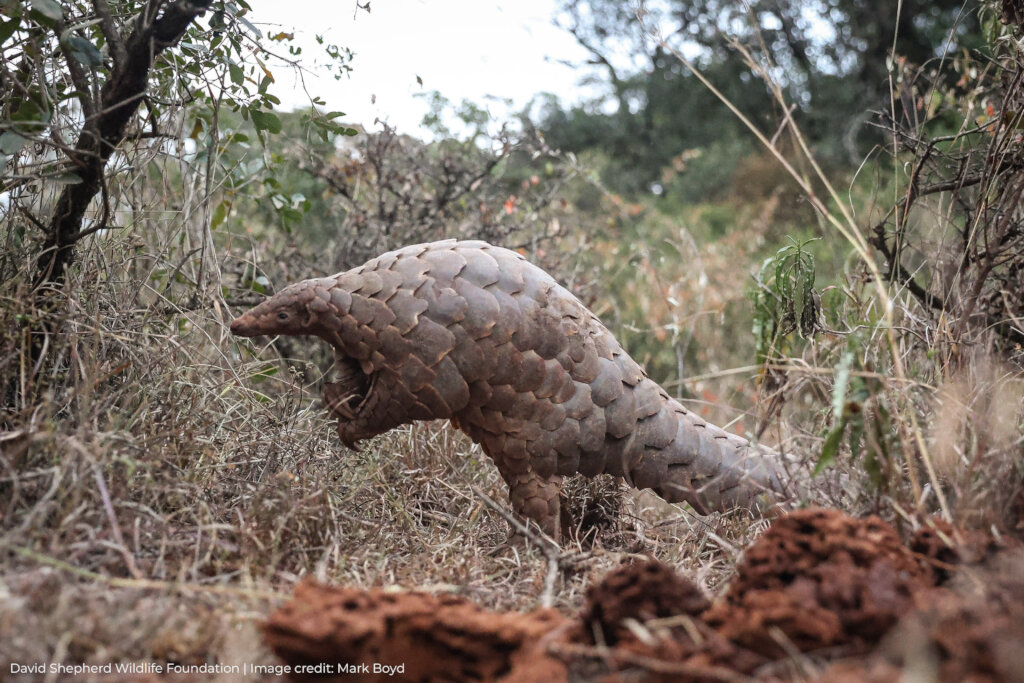
In Kenya’s Nyekweri ecosystem, our conservation partners made significant progress towards creating a safer future for giant ground pangolins. By halfway through this year, 206 landowners had entered conservation agreements, including 128 long term conservation leases committing land to conservation for 15 years.
Together, these agreements have secured 6,123 hectares under conservation management, including 1,493 hectares of forest habitat. The largest contiguous conservation block now covers approximately 3,100 hectares, moving the project closer to its goal of creating a 10,500-hectare community wildlife conservancy by October 2026.
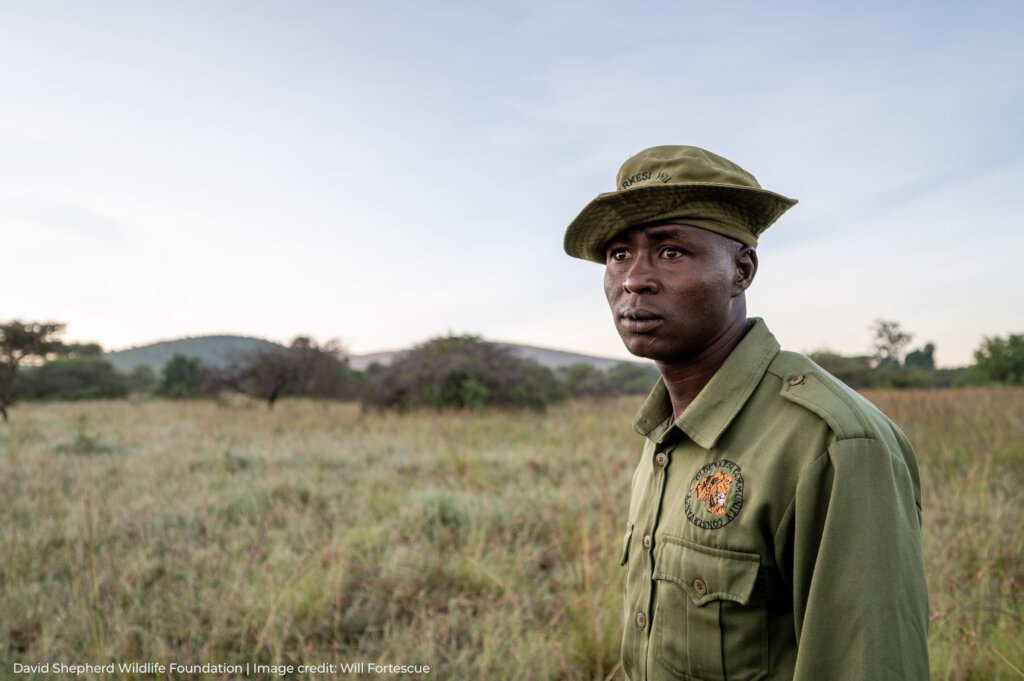
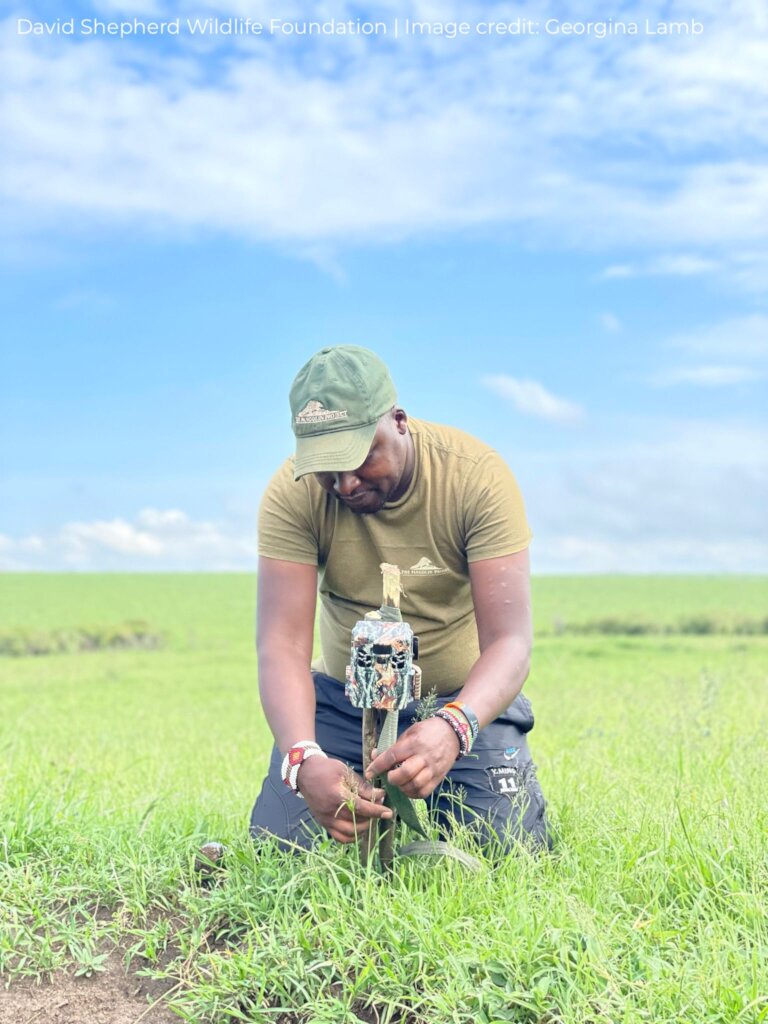
Your support also helped ranger teams provide vital protection on the ground. Rangers completed 289 patrol days and covered 5,913 kilometres, recording charcoal production and tree cutting incidents, removing 21 snares, monitoring 96 camera traps and responding to 27 human-wildlife conflict incidents.
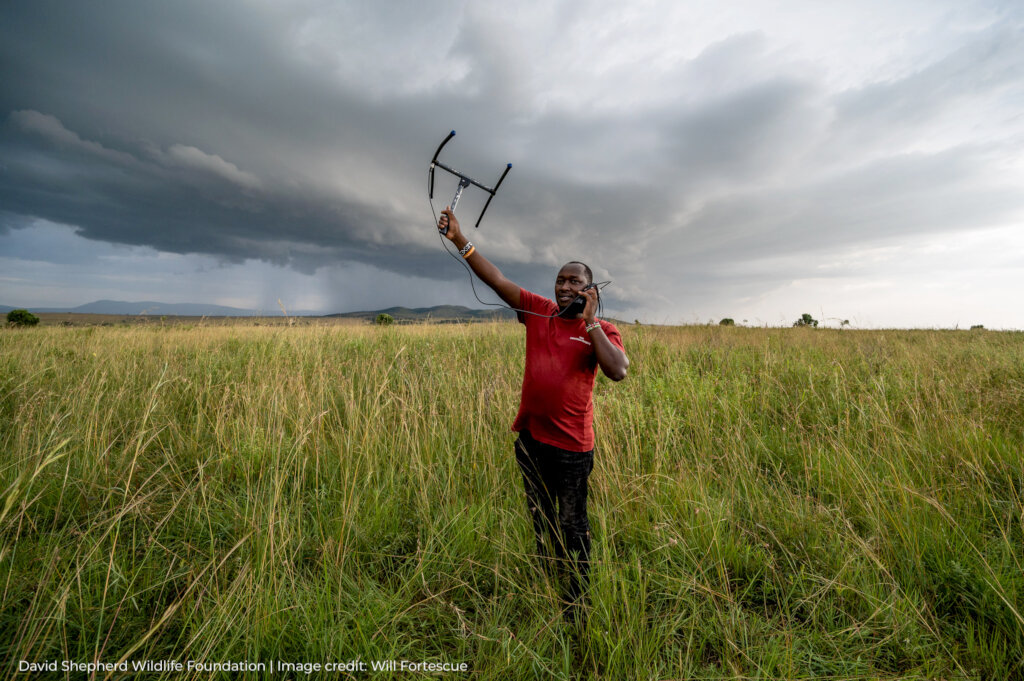
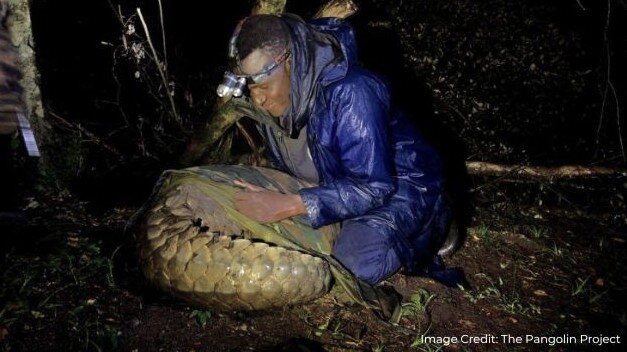
The year also highlighted the challenges pangolins continue to face. A tagged pangolin died after contact with an electric fence, demonstrating that habitat protection alone is not enough. In response, the project established Pangolin Protection Units in partnership with the Kenya Wildlife Service. Five tagged giant ground pangolins are now monitored nightly using VHF tracking and risk mapping to help reduce fence related deaths. During the reporting period, four pangolin deaths from electric fencing were recorded, underlining the urgency of this work.
Community support remains central to the project's success. More than 30 community members are employed by the programme, which also engaged 503 women, held 18 community meetings and carried out household consultations to support informed consent for conservation leases.
Thailand: protecting Sunda pangolins in tiger habitat
In Thailand’s Dong Phayayen-Khao Yai World Heritage Site, DSWF support helped Freeland continue its long running tiger and pangolin conservation programme. Rangers covered approximately 42,000 kilometres, apprehended 52 poachers, seized 21 firearms and secured 36 successful convictions and prosecutions.
Pangolins are naturally difficult to detect, but monitoring confirmed that a small yet significant Sunda pangolin population continues to survive within this important forest landscape.
International investigations and demand reduction
Our conservation partners also contributed to intelligence-led efforts designed to disrupt wildlife trafficking routes linked to pangolins and other threatened species. This included the development of a Trans-Himalayan Trade Assessment, open source intelligence training, support for a wildlife crime database in Nepal and engagement with enforcement bodies. Our partners also launched A View from the Courts, examining pangolin trafficking cases in China.
Alongside this work, our partners have continued tackling demand directly. In China, messaging delivered through the Chunyu Doctor platform generated 2.75 million exposures and more than 47,000 clicks, with 71% of exposed practitioners saying the campaign influenced future prescribing decisions.
In Vietnam, the Pangolin Milk Bottle campaign achieved more than 1.08 billion impressions, 8.2 million video views and over 65,000 engagements. In Cameroon, the No Pangolin On My Plate campaign visited 809 restaurants, with 502 signing a pledge not to serve pangolin meat.
Looking ahead
Your support is helping pangolins at every level, from protecting individual animals and safeguarding habitat to strengthening enforcement and changing behaviour. Thank you for standing up for one of the world's most threatened mammals and helping secure a safer future for pangolins.
Project reports on GlobalGiving are posted directly to globalgiving.org by Project Leaders as they are completed, generally every 3-4 months. To protect the integrity of these documents, GlobalGiving does not alter them; therefore you may find some language or formatting issues.
If you donate to this project or have donated to this project, you can receive an email when this project posts a report. You can also subscribe for reports without donating.



Support this important cause by creating a personalized fundraising page.
Start a Fundraiser